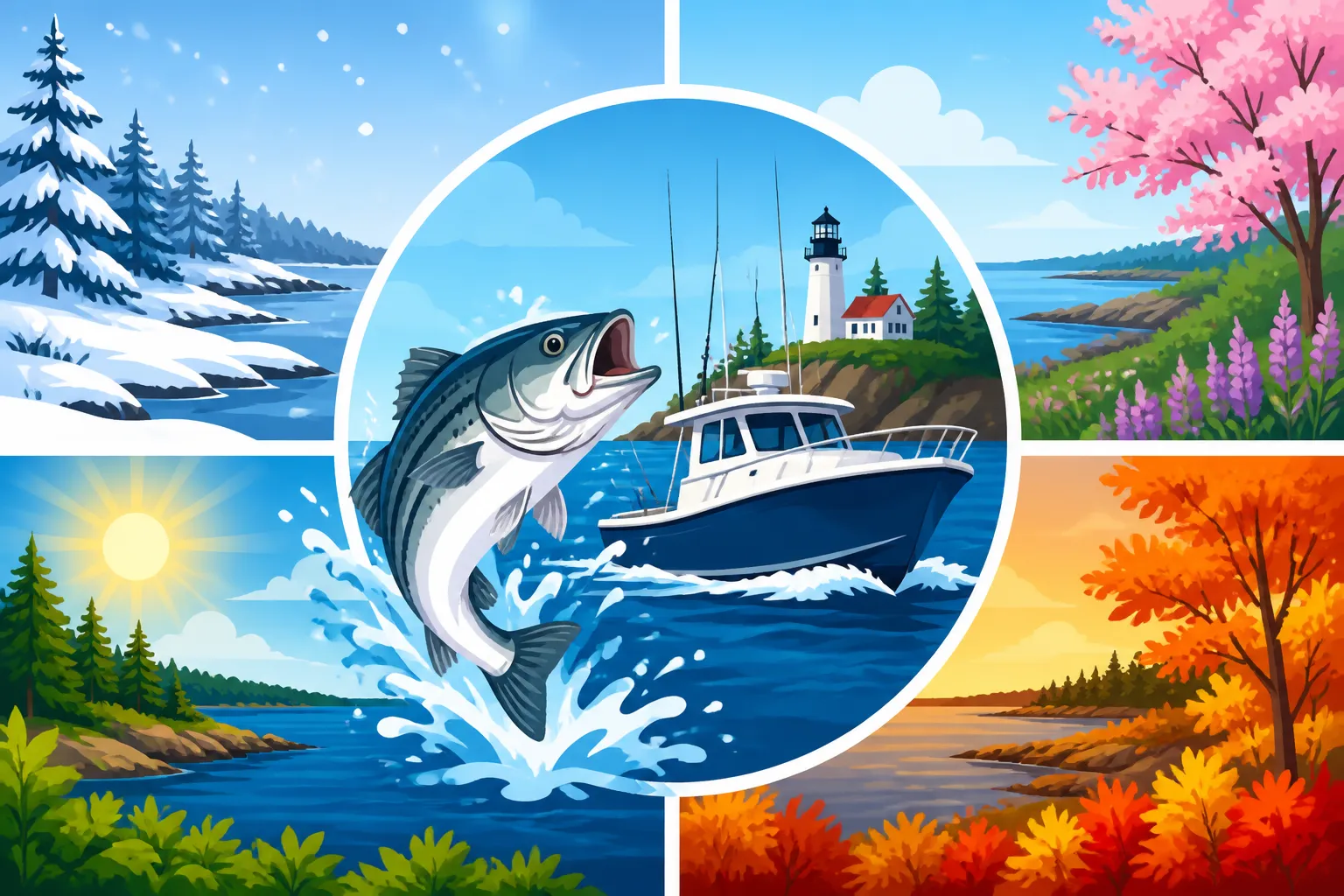
Best Season to Book a Maine Charter
Deciding when to book a fishing charter in Maine can feel like trying to hit a moving target – the "best" time often depends on what you're hoping to catch, the kind of experience you're after, and even the type of weather you prefer. It's a common frustration for anglers planning their dream trip to the Pine Tree State, where the fishing opportunities shift dramatically with the seasons. This comprehensive guide will help you navigate Maine's diverse fishing calendar, pinpointing the ideal times to book a charter for specific species and experiences, ensuring your adventure is exactly what you envision.
Understanding Maine's Dynamic Fishing Calendar
Maine's waters are truly a marvel, offering a wide array of fishing experiences that transform throughout the year. From the icy grip of winter to the warm embrace of summer, each season presents unique opportunities and challenges for anglers. Knowing this annual rhythm is the first step in planning a successful charter trip, especially when your goal is to target a particular species or enjoy a specific kind of fishing environment.
The Rhythms of Maine's Waters
Just like the changing colors of the leaves or the migration of birds, fish activity in Maine operates on a seasonal cycle. Water temperature is the primary driver, influencing everything from spawning patterns to feeding habits and where fish choose to congregate. For instance, cold-water species like trout and salmon become more active in cooler months, while warm-water species like bass thrive in the heat of summer. Coastal species, such as striped bass, follow significant migration patterns, arriving in Maine's waters in late spring and departing by late fall. Understanding these fundamental rhythms allows you to align your visit with the peak activity of your desired catch, maximizing your chances of a memorable day on the water.
This seasonal dance means that a charter booked in May will offer a vastly different experience than one in August. In spring, you might be casting for migrating anadromous fish in rivers, while summer opens up opportunities for deep-sea adventures far offshore. Fall brings a renewed intensity to the fishing as fish fatten up before winter, providing some of the most exciting action of the year. Each period has its charm and its challenges, and charter captains are experts at adapting their strategies to whatever the season brings.
Deciphering Open Water vs. Ice Fishing Seasons
When we talk about booking a "charter" in Maine, most people instinctively think of open water fishing—a boat, a captain, and the wide expanse of a lake or ocean. This is indeed the dominant form of guided fishing from spring through fall. However, Maine also has a robust ice fishing tradition during the winter months. While you can certainly hire a Maine Ice Fishing Guide to take you out onto frozen lakes, the term "charter" usually refers to a boat-based operation. For this guide, we'll primarily focus on open water charters, as that's what most anglers are seeking when they ask about booking a charter.
Open water season typically begins when the ice recedes from the lakes (often referred to as "ice-out"), which can be anywhere from late March to early May depending on the specific body of water and the severity of the winter. Coastal charters, of course, aren't bound by ice, but their target species like striped bass are migratory and only present for a certain part of the year. Therefore, while Maine offers year-round fishing opportunities, the prime charter season for most popular species runs from late spring through late autumn. This distinction is crucial for setting expectations and planning your trip, ensuring you're looking for the right type of experience at the right time.
Spring: A Season of Awakening and Early Runs
Spring in Maine is a time of transition and renewed life, both on land and in the water. As the ice melts and water temperatures slowly climb, fish that have been lethargic through the winter begin to stir, and migratory species make their grand return. For charter fishing, this usually means late April, May, and early June, marking the beginning of the open water season. It's a fantastic time for anglers who appreciate cooler weather, fewer crowds, and the excitement of catching fish that are often very hungry after a long winter.
Targeting Anadromous Runs and Early Lake Species
One of the most exciting aspects of spring fishing in Maine is the opportunity to target anadromous fish runs. Species like landlocked salmon and various trout species, after spending the winter in the depths of lakes, often move into shallower areas or congregates near river mouths as water temperatures rise, preparing for their spawning runs or simply seeking out newly abundant food sources. Early in the season, charter captains might focus on these fish in the larger lakes like Sebago, Moosehead, or the Rangeleys, where the fish are often aggressive and willing to strike. Landlocked Salmon Fishing in Maine can be particularly good in early spring.
Beyond the lakes, rivers and estuaries become alive with the movement of fish. While federal and state regulations tightly control Atlantic salmon, other species such as smelt and alewives make their way upstream, drawing in predators like striped bass in the coastal rivers (though stripers usually arrive a bit later in spring). For lake anglers, spring is also an excellent time to target brook trout in smaller ponds or the shallower waters of larger lakes before they retreat to deeper, cooler zones in summer. Charter captains know these early season patterns intimately and can put you on fish when they are most active.
Weather Considerations and Booking Early
Spring weather in Maine can be incredibly unpredictable. One day you might be basking in warm sunshine, the next could bring chilly winds, rain, or even a late-season snow flurry. It's essential to be prepared for all conditions when booking a spring charter. Layers of clothing are your best friend, along with waterproof outer gear. Despite the variable weather, the fishing can be superb, and the landscapes are often stunning as nature reawakens.
Because spring is when many anglers are eager to get back on the water after winter, and some specific runs can be brief, booking your charter early is highly advisable. Popular captains and guides, especially those specializing in particular species or regions, will fill their schedules quickly. Checking out platforms like FishingBooker can give you a good idea of availability and help you secure a spot with a reputable Maine Fishing Charters Guide well in advance. Planning ahead not only guarantees your preferred dates but also often ensures you get the captain with the most experience for the conditions and species you wish to pursue.
Summer: Prime Time for Coastal and Lake Adventures
Summer in Maine, spanning roughly June, July, and August, is undeniably the most popular season for all types of outdoor activities, and fishing is no exception. The weather is generally warmer, days are longer, and a vast array of fish species are actively feeding. This is when the coastal waters truly come alive with migratory fish, and inland lakes offer consistent action, albeit with some strategic adjustments due to higher water temperatures. If you're looking for the quintessential Maine fishing experience with plenty of sunshine, summer is your time.
Bustling Coastal Charters for Stripers and Groundfish
The coastal waters of Maine absolutely hum with activity during the summer. This is prime time for Striped Bass Fishing in Maine. From the rocky shores of York to the islands of Down East, stripers arrive in force, chasing baitfish in estuaries, along beaches, and around rocky structures. Many Maine Striped Bass Charters operate daily, offering anglers the chance to hook into these powerful, acrobatic fish. The slot limits and regulations for striped bass mean it's often a catch-and-release focused fishery, but the thrill of the fight is what truly draws people in.
Beyond the stripers, summer is also when Maine Deep Sea Fishing Charters venture further offshore for groundfish like cod, haddock, and pollock. These trips offer a different kind of excitement, often involving bottom fishing in deeper, cooler waters. You might also find charters targeting bluefin tuna, though these are highly specialized and often multi-day excursions. The warmer months provide the most stable ocean conditions for these longer trips, making it an ideal window for those seeking a true offshore adventure. Platforms like FishingBooker are great for finding charters that specialize in these diverse coastal offerings.
Inland Lake Fishing at Its Peak
While coastal fishing often steals the summer spotlight, Maine's lakes and ponds are also thriving. Landlocked salmon and lake trout (togue) will have moved to deeper, cooler sections of the lakes. This means Trolling Techniques for Maine Lakes become essential, often with downriggers or lead core lines to get lures down to the thermocline where these cold-water species hold. Early mornings and late evenings are often the most productive times for these species, as they may venture slightly shallower during lower light conditions.
Meanwhile, warm-water species like smallmouth and largemouth bass are in full swing. Smallmouth Bass Fishing in Maine is phenomenal in the summer, with fish actively feeding in rocky areas, around submerged structures, and along weed lines. Bass fishing can be exhilarating, offering plenty of topwater action during dawn and dusk. For a more relaxed family outing, many lakes also offer abundant perch and pickerel, which can provide continuous action for younger anglers or those simply looking for a fun day on the water. Many Maine Lake Fishing Guides are incredibly adept at finding these various species, regardless of the heat.
Navigating Peak Season Crowds and Prices
The popularity of summer in Maine comes with its own set of considerations: crowds and prices. From late June through Labor Day, popular fishing destinations, boat launches, and towns can be bustling. This means that charter availability can be tight, and booking a spontaneous trip might be difficult. Charters often operate at their highest rates during this peak season due to demand.
If your heart is set on a summer charter, especially during July and August, it is absolutely critical to book as far in advance as possible. Many top captains are fully booked months, sometimes even a year, in advance. If you're flexible with your dates or willing to fish during weekdays, you might find more options. Always confirm what's included in the charter price – usually, gear, bait, and tackle are covered, but always clarify any additional costs. Don't forget to ask about What to Bring on a Maine Fishing Charter, as personal items like sunscreen, sunglasses, and appropriate clothing are essential for long summer days on the water.
Fall: The Striper Migration and Trophy Lake Fish
As summer gently gives way to autumn, Maine transforms into a canvas of vibrant colors, and the fishing undergoes an equally dramatic shift. Fall, generally from September through November, is a favorite season for many seasoned anglers. The oppressive heat of summer subsides, water temperatures cool, and fish often enter a feeding frenzy in preparation for the leaner winter months. For those in the know, fall often offers some of the most rewarding and comfortable charter fishing experiences of the year.
Chasing Fall Run Striped Bass
For saltwater anglers, the fall is synonymous with the striped bass migration. As water temperatures drop, stripers begin their journey south, often grouping into larger schools and feeding aggressively to build up reserves for their long migration. This "fall run" can provide incredible action, with fish often schooling up and readily hitting a variety of lures and baits. Many Maine Striped Bass Charters consider this a prime time, especially in coastal rivers and estuaries where the baitfish are congregating.
The cooler air temperatures make for much more comfortable fishing days, free from the scorching sun and humidity of mid-summer. While the crowds of summer tourists begin to thin, passionate anglers know that fall offers some of the best opportunities for trophy-sized stripers. A skilled captain will know where these migrating schools are likely to be found, often moving with the tides and bait. The fight of a fall run striper, full of vigor and strength, is an experience not soon forgotten.
Lake Trolling for Large Salmon and Togue
Inland, Maine's lakes also put on a spectacular show for fall fishing. The cooling water temperatures bring cold-water species like landlocked salmon and togue (lake trout) back up from their deep summer haunts. They become much more accessible to anglers, often found in shallower waters or closer to the surface, making them excellent targets for trolling. This is a fantastic time for Landlocked Salmon Fishing in Maine and Maine Togue and Lake Trout Limits often see anglers reaching their limits.
As fish prepare for spawning and winter, they become incredibly active feeders, making them more aggressive and easier to entice. Charter captains specializing in lake fishing will often employ varied trolling patterns, using different lures and depths to locate these actively feeding fish. The serene beauty of a Maine lake in fall, surrounded by blazing foliage, adds an unparalleled aesthetic to the fishing experience. It’s a peaceful yet exhilarating time to be on the water, with the added bonus of often catching larger, healthier fish.
Enjoying Fewer Crowds and Crisp Air
One of the biggest advantages of booking a fall charter is the reduction in crowds. Once Labor Day passes, many tourists head home, leaving the lakes and coastal towns significantly quieter. This translates to less competition on the water, easier access to boat launches, and a more relaxed overall atmosphere. Charter captains, while still busy, might have more flexibility in their schedules, and you might find more availability than during the peak summer months.
The crisp, cool air of a Maine autumn day is also a delight. Gone are the sticky, humid days; instead, you're treated to invigorating breezes and comfortable temperatures perfect for a full day of fishing. This combination of active fish, stunning scenery, and fewer people makes fall a truly magical time for a fishing charter in Maine. Just like spring, wearing layers is key, as mornings can be quite chilly, but afternoons often warm up nicely.
Strategic Considerations for Booking Your Maine Charter
While understanding the seasonal dynamics is crucial, several other factors play a significant role in determining the "best" time for you to book a Maine fishing charter. Your personal preferences, budget, and the specific kind of adventure you're dreaming of should all influence your decision. Thinking through these points proactively will help you fine-tune your booking strategy.
Matching Your Target Species to the Season
Ultimately, the best season to book your charter heavily depends on what fish you want to catch. If landing a trophy striped bass is your dream, then summer and fall are your prime windows. If it's the thrill of a hard-fighting landlocked salmon, then early spring and fall on the lakes will likely be most productive. If you're keen on deep-sea groundfish, summer offers the most consistent conditions for venturing offshore.
Consider the table below for a quick reference:
| Season | Primary Target Species (Open Water) | Typical Experience | Pros | Cons |
|---|---|---|---|---|
| Spring | Landlocked Salmon, Brook Trout, Early Bass | Cooler temps, lighter crowds, active feeding | Aggressive fish, beautiful scenery, good value | Unpredictable weather, limited coastal species |
| Summer | Striped Bass, Groundfish, Bass, Salmon | Warm weather, diverse options, family-friendly | Abundant species, stable conditions, long days | Peak crowds, higher prices, hotter weather |
| Fall | Striped Bass (migration), Salmon, Togue | Cooler temps, less crowded, trophy potential | Large fish, vibrant scenery, comfortable temps | Shorter days, potential for rougher coastal seas |
Understanding these species-specific windows is paramount. Don't book a Maine Fishing Charters Guide in April expecting to catch migrating stripers, just as you shouldn't plan for prime landlocked salmon action in the shallows in August. A good captain or guide will be upfront about what's realistically available during your chosen timeframe, and many will list their seasonal targets on their websites or platforms like FishingBooker.
Balancing Cost, Availability, and Experience Desired
The cost of a Maine Fishing Charter Cost Guide can vary significantly based on the season, the duration of the trip (half-day vs. full-day), the type of fishing, and the number of anglers. As we discussed, summer is typically the most expensive and least available period due to high demand. If budget is a major concern, or if you prefer a less crowded experience, consider booking during the shoulder seasons—late spring or early fall. You might find slightly lower rates and definitely more flexibility in booking dates.
Availability is another key factor. If you have very specific dates in mind, especially for a popular weekend or holiday, you absolutely must book far in advance, regardless of the season. If you're flexible, you might be able to snag a last-minute cancellation or find more options during weekdays. Think about the overall experience you desire: are you looking for a quiet, serene day on the water, or the vibrant energy of a bustling summer fishery? This will help you decide which season aligns best with your ideal outing.
Researching and Booking Your Ideal Charter
Once you have a season and target species in mind, the real work of finding and booking your charter begins. Start by researching reputable Best Maine Fishing Charter Companies and individual captains. Look for reviews, check their websites, and don't hesitate to call them directly to discuss your goals. A good captain will be happy to answer your questions about typical catches, techniques, and what to expect during your chosen season.
Online platforms like FishingBooker can be incredibly useful for comparing different charters, checking real-time availability, and reading reviews from previous customers. They often provide detailed information about the boat, the captain's experience, target species, and pricing, making it easier to find a match for your preferences. When you're ready to book, always confirm the cancellation policy, what's included (gear, bait, licenses if applicable, like with the Do You Need a License to Fish on a Maine Charter article outlines that typically passengers on a charter do not need their own license if the vessel has a blanket license), and any other essential details. A little homework upfront ensures a smooth and enjoyable fishing adventure in Maine.
Disclaimer
This article is for general informational purposes only and does not constitute professional advice. Laws, prices and regulations vary by location and change over time. Consult a qualified professional for guidance on your specific situation.