Difference Between a Fishing Guide and a Charter Captain in Maine
It's incredibly easy to get tangled up in the jargon when you're planning a fishing trip in Maine. You hear terms like "fishing guide" and "charter captain" thrown around, and it's natural to assume they're interchangeable. But trust me, as someone who's spent decades out on the water and along the shores of Vacationland, there are distinct differences that can profoundly impact your experience. This guide will untangle that confusion, clearly outlining what separates a Maine fishing guide from a charter captain, so you can pick the perfect professional for your next angling adventure.
Understanding a Registered Maine Fishing Guide
When you hear "Registered Maine Guide," you're talking about a special kind of outdoor professional. This title isn't just a fancy name; it signifies a deep connection to Maine's wilderness and a rigorous certification process that's recognized nationwide. These are folks who live and breathe the woods, lakes, and rivers of our beautiful state.
Their Role and Primary Focus
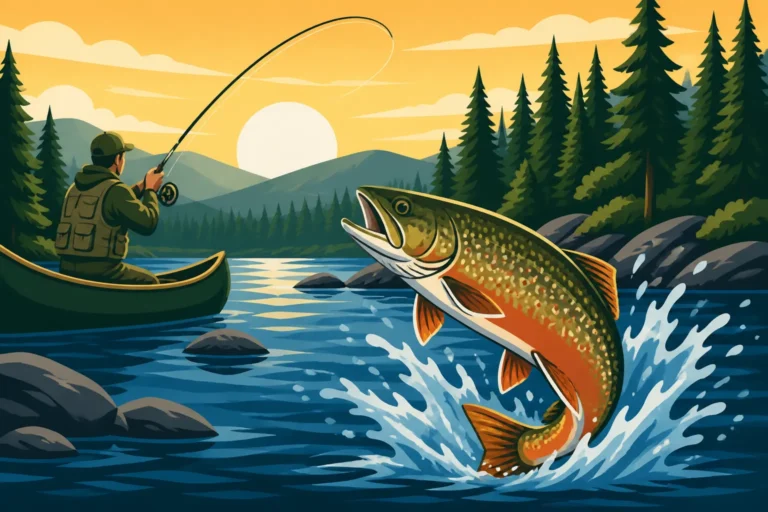
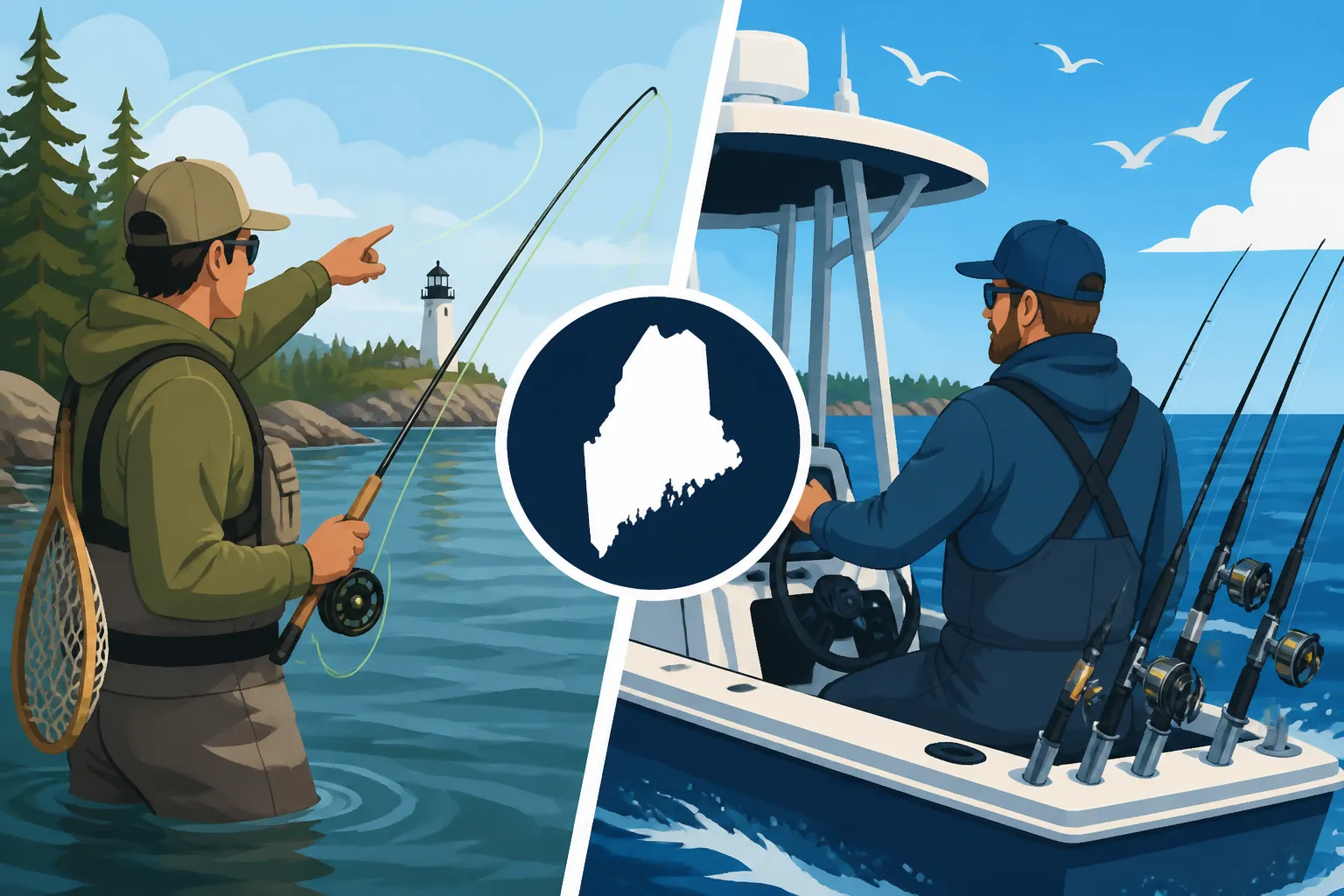
A Registered Maine Guide primarily operates in the freshwater environments – think sprawling lakes, winding rivers, and hidden ponds across the state. Their expertise usually lies in specific types of freshwater angling, like fly fishing for brook trout in a remote stream, trolling for landlocked salmon on a vast lake, or even ice fishing during the colder months. You'll often find them specializing in particular species or methods.
Their role isn't just about putting you on fish, although that's certainly a big part of it! It's also about teaching you, connecting you with the natural environment, and ensuring a safe, immersive experience. They're educators and stewards of the outdoors, often sharing insights into local wildlife, conservation, and the history of the area. A trip with a Maine Guide is often an adventure, whether it's a day spent wading a stream or a multi-day canoe trip into the remote backcountry. They might provide shore lunches, teach casting techniques, or help you understand the nuances of a specific fishery. If you’re interested in a deeper dive, checking out Maine Fishing Season Calendar can help you align your trip with the best times for different species.
Licensing and Expertise
To become a Registered Maine Guide, an individual must pass a comprehensive examination administered by the Maine Department of Inland Fisheries and Wildlife. This isn't a walk in the park; it tests their knowledge of first aid, CPR, navigation, outdoor survival, Maine's fish and game laws, and general woods lore. It's a testament to their dedication to safety and their proficiency in the wild.
Beyond the formal licensing, their expertise often comes from a lifetime of experience in a particular region or with specific species. They know the subtle signs of changing weather, the best holes in a river, or the precise depth to target salmon on a given lake. Their knowledge is often hyper-local and passed down through generations, making them invaluable resources for anyone looking to truly experience Maine's freshwater fishing. For those looking to embark on this path, learning How to Become a Registered Maine Guide is the first crucial step.
Typical Clientele and Experiences
Guides often cater to smaller groups, frequently individuals, pairs, or families looking for a more personalized, intimate experience. Imagine a father and son learning to fly fish together, or an experienced angler seeking to conquer a new species on a remote pond. These trips are often about skill-building, enjoying the quiet beauty of nature, and creating lasting memories.
The pace can be more relaxed, focusing on the journey as much as the catch. They might use canoes, small motorboats suitable for lakes, or simply their two feet to get you to prime wading spots. Their trips are less about high-speed runs and more about strategic positioning and patient angling. If you're hoping for an educational, immersive journey into Maine's freshwater fishing, perhaps even a multi-day wilderness excursion, a Registered Maine Guide is likely your ideal choice. You can find more specific information on these types of services with Maine Lake Fishing Guides or Maine Fly Fishing Guides.
What is a Maine Fishing Charter Captain?
Now let's switch gears and talk about the folks who navigate the bigger waters – the ocean. A Maine Fishing Charter Captain operates predominantly in Maine's vast saltwater domain, from the protected bays and estuaries to the open Atlantic.
Their Role and Primary Focus
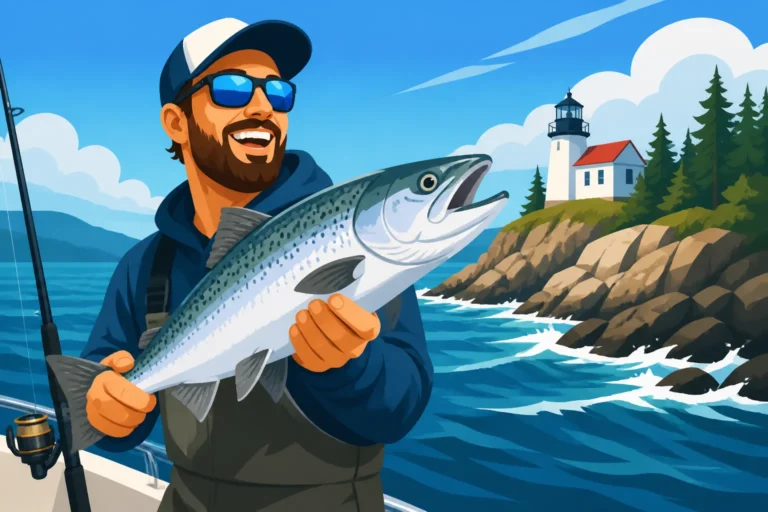
A charter captain's world is the ocean. They specialize in saltwater species like striped bass, mackerel, bluefish, and even deeper-water species like cod, haddock, or tuna on offshore trips. Their vessel is typically a larger, more powerful boat, designed to handle coastal conditions and, in some cases, serious offshore swells.
Their primary focus is often about the hunt – getting you to where the fish are biting and helping you catch them. While they certainly prioritize safety and an enjoyable experience, the emphasis is often on the thrill of the fight and the potential for a memorable catch. These trips can range from a few hours of inshore fishing for stripers to full-day offshore excursions chasing groundfish or even giant bluefin tuna. They provide all the necessary gear, bait, and knowledge to tackle the unique challenges of saltwater fishing. You'll often see them navigating the iconic waters of Casco Bay, Boothbay Harbor, or out past Monhegan Island.
Licensing and Expertise
The licensing for a charter captain is entirely different and falls under the purview of the U.S. Coast Guard (USCG). They typically hold an Operator of Uninspected Passenger Vessels (OUPV) license, often called a "six-pack" license, which allows them to carry up to six paying passengers. Many experienced captains may even hold a Master's license, allowing them to captain larger vessels and carry more passengers. This licensing involves extensive sea time, rigorous written exams covering navigation, seamanship, rules of the road, and safety procedures, as well as physical exams and drug testing.
Their expertise is honed by years of navigating Maine's often-challenging coastal waters. They understand tides, currents, marine weather patterns, and the migratory habits of saltwater fish. They are experts at using sophisticated electronics like sonar and radar to locate fish and navigate safely in all conditions. Knowing about Coast Guard License Requirements for Maine Charter Captains highlights the stringent standards they must meet.
Typical Clientele and Experiences
Charter captains often cater to a broader range of group sizes, from small families to larger parties of friends or corporate outings. Their boats are usually equipped for comfort and efficiency, allowing more anglers to fish simultaneously. The atmosphere can be more lively and fast-paced, with the excitement building as you motor out to the fishing grounds.
These trips are often an exciting adventure for those who want to experience deep-sea fishing, feel the pull of a strong striper, or simply enjoy a day on the ocean. While some educational elements exist, the core offering is typically a fishing excursion with a high chance of catching fish. If you're looking for an ocean adventure, perhaps targeting Maine Striped Bass Season and Limits or venturing offshore for bigger game, a charter captain is your go-to. If this sounds like your kind of adventure, exploring Maine Fishing Charters Guide or Maine Deep Sea Fishing Charters is a great next step.
Key Differences Between Guides and Charter Captains
While both professions aim to provide a memorable fishing experience in Maine, their operational parameters, legal requirements, and the very nature of their trips diverge significantly.
Licensing and Regulatory Bodies
This is perhaps the most fundamental difference. A Registered Maine Guide is licensed by the state of Maine's Department of Inland Fisheries and Wildlife. Their license is specific to operating in inland, non-tidal waters and is deeply focused on outdoor safety, survival, and knowledge of specific state regulations. Their primary concern is the safe and responsible conduct of trips within Maine's vast freshwater system. If you're going out on the lake with a guide, you'll still need your own Maine Fishing License Guide, but the guide is there to ensure compliance with Maine Fishing Regulations Explained for state waters.
A Maine Charter Captain, on the other hand, is licensed by the U.S. Coast Guard, a federal agency. This license pertains to operating commercial vessels on navigable waters, which primarily means saltwater, bays, and sometimes very large tidal rivers that are considered federal waterways. Their licensing emphasizes maritime navigation, vessel safety, and adherence to federal marine laws. This distinction is vital for understanding who is legally qualified to take you where. Interestingly, many charter operations, like those found on FishingBooker, will often clarify their captain's credentials upfront.
Operating Environment and Vessel Requirements
Another critical distinction lies in where they operate and what kind of vessel they use.
Maine Guides are found primarily on:
- Lakes and Ponds: From the vast expanse of Moosehead Lake to smaller, remote ponds, they navigate these waters, often in smaller motorboats, canoes, or even kayaks.
- Rivers and Streams: Many guide trips involve wading or drifting down a river, focusing on specific fishing techniques like fly casting.
Their boats are typically smaller, more agile, and suited for launching in diverse freshwater access points. Safety gear, while comprehensive, aligns with state regulations for inland vessels.
Charter Captains are almost exclusively found on:
- Coastal Waters: Bays, estuaries, and nearshore ocean areas for species like striped bass and mackerel.
- Offshore Waters: Further out into the Atlantic for groundfish, tuna, or sharks.
Their vessels are generally larger, seaworthy boats designed to handle open ocean conditions, equipped with advanced navigation and communication systems. They adhere to strict federal safety equipment requirements, which are much more extensive than inland state requirements, including things like EPIRBs (Emergency Position-Indicating Radio Beacons), life rafts, and more robust first aid supplies. It's an entirely different level of marine safety oversight.
Trip Style and Focus
The overall "vibe" of the trip can also be quite different.
A guided trip often emphasizes:
- Education: Learning new techniques, understanding fish behavior, or identifying local flora and fauna.
- Immersion: A slower pace, connecting with nature, and experiencing the tranquility of Maine's wilderness.
- Specific Skills: Perfecting your cast, learning to read water, or understanding specific fly patterns.
A charter trip often focuses on:
- Catching Fish: Maximizing the opportunity to hook into desirable saltwater species.
- Excitement: The thrill of battling powerful ocean fish, often with multiple lines in the water.
- Recreational Fun: A social outing for groups, often with a faster pace and less emphasis on individual skill instruction beyond the basics.
While a good guide or captain will always ensure a fun experience, the core purpose can vary. Some might prefer the quiet contemplation of a guided fly-fishing trip, while others crave the adrenaline rush of a deep-sea battle.
Group Size and Cost Structure
Guides typically work with smaller groups, often 1-3 people, to maintain a personalized and educational experience. Their rates might be per person or a flat rate for a small group, often excluding the cost of the fishing license itself, as customers typically need their own, unless exempt by age or other factors (see Maine Fishing License Exemptions).
Charter Captains can accommodate larger groups, usually up to 6 passengers for an OUPV captain, but sometimes more if they hold a Master's license and have a larger inspected vessel. Charter costs are almost always a flat rate for the boat for a half or full day, regardless of the number of passengers (up to their legal limit). This means that for larger groups, a charter can sometimes be more cost-effective per person. You'll often find these details clearly laid out on booking platforms like FishingBooker.
| Feature | Registered Maine Fishing Guide | Maine Fishing Charter Captain |
|---|---|---|
| Primary Waters | Freshwater (Lakes, Ponds, Rivers, Streams) | Saltwater (Coastal, Bays, Offshore Ocean) |
| Governing License | Maine Department of Inland Fisheries and Wildlife (State) | U.S. Coast Guard (Federal) |
| License Focus | Outdoor skills, survival, state fish & game laws, first aid | Maritime navigation, vessel safety, federal marine laws, seamanship |
| Typical Vessel | Smaller motorboats, canoes, kayaks, wading | Larger, offshore-capable motorboats, sometimes sailboats |
| Main Goal of Trip | Education, wilderness immersion, specific skill development | Maximizing catch opportunities for saltwater species, recreational fun |
| Group Size | Smaller (1-3 people typically for personalized experience) | Often larger (up to 6 passengers, sometimes more) |
| Cost Structure | Often per person or flat rate for small group | Flat rate for the boat (half-day, full-day) |
| Species Targeted | Trout (Brook, Brown, Lake/Togue), Landlocked Salmon, Bass (freshwater) | Striped Bass, Mackerel, Bluefish, Cod, Haddock, Tuna, Shark |
Choosing the Right Option for Your Maine Fishing Adventure
Deciding between a guide and a charter captain boils down to what you want out of your fishing trip. There's no "better" option, only the one that best fits your goals and expectations.
Consider Your Desired Fish Species
Are you dreaming of pulling a hefty landlocked salmon from the depths of Sebago Lake, or are you envisioning the powerful fight of a striped bass in the Kennebec River estuary? The fish you want to target is often the clearest indicator.
- Freshwater Species: If brook trout, landlocked salmon, togue (lake trout), or smallmouth bass in lakes and rivers are on your bucket list, a Registered Maine Guide is almost certainly your best bet. They have the specialized knowledge of these specific ecosystems and the nuanced techniques required. They'll know the subtle signs of a feeding frenzy or where the Brook Trout Daily Bag Limits apply.
- Saltwater Species: For striped bass, cod, mackerel, or tuna, you'll want a Maine Fishing Charter Captain. Their boats, gear, and expertise are geared towards the unique challenges and opportunities of ocean fishing. They understand the tides and currents that influence Maine Striped Bass Season and Limits and other coastal species.
Evaluate Your Group Size and Experience Level
Think about who you're bringing along and how experienced everyone is.
- Small, Focused Groups (1-3 people): If you're looking for a highly personalized experience, perhaps to learn specific techniques or explore remote waters, a Maine Guide is perfect. They can offer one-on-one instruction and tailor the trip to your skill level, whether you're a complete beginner or a seasoned angler seeking new challenges. For example, Hiring a Maine Fishing Guide often comes with this personalized touch.
- Larger Groups or Families (4+ people): For a group outing where the primary goal is a fun day on the water with good chances of catching fish, a Charter Captain can often accommodate more people comfortably. This is a great option for families with kids who might enjoy a faster-paced, less instructional trip. Many charters listed on FishingBooker specifically highlight their family-friendly options.
- Beginners: Both options can be great for beginners! A guide offers more hands-on teaching in a calmer freshwater setting, while a charter captain provides all the gear and expertise for a saltwater experience that often requires less active technique from the angler. Just remember, regardless of who you fish with, you'll need to know Do You Need a License to Fish on a Maine Charter? or if you're exempt.
Think About Your Ideal Setting
Do you picture serene wilderness or the invigorating rush of the open ocean?
- Peace and Quiet, Natural Beauty: If you crave the tranquility of a pristine lake, the gentle flow of a river, or the deep solitude of the Maine woods, a Registered Maine Guide will deliver this experience. These trips are often about immersion in nature.
- Ocean Views, Brisk Air, Marine Life: If the idea of cruising the coast, feeling the ocean spray, and potentially spotting seals or whales appeals to you, a Charter Captain will provide that classic Maine saltwater experience.
Budget and Expectations
While we can't discuss specific costs, understand that both types of trips represent an investment in an unforgettable experience.
- Guides: Often provide a more intimate, educational, and sometimes longer or multi-day wilderness experience. The value comes from the personalized instruction and deep dive into a specific fishery.
- Charters: Offer the unique excitement of ocean fishing, often with powerful boats and a focus on action. For larger groups, the per-person cost can sometimes be quite reasonable.
When you're ready to book, be clear about your expectations. Are you hoping for a trophy fish, a relaxed day learning new skills, or simply a fun outing with friends? Communicating this upfront with your chosen professional, whether you find them through a local sporting goods store or a platform like FishingBooker, will ensure they can tailor the trip to your desires. Remember, a great fishing adventure in Maine is always about more than just the fish you catch; it's about the memories you make and the experiences you share.
Disclaimer
This article is for general informational purposes only and does not constitute professional advice. Laws, prices and regulations vary by location and change over time. Consult a qualified professional for guidance on your specific situation.