Maine Ice Fishing Guide Services
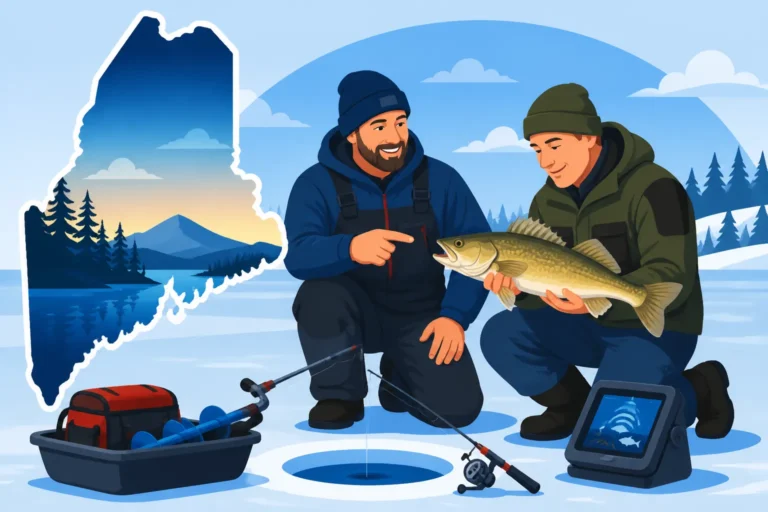
Ice fishing in Maine is truly an experience like no other – the crisp air, the vast expanse of frozen lakes, and the anticipation of pulling a feisty fish through a hole in the ice. But let's be honest, it can also be incredibly daunting, especially if you're new to the sport or visiting from out of state. Finding the right spot, ensuring ice safety, and having all the right gear can feel like a full-time job. This guide is here to walk you through everything you need to know about Maine ice fishing guide services, helping you navigate the frozen landscape with confidence and dramatically increase your chances of a successful and enjoyable trip.
Why Consider a Maine Ice Fishing Guide?
Picture this: you've driven hours, bundled up in countless layers, and now you're standing on a vast, snow-covered lake, a tiny auger in hand, wondering where to even start. That's a common scenario for many anglers new to Maine's winter wonderland. An ice fishing guide isn't just someone who takes you to a fishing spot; they are your local expert, your safety net, and your key to unlocking the magic of Maine's frozen waters.
Navigating Unfamiliar Waters and Conditions
Maine's lakes and ponds are magnificent, but in winter, they transform into a whole different beast. The ice itself can be unpredictable, with varying thicknesses, pressure ridges, and slush pockets, even on the same body of water. Without intimate local knowledge, it's easy to waste precious fishing time, or worse, put yourself in a risky situation.
A good guide knows the ice conditions intimately, having scouted areas beforehand and understanding the nuances of ice formation on their specific lakes. They know where the currents might thin the ice, where the deepest snow drifts are, and the safest routes across the frozen expanse. Beyond safety, they possess an encyclopedic knowledge of the underwater topography. They know the humps, the drop-offs, the weed lines, and the subtle contours where fish like to hold in winter. Instead of drilling random holes and hoping for the best, a guide will lead you directly to productive areas, saving you time, effort, and frustration. They can read the snow patterns, understand the prevailing winds, and even tell you which sections of a massive lake like Moosehead tend to hold fish on a particular day based on recent conditions.
Access to Specialized Gear and Expertise
Let’s be real, ice fishing requires a lot of specialized equipment. From powerful augers that can drill through feet of ice to insulated shelters that keep you warm in sub-zero temperatures, and from an array of tip-ups and jigging rods to sophisticated electronics like fish finders and underwater cameras – the investment can be substantial. For someone planning a one-off trip or who doesn't want to store all that gear, it's simply not practical.
This is where a guide truly shines. They come fully equipped with everything you need, and often, high-end gear that would be cost-prohibitive for a casual angler. Imagine stepping into a pre-heated ice shack, a hole already drilled, a tip-up strategically set, and a hot cup of coffee waiting for you. That's the luxury a guide provides. They're also experts in using all this gear, and they'll show you the ropes, whether it's setting up a sensitive tip-up for a finicky brook trout or deciphering what your fish finder is telling you about the structure below. They know which baits are hot, which lures are tempting the local togue, and the subtle jigging techniques that trigger strikes in cold water. It's an invaluable learning experience that vastly improves your chances of success.
Maximizing Your Fishing Success and Enjoyment
Ultimately, when you head out on the ice, you want to catch fish and have a memorable time. Without a guide, you might spend hours drilling holes, getting cold, and coming up empty-handed. That's not much fun, and it can quickly sour the entire experience.
A guide drastically improves your odds. They've spent countless hours on the ice, understanding fish behavior in winter, knowing when they're active, and where they'll be holding. They can adapt their strategy on the fly, moving you to different spots or changing tactics if the bite slows down. This means less time struggling and more time with a bent rod. Beyond the catching, guides also create a stress-free environment. You don't have to worry about the logistics of getting on the ice, setting up gear, or staying safe. You can simply relax, soak in the unique beauty of a Maine winter, and focus purely on the joy of fishing. Many guides are fantastic storytellers too, sharing local lore and making the day even more engaging. It’s about creating an experience, not just a fishing trip.
What to Expect from a Maine Ice Fishing Guide Service
Booking an ice fishing guide in Maine is an investment in your experience, and knowing what to expect can help you choose the right service and prepare properly. While every guide is a little different, there are some common threads in what you can anticipate.
Typical Inclusions and Provided Equipment
When you book with a Maine ice fishing guide, you're not just paying for their knowledge; you're also benefiting from their extensive equipment. Typically, a guide service will provide:
- Heated Shelters: This is often the biggest comfort. Guides usually have portable or even semi-permanent heated shacks or pop-up tents that protect you from the biting wind and cold, making your day much more enjoyable, especially for families or beginners. Some might even offer bigger, more luxurious shacks with amenities.
- Augers: High-quality power augers are standard, ensuring quick and efficient hole drilling. You won't have to break your back with a hand auger.
- Tip-ups and Rods: A full spread of tip-ups, rigged and ready, is common. Guides will often set these up to cover a wider area, increasing your chances. They also provide jigging rods, often specialized for the target species, along with the necessary lures and baits.
- Bait: Live bait, like shiners or smelts, is often included, as is artificial bait suited for the conditions. Guides know what the fish are hitting best.
- Electronics: Many guides utilize modern fish finders, flashers, and even underwater cameras to help locate fish and observe their behavior, providing real-time insights into the action below the ice.
- Transportation: For larger lakes, guides might use ATVs, snowmobiles, or even trucks equipped for ice travel to get you to prime spots safely and quickly.
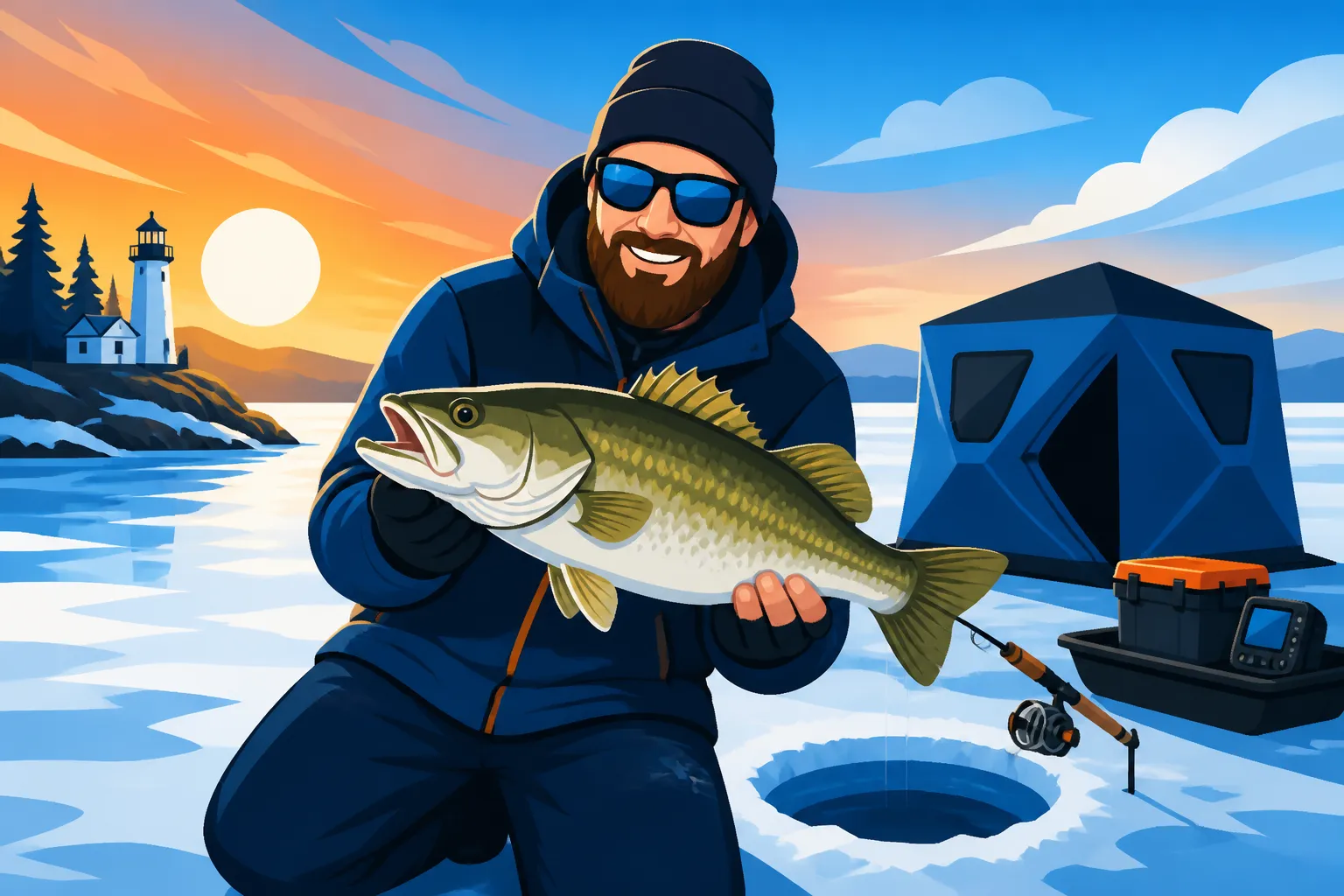
Imagine rolling up to the lake, and your guide already has the shack warm, the holes drilled, and the lines set. It's a fantastic way to experience ice fishing without the massive gear investment or the learning curve of setting everything up.
Trip Formats and Duration
Maine ice fishing guides offer a variety of trip durations and formats to suit different needs and preferences. Understanding these options will help you pick the best fit for your group.
- Half-Day Trips: These are usually 3-4 hours long and are perfect for beginners, families with young children, or those who want a taste of ice fishing without committing to a full day in the cold. You'll get to experience the basics, hopefully catch some fish, and still have time for other activities. These trips might focus on more accessible, shallower waters with readily available fish like perch or pickerel, though some target trout as well.
- Full-Day Trips: Lasting 6-8 hours, full-day excursions offer a more comprehensive experience. You'll have ample time to move between spots, try different techniques, and really settle into the rhythm of the day. These are ideal for more serious anglers, those looking to learn more in-depth techniques, or groups hoping to target specific species like trophy togue or elusive landlocked salmon. A full day allows for exploring different depths and structures, often leading to a wider variety of catches.
- Specialty or Multi-Day Trips: Some guides offer specialized trips, such as targeting specific trophy fish, remote backcountry excursions, or even multi-day packages that might include lodging. These are for the truly adventurous or those seeking a very particular kind of experience.
The guide will typically set the pace, but don't hesitate to communicate your preferences. If you have kids with short attention spans, a half-day might be perfect. If you're a seasoned angler wanting to learn advanced techniques, a full day will provide that opportunity. You can sometimes discuss customizing trips to focus on Brook Trout Daily Limit in Maine South Zone or Maine Landlocked Salmon Bag Limits based on your interest.
Safety Protocols and Local Knowledge
Safety is paramount when ice fishing, and a reputable Maine guide makes it their absolute top priority. This isn't just about knowing where the fish are; it's about knowing where the safe ice is. Guides are constantly monitoring ice conditions, paying attention to weather changes, currents, and local reports. They'll use spud bars, ice picks, and augers to test ice thickness as they go.
They are also well-versed in Maine Ice Fishing Rules Guide, ensuring that all fishing activities comply with state regulations, from Maine Ice Fishing Line Limits to bag limits for various species. This means you won't accidentally be breaking any laws. In an emergency, guides are often trained in first aid and carry safety equipment. Their local knowledge extends to understanding the unique characteristics of each body of water – where hazards might exist, where slush pockets form, or where sudden changes in depth could impact ice stability. This expertise provides incredible peace of mind, allowing you to focus on the fishing without constant worry about safety. They are your eyes and ears on the ice, making sure your adventure is not only fun but also secure.
Choosing the Right Maine Ice Fishing Guide
With the increasing popularity of ice fishing, more guides are offering services. How do you sort through them to find the perfect fit for your winter adventure? It comes down to asking the right questions and doing a little homework.
Key Questions to Ask Before Booking
Before you commit to a guide service, having a list of questions ready will ensure you find someone who matches your expectations and needs. Don't be shy; a good guide will appreciate your thoroughness.
- What species do you primarily target? Some guides specialize in trophy togue, while others focus on salmon, or offer a mixed bag of perch and pickerel. Make sure their specialty aligns with what you want to catch.
- What lakes do you guide on? Maine has countless lakes. A guide specializing in Moosehead Lake might not be the best choice if you're staying near Sebago.
- What is included in the price? Confirm what gear (shacks, augers, rods, bait) is provided and if any snacks or drinks are part of the package.
- What should I bring? Always ask about clothing (layers!), food, and drink, as well as personal items.
- What is your group size limit? If you have a large family or group of friends, ensure the guide can accommodate everyone comfortably.
- What is your cancellation policy? Ice fishing is weather-dependent. Understand what happens if extreme cold, thin ice, or a blizzard forces a cancellation.
- Do you provide a fishing license? Remember, guides typically do not provide licenses. You are responsible for obtaining your own Maine Fishing License Guide beforehand.
Asking these questions upfront will clarify expectations and help prevent any unwelcome surprises on the day of your trip.
Understanding Guide Specializations and Target Species
Just like open-water fishing, ice fishing guides often have their niche. Some are renowned for their ability to put you on massive lake trout (togue), while others excel at finding schools of feisty brook trout in smaller ponds.
If your dream is to pull up a huge togue, look for guides with a track record on deeper, colder lakes known for these fish, like Moosehead or Sebago. They'll know the specific depths and structures where togue hold, and have the right jigging techniques or tip-up setups to entice them. If you're hoping for landlocked salmon, a guide familiar with the spring holes and baitfish concentrations in lakes like Sebago or Rangeley will be crucial. They'll know the nuances of salmon behavior in winter. For those looking for a high-action day with plenty of flags, a guide focusing on yellow perch, white perch, or chain pickerel in shallower, more fertile ponds might be ideal. Even within species, some guides are known for Togue Minimum Length Limit in Maine, while others might focus on the daily limits for smaller, more abundant species. Don't be afraid to ask about their favorite fish to target and why!
Researching Reputable Guides and Reviews
Finding a good guide often starts with a little online sleuthing and word-of-mouth recommendations. A reputable guide will usually have a strong online presence and positive reviews.
- Online Platforms: Websites like FishingBooker are excellent resources. They allow you to search for guides by location, species, and even specific activities like ice fishing. You can browse profiles, compare services, and read reviews from previous clients, giving you a good sense of the guide's professionalism, success rate, and personality.
- Local Recommendations: Check with local bait shops, sporting goods stores, or even town chambers of commerce. These local businesses often have relationships with guides and can offer unbiased recommendations.
- Social Media: Many guides maintain active social media pages where they post recent catches, ice conditions, and client testimonials. This can give you a real-time glimpse into their operations.
- Website/Testimonials: Look for a guide's personal website. Professional guides often have dedicated sites detailing their services, experience, and glowing testimonials from happy anglers. Pay attention to how long they've been guiding and their connection to the local community.
Taking the time to research will help you find a guide who is not only skilled at finding fish but also someone you'll enjoy spending a cold winter day with out on the ice.
Preparing for Your Guided Ice Fishing Adventure
Even with a top-notch guide providing most of the heavy lifting, your preparation plays a huge role in ensuring a comfortable and successful day on the ice. A little foresight goes a long way.
Essential Gear and Clothing to Bring
While your guide provides much of the fishing gear, you are responsible for dressing appropriately and bringing personal items to stay comfortable and fueled. The Maine winter can be unforgiving, and layering is key.
- Layers, Layers, Layers: Start with a moisture-wicking base layer (not cotton!), add an insulating mid-layer (fleece or wool), and finish with a waterproof and windproof outer shell. Your guide might have a heated shack, but you'll still be exposed to the elements when moving between holes or setting up. For more detailed advice, check out What to Wear Ice Fishing in Maine Winters.
- Warm Headwear, Gloves, and Socks: A good wool or synthetic hat that covers your ears is critical. Waterproof, insulated gloves or mittens are a must, and multiple pairs of thick wool or thermal socks will keep your feet from freezing.
- Insulated, Waterproof Boots: This is non-negotiable. Your feet will be on ice and snow all day, so invest in quality, insulated, waterproof boots.
- Food and Drink: While some guides offer snacks, it's wise to bring your own. Pack easy-to-eat, high-energy snacks like granola bars, nuts, or sandwiches. A thermos of hot coffee, tea, or cocoa is a game-changer on a cold day.
- Sunscreen and Sunglasses: The sun reflecting off the snow and ice can be intense, even in winter. Protect your skin and eyes.
- Camera: You'll want to capture those memories and, of course, your catches!
- Small Backpack: To carry your personal items.
Remember, it's always better to be overdressed than underdressed. You can always shed layers if you get too warm inside the shack.
Understanding Maine Fishing Licenses and Regulations
This is a critical point that often gets overlooked: your guide does NOT provide your fishing license. You are personally responsible for obtaining a valid Maine fishing license before your trip begins.
- Where to Buy: You can easily purchase a license online through the Maine Department of Inland Fisheries and Wildlife (MDIFW) website, or in person at many town clerks, sporting goods stores, or designated agents throughout the state.
- Residency: Be sure to purchase the correct license type (resident or non-resident). If you're from out of state, there are various non-resident options, including annual, 15-day, 7-day, 3-day, and 1-day licenses.
- Carrying Your License: Always carry your license with you while fishing. A warden can ask to see it at any time.
- Knowing the Rules: While your guide will ensure compliance, it's good practice to familiarize yourself with basic Maine Fishing Regulations Explained. This includes understanding general season dates, bag limits, and any special regulations for the specific waters you'll be fishing.
Don't let forgetting your license spoil your trip. It's an easy thing to take care of in advance and is a legal requirement for anyone aged 16 and older to fish in Maine's inland waters.
Tipping Etiquette and Expectations
Just like in other service industries, tipping your Maine ice fishing guide is customary and highly appreciated, recognizing their hard work, expertise, and dedication to making your trip a success. Guides work long hours, often in challenging conditions, to ensure your safety and enjoyment.
While there's no strict rule, a general guideline for tipping a fishing guide is typically 15-20% of the total trip cost. If your guide went above and beyond, putting you on fish in tough conditions, being exceptionally patient, or providing extra amenities, a higher tip is certainly warranted. If the conditions were particularly difficult, but the guide worked tirelessly to make the most of it, a generous tip acknowledges their effort even if the fish weren't biting.
It's best to have cash on hand for the tip at the end of the trip. Consider the value of their knowledge, the equipment they provide, the safety they ensure, and the overall experience they create. A good guide does far more than just drive a boat or drill a hole; they are educators, entertainers, and problem-solvers, all rolled into one.
Popular Maine Lakes for Guided Ice Fishing
Maine is blessed with an abundance of lakes and ponds, many of which offer fantastic ice fishing opportunities. While a guide can take you to lesser-known honey holes, some larger lakes are renowned for their winter fisheries and are frequently targeted by guide services.
Moosehead Lake: A Premier Destination
Moosehead Lake, the largest lake entirely within Maine, is an iconic ice fishing destination, drawing anglers from all over for its vastness and robust populations of cold-water species. It's truly a bucket-list spot for many.
- Target Species: Moosehead is famous for its lake trout (togue), with many anglers specifically seeking out trophy-sized specimens. It also offers excellent fishing for landlocked salmon and a strong population of brook trout. You can often find decent fishing for cusk and occasional large yellow perch too. The sheer size of the lake means diverse habitat for these species.
- The Challenge and Reward: Its massive size (over 75,000 acres) can be intimidating for unguided anglers. Knowing where to start, especially when looking for specific fish species, is where a guide becomes invaluable. A Moosehead Lake Fishing Guide will know the specific bays, points, and deep water humps where fish congregate in winter. They can quickly move you from a salmon flat to a deep togue hole, maximizing your chances. For example, specific areas are known for better Moosehead Lake Brook Trout Fishing.
- Guide Advantage: Guides on Moosehead often have snowmobiles or ATVs to cover ground quickly and have heated shacks already set up in proven locations. They know the ice conditions, which can vary greatly across such a large body of water, making safety a key benefit.
Fishing Moosehead through the ice is an unforgettable experience, and a guide can help ensure it's memorable for all the right reasons, not for getting lost or being unproductive.
Sebago Lake: Trophy Salmon and Lake Trout
Sebago Lake, Maine's second-largest lake, is another jewel in the state's ice fishing crown, particularly celebrated for its incredible landlocked salmon fishery. It's located closer to southern Maine's population centers, making it a popular choice.
- Target Species: Sebago is arguably most famous for its trophy landlocked salmon, which are often large and incredibly strong fighters. It also holds substantial populations of lake trout (togue), often of impressive size, and smelt, which are a crucial forage base. In shallower bays, anglers can also find smallmouth and largemouth bass, and various panfish.
- Winter Dynamics: Like Moosehead, Sebago is deep and expansive, with complex underwater structures. During winter, salmon often suspend in the water column, following schools of smelt, while togue hug the bottom structure. A guide will use their electronics and knowledge to pinpoint these elusive fish. To learn more, check out the Sebago Lake Fishing Guide or specific tips on Where to Catch Landlocked Salmon on Sebago Lake.
- Guide Advantage: Guides on Sebago understand the specific patterns of the salmon and togue in winter. They know the depths to target, the most effective baits and lures, and the ideal locations, from the famous "Smelt Shoals" to various deep-water drop-offs. Given its size and depths, having a guide here means less guesswork and more productive time over active fish. They'll know exactly how to set up tip-ups for a cruising salmon or how to jig effectively for deep-holding togue.
Sebago's winter fishery is legendary, and a guided trip offers the best chance to tap into its potential for truly memorable catches.
Other Notable Lakes and Their Specializations
While Moosehead and Sebago might be the giants, Maine offers a plethora of other fantastic lakes and ponds that guides frequent, each with its own charm and fishing opportunities.
- The Rangeley Lakes Region: Lakes like Rangeley and Mooselookmeguntic are renowned for their landlocked salmon and brook trout fisheries. Guides here often specialize in targeting these species in the clear, cold waters that define the region. The scenery is also breathtaking. A guide can help you navigate the specific nuances of these interconnected lakes, understanding where the fish are holding in winter. You can explore more with the Rangeley Lakes Fishing Guide.
- Belgrade Lakes Chain: This chain of lakes (including Great Pond, Messalonskee, and Belgrade Stream) offers excellent ice fishing for bass (smallmouth and largemouth), perch (white and yellow), and sometimes even pike. Guides in this region often cater to anglers looking for high-action days with plenty of flags, making it great for families or beginners.
- Smaller Ponds: Don't overlook the smaller, remote ponds, especially in northern Maine. Many guides in regions like Aroostook County or the North Woods specialize in taking clients to these pristine waters for fantastic brook trout fishing. These trips often involve snowshoeing or snowmobiling into secluded areas, offering a truly wild Maine experience. The limits for brook trout can vary significantly, so a guide's knowledge is key to staying legal and successful.
Each body of water has its own character in winter, and a guide's expertise can help you choose the perfect lake for your desired species and experience level.
Cost Considerations for Maine Ice Fishing Guide Services
You're probably wondering about the investment required for such an experience. The cost of a guided ice fishing trip in Maine can vary, but understanding the factors that influence pricing can help you budget and appreciate the value you're getting.
Factors Influencing Pricing
Several elements go into determining the price of a Maine ice fishing guide service. These aren't arbitrary figures; they reflect the guide's investment, expertise, and the quality of the experience.
- Trip Duration: As expected, a full-day trip will cost more than a half-day trip due to the extended time, resources, and effort involved. Some guides might offer specific pricing for 3/4 day trips as well.
- Group Size: Prices are often structured per person or for a set number of anglers. Larger groups might receive a slight discount per person, but a guide can only accommodate so many people, so larger groups will increase the total cost. Most guides have a maximum capacity for their shacks and equipment.
- Inclusions: The more a guide provides, the higher the price. This includes:
- Heated Shacks: The quality and number of shacks.
- Premium Gear: High-end augers, electronics (fish finders, underwater cameras), rods, reels, and tip-ups.
- Bait: Live bait can be expensive, and guides often go through a lot.
- Transportation on Ice: Use of snowmobiles, ATVs, or specially equipped vehicles.
- Food/Drink: Some guides include snacks, hot drinks, or even a shore lunch.
- Guide's Experience and Reputation: Highly experienced, well-regarded guides with a long history of successful trips and happy clients often command higher rates. Their extensive local knowledge and proven ability to find fish are valuable assets.
- Location/Target Species: More remote locations might incur higher fuel and travel costs for the guide. Targeting specific trophy species (like big togue or salmon) might also be priced differently due to the specialized knowledge and effort required.
- Seasonality: While ice fishing is inherently seasonal, early or late season trips might have slightly different pricing structures due to varying ice conditions or demand.
When comparing prices, make sure you're comparing apples to apples in terms of what's included. A slightly higher price might mean a significantly better experience with more amenities.
Value vs. DIY Ice Fishing
When weighing the cost of a guided trip, it's helpful to consider the true cost and benefits versus attempting a DIY (Do It Yourself) ice fishing adventure, especially if you're not an experienced ice angler.
- DIY Costs:
- Equipment Investment: Buying an auger, tip-ups, jigging rods, a portable shelter, a heater, fish finder, tackle, and warm clothing can easily run into hundreds, if not thousands, of dollars.
- Bait: Ongoing cost of live bait.
- Fuel/Travel: Getting to the lake.
- Time: Researching spots, learning techniques, drilling holes, and setting up.
- Safety Risk: Lack of experience on ice can be dangerous.
- License: Required regardless.
- Guided Trip Value:
- No Equipment Cost: All specialized gear is provided.
- Expert Knowledge: Direct access to a local expert who knows the ice, the fish, and the regulations.
- Increased Success: Significantly higher chance of catching fish.
- Safety: The guide's expertise drastically reduces safety risks.
- Convenience: No setup or breakdown, often warm shacks waiting.
- Learning Opportunity: Learn techniques and local insights you couldn't get elsewhere.
- Memorable Experience: Focus on fun, not frustration.
For a first-timer, a visitor, or someone looking to maximize their enjoyment and chances of success without the substantial investment in gear and learning, a guided trip offers incredible value. It removes the barriers to entry and allows you to fully immerse yourself in the unique thrill of Maine ice fishing.
| Feature | DIY Ice Fishing | Guided Ice Fishing |
|---|---|---|
| Equipment Provided | None (you buy/bring everything) | All specialized gear (shacks, augers, rods, bait) |
| Local Knowledge | Requires extensive self-research and trial-and-error | Provided by an expert, maximizing productive time |
| Ice Safety | Your sole responsibility, potential risks | Guide manages safety, knows local ice conditions |
| Learning Curve | Steep, takes many trips to master | Learn from an expert, quick skill acquisition |
| Chances of Success | Variable, can be frustrating for beginners | Significantly higher due to expertise and gear |
| Comfort | Depends on your gear, often exposed | Heated shacks often provided, more comfortable |
| Overall Cost | High initial gear investment, lower per-trip fuel | Upfront trip fee, no gear investment, higher per-trip |
| Convenience | Time-consuming setup and breakdown | Turn-key experience, focus on fishing |
| Ideal For | Experienced anglers with own gear, adventurous types | Beginners, visitors, families, those seeking success |
Disclaimer
This article is for general informational purposes only and does not constitute professional advice. Laws, prices and regulations vary by location and change over time. Consult a qualified professional for guidance on your specific situation.