What Is Northern Pike Doing to Maine Trout Waters?
It's heartbreaking to talk about, but many of us who love fishing in Maine have seen the insidious creep of Northern Pike into waters where they simply don't belong. This aggressive, non-native predator poses a significant and often devastating threat to our beloved native brook trout and landlocked salmon populations. This guide will walk you through exactly what Northern Pike are doing to Maine's fragile trout and salmon ecosystems and what steps are being taken – and what you can do – to help protect these precious fisheries.
The Unwelcome Guest: Understanding Northern Pike in Maine
There's a deep pride among Maine anglers in our native fish, especially the vibrant brook trout and the powerful landlocked salmon. So, when an invasive species like the Northern Pike shows up, it's not just an ecological concern; it's a gut punch to our heritage and the natural balance we cherish. These fish are true apex predators, and their introduction into Maine's coldwater lakes and ponds has created a ripple effect that threatens to unravel the delicate ecosystems we've worked so hard to preserve.
How Northern Pike Arrived in Maine Waters
It’s a sad truth that most invasive species introductions are due to human actions, whether intentional or accidental. For Northern Pike in Maine, it’s largely a story of illegal introductions, often by individuals who thought they were "improving" a local fishery or simply didn't understand the devastating consequences. This isn't just a minor infraction; it's an act that can permanently alter a waterway.
Initially, pike populations were first noted in the Belgrade Lakes region in the early 1980s, believed to have been introduced illegally. From there, these adaptable fish have spread, sometimes through connecting waterways, but often through further illegal introductions by individuals moving them from one body of water to another. This act of "bucket biology" is incredibly harmful, as a single transfer can establish a new, thriving pike population in an entirely new watershed. It’s a frustrating reality for those of us who follow all the rules and understand the fragility of these environments. The impact of such irresponsible actions cannot be overstated, as these fish quickly establish themselves, reproduce, and begin to dominate.
The Pike's Preferred Habitat and Behavior
Northern Pike are incredibly adaptable, which makes them such a successful, albeit unwelcome, invader. They prefer weedy, shallow waters, often with plenty of cover like submerged logs or lily pads, where they can lie in ambush. However, they are not confined to these areas; they can thrive in a wide range of environments, from the slow-moving rivers to large, deep lakes. This adaptability means they can quickly colonize diverse Maine waterways, some of which are traditionally prime trout and salmon habitat.
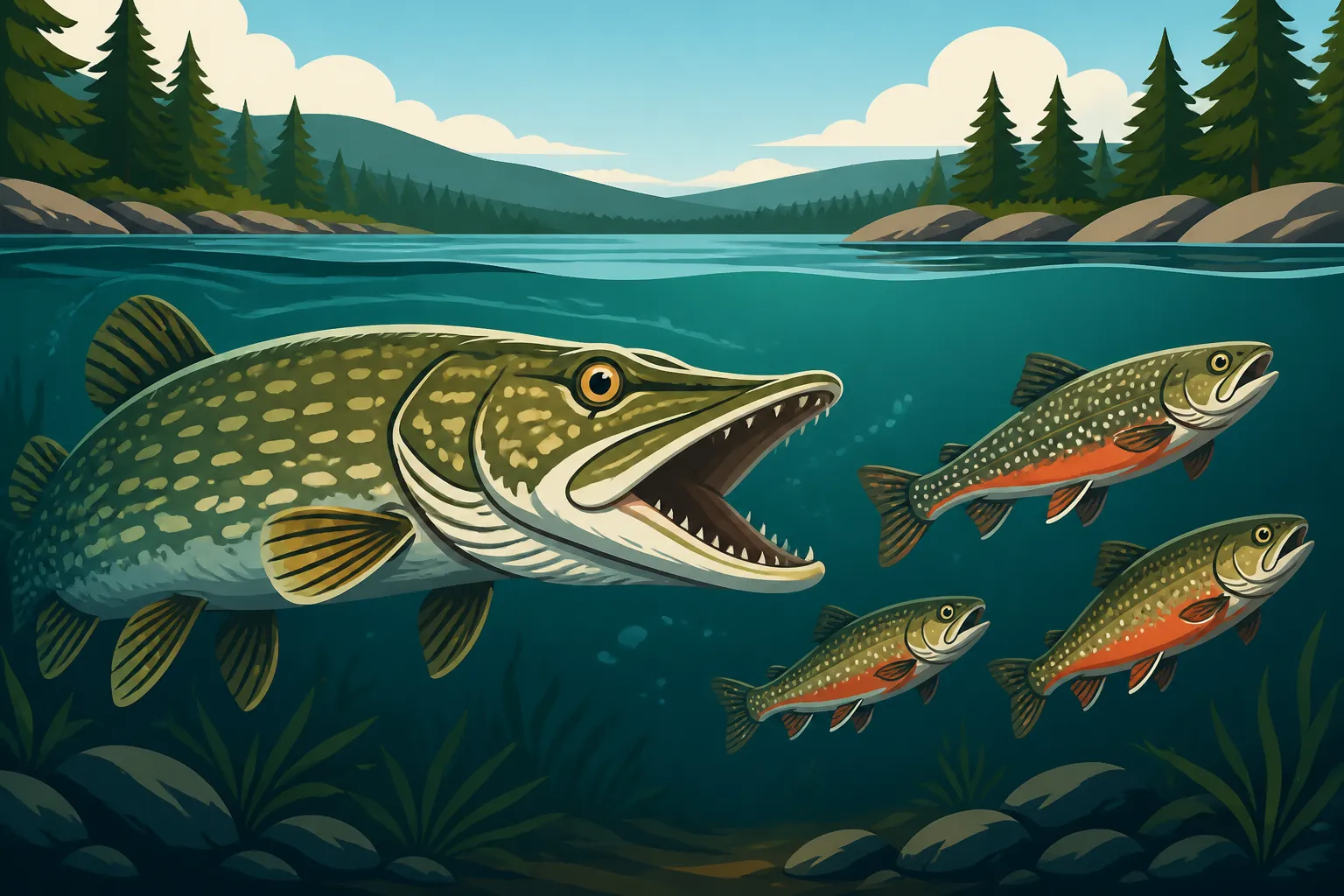
Their hunting strategy is pure efficiency: they are ambush predators. They'll lurk motionless, perfectly camouflaged, waiting for an unsuspecting fish, frog, or even a duckling to swim by. Then, in a sudden burst of speed, they strike, engulfing their prey with powerful jaws and rows of razor-sharp teeth. This voracious appetite, combined with their ability to tolerate a wide range of water temperatures and oxygen levels, makes them formidable competitors. They’re built to survive and dominate, and this inherent nature is exactly what makes them so detrimental when introduced into ecosystems that haven't evolved to cope with such a predator. Understanding their behavior is key to understanding why they pose such a direct threat to our native species.
The Devastating Impact on Maine's Native Trout Populations
When Northern Pike establish themselves in a new lake or river, they don't just become another fish in the water; they become a wrecking ball for the existing ecosystem. Their impact is multi-faceted, striking at the very core of what makes Maine's coldwater fisheries so special: our native brook trout and prized landlocked salmon. It's a hard truth to face, but these fish are fundamentally changing the balance of nature in affected waters.
Predation: A Direct Threat to Brook Trout and Landlocked Salmon
This is where the most visible and often most heartbreaking impact occurs. Northern Pike are voracious apex predators, meaning they sit at the top of the food chain in many environments. In Maine, our native brook trout and landlocked salmon, while formidable in their own right, simply haven't evolved to deal with a predator of this magnitude. Pike will actively hunt and consume smaller fish, and unfortunately, juvenile trout and salmon are often easy targets. Imagine a year class of brook trout, barely old enough to forage for themselves, suddenly finding themselves in waters patrolled by multiple, hungry pike. The survival rate plummets.
For our beloved Brook Trout Fishing in Maine, which thrive in cold, clean waters and often rely on specific insect hatches and smaller baitfish, the introduction of pike can be catastrophic. Pike will feed on trout of various sizes, particularly the smaller, more vulnerable ones. Similarly, Landlocked Salmon Fishing in Maine is threatened. While salmon grow larger, their fry and smolts are also highly susceptible to pike predation. The sheer efficiency of pike as hunters means they can quickly deplete these populations, pushing them to unsustainable levels. Anglers in affected waters often report a noticeable decline in trout and salmon catches, a direct consequence of this overwhelming predation pressure. It's not just a theory; it's a reality witnessed by those who fish these waters regularly.
Competition for Food and Habitat
Beyond direct predation, Northern Pike also outcompete native fish for essential resources. They consume vast quantities of baitfish, aquatic insects, and other forage that trout and salmon also depend on. This competition can severely limit the food available for native species, slowing their growth rates, reducing their overall health, and making them less resilient to other environmental stressors. It's a double whammy: pike eat the fish, and they eat the food the fish need to survive.
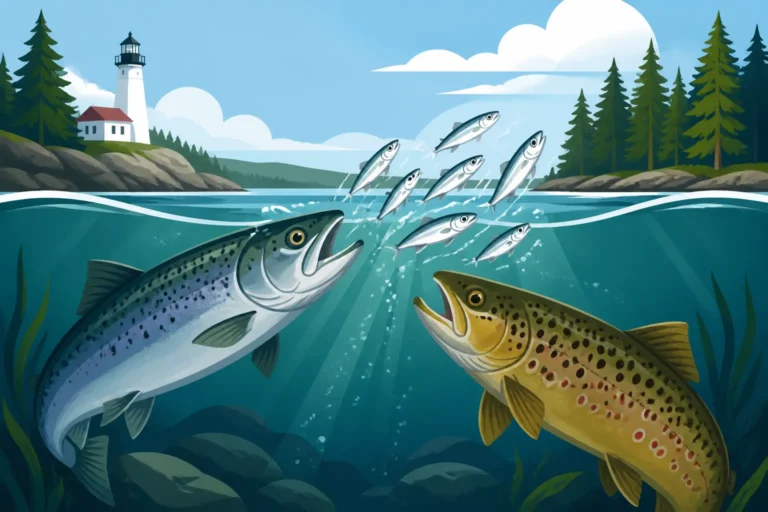
Consider a healthy lake with a robust population of smelt and minnows, providing ample sustenance for thriving populations of salmon and trout. When pike are introduced, they tap into this same food base, often more efficiently due to their aggressive feeding habits and larger size. This means less food for the native fish, leading to a decline in their numbers and overall biomass. Over time, the entire aquatic food web can shift, favoring the hardy, adaptable pike over the more specialized native species. This ecological shift is difficult, if not impossible, to reverse once it takes hold.
Ecosystem Imbalance and Indirect Effects
The ripple effects of pike introductions extend far beyond just eating trout and salmon. They disrupt the entire aquatic ecosystem. For instance, pike might decimate populations of smaller baitfish that other native predators, like larger bass or even ospreys and loons, rely upon. This can lead to a cascade of negative impacts throughout the food web. The removal of key native species can also alter nutrient cycling, vegetation patterns, and even water quality over the long term.
Moreover, the presence of a new, dominant predator can stress native fish populations, making them more susceptible to disease or less successful in spawning. The balance of nature is a complex tapestry, and inserting a large, aggressive, non-native species like the Northern Pike is like pulling a critical thread. The entire fabric can begin to unravel, affecting not just the fish we target but the overall health and biodiversity of Maine's beautiful waterways. We're talking about a fundamental change in the character of our lakes and ponds, often irreversibly.
Maine's Response: Management Strategies and Angler Involvement
The Maine Department of Inland Fisheries and Wildlife (MDIFW) recognizes the severe threat that Northern Pike pose to our native fish populations. They are actively working to manage and, where possible, contain these invasive species. It's a tough battle, one that requires consistent effort and the cooperation of every single angler who cares about Maine's coldwater fisheries.
State Regulations and Aggressive Management
To combat the spread and impact of Northern Pike, Maine has implemented specific regulations designed to encourage their removal from affected waters. This is a departure from the typical conservation-oriented fishing rules we're all familiar with. In many waters where pike have been illegally introduced, there are often no bag limits and no length limits for Northern Pike. This means anglers are actively encouraged to keep every pike they catch, regardless of size, and not to release them back into the water. This is a critical distinction from the regulations for our native fish, which often have strict size and bag limits to protect populations. You can find these specifics outlined in the Maine Fishing Regulations Explained and more precisely in the Can You Keep Northern Pike in Maine No Limit? guidance.
MDIFW also conducts surveys and monitoring programs to track pike populations and their spread. They work on educating the public about the dangers of illegal introductions and the importance of preventing further spread. However, the sheer size and interconnectedness of Maine's waterways make this an incredibly challenging task. It's not a quick fix, but a long-term commitment to mitigating the damage and protecting unaffected waters.
The Angler's Role in Pike Control
As anglers, we are on the front lines of this battle. Our actions, or inactions, can have a profound impact. Here's how you can actively contribute to controlling Northern Pike and protecting Maine's native trout and salmon:
- Catch and Keep: This is the most direct action. If you catch a Northern Pike in a water where they are considered invasive (check the regulations carefully!), do not release it. Bring it home, fillet it (they're actually quite good eating!), or dispose of it responsibly. Do not, under any circumstances, release it into another body of water.
- Report Sightings: If you catch a pike in a waterbody where you haven't heard of them existing, or if you suspect an illegal introduction, report it immediately to MDIFW. This information is crucial for biologists to track their spread and allocate resources. Knowing How to Report a Poacher in Maine also covers illegal fish introductions.
- Prevent Further Spread: This is absolutely paramount.
- Never move live fish: Transporting any live fish from one waterbody to another is illegal and incredibly damaging. It's the primary way invasive species spread.
- Clean your gear: Before moving your boat, trailer, waders, or fishing equipment from one lake or river to another, thoroughly clean it. Remove all weeds, mud, and drain all water. Small eggs or juveniles of invasive species can hitchhike on your gear.
- Use common sense: Be aware of what you're doing. A quick search on the MDIFW website for a specific body of water can tell you if pike are present and what special regulations apply.
By being informed and responsible, every angler becomes a steward of Maine's precious aquatic resources.
Protecting Maine's Coldwater Fisheries for Future Generations
The fight against invasive Northern Pike is ongoing, and it's one we all need to take seriously if we want our children and grandchildren to experience the joy of catching a wild brook trout or a magnificent landlocked salmon in Maine. Education and vigilance are our best tools in this effort.
Identifying Pike vs. Native Species
One of the first lines of defense is knowing what you've caught. While Northern Pike have a distinctive look, especially their duck-bill snout, it's always good to be certain, particularly for new anglers or those fishing new waters.
Here’s a quick comparison:
| Feature | Northern Pike | Landlocked Salmon | Brook Trout |
|---|---|---|---|
| Body Shape | Long, cylindrical, often described as "torpedo-like" | Sleek, streamlined, more robust than trout | More stout, typically shorter and deeper-bodied |
| Head/Mouth | Large, flattened, duck-bill shaped snout; rows of sharp teeth | Pointed snout, terminal mouth; smaller teeth | Rounded head, slightly upturned mouth; small teeth |
| Coloration | Greenish-brown back, light spots or bean-shaped markings on sides, often yellowish belly. Dorsal fin far back. | Silvery sides, darker back, often some X-shaped spots, sometimes pinkish blush when spawning. | Olive green back, worm-like markings (vermiculations), red/orange spots with blue halos on sides, white leading edge on fins. |
| Tail Fin | Forked, often dark-spotted | Deeply forked | Slightly forked or square |
| Habitat | Weedy, shallow, diverse waters | Cold, deep, clear lakes; gravelly spawning rivers | Cold, clear streams, rivers, ponds, small lakes |
Knowing these differences, along with checking a reliable Maine Fish Species Identification Guide, will help ensure you correctly identify your catch. If you're ever unsure, take a picture, release the fish if regulations allow (unless it's a known invasive with a "no limit" rule), and then consult resources. A waterproof field guide you can get from places like Amazon can be a great asset to have in your tackle box for quick identification.
What You Can Do to Help
Beyond simply adhering to regulations, you can take an active role in protecting Maine's precious fishing future.
- Be a Responsible Angler: Always check the specific regulations for the waterbody you're fishing. Rules can vary significantly, especially for special regulation waters or those with invasive species. The Maine Fishing Season Calendar and individual waterbody rules are your best friends here.
- Educate Others: Share what you've learned. Many people are unaware of the dangers of invasive species or the role they play in preventing their spread. A friendly conversation on the boat launch or by the stream can make a big difference. Explain why certain fish are the Best Fish to Catch in Maine and why others are detrimental.
- Support Conservation Efforts: Organizations and state agencies are working hard to protect Maine's natural resources. Supporting them through donations, volunteering, or simply advocating for sound conservation policies helps amplify the effort.
- Practice "Clean, Drain, Dry": This mantra is crucial for preventing the spread of all aquatic invasive species, not just pike. Before you leave any body of water:
- Clean all plants, mud, and debris from your boat, trailer, and gear.
- Drain all water from your boat, livewell, and bait buckets.
- Dry your equipment thoroughly before entering a new waterbody. If possible, allow several days for gear to completely dry in the sun.
- Understand the Bigger Picture: Remember that Maine's General Law Fishing Season Start Date in Maine and General Law Fishing Season End Date in Maine are designed to protect our native species. Invasive species like pike undermine these efforts by creating pressures that our native fish aren't equipped to handle, pushing certain areas beyond the realm of "general law" and into special regulation territory.
By taking these steps, you’re not just an angler; you’re a guardian of Maine’s incredible and unique fishing heritage. Let's work together to ensure that our coldwater lakes and rivers remain vibrant ecosystems, teeming with the native fish that make Maine such a special place to cast a line.
Disclaimer
This article is for general informational purposes only and does not constitute professional advice. Laws, prices and regulations vary by location and change over time. Consult a qualified professional for guidance on your specific situation.