Why Is the Striped Bass Season Closed in Winter?
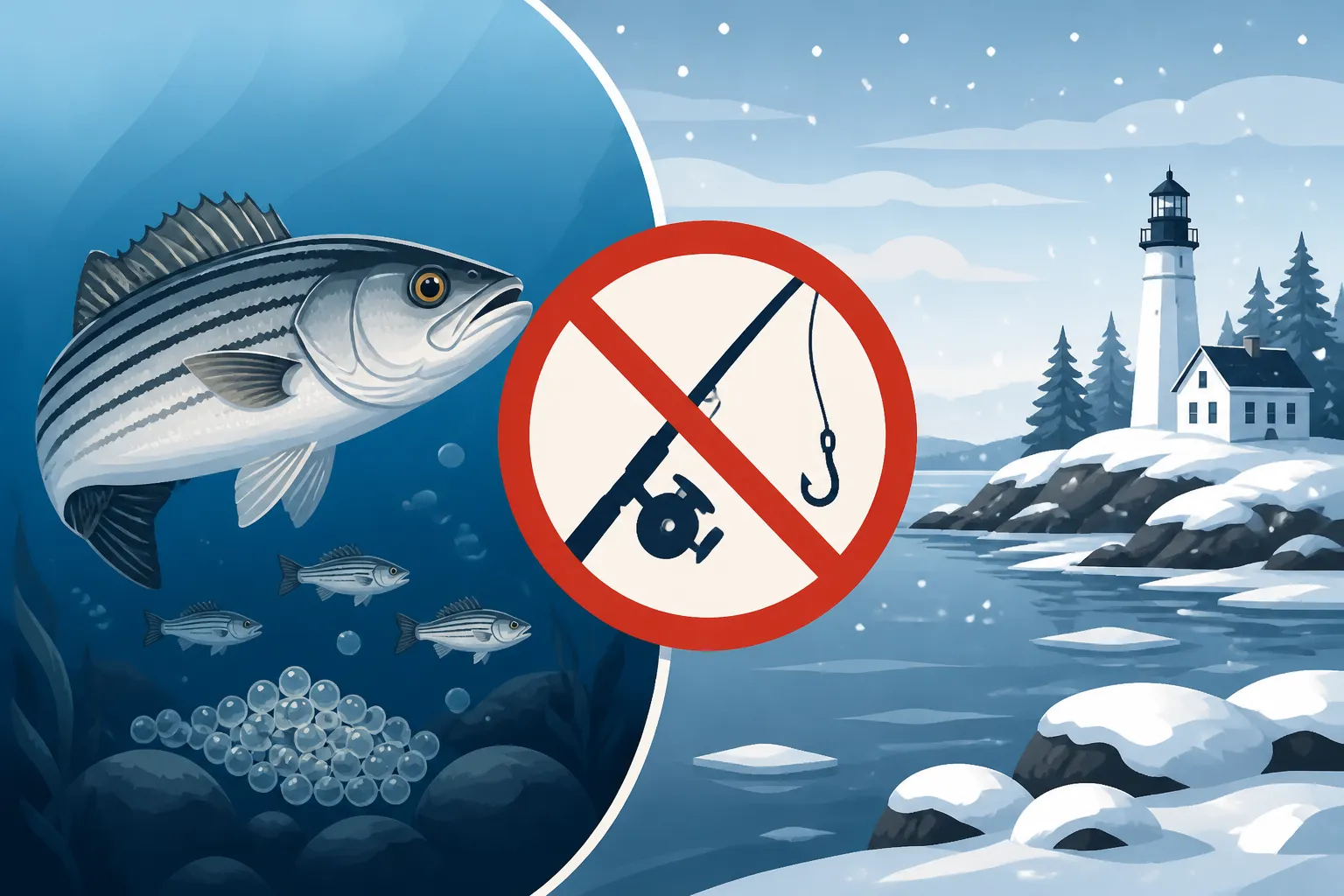
It's a familiar feeling for anyone who loves fishing in Maine: the days get shorter, the air gets crisper, and suddenly, that thrill of casting for striped bass fades with the news that the season is closed for winter. You might find yourself wondering, "Why now? Are they really all gone?" This can be incredibly frustrating, especially if you're keen to squeeze in one last fishing trip. But there are very good, scientifically sound reasons behind these closures, and understanding them can help us appreciate the long-term health of this incredible fishery. This guide is here to shed some light on why Maine's striped bass season closes in winter, delving into the biological necessities and conservation efforts that make it essential.
Understanding Striped Bass Behavior in Winter
Striped bass, often affectionately called "stripers" by us anglers, aren't built for the harsh Maine winter. While we bundle up in our warmest layers, these fish embark on a natural migration that takes them far from our cold coastal waters. It's a fundamental part of their life cycle and crucial for their survival and the future of the species.
The Migration South: Why They Leave
When the water temperatures in Maine's coastal estuaries and nearshore areas start to plummet, usually around late October into November, striped bass begin their grand exodus. They are migratory fish, and their instinct tells them it's time to head south to warmer climes where they can survive the winter more comfortably. Think of it like a snowbird seeking sunnier shores! These fish undertake impressive journeys, often traveling hundreds of miles down the Atlantic coast to wintering grounds from the mid-Atlantic states down to North Carolina.
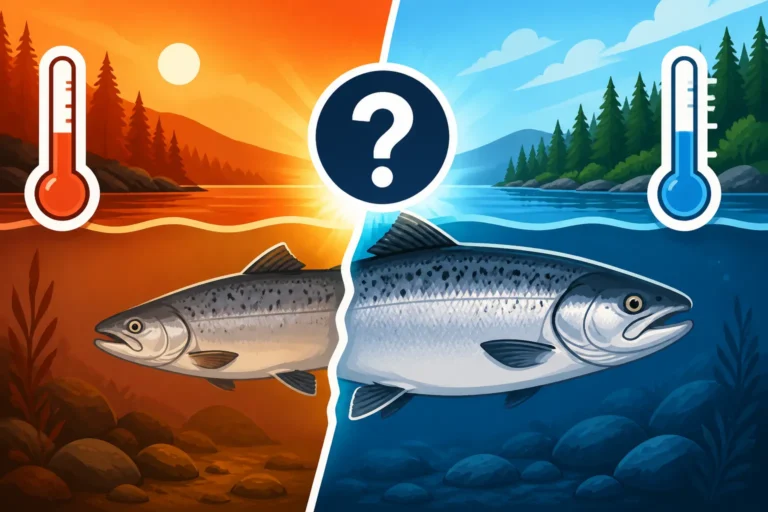
This migration isn't just a leisurely vacation; it's a matter of survival. As cold-blooded creatures, their body temperature is dictated by the surrounding water. When the water gets too cold, their metabolism slows down dramatically. They become sluggish, their feeding nearly ceases, and they struggle to maintain their energy reserves. Staying in frigid Maine waters would simply be too taxing, leading to high mortality rates. So, while we miss them, they’re doing exactly what they need to do to make it to spring.
Physiological Changes and Vulnerability
Even before they fully migrate, as Maine waters cool, striped bass undergo significant physiological changes that make them particularly vulnerable. Their immune systems can be compromised, and their ability to escape predators or fight off disease is diminished. They're conserving energy, not actively feeding or fighting. Imagine trying to run a marathon in a deep snowdrift; it's just not what your body is built for at that moment.
When temperatures drop below a certain threshold, typically around 45-50 degrees Fahrenheit, stripers enter a state of torpor or semi-hibernation. They'll often group together in deeper channels, estuaries, or bays where the water might be slightly warmer and more stable. In this state, they are incredibly susceptible to stress. Catching a striped bass, even with the intention of releasing it, can inflict a level of stress that a fish with a slowed metabolism simply cannot recover from. This is a key reason behind the closed season – it's not just about not catching them, but protecting them from harm if they are caught, especially for those that might linger in our waters a bit longer.
The Role of Conservation in Winter Closures
Conservation isn't just a buzzword; it's the backbone of sustainable fishing. When it comes to a highly sought-after species like striped bass, strict management is necessary to ensure future generations can enjoy the same incredible fishing opportunities we do. The winter closure plays a critical role in these efforts. You might find more details on general rules in our Maine Fishing Regulations Explained article.
Protecting the Spawning Stock and Juveniles
The migrating adult striped bass, particularly the larger females, represent the future of the fishery. These are the fish that will return in the spring to spawn, ensuring the continuation of the species. Allowing fishing pressure on these critical spawning stock and juvenile fish when they are concentrated and vulnerable, or already stressed from migration and cold, would be disastrous. It could significantly reduce the number of fish that successfully migrate and return to spawn.
The closed season acts as a vital protective measure, giving these fish a much-needed reprieve from angling pressure during their most vulnerable period. It ensures that the majority of adult fish complete their southward migration without additional stress, allowing them to conserve energy for the spring spawn. Likewise, any juvenile stripers that haven't yet made their full migration are also protected, giving them a better chance to survive the winter and grow into mature fish. This forward-thinking approach is what keeps the fishery healthy year after year. For a deeper dive into the species, check out Striped Bass Fishing in Maine.
Minimizing Mortality from Catch and Release Stress
Many anglers, ourselves included, are committed to responsible catch and release practices. However, even with the best intentions, catch and release mortality is a real concern, especially in cold water. When a fish is caught, it experiences physiological stress from the fight, handling, and exposure to air. In warmer water, fish are typically more resilient and can recover more easily. But in frigid winter conditions, their metabolic rate is drastically slowed. Their bodies are simply not equipped to quickly recover from the lactic acid buildup, physical exertion, and stress hormones released during a fight.
This reduced physiological capacity means that a fish released in cold water has a much higher chance of dying, even if it swims away strongly. The closed season acknowledges this reality. It's a proactive measure to prevent unnecessary post-release mortality, essentially giving striped bass a "safe passage" through the most challenging part of their year. It demonstrates a commitment to not just not catching fish, but actively protecting them from indirect harm. This kind of detail is why understanding Maine Fish Bag Limits Guide is so important for every angler.
Maine's Specific Regulations and Management
The regulations governing striped bass in Maine, including the winter closure, aren't arbitrary. They are the result of extensive research, collaboration, and a deep understanding of the species' biology and population dynamics. It's a complex dance involving state agencies, federal bodies, and interstate cooperation to manage a fish that travels across many jurisdictions.
How Regulations are Developed and Enforced
In Maine, the Department of Marine Resources (DMR) is responsible for managing marine fisheries, including striped bass. They work closely with federal agencies like the National Oceanic and Atmospheric Administration (NOAA) and regional bodies such as the Atlantic States Marine Fisheries Commission (ASMFC). The ASMFC coordinates the management of migratory species like striped bass across all Atlantic coastal states, recognizing that a fish that spawns in one state might be caught in many others.
These regulations are developed based on scientific stock assessments, which estimate the size and health of the striped bass population. Data from angler catches, commercial landings, research surveys, and biological samples all feed into these assessments. When the science indicates that a certain level of protection is needed – whether through slot limits, bag limits, or closed seasons – the regulations are adjusted accordingly. The winter closure, for instance, is a coordinated effort across states to protect the overwintering fish. Compliance is crucial, and Maine's Marine Patrol enforces these rules, issuing fines for violations like Fishing Without a License in Maine or during a closed season.
The Impact of Slot Limits and Closed Seasons
The combination of slot limits and closed seasons is a powerful tool in fisheries management. A slot limit, for example, allows anglers to keep fish within a specific size range, protecting both the smaller, juvenile fish and the larger, reproductively valuable older fish. You can learn more about this in Striped Bass Slot Limit in Maine Explained. The winter closure complements this by adding a temporal layer of protection, ensuring that the entire population, regardless of size, is free from angling pressure when they are most vulnerable.
Consider this table illustrating the general impact:
| Management Tool | Primary Goal | Benefit for Striped Bass Population | Angler Impact |
|---|---|---|---|
| Winter Closure | Protect vulnerable overwintering/migrating fish | Reduces mortality, allows energy conservation | No fishing for stripers during specified months |
| Slot Limit | Protects young fish and large spawners | Ensures reproductive success and growth | Specific size range for keeping fish |
| Bag Limit | Controls overall harvest | Prevents overfishing, maintains population size | Limits number of fish kept per angler per day |
| Season Dates | Manages fishing pressure | Aligns with fish life cycles (spawning, migration) | Defines when fishing is legally permitted |
These rules, including the seasonal closure, aim to ensure that there are enough fish of all ages to sustain the population. It's about finding that delicate balance between providing recreational opportunities and safeguarding the future of the species. Sometimes it means we have to pause our pursuit, but it’s always for the greater good. Specific dates for open season can be found in Maine Striped Bass Season and Limits. It's also worth noting that generally, you cannot Can You Fish for Striped Bass in Maine in December? due to these closures.
What Anglers Can Do During the Off-Season
While the thought of not being able to chase stripers might bring a sigh, the winter closure doesn't mean you have to put your fishing passion entirely on hold. It's a perfect time to regroup, prepare, and explore other fantastic opportunities that Maine offers. You might even find yourself browsing for new gear!
Gear Maintenance and Preparation
The off-season is the ideal time to give your gear some much-needed TLC. Saltwater fishing can be tough on equipment, and now's your chance to tackle all those maintenance tasks you put off during the busy summer. Take apart your reels, clean them thoroughly, and apply fresh grease and oil. Check your rods for any cracks or worn guides, and replace your fishing line – a fresh spool of line can make a huge difference come spring. Sharpen all your hooks or replace dull ones, and organize your tackle boxes.
This downtime is also great for thinking about what new additions might enhance your next season. Maybe you've been eyeing a new popping rod, a more comfortable pair of waders, or even a specialized fishing knife. You can spend some quality time online, perhaps even checking out what's available on Amazon, to research and find those perfect upgrades. Getting your gear in top shape ensures you'll be ready the moment the season opens again.
Exploring Other Winter Fishing Opportunities
Just because striped bass are gone doesn't mean Maine's waters are barren! Winter, especially if the ice is safe, offers some truly unique and exciting fishing experiences. Maine is renowned for its incredible ice fishing, targeting species like landlocked salmon, brook trout, and lake trout (togue). Many lakes and ponds offer excellent opportunities to enjoy the serene beauty of a frozen landscape while trying for a different kind of fight.
If you've never tried ice fishing, now is the time to look into it. It’s a completely different rhythm and challenge. You'll need specialized gear, like ice augers, tip-ups, and short ice fishing rods, but the thrill of pulling a big togue through the ice is unforgettable. Familiarize yourself with Maine Ice Fishing Rules Guide and Maine Ice Fishing Line Limits before heading out. Consider exploring some of the Best Fishing Lakes in Maine for ice fishing, like Moosehead Lake or Sebago Lake. There's a whole world of winter angling waiting for you, offering a chance to hone different skills and appreciate Maine's diverse fishery resources. Don't let the striped bass closure stop you from enjoying the outdoors – just pivot to what's in season!
Disclaimer
This article is for general informational purposes only and does not constitute professional advice. Laws, prices and regulations vary by location and change over time. Consult a qualified professional for guidance on your specific situation.