Best Bait for Togue
Finding the right bait for togue in Maine can sometimes feel like trying to solve a cryptic puzzle, especially when you're staring at a vast, deep lake and wondering what on earth those elusive lake trout are actually hungry for. It's a common frustration, but don't worry – you're not alone. This guide is here to cut through the guesswork, offering you the lowdown on the best baits, both live and artificial, that have proven time and again to entice Maine's magnificent togue.
Unpacking the Togue Puzzle: Understanding Their World and Why They Bite
Before we even talk about specific baits, it's crucial to understand the fish we're after. Togue, or lake trout as they're known in many other places, are fascinating creatures. They thrive in the cold, deep waters of Maine's larger lakes, and their habits dictate what baits will be most effective. It's not just about what they can eat, but what they prefer and what triggers their predatory instincts.
The Togue's Preferred Domain: Deep, Cold, and Mysterious
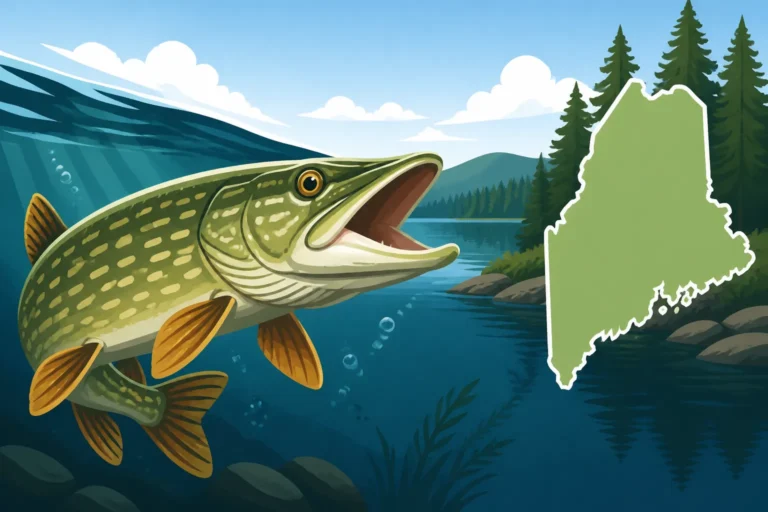
Togue are true cold-water specialists. Unlike brook trout or bass that might hang out in warmer shallows during certain times, togue almost always prefer the cooler, more stable temperatures found deeper in a lake. Think about those crystal-clear, deep Maine lakes like Moosehead, Sebago, or Rangeley – these are prime togue territory. They'll often hug structure, like underwater humps, ledges, and drop-offs, or suspend themselves over vast, open water, always on the lookout for their next meal. This preference for depth means your bait needs to get down to where they live, and it needs to look natural in that environment. Fishing for togue is often about patience and precision, as they can be finicky eaters, sometimes requiring just the right presentation to commit. Understanding Where Togue Live in Deep Maine Lakes is half the battle won.
Their solitary nature, especially for the larger individuals, also plays a role. They aren't schooling fish in the same way perch or whitefish are. While smaller togue might group up, the real trophy fish are often lone wolves, making them a challenge but also incredibly rewarding to catch. They are powerful predators, and their strikes can be absolutely electrifying.
What's on the Menu? The Natural Diet of Maine's Togue
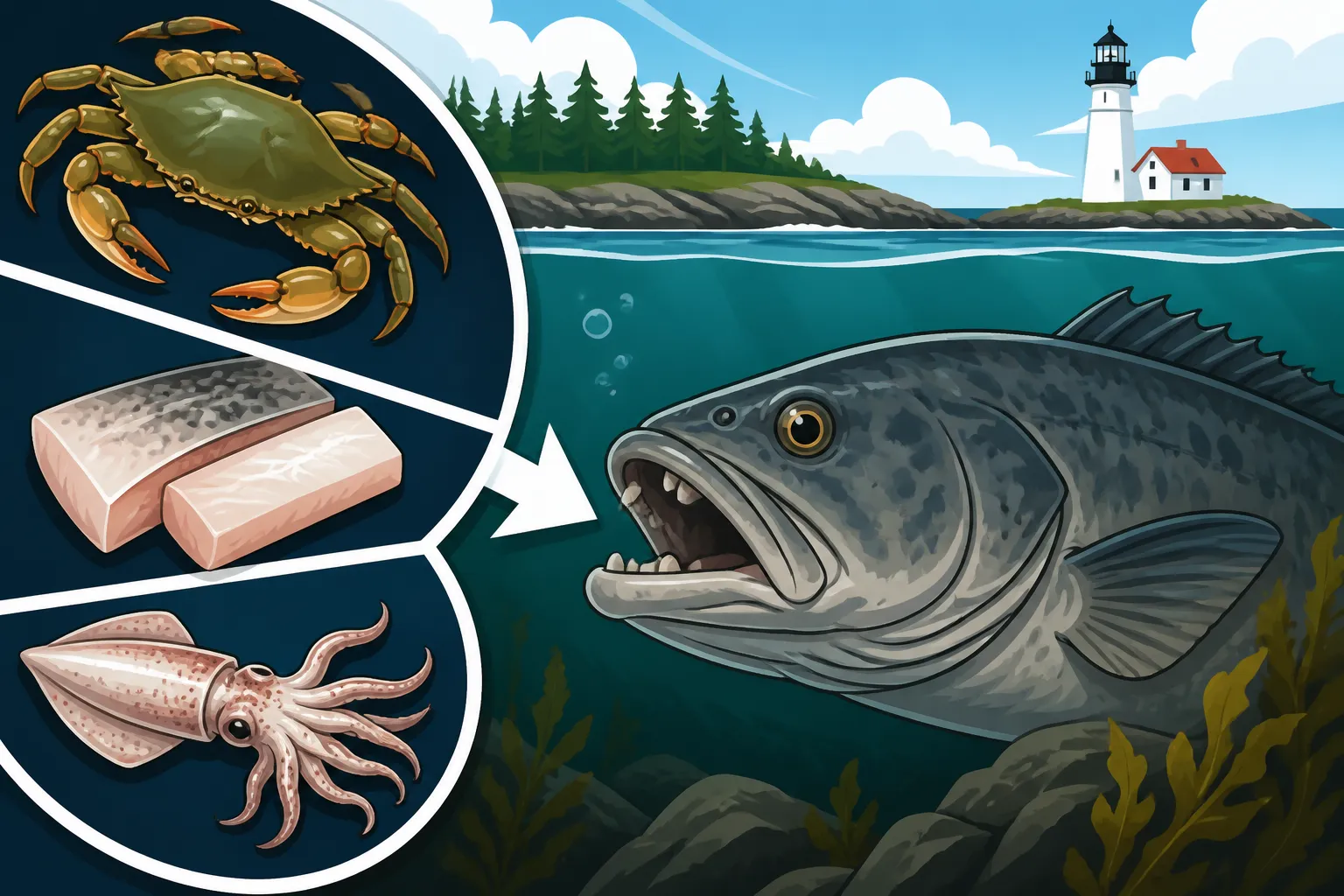
At their core, togue are piscivores, meaning fish eaters. Their diet in Maine lakes is heavily influenced by the availability of baitfish, and one species stands head and shoulders above the rest: the smelt. Smelt are often the primary forage for togue, packed with nutrients and providing a high-energy meal. Togue will actively hunt down schools of smelt, and if you can imitate a struggling or easy-to-catch smelt, you're in business.
Beyond smelt, other important food sources include various suckers, particularly in larger sizes, and smaller perch or minnows. Crayfish and insects can also be on the menu, especially for smaller togue, but generally, when you're targeting bigger fish, you want to "match the hatch" with what they're truly preying on. This means thinking like a togue: what's easy to catch, plentiful, and worth the effort? Often, it's another fish.
Seasonal Shifts: Togue Feeding Habits Throughout the Year
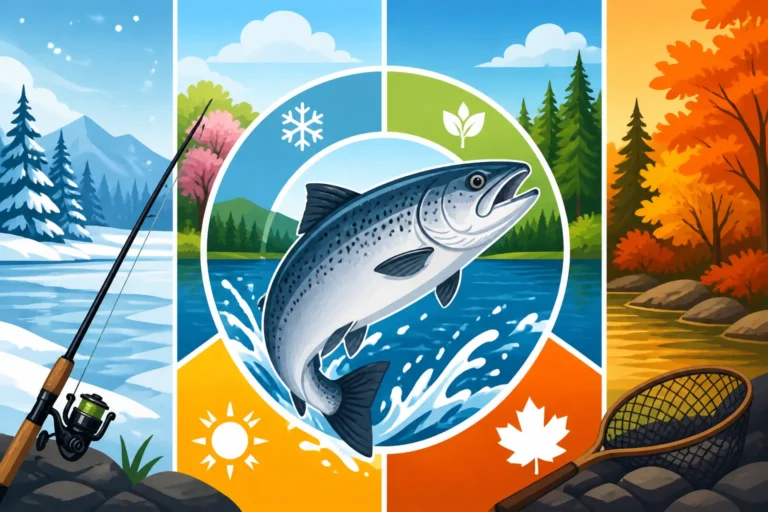
Togue don't just eat the same way all year round. Their feeding habits and locations shift significantly with the seasons, largely dictated by water temperature and the movement of their prey. In spring, after ice-out, togue might be found a bit shallower as the water is uniformly cold, making them more accessible. They're often hungry after a long winter and actively chasing baitfish. This can be a fantastic time for trolling.
As summer progresses and surface waters warm, togue retreat to the deeper, colder parts of the lake. This is when downriggers and lead core lines become essential for getting your bait into their comfort zone, often 40-80 feet or even deeper, depending on the lake and time of day. They might still be active, but their feeding windows can be shorter, often favoring dawn, dusk, or overcast days.
Fall sees them become more active again as lake temperatures cool, and they might come a bit shallower before they begin their spawning rituals. This is another prime time for aggressive feeding. And of course, winter ice fishing provides a unique opportunity. While ice fishing, they still hold to those deep, cold areas, but can be concentrated around structure, making jigging or tip-up fishing a highly effective method. Knowing the Best Season to Catch Togue will greatly influence your bait choice and presentation.
Tried-and-True: The Best Live Baits for Togue in Maine
When it comes to live bait, there's just something about natural movement and scent that can be irresistible to a predatory fish like a togue. While artificial lures have their place, many seasoned Maine anglers swear by live bait for consistent togue success, especially for larger fish.
The Undisputed King: Live Smelt and How to Rig Them
If there's one bait that every serious togue angler in Maine should have in their arsenal, it's live smelt. These slender, oily baitfish are often the natural forage for togue, making them the ultimate "match the hatch" option. Togue simply can't resist a lively smelt.
When using live smelt, presentation is key. For open water trolling, you'll want to rig them carefully to ensure they swim naturally. A popular method is to use a bait harness or a single hook through the nose or lips, allowing the smelt to swim freely. Hooking them through the dorsal fin can also work, giving them a slightly injured look. Keep your smelt lively by using a good aerated bait bucket. You can find quality aerators and bait buckets on platforms like Amazon, which are essential for keeping your smelt in prime condition. For ice fishing, smelt rigged on a tip-up are incredibly effective. You'll want to suspend them at the depth where togue are holding, which often requires a good fish finder. Their frantic swimming sends out irresistible vibrations.
Big Baits for Big Fish: Suckers and Chub
While smelt are fantastic for consistent action, if you're truly targeting a trophy-sized togue, sometimes you need to go big. That's where suckers and chub come into play. These larger baitfish offer a substantial meal that can tempt a lethargic lunker. They might not get as many bites as smelt, but the bites you do get are often from bigger fish.
For suckers, especially for large togue, you might be looking at baits 6-10 inches or even longer. These are typically fished on heavier gear, often trolled slowly in open water or set on sturdy tip-ups during ice fishing. The key is to present them so they appear distressed but still have some natural movement. A bait harness is almost a necessity for suckers when trolling, ensuring they track straight and don't spin. For ice fishing, a large sucker suspended under a tip-up, perhaps a few feet off the bottom or at a suspended depth, can be a game-changer when you're after that once-in-a-lifetime fish. Remember that Maine Fishing Regulations Explained will have rules on bait sizes and types, so always double-check.
When Smelt Aren't an Option: Shiners and Perch
Sometimes, live smelt can be hard to come by, or regulations might limit their use in certain waters. In these situations, shiners or small perch can serve as excellent alternative live baits. Golden shiners are widely available and can be very effective, offering a flash and size that appeals to togue. They might not have the same oil content as smelt, but their lively action is often enough to grab a togue's attention.
Small yellow perch, caught legally as bait, can also be dynamite. Togue are opportunistic predators, and a small perch is a common meal in many lakes. When rigging shiners or perch, use similar methods to smelt: a nose or lip hook for trolling, or a dorsal hook for a more "injured" presentation. For ice fishing, they work well on tip-ups, just make sure they're lively and properly presented at the desired depth. Always be mindful of the Maine Fishing License Guide and any specific rules for bait use in different bodies of water.
Beyond Live Bait: Top Artificial Lures That Fool Maine Togue
While live bait certainly has its advantages, artificial lures offer versatility, ease of use, and can often cover more water efficiently. Modern lures are incredibly realistic, mimicking the movement, flash, and even scent of natural forage. For anglers who prefer a more active style of fishing, artificials are the way to go for togue.
Flash and Vibration: Spoons and Blades
Spoons are arguably one of the most classic and consistently effective artificial lures for togue, both in open water and through the ice. Their erratic wobbling action and reflective flash perfectly imitate a wounded baitfish, which is exactly what a togue is looking for. Popular spoon choices include Dardevles, Mooselook Wobblers, and various casting spoons.
When trolling, spoons of 3 to 5 inches in length, often silver, blue/silver, or copper, work exceptionally well. The key is to vary your trolling speed to find what the fish prefer, giving the spoon a tantalizing wobble. For jigging, especially through the ice, smaller jigging spoons in similar colors, often tipped with a piece of bait like a small minnow head or a piece of smelt, can be deadly. The flash and fall of the spoon, followed by a sudden stop, often triggers a strike from curious togue. You can find a wide array of effective spoons for togue fishing on Amazon, making it easy to experiment with different patterns and sizes.
Mimicking Movement: Plugs and Stickbaits
Plugs and stickbaits are fantastic for imitating the swimming action of baitfish and are particularly effective for trolling. Lures like Rapalas, Challengers, and similar minnow-shaped crankbaits are excellent choices. They come in various sizes and dive depths, allowing you to target togue at specific levels in the water column.
When selecting plugs, look for colors that mimic natural forage like smelt, perch, or shiners. Silver, blue, black, and natural baitfish patterns are typically reliable. The precise depth a plug runs is crucial, so pay attention to the manufacturer's diving recommendations or use a depth chart. Trolling speed is also critical; you want the plug to have an enticing wobble without looking unnatural. Running a variety of plugs at different depths and speeds can help you pinpoint where the active togue are holding. Trolling Techniques for Maine Lakes delves deeper into how to effectively present these lures.
Subtle Seduction: Jigs and Soft Plastics
Sometimes, togue aren't in an aggressive chasing mood, and that's when a more subtle presentation with jigs and soft plastics can shine. This is particularly true for ice fishing or when fishing difficult, pressured waters. A lead head jig, tipped with a small plastic grub, tube, or a natural bait fragment, can be incredibly effective when slowly worked near the bottom or suspended in the water column.
Colors like white, pearl, smoke, or natural greens and browns tend to work well. The size of the jig head should be appropriate for the depth and current; you want it to get down quickly but still have a natural fall. Soft plastic minnow imitations, either on a jig head or even rigged weightless for a slow sink, can also be very enticing. The key is to impart subtle action – small twitches, lifts, and pauses – that mimic a struggling baitfish without being overly aggressive. This finesse approach often coaxes bites from finicky togue. Learning various Jigging Techniques for Togue will help you present these baits effectively.
Mastering Presentation: How to Get Your Bait in Front of Togue
Having the best bait in the world won't do you any good if it's not presented to the fish effectively. Togue fishing, more than many other types of angling, often boils down to precise presentation at the right depth and with the correct action.
Trolling Tactics for Open Water Domination
Trolling is a cornerstone of open water togue fishing in Maine, especially on large lakes. The ability to cover vast expanses of water and present baits at specific depths makes it incredibly efficient. To effectively troll for togue, you'll need to consider several factors:
- Depth: Togue will typically be found in the cooler sections of the water column. This often means using devices like downriggers, lead core line, or Dipsy Divers to get your lures and baits down to 40, 60, 80 feet, or even deeper. A good fish finder is indispensable here for locating schools of baitfish and the togue themselves. Looking for How to Find Cold Water Pockets for Trout can give you an edge.
- Speed: Trolling speed is critical. Often, a slower speed of 1.5 to 2.5 miles per hour works best, allowing spoons and plugs to achieve their natural action without spinning unnaturally. However, always experiment; sometimes a slight increase or decrease in speed can trigger a bite.
- Leader Length: Use a fluorocarbon leader of 10-20 feet behind your main line. This provides invisibility in the clear waters togue inhabit and absorbs some shock during strikes.
- Boat Control: Maintaining a consistent trolling path is important, but gentle turns can often cause your lure to speed up or slow down on the inside or outside of the turn, sometimes triggering a hesitant fish.
Ice Fishing Strategies: Tip-Ups, Jigging, and Finding the Depth
Ice fishing for togue presents a different set of challenges and opportunities. The fish are still in their preferred deep, cold habitats, but access is now limited to holes drilled in the ice. This makes accurate depth finding even more critical.
- Tip-Ups: These are incredibly popular for togue through the ice, especially when using live bait like smelt or suckers. They allow you to cover a wider area, as you can set multiple tip-ups (always check How Many Lines Are Legal for Maine Ice Fishing? before you go) at varying depths and locations. The flag popping up is always an exciting moment! Ensure your tip-ups are rigged with strong leader material, and set your bait at or just above where you're marking fish on your sonar.
- Jigging: Active jigging can be very effective, especially for more aggressive fish. Use jigging spoons, heavy tube jigs, or soft plastics on a jig head. The key is to use your sonar to watch how the fish react to your presentation. Sometimes a fast, erratic jigging motion works, other times a subtle lift and pause is what they want. Keep your rod tip close to the hole to avoid line freeze-up.
- Depth is Everything: Togue often suspend, meaning they might not be right on the bottom. Your fish finder will be your best friend, showing you where the baitfish are and where the togue are lurking in relation to them. Don't be afraid to fish different depths until you find where the fish are holding. Maine Ice Fishing Rules Guide will provide all the legal specifics for your winter adventures.
Reading the Water: Environmental Factors and Togue Behavior
Togue, like all fish, are influenced by their environment. Pay attention to cues like water temperature, weather patterns, and even the time of day.
- Water Temperature: As mentioned, togue prefer cold water. During warmer months, focus on the thermocline (the layer where water temperature changes rapidly) or deeper, colder sections of the lake.
- Light Conditions: Togue often feed more actively during low light conditions – dawn, dusk, or on heavily overcast days. Their large eyes are well-suited for hunting in dim light or deep water.
- Structure: Always look for underwater structure: humps, points, submerged islands, and deep rock piles. These areas often hold baitfish, which in turn attract togue. Your sonar is crucial for mapping these underwater features.
- Barometric Pressure: While not always a definitive factor, stable or rising barometric pressure often corresponds with more active fish, while rapidly falling pressure before a storm can make them lethargic.
By combining an understanding of togue behavior, the right bait, and precise presentation, you'll dramatically increase your chances of success on Maine's beautiful lakes.
Here's a quick comparison of popular togue bait types:
| Bait Type | Pros | Cons | Best Use Cases |
|---|---|---|---|
| Live Smelt | Natural scent and action; top natural forage; highly effective. | Can be hard to acquire/keep alive; bait regulations may apply. | All seasons, especially effective on tip-ups and slow trolling. |
| Live Suckers | Attracts larger trophy togue; durable on hook. | Less active than smelt; may get fewer bites; requires heavier gear. | Targeting trophy fish, slow trolling, deep ice fishing. |
| Spoons | Versatile for trolling and jigging; excellent flash and wobble. | Can get snagged easily; less natural scent. | Active trolling, vertical jigging through ice or open water. |
| Plugs/Stickbaits | Realistic baitfish imitation; covers water well when trolling. | Requires specific trolling speeds for best action; can be pricey. | Open water trolling at various depths. |
| Jigs/Soft Plastics | Finesse presentation; effective on finicky fish; subtle action. | Requires more active angler input; less natural scent. | Ice fishing, slow presentations, vertical jigging. |
No matter which bait you choose, remember that patience and observation are your greatest tools. The togue of Maine are a worthy adversary, and cracking their code makes the reward all the sweeter.
Disclaimer
This article is for general informational purposes only and does not constitute professional advice. Laws, prices and regulations vary by location and change over time. Consult a qualified professional for guidance on your specific situation.