What Do Brook Trout Eat in Maine Streams?
Brook trout in Maine streams eat aquatic invertebrates like mayflies and terrestrials including grasshoppers and beetles.
Know what’s on the line.
Gamefish and panfish profiles — identification, behavior, feeding habits, and species-specific strategies for every catch.
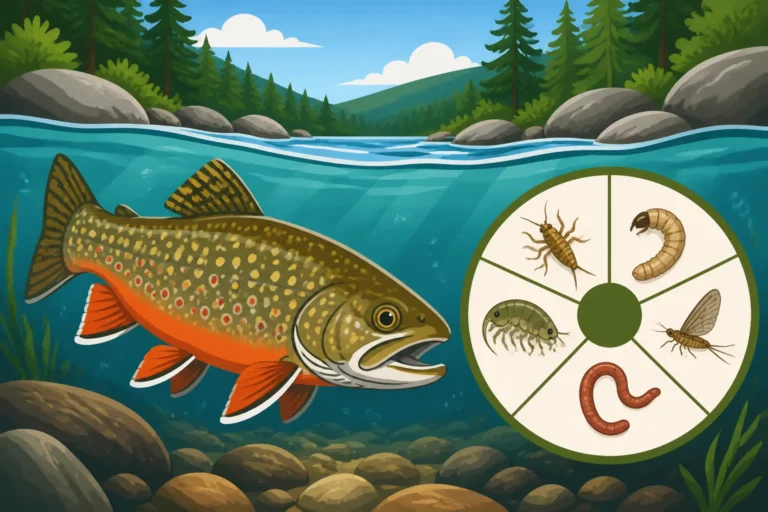
Brook trout in Maine streams eat aquatic invertebrates like mayflies and terrestrials including grasshoppers and beetles.
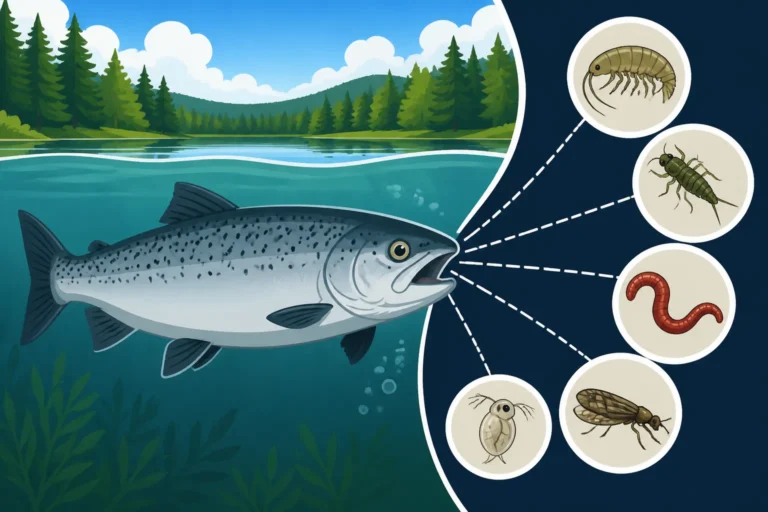
Maine landlocked salmon eat baitfish, minnows, and aquatic insects based on water temperature, light conditions, and prey availability.
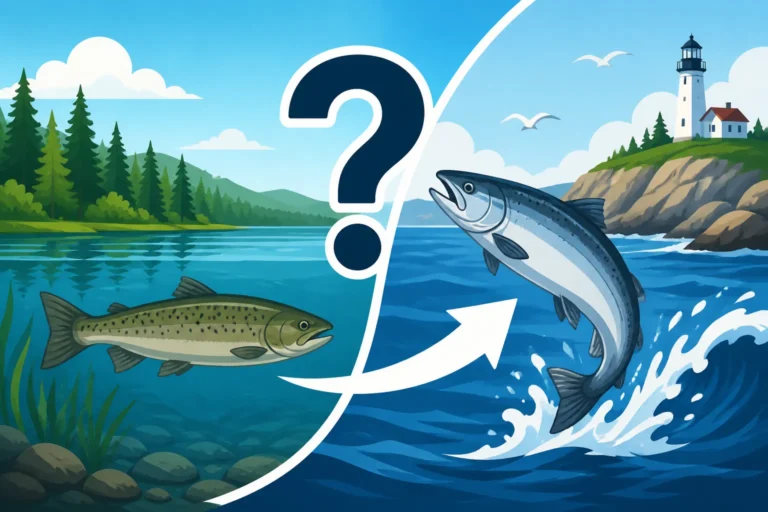
Maine landlocked salmon never visit the ocean because genetic adaptation restricts their survival strictly to freshwater lakes.
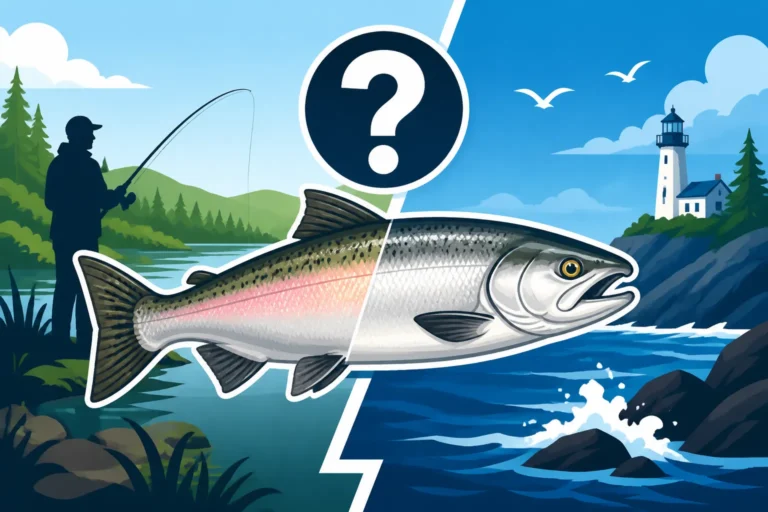
Maine landlocked salmon share the exact scientific name Salmo salar with ocean-going Atlantic salmon populations from the last Ice Age.
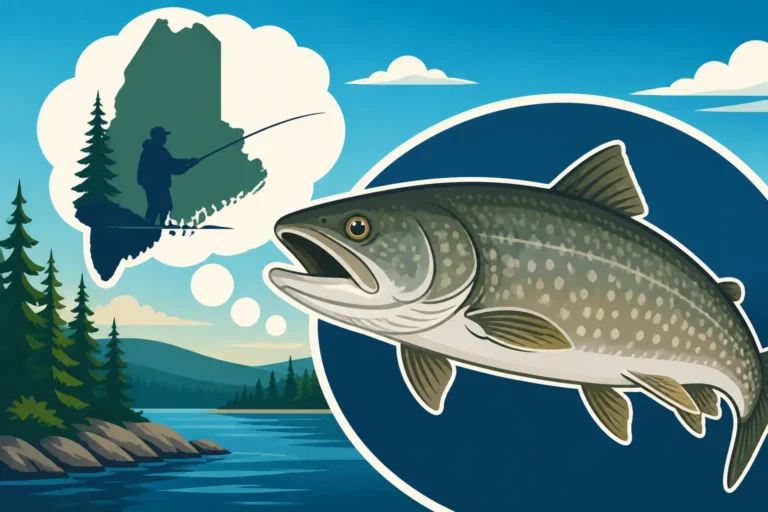
The local name togue for lake trout in Maine originates from an Abenaki word used by indigenous peoples for the fish.
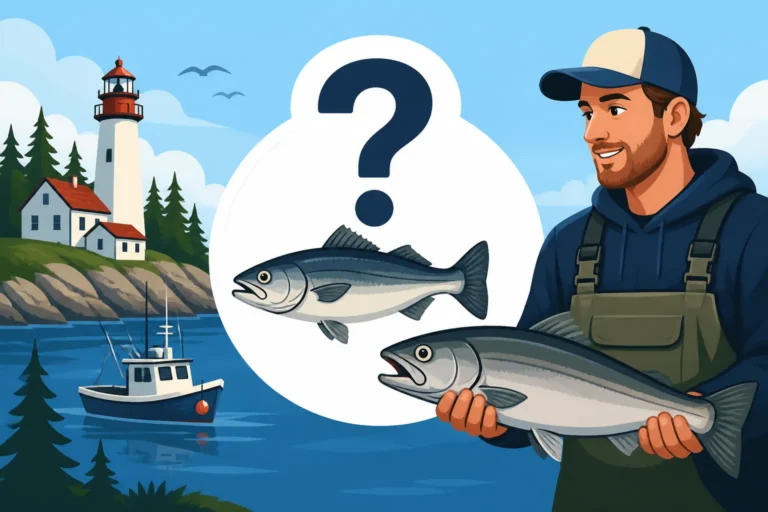
Togue is the traditional Maine name for lake trout, revealing regional fishing culture and potential Abenaki language roots.
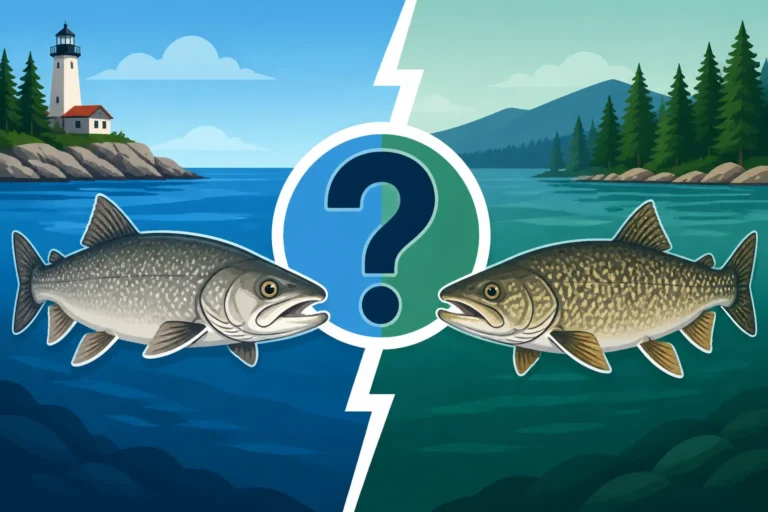
The fish known as togue in Maine is actually a lake trout, sharing the same biological species and local nickname traditions.
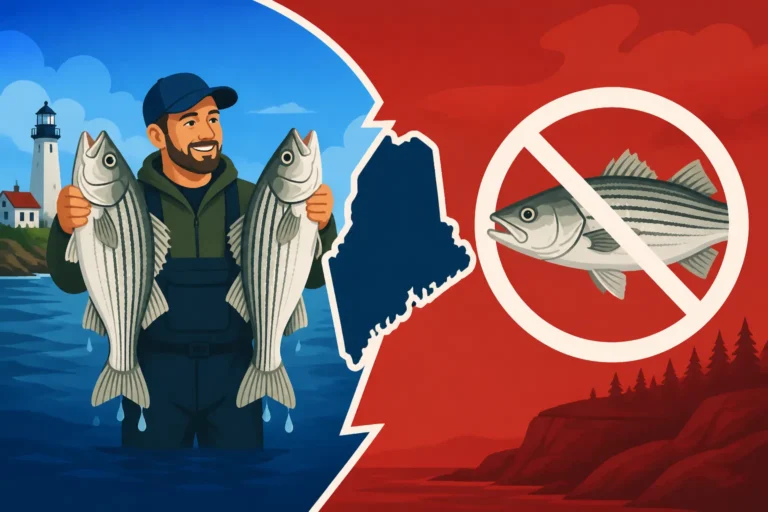
Maine fishing regulations allow anglers to keep only one striped bass daily, requiring the fish to measure between 28 and 31 inches.
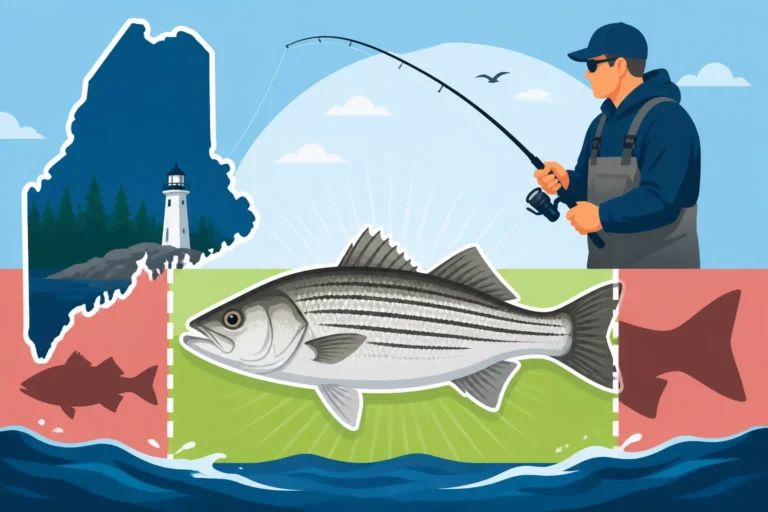
Maine striped bass size slot regulations explain which fish lengths anglers must release to protect vital breeding stock.
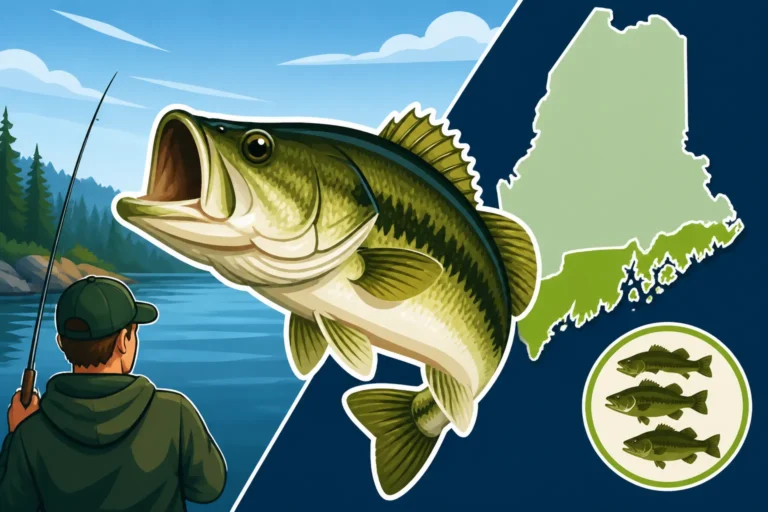
Maine fishing regulations allow anglers in the South Zone to keep a daily bag limit of two bass, but only one can exceed 14 inches.