Is Smallmouth Bass Fishing Good in Northern Maine?
Smallmouth bass fishing in Northern Maine offers thriving populations and exciting sportfishing opportunities across the region.
Know what’s on the line.
Gamefish and panfish profiles — identification, behavior, feeding habits, and species-specific strategies for every catch.
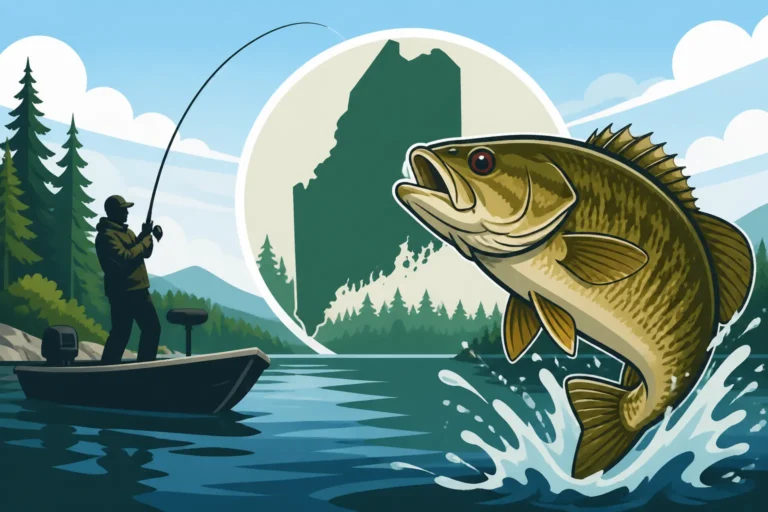
Smallmouth bass fishing in Northern Maine offers thriving populations and exciting sportfishing opportunities across the region.
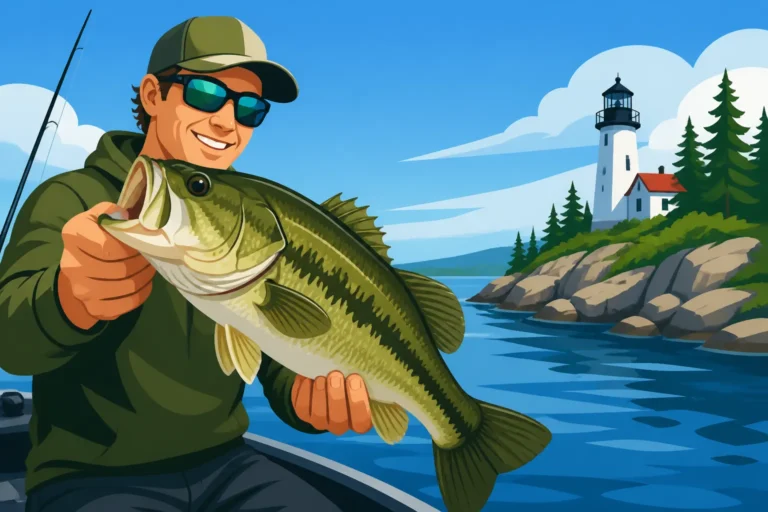
Largemouth bass fishing in Southern Maine offers healthy populations, warm shallow waters, and trophy catches weighing over five pounds.
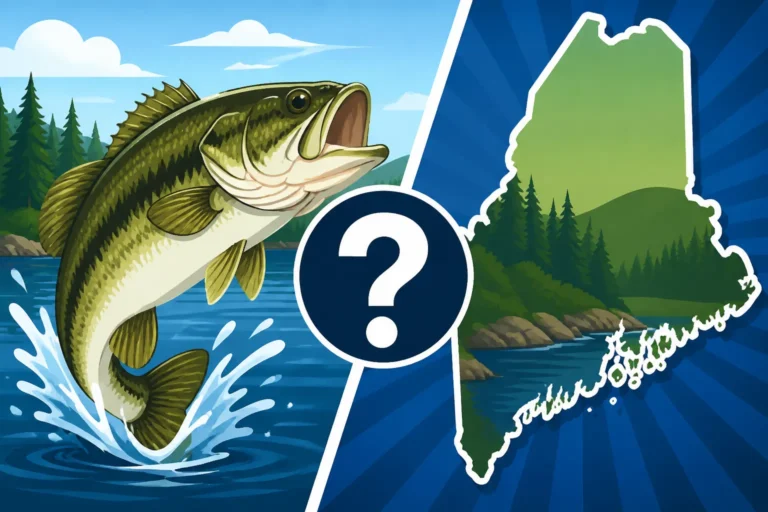
Largemouth bass populations in Maine waters are non-native species introduced by human intervention for recreational angling.
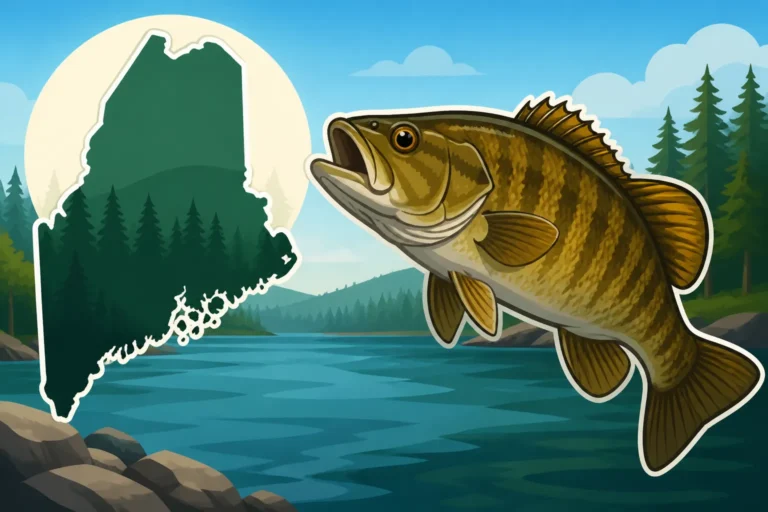
Smallmouth bass are not native to Maine, originating from intentional 19th-century introductions to expand sport fishing opportunities.
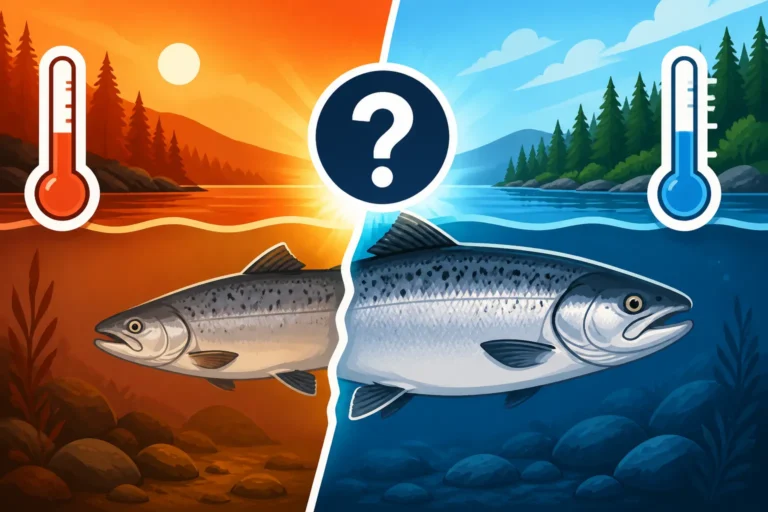
Water temperature controls Maine landlocked salmon size by regulating metabolism within the ideal range of low fifties to mid sixties Fahrenheit.
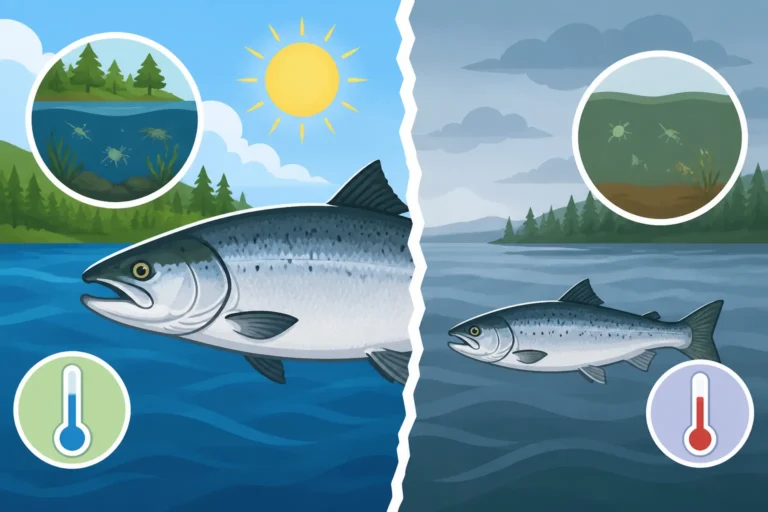
Sebago Lake landlocked salmon size variations and the ecological factors affecting their growth rates and forage populations.
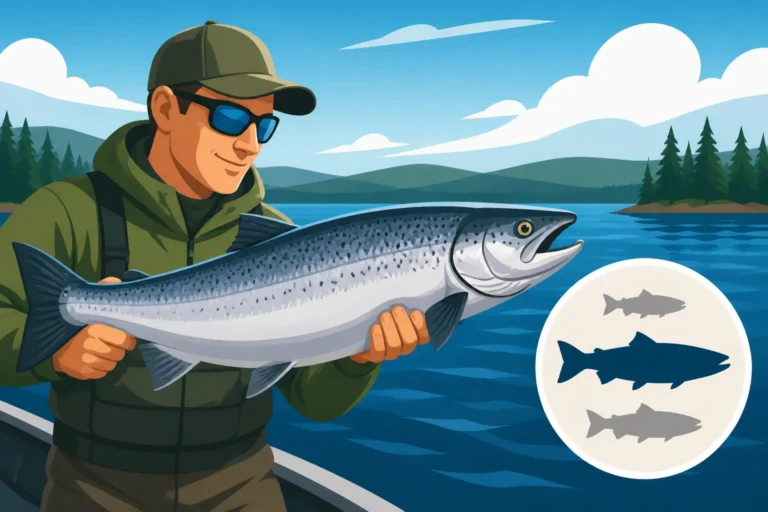
Sebago Lake landlocked salmon growth patterns, lifespan, and the role of smelt populations determine what makes a good size fish.
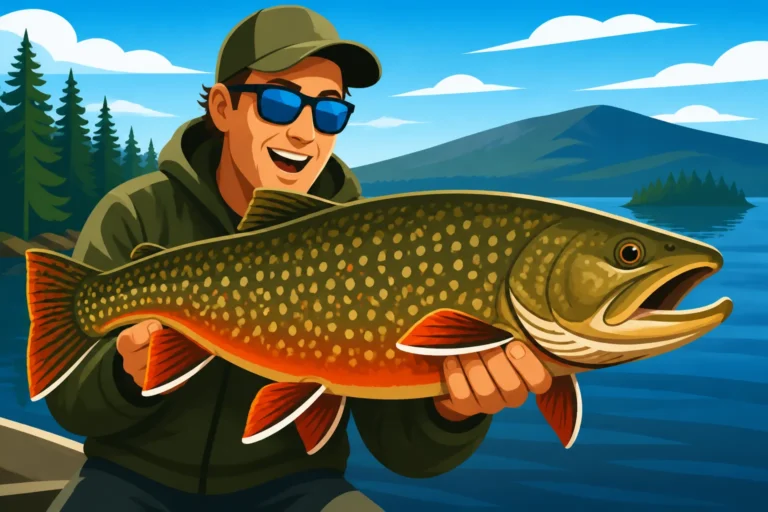
Moosehead Lake brook trout sizes, Maine trophy requirements, and growth factors are explained for anglers seeking large fish.
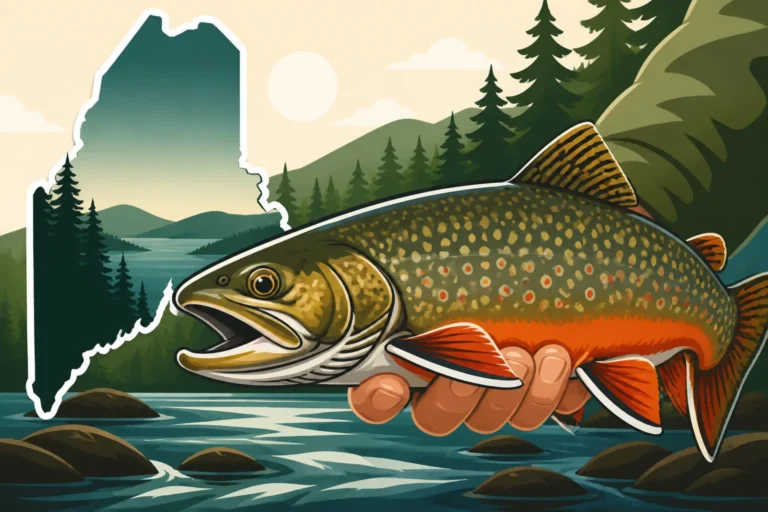
Anglers in Maine generally call a brook trout over 18 inches a trophy, and some push that to 20 inches for wild native fish in remote ponds and streams.
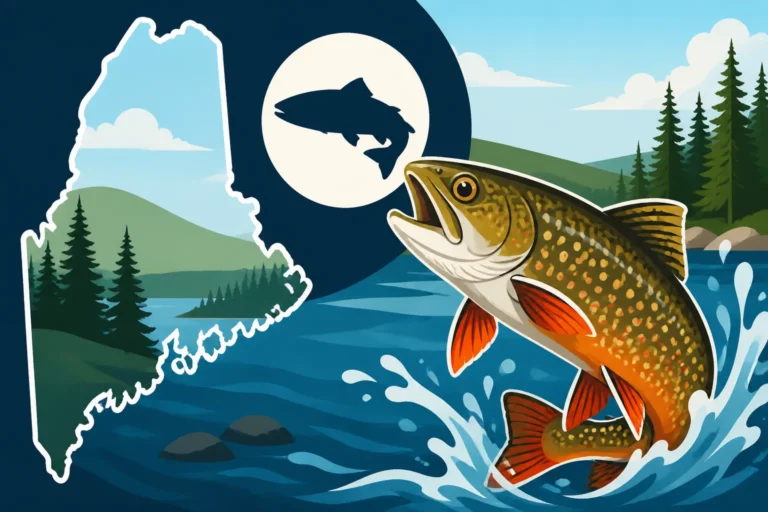
Maine state fish facts explain why anglers confuse the landlocked salmon with the native brook trout in Sebago Lake and Moosehead Lake.