Lake Trout and Togue Fishing in Maine
For anglers venturing into Maine's vast and often intimidating waters, the pursuit of lake trout, affectionately known here as "togue," can be both a thrilling challenge and a source of deep frustration. These cold-water denizens are elusive, demanding specific techniques and a keen understanding of their habits, often leaving even experienced fishermen scratching their heads when the bite turns off. This comprehensive guide is designed to peel back the layers of mystery surrounding togue fishing in Maine, offering seasoned advice, detailed techniques, and local insights to help you successfully target these magnificent fish.
Understanding Maine's Togue: A Deep Dive into Lake Trout
Before we even cast a line, it's crucial to really understand the fish we're after. In Maine, when we talk about "togue," we're talking about lake trout, pure and simple. They're a remarkable species, perfectly adapted to the deep, cold, oxygen-rich waters found in many of our most pristine lakes. Their scientific name, Salvelinus namaycush, hints at their char lineage, putting them in the same family as our beloved brook trout and arctic char, rather than true trout like browns or rainbows. This distinction isn't just academic; it influences their behavior, habitat preferences, and ultimately, how we approach catching them.
The Togue Identity: Lake Trout in Maine
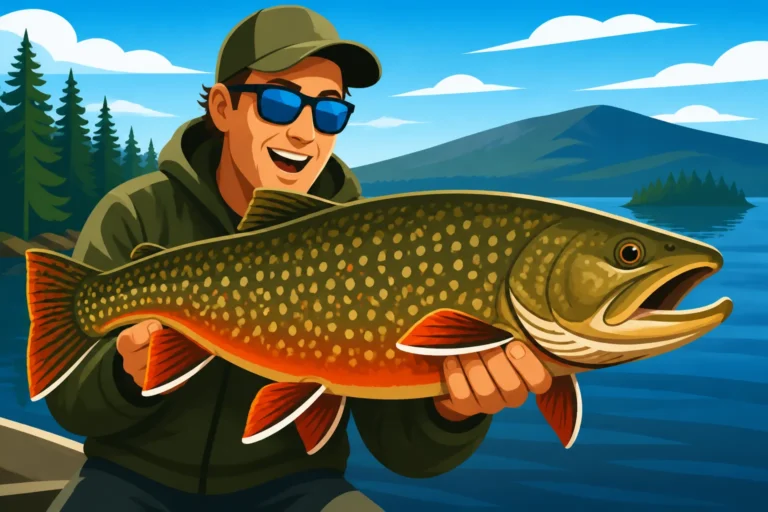
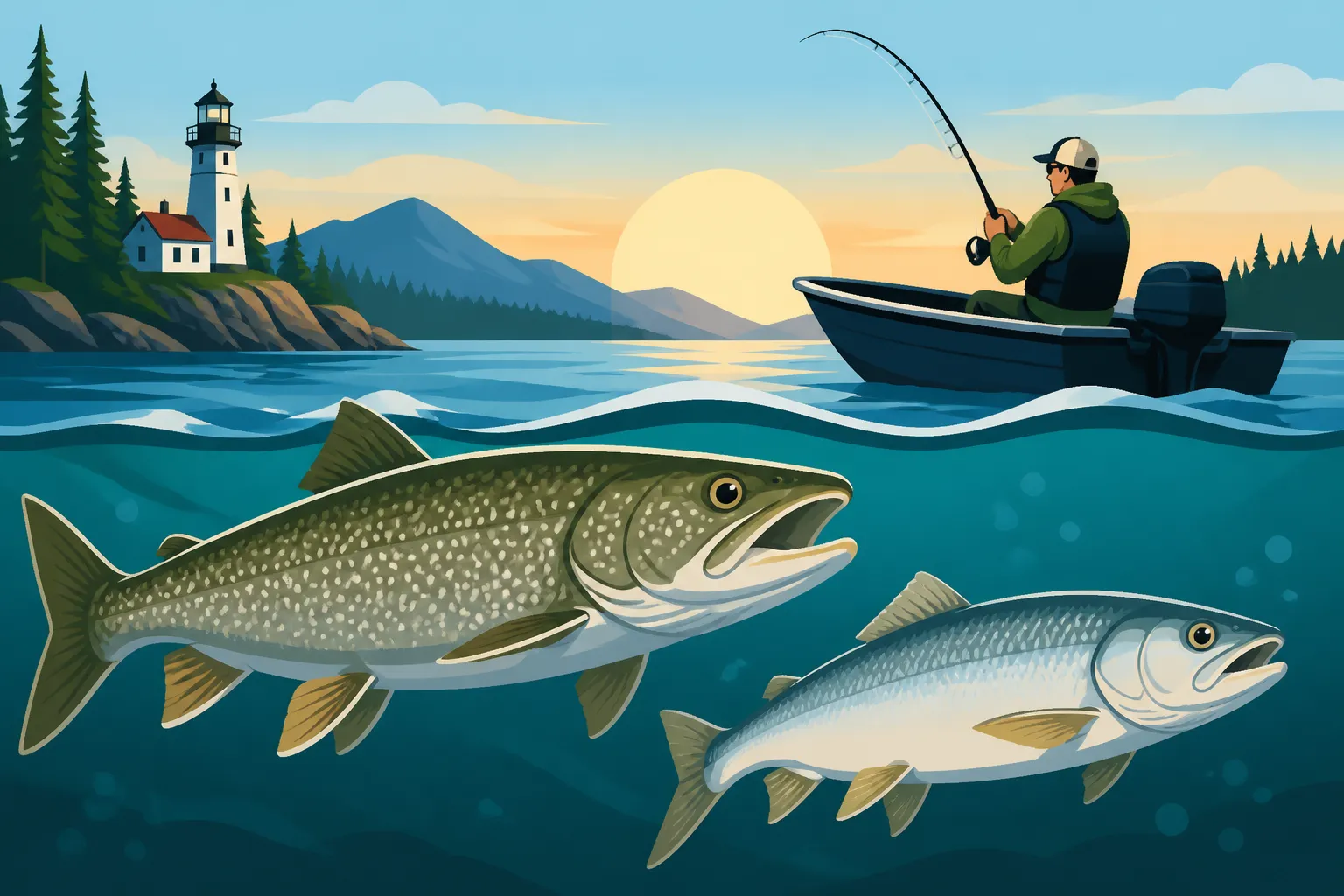
The name "togue" is deeply ingrained in Maine's fishing culture, a testament to the long history anglers here have had with this species. It’s a local term, and if you say "togue" almost anywhere else in North America, you'll likely be met with a blank stare. But here, it evokes images of deep, clear lakes and powerful fish. Lake trout are recognizable by their elongated bodies, deeply forked tails, and light spots on a darker body, often ranging from olive green to dark gray, sometimes even brownish. They are formidable predators, growing to impressive sizes, which makes them a highly sought-after trophy fish for many. They play a vital role in the aquatic ecosystems of our larger lakes, often sitting at the top of the food chain.
What sets Maine's togue apart, beyond just the name, is their reliance on incredibly specific environmental conditions. They thrive in waters that remain cold year-round, typically below 55 degrees Fahrenheit, and require high levels of dissolved oxygen. This means they'll often be found in the deepest sections of large lakes, especially during the warmer months when surface waters heat up. Understanding this fundamental need for cold, oxygenated water is key to consistently locating and catching them. Without these conditions, togue simply cannot survive, which is why their presence is a good indicator of a healthy, deep lake ecosystem.
Historical Significance and the "Togue" Moniker
The term "togue" is believed to have originated from the Abenaki language, one of the indigenous peoples of Maine and Canada. It's a linguistic legacy that has persisted through generations of anglers, long before European settlers even understood the species. This local name reflects the deep historical connection between the people of this region and the fish that inhabit its waters. For many Mainers, calling them "lake trout" feels almost foreign; "togue" is simply what they are.
Beyond the name, togue have always been a significant part of the fishing tradition in Maine, particularly for ice fishing. Back in the day, before sophisticated electronics, catching togue was often a matter of local knowledge, persistence, and a bit of luck. The pursuit of these deepwater fish during the harsh Maine winter cemented their status as a hardy, respectable quarry. Tales of giant togue pulled from frozen lakes are part of the folklore, passed down through generations of fishing families. It's a connection that ties us to the past, reminding us that fishing here is about more than just a catch; it's about heritage and respect for the natural world.
Life Cycle and Habitat Preferences
Lake trout have a fascinating life cycle, largely dictated by their need for specific water temperatures. They are relatively slow-growing and long-lived, with some individuals reaching impressive ages, especially in the largest, most pristine waters. Spawning typically occurs in the fall, often in late October or November, when water temperatures begin to drop significantly. Unlike many salmonids that migrate up rivers to spawn, togue usually spawn in the lake itself, often over rocky shoals or rubble bottoms in relatively shallow water (though still colder than the surface).
After the eggs are laid, they settle into the rocky crevices, where they remain until hatching in the spring. This vulnerable period highlights the importance of protecting spawning habitat from disturbances. Once hatched, the young togue will gradually move into deeper waters as they grow, seeking out the cooler, darker environments where their primary forage, often smelt or other baitfish, resides. Their habitat preference shifts with the seasons, but the core requirement for cold, clear water remains constant. Understanding this migration from shallow spawning grounds to deep summer haunts is vital for knowing where to find them at different times of the year.
Where to Find Togue: Prime Maine Lakes and Regions
Maine is blessed with an abundance of lakes, but not all of them hold robust populations of togue. These fish require very specific conditions, primarily deep, cold water with plenty of oxygen and a healthy forage base. When you're looking for togue, you're essentially looking for the deepest, cleanest, most impressive lakes in the state. Don't waste your time on shallow, warm ponds; the togue just won't be there. Instead, focus your efforts on the true giants of Maine's inland waters, where depth and cold reign supreme.
Notable Togue Hotspots Across Maine
When it comes to prime togue fishing, certain names immediately spring to mind for any seasoned Maine angler. Moosehead Lake Fishing Guide for instance, is practically synonymous with togue fishing. It's Maine's largest lake, a vast, deep expanse of cold water perfect for these char. Anglers regularly pull substantial togue from its depths, and it's a popular destination year-round for those seeking a trophy. Another legendary location is the Rangeley Lakes Fishing Guide region, particularly Rangeley Lake itself and its sister lakes like Mooselookmeguntic. These lakes, nestled in western Maine's mountains, offer exceptional cold-water habitat and strong togue populations, often alongside landlocked salmon.
Further south, Sebago Lake Fishing Guide is another powerhouse for togue. While often famed for its landlocked salmon, Sebago also holds a healthy population of impressive lake trout that thrive in its substantial depths. It’s a busy lake, but with careful navigation and a good fish finder, you can certainly find success. Other notable togue waters include West Grand Lake in Downeast Maine, known for its pristine wilderness setting and aggressive togue, and many of the more remote, deep lakes in the vast North Woods. Doing your research on specific lake depths and historical fishing reports can save you a lot of guesswork and help you zero in on productive areas.
Reading the Water: Structure and Depth
Togue are structure-oriented fish, even in vast, open water. They'll relate to underwater features like humps, drop-offs, ledges, and deep points. But unlike bass that might hang right on the edge of a weedline, togue typically prefer deep versions of these structures. Your fish finder is your absolute best friend when hunting togue. Look for sharp contours, submerged islands, and areas where the bottom quickly drops off into the abyss. These are the highways and dinner tables for togue.
Often, togue won't be hugging the very bottom; they might be suspended over deep water, particularly if baitfish like smelt are present. When you see large schools of baitfish on your sonar, especially in the deeper thermocline layer, you can bet that hungry togue won't be far behind. Pay attention to temperature readings on your fish finder as well. The thermocline—the layer where water temperature changes rapidly—is a crucial zone. Togue will often be found just above, in, or below this layer, where the water is coldest and oxygen levels are optimal. This is where you need to focus your presentations, whether you're trolling or jigging.
Seasonal Movements: Where Togue Go When
Togue movements throughout the year are largely dictated by water temperature and the availability of their preferred forage. This means that where you find them in May will be vastly different from where you find them in August or January.
- Spring (Ice Out to Late May): As the ice recedes and the entire water column is cold, togue can be found relatively shallow, sometimes even in 10-20 feet of water. They're often cruising shorelines, rocky points, and shallow reefs, feeding aggressively after the long winter. This is a fantastic time for casting lures or shallow trolling.
- Summer (June to September): This is when togue go deep. As surface waters warm, they retreat to the coldest, most oxygenated parts of the lake. You'll typically find them in 50-100+ feet of water, often suspended over even deeper basins or relating to deep structure. Downriggers, lead core line, or heavy jigging are essential now.
- Fall (October to Ice Over): As water temperatures cool again, togue begin to move shallower, staging for their fall spawn. They'll be found around rocky shoals, reefs, and points, often in 20-50 feet of water. They're typically very aggressive as they feed up for winter and spawning. This can be some of the best fishing of the year.
- Winter (Ice Over to Ice Out): Under the ice, togue will generally hold to similar deepwater structures as in summer and fall, but they can also be found cruising transition areas. They're still feeding, but often more lethargically. Ice fishing requires precision in depth and presentation. Maine Ice Fishing Rules Guide will be important to understand during this time.
Essential Gear for Togue Fishing: Rods, Reels, and Lines
Togue are powerful fish, and successfully landing them, especially the larger ones from deep water, requires robust and reliable gear. You can't show up with a flimsy ultralight setup and expect to win the battle when a 10-pound togue decides to make a run. Investing in quality equipment not only increases your chances of success but also ensures you're prepared for the fight these fish put up. Don't skimp on your main setup; it's the connection between you and that potential trophy.
Open Water Setup: Trolling and Jigging Tackle
For open water togue fishing, especially trolling, a medium to heavy action rod with a sensitive tip is ideal. Think something in the 7 to 9-foot range, designed for handling larger lures and the strain of heavy line or downriggers. A good quality fiberglass or composite rod offers durability and a forgiving action that's great for trolling. Pair this with a robust baitcasting reel, specifically one designed for trolling or muskie fishing, with a smooth drag system and a strong retrieve. Line capacity is important here, as you'll often be fishing deep. Many anglers prefer braided line (like PowerPro or similar from Amazon) for its sensitivity and lack of stretch, especially when paired with a fluorocarbon or monofilament leader. A 20-30 pound test braid is a good starting point.
When jigging in open water for togue, a slightly shorter, more sensitive rod is often preferred, typically 6 to 7 feet in a medium-heavy action. A fast-action graphite rod will help transmit those subtle deepwater bites. A high-quality spinning reel or a smaller baitcasting reel with a smooth, powerful drag is perfect. Again, braided line in the 15-20 pound range is excellent for jigging due to its sensitivity, allowing you to feel every bump and tick in deep water. Always use a fluorocarbon leader (8-12 lb test) to connect your braid to your lure; it's virtually invisible underwater and provides abrasion resistance against rocky bottoms and the togue's sharp teeth.
Ice Fishing Arsenal: Tip-Ups and Jigging Rods
Ice fishing for togue presents its own unique gear requirements. The most traditional and often effective method involves tip-ups. You'll want sturdy, insulated tip-ups that can withstand freezing temperatures and provide a clear flag signal. Equip them with braided ice fishing line (30-50 lb test) and a fluorocarbon leader (10-15 lb test). A good quality spool of leader material is a must-have, readily available on Amazon or at local tackle shops. The heavy line is not just for strength but also to handle the substantial weight of large togue from deep holes, and to prevent line breakage against the ice edge. Remember to bring plenty of extra line, especially leader material, as togue can be rough on your gear.
For active jigging through the ice, a dedicated ice fishing rod is essential. These are typically short (24-36 inches), stiff rods, often made of graphite or a composite blend, with sensitive tips to detect light bites. A medium-heavy action is versatile for most togue jigging. Pair this with a good quality spinning reel spooled with 8-12 pound test fluorocarbon ice fishing line or braided line with a fluorocarbon leader. A good quality line is critical in cold temperatures, as cheap lines can become brittle and prone to breaking. You'll also need a reliable ice auger – whether it's a hand auger for portability or a gas/propane/electric auger for speed and less effort – to punch through thick Maine ice.
Terminal Tackle: Lures, Baits, and Leaders
Togue are opportunistic predators, but they have their preferences. For lures, shiny, slender baits that imitate smelt are often highly effective. Spoons, such as Dardevle, Little Cleo, or the popular Swedish Pimple, in silver, blue/silver, or perch patterns, are classics. Jigging spoons (like Hopkins or Krocodile) are also deadly for vertical presentations. Stickbaits and crankbaits that dive deep can be effective for trolling, especially in perch or shiner patterns. For ice fishing, specialized jigging lures like tube jigs, paddle tail swimbaits, or even larger bucktail jigs tipped with bait can entice a bite.
Live bait is often the most effective presentation for togue, especially through tip-ups. Smelt are the undisputed king of togue bait in Maine. If smelt aren't available, large shiners, chub, or suckers can also work. Always check Maine Fishing Regulations Explained for rules on baitfish use in specific waters, as some lakes have restrictions. For dead bait, cut bait from smelt or other oily fish can be jigged or set on tip-ups. Leaders are crucial; a 6-12 foot section of 8-15 pound test fluorocarbon leader is almost always recommended to connect your main line to your lure or bait. Its low visibility and abrasion resistance are invaluable in clear, deep togue waters.
Mastering Togue Fishing Techniques: From Open Water to Ice
Successfully catching togue consistently isn't just about having the right gear; it's about understanding and applying the right techniques for the conditions. These deepwater predators demand patience, precision, and an ability to adapt your approach. Whether you're gliding across the lake in your boat or hunkered down on the ice, having a solid game plan and the skills to execute it will make all the difference between a frustrating day and a memorable catch.
Trolling for Togue: Strategies and Speeds
Trolling is arguably the most popular and effective method for open water togue fishing, especially during the warmer months when they retreat to deeper zones. The key is getting your lure down to the fish, which often means using specialized gear like downriggers, lead core line, or even copper line. Downriggers allow you to precisely control your lure's depth, often placing it right in the fish's face, especially when you mark them on your fish finder. Lead core line (often color-coded to indicate depth) and copper line achieve depth through their weight, but require more nuanced control over boat speed and line length.
Your trolling speed is critical. Togue often prefer a slower, more deliberate presentation, typically ranging from 1.5 to 2.5 miles per hour. However, it's always worth experimenting. Sometimes a slight increase or decrease in speed can trigger a bite. Varying your speed, making gentle turns, or even briefly pausing the boat can make your lure behave erratically, mimicking a wounded baitfish, which can be irresistible to a togue. Pay close attention to your electronics, as marking bait schools and individual togue is your best indicator of where to focus your trolling passes. Don't be afraid to put out multiple lines at different depths and with different lures until you find what's working.
Jigging for Deepwater Lakers
Jigging for togue is a more active, hands-on approach that can be incredibly effective, especially when you've pinpointed a school of fish or a specific piece of structure. This method can be done from a boat during open water season or through the ice. The principle is simple: drop a heavy jigging lure to the desired depth and work it with an enticing retrieve. The best jigging lures imitate baitfish and have a good amount of flash and vibration.
When jigging, pay close attention to the fall of your lure; many bites occur on the drop. Once at depth, a typical retrieve involves lifting the rod tip sharply a foot or two, then letting the lure flutter back down on a semi-slack line. Experiment with the length and speed of your lifts, as well as the pause time between them. Sometimes a fast, aggressive jigging motion is best, while other times a subtle, slow lift-and-drop is more effective. The crucial part is to watch your fish finder constantly. If you see fish come up to inspect your lure but not commit, try changing your jigging action, or even swap out your lure entirely. Even a small change in color or size can make a huge difference.
Ice Fishing for Togue: The Winter Challenge
Ice fishing for togue is a quintessential Maine winter experience, offering a unique blend of patience, skill, and enduring the elements. The most common setup involves setting multiple tip-ups (check Maine Ice Fishing Line Limits for specifics on how many lines you can use) with live or dead bait, typically smelt, set at various depths. Spread your tip-ups across different depths and structures to cover more water. It's often effective to set some tip-ups near deep drop-offs and others suspended over deeper basins where togue might be cruising for baitfish.
While waiting for a flag to fly, active jigging through a separate hole can be very productive. Use a short, sensitive ice rod with a jigging spoon, tube jig, or even a small crankbait. Jig with varying retrieves, keeping a close eye on your flasher or fish finder. Many anglers use flashers that give real-time feedback on fish approaching their lure, allowing them to adjust their presentation instantly. The bite can be subtle in cold water, often feeling like just a little extra weight or a slight tap. Setting the hook quickly but smoothly is key. Remember, safety on the ice is paramount; always check ice thickness and be aware of changing conditions. Early Ice Safety Tips for Maine Anglers and Late Ice Safety Tips Before Ice-Out are essential reading.
Seasonal Strategies: Adapting to Maine's Dynamic Climate
Maine's climate is famously diverse, swinging from frigid winters to warm, sunny summers. For togue anglers, this means your approach to fishing these deepwater char needs to be highly adaptable. What works in April will likely fail in August, and vice versa. Understanding the seasonal behavior patterns of togue and adjusting your tactics accordingly is the mark of a truly successful angler.
Spring: Post-Spawn Aggression
As the ice melts in spring (typically late April to early May, depending on the lake), the water column is uniformly cold, and togue can be found in shallower depths than almost any other time of year. They've just come through a long winter and, if they spawned in the fall, they're looking to feed aggressively. This post-spawn period offers some fantastic fishing opportunities. Togue will often cruise rocky points, shallow reefs, and shorelines, ambushing baitfish.
During this time, you can have success casting spoons, stickbaits, or even heavy jigs from shore or a boat. Look for areas where wind might be pushing baitfish, or where incoming streams create slightly warmer, food-rich currents. Trolling is also highly effective, often with lures run relatively shallow (10-30 feet). The fish are often more willing to chase, making for exciting strikes. This is a great time to experiment with faster retrieves or more erratic lure movements. Don't be afraid to fish closer to shore than you would in summer; you might be surprised by a hefty togue in surprisingly shallow water.
Summer: Going Deep for Cool Water
Summer fishing for togue is all about finding the cold. As the sun beats down and surface temperatures rise, togue will retreat to the deepest, coldest parts of the lake where oxygen levels remain high. This usually means depths of 50 to 100+ feet. Trying to fish shallower during mid-summer will likely result in frustration, as the fish simply aren't there. Your fish finder becomes your most indispensable tool, helping you locate the thermocline and pinpoint the deep structures where togue will hold.
Trolling with downriggers, lead core, or copper line is the most effective method during summer. You need to present your lures precisely at the depth where the fish are. Focus on deep basins, submerged humps, and the deepest edges of significant drop-offs. Lures should be presented slowly and methodically. Jigging can also be very effective, especially if you mark a concentration of fish on your electronics. A common mistake is not going deep enough, so be prepared to put your lure down far. Don't forget that many togue are caught just above the very bottom, so dragging a jig or bait right along the lakebed can sometimes trigger strikes.
Fall: Pre-Spawn Feasting
Fall is another fantastic season for togue fishing in Maine, often rivaling spring for action. As air and water temperatures begin to drop, the entire lake starts to cool down, and the thermocline breaks up. Togue begin to move shallower, driven by both cooling waters and a pre-spawn feeding frenzy. They're trying to pack on weight before the rigors of winter and spawning, making them very aggressive and willing to hit a variety of presentations. This is when they often congregate on rocky shoals and reefs in preparation for their autumn spawn.
Trolling remains a go-to method, but you can often run your lures shallower, in the 20-50 foot range, as the fish are more dispersed through the water column. Casting large spoons, stickbaits, or even swimbaits over these rocky structures can be incredibly productive, especially during low light conditions or on overcast days. Jigging actively can also yield great results. The fall colors of Maine provide a beautiful backdrop for some of the year's most exciting togue fishing. It's a prime time for those seeking a trophy, as the fish are fat and feisty.
Winter: The Ice Fishing Bonanza
Winter transforms Maine's lakes into vast, frozen playgrounds for ice anglers, and togue are a primary target. Ice fishing for togue requires patience and proper equipment to stay warm, but the rewards can be substantial. As mentioned earlier, tip-ups rigged with live or dead smelt are a staple, often set at depths ranging from 20 feet near structure down to 80+ feet over deep basins. The key is to cover a range of depths until you find where the fish are active.
Jigging through the ice is also immensely popular and effective. Anglers use specialized ice rods and small, heavy jigging spoons or tube jigs, often tipped with a piece of bait. A portable fish finder or flasher is almost mandatory for effective ice jigging, allowing you to see your lure and any fish that come to investigate. Togue can be cruising quite slowly under the ice, so a patient, methodical jigging cadence is often best. Don't be afraid to sit on a hole for a while, especially if you know it's a historically productive spot. Winter offers a unique opportunity to access areas of the lake that are unreachable by boat during the open water season.
Togue Regulations and Conservation: Fishing Responsibly in Maine
As passionate anglers, it's our responsibility to understand and abide by Maine's fishing regulations, not just to avoid penalties, but to ensure the health and sustainability of our cherished togue populations. Maine has carefully crafted rules designed to protect these long-lived fish, and ignoring them can have serious consequences for both the angler and the fishery. Always consult the most current Maine Fishing Regulations Explained booklet, available from the Maine Department of Inland Fisheries and Wildlife (MDIFW) or at any license agent, before heading out.
Understanding Maine's Togue Limits
The regulations for togue (lake trout) can vary significantly depending on the specific lake and the fishing zone you're in. Maine is divided into fishing zones (North and South), and individual lakes often have special regulations that supersede the general law. For example, Maine Togue and Lake Trout Limits on one lake might allow a certain daily bag limit and minimum length, while another lake might be entirely catch-and-release, or have a specific slot limit. A slot limit, for instance, might require you to release fish within a certain size range, while allowing you to keep smaller or larger ones, aiming to protect spawning-sized fish.
It's absolutely crucial to check the specific regulations for the body of water you intend to fish. These details are clearly outlined in the MDIFW law book, often under special regulations for individual lakes. Getting this wrong can lead to fines and loss of fishing privileges, which nobody wants. A quick check of the regulations before each trip is a non-negotiable part of responsible angling in Maine. Pay particular attention to daily bag limits and length limits; these are designed to maintain healthy fish populations for future generations to enjoy.
Lead Tackle Restrictions and Why They Matter
Maine has progressive regulations regarding lead fishing tackle, specifically aimed at protecting loons and other waterfowl. Loons, in particular, are susceptible to lead poisoning from ingesting lead sinkers and jigs left behind by anglers. To combat this, Maine has implemented a ban on the sale and use of certain sizes of lead fishing tackle. Maine Lead Jig Fishing Ban details these regulations, which prohibit the use of lead sinkers and unpainted lead jigs that weigh one ounce or less or are smaller than 2.5 inches.
While many popular togue lures like large spoons are exempt, it's vital to be aware of the restrictions, especially if you're using smaller jigs or weight to get your bait down deep. Many excellent non-lead alternatives, made from tungsten, steel, or bismuth, are readily available on Amazon and at tackle shops. These alternatives perform just as well, if not better, and help protect Maine's precious wildlife. It's a small change in tackle that makes a huge difference for our environment. Being a good steward of the outdoors means making conscious choices that support conservation efforts.
Ethical Angling: Catch and Release Best Practices
While togue can be excellent table fare, many anglers choose to practice catch and release, especially with larger, older fish that are important for breeding. If you intend to release a togue, it's essential to do so in a way that maximizes its chances of survival. Togue, particularly when brought up from deep water, can suffer from barotrauma—a condition caused by the rapid change in pressure that affects their swim bladder. This can cause them to float on the surface, unable to descend.
To mitigate this, avoid fighting the fish to exhaustion, especially larger ones. Use proper landing techniques, such as a large, rubberized net that won't strip their protective slime. Minimize handling time out of the water, and handle them gently with wet hands, supporting their body weight. If a fish shows signs of barotrauma (e.g., bulging eyes, protruding stomach), a venting tool or "fizzer" can be used to safely release the excess air from the swim bladder, allowing the fish to swim back down. Learning Catch and Release Best Practices in Maine for deepwater species is a critical skill for any responsible togue angler.
Common Challenges and Troubleshooting for Togue Anglers
Fishing for togue can be incredibly rewarding, but it's rarely easy. These fish can be notoriously finicky, and the environments they inhabit often present their own set of challenges. From a frustratingly slow bite to mysterious marks on the fish finder that won't commit, every togue angler has faced moments of head-scratching frustration. Understanding these common hurdles and having a few troubleshooting tricks up your sleeve can turn a tough day around.
The Finicky Bite: What to Do When Togue Are Shy
You've marked fish on your sonar, you're at the right depth, your lure looks perfect, but they just won't bite. This is a common scenario when targeting togue. Several factors can contribute to a finicky bite, including changes in weather, barometric pressure, or simply a lack of aggression. When this happens, it's time to get creative.
First, try altering your presentation. If you're trolling, change your speed slightly, make wider turns, or try a different lure color or size. Sometimes a subtle shift from a bright spoon to a more natural, muted color is all it takes. If jigging, slow down your retrieve significantly, or speed it up dramatically. Try smaller, more subtle jigs, or add a small piece of live bait to your lure. Togue can be incredibly sensitive to bait presentation, so even a slight change can make a big difference. Don't be afraid to experiment with different depths, even just a few feet up or down from where you're marking fish, as they might be looking up for forage. Fishing Before a Cold Front or Fishing After a Cold Front can also greatly affect their willingness to bite.
Locating Deepwater Togue: Tools and Tactics
Finding togue in Maine's vast, deep lakes is often the biggest challenge. Without good electronics, it's like searching for a needle in a haystack. A high-quality fish finder with a good transducer is indispensable. Look for units that offer excellent detail and separation at deep depths. Understanding how to interpret your sonar screen is crucial – distinguishing between baitfish schools, individual game fish, and bottom structure takes practice.
Beyond electronics, learning to read topographical maps of the lake (also known as bathymetric charts) is essential. These maps show you the contours of the lake bottom, highlighting humps, drop-offs, and deep basins where togue are likely to congregate. You can often find these maps online or at local tackle shops. Use these maps to identify promising areas before you even launch your boat. Once on the water, systematically work these areas, making parallel passes with your boat while constantly monitoring your fish finder. Don't just motor aimlessly; have a plan, even if that plan is to cover a specific depth range or contour line.
Gear Malfunctions and Quick Fixes on the Water
Nothing is more frustrating than having a gear malfunction when the fish are biting, or when you're miles out on a remote lake. Prevention is always the best cure: regularly inspect your rods, reels, lines, and terminal tackle before each trip. Check your knots, especially your leader connections, which are often the weakest point. Fishing Knots Every Maine Angler Should Know can save you a lot of heartache.
Despite your best efforts, things can still go wrong. A tangled mess of line (a "bird's nest") on a baitcaster can be remedied with a bit of patience and a small pick tool. A broken rod tip might be temporarily fixed with electrical tape if you have a spare. Keep a small repair kit in your tackle box with pliers, line cutters, extra hooks, split rings, and spare parts for your reel if possible. If a downrigger cable snags, knowing how to quickly reset it can save valuable fishing time. For ice fishing, an extra set of gloves, a hat, and a thermos of hot coffee can be a lifesaver if your primary gear fails or you get unexpectedly cold. Being prepared for minor issues will help you stay focused on fishing, not fixing.
| Feature | Open Water Trolling (Summer) | Ice Fishing (Winter) |
|---|---|---|
| Typical Depth | 50-120 feet | 20-80 feet |
| Primary Gear | Downriggers, Lead Core/Copper Line, Rod Holders | Tip-Ups, Ice Rods, Augers, Shacks |
| Lure/Bait | Large Spoons, Deep-Diving Plugs, Live Smelt | Live/Dead Smelt, Jigging Spoons, Tube Jigs |
| Boat/Shelter | Powerboat, Kayak (with deepwater setup) | Ice Shack, Portable Shelter |
| Electronics | High-end Fish Finder, GPS | Flasher/Portable Fish Finder |
| Patience Level | Moderate to High | High |
| Key Challenge | Reaching depth, finding baitfish | Ice safety, staying warm, subtle bites |
Disclaimer
This article is for general informational purposes only and does not constitute professional advice. Laws, prices and regulations vary by location and change over time. Consult a qualified professional for guidance on your specific situation.