Safety Tips for Fishing Alone in Maine
There’s a unique allure to fishing alone in Maine – the quiet solitude, the unbroken focus on the water, the feeling of truly immersing yourself in the wild. But that very solitude, while deeply rewarding, also brings a heightened sense of responsibility for your own safety. This guide is all about equipping you with the knowledge and actionable steps to ensure your solo angling adventures in the Pine Tree State are not only memorable but also safe, from the moment you start planning until you're back home, fish tales in hand.
Planning and Preparation Are Your Best Friends
Heading out on your own means you’re the captain of your own ship, the guide of your own expedition, and the primary responder to any hiccups. This isn't meant to scare you, but rather to emphasize that thorough preparation isn't just a good idea; it's absolutely essential. Think of it as the invisible companion that has your back when no one else is around.
Researching Your Chosen Waterway and Conditions
Before you even think about packing your tackle box, you need to understand the environment you're stepping into. Maine offers such incredible diversity, from sprawling inland lakes like Moosehead and Sebago to rushing rivers and rugged coastal shores. Each brings its own unique set of challenges and quirks that a solo angler absolutely needs to respect.
Start by digging into the specific body of water you plan to fish. Are there known currents, submerged hazards, or areas that get particularly choppy with certain winds? For instance, a small pond might be relatively calm, but a larger lake can churn up surprisingly quickly. Knowing the wind direction and strength can make a huge difference, especially if you're in a canoe or kayak. Look up specific depths, common access points, and any special regulations for that particular water. Rivers, too, have their own personalities; some have strong flows, rapids, or hidden rocks that could easily capsize a small craft or lead to a nasty fall if you're wading alone. Don't underestimate how quickly conditions can change, especially in Maine. What starts as a sunny, calm morning can turn into a blustery, rainy afternoon in a blink. Understanding things like How Wind Affects Lake Fishing can truly save you from an uncomfortable, or even dangerous, situation.
Then, there's the weather. Always, and I mean always, check the forecast before you leave and have a plan B if it turns sour. But don't just check; try to understand what the forecast means for your specific activity. A light rain might be fine, but a thunderstorm warning demands you rethink your plans. Pay attention to temperature swings, especially in spring and fall, when water temperatures can be dangerously cold even if the air feels mild. Fishing Before a Cold Front can be productive, but it also often signals a change in weather that could make conditions much tougher. Ice fishing, of course, has its own rigorous demands for understanding ice thickness and stability, which we'll touch on later.
Essential Gear and Supplies for Solitary Anglers
When you're out there alone, every piece of gear you carry becomes critical. It's not just about catching fish; it's about self-sufficiency. First and foremost, a reliable communication device is non-negotiable. A fully charged cell phone is a start, but remember that cell service can be spotty, if not entirely non-existent, in many of Maine's remote areas. Consider a satellite messenger or a personal locator beacon (PLB) for truly off-grid adventures. These devices can send an SOS signal with your exact location, a potential lifesaver. You can find excellent options for these on sites like Amazon, often with reviews from other outdoor enthusiasts.
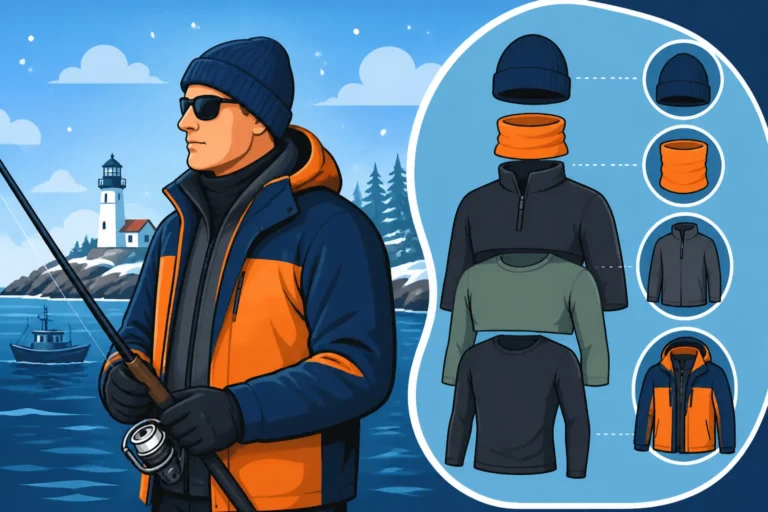
Beyond communication, your kit should include comprehensive first aid supplies tailored for outdoor injuries. Think beyond a few band-aids; include items for cuts, sprains, burns, and anything else you might reasonably encounter. A good multi-tool or knife is indispensable, as are fire-starting materials (waterproof matches, lighter, fire starter) for warmth or signaling. Extra layers of clothing are crucial, even on warm days, because Maine weather is famously fickle. A sudden drop in temperature or an unexpected downpour can lead to hypothermia faster than you’d think. Non-cotton layers that wick moisture away are best.
Don't forget navigation tools! A GPS device (separate from your phone, if possible) with pre-loaded maps, along with a physical map and compass, provides redundant navigation. Know how to use them! Pack plenty of water and calorie-dense snacks, enough for at least a day longer than you anticipate being out. A headlamp or flashlight, sunscreen, insect repellent, and a whistle for signaling are also small items that can make a big difference. Before you go, review your gear, make sure everything is in working order, and check expiration dates on any medical supplies.
| Item Category | Essential Items for Solo Anglers | Notes |
|---|---|---|
| Communication | Fully Charged Cell Phone | Limited service in remote areas; consider a signal booster. |
| Satellite Messenger / PLB | Critical for off-grid areas; allows SOS messages. | |
| Navigation | GPS Device (e.g., handheld Garmin) | Pre-load maps; separate from phone to save battery. |
| Physical Map & Compass | Know how to use them; waterproof if possible. | |
| First Aid | Comprehensive First Aid Kit | Include bandages, antiseptic, pain relievers, allergy meds, gauze, tape. |
| Personal Medications | Ensure you have enough for unexpected delays. | |
| Shelter/Warmth | Emergency Blanket / Bivy Sack | Compact, lightweight emergency shelter. |
| Extra Layers (non-cotton) | Rain jacket, warm fleece, spare socks. | |
| Fire Starter (waterproof matches, lighter, ferro rod) | For warmth, signaling, and morale. | |
| Food & Water | Sufficient Water (or filter/purifier) | More than you think you'll need. |
| High-Energy Snacks | Bars, nuts, dried fruit; enough for an extra day. | |
| Tools | Multi-tool / Knife | Essential for repairs, cutting line, general utility. |
| Headlamp / Flashlight (with extra batteries) | For early mornings, late evenings, or emergencies. | |
| Safety Gear | Whistle | For signaling; easily heard over distance. |
| Personal Flotation Device (PFD) | Non-negotiable for any boating, kayak, or canoe trip. | |
| Sunscreen & Insect Repellent | Protect against elements. | |
| Repair Kit (duct tape, zip ties, cordage) | For quick fixes on gear. |
Creating a Float Plan and Sharing Your Itinerary
This is perhaps the single most important safety tip for solo fishing: tell someone where you're going and when you expect to return. This is often called a "float plan" even if you're not on a boat. It's your lifeline. Without it, if something goes wrong, no one will know where to start looking for you, or even that you're missing.
A detailed float plan should include:
- Your Name and Contact Information: Obvious, but don't forget it.
- Your Vehicle Description and License Plate: This helps searchers find your starting point.
- Your Exact Destination: Be as specific as possible. "I'm fishing the lower section of the Penobscot River near Old Town, launching at the public boat ramp off Route 178." or "I'll be at Kidney Pond in Baxter State Park, hiking in from the Abol Bridge trailhead."
- Your Planned Route: If you're hiking into a remote pond or paddling a river, describe your intended path.
- Your Expected Departure and Return Times: Be realistic with these. Pad them a bit for unexpected delays.
- A "Check-In" Time: This is the absolute latest you expect to make contact after your trip. If you haven't checked in by this time, your designated contact person knows it's time to activate their emergency plan.
- Who to Contact in an Emergency: Provide the phone numbers for local law enforcement, game wardens, or emergency services, along with your own emergency contacts.
Share this plan with a trusted friend or family member who understands its importance and is willing to take action if you don't check in. Make sure they know exactly what to do and who to call if you're overdue. Don't just text them casually; impress upon them the seriousness of this plan. It could literally be the difference between a swift rescue and a prolonged, dangerous search.
Staying Safe on the Water and Shore
Once you've done your homework and packed your bags, it's time to head out. But the planning doesn't stop once you're on the water or wading a stream. Constant vigilance and awareness are crucial when you don't have another pair of eyes and hands to rely on.
Navigation and Awareness of Your Surroundings
Even in seemingly familiar territory, it's easy to get disoriented, especially if conditions change or if you're focused intently on fishing. Always know your location. Use landmarks, consult your map and GPS regularly, and pay attention to how changes in the landscape relate to your planned route. If you're on a lake, identify prominent features like islands, points, or distant mountains that can serve as visual aids. For river fishing, remember that the scenery looks different on the return trip, so note distinctive rocks, trees, or bends as you go.
Avoid pushing too far into unknown territory, especially late in the day or when weather is threatening. If you're wading a river or stream, always test the footing ahead of you with a wading staff. A slip or fall can quickly become serious if you're alone and far from help, potentially leading to injuries or losing essential gear in the current. Always be scanning, not just for fish, but for potential hazards: submerged rocks, slippery banks, unexpected drops, or even changes in the weather overhead.
Dealing with Wildlife Encounters
Maine is a wild place, and that's part of its charm! But it also means you might encounter wildlife, some of which can be dangerous if not treated with respect. The most common large animals you might see are moose, deer, and black bears.
- Moose: While generally docile, a cow moose with calves can be aggressive, and a bull in rut can be unpredictable. Give them a wide berth. If a moose seems agitated, back away slowly and quietly.
- Black Bears: Maine has a healthy black bear population. Most bears are shy and will avoid humans, but it's crucial to take precautions. Store food and scented items in bear-resistant containers or hung from a tree well away from your camp or fishing spot. If you encounter a bear, make yourself look big, make noise, and slowly back away. Do not run. Bear spray can be a useful tool, but know how to use it safely and effectively before you need it.
- Other Wildlife: Be mindful of smaller creatures too. Ticks are a big concern in Maine, especially in warmer months. Check yourself thoroughly after any outdoor excursion. Venomous snakes are not found in Maine, but you might encounter snapping turtles near water, which can deliver a nasty bite if provoked. Keep a respectful distance from all wildlife.
Water Safety and Weather Preparedness
Whether you're in a boat, kayak, canoe, or wading, water safety must be paramount.
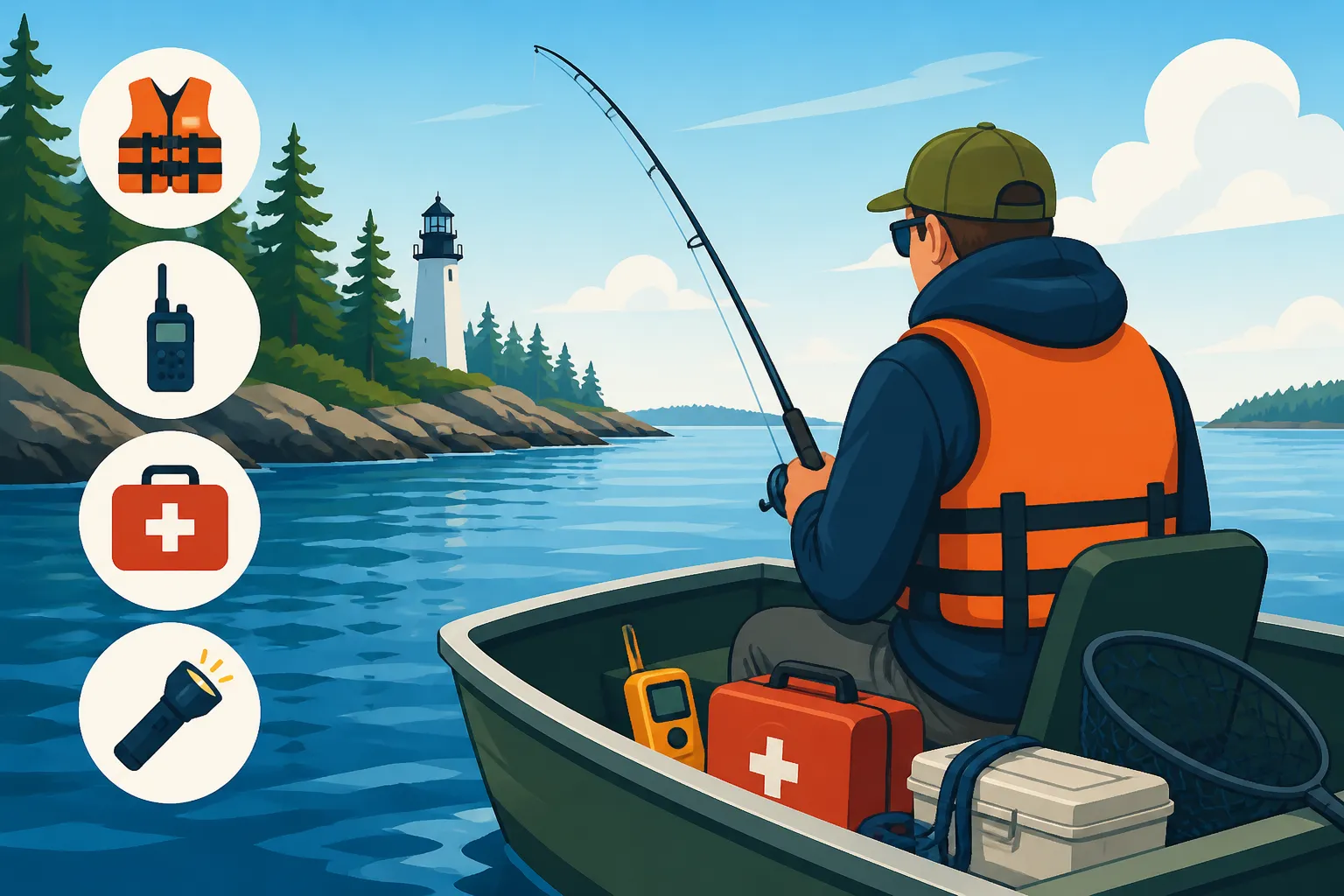
- Personal Flotation Device (PFD): Wear your PFD, every single time you're on the water. Not just having it in the boat, but wearing it. If you capsize or fall in, trying to don a PFD in cold water or strong currents is incredibly difficult, if not impossible. In Maine, water temperatures can be lethal even in summer, and a PFD is your best defense against drowning and helps you conserve body heat.
- Know Your Vessel: If you're in a boat, understand its capabilities and limitations. Don't overload it, and know how to operate it safely, especially in wind or waves. Always have bailing equipment, oars or a paddle, and a spare anchor if applicable.
- Monitor the Weather: Even if the forecast was clear, keep an eye on the sky. Darkening clouds, sudden shifts in wind, or distant thunder are all signs to seek shelter. If you're on a large lake, remember that a thunderstorm can pop up quickly and create dangerous waves. Get off the water immediately if you see lightning. This is especially true for ice fishing; understanding Early Ice Safety Tips for Maine Anglers and Late Ice Safety Tips Before Ice-Out is literally a matter of life or death. Ice conditions can change dramatically throughout the day and season.
What to Do When Things Go Wrong
Despite the best planning, accidents can happen. When you're fishing alone, knowing how to react calmly and effectively can be the difference between a minor inconvenience and a serious emergency.
Handling Minor Injuries and Medical Emergencies
First, remember that prevention is key. Wear sturdy, non-slip footwear, handle hooks and knives carefully, and be mindful of your footing. But if an injury does occur:
- Assess and Treat: For minor cuts, scrapes, or sprains, use your first aid kit. Clean wounds thoroughly, apply pressure to stop bleeding, and bandage appropriately. For sprains, rest, ice (if available), compression, and elevation (RICE) can help.
- Stay Calm: Panic is your enemy. Take a few deep breaths and rationally think through your situation.
- Self-Evacuate or Call for Help: If the injury is minor and you can safely return to your vehicle or home, do so. If it's more serious – a deep cut, a suspected broken bone, or severe allergic reaction – activate your communication device and call for help. This is where your satellite messenger or PLB becomes invaluable if you're out of cell service. Even if you're alone, you can signal for help with a whistle, using three short blasts as a universal distress signal.
Strategies for Getting Un-Stuck or Rescued
Being stranded can take many forms: a broken-down vehicle on a remote logging road, a capsized boat, or simply getting lost in the woods.
- Vehicle Issues: If your car breaks down in a remote area, stay with your vehicle. It's much easier for searchers to find a car than a lone person wandering through the woods. Use your emergency kit to stay warm and dry, and try to signal for help.
- Lost in the Woods: If you realize you're lost, stop. Don't wander aimlessly, which can worsen the situation. Try to use your map and compass or GPS to reorient yourself. If you can't, stay put. Use your whistle to signal, and if night falls, build a fire for warmth and as a signal. Remember the acronym STOP: Stop, Think, Observe, Plan.
- Capsized Boat/Falling In: If your boat overturns or you fall into cold water, your PFD is your immediate lifesaver. Try to get back into your boat or onto a floating object. If the water is extremely cold, adopt the HELP (Heat Escape Lessening Posture) position – bring your knees to your chest, wrap your arms around them, and keep your head out of the water to conserve heat. Signal for help using your whistle. Catch and Release Best Practices in Maine often includes tips on handling fish gently; extend that gentleness to yourself if you end up in the water!
Preventing Hypothermia and Dehydration
These two conditions are silent dangers that can sneak up on solo anglers.
- Hypothermia: This occurs when your body loses heat faster than it can produce it, often exacerbated by wet clothing or cold water. Symptoms start subtly: shivering, clumsiness, confusion, slurred speech. To prevent it, always dress in layers of non-cotton clothing. If you get wet, change into dry clothes immediately. Carry an emergency blanket and know how to build a fire for warmth. If you suspect hypothermia, get out of the cold, remove wet clothing, and try to warm the person (yourself) slowly with dry layers, warm liquids, and physical contact (if you manage to find someone). Understanding What to Wear Ice Fishing in Maine Winters or How to Stay Warm While Ice Fishing provides invaluable tips for keeping hypothermia at bay in the harshest conditions.
- Dehydration: Even in cold weather, you can become dehydrated, especially if you're exerting yourself. Symptoms include thirst, dry mouth, fatigue, headache, and dizziness. To prevent it, drink water regularly, even if you don't feel thirsty. Carry more water than you think you'll need, or a reliable water filter or purification tablets if you're drawing from natural sources.
Specific Considerations for Different Maine Fishing Scenarios
Maine's diverse landscapes mean that "fishing alone" can encompass a wide range of experiences, each with its own unique safety considerations.
Ice Fishing Alone
Ice fishing brings a whole new layer of safety concerns. The ice itself is the primary hazard. Never assume the ice is safe, even if others are out there.
- Check Ice Thickness: Constantly check ice thickness as you move. A minimum of four inches of clear, new ice is generally considered safe for walking, but this is a guideline, not a guarantee. Ice conditions can vary dramatically even across a small pond. Avoid areas near inlets, outlets, pressure ridges, or springs, where ice is often thinner. This is where knowing How Thick Should Ice Be Before Fishing on It? is absolutely crucial.
- Carry Safety Gear: Always carry ice picks (worn around your neck for easy access), a throw rope, and a flotation suit or PFD. An auger is not just for making holes; it's a good tool for checking ice thickness as you go.
- Tell Someone: Your float plan is even more critical for ice fishing. If you fall through, time is of the essence.
- Shelter and Warmth: Dress in layers, wear waterproof outer gear, and bring a portable shelter for protection from wind and cold. Ensure proper ventilation if using a heater in your ice shack. Be mindful of Ice Fishing Shack Rules Before You Set Up in Maine to ensure proper placement and removal.
Remote Stream or Pond Fishing
Venturing into Maine's vast wilderness to find those untouched brook trout ponds or hidden stretches of river offers incredible rewards, but also significant risks.
- Navigation: When you’re miles from the nearest road, getting lost is a serious problem. Beyond your GPS and map, pay attention to your surroundings: sun position, prominent features, and even the direction of water flow. How to Reach Remote Trout Ponds in the North Woods often means navigating challenging terrain.
- Communication: Cell service is almost non-existent in true wilderness. A satellite messenger or PLB is practically a requirement.
- Self-Sufficiency: You must be prepared to spend an unplanned night out. Carry adequate food, water, and emergency shelter. Know basic wilderness survival skills like fire starting and rudimentary first aid.
- Wildlife: Encounters with moose and bears are more likely in remote areas. Refresh your knowledge on how to react to these animals.
Coastal Shore Fishing Alone
Fishing Maine's rugged coastline by yourself offers its own set of thrills and challenges, from rocky points to sandy beaches.
- Tides and Currents: The ocean is powerful and unforgiving. Understand the tide tables and how they will affect your chosen spot. Outgoing tides can create strong currents, and incoming tides can quickly cut off access to a fishing spot. How to Read Tides for Striped Bass Fishing is an essential skill for coastal anglers.
- Slippery Surfaces: Rocks and seaweed are incredibly slippery, especially when wet. Wear appropriate footwear with excellent grip. A fall on sharp rocks can lead to serious injury.
- Rogue Waves: Even on calm days, an unexpected large wave can sweep you off rocks. Always keep an eye on the ocean.
- Isolation: While not always as remote as the deep woods, some coastal stretches can be isolated, with limited access and cell service. Ensure someone knows your specific location and return time.
Fishing alone in Maine is an amazing experience, a chance to connect deeply with nature and yourself. But it's an experience that demands respect for the environment and a commitment to your own safety. By preparing diligently, staying aware, and knowing what to do in an emergency, you can ensure those peaceful moments on the water remain truly serene. For more in-depth information, consider checking out our Maine Fishing Season Dates Guide to better plan your trips, or our Maine Fishing Regulations Explained for general rules.
Disclaimer
This article is for general informational purposes only and does not constitute professional advice. Laws, prices and regulations vary by location and change over time. Consult a qualified professional for guidance on your specific situation.