Trolling Tube and Worm Rigs for Striped Bass
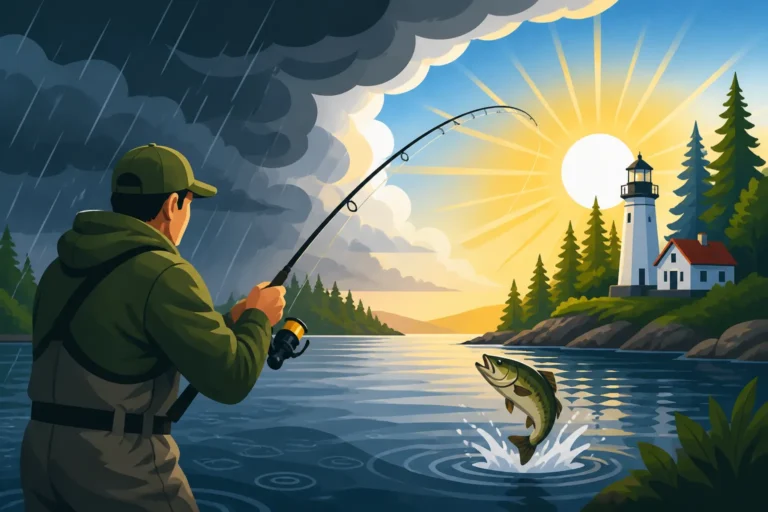
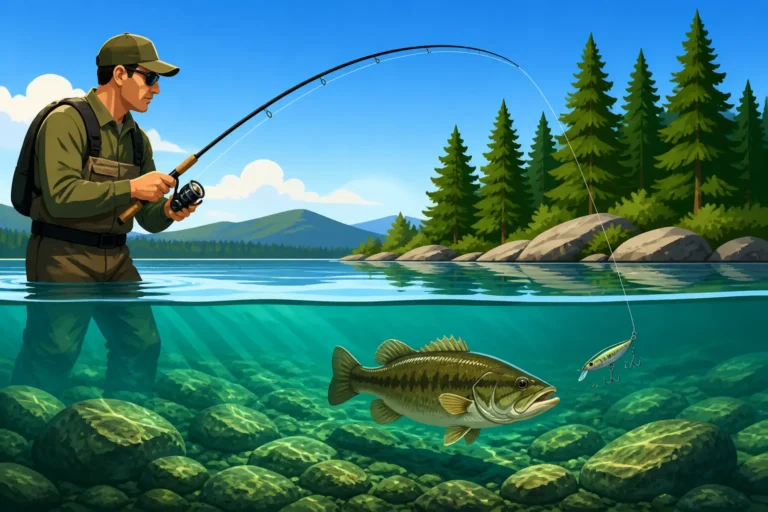
For many anglers targeting striped bass in Maine, there's a particular frustration that often sets in: you know the stripers are there, lurking in our rocky coves and tidal rivers, but getting them to commit can feel like cracking a secret code. You've tried casting, jigging, and everything in between, only to be met with frustrating silence. This comprehensive guide is here to unravel one of the most consistently effective, yet often overlooked, methods for reeling in those elusive Maine stripers: trolling tube and worm rigs.
Why the Tube and Worm Rig is a Striper Magnet in Maine
There’s something inherently captivating about the tube and worm rig that striped bass in Maine just can’t seem to resist. It’s not just another lure; it’s a cunning combination of artificial attraction and natural bait that plays directly into a striper’s predatory instincts. When other methods fail, this rig often shines, making it an indispensable tool in any serious Maine angler’s arsenal. Understanding why it works so well is the first step to mastering it.
The Irresistible Appeal of the Tube
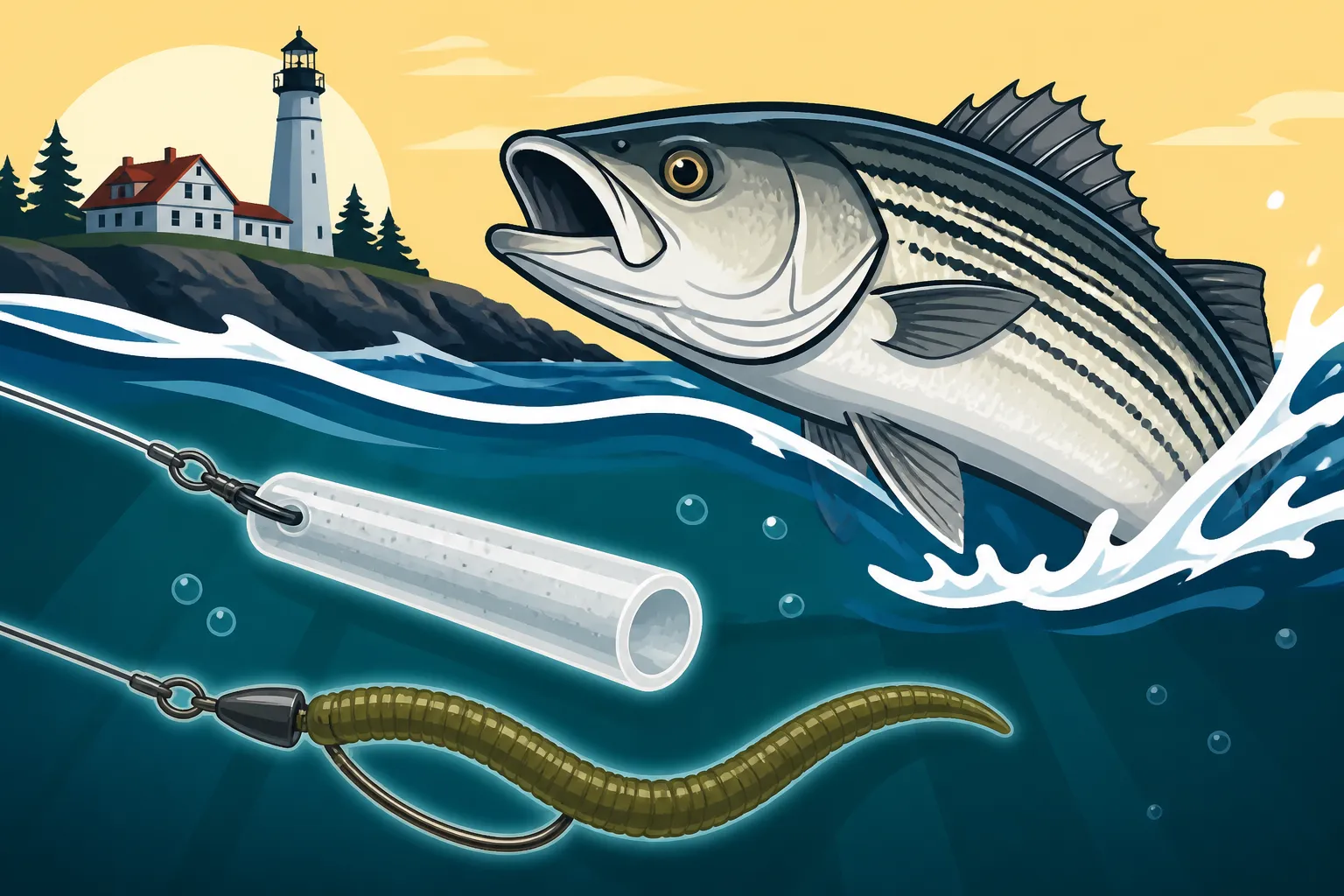
The "tube" part of the rig is typically a long, flexible, cylindrical plastic or latex body, often brightly colored. What makes this simple piece of plastic so effective? It’s all about mimicking natural prey in a way that’s uniquely appealing to a hungry striper. As it’s trolled through the water, especially at a slow speed, the tube exhibits a lifelike, undulating motion. This serpentine wiggle imitates the movement of eels or large marine worms, both of which are common food sources for striped bass patrolling the rocky coastlines and estuaries of Maine. The erratic, yet subtle, action looks like a creature in distress or a meal attempting to escape, triggering that predatory response.
Beyond the action, the visual appeal plays a significant role. Tubes come in a variety of colors, from vibrant reds and greens to more subdued blacks and purples. These colors are chosen to stand out in varying water clarities and light conditions, or to mimic local forage. For instance, a blood-red tube can imitate a struggling wounded baitfish or a large bloodworm, while a black or purple tube can be highly effective in low light conditions or murky water, creating a strong silhouette against the sky. The length and diameter of the tube also contribute to its profile, presenting a substantial meal that even a larger, more discerning striper will find worth expending energy to chase down.
The Magic of the Mackerel or Sandworm Tail
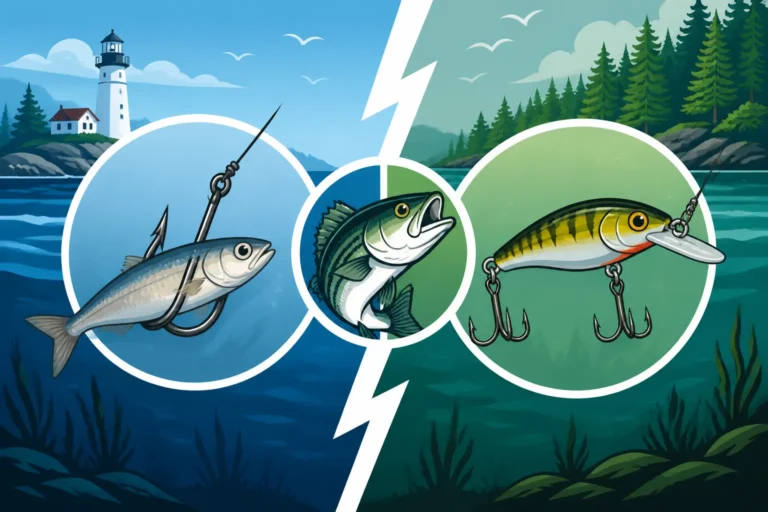
While the tube provides the captivating visual and action, it’s the natural bait element – typically a mackerel strip or a live sandworm – that truly seals the deal. Striped bass are highly scent-oriented predators, and the addition of fresh bait provides an irresistible olfactory signal that artificial lures simply cannot replicate. When a tube and worm rig is trolled, the scent trail from the natural bait disperses in the water, drawing stripers in from a distance and encouraging them to investigate. This combination of visual stimulation and potent scent is often what convinces hesitant fish to strike.
Mackerel strips are a classic choice, offering a robust profile and a strong oily scent that striped bass absolutely love. A thin strip cut from the belly or side of a fresh mackerel, hooked carefully to trail behind the tube, adds an extra flash and flutter, perfectly mimicking a struggling baitfish. For those fishing in areas known for abundant marine worms, such as the flats and estuaries found along the Maine coastline, live sandworms are an exceptional option. Their natural wriggling action and potent scent, when attached to the hook, add a layer of realism that can be deadly. The key is to use fresh, lively bait, as old or stale bait loses much of its effectiveness. You can often find excellent quality seaworms at local bait shops up and down the coast, or source mackerel from your latest catch.
Essential Gear for Trolling Tube and Worm Rigs in Maine
Getting your tube and worm rig set up correctly is paramount for success, especially in Maine’s diverse and often challenging waters. The right combination of rod, reel, line, and terminal tackle ensures that your rig performs as intended, giving you the best chance to land those hard-fighting striped bass. Don't underestimate the importance of quality gear, as these fish can put up a significant battle.
Rods, Reels, and Line Selection
For trolling tube and worm rigs, you’re generally looking for a setup that offers a good balance of power to handle larger fish and sensitivity to detect subtle strikes. A medium-heavy to heavy action conventional rod, typically 6.5 to 7.5 feet long, is an excellent choice. Look for a rod with a moderate-fast to fast taper; this will give you enough backbone to fight a strong striper while still having a flexible tip to absorb shocks and indicate when your rig is swimming correctly or if you’ve picked up some weeds. Brands like St. Croix or Ugly Stik offer durable options that hold up well in saltwater conditions.
Matching that rod with a robust conventional reel is crucial. A reel in the 20 to 30 size range (e.g., Penn Squall or Shimano Tekota) is usually perfect, offering sufficient line capacity, a smooth drag system, and the cranking power needed for trolling. You’ll be fighting fish, but also potentially heavy weights and current, so a solid gear ratio that allows for steady retrieval is important. When it comes to line, a braided main line of 30-50 lb test is highly recommended. Braid offers superior sensitivity, minimal stretch, and excellent abrasion resistance, which can be invaluable when fishing near rocky structure. However, it's wise to pair your braid with a monofilament or fluorocarbon leader, typically 30-50 lb test, about 6-10 feet long. This leader provides some stretch, acts as a shock absorber, and is less visible to wary stripers in clear Maine waters. You can find a wide selection of these essential items on Amazon, making it easy to compare features and prices for your ideal setup.
The Trolling Setup: Weights, Swivels, and Leaders
The effectiveness of the tube and worm rig lies in its presentation at the correct depth and speed, and this largely depends on your trolling setup. Inline sinkers or keel weights are commonly used to get your rig down to where the stripers are feeding. These weights, which can range from 4 to 12 ounces or even more depending on current and depth, attach directly to your main line. Keel weights are often preferred as they help prevent line twist, which can be a major headache when trolling. Alternatively, some anglers opt for a three-way swivel setup, where one eye goes to the main line, another to a short dropper line with a cannonball sinker, and the third to your leader and tube rig. This method can also be highly effective for depth control and minimizing twist.
The leader material and length connecting your weight system to your tube and worm rig are also critical. A good quality fluorocarbon leader, typically 40-60 lb test and around 3-6 feet in length, provides both strength and stealth. Fluorocarbon is nearly invisible underwater and is highly abrasion-resistant, which is important when dragging a rig near structure. Strong, ball-bearing swivels should be used at every connection point to prevent line twist, especially when using a three-way swivel system. The tube itself is usually pre-rigged with a hook, but ensure it's a sharp, sturdy hook that can withstand the power of a large striped bass. Regularly check your knots and connections, as the constant drag and potential for big fish can quickly expose weak points. You want to make sure every component is up to the task of reeling in a robust Maine striper.
Mastering the Art of Trolling for Maine Striped Bass
Trolling a tube and worm rig isn't just about putting a line in the water; it's an art that combines knowledge of striper behavior, understanding of Maine's diverse waters, and precise boat control. The nuances of where, when, and how you present your rig can make all the difference between a quiet day and a productive one. Let's dive into the specifics of making this technique shine.
Choosing Your Trolling Grounds in Maine
Maine offers an incredible variety of striped bass habitat, from expansive bays to narrow river systems, and knowing where to focus your trolling efforts is key. Striped bass are often found patrolling structure where baitfish congregate, or in areas with strong current that wash food past them. Prime trolling grounds include rocky shorelines, particularly those with deep pockets or submerged ledges. These areas provide ambush points for stripers, and your tube and worm rig, slowly trolled along these edges, can be irresistible. Consider areas around islands or prominent points where current is deflected, creating eddies where baitfish might rest.
River mouths and estuaries are also phenomenal spots. Rivers like the Kennebec, Penobscot, and Saco are renowned for their striped bass runs, especially during the spring and fall migrations. Trolling the deeper channels, along oyster beds, or near bridge pilings within these systems can be highly productive. In broad areas like Casco Bay or Muscongus Bay, focus on fishing near ledges, underwater humps, or the edges of mussel beds. These locations are essentially natural feeding stations. Always keep an eye on your fish finder for schools of baitfish or marks of larger predators. Stripers tend to be where the food is, and a successful day often starts with finding the bait. Understanding Maine Fishing Season Dates Guide and the "Maine Striped Bass Season and Limits" is also crucial for legal and responsible fishing in these productive zones.
Speed, Depth, and Presentation
The devil is truly in the details when it comes to trolling speed, depth, and presentation for striped bass. The ideal trolling speed for a tube and worm rig is notoriously slow – think a snail's pace, often between 1 to 3 knots. This deliberate speed allows the tube to achieve its signature undulating action, making it appear lifelike and natural to foraging stripers. Going too fast will make the tube spin unnaturally and rise in the water column, while too slow might not give it enough action. Many anglers use a small auxiliary kicker motor or even drift with a sea anchor to maintain this precise speed. If you have a boat with good slow-speed control, that's a huge advantage.
Controlling your depth is equally important. Stripers will often hold close to the bottom, particularly in deeper channels or when seeking cooler water during the summer months. Your trolling weights are your primary tool for achieving the desired depth. Experimentation is key: start by letting out enough line and weight to tick the bottom occasionally, then adjust based on where you see fish on your sonar or where you get bites. Sometimes, stripers will suspend higher in the water column if they are actively chasing bait. The goal is to keep your rig in the "strike zone," which is often within a few feet of the bottom or at the same depth as any visible baitfish schools. A subtle, rhythmic rod tip twitch from the boat's movement signals a good presentation. When a striper hits, it's often a solid thump, but sometimes it can feel like a snag at first. Keep that rod in your hand to feel every nuance.
Reading the Tides and Current
Maine's coastal waters are defined by significant tidal swings, and understanding how these tides and currents impact striped bass behavior is a game-changer for tube and worm trolling. Stripers are opportunists, and they use the moving water to their advantage, often positioning themselves to ambush bait that's swept past them. Fishing the moving tide, whether incoming or outgoing, is generally more productive than the slack tide. As the current picks up, baitfish are disoriented and forced to move, making them easier targets for waiting stripers.
Focus your efforts on areas where current creates distinct seams, rips, or eddies. For example, when fishing a river mouth or a strong channel, troll your rig along the edges of the main current, where stripers will often stage to conserve energy while waiting for prey. On an outgoing tide, try trolling near outflows from estuaries or salt ponds, as baitfish will be flushed out. Conversely, on an incoming tide, focus on points and entrances to these same areas. The "Best Tide for Striped Bass Fishing in Maine" is often when the current is moderately strong, but not so fierce that it's difficult to keep your rig down or control your boat. Pay attention to how the current affects your boat speed and adjust your engine accordingly to maintain that optimal 1-3 knot presentation. Local knowledge of specific tide charts for different areas along the Maine coast, from Kittery to Acadia, will significantly enhance your success.
Troubleshooting and Advanced Tips for Tube and Worm Success
Even with the right gear and a solid understanding of the basics, challenges can arise when trolling tube and worm rigs for striped bass in Maine. From fouled lines to finicky fish, a few advanced tips and troubleshooting strategies can keep your lines in the water and increase your chances of success.
Dealing with Fouled Rigs and Snags
One of the most common frustrations when trolling any bottom-bouncing rig is dealing with fouling and snags. Maine's rocky bottom, kelp beds, and abundant seaweed can quickly turn a perfectly presented tube and worm into a tangled mess. A fouled rig won't catch fish, so regularly checking your line and rig is essential. If your rod tip stops its rhythmic wiggle, or you feel a sudden dead weight, reel in immediately to inspect. Often, a few strands of seaweed are all it takes to deter a strike.
To minimize snags, troll parallel to structure rather than directly over it. If you know you're in an area with a lot of rocks, try to stay just off the deepest part of the structure. Using heavier weights can help keep your rig more vertical, reducing the amount of line dragging on the bottom, but this needs to be balanced with maintaining the tube's action. If you do get snagged, try backing up over the snagged spot and giving a few sharp tugs. Sometimes, this can free the rig. If not, unfortunately, it's often a lost battle. Always carry extra rigs and components, as snags are an inevitable part of bottom fishing in Maine. Ensuring your hooks are needle-sharp is another simple yet crucial tip; a dull hook can lead to missed strikes, especially with a tube and worm rig that requires the fish to commit.
Experimenting with Tube Colors and Bait Combinations
While classic red and black tubes are often highly effective, don't be afraid to experiment with different colors and bait combinations, especially on days when the bite is slow. Water clarity, light conditions, and the prevalent baitfish in a particular area can all influence what stripers prefer. In bright sunlight and clear water, more natural or subdued colors like green, blue, or even translucent tubes might work better. On overcast days, or in stained or murky water, brighter colors like chartreuse or hot pink, or darker silhouettes like purple and black, can be more visible. Many experienced anglers have a range of tube colors on hand, ready to switch if one isn't producing.
| Tube Color | Ideal Conditions | Mimics | Notes |
|---|---|---|---|
| Red | Overcast, Stained Water, Dawn/Dusk | Wounded Baitfish, Bloodworm | Classic, often effective year-round |
| Black | Low Light, Night Fishing, Murky Water | Eel, Large Silhouette | Strong contrast, especially after dark |
| Purple | Low Light, Clear Water | Eel, Marine Worm, Squid | Good all-rounder, subtle in clear water |
| Chartreuse | Murky Water, Bright Sun | Unique Attractor | High visibility, triggers reaction strikes |
| Green | Clear Water, Imitative | Smaller Eels, Marine Worms | More natural presentation |
Beyond color, consider how your bait choice interacts with the tube. While mackerel strips and sandworms are go-to options, don't hesitate to try other local baits if available, such as small pieces of clam or even a carefully cut piece of squid. The key is to ensure the bait trails naturally behind the tube and releases a consistent scent. Some anglers also swear by adding commercial scent attractants directly to their tubes or bait to enhance their appeal. These can be particularly useful on slow days, providing an extra burst of aroma that might just tip the scales in your favor. You can find various tube and worm rigs, along with different colored tubes and scent attractants, readily available on Amazon, allowing you to expand your tackle box and experiment with new combinations. Remember that the goal is always to present a compelling, lifelike, and irresistible meal to those hungry Maine striped bass.
Maine Fishing Resources for Further Learning
As you continue your journey in Maine fishing, remember there are many aspects to explore beyond the tube and worm rig. Understanding the broader regulatory landscape is key to responsible angling. For instance, you might want to delve into the comprehensive Maine Fishing Regulations Explained to ensure you're always compliant with the latest rules. Similarly, if you're planning an extended trip or fishing in different areas, studying the Maine North Zone vs South Zone Fishing Rules will clarify specific regulations that can vary significantly across the state.
For those interested in other species, there's a wealth of information on Landlocked Salmon Fishing in Maine or the unique characteristics of Togue Size and Bag Limits in Maine. Different fishing methods also have their own nuances; you could learn more about Trolling Techniques for Maine Lakes for inland waters or explore various Maine Open Water Fishing Techniques Guide applicable to a wider array of species and environments. No matter your focus, arming yourself with knowledge will enhance every fishing trip.
Disclaimer
Please remember that fishing regulations and conditions can change. Always consult the latest Maine Department of Inland Fisheries and Wildlife (MDIFW) regulations or the Maine Department of Marine Resources (DMR) for saltwater rules before heading out. Safety should always be your top priority on the water.