Maine Spring Fishing Guide
After a long, cold winter, the arrival of spring in Maine feels like a rebirth, especially for those of us who live for the tug on a line. The ice is finally retreating, the rivers are starting to flow freely, and the promise of open water fishing has every angler itching to get out there. But spring fishing in Maine isn't just about showing up; it's a unique season with its own set of challenges, opportunities, and glorious rewards. This guide is designed to help you navigate those changeable early season conditions, understand where the fish are, and equip you with the knowledge to make your spring Maine fishing trips incredibly successful and, most importantly, safe.
The Allure of Spring Fishing in Maine
There's a special magic to spring fishing in Maine that seasoned anglers look forward to all year. It's not just the end of ice fishing season, but the start of something new, a period of transition where the landscape awakens and the fish, after months under the ice, become incredibly active. This unique window offers some of the best opportunities for certain species, even if the weather can be a bit… unpredictable.
Why Spring is a Prime Time for Anglers
For many species, especially coldwater fish like landlocked salmon, brook trout, and lake trout (or "togue" as we affectionately call them here), spring is prime feeding time. As the ice recedes and water temperatures slowly begin to rise, these fish become more active and less lethargic than they were in the deep cold of winter. They've spent months conserving energy, and now, with new food sources becoming available and their metabolism picking up, they are on the hunt. This often means they'll be found in shallower waters, making them more accessible to anglers than during the heat of summer when they retreat to the cool depths. The lower angler pressure compared to peak summer weekends can also make for a more peaceful and productive experience.
Beyond the coldwater species, spring also marks the exciting return of migratory fish like striped bass to our coastal waters, and the awakening of warmwater species such as smallmouth bass and largemouth bass as lake temperatures creep up. You might be targeting hungry salmon on a newly ice-free lake in the morning and by afternoon, find yourself casting for feisty smallmouth in a warming river. This seasonal diversity is a huge draw, offering a chance to pursue multiple species across different habitats within the same general timeframe. It truly encapsulates the dynamic nature of Maine's diverse fisheries.
The Unique Vibe of Maine in Spring
There’s an undeniable charm to Maine in the spring. The vibrant greens of new growth begin to emerge, songbirds return, and the sound of rushing water fills the air as snowmelt feeds our countless rivers and streams. Fishing during this time often means enjoying serene waterscapes, perhaps with lingering patches of snow on distant mountain peaks, or the crisp, clean air carrying the scent of pine and damp earth. It’s a quiet beauty, before the summer crowds descend, allowing for a deeper connection with nature.
However, it's also a season of contrasts. You might experience glorious sunshine and mild temperatures one day, only to be hit with a raw, blustery, and even snowy day the next. Anglers need to be prepared for anything, from muddy access roads to sudden temperature drops. This unpredictability, while challenging, also adds to the rugged appeal of Maine spring fishing. It’s not for the faint of heart, but those who embrace it are rewarded with unforgettable experiences and often, some of the biggest fish of the year, all set against the backdrop of Maine's breathtaking natural awakening.
Understanding Maine's Spring Thaw and Ice-Out
The timing of spring fishing in Maine is inextricably linked to the ice-out. For many of our iconic lakes and ponds, the transition from solid ice to open water is the official start of the open water season, a moment eagerly anticipated by anglers across the state. Understanding this process is crucial for planning your early season trips.
The Dynamic Nature of Ice-Out
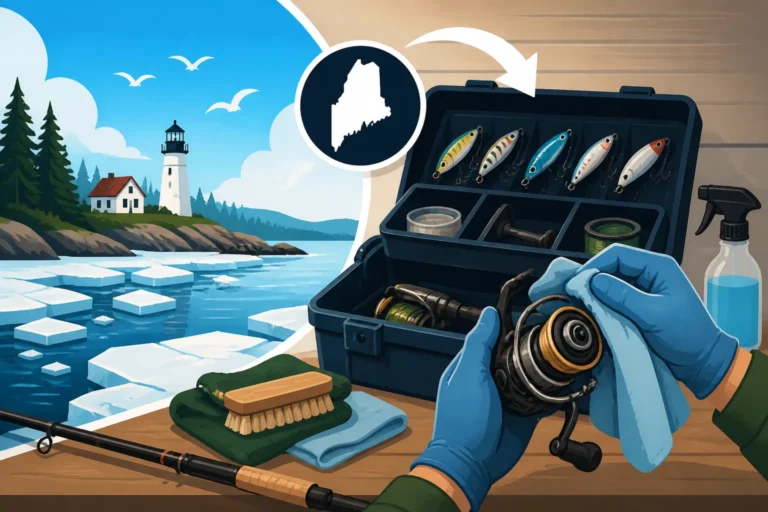
"Ice-out" refers to the point when a body of water is completely free of ice, or at least navigable by boat. This isn't a single, statewide event; it happens incrementally from south to north, and from smaller, shallower ponds to larger, deeper lakes. Generally, coastal ponds and smaller, lower-elevation lakes in southern Maine will see ice-out in late March or early April. As you move northward and to higher elevations, the ice can persist well into May, sometimes even early June on the biggest, deepest lakes like Moosehead Lake or certain sections of Rangeley Lake.
The process of ice-out is fascinating and dynamic. It typically starts with the ice around the shorelines melting, creating open water edges. Then, as air temperatures rise and solar radiation increases, the ice begins to weaken, darken, and develop honeycomb-like structures. Wind and rain can accelerate this process, breaking up large sheets into smaller floes that eventually dissipate. Rivers and streams, due to their constant flow, open up much earlier than lakes, often becoming fishable weeks before their connecting lakes are completely clear of ice. This staggered ice-out offers a prolonged spring fishing opportunity, allowing anglers to follow the thaw northward.
Predicting Ice-Out Dates
Predicting the exact ice-out date for any given body of water can be tricky, as it depends heavily on the winter's severity and the spring's warmth. However, there are resources that can help you gauge the timing. The Maine Department of Inland Fisheries and Wildlife (MDIFW) often tracks and reports on ice-out conditions for major lakes, and local bait shops and guides are invaluable sources of real-time information. Websites and social media groups dedicated to Maine fishing frequently share updates. Historically, you can look at average ice-out dates, but always be prepared for variations. For example, Sebago Lake, being one of the largest and deepest in southern Maine, usually sees its ice recede by late April, while the deepest coves of Moosehead Lake might hold onto ice well into the second or third week of May.
When you're trying to figure out if your favorite spot is ready, think about a few key factors: the size and depth of the lake, its elevation, and the general weather patterns in the weeks leading up to your trip. A mild, rainy spring with consistent warm temperatures will bring an earlier ice-out, while a cold, snowy late winter can delay it. Always exercise extreme caution around melting ice; it can be incredibly dangerous and unstable. Instead of trying to rush onto melting ice, focus your efforts on areas that are clearly and safely open, or wait a few extra days for full open water conditions.
Target Species and Their Spring Behavior
Spring in Maine is a smorgasbord for anglers, offering opportunities to chase a wide variety of fish. Each species has its own unique patterns as the water warms, and knowing these behaviors is key to a successful outing.
Landlocked Salmon and Brook Trout on the Feed
For many, spring in Maine means one thing: hungry landlocked salmon and brook trout. These coldwater beauties are at the top of their game in the immediate post-ice-out period. As the water temperature hovers in the low to mid-40s, these fish become very active. Landlocked salmon, in particular, will cruise the shallow waters and even the surface as soon as the ice is gone, feasting on baitfish like smelt that are often in shallower areas for their own spawning rituals. This makes them highly accessible to anglers, especially those trolling or casting from shore. You might find them right at the surface, chasing schools of bait, offering spectacular strikes.
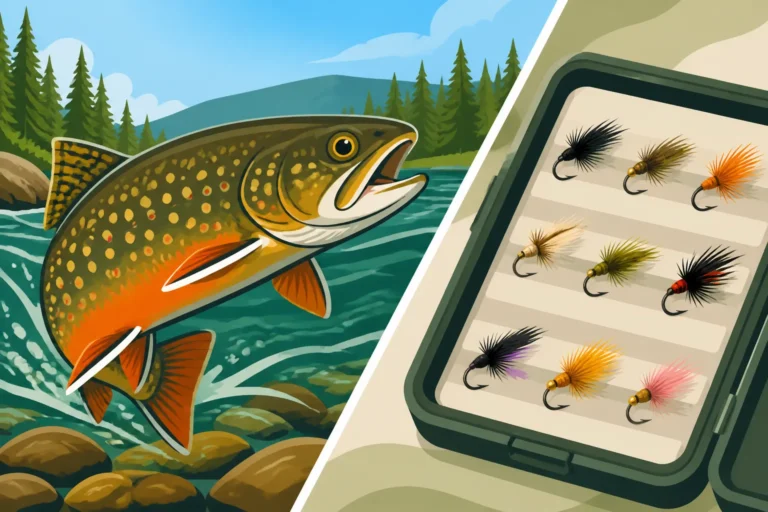
Brook trout, Maine's native state fish, also become incredibly aggressive in spring. In rivers and streams, they’ll be actively feeding on emerging insects and small baitfish as water levels rise with snowmelt. In newly ice-free ponds, they often patrol the shorelines, particularly near inlets where fresh, oxygenated water and food sources are entering. Their vibrant colors are often at their peak in the cool, clear waters of spring. They are opportunistic feeders, making them responsive to a variety of presentations. Knowing where these fish stage immediately after ice-out is crucial, as they will often be found near traditional wintering grounds or adjacent to spawning areas. For more details on these magnificent fish, check out our guide on Brook Trout Fishing in Maine and Landlocked Salmon Fishing in Maine.
Early Season Bass Opportunities
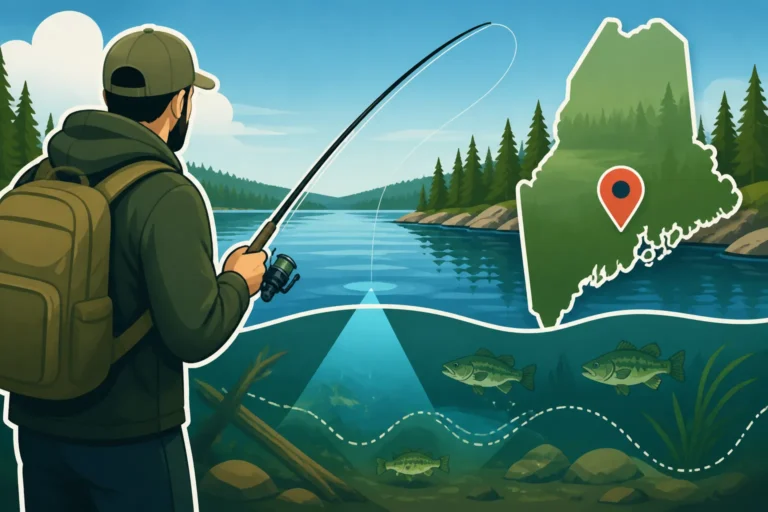
While many anglers focus on trout and salmon in early spring, the bass bite can be surprisingly good as well, especially in the southern and central parts of the state where lakes warm faster. Smallmouth bass, known for their aggressive nature, will start to become active once water temperatures reach the high 40s and into the 50s. They'll often be found in rocky areas, transition zones, and points, especially those exposed to sunlight that warms the water slightly. They're still a bit sluggish in the coldest water, but they’re definitely catchable, often hitting slower moving baits like suspending jerkbaits, jigs, or even live bait presented slowly.
Largemouth bass, while generally preferring warmer water than smallmouths, will also begin to stir. Look for them in shallow, darker bottomed coves or areas with submerged timber and vegetation that absorb heat. These areas warm up quickest and offer both ambush points and early season food sources. The key to early season bass is a slower presentation and patience. They aren't in full summer feeding mode yet, but they're waking up and willing to strike. As spring progresses and water temperatures climb towards the mid-50s, the bass bite will intensify significantly, leading into their pre-spawn patterns. For more information on bass, see Maine Bass Fishing Limits by Zone.
Striped Bass Arrival on the Coast
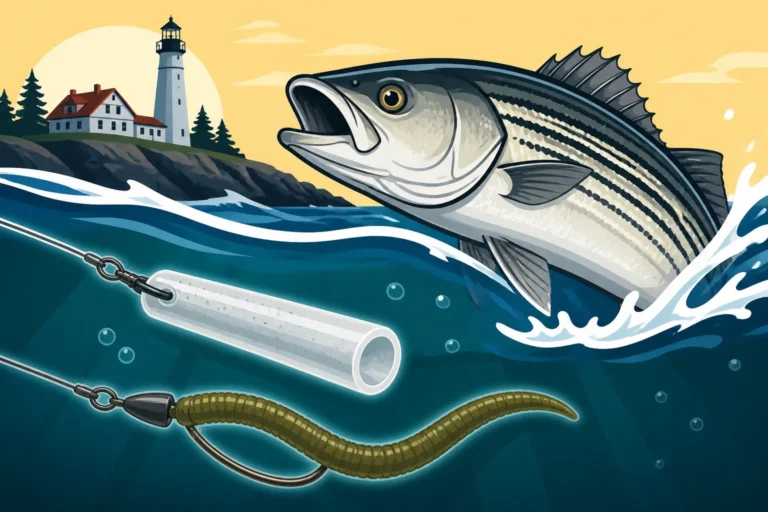
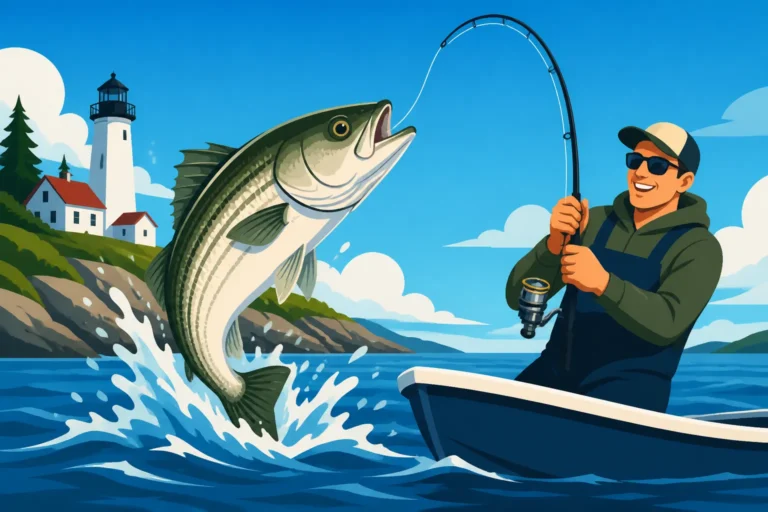
As May approaches and water temperatures along the Maine coast begin to rise, an entirely different spring fishing opportunity emerges: the arrival of striped bass. These highly sought-after migratory fish begin their journey northward, following baitfish into our estuaries, rivers, and coastal coves. The earliest arrivals are typically smaller "schoolie" stripers, full of energy after their long migration. They'll readily hit a variety of artificial lures, particularly those that mimic smelt, herring, or other small baitfish.
The spring striper run is an incredibly exciting time for saltwater anglers. While the big cows might still be a bit further south or holding in deeper coastal waters, the sheer numbers of active schoolies can provide non-stop action. Popular spots for early season stripers include the mouths of rivers like the Kennebec River or Penobscot River, and sheltered bays with good tidal flow. Fishing around structure, current breaks, and areas where baitfish are congregating is often the most productive strategy. Always be mindful of the specific Maine Striped Bass Season and Limits which dictate legal sizes and bag limits for these prized fish, as regulations can change.
Essential Spring Fishing Techniques and Gear
Spring fishing in Maine demands a flexible approach. The conditions can change quickly, and fish behavior is often dictated by fluctuating water temperatures. Having the right techniques and gear in your arsenal will make all the difference.
Trolling and Jigging for Coldwater Fish
For landlocked salmon, togue, and larger brook trout in our lakes and ponds, trolling is an incredibly effective technique in the spring. As soon as the ice is out, these fish are often cruising the upper water column and near shorelines, making them accessible to trollers. Varying your depth is crucial, as fish might be anywhere from the surface down to 20-30 feet, depending on water temperature and baitfish location. Using light monofilament or fluorocarbon lines with small spoons, stickbaits, or flies (like a Grey Ghost or Black Ghost smelt imitation) behind a small weight or planer board can be deadly. Often, a slow trolling speed is most effective in colder water, around 1.5 to 2.5 miles per hour. Keep an eye on your fish finder for bait schools and fish arches.
Jigging also has its place, particularly for togue in deeper lakes. As soon as you find pockets of these lake trout, a vertical jigging presentation with slender jigs or weighted soft plastics can entice a strike. This is especially true on lakes that are newly ice-free, where togue might still be slightly lethargic and prefer a slower, more direct presentation. The advantage of jigging is its precision; you can target specific depths where you see fish holding. For more on this, check out our comprehensive guide on Trolling Techniques for Maine Lakes.
Fly Fishing for Spawning Trout
Spring is an incredible time for fly anglers, particularly on Maine's rivers and streams where brook trout are actively feeding. As the snow melts and water levels rise, trout will key in on emerging insects like stoneflies, caddisflies, and mayflies, as well as small baitfish and worms washed into the system. Nymphing can be incredibly productive early in the season, using weighted nymphs to get down to where the fish are holding in deeper pools and runs. Later in spring, as insect hatches become more consistent, dry fly fishing can offer exhilarating surface strikes.
Beyond the rivers, fly fishing on newly ice-free ponds for brook trout and landlocked salmon can be spectacular. Casting streamers that imitate smelt or other small baitfish along shorelines or near inlets can yield fantastic results. A 5 or 6-weight rod is typically versatile enough for most spring trout and salmon situations. Look for areas with slower currents or eddies where fish can rest and ambush prey. For those eager to master this art, our Fly Fishing Techniques for Maine Rivers guide offers deeper insights.
Selecting the Right Spring Lures and Bait
When it comes to lures and bait for spring fishing in Maine, versatility is key. For trout and salmon, small spoons like Mooselook Wobblers, Little Cleos, or traditional trolling flies are always good choices. Color preferences can vary, but silver, gold, blue/silver, and chartreuse are often productive. Suspending jerkbaits that can be twitched and paused, mimicking a wounded baitfish, are also excellent for early season salmon and smallmouth bass. Live bait, particularly smelts or shiners, can be incredibly effective, especially for larger salmon and togue. You can find these at most local bait shops around the state, though it's always wise to call ahead.
For bass, slower-moving presentations are generally better in colder water. Jigs with plastic trailers, suspending jerkbaits, and spinnerbaits retrieved slowly are good options. Soft plastics like tubes or grubs can also be worked along the bottom. For striped bass along the coast, soft plastics with paddle tails, lipped swimming plugs, and bucktail jigs are proven performers. Colors like white, chartreuse, olive, and silver are good starting points. Many of these items are readily available online through retailers like Amazon, allowing you to stock up on a wide variety before your trip. Always remember to check Maine Fishing Regulations Explained for any specific bait restrictions on certain waters.
Layering for Variable Spring Weather
Maine spring weather is notoriously fickle. One moment it can be sunny and mild, the next it’s raining, windy, and downright chilly. Proper layering is not just a comfort consideration; it's a safety imperative. Start with a moisture-wicking base layer (synthetics or wool, never cotton directly against your skin). Add a mid-layer for insulation, such as a fleece jacket or down vest. Your outer layer should be waterproof and windproof – a good quality rain jacket and pants are essential. Many reputable brands offer excellent fishing-specific apparel, and you can find a wide selection of waterproof and insulated layers on Amazon.
Don't forget warm headwear, gloves (waterproof ones are a bonus), and waterproof boots. Neoprene waders are fantastic for staying warm and dry when fly fishing in cold streams. Always pack more layers than you think you’ll need, and have a dry change of clothes readily accessible in your vehicle or boat. Being caught unprepared for a sudden squall or temperature drop can quickly turn a pleasant fishing trip into a miserable or even dangerous situation.
Navigating Regulations and Seasons
Understanding Maine's fishing regulations and season dates is absolutely critical for any angler, especially in the dynamic spring period. Maine has a comprehensive set of rules designed to protect our fisheries, and ignorance is no excuse.
General Law vs. Special Regulations
Maine's fishing regulations are divided into "General Law" and "Special Regulations." General Law applies statewide to waters not specifically listed with special rules. It covers basic rules like the number of lines you can use, general length and bag limits for common species, and season dates. However, many of Maine's most popular and productive waters, including many lakes, ponds, rivers, and streams, are subject to "Special Regulations." These special rules can dictate different length limits, bag limits, gear restrictions (e.g., fly fishing only, artificial lures only), bait restrictions, or even entirely different season dates for specific species or for the waterbody as a whole.
It is absolutely imperative that before you head out, you consult the current MDIFW open water fishing law book. This book, available online and at most license vendors, lists every body of water with special regulations. If your chosen fishing spot is not listed, then General Law applies. The difference between General Law and Special Regulations can be substantial, so always double-check. For a foundational understanding, read our guide on Maine General Fishing Law Definition Explained.
Understanding Maine Fishing Season Dates
Spring fishing often involves navigating the intricacies of specific season dates. While many waters open to open water fishing as soon as they are ice-free, certain species or specific sections of rivers might have different opening or closing dates. For example, some rivers or stream sections might be closed to fishing until a later date to protect spawning fish, or they might be open year-round with specific catch-and-release rules during certain times. In coastal waters, the season for striped bass has specific start and end dates, along with minimum and maximum size limits (slot limits) to protect larger breeding fish.
It's not uncommon for anglers to consult the detailed Maine Fishing Season Dates Guide before every trip, especially when targeting different species or exploring new waters. Pay close attention to zones (like North Zone vs. South Zone for some freshwater species) as regulations can vary. Being aware of these dates ensures you're fishing legally and contributing to the conservation of Maine's precious fish populations. For example, some lakes might have a delayed opening for certain species like landlocked salmon to allow them to recover after spawning or to give them a head start before fishing pressure begins.
Licensing Requirements for Spring Fishing
Unless you fall under one of the specific exemptions (like fishing on designated free fishing days or being under the age of 16), every angler aged 16 and older needs a valid Maine fishing license to fish in freshwater. For saltwater fishing, while Maine does not require a specific saltwater fishing license for residents, anglers must register with the Maine Saltwater Recreational Fishing Registry. Non-residents must either register with the Maine Registry or possess a valid saltwater license from a state that has a reciprocal agreement with Maine.
Licenses can be purchased online through the MDIFW website, or in person at various agents throughout the state, including many sporting goods stores and some Walmarts. It's quick and easy, and ensures you're compliant with the law. You can find all the details on how to get yours in our Maine Fishing License Guide. Remember, a combination hunting and fishing license is often available and can offer savings if you plan to participate in both activities. Always carry your license with you while fishing, as wardens do check. A digital copy on your phone is usually acceptable, but a printed one can save you if your phone dies.
Best Spring Fishing Locations in Maine
Maine is blessed with an abundance of diverse waterways, offering incredible spring fishing opportunities from its southern coast all the way to the remote North Woods. Knowing where to go can make a huge difference in your spring success.
Prime Inland Lakes and Ponds
Immediately after ice-out, many of Maine's larger lakes and remote ponds become prime destinations for coldwater species. Sebago Lake, just outside of Portland, is renowned for its landlocked salmon and lake trout (togue) fishing. In spring, these fish are often found near the surface and along the edges, making them accessible to trollers. Its size can be daunting, but concentrating efforts around major points, islands, and river inlets can be highly productive. Similarly, the Rangeley Lakes region, particularly Rangeley Lake and Mooselookmeguntic Lake, offers world-class landlocked salmon and brook trout fishing as soon as the ice clears. The fishing here is steeped in tradition, and the early season bite can be legendary.
Further north, Moosehead Lake, Maine's largest lake, is a trophy destination for togue and salmon. While it's one of the last to experience ice-out (sometimes well into May), the fishing immediately following is often spectacular. Focus on jigging in deep water for togue or trolling streamers and spoons near the surface for salmon. Smaller, more remote ponds across the state, especially those managed for wild brook trout, can offer incredible solitude and exceptional action once their ice disappears. These waters are often accessible by foot or canoe and provide a true wilderness fishing experience. Our Best Fishing Lakes in Maine guide provides an excellent overview.
Productive Rivers and Streams
Maine's rivers and streams truly come alive in the spring. The Kennebec River, particularly the upper sections and tributaries, is a hotspot for early season brook trout and brown trout. As snowmelt brings higher water levels, the trout become active, feeding on aquatic insects and baitfish. Fly anglers often find great success using nymphs and streamers. The Androscoggin River, especially in its upper reaches, also offers excellent trout fishing opportunities. Look for deeper pools, current breaks, and areas with good structure where fish can hold.
For those chasing migratory fish, the Penobscot River is a key waterway. While Atlantic salmon are strictly catch-and-release and heavily protected, the lower Penobscot and its estuary see a strong run of striped bass in late spring. Other coastal rivers and tidal creeks also become nurseries for schooling stripers, providing exciting light tackle action. Always remember that river conditions, including water levels and clarity, can change rapidly in spring due to snowmelt and rain, so checking flow rates before heading out is a smart move.
Coastal Hotspots for Early Stripers
As May rolls around, the focus shifts to Maine's stunning coastline for striped bass. Casco Bay, encompassing Portland Harbor and numerous islands, is an excellent early season striper destination. The warmer, shallower flats and estuaries within the bay are often the first to see stripers arrive. Fishing around rocky outcroppings, mussel beds, and river mouths with artificial lures or bait can yield great results. Ogunquit, Kennebunk, and the numerous beaches and jetties in southern Maine are also popular spots for shore anglers targeting the first waves of stripers.
Further downeast, areas like Boothbay Harbor and the rocky coastline near Acadia National Park also start to see striper activity, though often a bit later in the spring. Kayak anglers find immense success navigating the coves and ledges that are inaccessible to larger boats. The key is to find areas with good tidal flow that concentrate baitfish. Watching for bird activity can often lead you to schools of bait and the stripers feeding on them. Be sure to explore our guides on Maine Coastal Fishing Spots for Striped Bass and Casco Bay Striped Bass Fishing in Maine for more detailed information on coastal opportunities.
Spring Weather Challenges and Safety
Spring in Maine, as beautiful as it is, demands respect for its changeable conditions. Safety should always be your top priority, especially when dealing with cold water and unpredictable weather.
Cold Water Safety Precautions
This cannot be stressed enough: Maine's waters in spring are dangerously cold. Even after ice-out, surface water temperatures can remain in the 30s and 40s Fahrenheit for weeks, sometimes months. Immersion in water this cold can lead to hypothermia in minutes. If you’re fishing from a boat, kayak, or even wading in a river, you must be prepared for an accidental fall in. Always wear a U.S. Coast Guard-approved personal flotation device (PFD). Even strong swimmers can be quickly incapacitated by cold shock. It's a non-negotiable piece of gear.
Beyond a PFD, dress in layers suitable for cold water exposure. Wetsuits or drysuits are highly recommended for kayak anglers or anyone who anticipates potential immersion. Carry a dry bag with a complete change of warm clothes. Inform someone of your float plan – where you're going, when you expect to return. Avoid fishing alone in remote areas, especially on larger, newly ice-free lakes where conditions can turn quickly. Understand the signs of hypothermia and how to respond. It’s better to be overly cautious than to regret it later. For critical safety advice, see our guide on Cold Water Safety Tips for Maine Anglers.
Dealing with Unpredictable Weather
Maine spring weather is notoriously temperamental. You might wake up to sunshine, only to have a squall roll in, bringing high winds, heavy rain, or even snow, all within a few hours. Always check the forecast before you leave, but be prepared for it to change. Pack rain gear, extra layers, and sun protection (even on cloudy days, UV rays can be strong). Wind can be a major factor, making boat control difficult and creating dangerous chop on larger lakes. Know your limits and don't push it if the wind picks up.
Rapidly changing air pressure can also affect fish behavior, sometimes shutting down the bite unexpectedly. Keep an eye on the sky and be willing to cut your trip short if conditions become unsafe or too unpleasant. If you're traveling far for your fishing trip, having a backup plan for adverse weather days, such as visiting a local museum or exploring a town, can save the trip from disappointment. Always err on the side of caution; a fish isn't worth risking your safety.
Respecting Nature's Awakening
Spring is a delicate time in Maine, as nature awakens from its long winter slumber. This means respecting the environment and minimizing your impact. Muddy roads and trails are common, especially in the North Woods. Drive carefully, and if a road is clearly impassable or marked as closed due to mud, respect the signage. Many dirt roads that provide access to fishing spots are seasonal and may not be fully open until mid-May or later. Avoid driving on or creating new ruts, which can damage sensitive ecosystems.
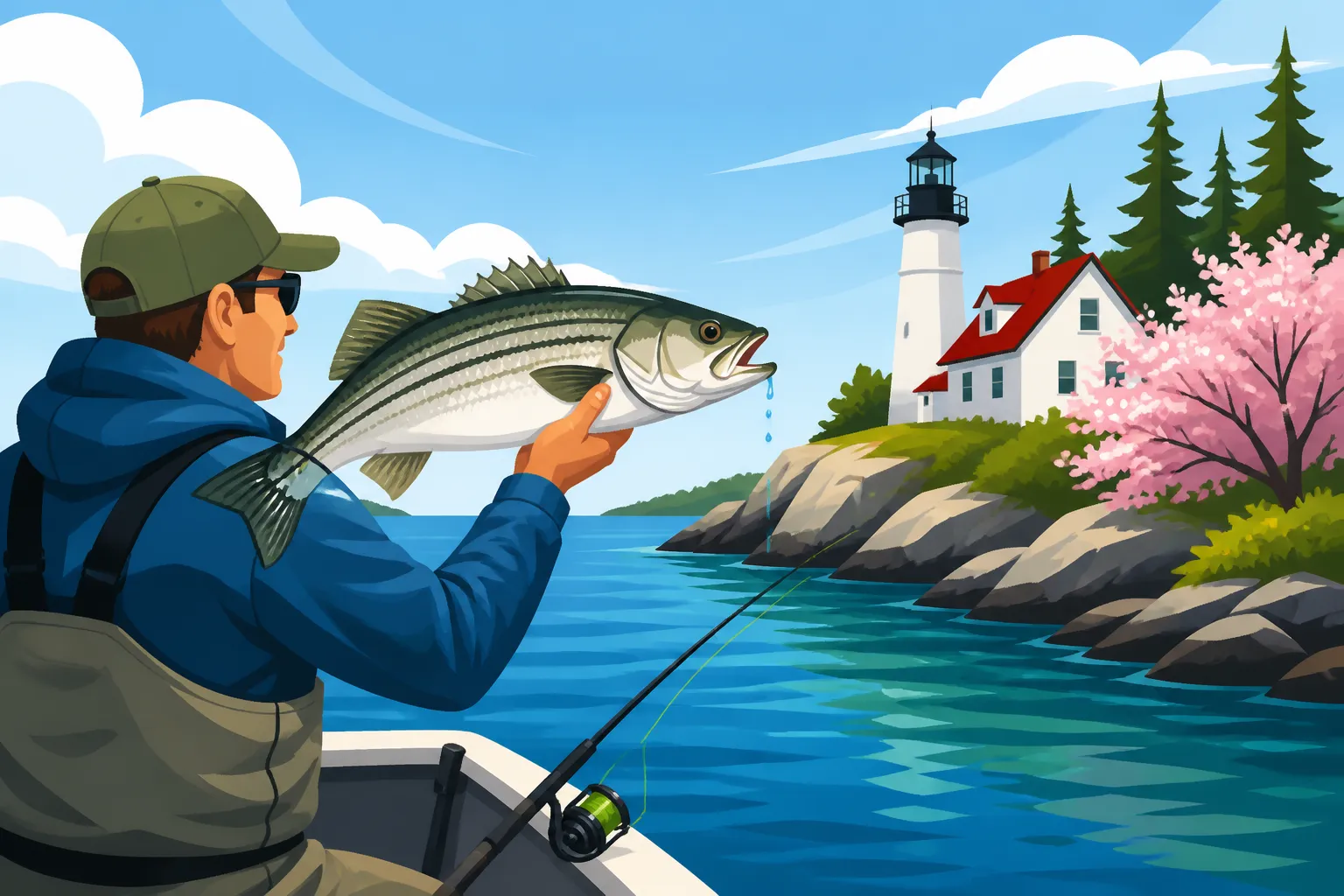
Be mindful of spawning fish, particularly in rivers and streams where trout might be preparing to lay eggs or have just completed their spawning rituals. Handle all fish with care, especially if practicing catch and release. Minimize their time out of water, use wet hands, and revive them gently before release. Pack out everything you pack in, leaving no trace. Spring is also a time when wildlife is emerging, so be aware of your surroundings and give animals their space. By being a responsible angler, you help preserve the beauty and productivity of Maine's fisheries for future generations.
Planning Your Spring Maine Fishing Trip
A well-planned spring fishing trip to Maine can greatly enhance your chances of success and enjoyment. From checking the latest information to deciding whether to hire a guide, a little preparation goes a long way.
Checking Forecasts and Water Levels
Before you even pack your bags, make checking the most up-to-date weather forecast for your specific destination a priority. Don't just look at the general regional forecast; pinpoint the exact town or body of water. Websites and apps like NOAA are invaluable. As mentioned, spring weather is highly variable, so staying informed is crucial for safety and comfort. Beyond air temperature and precipitation, pay close attention to wind forecasts, especially if you plan to fish larger lakes or coastal waters, as high winds can make boating hazardous.
For river and stream fishing, monitoring water levels and flow rates is equally important. Snowmelt and spring rains can cause rivers to rise rapidly, making some areas unfishable or dangerous. Websites like the USGS provide real-time streamflow data for many Maine rivers. Clear, stable or slowly falling water levels are generally ideal for trout and salmon in rivers. If the water is roaring and muddy, it might be better to shift your plans to a lake or pond, or wait for conditions to improve. This kind of diligent pre-trip research, easily done on your phone or computer, can be the difference between a frustrating washout and a fantastic day on the water.
Hiring a Local Guide or Charter
For many anglers, especially those visiting Maine for the first time or wanting to maximize their spring fishing potential, hiring a local Registered Maine Guide or a fishing charter is an excellent investment. These professionals live and breathe Maine fishing. They know the current ice-out conditions, where the fish are biting, what baits and lures are working best, and how to navigate changing weather and regulations. A guide can teach you specific techniques, take you to hidden spots, and ensure your safety on unfamiliar waters.
Whether you're looking for a quiet day fly fishing a remote brook trout pond, trolling for trophy salmon on a big lake, or chasing stripers along the coast, there’s a guide service for every interest. Many guides provide all the necessary gear, bait, and even shore lunches. This means less hassle for you and more time fishing. You can find guides specializing in different species and techniques across the state. Check out our guide on Hiring a Maine Fishing Guide for tips on choosing the right one for your adventure. Remember to book well in advance, especially for prime spring dates, as good guides fill up quickly.
Packing for Success
Beyond your fishing gear and layered clothing, there are a few other essentials to pack for a spring Maine fishing trip. A good quality cooler with ice is vital for keeping any fish you plan to keep fresh. Bring plenty of water and snacks, as facilities can be scarce in more remote areas. A headlamp or flashlight is always a good idea, especially if you plan on early morning or late evening fishing. Don't forget bug spray – while black flies and mosquitoes aren't usually at their peak until late spring or early summer, they can still make an appearance on warmer days.
Sunscreen and sunglasses are also a must, as the sun's rays can be intense, even on cloudy days, and reflective off the water. A good quality fishing net, sized appropriately for the fish you're targeting, will aid in landing fish safely and practicing proper catch and release. Consider bringing a camera to capture those memorable moments. Finally, always have a first-aid kit readily accessible, both for minor cuts and scrapes and for any more serious emergencies. Many of these practical items, from dry bags to headlamps and fishing nets, are easily purchased and shipped from Amazon, helping you get fully prepared without endless trips to various stores.
Disclaimer
The information provided in this guide is for general informational purposes only and is not intended as legal advice. Fishing regulations in Maine can change frequently. Always consult the official Maine Department of Inland Fisheries and Wildlife (MDIFW) open water fishing law book and their website for the most current and accurate regulations before engaging in any fishing activities. Safety is paramount; always prioritize your well-being and adhere to all local, state, and federal laws and safety guidelines.