How to Reach Remote Trout Ponds in the North Woods
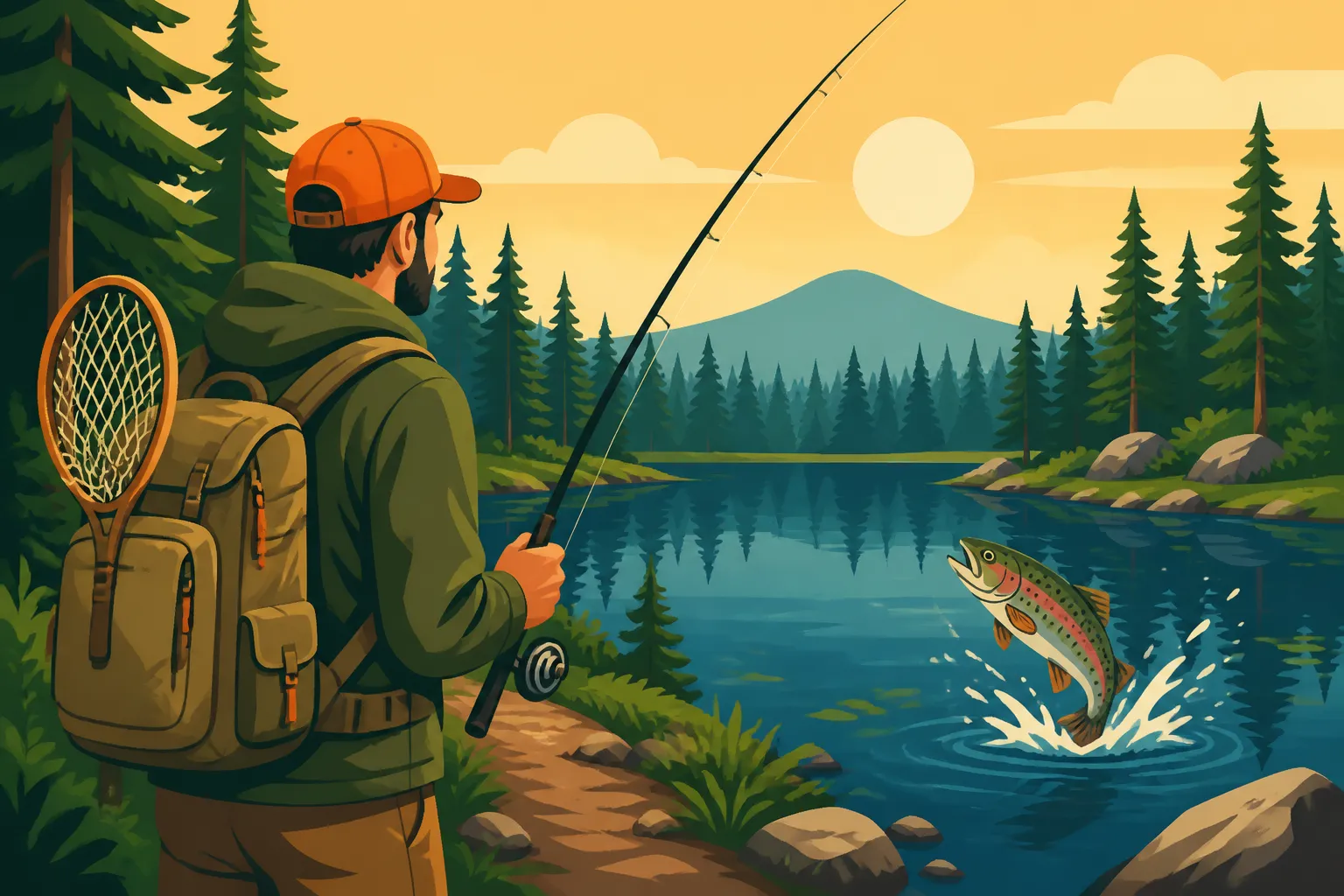
There's a special kind of magic that calls to anglers in Maine, a siren song from the deep, quiet wilderness. It's the dream of casting a line into a remote trout pond, a place where the only sounds are the whisper of the wind through ancient pines and the splash of a rising brook trout. But let's be honest, dreaming of these untouched havens and actually getting to them are two very different things. The vastness of Maine's North Woods can be intimidating, feeling less like an inviting fishing spot and more like an impenetrable fortress. This guide is here to demystify that journey, offering practical advice and seasoned insights on how to reach those elusive, pristine trout ponds and experience the wild Maine fishing you've always imagined.
The Allure of Maine's Remote Trout Ponds
There’s a reason seasoned anglers speak in hushed, reverent tones about Maine’s remote trout ponds. It’s not just about the fish, though the wild brook trout found in these waters are truly spectacular. It’s about the entire experience – an escape from the everyday, a reconnection with nature, and the deep satisfaction of earning your catch.
Why Go Remote?
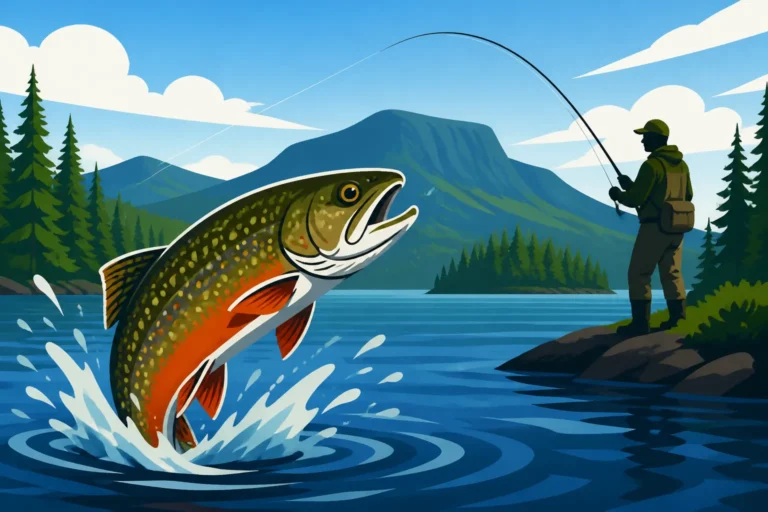
When you venture into Maine's remote trout ponds, you're not just fishing; you're stepping back in time. These waters often hold native brook trout, fish that have never seen a hatchery truck and exhibit vibrant colors and feisty fights. Unlike more accessible lakes and rivers where you might contend with crowds or boat traffic, a remote pond offers solitude. Imagine spending an entire day on a glassy pond, the only disturbance a loon's call echoing across the water or the splash of your fly. The sheer beauty of the untouched landscape – dense forests, granite outcrops, and crystal-clear water – is an unparalleled reward. These are places where the ecosystem feels truly balanced, where fish are strong, healthy, and plentiful, a testament to their wild heritage. It’s a chance to truly disconnect and immerse yourself in the natural world, a rare commodity in today's fast-paced world.
Understanding "The North Woods"
When we talk about Maine's "North Woods," we're referring to an immense, largely unpopulated region covering millions of acres, primarily in the northern and western parts of the state. This isn't just a quaint patch of forest; it's a sprawling mosaic of working timberlands, pristine lakes, and countless ponds and streams, often without paved roads or readily available services. Areas like the vast stretches beyond Moosehead Lake, the unorganized territories bordering Baxter State Park, and much of northern Aroostook County fall under this umbrella. These lands are often owned by private timber companies, conservation organizations, and the state, each with their own rules and access points. It’s crucial to understand that access can vary from maintained dirt roads to overgrown logging trails, or even require bushwhacking through dense forest. It's a place where cell service is non-existent for long stretches, and self-reliance is not just a virtue, but a necessity. This wild expanse is precisely what makes the remote ponds so special – they are hidden gems waiting to be discovered by those willing to make the journey.
Essential Preparation for Your Journey
Venturing into the North Woods without proper preparation is not just ill-advised; it can be dangerous. A successful and safe trip to a remote trout pond starts long before you ever leave your driveway. Planning is your most valuable tool.
Researching Your Destination
Before you even think about packing a bag, dedicate serious time to research. The Maine Department of Inland Fisheries and Wildlife (IFW) provides invaluable resources, including their Maine Fishing Regulations Explained document, which often lists specific waters and their unique rules. The DeLorme Maine Atlas and Gazetteer is an absolute must-have; it's the bible for anyone navigating the state's back roads and remote areas. Identify potential ponds by looking for small, unnamed bodies of water, or those with minimal road access. Cross-reference these with IFW's online pond and lake survey maps, which can provide details on fish species present, depth, and even previous stocking efforts (though you’ll be seeking wild trout waters).
Don't underestimate the power of local knowledge. Visit a reputable tackle shop in a town bordering the North Woods, like Greenville or Portage Lake. While they might not reveal their secret honey holes, they can offer general advice on regional conditions, access challenges, and what to expect. Look for public access points, but be aware that many remote ponds are nestled within private timber company lands, which often require daily or seasonal passes. Understanding these land access requirements beforehand is critical to avoid trespassing and ensure a smooth journey.
Gear Up for the Backcountry
Your gear list for a remote pond trip will differ significantly from a day trip to a local lake. Think lightweight, durable, and essential.
- Navigation: A reliable GPS unit (like a Garmin InReach or similar satellite messenger) is non-negotiable, pre-loaded with topographical maps. But never rely solely on electronics; a physical map (your DeLorme Atlas!) and a compass are vital backups. Know how to use them.
- Safety Gear: A comprehensive first-aid kit is paramount. Carry emergency shelter (a lightweight tarp or space blanket), a fire starter, extra layers of clothing (even in summer, nights can be cold), a headlamp with spare batteries, and a water purification method (filter or tablets). A satellite communication device is highly recommended for emergencies where cell service is absent.
- Fishing Gear: Opt for a breakdown rod or a pack rod that's easy to transport. Lightweight spinning gear or a sturdy fly rod (a 3- or 4-weight is perfect for brook trout) are ideal. Pack only essential tackle – a small box of flies (nymphs, dry flies like stimulators, elk hair caddis, and small streamers are usually effective for brook trout), a few small spinners or spoons, and extra leader material. Think minimal and versatile, as you won't have the luxury of a full tackle box. For a more detailed look at techniques, consider brushing up on your skills with our guide on Maine Open Water Fishing Techniques Guide.
Permits and Regulations You Can't Ignore
This is where many anglers get tripped up. Fishing in Maine requires a valid Maine Fishing License Guide, regardless of how remote your destination is. You can learn more about how to get one by checking out our guide on How to Get a Maine Fishing License. Beyond that, specific ponds may have special regulations. Some remote ponds are designated "special regulation waters" with unique length limits, bag limits, or tackle restrictions, so always consult the latest Maine Fishing Regulations Explained for the specific water you plan to visit. For instance, you might find certain ponds are fly-fishing-only or have catch-and-release rules for brook trout. Always double-check Maine Fish Bag Limits Guide to ensure you're compliant.
Crucially, many remote ponds are situated on private timber company land. Companies like Katahdin Forest Management or Plum Creek (now Weyerhaeuser) own vast tracts. Access to these lands often requires purchasing a day-use or seasonal permit at designated checkpoints or online. Failure to do so can result in hefty fines and a ruined trip. Some permits are available through their websites, while others might require you to stop at a local gatehouse. Always verify the current access requirements and fees before heading out.
Methods for Reaching the Untouched Waters
The true adventure of remote pond fishing lies in the journey itself. Depending on the pond's location, your physical ability, and your desired level of wilderness immersion, several methods can get you there.
Hiking and Bushwhacking
For many, the most authentic way to reach a remote pond is on foot. This often involves a combination of following old logging roads or ATV trails, which eventually diminish into barely discernible footpaths, and then venturing off-trail through dense forest – what Mainers call "bushwhacking."
- Planning Your Route: Use your topographical maps to identify the shortest and most manageable route from the nearest drivable road or trail. Look for natural clearings, old skidder trails, or game paths that might ease your passage. Be realistic about distances; a mile through thick Maine woods can feel like three. Factor in terrain features like hills, bogs, and stream crossings.
- Trail Conditions: Expect anything from rocky terrain to muddy sections, fallen trees, and thick underbrush. Waterproof hiking boots are essential, and gaiters can help keep debris and ticks out. Carry a small folding saw or machete to clear light brush if necessary, but try to stick to existing clearings or game trails as much as possible to minimize your impact.
- Reading the Terrain: Pay close attention to landmarks – unique rock formations, specific trees, changes in vegetation, or stream directions. Practice taking bearings with your compass and correlating them with your map. The woods can look very different on the way back.
- Leave No Trace: When bushwhacking, spread out to avoid creating a new trail. Minimize your impact on vegetation and soil. Always leave the forest as you found it, or better.
Canoe and Kayak Portaging
Some of the most pristine remote ponds are nestled between larger lakes or connected by short, navigable streams, making a canoe or kayak the ideal mode of transport. This method combines paddling with portaging (carrying your boat and gear over land) between waterways.
- Choosing Your Watercraft: Lightweight canoes (like those made of Kevlar or modern composites) or inflatable kayaks are excellent choices for portaging. They are easier to lift and carry over varied terrain. Consider models designed for stability and capacity, as you'll be carrying fishing gear, camping supplies, and safety equipment.
- Portage Routes: Research historical portage routes that might be marked on older maps or known to local guides. These can sometimes be overgrown but offer the most direct path. If no established portage exists, you'll need to scout a route, focusing on the shortest distance between two points, avoiding steep inclines or dense thickets.
- Essential Gear for Portaging: A good portage yoke for your canoe will save your shoulders. Backpacks are better than duffel bags for carrying gear over land, allowing your hands to be free to steady the boat or navigate. Dry bags are crucial for keeping your essentials safe and dry from splashes or unexpected swims. For an example of multi-day canoe trip fishing, check out the Allagash Wilderness Waterway Fishing Guide.
- Multi-Day Trip Planning: Portaging often lends itself to multi-day trips, allowing you to explore several ponds. Plan your food, water, and shelter accordingly. Pack light but smart. This method offers an unparalleled sense of accomplishment and immersion in the wilderness.
All-Terrain Vehicles (ATVs) and Snowmobiles (Seasonal)
In certain parts of the North Woods, especially on maintained private timber roads and designated trail systems, ATVs (in warmer months) and snowmobiles (in winter) can provide efficient access to remote areas that would be arduous to reach on foot.
- Legal Access Points: It's absolutely crucial to understand where you can legally operate these vehicles. Many private timberlands have strict rules about ATV and snowmobile use, often requiring specific permits and limiting travel to marked trails only. Do not venture off-trail, as this can damage sensitive ecosystems and lead to severe fines or revocation of access.
- Trail Systems: Maine boasts an extensive network of ATV and snowmobile trails. These are often well-maintained and connect various ponds, providing a faster way to cover long distances. However, even on these trails, conditions can be rough, and you need a reliable machine and experience operating it in backcountry conditions.
- Safety Considerations: Always wear appropriate safety gear, including helmets. Travel with at least one other machine in case of a breakdown. Carry extra fuel, a tool kit, and emergency supplies. Be mindful of logging trucks and other vehicles on shared roads.
- Seasonal Restrictions: Snowmobiles are obviously restricted to winter, when ponds are frozen and ice fishing is in full swing. ATVs are typically allowed from spring thaw until late fall. Always check local trail conditions and seasonal closures before heading out.
Float Planes and Remote Camps
For the ultimate in remote access, especially to truly pristine, otherwise unreachable ponds, float planes are the way to go. These services can fly you and your gear directly to the pond's shore, or to a nearby remote camp.
- The Convenience Factor: While expensive, float planes drastically cut down travel time and eliminate the physical exertion of hiking or portaging. They allow you to access ponds that are impossible to reach by any other means, offering truly untouched fishing experiences. Imagine landing on a glassy pond, surrounded by nothing but wilderness, with a prime brook trout fishery at your doorstep.
- Cost: This is usually the most significant barrier. Float plane services charge by the hour or by the trip, and costs can quickly add up, especially for longer flights or multiple passengers. However, if shared among a group, it can become more feasible.
- Reputable Air Services: Look for established float plane operators based in towns like Greenville (Moosehead Lake) or Portage Lake. Operators like Katahdin Air are known for their expertise in navigating the North Woods and adhering to strict safety protocols.
- Booking and Guides: Many independent Maine fishing guides specialize in remote fly-in trips. They have the knowledge, equipment, and connections to make these trips happen seamlessly. Services like FishingBooker can connect you with experienced guides and reputable outfitters who specialize in these kinds of trips, making it easier to arrange your remote adventure. Booking through such platforms can also provide peace of mind regarding guide licensing and insurance. You can also explore options with "Maine Fishing Charters Guide" if you're looking for more general guided experiences.
- Advantages of Remote Camps: Staying at a remote sporting camp (many of which are accessible by float plane) provides a comfortable base from which to explore surrounding ponds. These camps often offer cabins, meals, and even guides, taking much of the logistical burden off your shoulders. This can be a fantastic way to experience the remote wilderness with a touch more comfort and local expertise. Check out our guide on Maine Sporting Camps for more information.
Navigating the North Woods Safely and Responsibly
The beauty of Maine's remote ponds comes with the responsibility of safe and ethical wilderness practices. The North Woods is not forgiving of carelessness.
Wilderness Safety Protocols
Your safety is paramount. Always, always tell someone your detailed itinerary – where you're going, your planned route, your expected return time, and who to contact if you don't check in.
- Emergency Supplies: Beyond your standard gear, consider a personal locator beacon (PLB) or satellite messenger with GPS capabilities. These devices can summon help even without cell service. Carry enough water for your trip, or know how to safely purify water from natural sources. Pack extra food beyond what you think you'll need.
- Wildlife Encounters: Maine's North Woods is home to moose, black bears, coyotes, and other wildlife. Carry bear spray and know how to use it. Store food properly in bear-resistant containers or hung from a tree. Never approach or feed wildlife. Most animals will avoid you if given space.
- Weather Awareness: Weather in Maine can change rapidly, especially in remote areas. A sunny morning can turn into a cold, driving rainstorm or even an early-season snowfall. Check forecasts before you go, and be prepared for all conditions with appropriate layers and waterproof gear. Hypothermia is a real danger, even in summer.
Leave No Trace Principles
Preserving the pristine nature of these remote ponds is everyone's responsibility. The Leave No Trace principles are your guide.
- Plan Ahead and Prepare: As discussed, this includes researching your destination, packing appropriate gear, and understanding regulations.
- Travel and Camp on Durable Surfaces: Stick to established trails if they exist. When bushwhacking, spread out. Camp in designated sites if available, or on durable surfaces like rock or dry grasses if not.
- Dispose of Waste Properly: "Pack it in, pack it out" is the golden rule. This means all your trash, including food scraps, toilet paper, and fishing line. Human waste should be buried in a cathole 6-8 inches deep and 200 feet from water sources, trails, and campsites.
- Leave What You Find: Do not disturb natural objects, historical artifacts, or leave any markings.
- Minimize Campfire Impacts: Use established fire rings. Keep fires small, and ensure they are completely extinguished before leaving. In many remote areas, fires may be prohibited, or only allowed with a permit.
- Respect Wildlife: Observe wildlife from a distance. Do not feed animals. Secure food and trash.
- Be Considerate of Other Visitors: While unlikely in truly remote spots, remember that you might encounter others. Respect their experience by being quiet and courteous.
These practices ensure that the wild brook trout and the untouched beauty of Maine's remote ponds will remain for future generations to enjoy. The challenge of reaching these places is part of their magic, and the rewards are truly unforgettable.
Here's a quick comparison of the different ways to reach those remote ponds:
| Access Method | Pros | Cons | Typical Cost (Approx.) |
|---|---|---|---|
| Hiking/Bushwhacking | Cheapest, deepest immersion, highest sense of accomplishment, access to most secluded ponds. | Physically demanding, time-consuming, requires excellent navigation skills, limited gear capacity, higher risk of getting lost. | Minimal (fuel, permits) |
| Canoe/Kayak Portaging | Combines paddling and hiking, good for accessing linked water bodies, silent travel, moderate gear. | Physically demanding (carrying boat/gear), can be slow, weather-dependent, requires specific watercraft and portage skills. | Moderate (gear rental/purchase, fuel, permits) |
| ATV/Snowmobile | Faster than hiking, can carry more gear, covers long distances, fun for off-road enthusiasts. | Restricted to designated trails, noisy, fuel-dependent, seasonal, requires vehicle and experience, potential for breakdowns in remote areas. | High (vehicle, fuel, maintenance, permits) |
| Float Plane | Fastest, easiest, access to truly unreachable ponds, unparalleled views, can carry significant gear. | Most expensive, weather-dependent (can be grounded), limited by plane availability and capacity, requires booking through an outfitter or service like FishingBooker. | Very High ($300-$800+ per hour or trip, often shared for cost-effectiveness; check FishingBooker for options) |
Remember, your fishing license is always required, regardless of your access method or whether you're using a guide found on FishingBooker!
Disclaimer
Please remember that fishing regulations and access rules in Maine can change. Always consult the latest official Maine Department of Inland Fisheries and Wildlife (MDIFW) regulations book and relevant land-use permits before planning any trip. Safety in the wilderness is your responsibility.