Where Does Smelt Run Into Sebago Lake?
The quest to pinpoint where the smelt decide to make their annual spawning run into Sebago Lake can feel like a secret handshake among Maine anglers. It's not just about catching these small, silvery fish; it’s about understanding a critical cycle that fuels the entire lake's ecosystem, particularly for those trophy landlocked salmon and lake trout we all dream about. If you've ever felt frustrated trying to anticipate this short but explosive event, you're in the right place. This guide will take you through the prime locations where smelt typically run into Sebago Lake, equipping you with the knowledge to read the signs and capitalize on this vital migration.
Understanding the Smelt Run Phenomenon in Sebago Lake
Before we dive into specific locations, it’s really helpful to grasp why smelt runs are such a big deal on Sebago Lake. It’s not just a quaint spring ritual; it’s a full-blown ecological event that dictates the health and behavior of almost every major game fish in the system. Missing out on this understanding is like trying to bake a cake without knowing what flour is for – you're just not going to get the full picture, or the best results!
The Ecological Importance of Smelt in Sebago
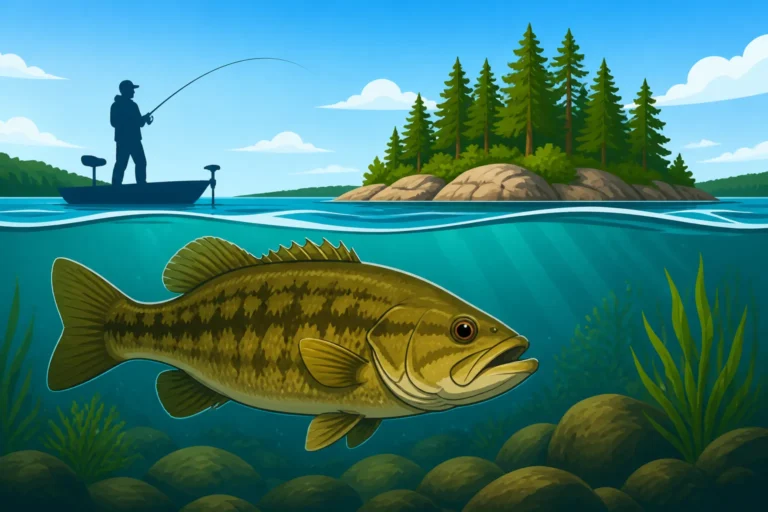
For many of us who fish Sebago Lake, the ultimate prize is often a hard-fighting landlocked salmon or a deep-dwelling lake trout, affectionately known as togue here in Maine. What do these magnificent fish primarily eat? You guessed it – smelt! These small, silvery forage fish are the bread and butter of Sebago’s predator populations. Their abundance, and indeed their availability, directly impacts the growth rates, overall health, and sheer numbers of these prized game species.
Imagine a giant buffet table being set up. That's essentially what happens during a smelt run. When millions of smelt congregate and push into the shallow tributaries or over certain shoals to spawn, it creates an unparalleled feeding opportunity for every predator in the vicinity. This intense feeding window is precisely why understanding the run's dynamics is so crucial for any angler hoping to connect with those bigger fish. If you know where the food is, you know where the hunters will be.
General Characteristics of Smelt Spawning
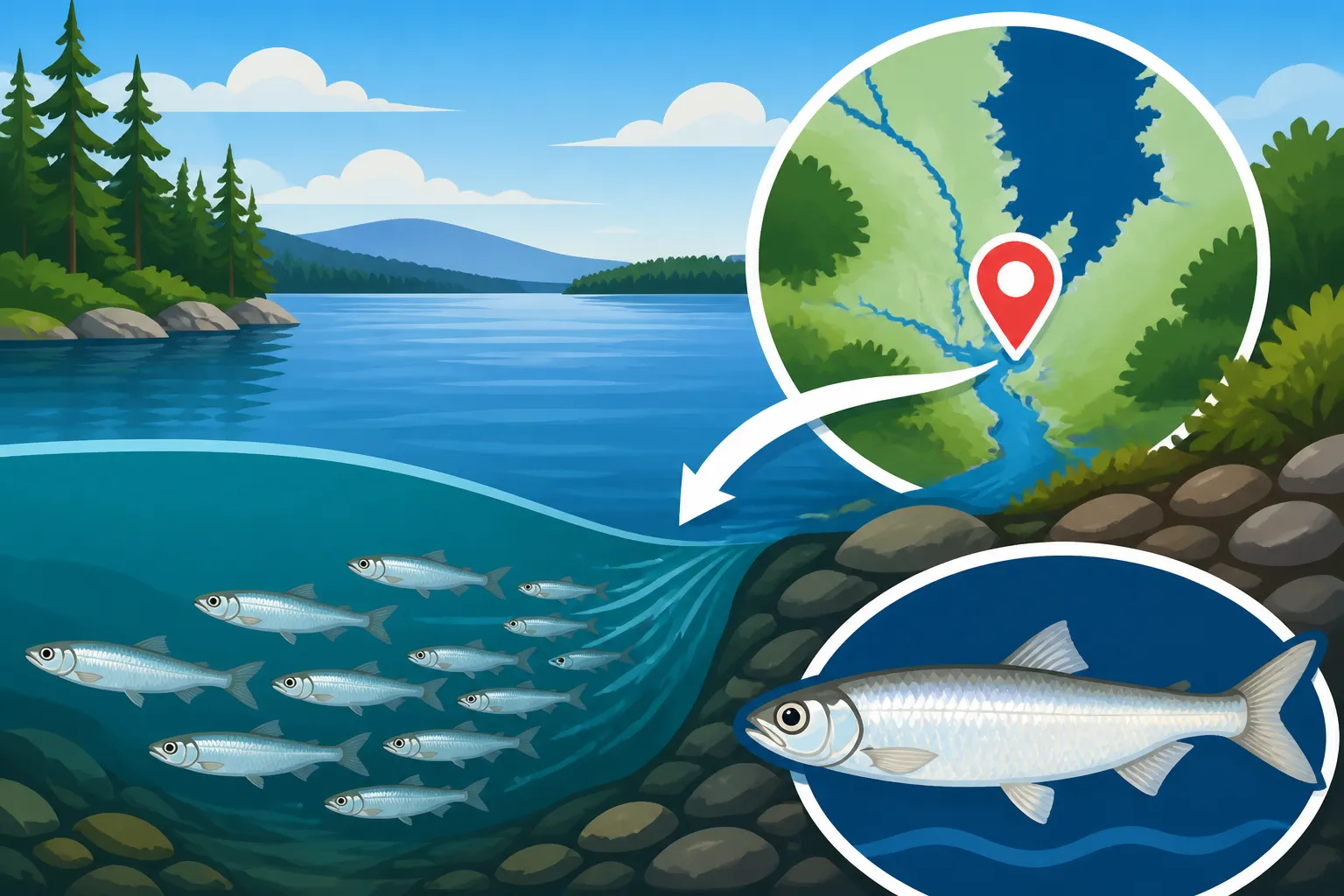
Smelt are fascinating fish, exhibiting what's known as an anadromous life cycle, even though they're "landlocked" in Sebago. This means they spend the vast majority of their adult lives in the deeper, open waters of the lake but undertake significant migrations into shallower, flowing freshwater (streams, rivers) or very specific shallow, oxygenated shoals to reproduce. It's a journey driven by instinct, water temperature, and the ancient urge to perpetuate their species.
The actual spawning period itself is typically quite short and incredibly intense. We're talking days, maybe a few weeks at most, rather than months. It often happens under the cover of darkness, making it a challenging event to witness firsthand unless you know exactly where and when to look. Smelt have a preference for clean, gravelly bottoms where their sticky eggs can adhere and develop safely away from strong currents, yet with enough flow to provide essential oxygen. This specific habitat requirement helps narrow down the potential spawning grounds considerably, guiding anglers to the most likely spots.
Key Smelt Run Locations Entering Sebago Lake
When we talk about where smelt run into Sebago Lake, we’re mostly referring to the various rivers and streams that feed into this vast body of water. However, it’s not just about the big-name rivers; smaller inlets and even certain lake shorelines can become hotbeds of activity during the right conditions. Knowing these specific locations can be the difference between a productive day and a frustrating search.
The Songo River and its Tributaries
Without a doubt, the Songo River stands out as one of the most significant and well-known smelt run locations for Sebago Lake. Its extensive connection to Brandy Pond and further upstream to Long Lake forms a massive drainage system. This network provides a vast highway for smelt migrating upstream from Sebago to find suitable spawning grounds. Anglers have long flocked to this area during the spring run, recognizing its historical productivity.
Specifically, anglers often focus their attention on the sections of the Songo River just upstream from where it empties into Sebago. Look for areas where the current is moderate – not too fast, not too slow – and where the riverbed is comprised of that desirable gravelly substrate. The lower stretches of the river, before it widens considerably into Sebago, are prime territory for smelt aggregations. It's worth remembering that this is a popular spot, so planning your visit for off-peak times or scouting carefully can be beneficial.
Northwest River and Adjacent Inlets
Heading to the northern reaches of Sebago Lake, the Northwest River emerges as another critical spawning ground for smelt. Much like the Songo, the lower stretches of the Northwest River become a magnet for migrating smelt as spring progresses. These sections offer similar gravelly bottoms and oxygenated flow that smelt seek out for their reproductive purposes. It might not get the same level of attention as the Songo, but it’s certainly a reliable contender.
Beyond these two major rivers, it's really important not to overlook the multitude of smaller, often unnamed, brooks and feeder streams that dot the perimeter of Sebago Lake. Many of these smaller waterways, especially those with consistent flow and small gravel beds, can experience localized smelt runs. These smaller runs might not involve the same sheer numbers as the larger rivers, but they can be incredibly productive, especially if you're the kind of angler who enjoys a bit of scouting and discovering less-pressured spots. These smaller, hidden gems are often found winding their way into protected coves or shallower bays.
Sebago Lake's Shoreline and Shallow Shoals
While the image of smelt running up a river is classic, a considerable portion of the Sebago Lake smelt population will actually spawn directly on the lake's own shallow, rocky, or gravelly shoals. These areas are particularly attractive if they are located near the mouths of streams or in protected coves where strong currents are absent, but the water remains well-oxygenated. Think about areas where small springs might feed into the lake or where wave action regularly oxygenates the shallows.
These lake-based spawning areas are inherently harder to detect for anglers fishing from shore. The larger concentrations are typically best accessed by boat. Anglers with good sonar equipment can often identify aggregations of fish over these key structures, which become crucial feeding grounds for larger predators. Knowing the bathymetry (underwater topography) of Sebago Lake and identifying these shallow, suitable spawning zones is a skill that comes with experience or by consulting detailed charts. When you're considering Where to Catch Landlocked Salmon on Sebago Lake or Where to Catch Togue on Moosehead Lake, remember that their location is often directly tied to the presence of their primary food source like smelt.
Timing the Sebago Lake Smelt Run for Angling Success
Understanding where the smelt run is only half the battle; knowing when to be there is equally, if not more, critical. The timing of the smelt run on Sebago Lake is a delicate dance with nature, heavily influenced by weather, water temperatures, and the melting of winter ice. Getting this timing right is crucial, whether you’re targeting the smelt themselves or the trophy fish that follow them.
The Influence of Water Temperature and Ice-Out
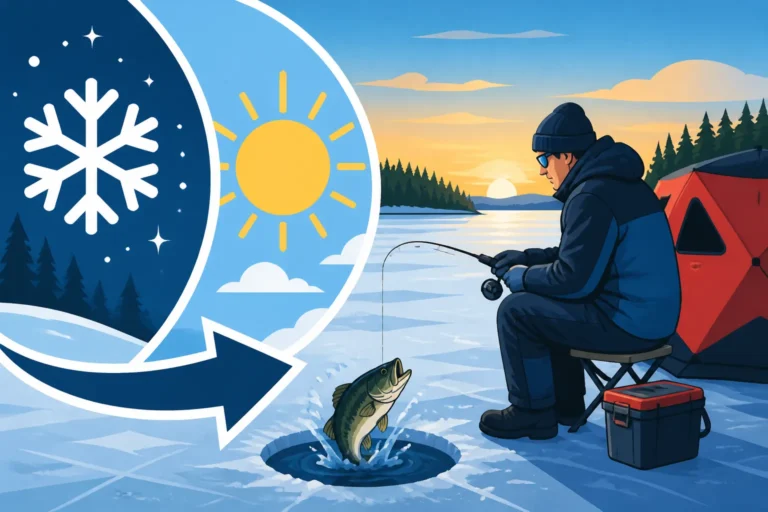
The single most significant factor dictating the start of the smelt run in Sebago Lake is water temperature. Smelt are cold-water fish, but they need a specific rise in temperature to trigger their spawning migration. Typically, their journey upstream or onto shoals begins when the water temperatures in the shallows and tributaries reach approximately 40-45°F (4-7°C). This often coincides with the eagerly anticipated spring thaw and the complete Ice-Out Date for Sebago Lake Most Years.
The exact window, unfortunately, isn't a fixed calendar date. It varies year to year based on the severity of winter and the speed of spring's arrival. Generally, you can expect this period to fall somewhere between late March and early May. A prolonged cold spell or a late ice-out can push the run later into spring, sometimes even into the early days of June. This variability means anglers must be vigilant and adaptable, rather than relying on historical dates alone. It also ties into the broader patterns of the Maine Spring Fishing Guide and Best Time of Year to Fish in Maine.
Peak Activity and Nocturnal Nature
When the smelt run does begin, it’s a relatively short-lived but incredibly intense affair. The peak spawning activity might only last for a couple of weeks, or even less if conditions are optimal and the spawn is rapid. What’s more, smelt are predominantly nocturnal spawners. The most significant movements and spawning events typically occur under the cover of darkness, from dusk through the early morning hours. This natural instinct helps them avoid predators and makes them a bit more elusive for us daytime anglers.
For those specifically targeting smelt for bait or consumption, or for anglers focusing on the predators feeding on them, concentrating efforts after sunset and into the pre-dawn hours is usually the most productive strategy. Many seasoned anglers use submersible lights to attract smelt to the surface in the deeper parts of the lake or near river mouths, while others will stake out known spawning grounds overnight, often with dip nets or small jigs. Understanding the Maine Smelt Run Timing is paramount for success during this short window.
Monitoring Local Conditions and Resources
Given the variability of nature, staying absolutely up-to-date on local conditions is paramount for anyone hoping to successfully intercept the Sebago Lake smelt run. Your first stop should always be local bait and tackle shops around the Sebago region; these folks are on the water constantly and often have the most current, real-time intel. Online fishing forums and local outdoor communities can also be treasure troves of information.
The Maine Department of Inland Fisheries and Wildlife (MDIFW) is another invaluable resource. While they primarily focus on conservation and regulation, they sometimes provide updates on fish movements or specific regulations pertaining to smelt harvesting. It’s absolutely essential to consult the most current Maine Fishing Regulations Explained, as specific rules, bag limits, and even legal methods for harvesting smelt can vary by water body and by year. Always ensure you have a valid Maine Fishing License Guide before heading out.
Fishing Strategies During the Smelt Run
Whether your goal is to gather some prime baitfish or to hook into a trophy landlocked salmon that’s gorging on smelt, understanding the most effective fishing strategies during the run is key. It’s a unique window of opportunity, and tailoring your approach can dramatically increase your chances of success.
Targeting Smelt Directly
If your primary objective is to catch smelt for use as bait or for a delicious frying pan meal, there are specific techniques that work best. Small jigs, often no larger than a pinky nail, tipped with a tiny piece of worm, a kernel of corn, or even a specialized artificial lure mimicking a tiny insect or larva, can be incredibly effective. Sabiki rigs, which are essentially multiple small hooks tied in a series, are also popular and can allow you to catch several smelt at once when they're schooled up.
When targeting smelt directly, especially at night in rivers or stream mouths, many anglers will use a strong light source, like a submersible green light, to attract the smelt. They are drawn to the light, making them easier to jig for or even scoop with a dip net. However, it's crucial to be aware of and adhere to local Maine Fishing Regulations Explained for daily bag limits on smelt and the legal methods for harvesting them. Some waters may have specific restrictions, so always double-check before you go. Remember, catching too many for consumption can impact the very food source that sustains the larger game fish. If you need a comprehensive guide, check out How to Fish the Smelt Run in Maine.
Angling for Predators Feeding on Smelt
This is where the real excitement lies for many Sebago Lake anglers! The smelt run offers an unparalleled opportunity to target those larger, predatory game fish that are actively feeding. Landlocked Salmon Fishing in Maine and Lake Trout and Togue Fishing in Maine become incredibly productive during this period, as these fish follow the smelt into shallower waters or concentrate around river mouths, gorging themselves on the abundant forage.
The most effective technique for these predators is often trolling. Using lures that closely imitate smelt in size, shape, and color is paramount. Think about flashy spoons, slender stickbaits, and soft plastic swimbaits in silver, blue, green, or even iridescent patterns. The key is to present these lures where the smelt are concentrated, often near the mouths of rivers, over spawning shoals, or along the edges of drop-offs where predators will ambush their prey. Adjusting your trolling speed to match the activity level of both the baitfish and the predators is also crucial; sometimes a slow, subtle presentation works, while other times a faster, erratic retrieve is needed to trigger a strike. For more in-depth advice on this method, take a look at our guide on Trolling Techniques for Maine Lakes.
Leveraging Guided Trips for Smelt Run Success
If you're relatively new to fishing Sebago Lake, or if you simply want to maximize your chances during this often short and intense smelt run, considering a trip with a local fishing guide can be an absolute game-changer. These seasoned professionals possess invaluable, up-to-the-minute knowledge of exactly where the smelt are running and, perhaps more importantly, how the game fish are reacting to the bounty. They've spent years learning the nuances of the lake and its patterns.
Platforms like FishingBooker are excellent resources for connecting with experienced Sebago Lake Fishing Guides who specialize in targeting salmon and togue during this prime feeding window. A good guide will not only put you on fish but also teach you about the Sebago ecosystem, the specific techniques for that day, and the local regulations. They typically provide all the necessary specialized gear, tackle, and even bait, making for a highly efficient and potentially very rewarding trip. This can be particularly beneficial if you're trying to hit that specific, narrow window of the Maine Smelt Run Timing when activity is at its peak. It transforms a potential guessing game into a focused, educational, and often successful angling adventure.
| Smelt Run Location | Type of Water | Typical Spawning Habitat | Best for Direct Smelt Harvest | Primary Predator Targets | Angling Method Focus |
|---|---|---|---|---|---|
| Songo River | River/Stream | Moderate current, gravelly bottoms | Yes (dip netting, jigging) | Landlocked Salmon, Togue | Trolling, Casting (lures) |
| Northwest River | River/Stream | Similar to Songo, slower flow in upper parts | Yes (jigging, dip netting) | Landlocked Salmon, Togue | Trolling, Casting (lures) |
| Smaller Feeder Streams | Brooks/Inlets | Good flow, small gravel beds, shallow coves | Yes (localized jigging) | Brook Trout, Smaller Salmon | Casting (small lures, flies) |
| Lake Shoals/Shallows | Lake Shoreline | Rocky/gravelly bottoms, protected coves | Limited (boat access, jigging) | Togue, Landlocked Salmon | Trolling (over structure), Jigging (boat) |
Disclaimer
The information provided in this guide is for general informational purposes only and is subject to change. Fishing regulations, season dates, and local conditions can vary significantly. Always consult the most current Maine Department of Inland Fisheries and Wildlife (MDIFW) regulations and local advisories before engaging in any fishing activities. Ensure you have the proper licenses and permits.