Best Fishing Spots for Beginners Near Portland
Stepping into the world of fishing can feel like learning a secret language, especially when you're in a new place like the beautiful greater Portland, Maine area. You might be staring at the vast ocean or shimmering lakes, wondering where on earth to cast your line without feeling completely out of your depth or, worse, breaking some obscure rule. This guide is crafted specifically for you, the budding angler, to navigate the fantastic beginner-friendly fishing spots near Portland, helping you find accessible, rewarding locations and gain the confidence to make your first catch.
Why Greater Portland is a Goldmine for Beginner Anglers
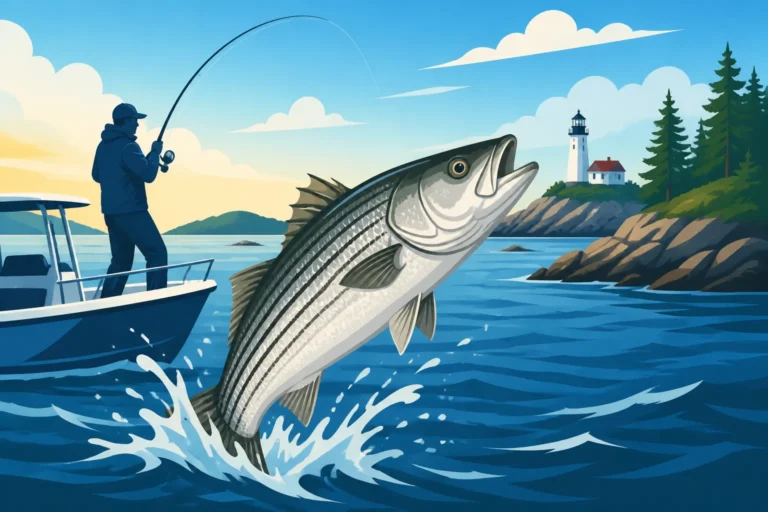
The Portland area is truly a unique blend of urban charm and rugged natural beauty, and that extends wonderfully to its fishing opportunities. It's not just a bustling city with great food; it’s a gateway to an incredibly diverse fishery that caters perfectly to those just starting out. You've got everything from serene freshwater ponds teeming with panfish to dynamic saltwater harbors where a striped bass might just surprise you.
Diverse Fishery Right at Your Fingertips
One of the biggest advantages for new anglers around Portland is the sheer variety of fish you can target without traveling far. You’re not confined to just one type of fishing; you can try a little bit of everything to see what sparks your interest.
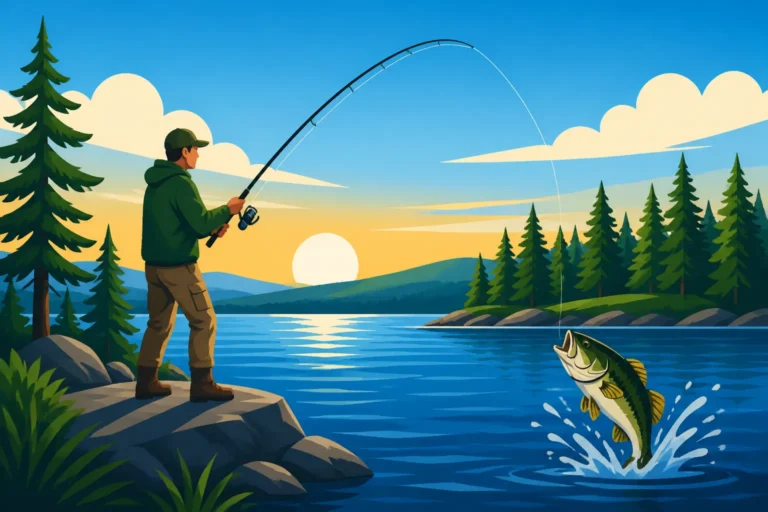
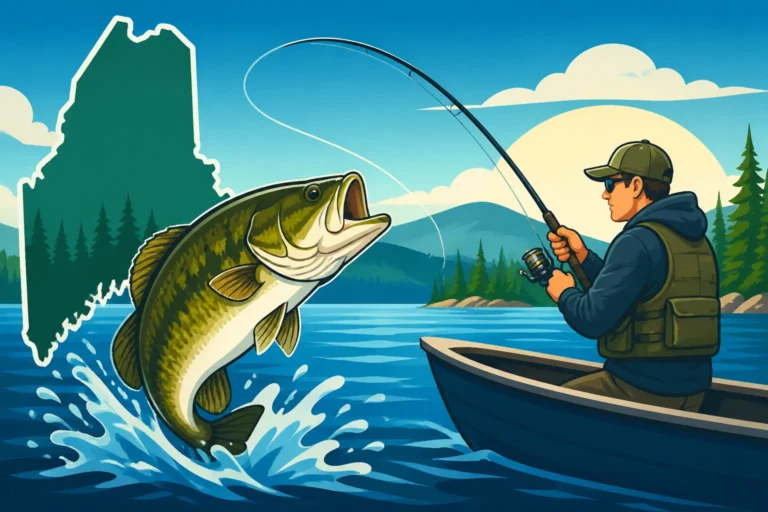
For freshwater enthusiasts, the lakes and ponds within a short drive often hold abundant populations of eager sunfish, yellow perch, and various bass species. These fish are typically quite cooperative, making them ideal targets for practicing casting, learning to detect bites, and understanding how different baits work. Imagine the excitement of feeling that first tug on your line, knowing you’ve outsmarted a feisty smallmouth bass! Plus, many of these spots are regularly stocked, increasing your chances of success and boosting your morale on those early trips.
If the ocean calls to you, the coastal waters offer a completely different, yet equally accessible, experience. You might reel in a mackerel, a cunner, or even a smaller striped bass right from a public pier or beach. The thrill of saltwater fishing, with its unique tides and diverse species, is an adventure in itself, and Portland provides numerous entry points that don’t require a fancy boat or extensive knowledge of ocean navigation. This diversity means you can experiment, learn new techniques, and discover your preferred style of fishing without having to commit to long drives or complex logistics.
Easy Access and Abundant Amenities
Let’s be honest, nothing ruins a beginner’s enthusiasm faster than struggling to find parking, hiking miles with gear, or realizing you forgot something crucial and there’s no bait shop in sight. Luckily, many of the best fishing spots near Portland are incredibly user-friendly when it comes to access and nearby amenities.
You’ll find numerous public boat launches and designated shore fishing areas that are well-maintained and offer ample parking. Places like Bug Light Park in South Portland, for example, not only offer a scenic spot to cast a line but also have paved parking and often restrooms nearby – small comforts that make a big difference for a stress-free outing. Similarly, many freshwater ponds have public access points that are easy to locate and use. You won't be bushwhacking through dense Maine woods just to find a spot to drop a worm.
What’s more, being close to Portland means you're never far from essential supplies. Forgotten your favorite lure? Ran out of bait? Need a new fishing line? There are plenty of local bait and tackle shops like Kittery Trading Post or even larger retailers where you can quickly pick up what you need. These shops are often staffed by seasoned anglers who are more than happy to offer advice, share local tips, and even point you towards the hottest spots of the week. This convenience significantly lowers the barrier to entry, allowing you to focus on the joy of fishing rather than logistical headaches.
Supportive Community and Resources
Starting a new hobby can be daunting, but the fishing community in Maine, particularly around Portland, is generally welcoming and eager to share their passion. You’ll often find fellow anglers happy to chat, offer a few pointers, or even lend a hand if you’re struggling to untangle a stubborn knot.
Beyond friendly faces on the docks, Portland offers a wealth of resources for beginners. There are local fishing clubs that host events, offer workshops, and connect you with experienced mentors. You can also find numerous local guides who specialize in teaching newcomers the ropes. For instance, if you're feeling a bit overwhelmed, searching on platforms like FishingBooker can help you find a registered Maine guide who can provide a tailored experience, teaching you everything from casting techniques to understanding local fish behavior. They often supply all the necessary gear, which is a huge bonus for someone who hasn’t invested in their own equipment yet. These guided trips are fantastic learning opportunities, transforming a potentially frustrating first experience into a genuinely educational and enjoyable one. Plus, they ensure you're fishing legally and safely, giving you peace of mind.
Top Freshwater Fishing Nooks for Newcomers Near Portland
When you’re just starting, freshwater fishing is often the easiest entry point. The waters are usually calmer, the currents less intimidating, and you don’t have to worry about tides as much. Near Portland, you’ll find several excellent lakes and ponds perfect for beginners.
Lakes and Ponds for Panfish and Bass
For a truly accessible and rewarding freshwater experience, look no further than the abundant lakes and ponds scattered around the Portland region. These bodies of water are typically well-stocked and boast healthy populations of eager-to-bite fish, making them perfect for building confidence.
Highland Lake (Windham/Falmouth): This picturesque lake, just a short drive from Portland, is a fantastic spot. It's known for its populations of smallmouth bass, largemouth bass, and various panfish like yellow perch and sunfish. Highland Lake has several public access points, including a boat launch, but many sections are great for shore fishing too. Imagine setting up a simple bobber rig with a worm or a small piece of corn, casting it out, and watching that bobber dance and dip – the pure joy of a panfish strike! The bass here also respond well to basic lures like plastic worms or spinnerbaits, offering a chance to practice different casting techniques. The calm waters and relatively clear shoreline make it a stress-free environment to learn the basics.
Long Lake (Naples/Bridgton): While a bit further afield, Long Lake offers incredible opportunities and is part of the extensive Sebago Lake watershed. It's renowned for its landlocked salmon, but more importantly for beginners, it has robust populations of smallmouth bass and perch. The public beach areas and docks provide easy access for casting. The sheer size of Long Lake means you can often find quieter coves to fish without feeling crowded. If you’re interested in targeting salmon later on, you might want to look into the Landlocked Salmon Fishing in Maine guide, but for now, focus on the abundant bass and panfish closer to shore. A simple nightcrawler under a bobber can lead to a very active fishing session here, perfect for keeping spirits high.
Forest Lake (Gray/Windham): Another excellent choice, Forest Lake is particularly good for families and beginners due to its clear waters and good public access. You'll find a mix of largemouth bass, smallmouth bass, and plenty of panfish. The lake features a public beach and a boat launch, but again, there are ample opportunities for shore fishing. Learning to identify different fish species is part of the fun, and you'll likely encounter several here. Remember, when you're fishing in freshwater, understanding Maine Open Water Line Limits is crucial to avoid any regulatory issues.
| Lake/Pond Name | Primary Target Species (Beginner) | Accessibility (Shore/Boat) | Key Features for Beginners |
|---|---|---|---|
| Highland Lake | Smallmouth Bass, Panfish | Excellent Shore & Boat | Calm waters, good public access, easy casting |
| Long Lake | Smallmouth Bass, Perch | Good Shore & Boat | Large, diverse fishery, quieter coves available |
| Forest Lake | Largemouth Bass, Panfish | Excellent Shore & Boat | Clear water, public beach, family-friendly |
| Sebago Lake | Smallmouth Bass, Perch | Variable (many access pts) | Trophy potential (advanced), ample panfish for beginners |
Rivers and Streams for Trout
While river fishing can sometimes be more challenging due to currents and specific techniques often associated with trout (like fly fishing), there are smaller streams and river sections near Portland that can offer a gentler introduction, especially if you're targeting brook trout or smallmouth bass.
Many small tributaries that feed into larger rivers like the Presumpscot River or the Royal River can be excellent spots for wading or casting from the bank. These smaller waterways are often less intimidating than wide-open lakes or the ocean. They provide a more intimate fishing experience, allowing you to focus on reading the water and presenting your bait. For example, the upper stretches of the Presumpscot River or various small feeder streams are often stocked with brook trout and hold wild populations. A small spinner or a classic worm-and-bobber setup can be surprisingly effective. You'll want to review the Maine Fishing Regulations Explained to ensure you're aware of any special rules for these smaller, often regulated, waters.
When fishing rivers, patience is key, and understanding how fish hold in different currents takes time. But the reward of catching a beautifully colored brook trout from a pristine Maine stream is truly something special. Remember that a valid Maine Fishing License Guide is required for most freshwater fishing, so make sure you have yours before you head out. Don’t forget to check the specific Maine Fishing Season Dates Guide for the species you’re targeting, as these can vary even in small streams.
Accessible Coastal Spots for Your First Saltwater Catch
Switching gears to saltwater can feel like a big leap, but Portland’s coast offers some wonderfully accessible spots where you can get a taste of ocean fishing without needing a boat or specialized deep-sea gear. These locations are perfect for casting a line into the briny deep and experiencing the unique thrill of coastal angling.
Piers and Docks: Urban Fishing Adventures
Piers and docks are often the best starting points for saltwater beginners. They offer stable platforms, easy access, and often place you right over deeper water where fish might congregate. Plus, you’re usually surrounded by other anglers, making it a great place to observe and learn.
Portland Fish Pier (Portland): This working pier in downtown Portland might seem intimidating, but it's a bustling hub where you can often find people fishing. While it's primarily commercial, there are sections where recreational anglers can cast. You might hook into mackerel, cunner, or even a small pollock. The key here is to be mindful of commercial operations and other users. It’s a great spot to try jigging with small metal lures or using bait like squid or clams on a bottom rig. The energy of the working waterfront, with fishing boats coming and going, adds to the authentic Maine experience. Just be sure to always prioritize safety and keep an eye on your surroundings.
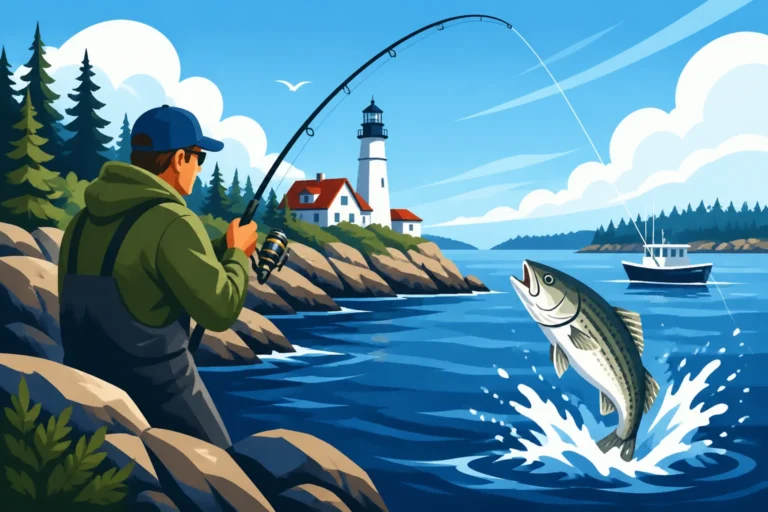
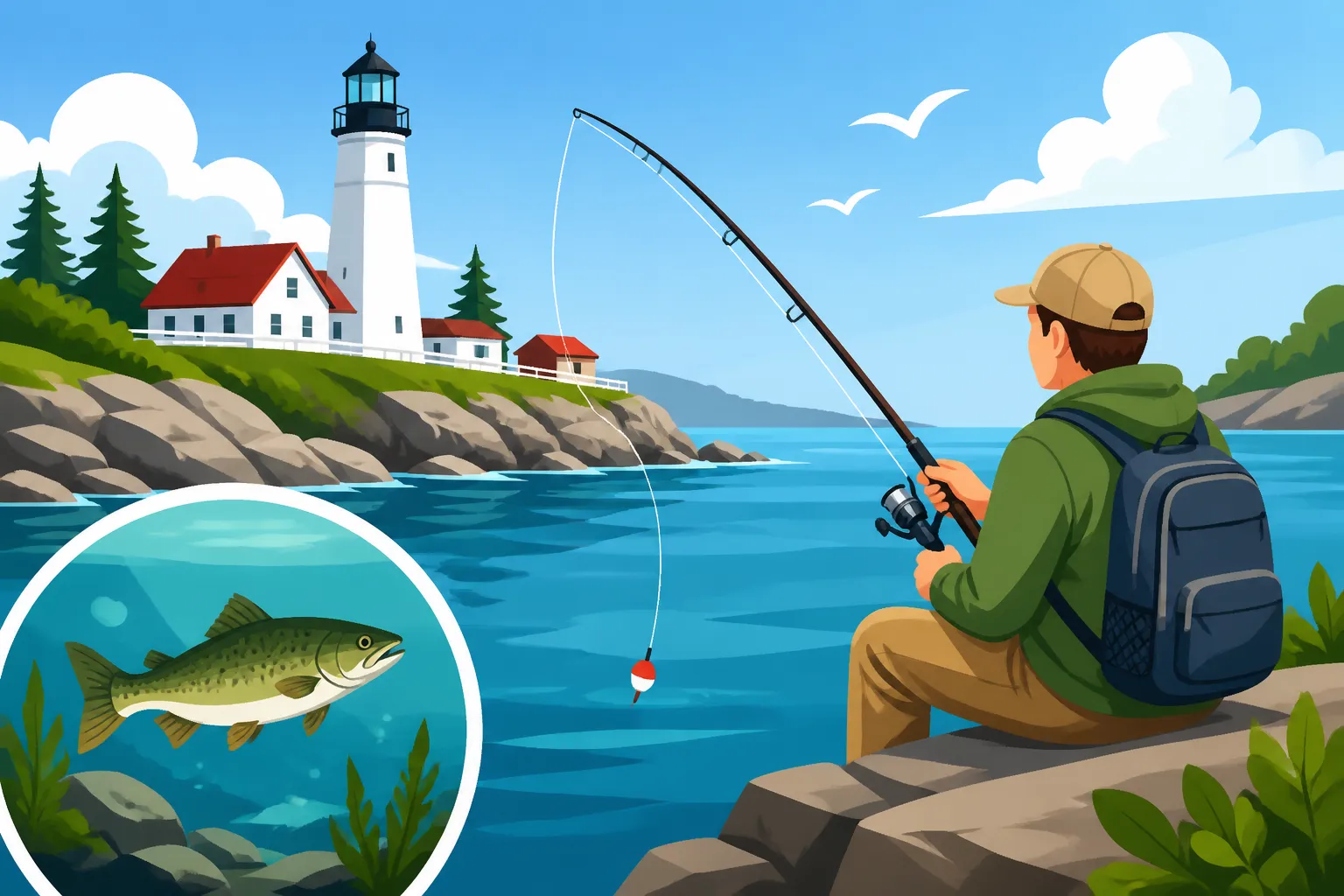
Bug Light Park (South Portland): Just across the harbor from Portland, Bug Light Park offers a scenic and calmer alternative. The long pier extending from the park into Portland Harbor is a popular spot for shore anglers. This pier provides excellent opportunities for catching mackerel, pollock, and sometimes even small striped bass, especially during the warmer months. It’s a very family-friendly spot with stunning views of the lighthouse and the Portland skyline. A simple high-low rig with bait (like seaworms or clam strips) is often all you need to get a bite. It’s crucial to remember that for saltwater fishing, even from shore, you’ll need to register with the Maine Saltwater Fishing Registry Guide – it's typically free for residents and a small fee for non-residents.
Beaches and Estuaries: Surfcasting for Stripers
If you fancy the idea of feeling the sand between your toes while you fish, Portland’s nearby beaches and estuaries provide excellent opportunities for surfcasting. This can be a bit more physically demanding than pier fishing, but the thrill of catching a fish directly from the surf is unmatched.
Eastern Promenade (Portland): While not a traditional beach, the Eastern Prom features a long, rocky shoreline and a public boat launch. Anglers can find spots to cast into Casco Bay, especially at high tide. This area can be surprisingly productive for striped bass, especially during the early morning or late evening hours. Using bait like mackerel chunks, seaworms, or artificial lures that imitate baitfish (like poppers or soft plastics) can yield results. It’s a beautiful spot, offering incredible views, and allows you to experience the dynamic interplay of tides and currents. Just be cautious of slippery rocks and be aware of your casting area, especially if others are enjoying the park.
Scarborough Beach State Park (Scarborough): A short drive south of Portland, Scarborough Beach offers classic surfcasting opportunities. While popular with swimmers and sunbathers during the day, the early morning, late evening, or off-season periods can be fantastic for striped bass. Casting into the breaking waves with heavier tackle and bait or larger lures is the name of the game here. The wide-open expanse gives you plenty of room to practice your casting distance and technique. Always be mindful of designated swimming areas and respect beachgoers. For more details on what you can catch, check out the Maine Striped Bass Season and Limits which are strictly enforced to protect this popular species. You might even stumble upon an article like Shore Fishing Access Points in Maine for more ideas along the coastline.
Essential Tips for a Smooth First Fishing Trip Near Portland
Stepping out for your very first fishing trip should be exciting, not stressful. To ensure you have a fantastic time and increase your chances of success, a little preparation goes a long way. Let's talk about the essentials.
Basic Gear You'll Need to Get Started
You absolutely do not need to break the bank to start fishing. In fact, many successful anglers use surprisingly simple setups. For a beginner near Portland, a basic spinning rod and reel combo is your best friend.
- Rod and Reel: A medium-light to medium action spinning rod, about 6-7 feet long, paired with a matching spinning reel spooled with 6-10 lb test monofilament or braided line, is incredibly versatile. This setup will handle most panfish, trout, and smaller bass in freshwater, and even some smaller striped bass or mackerel in saltwater. You can find decent combos for well under $100 at most sporting goods stores or even online. Don’t get caught up in fancy terminology; simple and reliable is best for now.
- Terminal Tackle Box Essentials: Your tackle box doesn't need to be huge. Focus on the basics:
- Hooks: A variety of sizes (e.g., #8 for panfish, #4-2 for trout/bass, 1/0-3/0 for stripers).
- Sinkers/Weights: Split shot and egg sinkers in various sizes to help your bait get down.
- Bobbers: Small clip-on bobbers for freshwater, and maybe a few larger slip bobbers for deeper water.
- Swivels: Small barrel swivels to prevent line twist.
- Lures: A few simple, effective lures. Think small inline spinners (like Mepps or Panther Martin) for trout and panfish, and perhaps a few small soft plastic swimbaits or grub-tailed jigs for bass and saltwater species.
- Bait: Live bait like worms (nightcrawlers or seaworms) or dead bait like clam strips or squid are often irresistible to fish and require less technique than artificial lures.
- Pliers/Forceps: Essential for removing hooks safely and cutting line.
- Nail Clippers/Small Scissors: Also great for cutting line.
- A Small Cooler: To keep your bait fresh and your drinks cold (or, if you plan to keep fish, to keep them on ice).
Starting with this modest collection means you're prepared for most common scenarios without being overwhelmed by choice. Remember, the goal is to learn the fundamentals, and simple gear often facilitates that best.
Understanding Maine's Fishing Regulations
This is probably the least exciting part of fishing, but it’s arguably the most important. Fishing without the proper licenses or ignoring regulations can lead to hefty fines and a bad experience. Maine takes its conservation efforts seriously, and anglers are expected to know and follow the rules.
- Fishing Licenses: Absolutely essential. For freshwater, you’ll need a freshwater fishing license. For saltwater, you generally need to register with the Maine Saltwater Fishing Registry. There are different options available, from a Maine Resident Fishing License Cost to a Maine Nonresident Fishing License Cost, and even specific durations like a Maine 3-Day Nonresident Fishing License. Don't forget that Do Kids Need a Fishing License in Maine? has specific age cutoffs – usually, kids under 16 don't need one, but it's always best to verify the current rules. You can usually purchase licenses online through the Maine Department of Inland Fisheries & Wildlife (MDIFW) website or in person at various agents like sporting goods stores and town offices. It's often helpful to consult resources like Where to Buy a Maine Fishing License for convenient locations.
- Bag and Size Limits: These dictate how many fish you can keep and what their minimum (or sometimes maximum) size must be. These rules exist to protect fish populations. For example, Maine Bass Fishing Limits by Zone can vary, and striped bass have a specific slot limit you need to understand. Always carry a measuring tape or have one marked on your rod.
- Special Regulations: Some lakes, ponds, or rivers have unique rules that differ from the general statewide laws. These are often highlighted in the annual Maine Open Water & Ice Fishing Laws booklet, which you can usually pick up for free wherever licenses are sold, or access online. Always check the specific regulations for the water body you plan to fish. Getting a good grasp of the Maine Fishing Regulations Explained will save you a lot of trouble.
Safety First and Respect for Nature
No matter how excited you are, safety should always be your top priority. Accidents can happen quickly, especially around water.
- Life Jackets: If you’re fishing from a boat, kayak, or even a paddleboard, wear a properly fitting life jacket. Even if you’re a strong swimmer, unexpected falls can happen, and a life jacket can be a lifesaver.
- Weather Awareness: Maine weather can change rapidly. Always check the forecast before you go. Sunscreen, a hat, and appropriate clothing (layers are key!) are important. If fishing from shore, be mindful of slippery rocks, tides that can cut you off, and sudden storms.
- Tell Someone Your Plans: Let a friend or family member know where you’re going and when you expect to be back. This is especially critical if you’re venturing to a more remote location.
- Respect Wildlife and the Environment: Maine is a wild and beautiful place. Pack out everything you pack in, and perhaps even pick up any litter you find. Be mindful of fishing line, hooks, and lead sinkers (there's even a Maine Lead Jig Fishing Ban coming into full effect soon for smaller sizes) as they can be harmful to wildlife. Practice catch-and-release properly if you're not keeping fish, ensuring the fish has the best chance of survival. Leave the area better than you found it, and these wonderful spots will be there for future generations of anglers.
Taking these steps will ensure not only a more productive day on the water but also a safe and enjoyable one, fostering a deep appreciation for Maine's natural beauty and its fantastic fishing opportunities.
Disclaimer
The information provided in this guide is for general informational purposes only and does not constitute legal advice. Fishing regulations, license requirements, and access points can change frequently. Always consult the official Maine Department of Inland Fisheries & Wildlife (MDIFW) website and their most current fishing law book before planning any fishing trip to ensure compliance with all applicable rules and regulations.