What Fish Are Stocked in Moosehead Lake?
There's nothing quite like the excitement of planning a fishing trip to Maine's majestic Moosehead Lake, but for many anglers, the sheer size and wildness of it can be daunting. You might wonder if you're truly relying on luck to find fish, or if there's a more strategic way to approach it, especially when it comes to understanding what fish are actively managed and stocked. This comprehensive guide will peel back the layers of Moosehead's incredible fishery, focusing specifically on the species that benefit from stocking programs, giving you the insider knowledge to make your next trip a success.
The Vibrant Fishery of Moosehead Lake: More Than Just Wild Fish
Moosehead Lake, the largest lake in Maine, is an iconic destination for anglers. Its vast, cold waters are legendary for supporting some of the state's most sought-after game fish. While its wild populations are truly magnificent, a significant part of what makes Moosehead such a productive and reliable fishery is the strategic stocking efforts undertaken by the Maine Department of Inland Fisheries and Wildlife (MDIFW). These programs are designed not just to supplement natural reproduction but often to enhance fishing opportunities and maintain ecological balance in this immense body of water.
Understanding Maine's Stocking Programs
Maine's approach to fish stocking is a careful balance of preserving wild strains and enhancing recreational fishing opportunities. For a lake as large and important as Moosehead, stocking isn't a random act; it's a science-backed effort. MDIFW biologists meticulously study fish populations, growth rates, forage availability, and angling pressure to determine which species, how many, and what size fish to stock. This ensures that the stocked fish thrive and contribute positively to the fishery without negatively impacting native populations. The goal is to provide a robust and diverse angling experience year after year. It's a testament to the dedication of conservationists and the state that such efforts are continually made to keep places like Moosehead prime fishing grounds.
Primary Stocked Species in Moosehead Lake
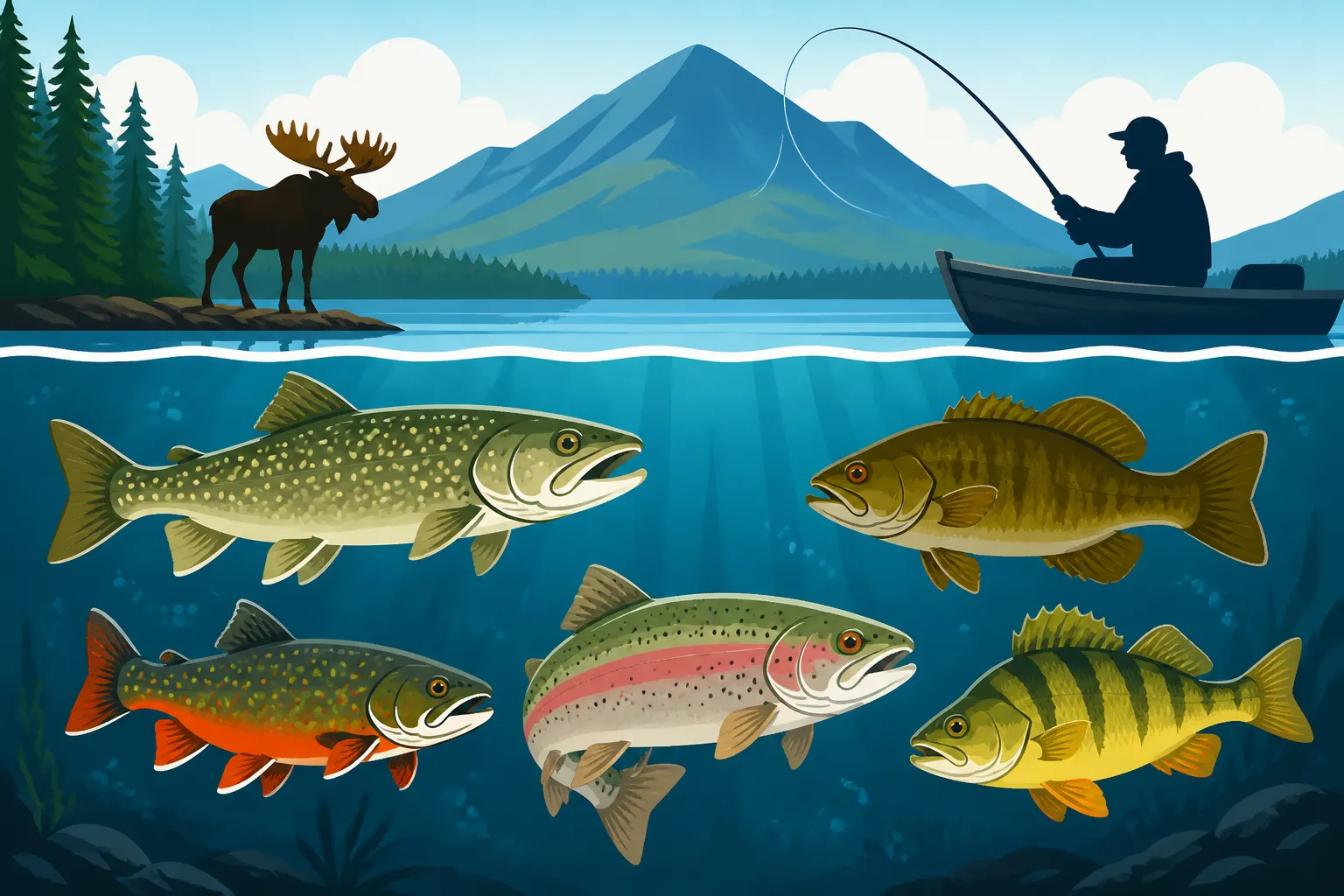
When you drop a line in Moosehead, you're primarily aiming for species that are either native and supplemented through stocking, or in some cases, introduced species that have found a comfortable home. The MDIFW focuses on cold-water species that thrive in Moosehead's deep, oxygen-rich waters. The big three that see consistent stocking efforts in Moosehead Lake are Landlocked Salmon, Brook Trout, and Lake Trout (often called "Togue" by locals). These species are not only popular with anglers but also form the backbone of the lake's recreational fishery, attracting visitors from all over who want to experience the thrill of catching these magnificent fish. Understanding which fish are stocked gives you a distinct advantage, as stocked fish often behave differently and can be found in different areas than their wild counterparts.
Diving Deep into Moosehead's Stocked Species
Let's get into the nitty-gritty of the fish that are stocked in Moosehead Lake. Each species has a specific role and is managed with particular goals in mind. Knowing these details can truly elevate your fishing game and help you appreciate the complex ecosystem you're engaging with.
Landlocked Salmon: The Prized Stocking Program
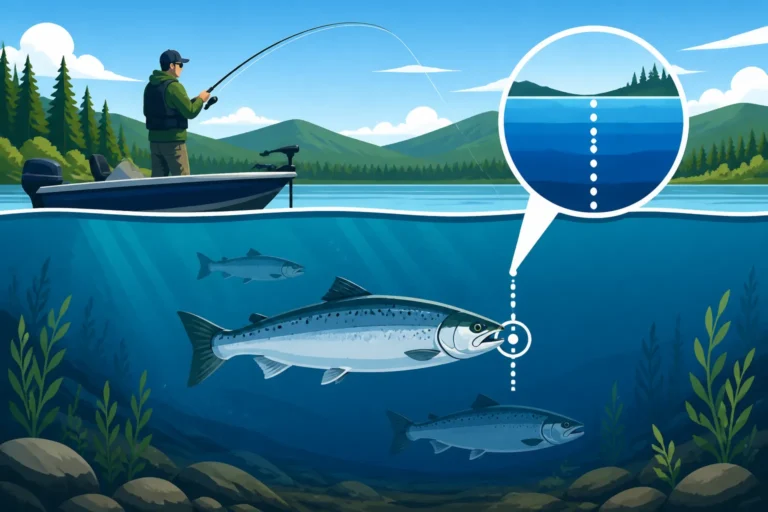
Landlocked Salmon are arguably the most iconic game fish in Moosehead Lake, and their population is heavily supported by stocking. These powerful, acrobatic fish are a huge draw for anglers, offering an exhilarating fight whether you're trolling or casting. The MDIFW typically stocks yearling salmon, which are usually around 6-8 inches long, giving them a head start in the lake's environment. These young salmon spend several years growing fat on Moosehead's abundant smelt populations before reaching maturity.
The stocking program aims to maintain a healthy population that can withstand fishing pressure and provide consistent catches. While some wild salmon do spawn in the tributaries of Moosehead, the sheer angling demand and natural mortality rates necessitate regular stocking to keep the fishery vibrant. You'll find these stocked salmon spreading throughout the lake, often following the smelt schools, especially during different seasons. If you're planning to target these beauties, understanding the Best Time of Year to Catch Landlocked Salmon in Maine can make all the difference, as their behavior changes significantly with water temperature. When you hook into a spirited salmon, it's often a direct result of these careful stocking efforts.
Brook Trout: Enhancing Native Populations
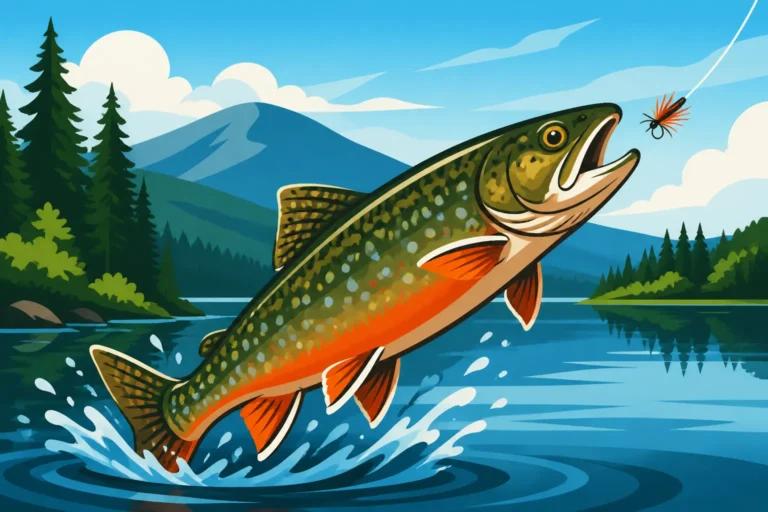
Brook Trout, Maine's official state fish, are another cornerstone of the Moosehead Lake fishery, and while there are healthy wild populations in many of the lake's feeder streams, stocking helps to enhance the lake's overall brook trout numbers. These beautiful, native char thrive in the cold, oxygenated waters, and the MDIFW often stocks what are called "fall fingerlings" or "yearlings" into Moosehead. These fish supplement the wild populations, providing more opportunities for anglers, especially in areas where natural reproduction might not be sufficient to meet demand.
The beauty of brook trout in Moosehead is that you can often find them in both the open lake and closer to the mouths of cold-water streams, particularly in spring and fall. They are incredibly popular for their striking colors and willingness to hit a variety of baits and lures. If you're keen on chasing these speckled gems, our guide on Brook Trout Fishing in Maine offers excellent insights into their habits and preferred habitats. Many anglers appreciate that even if they are catching stocked fish, the experience of reeling in a colorful brook trout against the backdrop of Moosehead's stunning wilderness is unmatched.
Lake Trout Togue: Strategic Stocking for Balance
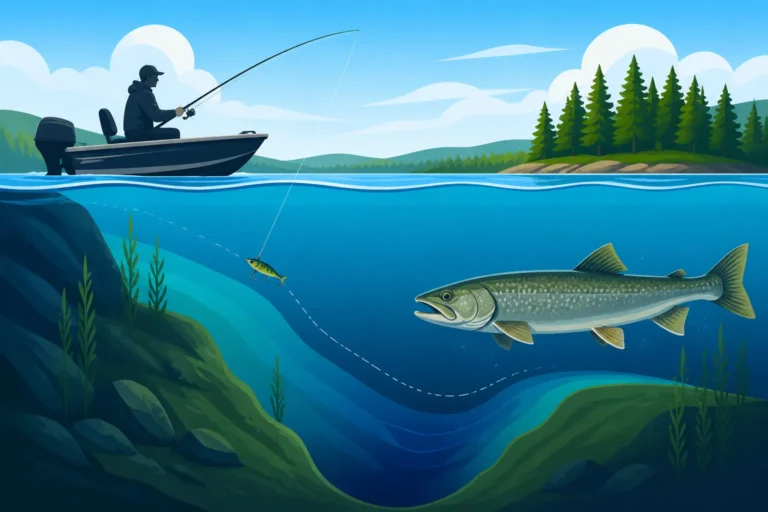
Lake Trout, locally and affectionately known as "Togue" in Maine, are also part of Moosehead Lake's stocking strategy, though perhaps not as extensively as salmon or brook trout. Togue are long-lived, deep-water predators that can grow to impressive sizes, making them a trophy fish for many anglers. The stocking of togue in Moosehead is often more about maintaining a healthy age structure and genetic diversity within the population rather than simply increasing numbers for harvest, though that's certainly a benefit for anglers.
Because togue are slower-growing and can live for many years, their stocking needs are different. Biologists carefully monitor the existing togue population to determine if supplemental stocking is needed, often focusing on specific size classes or genetic strains to ensure a robust and resilient fishery. When you're out on the lake, particularly in the deeper basins, you're likely to encounter these powerful fish. They prefer the cooler, deeper parts of the lake, especially as the summer progresses. Our detailed article on Lake Trout and Togue Fishing in Maine can give you all the tricks and tips you need to successfully target these deep-water giants. Hooking into a large togue that has spent years growing in Moosehead's depths is an unforgettable experience, often requiring specialized gear and techniques.
Here’s a quick overview of the main stocked species in Moosehead Lake:
| Species | Stocking Purpose | Typical Stocked Size | Primary Target Season | Preferred Habitat |
|---|---|---|---|---|
| Landlocked Salmon | Enhance recreational fishing, supplement wild | Yearlings (6-8 inches) | Spring, Summer, Fall | Open water, following smelt |
| Brook Trout | Supplement wild populations, increase angler opportunity | Fall Fingerlings, Yearlings | Spring, Fall | Near cold stream mouths, coves |
| Lake Trout (Togue) | Maintain population structure, genetic diversity | Yearlings to Juveniles | All seasons, especially winter | Deep basins, cold thermocline |
Beyond Stocking: Other Key Species and Ecosystem Health
While stocking plays a crucial role, it's important to remember that Moosehead Lake is a vast, natural ecosystem that supports a wide array of wild fish species. The stocked fish integrate into this existing web of life, and the overall health of the lake depends on much more than just what the MDIFW puts in.
Wild Populations Thriving Alongside Stocked Fish
Moosehead Lake is home to robust wild populations of many fish species, some of which are occasionally supplemented, and others that thrive entirely on their own. Beyond the stocked salmon, brook trout, and togue, you'll find healthy populations of Smallmouth Bass, especially in the shallower, rockier coves and bays. These feisty fighters provide incredible action throughout the summer. Yellow Perch and White Perch are also abundant and make for excellent table fare, often providing steady action for younger anglers or those looking for a delicious meal.
Chain Pickerel are another common resident, known for their aggressive strikes and sharp teeth. Even if you're targeting salmon, you might hook into a strong wild brook trout that has never seen a hatchery. These naturally reproducing fish are a testament to the pristine quality of Moosehead's waters and its surrounding watershed. The presence of these wild populations enriches the fishing experience, making every cast an exciting possibility. You never truly know what you'll encounter in this diverse fishery.
The Role of Forage Fish and Conservation Efforts
The success of Moosehead's game fish populations, both wild and stocked, is intrinsically linked to its forage base. Smelt are the primary food source for salmon and togue, and their abundance directly impacts the growth and health of these predators. MDIFW biologists also monitor smelt populations closely, as a decline in forage can have cascading effects throughout the food chain. Other baitfish like minnows and various insect larvae also contribute significantly to the diet of younger fish and smaller species.
Conservation efforts extend far beyond just stocking. They involve habitat protection in the lake's tributaries and shoreline, water quality monitoring, and adherence to Maine Fishing Regulations Explained. Anglers play a critical role in these efforts by following bag limits, respecting seasonal closures, and practicing catch-and-release, especially for larger, older fish that are important for breeding. Reputable outfitters and fishing guides, many of whom list their services on platforms like FishingBooker, often emphasize conservation practices and educate their clients on how to minimize their impact on this precious resource. It's a collective responsibility to ensure Moosehead remains a world-class fishing destination for generations to come.
Planning Your Trip to Moosehead: Maximizing Your Catch
Armed with knowledge about Moosehead's stocked species and general fishery, you're well on your way to a successful trip. But knowing what's there is just the beginning; you need a plan to find them!
Best Times and Techniques for Stocked Fish
Fishing Moosehead Lake, especially for stocked species, often involves specific tactics depending on the time of year.
- Spring (Ice-out to early June): This is prime time for Landlocked Salmon and Brook Trout. After ice-out, the water is cold throughout the lake, and fish are often found closer to the surface and near shore, gorging on smelt. Trolling with spoons like Mooselook Wobblers, DB Smelt, or streamer flies like a Grey Ghost or Black Ghost is highly effective. Fly anglers can find success near stream mouths where trout congregate.
- Summer (June to August): As surface waters warm, salmon and togue move to deeper, cooler sections of the lake. This is when deep trolling techniques come into play. Using downriggers, lead core line, or even copper line to present lures at depths of 20-60 feet (or more) is common. For brook trout, focus on areas with cold-water springs or early morning/late evening fishing near rocky shorelines. Smallmouth bass, however, will be very active in the warmer shallows.
- Fall (September to October): Cooling water temperatures bring salmon and brook trout back to shallower waters, often near spawning areas in tributaries. This is another excellent time for trolling and casting. The fish are often aggressive as they prepare for winter or their spawning runs. Check the Maine Fishing Season Dates Guide for specific opener and closure dates, as some waters may have special regulations.
- Winter (Ice fishing season): Ice fishing on Moosehead is a unique experience. Togue are a popular target, often jigged in deep water or caught on tip-ups. Landlocked salmon and brook trout are also caught through the ice, frequently suspending higher in the water column. You'll need to know How Many Lines Are Legal for Maine Ice Fishing? to stay compliant with regulations.
When it comes to Best Bait for Landlocked Salmon, live smelt are hard to beat, but shiners and various artificial lures also work well. Always check local regulations, as bait restrictions can vary.
Navigating Regulations and Resources
Before heading out, it's crucial to familiarize yourself with Maine's fishing regulations, which can be quite detailed for a lake like Moosehead. The MDIFW provides an annual law book that outlines general laws, special regulations for specific waters, and Maine Fish Bag Limits Guide. These rules are in place to protect the fishery and ensure sustainability.
You'll need a Maine Fishing License Guide, which you can conveniently purchase online through the MDIFW website, or from various local agents. To buy your license online, you'll want to visit Where to Buy a Maine Fishing License Online. If you're looking for guidance or want to increase your chances of success, consider Hiring a Maine Fishing Guide. Local guides know the lake intimately, understand fish patterns, and can provide invaluable insights into current conditions and successful techniques. Many excellent guides for the Moosehead region can be found and booked through platforms like FishingBooker, offering guided trips tailored to your experience level and target species. They can provide all the necessary gear and ensure you have a safe and enjoyable outing on the water.
Ultimately, Moosehead Lake offers an incredible fishing experience, made even better by the dedicated efforts of the MDIFW and a community of passionate anglers. Knowing what fish are stocked is just one more tool in your angler's toolbox, helping you to appreciate the lake's rich biodiversity and plan your next adventure with confidence.
Disclaimer
Please note that fishing regulations, stocking programs, and fish populations can change. Always consult the most current Maine Department of Inland Fisheries and Wildlife (MDIFW) regulations before planning any fishing trip to Moosehead Lake or any other body of water in Maine. This guide is for informational purposes only and does not constitute legal advice.