What Fish Are Stocked in Sebago Lake?
For anglers venturing onto Maine's beautiful Sebago Lake, it’s natural to wonder about the incredible fishery that awaits. Is it all wild, or does the state play a role in maintaining its bounty? This guide will demystify the stocking efforts in Sebago Lake, explaining exactly which fish species are regularly introduced and why these programs are absolutely essential for sustaining the world-class fishing experiences that draw so many of us to these waters. Understanding the blend of wild and stocked populations will enhance your appreciation for this magnificent lake and help you target its most sought-after residents.
The Main Stars of Sebago's Stocking Program
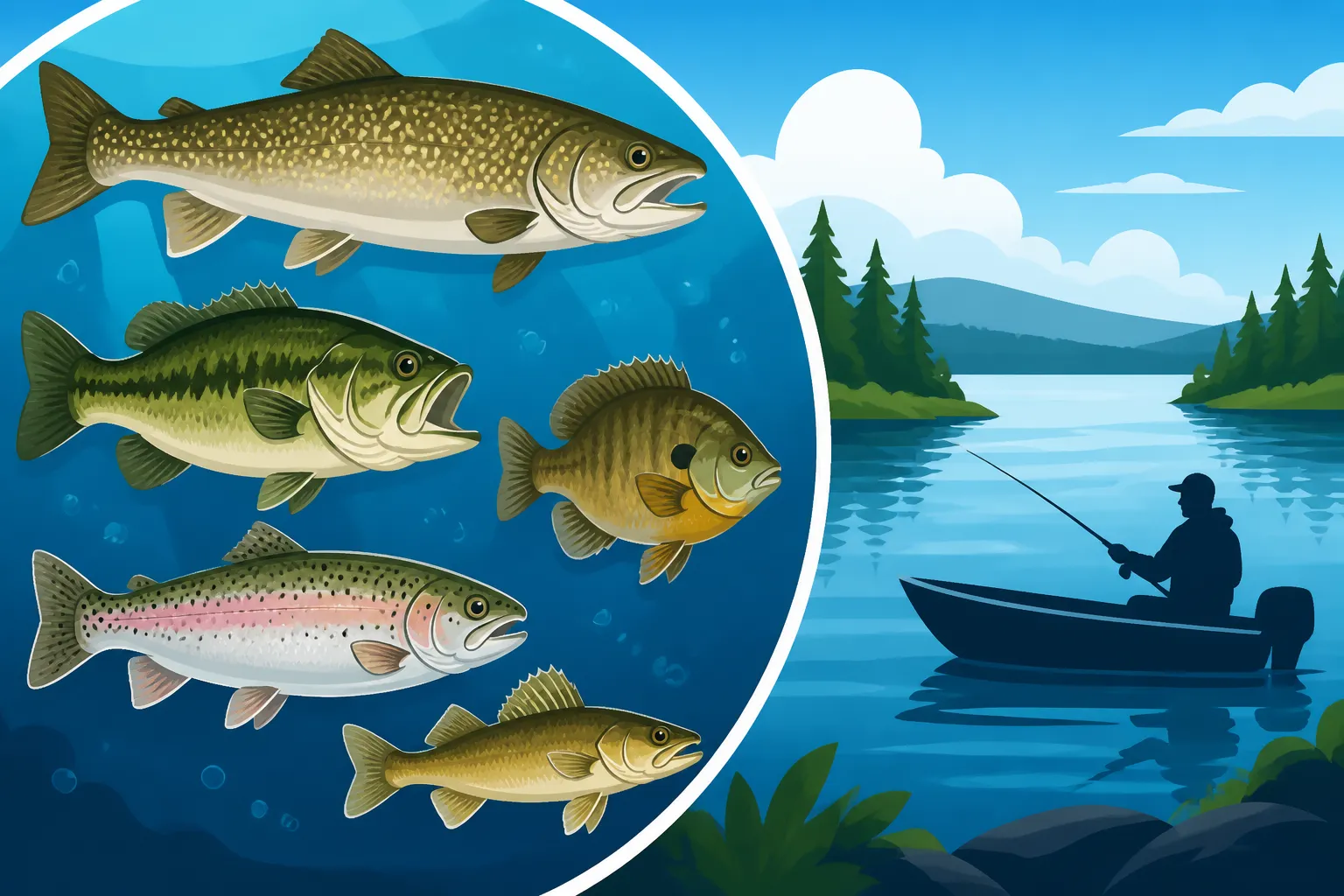
Sebago Lake is a gem, renowned not just for its immense size and stunning beauty, but for its thriving coldwater fishery. While many species flourish naturally, the Maine Department of Inland Fisheries and Wildlife (MDIFW) strategically stocks several key species to ensure robust populations and provide exceptional angling opportunities. These efforts are carefully managed to complement the lake's existing ecosystem, not overwhelm it.
Landlocked Salmon: A Premier Stocked Species
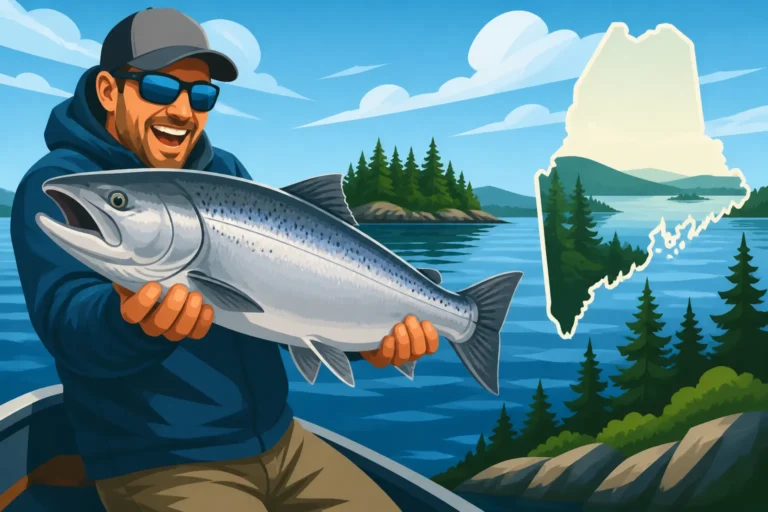
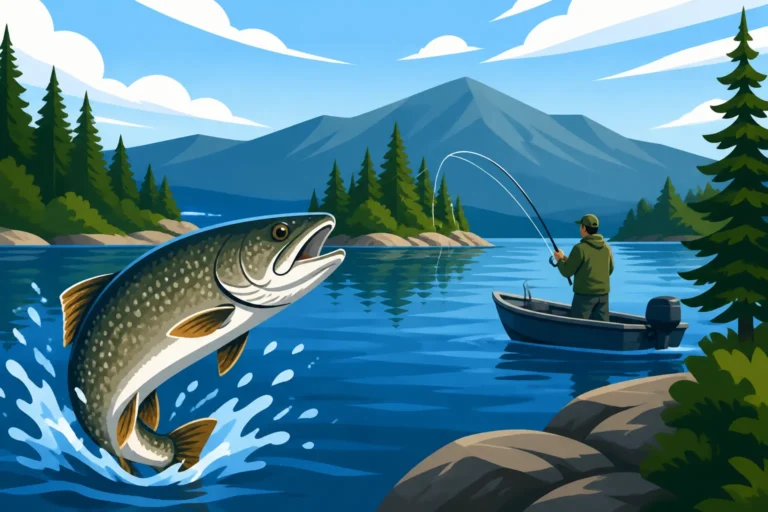
Without a doubt, Landlocked Salmon are the crown jewel of Sebago Lake's stocking program. These magnificent fish are a huge draw for anglers, known for their powerful fights and acrobatic leaps. The MDIFW has long recognized Sebago's potential to grow trophy-sized salmon, thanks to its deep, cold waters and abundant forage. While Sebago does have some wild salmon spawning habitat in its tributaries, the primary driver of its exceptional salmon fishery comes directly from hatchery-reared fish.
Each year, significant numbers of Landlocked Salmon are stocked as fingerlings or smolts, typically in the spring. These young fish quickly adapt to the lake's environment, finding ample food and growing rapidly. The goal isn't just to provide more fish, but to ensure a diverse age structure within the population, allowing anglers to catch both feisty younger salmon and impressive, mature specimens. Many dedicated anglers spend their entire season chasing these chrome-bright beauties, often by trolling deep or casting streamers in the spring. If you're looking to plan a trip around catching these magnificent creatures, understanding the Best Time of Year to Catch Landlocked Salmon in Maine can be a game-changer.
Lake Trout (Togue): Deep Water Residents
Another cornerstone of Sebago Lake's coldwater fishery, and a significant recipient of stocking efforts, is the Lake Trout, affectionately known as "Togue" in Maine. These deep-dwelling predators are perfectly suited to Sebago's vast, cold depths, where they find comfort and abundant food. Togue are known for their impressive size and powerful runs, making them a favorite target for anglers, especially during the colder months and through the ice.
The MDIFW stocks Togue to maintain a healthy population, ensuring that there are always plenty of these bottom-dwelling giants for anglers to pursue. Unlike salmon, Togue often hug the bottom, relying on their keen senses to ambush prey. Their presence adds a unique dimension to Sebago's fishery, offering a different kind of challenge for those who enjoy probing the deeper parts of the lake. Successful Togue fishing often involves specific Jigging Techniques for Togue or deep-water trolling with heavy gear. Many anglers even consult platforms like FishingBooker to find guides specializing in deep-water Sebago Togue trips, ensuring they have the right gear and knowledge to tackle these formidable fish.
Brook Trout: Native but Supported
While Sebago Lake itself is a bit large for extensive Brook Trout stocking directly into the main basin, the MDIFW does utilize stocking programs for brook trout in specific, suitable areas. This often includes smaller ponds and streams that feed into Sebago, or even certain coves and shallower areas within the lake that offer cooler water and more cover. Brook Trout are Maine's state fish and a native species, so these stocking efforts are often focused on enhancing existing populations, rehabilitating degraded habitats, or providing put-and-take opportunities where wild populations might struggle under fishing pressure.
These supplemental stockings help to diversify the fishing experience, offering anglers the chance to catch these beautiful, colorful fish in addition to the larger salmon and togue. Fly anglers, in particular, often seek out the tributaries and smaller connected waters around Sebago where brook trout thrive. Understanding the specific regulations for different water bodies is crucial, as the Maine Fishing Regulations Explained can vary greatly, especially for a large system like Sebago and its surrounding waters.
Beyond Stocking: Other Key Species and Ecosystem Health
While stocking efforts focus on specific species like Landlocked Salmon, Togue, and certain Brook Trout populations, Sebago Lake's overall health and incredible fishing diversity rely on a complex ecosystem of both wild and naturally reproducing fish. These species are just as important, if not more so, for the lake's ecological balance and the diverse angling opportunities it provides.
The Vital Role of Forage Fish: Smelt
When we talk about stocking, we often focus on the game fish, but the unsung heroes of Sebago Lake's ecosystem are its forage fish, especially the Rainbow Smelt. While not typically "stocked" in the same way as game fish – meaning, hatchery-raised smelt aren't usually dumped into the lake – their populations are meticulously monitored and managed. Smelt are the primary food source for Landlocked Salmon and Togue, essentially fueling the growth of those impressive, hard-fighting fish that anglers love to catch.
A robust smelt population is critical for a healthy salmonid fishery. If smelt numbers decline, game fish growth can slow, and overall fish health can suffer. The MDIFW carefully tracks smelt populations through surveys and angler reports to ensure a sustainable balance. During the spring, the Maine Smelt Run Timing is a much-anticipated event, not just for those looking to net a few for the frying pan, but because it signals the active period for the predators that feed on them. Anglers often keep an eye on smelt movements, as they are a strong indicator of where the larger game fish will be.
Thriving Wild Populations: Smallmouth Bass
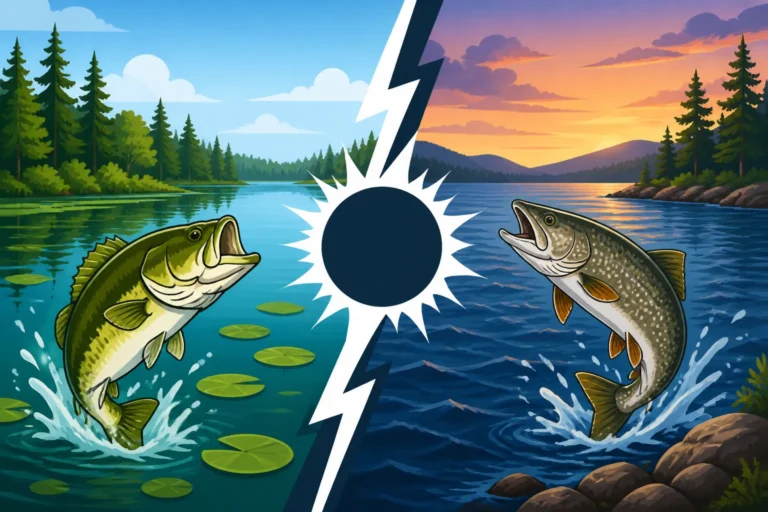
It's important to remember that not all popular game fish in Sebago Lake are stocked. Smallmouth Bass, for instance, are a vibrant, naturally reproducing population that absolutely thrives in Sebago's diverse habitat. These aggressive fighters are incredibly popular, especially among warmwater anglers, and are renowned for their strength and aerial acrobatics once hooked. Sebago Lake boasts a truly exceptional Smallmouth Bass fishery, attracting tournaments and casual anglers alike.
The lake's rocky shorelines, submerged structures, and ample food sources provide ideal conditions for smallmouth to reproduce and grow to impressive sizes. MDIFW focuses on managing these wild populations through creel limits and season regulations, ensuring their long-term health rather than direct stocking. If you're interested in targeting these native fighters, our guide on Sebago Lake Smallmouth Bass Fishing in Maine offers fantastic insights. Many anglers looking for a guaranteed bass bite use services like FishingBooker to connect with local guides who know the best spots and techniques for these powerful fish.
Other Naturally Occurring Species
Beyond the headliners, Sebago Lake is home to a host of other species that contribute to its rich biodiversity. These include Chain Pickerel, various perch species (Yellow and White Perch), and occasional Largemouth Bass in the shallower, weedier coves. These fish are not typically part of the state's stocking program for Sebago but are managed through general fishing laws and regulations. They add to the overall angling experience, providing targets for different skill levels and preferences. The presence of such a diverse array of fish, both wild and supplemented, is a testament to the health and productivity of this magnificent body of water, truly making it one of the Best Fishing Lakes in Maine.
The Why and How of Sebago Lake's Stocking Efforts
Understanding which fish are stocked is one thing, but knowing why and how these programs operate provides a deeper appreciation for the complex science and dedicated effort behind maintaining Sebago Lake's esteemed fishery. It’s not just about dumping fish in; it’s a strategic, long-term commitment.
Why Maine Stocks Sebago Lake
The reasons behind the MDIFW's stocking decisions for Sebago Lake are multifaceted, balancing ecological principles with recreational demand. One primary goal is enhancing recreational fishing opportunities. Sebago is a popular destination, and consistent stocking ensures that anglers have a good chance of success, which in turn supports local businesses and conservation efforts through license sales. Without stocking, the intense fishing pressure on species like Landlocked Salmon would quickly deplete their numbers, especially given their limited natural spawning success in certain areas.
Another crucial reason is ecological balance and species management. Stocking can help maintain a healthy predator-prey relationship. For example, by introducing a robust population of Landlocked Salmon, MDIFW ensures that a top predator is present to help manage forage fish populations and maintain overall ecosystem health. Stocking can also be a tool for restoring or supporting native populations that might be struggling due to habitat loss or environmental changes, as seen with efforts to support Brook Trout. Lastly, stocking helps to diversify the fishing experience, ensuring that Sebago offers something for every type of angler, from those seeking a trophy salmon to others simply enjoying the fight of a feisty togue.
How Stocking Programs Are Managed
The MDIFW's stocking program is a marvel of scientific management. It begins long before any fish hit the water, with biologists conducting extensive research on fish populations, water quality, and angler catch rates. They determine optimal stocking numbers, sizes, and locations based on these scientific assessments. The fish themselves are reared in state-of-the-art hatcheries, like the legendary Dry Mills Hatchery not far from Sebago, where they are meticulously cared for, fed high-quality diets, and monitored for disease.
Once ready, usually as fingerlings or smolts, they are transported and released into specific areas of Sebago Lake chosen to maximize their survival and growth. This could involve direct boat releases into open water or strategic placement in tributary streams. Post-stocking, the MDIFW continues to monitor the health and growth of these fish through netting surveys, creel censuses (asking anglers what they caught), and other research methods. This data then informs future stocking decisions, creating a continuous cycle of assessment, action, and improvement. It’s a testament to Maine’s commitment to its natural resources and ensuring that future generations can enjoy the incredible fishing Sebago Lake has to offer, much like the detailed planning that goes into a comprehensive Maine Fishing License Guide.
Maximizing Your Catch: Fishing for Sebago's Stocked Fish
Knowing what fish are stocked is the first step; the next is knowing how to catch them! Sebago Lake offers diverse opportunities, and tailoring your approach to the target species, especially the stocked ones, can significantly increase your success rate.
Targeting Landlocked Salmon
Landlocked Salmon in Sebago Lake are often found throughout the main basin, especially in areas with deep, cool water and proximity to smelt schools. During the early spring and late fall, they might be closer to the surface or near tributary mouths as they chase baitfish. As summer progresses, they retreat to the deeper, cooler parts of the lake.
Trolling is by far the most popular and effective method for catching Sebago salmon. Anglers use a variety of lures, including spoons like Mooselook Wobblers, DB Smelt, or streamer flies trolled behind lead core line, downriggers, or planer boards. Varying your speed and depth is key to finding active fish. Don't be afraid to experiment with colors and sizes. Early morning and late evening are prime times, especially during warmer months. Remember that a specific Sebago Lake Fishing Guide can offer even more localized insights into the best spots. For those new to the area, consulting platforms like FishingBooker can help you find experienced captains who know the lake inside and out and can put you on these magnificent fish.
Hooking Into Togue
Lake Trout (Togue) are deep-water specialists. While you might occasionally hook one while trolling for salmon shallower, the most consistent way to catch them involves getting your lure down into the depths, often 50-100 feet or more, depending on the season and water temperature. Jigging with heavy spoons or soft plastic baits tipped with a piece of bait (like a live smelt or strip of sucker meat) is highly effective, especially through the ice or when anchored over deep structure.
During open water season, deep-water trolling with downriggers or heavy lead core setups using large spoons or even live bait rigs is very productive. Togue often hold near underwater humps, drop-offs, and deep points. Electronics, like a good fish finder, are invaluable for locating these structures and spotting individual fish. These fish don't fight with the same acrobatic flair as salmon, but their sheer power and dogged resistance make for an exciting battle from the deep. Our comprehensive guide on Lake Trout and Togue Fishing in Maine provides even more detailed strategies.
Finding Brook Trout
For those seeking Brook Trout, the focus shifts slightly from the main, expansive lake. While some brookies might be found in cooler, shallower coves of Sebago, the best action for stocked and wild brook trout is often found in the streams and smaller ponds that connect to the lake. Fly fishing with dry flies, nymphs, or small streamers is a classic and highly effective method. Light spinning gear with small spinners (like Mepps or Panther Martins) or worms under a bobber can also yield excellent results.
Look for areas with good cover – fallen logs, overhanging vegetation, undercut banks, and gravelly bottom where insects might hatch. These fish prefer cooler, oxygenated water. Spring and fall are generally the best times to target them, as water temperatures are ideal. Always check the local regulations for specific streams, as they may have different season dates, bag limits, or tackle restrictions than the main lake, as detailed in the Maine Fish Bag Limits Guide.
To help you visualize the stocking efforts, here's a quick overview of Sebago Lake's key stocked game fish:
| Fish Species | Primary Reason for Stocking | Typical Stocking Size | Best Fishing Season for Species | Common Fishing Methods |
|---|---|---|---|---|
| Landlocked Salmon | Enhance recreation, manage forage | Fingerling/Smolt | Spring, Fall, Early Summer | Trolling, Casting |
| Lake Trout (Togue) | Enhance recreation, utilize deep water | Fingerling/Juvenile | Winter (Ice), Summer (Deep) | Jigging, Deep Trolling |
| Brook Trout | Enhance local recreation, habitat support | Fingerling/Adult | Spring, Fall | Fly Fishing, Spin Casting |
Whether you're after the powerful pull of a Landlocked Salmon, the deep-water challenge of a Togue, or the vibrant beauty of a Brook Trout, Sebago Lake offers incredible opportunities thanks to both its natural bounty and the thoughtful management of its stocking programs. Don't forget your Maine Fishing License Costs Guide before heading out!
Disclaimer
The information provided in this guide is for general informational purposes only and is subject to change. Fishing regulations, stocking programs, and fish populations can vary. Always consult the most current regulations published by the Maine Department of Inland Fisheries and Wildlife (MDIFW) before planning any fishing trip. While efforts are made to ensure accuracy, we cannot guarantee the absence of errors.