Best Ice Fishing Lakes Near Portland
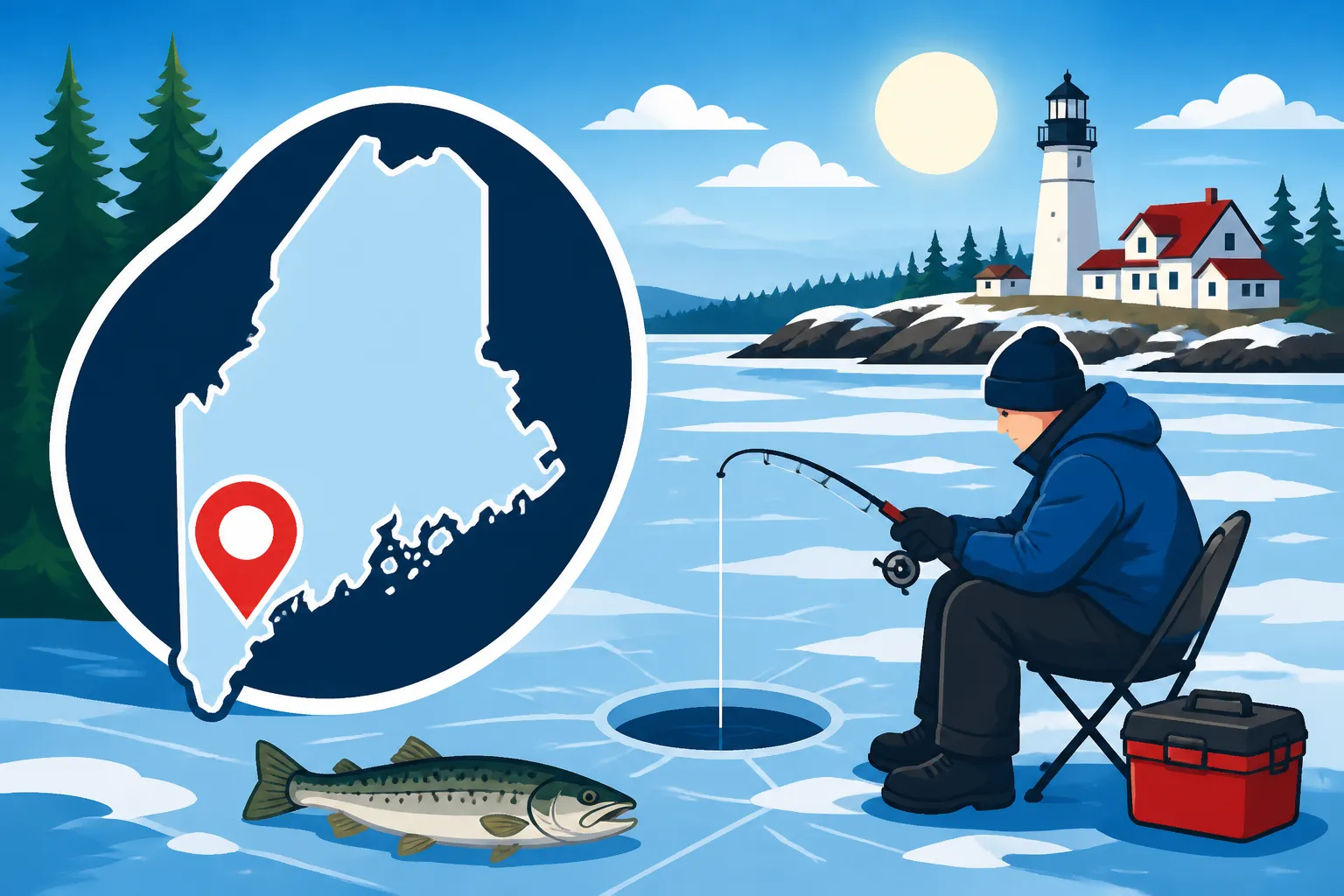
Venturing out onto the hard water near a bustling city like Portland, Maine, can feel a bit daunting. You want to experience that quintessential Maine ice fishing thrill – the crisp air, the anticipation of a flag flying, the camaraderie – but figuring out where to go for safe ice and good fishing, and what to expect, can be a real head-scratcher. This guide is here to cut through the confusion, helping you discover the best ice fishing lakes just a stone's throw from Portland and equipping you with the knowledge to make your outing both successful and safe.
Why Portland is a Prime Base for Ice Fishing Adventures
Portland might be known for its vibrant food scene, historic waterfront, and craft breweries, but it's also a surprisingly fantastic jumping-off point for some incredible ice fishing experiences. The sheer number and diversity of lakes and ponds within an hour's drive mean that anglers have a wealth of options, whether they're after trophy salmon, feisty bass, or a mess of perch for the pan. The convenience of the city's amenities, from tackle shops to warm lodging, makes it an ideal spot to base your winter angling escapade.
Accessibility to Diverse Waterbodies
One of the biggest advantages of ice fishing near Portland is the incredible variety of waterbodies accessible. You’re not limited to one type of fishing experience. Within a short drive, you can find massive, deep lakes holding cold-water species, smaller ponds teeming with panfish, and even some unique waters managed for specific trout or bass populations. This diversity means that no matter your skill level or target species, there’s likely a perfect spot waiting for you.
Imagine waking up in Portland, grabbing a hearty breakfast, and being on the ice of a sprawling lake like Sebago within 45 minutes, chasing landlocked salmon. Or perhaps you prefer a more laid-back day on a smaller pond, targeting brook trout. The options are truly endless, and the relatively short travel times mean you can maximize your time on the ice rather than in the car. It’s this blend of urban convenience and wilderness access that sets the Portland area apart for winter anglers.
Local Resources and Expertise
Being close to a city also means access to a fantastic network of local resources. Bait and tackle shops are plentiful, offering not just gear but invaluable, up-to-the-minute ice condition reports and local tips. These spots, often family-run for generations, are goldmines of information that you just can't get from an app or website alone. They know which lakes are safe, what bait is working, and where the fish have been biting.
Furthermore, if you're new to ice fishing or want to explore a new lake, there's a strong community of experienced anglers and Maine Ice Fishing Guides available. These professionals can provide everything from gear to instruction, ensuring a safe and productive day on the ice. Platforms like FishingBooker can connect you with local guides who specialize in the area's top ice fishing spots, taking the guesswork out of your trip. Having these resources at your fingertips can transform a potentially frustrating outing into a memorable success.
Top Ice Fishing Lakes within Easy Reach of Portland
When the ice gets thick enough, a whole new world of fishing opens up on the lakes around Portland. While conditions vary year to year, there are a few perennial favorites that anglers flock to for their diverse fisheries and proximity to the city.
Sebago Lake
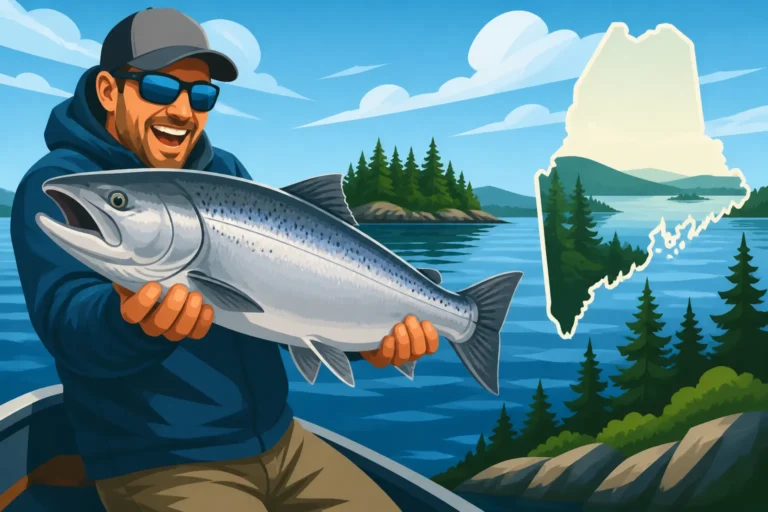
Sebago Lake is arguably the crown jewel of southern Maine's fishing scene, and it truly shines during the hard water season. Just a short drive from Portland, this massive, deep lake offers world-class opportunities for cold-water species. It's known globally for its landlocked salmon, which grow to impressive sizes here, alongside healthy populations of lake trout (togue), brook trout, and robust smallmouth and largemouth bass.
Ice fishing on Sebago is an experience in itself. Due to its sheer size and depth, it often freezes later than smaller lakes and can be prone to pressure ridges and thinner spots, so always exercise extreme caution and check local reports. Anglers here typically target salmon and togue by jigging or Setting Up Tip-Ups for Ice Fishing with live bait. Early morning and late afternoon are prime times for salmon, often found suspended in the water column or cruising near structure. Many ice shacks dot the landscape, creating a vibrant winter village, especially near popular access points like Raymond Cape or the Standish end. If you’re looking for a chance at a true trophy, Sebago is the place. Remember to review the specific Maine Fishing Season Dates Guide and Maine Landlocked Salmon Bag Limits before you head out.
Long Lake
Another fantastic option just north of Sebago, Long Lake stretches from Naples up to Harrison, offering a different but equally rewarding ice fishing experience. This long, narrow lake is shallower than Sebago in many parts, making for earlier and more consistent ice cover in some areas. Long Lake is renowned for its diverse fishery, boasting excellent populations of landlocked salmon, lake trout (togue), brook trout, brown trout, and a variety of warm-water species like smallmouth bass, largemouth bass, and perch.
Anglers often find success targeting salmon and trout by jigging small spoons or using baitfish on tip-ups, especially around rocky points, drop-offs, and shallower coves that lead to deeper water. The lake's varied structure provides ample habitat for all these species, meaning you could be reeling in anything from a hard-fighting salmon to a stringer of plump perch. Access is generally good, with several public boat launches that convert to ice access points in winter. Its more manageable size compared to Sebago can make it a bit less intimidating for those newer to large lake ice fishing.
Highland Lake
For those looking for a slightly smaller, more intimate ice fishing experience with fantastic brook trout and brown trout action, Highland Lake in Windham and Bridgton is an excellent choice. This lake is easily accessible from Portland and is known for its consistent stocking programs, leading to good numbers of healthy trout. While not as deep as Sebago or Long Lake, it offers exciting opportunities, especially during early and late ice periods.
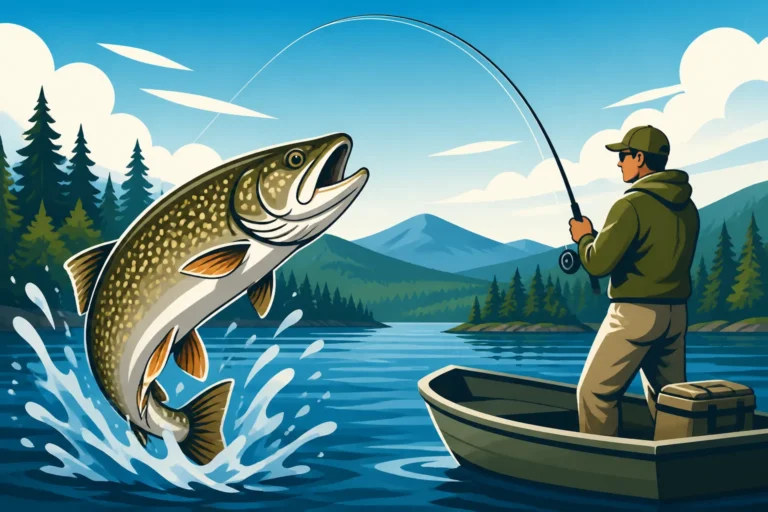
Targeting brook trout and brown trout here often involves using small jigs tipped with bait, or traditional tip-ups set with shiners or small suckers. The trout tend to cruise shallower areas, especially around inlets and outlets, and along weed lines where they can ambush baitfish. Don't be surprised to also hook into some quality smallmouth bass, which are plentiful in Highland Lake and offer a surprisingly strong fight through the ice. It’s a great lake for families or those who prefer less vast waters to navigate, providing plenty of action and a beautiful winter backdrop. Always consult the Maine Brook Trout Daily Bag Limits for the most current regulations.
Understanding Ice Safety and Conditions
The thrill of ice fishing is undeniable, but it comes with a critical caveat: safety. Maine winters can be unpredictable, and ice conditions can change rapidly. Knowing how to assess ice thickness and understand potential hazards is paramount to a safe and enjoyable trip. Never take chances on questionable ice – no fish is worth the risk.
Assessing Ice Thickness and Quality
The golden rule of ice fishing is "when in doubt, don't go out." General guidelines suggest a minimum of 4 inches of clear, solid ice for individual foot travel, 5-7 inches for snowmobiles or ATVs, and 8-12 inches for cars or small trucks. However, these are minimums, and the quality of the ice is just as important as its thickness. New, clear ice formed during a cold snap is much stronger than cloudy, "rotten" ice that has gone through freeze-thaw cycles or has been weakened by springs or currents.
Always check the ice as you go, especially on larger lakes like Sebago, which can have varying conditions across its surface. Use an ice chisel or auger to test thickness every few yards, particularly near shore, around inlets/outlets, and over known currents. Pay attention to changes in ice color – dark ice is usually stronger, while white or opaque ice often indicates trapped air or snow, making it weaker. Snow cover can also act as an insulator, preventing ice from thickening, or it can mask dangerous thin spots. Remember, safety should always be your top priority, and checking local reports and having appropriate safety gear, as discussed in Early Ice Safety Tips for Maine Anglers, is non-negotiable.
Recognizing Common Ice Hazards
Beyond thin ice, several other hazards can quickly turn a fun day into a dangerous situation. Pressure ridges are common on larger lakes where ice expands and contracts, causing massive cracks and upheavals. These can be impassable or, worse, create areas of dangerously thin ice or open water. Always give them a wide berth. Inlets and outlets of rivers or streams also create currents that prevent ice from forming uniformly or can erode it from below.
Springs on the bottom of a lake can create persistent thin spots, often undetectable from the surface. Be wary of areas with abnormally green or murky ice, which could indicate a spring. When ice fishing in groups, spread out to distribute weight and avoid congregating in one small area. Carry safety equipment like ice picks (worn around your neck), a throw rope, and a spare change of warm, dry clothes in a waterproof bag. A fully charged phone is also essential. Remember that no ice is 100% safe, and constant vigilance is required.
Essential Gear for Portland Area Ice Fishing
Heading out onto the hard water requires more than just a rod and reel. The right gear not only makes your trip more comfortable but, crucially, keeps you safe in Maine's winter elements. Don't underestimate the importance of proper preparation.
Appropriate Clothing and Footwear
Maine winters are no joke, and temperatures on the ice can feel even colder due to wind chill. Layering is key: start with a moisture-wicking base layer, add insulating middle layers (fleece, down), and top it with a waterproof and windproof outer shell. Insulated bibs and a heavy winter jacket are essential. Many experienced ice anglers opt for specialized flotation suits like those from Striker or Eskimo, which offer warmth, waterproofing, and an added layer of safety in case of an accidental plunge.
For your feet, heavily insulated, waterproof boots are non-negotiable. Muck Boots or Sorel are popular choices, often rated for extreme cold. Pair them with warm wool or synthetic socks to keep your toes toasty. Don't forget warm gloves or mittens, and a good hat that covers your ears. Remember that standing or sitting still on the ice for extended periods makes you much more susceptible to the cold, so overdress rather than underdress.
Ice Fishing Specific Equipment
Beyond clothing, you'll need specialized gear for the actual act of fishing through the ice. An ice auger, either hand-powered, battery-powered (like those from Ion or Strikemaster), or gas-powered, is necessary to drill holes. A quality auger makes quick work of thick ice and conserves your energy. You'll also need ice fishing rods – short, stiff rods designed for jigging, or longer, more flexible rods for tip-ups. A variety of lures, jigs, and bait (shiners, smelts, worms) are essential depending on your target species. For a full breakdown on line limits, check out Maine Ice Fishing Line Limits.
Other critical items include an ice scoop to clear slush from your holes, a sled to transport your gear, a five-gallon bucket (doubles as a seat and a place to put your fish), and a depth finder or flasher (like a Humminbird or Vexilar) to locate fish and structure beneath the ice. A portable shelter, such as those made by Clam or Frabill, offers protection from the wind and can significantly extend your time on the ice, especially during colder days. For serious anglers, a portable heater can turn a chilly day into a comfortable one.
| Lake | Distance from Portland (Approx.) | Primary Target Species | Typical Ice-Out Period | Notable Features |
|---|---|---|---|---|
| Sebago Lake | 30-45 minutes | Landlocked Salmon, Togue, Bass | Late March – Mid-April | Deep, large lake; trophy salmon opportunities |
| Long Lake | 45-60 minutes | Salmon, Togue, Bass, Perch | Mid-March – Early April | Long and narrow; diverse fishery, varied depths |
| Highland Lake | 30-40 minutes | Brook Trout, Brown Trout, Bass | Mid-March – Late March | Stocked trout, good bass action, smaller, intimate |
Target Species and Effective Techniques
The beauty of ice fishing near Portland is the variety of fish you can pursue. Each species requires a slightly different approach, both in terms of location and presentation.
Salmon and Togue Tactics
Landlocked salmon and lake trout (togue) are often the top prizes for anglers braving the cold on larger lakes like Sebago and Long Lake. These cold-water predators typically hold in deeper sections of the lake, often suspended in the water column or cruising along underwater structure like humps, points, and sudden depth changes.
For salmon, a common strategy is to use tip-ups set with live smelt or shiners, strategically placed at varying depths from just under the ice down to 20-30 feet, especially around dawn and dusk. Jigging with small, flashy spoons (like Swedish Pimples or Kastmasters) tipped with a small piece of bait (a grub or a bit of cut fish) can also be highly effective. The key is to keep your offering moving, mimicking a wounded baitfish. For togue, which tend to be more bottom-oriented, larger live bait or heavier jigs and spoons fished closer to the lakebed in 30-80+ feet of water often yield results. They are often less active than salmon, so a slower, more methodical jigging retrieve can be best. Remember to understand Maine Togue and Lake Trout Limits and other regulations for these species.
Bass and Panfish Strategies
While salmon and togue steal the spotlight, the bass (smallmouth and largemouth) and various panfish (perch, crappie, sunfish) offer fantastic ice fishing opportunities and are often easier to locate, especially for beginners or those seeking consistent action. These species prefer shallower water, often congregating around weed beds, submerged timber, and rocky structures in 5-25 feet of water.
For smallmouth and largemouth bass, aggressive jigging with spoons, blade baits, or soft plastics (like tubes or small swimbaits) can trigger strikes. They are notorious for hitting hard, even in cold water. Using tip-ups with medium shiners can also be very productive for bass. Panfish, on the other hand, are often found in large schools. Using tiny tungsten jigs tipped with wax worms, spikes, or small plastic baits, fished near the bottom or suspended just above it, can lead to fast and furious action. A sensitive ice rod with light line is crucial for detecting their subtle bites. These species are also excellent table fare, making them a popular target for a delicious winter meal. If you're looking for Best Bait for Maine Ice Fishing, live bait is almost always king for bass and panfish.
Finding Local Knowledge and Resources
Even with a detailed guide, local knowledge is an invaluable asset when venturing onto new ice. Tapping into the local community and available resources can significantly improve your safety and success.
Connecting with Bait Shops and Local Anglers
Your local bait and tackle shops are often the best sources of up-to-the-minute information. Shops like Kittery Trading Post or Cabela's in Scarborough, while larger, still have knowledgeable staff. Even better, seek out smaller, independent shops closer to your chosen lake. These places thrive on local anglers and will often have current reports on ice thickness, recent catches, and which baits are performing best. They can tell you exactly where public access points are and any current hot spots or warnings. Don't be shy about asking questions; most local shop owners love to share their passion and expertise.
Beyond shops, engaging with other anglers on the ice can be incredibly helpful. Most ice fishers are friendly and willing to share tips, especially if you approach them respectfully. Online forums and local social media groups dedicated to Maine fishing are also excellent resources for real-time updates and discussions. Just remember that what works one day might not work the next, and conditions can change quickly.
Hiring a Registered Maine Guide
For those new to ice fishing, or new to a particular lake, Hiring a Maine Fishing Guide is an investment that pays dividends in safety, knowledge, and increased chances of success. A Registered Maine Guide specializing in ice fishing will not only know the best spots on the lake but also understand the nuances of ice safety, local regulations, and effective techniques for target species. They provide all the necessary gear, including augers, tip-ups, jigs, and often a heated shelter, taking all the guesswork and heavy lifting out of your trip.
A guide can teach you proper techniques, identify fish on a flasher, and make sure you’re complying with all Maine Fishing Regulations Explained. This is especially beneficial for lakes like Sebago, where navigating its vastness and complex regulations can be challenging. Many guides offer half-day or full-day trips tailored to your experience level and desired species. Websites like FishingBooker are an excellent resource for finding and booking reputable local guides who can make your Portland area ice fishing adventure unforgettable. Before heading out, make sure you have your How to Get a Maine Fishing License in order.
Disclaimer
Fishing conditions and regulations in Maine can change rapidly. Always consult the most current Maine Department of Inland Fisheries and Wildlife (MDIFW) regulations before heading out on the ice. Ice safety is paramount; never assume ice is safe. Check conditions frequently and prioritize your safety above all else. This guide is for informational purposes only and does not guarantee fishing success or ice safety.