Sebago Lake Landlocked Salmon Run
The majestic waters of Sebago Lake hold a special allure for anglers, but trying to understand the nuances of the landlocked salmon run can feel like cracking a secret code. Many folks arrive eager to experience the thrill of these powerful fish, only to be bewildered by shifting patterns and elusive catches. This comprehensive guide will unravel the mysteries of the Sebago Lake landlocked salmon run, offering insights into their behavior, the best times to fish, and proven tactics to boost your chances of a successful and memorable day on the water.
Understanding the Sebago Lake Landlocked Salmon Run
When we talk about the "salmon run" on Sebago Lake, it’s not quite the same picture as the iconic anadromous salmon runs you might imagine, where fish migrate from the ocean up rivers to spawn. Sebago Lake is a landlocked fishery, meaning these salmon complete their entire life cycle within the freshwater system. So, what exactly is happening when anglers refer to the "run"? It's a seasonal phenomenon, largely driven by water temperature and the availability of their primary food source: smelt.
What Exactly is the "Salmon Run" on Sebago?
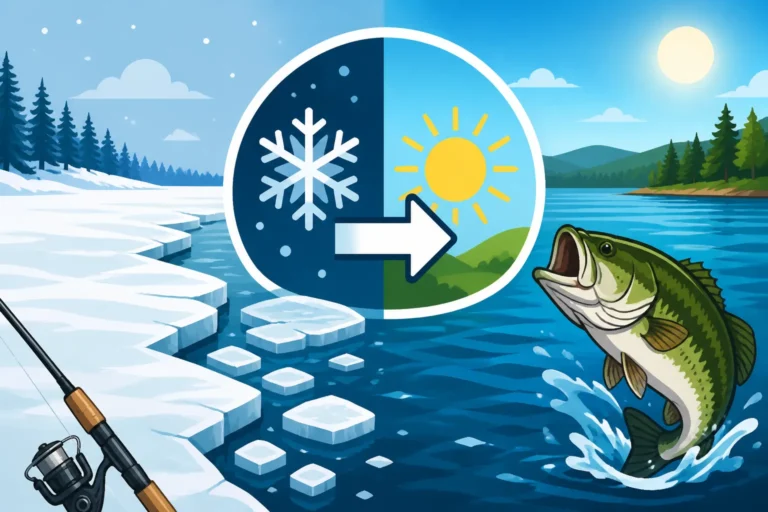
For Sebago Lake's landlocked salmon, the "run" refers primarily to their movement into shallower, more accessible waters in the spring and, to a lesser extent, a fall pre-spawn movement. Unlike their Atlantic salmon cousins that migrate from the sea, Sebago's landlocked salmon are always in the lake. As the ice recedes and the surface waters begin to warm in spring, smelt, which are the main forage fish for salmon, move into these shallower areas to spawn. This draws the salmon right behind them. The cooler, oxygen-rich waters of spring allow salmon to be much more active and feed aggressively in these shallower depths, making them more vulnerable to anglers. This is the period most often associated with the famed Sebago Lake salmon run, offering fantastic opportunities for trolling or even casting from shore in specific spots.
Later in the year, usually in late September or October, there's another, often less prominent, movement as mature salmon begin to stage for spawning. They'll seek out suitable gravel beds in tributary streams or along certain lake shorelines. While this isn't usually referred to as the "run" in the same way the spring activity is, it does present another unique fishing opportunity. However, the sheer abundance and aggressive feeding of salmon following smelt in the spring make that period the true highlight for many Sebago anglers.
Key Environmental Factors Influencing the Run
Understanding the delicate balance of environmental factors on Sebago Lake is crucial to predicting where and when you'll find landlocked salmon. These fish are incredibly sensitive to their surroundings, and even subtle changes can dictate their behavior and location. Water temperature is arguably the most critical factor, often overriding all others. Landlocked salmon thrive in cool, well-oxygenated water, ideally between 45 and 60 degrees Fahrenheit.
As the ice melts in early spring, the entire lake is relatively cool, allowing salmon to roam freely in the upper water column. But as the sun intensifies and air temperatures rise, the surface waters begin to warm significantly. This creates a thermal stratification where a distinct layer of warm water sits atop colder, deeper water—known as the thermocline. Salmon will typically orient themselves along or just below this thermocline, seeking out the optimal temperature and oxygen levels. The depth of this thermocline changes throughout the season and varies by location, so paying attention to water temperature and structure (like ledges, drop-offs, and points) is key. The presence and movement of baitfish, primarily smelt, are also paramount. Salmon will follow their food source, so if you can locate schools of smelt, you're likely to find salmon nearby. Wind direction, sunlight, and even barometric pressure can also play roles, influencing how active salmon are and what depths they prefer. Knowing that Sebago is a deep, cold-water lake allows it to sustain these salmon, but also means finding them often requires precise knowledge of these ecological factors.
Timing Your Trip: When to Target the Sebago Salmon Run
The magic of the Sebago Lake landlocked salmon run lies in its seasonality. There's a distinct window when these fish are most active and accessible, driven by the lake's natural rhythms. Missing this timing can mean the difference between an incredible day and a frustrating search.
Early Spring to Pre-Summer: The Prime Window
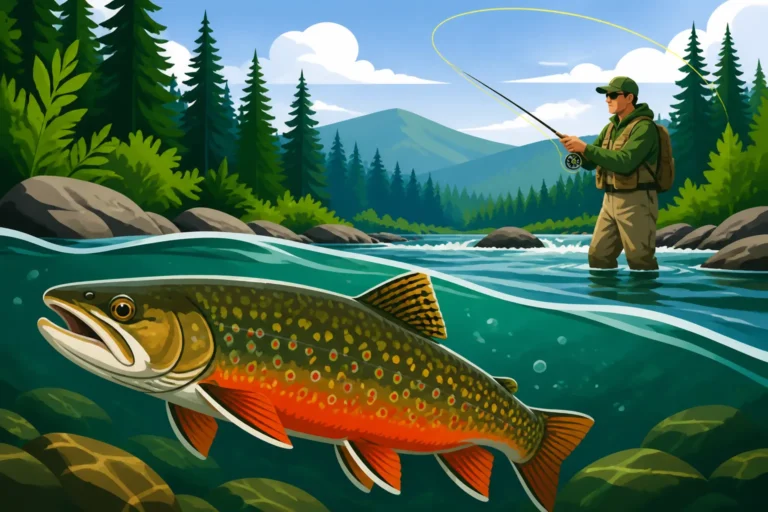
For most Sebago Lake regulars, the absolute prime time to target the landlocked salmon run is from ice-out, usually around mid-April, through late May or early June. This is when the lake's surface temperatures are ideal, and the smelt are moving into shallower areas to spawn. You'll find salmon cruising the upper water column, often just below the surface, actively feeding on these concentrations of baitfish. Many anglers report fantastic success trolling within the top 10 to 20 feet of water during this period, especially in the early mornings and late evenings.
As spring progresses into early summer, the water column starts to stratify. The surface continues to warm, pushing the salmon slightly deeper, but they remain relatively accessible. This transition period, typically through June, still offers excellent fishing, although you might need to adjust your trolling depths to 20-40 feet. This "run" period is when the fish are most concentrated and aggressive, making it the most popular time for those looking to experience the thrill of a hard-fighting Sebago salmon. For a more detailed look at the general fishing calendar, check out our Maine Fishing Season Dates Guide.
Summer Strategies: Deep Water Pursuit
Once July rolls around and the summer sun really heats up Sebago Lake, the dynamics of salmon fishing change dramatically. The shallower waters become too warm for landlocked salmon, which are cold-water species. They retreat to the cooler, oxygen-rich depths of the lake, often congregating around the thermocline, which can be 40 to 80 feet deep or even deeper in some areas. This doesn't mean the fishing stops, but it certainly requires a shift in tactics.
Gone are the days of shallow-water trolling with simple setups. Summer salmon fishing on Sebago typically demands specialized gear like downriggers, lead core line, or copper line to get your lures down to the exact depth where the fish are holding. You'll be looking for structure like deep ledges, submerged islands, and steep drop-offs, as well as actively searching for baitfish schools in deeper water using your fish finder. While catching a summer salmon from the depths can be incredibly rewarding, it often involves more patience and precision than the springtime run. Don't be discouraged if you're visiting in summer; the fish are still there, just playing a bit harder to get! For more specific advice on targeting these fish, our guide on Best Time of Year to Catch Landlocked Salmon in Maine offers additional insights.
Essential Gear and Tactics for Sebago Salmon
Successfully targeting landlocked salmon on Sebago Lake requires more than just a lucky cast; it demands the right equipment and a thoughtful approach to technique. These fish are powerful and can be particular, so having your gear dialed in can make all the difference.
Rods, Reels, and Line Choices
When it comes to Sebago Lake landlocked salmon, having the right rod, reel, and line is paramount, especially when trolling during the "run." For spring trolling, a light to medium-action rod, typically 7 to 8.5 feet long, is ideal. This length allows for good lure presentation and enough backbone to handle a strong salmon, while still offering the sensitivity to detect subtle bites. Many anglers opt for specialized trolling rods, often fiberglass or a composite, designed to handle the constant drag of lures and potential surges from hooked fish.
Matching your rod with a reliable reel is just as important. A good quality spinning reel or a smaller baitcasting reel with a smooth drag system is essential. When a salmon decides to run, you want that drag to be consistent and prevent line breakage. As for line, many seasoned Sebago anglers swear by a monofilament main line (8-12 lb test) for its stretch, which acts as a shock absorber. However, in recent years, braided lines (10-20 lb test) are gaining popularity for their zero-stretch sensitivity, often paired with a fluorocarbon leader (6-10 lb test) for its invisibility underwater. For deeper presentations, especially later in the season, systems like lead core line (which changes depth based on color segments) or even thin copper line are crucial for getting lures down to where the salmon are holding. These specialized lines require specific reels designed to handle their larger diameter and weight. You really need to consider what depth you'll be fishing most to choose the optimal setup.
Baits and Lures That Get Results
Landlocked salmon on Sebago Lake are primarily piscivores, meaning they eat other fish, with smelt being their absolute favorite. Therefore, your bait and lure choices should mimic these silvery forage fish. During the spring run, live bait can be incredibly effective. Small, lively smelt or shiners, fished on a plain hook or small jighead, are often irresistible. However, be sure to check current regulations regarding the use of live bait, as rules can change and specific baitfish may be prohibited in certain waters to prevent the spread of invasive species.
When it comes to artificial lures, spoons are king. Classic trolling spoons like the Mooselook Wobbler, Sutton, or DB Smelt in silver, blue, green, or gold finishes are perennial favorites. Sizes typically range from 2 to 3.5 inches. These spoons have an erratic, wounded-baitfish action that salmon can't resist. Stickbaits, such as Rapala Original Floaters or Yo-Zuri Crystal Minnows, also work wonders, especially in shallow water or when cast to rising fish. Fly anglers often have great success trolling traditional streamer patterns like the Gray Ghost, Barnes Special, or Supervisor, which are all designed to imitate smelt. Color choice can be critical; bright colors tend to work well on cloudy days or in stained water, while more natural, subtle patterns are better for bright sunny days and clear water. Experimentation is key, but always start with lures that accurately imitate the size and flash of a Sebago smelt.
Navigating Sebago Lake's Hotspots and Challenges
Sebago Lake is a massive body of water, over 45 square miles in surface area, making it Maine's deepest and second-largest lake. Just heading out and hoping for the best can be a daunting and often unproductive endeavor. Knowing where the salmon tend to congregate during their run and understanding the lake's unique challenges are vital for a successful trip. Our Sebago Lake Fishing Guide provides a broader overview of the lake, but here we focus on salmon.
Prime Locations on Sebago for Salmon
During the spring landlocked salmon run on Sebago Lake, certain areas consistently produce better results as the salmon follow the smelt. The vast, open expanses around Frye Island are perennial favorites. The island's structure, including numerous points and varying depths, creates excellent holding areas for baitfish, and consequently, salmon. Anglers often focus on the edges of the island, particularly the northern and eastern shores, trolling in depths of 10 to 30 feet shortly after ice-out.
Another hotspot is the area around words near the town of Raymond, particularly the eastern shorelines and any emergent structure or points that attract spawning smelt. Jordan Bay, while shallower in some areas, also has deeper channels and connections that can hold active salmon. Look for deep holes, pronounced drop-offs, and anywhere you can mark large schools of baitfish on your sonar. Later in the spring, as the surface water warms, salmon will begin to move towards the deeper, cooler water around the main lake basin, often staging at the edges of the thermocline. Public boat launches, such as those at Raymond or the State Park, offer convenient access, but always be mindful of boat traffic, especially during peak season. Don't be afraid to use a reputable service like FishingBooker to connect with a local guide who knows these specific Sebago Lake salmon haunts like the back of their hand.
Common Challenges and Troubleshooting
Fishing a lake as vast and dynamic as Sebago presents a unique set of challenges. One of the biggest hurdles is the sheer size of the lake itself. Strong winds can quickly whip up significant waves, making it difficult to troll effectively or even to safely navigate smaller boats. Always check the marine weather forecast before heading out, and be prepared to seek sheltered coves if conditions deteriorate. High winds can also make it challenging to maintain consistent trolling speeds and depths, which are critical for salmon.
Another common frustration is locating the baitfish. Salmon follow the smelt, and if you can't find the smelt, you likely won't find the salmon. A quality fish finder is an invaluable tool for marking schools of bait, as well as identifying the thermocline and bottom structure. Don't just motor aimlessly; actively use your electronics to pinpoint productive zones. Changing weather patterns, particularly sudden cold fronts or significant barometric pressure drops, can also put salmon off the bite, making them lethargic and less willing to chase lures. In these situations, slowing down your presentation, using smaller lures, or even switching to live bait might coax a strike. Finally, during the peak spring run, Sebago can get busy. Be courteous to other anglers, maintain safe distances, and avoid cutting off other boats that are actively trolling. Dealing with these challenges requires patience, adaptability, and a willingness to learn from each trip, even the tough ones.
Maine Regulations and Conservation for Landlocked Salmon
Fishing for landlocked salmon on Sebago Lake is a privilege, and with that comes the responsibility of understanding and adhering to Maine's stringent fishing regulations. These rules are in place not just to manage the fishery but to ensure healthy populations for future generations of anglers. It's not always easy to keep up with changes, but it's absolutely vital.
Understanding Maine's Fishing Laws and Limits
Maine has specific regulations for landlocked salmon, and these can vary not only by body of water but sometimes even by zone within a large lake like Sebago. For Sebago Lake, specifically, it’s imperative to be aware of the daily bag limits and length limits. Typically, there’s a minimum length requirement, and you can only keep a certain number of fish per day. For example, a common regulation might be a 14-inch minimum length and a daily bag limit of two landlocked salmon. However, these numbers are subject to change, so always consult the most current Maine Open Water & Ice Fishing Laws rulebook published by the Maine Department of Inland Fisheries and Wildlife (MDIFW) before you head out.
Ignoring these rules can lead to significant fines and penalties, and frankly, it undermines the conservation efforts. Many anglers find it helpful to download the MDIFW fishing app or carry a physical copy of the lawbook. It's a quick reference that can save you a lot of headache and ensure you're fishing legally. For a broader understanding of statewide regulations, our Maine Fishing Regulations Explained and Maine Fish Bag Limits Guide articles are excellent resources. And if you're specifically wondering How Many Landlocked Salmon Can You Keep in Maine?, those guides will break it down for you.
Practicing Responsible Catch and Release
While keeping a few salmon for the dinner table is a time-honored tradition, many anglers on Sebago Lake practice catch and release, especially for larger, trophy-sized fish, or when they've already met their bag limit. Practicing responsible catch and release is critical for sustaining the healthy landlocked salmon population. Salmon can be delicate, especially when caught from deeper water, and their survival rate depends heavily on how they are handled.
Here are a few best practices: first, use appropriate gear that allows you to land the fish quickly without unduly exhausting it. Avoid prolonged fights, especially in warmer water. Second, use single, barbless hooks whenever possible, as they are much easier to remove. When handling the fish, try to keep it in the water as much as possible. If you must remove it for a quick photo, do so quickly, supporting its body horizontally with wet hands. Avoid squeezing the fish or touching its gills. Use needle-nose pliers or a de-hooking tool to remove the hook gently. If the fish seems sluggish upon release, hold it gently in the water, facing into a mild current, until it regains its strength and swims away on its own. These small actions make a huge difference in ensuring that healthy salmon can continue to contribute to the lake's ecosystem and provide future angling opportunities. Understanding the dynamics of Stocked vs Wild Landlocked Salmon in Maine can further emphasize why careful handling of all salmon, whether wild or stocked, is so important.
Planning Your Sebago Salmon Adventure
Embarking on a Sebago Lake salmon fishing trip, whether for a day or a longer excursion, involves more than just packing your rod and reel. Thoughtful planning can transform a good trip into an unforgettable one, making sure you're prepared for the size and challenges of this magnificent fishery.
Choosing a Guide or Going DIY
For many anglers, especially those new to Sebago Lake or unfamiliar with landlocked salmon fishing, deciding whether to hire a guide or go it alone can be a tough choice. Going the DIY route offers flexibility and a sense of self-reliance. You control your schedule, your pace, and your budget. However, tackling Sebago on your own requires a good understanding of the lake, its regulations, and the specific techniques for salmon. You'll need your own boat equipped with a reliable motor, a fish finder, and all the necessary safety gear. It also means investing time in studying charts, monitoring weather, and learning from experience, which can sometimes be a steep curve.
On the other hand, hiring a Registered Maine Guide specializing in lake fishing for salmon can dramatically increase your chances of success and provide an invaluable learning experience. Guides possess intimate knowledge of the lake's ever-changing conditions, hotspots, and the precise tactics that work on any given day. They typically provide all the necessary specialized gear, from rods and reels to the most effective baits and lures. This is especially helpful if you're new to trolling with downriggers or lead core. While there's a cost associated, the knowledge gained, the likelihood of catching fish, and the sheer convenience often make it worthwhile. Websites like FishingBooker are excellent resources for finding experienced Maine Lake Fishing Guides or exploring general options for Hiring a Maine Fishing Guide on Sebago. They allow you to compare guides, read reviews, and book directly, taking a lot of the guesswork out of the process.
Lodging, Resources, and Local Tips
Planning your Sebago Lake salmon adventure also involves thinking about where you'll stay and what local resources are available. The towns surrounding Sebago Lake, such as Naples, Raymond, Standish, and Casco, offer a range of lodging options, from cozy lakeside cabins and vacation rentals to motels and campgrounds. Booking in advance, especially during peak season, is highly recommended.
Beyond lodging, tapping into local knowledge can give you a significant edge. Local tackle shops are treasure troves of information. Pop in, buy some bait or a few lures, and strike up a conversation. Store owners and staff often have up-to-the-minute reports on what's biting, where, and what specific baits or lures are producing. They can also advise on specific regulations or local nuances that might not be immediately obvious. Many of these shops also carry high-quality fishing maps of Sebago Lake, which are invaluable for identifying structure, depths, and potential fishing grounds. Additionally, consider checking local online forums or social media groups dedicated to Maine fishing; these communities often share real-time updates and helpful advice. Integrating these local resources into your planning will ensure you're not just fishing, but fishing smart.
| Aspect | Early Spring (Ice-out to Late May/Early June) | Summer (July to Mid-September) |
|---|---|---|
| Salmon Location | Shallow (top 10-30 ft), following smelt | Deep (40-80+ ft), near thermocline/structure |
| Water Temperature | Cool (45-55°F) throughout upper column | Stratified (warm surface, cool deep) |
| Primary Forage | Spawning smelt in shallows | Smelt in deep, cool water |
| Key Tactics | Shallow trolling, casting, flatlining | Deep trolling (downriggers, lead core) |
| Recommended Lures | Spoons, stickbaits, streamer flies, live smelt | Spoons, dodgers/flashers with flies/smelt |
| Typical Depth | 5-25 feet | 40-100+ feet |
| Gear Intensity | Moderate (standard trolling/spinning setups) | High (specialized deep-water gear) |
| Accessibility | More accessible from shore/small boats | Primarily boat-dependent |
| Challenges | Wind, sudden cold fronts | Finding exact depth, boat traffic |
Disclaimer
The information provided in this guide is for general informational purposes only and is not intended as legal advice. Fishing regulations, season dates, and bag limits are subject to change by the Maine Department of Inland Fisheries and Wildlife (MDIFW). Always consult the most current official MDIFW regulations document before engaging in any fishing activities. We are not responsible for any inaccuracies or outdated information. Fishing involves inherent risks; please exercise caution and prioritize safety on the water.