Rangeley Lakes Landlocked Salmon Fishing in Maine
The Rangeley Lakes region of Maine holds a special, almost mythical, allure for anglers. However, the sheer size and depth of these pristine waters can make finding the elusive landlocked salmon feel like searching for a needle in a very large, stunning haystack. This comprehensive guide is designed to cut through the guesswork, providing you with the knowledge, strategies, and local insights you'll need to successfully target and experience the thrill of Rangeley Lakes Landlocked Salmon Fishing in Maine.
The Unique Appeal of Rangeley Lakes for Landlocked Salmon
The Rangeley Lakes are not just any fishing destination; they are legendary. Nestled in the Western Mountains of Maine, this chain of lakes and ponds offers an unparalleled angling experience, particularly for those passionate about landlocked salmon. The challenge, the scenery, and the sheer quality of the fish make it a bucket-list destination.
Why Rangeley Lakes is a Salmon Angler's Paradise
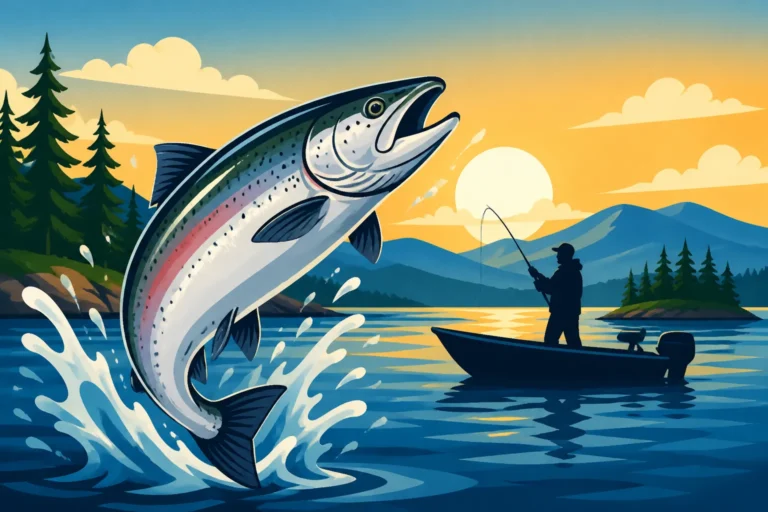
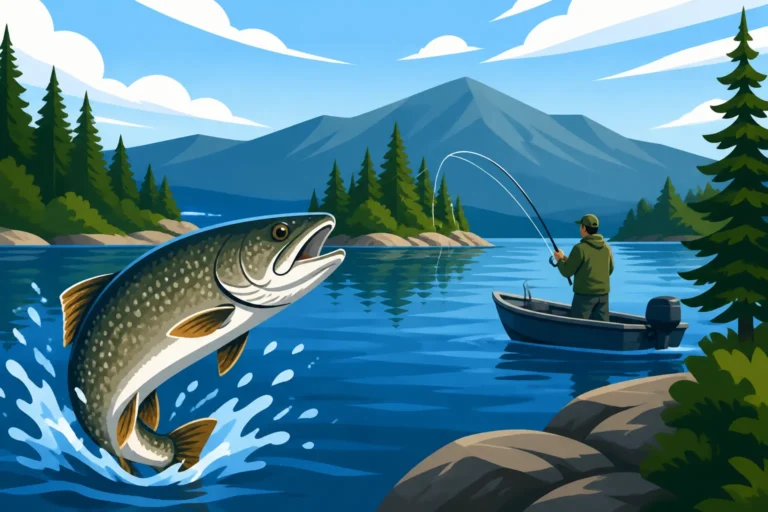
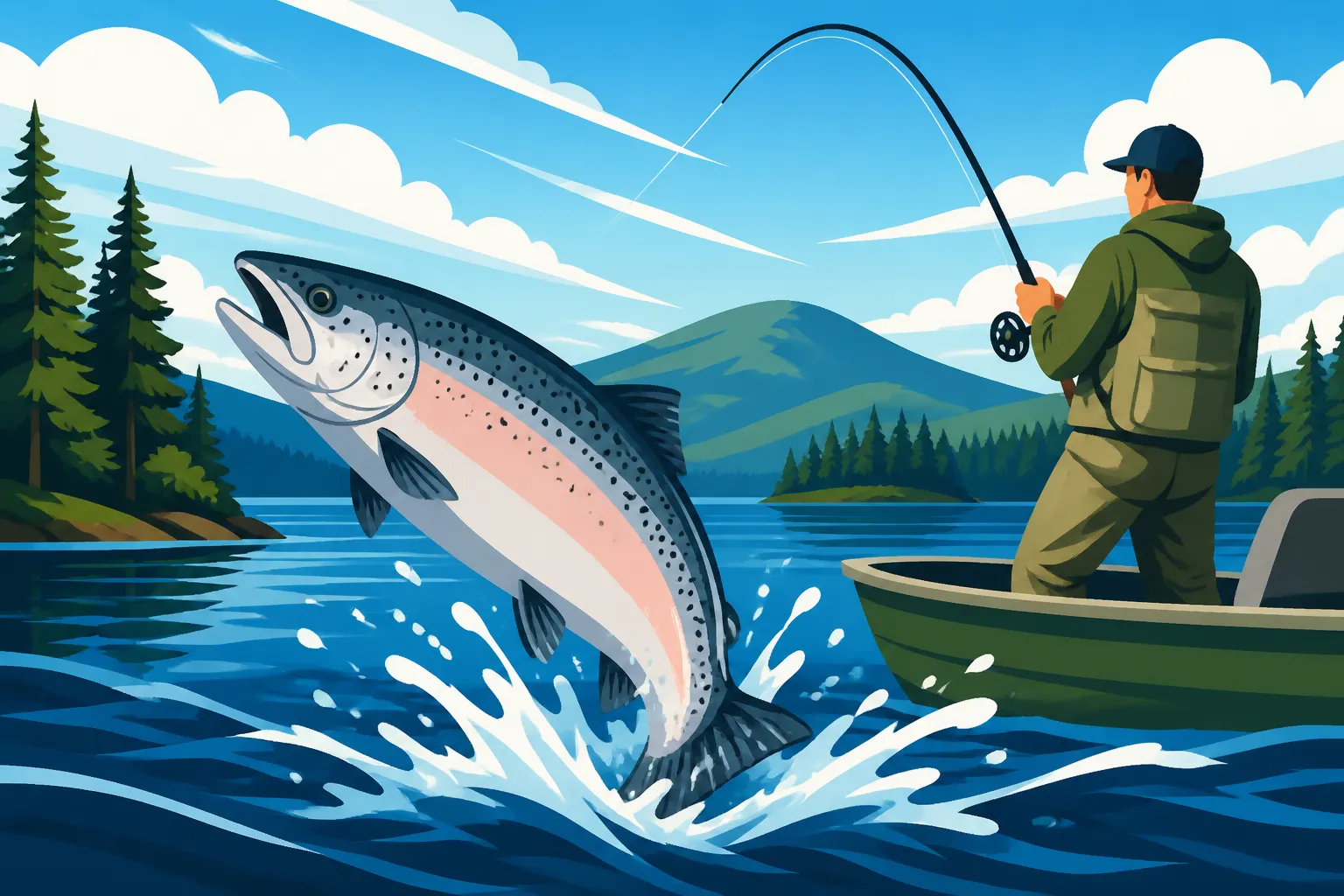
What truly sets the Rangeley Lakes apart for landlocked salmon is a combination of factors: the incredible cold, oxygen-rich waters, the abundant forage base, and a long-standing tradition of sound fisheries management. These deep, clear lakes provide the perfect habitat for salmon to thrive and grow to impressive sizes. When you hook into a Rangeley salmon, you’re not just catching a fish; you’re connecting with a wild, powerful creature that has adapted perfectly to its environment. The exhilaration of seeing that silver flash leap from the water against a backdrop of towering pines and distant peaks is something every angler should experience. It's a place where patience truly pays off, and the reward is often a fish of a lifetime. The vastness of the system, including Rangeley Lake itself, Mooselookmeguntic Lake, and Richardson Lakes, means there's always new water to explore and new challenges to overcome, keeping even seasoned anglers coming back for more.
Understanding the Landlocked Salmon in Rangeley's Ecosystem
To consistently catch landlocked salmon in the Rangeley Lakes, you need to understand them. These fish are essentially Atlantic salmon that, through geological changes or stocking efforts, have adapted to living their entire lives in freshwater. They are predators, highly sensitive to water temperature, and depend heavily on a robust baitfish population, primarily smelts, to sustain their growth. In Rangeley, smelts are king, and knowing their habits—when and where they spawn, their preferred depths—is crucial intelligence for salmon anglers. The salmon will follow the smelts, moving deeper as surface waters warm in summer, and returning to shallower areas during cooler periods. This intimate relationship between predator and prey shapes everything about how you approach fishing these waters. Effective Rangeley Lakes Landlocked Salmon Fishing in Maine means thinking like a salmon and, by extension, thinking like a smelt.
The History and Reputation of Rangeley Salmon
The Rangeley Lakes region has been synonymous with world-class trout and salmon fishing for well over a century. In fact, it was here in the late 1800s and early 1900s that some of the earliest and most successful efforts to manage and conserve landlocked salmon populations were undertaken. Anglers would travel by train and stagecoach from Boston and New York, seeking the "trophy" salmon that Rangeley was famous for. This rich history has cemented the region's reputation, attracting anglers from around the globe. While some of the record-breaking catches of yesteryear might be less common today due to increased fishing pressure and environmental changes, the commitment to maintaining a healthy fishery remains strong. The Maine Department of Inland Fisheries and Wildlife (MDIFW) works tirelessly to manage stocking programs, enforce regulations, and monitor fish populations to ensure that the Rangeley legacy of exceptional salmon fishing continues for generations to come. For any serious angler looking to experience some of the best Landlocked Salmon Fishing in Maine, Rangeley is where the legend lives on.
Decoding the Seasons: When and Where to Find Rangeley Salmon
The calendar profoundly dictates salmon behavior in the Rangeley Lakes. Successful angling means adapting your strategies to the specific conditions of spring, summer, and fall. Each season offers unique opportunities and challenges for targeting these magnificent fish. Understanding these cycles is paramount for anyone planning a trip focused on Rangeley Lakes Landlocked Salmon Fishing in Maine.
Spring's Promise: Ice-Out and Early Season Strategies
As the ice reluctantly retreats from the vast expanse of the Rangeley Lakes, usually in late April or early May, a window of incredible opportunity opens for salmon anglers. During this "ice-out" period, the entire water column is a uniform, cool temperature, meaning salmon can be found throughout the lake, often surprisingly shallow. They are hungry after a long winter and actively chasing baitfish.
This is prime time for flat-line trolling close to shorelines, points, and river mouths where smelts are congregating or attempting to spawn. Shallow-running lures like Mooselook Wobblers, various streamer flies, or small stickbaits are incredibly effective. You'll often find success in depths ranging from the surface down to 15-20 feet, sometimes even less. Areas where tributaries feed into the main lakes, such as the mouths of the Kennebago River or Cupsuptic Stream, can be particularly productive as nutrient-rich water attracts bait, and hungry salmon follow. Remember, the Maine Fishing Season Dates Guide will give you the precise start of the open water season, so always check before heading out. Early morning and late evening are often the most productive, but in the cool, overcast conditions typical of spring, salmon can bite all day long.
Summer's Challenge: Deep Water Tactics and Thermocline Hunting
Once the warmth of summer truly settles over the Rangeley region, usually by late June and into July and August, the dynamics of salmon fishing shift dramatically. Landlocked salmon are cold-water fish, preferring temperatures in the mid-50s (Fahrenheit). As the surface waters warm, they descend, seeking cooler, oxygenated water in the depths. This is where understanding the thermocline becomes crucial.
The thermocline is the layer in the lake where the water temperature changes rapidly with depth. Salmon will typically suspend just above, within, or just below this layer, often at depths of 30-60 feet or even deeper, depending on the lake and current conditions. Trolling becomes the dominant technique, requiring specialized gear like downriggers, lead core line, or copper line to present lures and baits at these precise depths. Flashers and dodgers ahead of a sewn-on smelt, a small spoon, or a fly imitation can be incredibly effective. Focusing on areas with significant depth changes, underwater humps, or main lake basins where baitfish are holding deep will increase your chances. While summer fishing can be more challenging, the fish you find are often larger and full of fight. Knowing the Best Time of Year to Catch Landlocked Salmon in Maine truly depends on your preferred style of fishing and tolerance for adapting to conditions.
Fall's Reward: Pre-Spawn Aggression and River Runs
As the crisp air of autumn descends upon Rangeley, and the water temperatures begin to cool significantly in September and October, salmon activity picks up again, offering another fantastic fishing window. This is the pre-spawn period, and salmon become incredibly aggressive as they prepare to reproduce. They move shallower once more, often into depths similar to early spring, and begin staging near river and stream mouths, as well as along rocky points and reefs.
Trolling with lures that mimic baitfish is still highly effective, but casting spoons or even fly fishing with streamers in shallower water near spawning grounds can yield fantastic results. This is also the time when you might see salmon moving into the major tributaries that feed the Rangeley Lakes, such as the Kennebago River, to begin their spawning runs. However, it's absolutely crucial to be aware of and respect any specific regulations or closures for these spawning areas to protect the future of the fishery. Always check the Maine Fishing Regulations Explained for details on specific water bodies and any special harvest restrictions during the fall. The vibrant fall foliage provides a breathtaking backdrop for this active and often highly productive season for Rangeley Lakes Landlocked Salmon Fishing in Maine.
Essential Gear, Bait, and Techniques for Rangeley Landlocked Salmon
Successfully pursuing landlocked salmon in the Rangeley Lakes demands more than just knowing when to fish; it requires the right tools and techniques. These powerful fish can be finicky, and presenting your offering correctly is often the difference between a memorable day and a quiet one. Getting your gear dialed in for Rangeley Lakes Landlocked Salmon Fishing in Maine is a game-changer.
Selecting the Right Rods, Reels, and Lines for Trolling and Casting
For trolling, which is the most common and often most effective method for salmon in the Rangeley Lakes, you'll want a rod that offers a good balance of sensitivity and backbone. A medium-light to medium action rod, typically 7 to 8.5 feet long, made from graphite or fiberglass, works well. This length provides enough leverage for fighting strong salmon and helps keep your line out of the propeller when boat maneuvering. Pair this with a reliable baitcasting reel or a level-wind trolling reel capable of holding at least 200 yards of 10-15 pound test monofilament or fluorocarbon line. Many experienced anglers also use lead core or copper line setups, which are thicker and heavier lines designed to sink lures to specific depths without additional weight. For these, a larger capacity reel is essential. A braided mainline with a fluorocarbon leader is also a popular choice, offering excellent sensitivity and strength.
If you plan to do some casting, particularly in shallower areas during spring and fall, a spinning setup with a 6.5 to 7-foot medium-light rod and a 2500-3000 size spinning reel spooled with 6-8 pound test monofilament or braided line with a fluorocarbon leader will be versatile for casting spoons, stickbaits, or even small jigs.
Proven Lures, Flies, and Natural Baits for Salmon Success
Landlocked salmon in Rangeley are primarily focused on smelts, so any lure or fly that mimics a smelt is a strong contender. For trolling, popular choices include:
- Spoons: The venerable Mooselook Wobbler is practically synonymous with Rangeley salmon. Other effective spoons include Suttons, DB Smelts, and various patterns from companies like ACME Tackle. Sizes typically range from 1/4 to 3/8 ounce.
- Stickbaits: Long, slender plugs like Rapalas, Bomber Long A's, or Yo-Zuri Crystal Minnows are excellent, especially in spring and fall when fish are shallower.
- Streamer Flies: While often associated with fly fishing, many anglers will troll traditional Maine streamer patterns like the Gray Ghost, Supervisor, or Black Ghost behind a small weight or on lead core line. These are incredibly effective.
For bait, a sewn-on smelt is incredibly hard to beat, especially when trolled behind a flasher or dodger. If you're permitted to use live bait (always check current regulations in the Maine Fishing Regulations Explained for specific waters), a live smelt suspended under a bobber can also be deadly in certain situations. When fly fishing, streamers are key, but dry flies and nymphs can also work if salmon are feeding on insects at the surface or subsurface during specific hatches.
Mastering Trolling Depths and Speeds in Rangeley's Big Waters
Trolling is an art form, and nowhere is this truer than when pursuing landlocked salmon in the Rangeley Lakes. The key is to match your trolling depth and speed to the salmon's location and mood, which in turn is dictated by water temperature and baitfish presence.
Depth Control:
- Early Spring/Late Fall: Flat-line trolling (no additional weight) or using a small amount of weight (1/4 to 1/2 oz) to get lures down 5-15 feet is often sufficient.
- Summer: This is where downriggers, lead core line, and copper line become indispensable. Downriggers allow you to precisely place your lure at a specific depth, often 30-70 feet or deeper, using a heavy cannonball and a release clip. Lead core line (which changes color every 10 yards, with each color roughly corresponding to 5-6 feet of depth at typical trolling speeds) allows you to achieve depths by letting out multiple "colors." Copper line is heavier than lead core and sinks even faster, often used for deeper presentations. Mastering these systems is crucial for Trolling Techniques for Maine Lakes.
Trolling Speed:
Salmon generally prefer a relatively fast trolling speed, typically between 2.0 and 3.5 miles per hour. However, this is just a starting point. It's vital to experiment. Sometimes a subtle increase or decrease in speed can trigger a strike. Pay attention to how your lure is performing at different speeds; most spoons and stickbaits have an optimal action range. The boat's speed can also be influenced by wind and currents, so a GPS-enabled fish finder or a dedicated speed indicator is invaluable for maintaining consistent presentation. Many experienced guides and anglers use online resources like FishingBooker to scout and connect with guides who are masters of these intricate trolling techniques.
Exploring the Rangeley Lakes: Top Salmon Hotspots and Access
The Rangeley Lakes system is vast, offering an array of different waters, each with its own character and best approaches for landlocked salmon. Knowing where to focus your efforts and how to access these spots is crucial for a successful Rangeley Lakes Landlocked Salmon Fishing in Maine adventure.
Key Lakes: Rangeley Lake, Mooselookmeguntic, and Richardson Lakes
The Rangeley Lakes system is a connected chain, but each major lake has its own nuances when it comes to salmon fishing.
- Rangeley Lake: This is often the first stop for many anglers and for good reason. It's the namesake lake and a fantastic fishery in its own right. It's known for producing solid numbers of salmon, especially in the spring and fall. Look for structure along the shorelines, especially around points and islands like Doctors Island or Loon Lake inlet. The deep basin provides excellent summer habitat.
- Mooselookmeguntic Lake: Pronounced "moo-suh-look-MUN-tic," this immense body of water is often considered the crown jewel for trophy salmon and brook trout. Its sheer size and complexity mean it holds vast numbers of baitfish and therefore, large predators. The deeper, colder waters of Mooselookmeguntic provide consistent summer salmon fishing, but it can be more challenging to find them in such a large expanse. Focus on major points, deep trolling lanes, and areas where underwater structure rises from the depths. The Upper Dam area, connecting Mooselookmeguntic to Richardson, is historically famous, though fishing rules can be very specific there, so always double-check.
- Richardson Lakes (Upper and Lower): These two interconnected lakes offer a slightly different experience. They are known for their wilder feel and often excellent late-season fishing as salmon migrate into shallower spawning grounds. Access can be a bit more limited than Rangeley or Mooselookmeguntic, but the rewards can be significant, especially for those seeking a more remote experience. They also have excellent smelt runs, which are critical for feeding large salmon. Exploring the Rangeley Lakes Fishing Guide will give you a deeper dive into the specific characteristics of each water body.
Navigating Access: Public Launches and Shoreline Opportunities
While much of Rangeley salmon fishing is done from a boat, knowing where to launch and if there are any shoreline opportunities is important.
-
Public Boat Launches:
- Rangeley Lake: The Town of Rangeley operates a large public boat launch right in Rangeley Village, offering easy access. There are also smaller launches and private marina options available around the lake.
- Mooselookmeguntic Lake: Public access is available at Haines Landing, a well-maintained launch. Due to the lake's size, once you're on the water, you have a vast area to explore.
- Richardson Lakes: Access to the Richardson Lakes is often via the South Arm, with a public launch available there. This provides access to Lower Richardson Lake. Upper Richardson Lake can be accessed from Lower.
Always be mindful of parking and launch etiquette, especially during peak season. Some launches might charge a small fee, and it’s always good to check for any local advisories before you go.
-
Shoreline Opportunities: While salmon are often found deeper, there are limited shoreline opportunities, primarily in the spring and fall, at places like public docks, accessible points, or areas near stream mouths. Fly casting from shore near these inflows can be productive early and late in the season. However, for serious salmon targeting, a boat offers the mobility needed to cover water and reach the fish. If you don't have your own boat, remember that many Maine Fishing Charters Guide services operate in the Rangeley region and can provide all the necessary equipment and local expertise.
Reading the Water: Understanding Structure and Salmon Behavior
Successful Rangeley Lakes Landlocked Salmon Fishing in Maine is about more than just blind trolling. It's about "reading the water" and understanding where salmon are likely to be.
- Depth Charts and Sonar: These are your best friends. Invest in quality bathymetric charts of the Rangeley Lakes (often available online or at local tackle shops) and a good fish finder. Pay attention to sudden depth changes, underwater humps, submerged ledges, and channels. Salmon often patrol these areas, especially where they intersect with the thermocline.
- Baitfish Presence: If you mark large schools of baitfish (smelts) on your sonar, salmon are almost certainly nearby. Focus your efforts on the edges or directly within these bait balls.
- Water Temperature: Keep a close eye on your surface water temperature gauge. This will help you predict the depth of the thermocline and where salmon will be seeking comfortable temperatures.
- Wind and Current: Wind can create currents that concentrate baitfish, which in turn attracts salmon. Pay attention to how wind might be pushing bait into certain coves or against specific points. A light chop on the water can also make salmon less wary, increasing your chances of a strike.
By combining an understanding of the lake's topography with real-time conditions, you can significantly increase your odds of locating and hooking those prized Rangeley Lakes landlocked salmon.
Adhering to Regulations and Embracing Conservation in Rangeley
Fishing in Maine, especially in cherished waters like the Rangeley Lakes, comes with a responsibility to understand and follow the rules. This isn't just about avoiding fines; it's about protecting the incredible resource that allows us to enjoy Rangeley Lakes Landlocked Salmon Fishing in Maine for generations to come.
Specific Bag and Length Limits for Rangeley Salmon
Maine has a comprehensive set of fishing regulations, and the Rangeley Lakes system often has special rules that supersede the general statewide laws. These specific regulations are designed to manage the unique populations of salmon and trout in these waters, ensuring sustainability.
For landlocked salmon, there are usually specific daily bag limits and minimum length requirements, and sometimes even maximum length limits or slot limits, that vary by lake and even by season. For example, some lakes might have a daily bag limit of two salmon, with a minimum length of 16 inches, while others could have different rules to protect larger, spawning fish. It's not uncommon for there to be different rules for Rangeley Lake versus Mooselookmeguntic Lake, or even for specific sections of rivers connecting them.
Before you even wet a line, it is absolutely essential to consult the most current "Open Water and Ice Fishing Law Book" published by the Maine Department of Inland Fisheries and Wildlife (MDIFW). This book is available online on the MDIFW website, at most places where you can purchase your Maine Fishing License Guide, and at local tackle shops in the Rangeley region. Pay close attention to the special regulations for the specific lake or pond you plan to fish. Ignorance of the law is not an excuse, and game wardens in Maine are diligent in ensuring compliance to protect the state's valuable fisheries.
The Importance of Responsible Catch and Release
While some anglers come to Rangeley to harvest a few fish for the table, many also practice catch and release, especially for larger, older salmon that are crucial for successful spawning. Responsible catch and release practices are fundamental to conservation and help ensure that the salmon population remains robust.
Here are some key tips for healthy catch and release:
- Minimize Fight Time: Use appropriate tackle to bring the fish in as quickly as possible, reducing stress.
- Handle With Care: Avoid touching the fish with dry hands; wet your hands first. Support the fish horizontally, especially larger ones, and avoid holding them by the jaw or gills.
- Keep Fish in Water: If possible, remove the hook and take photos with the fish still in the water.
- Use Barbless Hooks: Barbless hooks, or hooks with crushed barbs, make hook removal much easier and less damaging to the fish.
- Proper Hook Removal: Use needle-nose pliers or a dehooking tool to quickly and cleanly remove the hook. If a fish is deeply hooked, cut the line as close to the hook as possible rather than trying to rip it out.
- Revive Gently: If the fish appears stressed or tired, hold it gently in the water, facing into a mild current, until it regains its strength and can swim away on its own.
By following these Catch and Release Best Practices in Maine, you contribute directly to the health and vitality of the Rangeley Lakes salmon fishery, ensuring future generations can enjoy the same incredible experiences.
Protecting the Rangeley Lakes Ecosystem
Beyond specific fish regulations, responsible angling extends to protecting the entire Rangeley Lakes ecosystem. This means being mindful of your impact on the natural environment.
- Prevent Invasive Species: Always clean, drain, and dry your boat, trailer, and gear thoroughly before moving from one body of water to another. This prevents the spread of aquatic invasive species like Eurasian milfoil, which can devastate native habitats.
- Respect Private Property: Much of the shoreline around the Rangeley Lakes is privately owned. Always respect posted signs and seek permission before accessing private land. Use designated public access points.
- Leave No Trace: Pack out everything you pack in. This includes fishing line, bait containers, food wrappers, and anything else you bring. Litter not only detracts from the beauty of the area but can also be harmful to wildlife.
- Proper Waste Disposal: Dispose of fish entrails properly, away from swimming areas and boat launches. Burying them or depositing them in deep water helps decomposition and reduces attracting scavengers to public areas.
- Obey Lead Tackle Bans: Maine has implemented a ban on the use and sale of lead sinkers and jigs weighing one ounce or less. This is to protect loons and other waterfowl that can ingest lead and suffer lead poisoning. Always use lead-free alternatives.
By being a conscientious steward of the environment, you play a vital role in preserving the pristine beauty and exceptional fishing opportunities that make Rangeley Lakes Landlocked Salmon Fishing in Maine such a treasured experience.
Maximizing Your Rangeley Salmon Adventure: Guides and Resources
Embarking on a salmon fishing trip to the Rangeley Lakes can be an incredible adventure, but like any journey into new territory, local knowledge and planning can significantly enhance your experience. Whether you're a seasoned angler or a newcomer, leveraging available resources can make all the difference for Rangeley Lakes Landlocked Salmon Fishing in Maine.
The Value of Hiring a Local Registered Maine Guide
For many anglers, especially those visiting for the first time or looking to maximize their chances of catching trophy salmon, hiring a Registered Maine Guide is an invaluable investment. These professionals are not just boat operators; they are experts in the local waters, fish behavior, and seasonal patterns of the Rangeley Lakes.
A good guide offers:
- Unmatched Local Knowledge: They know the subtle contours of the lake bottom, the secret hotspots, and where the baitfish are holding. They understand how factors like wind, temperature, and barometric pressure affect salmon behavior on a given day.
- Proper Equipment: Guides provide all the necessary, specialized gear for trolling, fly fishing, or whatever technique is best suited for the conditions. This saves you the expense and hassle of acquiring specialized downriggers, lead core setups, or specific lures.
- Technique Instruction: If you're new to trolling with specific lines or using a downrigger, a guide can teach you the ropes, helping you develop skills that will serve you on future trips.
- Safety and Navigation: The Rangeley Lakes are large, and conditions can change rapidly. A guide prioritizes your safety and expertly navigates the waters, allowing you to focus on fishing.
- Increased Success: Simply put, a guide dramatically increases your odds of finding and catching fish. They've spent countless hours on the water, honing their craft, and that experience is priceless.
Many excellent guides operate in the Rangeley Lakes region. You can find them through local sporting goods stores, guide associations, or by searching online platforms like FishingBooker, which lists numerous reputable Rangeley Lakes Fishing Guides and allows you to read reviews and book directly. Always verify that your guide is a licensed and Registered Maine Guide, which ensures they meet state safety and competency standards.
Planning Your Stay: Accommodations and Local Services
A successful fishing trip often extends beyond the water itself. Comfortable accommodations and access to local services can greatly enhance your overall experience.
-
Accommodations: The Rangeley region offers a wide range of lodging options to suit various preferences and budgets.
- Sporting Camps: Traditional Maine sporting camps, many with a rich history, offer rustic charm, comfortable cabins, and often include meals. They provide a classic Maine outdoor experience.
- Hotels and Motels: In Rangeley Village, you'll find several hotels and motels offering modern conveniences.
- Cabin and Cottage Rentals: Numerous private cabins and cottages are available for rent, providing flexibility and a home-away-from-home feel, especially for families or groups.
- Campgrounds: For those who prefer a more outdoorsy experience, there are several public and private campgrounds around the lakes.
-
Local Services:
- Tackle Shops: The local tackle shops, such as Rangeley Region Sport Shop, are invaluable resources. They provide up-to-date fishing reports, sell necessary gear, bait (especially those critical smelts), and can offer fantastic local insights.
- Boat Rentals: If you don't bring your own boat and choose not to hire a guide, several marinas and outfitters offer boat rentals, from small fishing boats to larger pontoon boats.
- Restaurants and Groceries: Rangeley Village has several restaurants, diners, and a grocery store, ensuring you have access to supplies and good meals after a long day on the water.
Planning your accommodations and knowing where to access these services in advance, especially during peak season, will ensure a smoother and more enjoyable trip focused on Rangeley Lakes Landlocked Salmon Fishing in Maine.
Leveraging Online Resources and Local Knowledge
In today's interconnected world, a wealth of information is available at your fingertips, but nothing truly replaces local, on-the-ground knowledge.
-
Online Resources:
- MDIFW Website: The Maine Department of Inland Fisheries and Wildlife website is the official source for all regulations, stocking reports, and general information about Maine fisheries.
- Fishing Forums and Social Media Groups: Online fishing communities dedicated to Maine or the Rangeley Lakes can be great places to ask questions, share experiences, and get tips from other anglers. Just remember to take some advice with a grain of salt and always verify regulations.
- Weather and Lake Condition Websites: Check detailed weather forecasts, wind conditions, and even lake temperature reports before and during your trip.
-
Local Knowledge:
- Talk to Locals: Don't be shy! Strike up conversations with people at the tackle shop, gas station, or diner. Mainers are generally friendly and often willing to share a tip or two if you're respectful and genuinely interested.
- Visit the Oquossoc Log Museum and Outdoor Sporting Heritage Center: This unique museum provides fascinating insights into the history of fishing and guiding in the Rangeley region, offering a deeper appreciation for the traditions you're participating in.
- Respect the "Secrets": While locals may share tips, understand that some spots or techniques are closely guarded secrets passed down through generations. Respecting this unwritten code is part of integrating into the local angling community.
By combining thorough research with genuine engagement with the local community, you can unlock a deeper understanding of the Rangeley Lakes and significantly enhance your Rangeley Lakes Landlocked Salmon Fishing in Maine experience.
Here's a quick comparison of popular salmon fishing tactics in Rangeley:
| Trolling Technique | Best Season(s) | Target Depth | Typical Lures/Bait | Advantages | Considerations |
|---|---|---|---|---|---|
| Flat-Line Trolling | Spring, Fall | 0-15 feet | Spoons, Stickbaits, Streamers | Simple, effective for active, shallow fish | Limited depth control, less effective in summer deep water |
| Lead Core Line | All Seasons | 15-50 feet | Spoons, Streamers, Sewn Smelts | Good depth control, no bulky equipment needed | Requires specific reels, line stretches, slow retrieval |
| Copper Line | All Seasons | 30-80+ feet | Spoons, Streamers, Sewn Smelts | Deeper presentations than lead core, stealthy | Heavier line, requires specific reels, more challenging to handle |
| Downriggers | Summer, Deep Spots | Precise 20-100+ feet | Spoons, Flies, Sewn Smelts | Pinpoint depth accuracy, allows light tackle | Expensive, complex setup, can be intimidating for beginners |
Disclaimer
The information provided in this guide is for general informational purposes only and is based on typical conditions and regulations. Fishing regulations, season dates, and specific rules for individual water bodies in Maine can change frequently. It is the angler's sole responsibility to consult the most current official Maine Department of Inland Fisheries and Wildlife (MDIFW) regulations before engaging in any fishing activity. Always prioritize safety on the water and adhere to all local, state, and federal laws.