Penobscot River Fishing Guide
Trying to figure out where and how to fish one of Maine's largest and most historically significant rivers, the Penobscot, can feel like trying to navigate a whole different world. Its vastness, diverse habitats, and sometimes complex regulations can leave even seasoned anglers scratching their heads, wondering if they're even in the right spot or using the correct gear. This guide aims to cut through that confusion, offering a comprehensive look at what makes the Penobscot River a truly incredible fishery and how you can best enjoy its bounty, from its freshwater reaches to its brackish estuary.
The Penobscot River: A Majestic Maine Waterway
The Penobscot River isn't just a river; it's a lifeline that slices through the heart of Maine, stretching over 100 miles from its remote headwaters in the North Woods all the way to Penobscot Bay and the Atlantic Ocean. For centuries, it has been central to the indigenous Penobscot Nation and has powered Maine's industries, from logging to shipbuilding. Today, it stands as a testament to successful conservation efforts, transforming from an industrial highway into a thriving ecosystem cherished by anglers and nature lovers alike.
River Geography and Diverse Habitats
What makes the Penobscot truly unique for fishing is its incredible range of habitats. You're not just fishing one type of water; you're experiencing several distinct fisheries all within the same river system.
Upstream, in the wilder, remote sections of the West Branch or East Branch, you'll find classic Maine trout water. Here, the river is often smaller, faster-flowing, and punctuated by riffles, runs, and deep pools, providing ideal conditions for native brook trout. Access can be challenging, often requiring canoes or a good hike, but the solitude and pristine environment are well worth the effort. Moving downstream, past towns like Medway and Lincoln, the river widens, becoming more braided and featuring larger pools and slower currents. This middle section transitions into prime smallmouth bass habitat, with rocky bottoms, submerged timber, and plenty of current breaks. The fishing here can be fantastic, offering consistent action during warmer months.
As you continue south, especially below Bangor, the river truly transforms. It widens significantly, takes on a tidal influence, and eventually merges with Penobscot Bay, forming a vast estuary. This lower section, often referred to as the Penobscot River Estuary, is where the fresh and saltwater meet, creating a dynamic environment that attracts a host of anadromous (migratory) species. This is the realm of the striped bass, which makes seasonal runs far upriver, and where you'll encounter a mix of freshwater and saltwater species. The blend of deep channels, mudflats, rocky shorelines, and tidal marshes creates an incredibly rich and productive fishery, but it also presents its own set of navigational and angling challenges due to strong currents and vast expanses of water.
The Rich History and Ecosystem
The Penobscot River's history is deeply intertwined with the fortunes of Maine itself. For millennia, the Penobscot Nation has lived along its banks, relying on its fish and resources. In more recent centuries, it became a workhorse for the logging industry, with millions of logs floated downriver to sawmills. Unfortunately, this industrial past, coupled with dams built for hydropower, severely impacted the river's ecological health, particularly for migratory fish species like Atlantic salmon, alewives, and shad.
However, the tide has turned. The Penobscot River Restoration Project, a monumental undertaking that involved removing several dams and bypassing others, has been nothing short of a miracle for the river's ecosystem. This ambitious project, completed in 2016, reconnected hundreds of miles of upstream habitat, allowing migratory fish to return to their ancestral spawning grounds for the first time in over a century. This ecological restoration has had a profound positive impact, not just on the fish populations but on the entire river's health. The river is now cleaner, its flows are more natural, and the returning alewives, in particular, provide a crucial food source for a wide array of predators, benefiting everything from bald eagles to striped bass. While Atlantic salmon are still protected and their populations are rebuilding, the sight of river herring, shad, and other species returning in vast numbers is a true testament to what dedicated conservation can achieve. This ongoing recovery makes fishing the Penobscot not just a recreational activity, but a chance to witness a living, breathing success story.
Prime Fish Species to Target in the Penobscot
When you're considering a fishing trip to the Penobscot River, it's really helpful to think about what species you're hoping to encounter. This river is a diverse ecosystem, and different sections offer different opportunities. Knowing what swims where, and when, can make all the difference in your planning and success.
Smallmouth Bass: The River's Brawlers
For many freshwater anglers, the Penobscot River is synonymous with fantastic smallmouth bass fishing. These feisty fish are abundant in the middle and upper sections of the main stem, thriving in areas with rocky bottoms, moderate currents, and plenty of structure like submerged boulders, fallen trees, and current seams. They are absolute brawlers on the line, offering thrilling fights whether you're casting from shore, wading, or drifting in a boat.
You'll find smallmouth bass become very active as the water warms in late spring and early summer. The stretch of river from around Howland south to the Bangor area is particularly renowned for its smallmouth populations. Look for them holding in eddies behind obstructions, along drop-offs, and near tributary mouths where they ambush baitfish. During the spawn, typically in May or early June depending on water temperatures, they can be found in shallower, rocky areas. The summer months offer consistent action, with fish often holding in slightly deeper, cooler water during the heat of the day, moving into shallower feeding grounds during dawn and dusk. Fall fishing can also be excellent as they aggressively feed to fatten up for winter.
Popular lures for Penobscot River smallmouth include spinnerbaits, crankbaits (especially those mimicking crawfish or baitfish), soft plastic tubes and jigs fished along the bottom, and topwater lures like poppers and walk-the-dog baits, which provide exhilarating surface strikes. For fly anglers, poppers, crayfish patterns, and baitfish imitations are highly effective. Understanding the Maine Bass Fishing Limits by Zone is crucial here, as regulations can vary.
Striped Bass: Estuary and Lower River Action
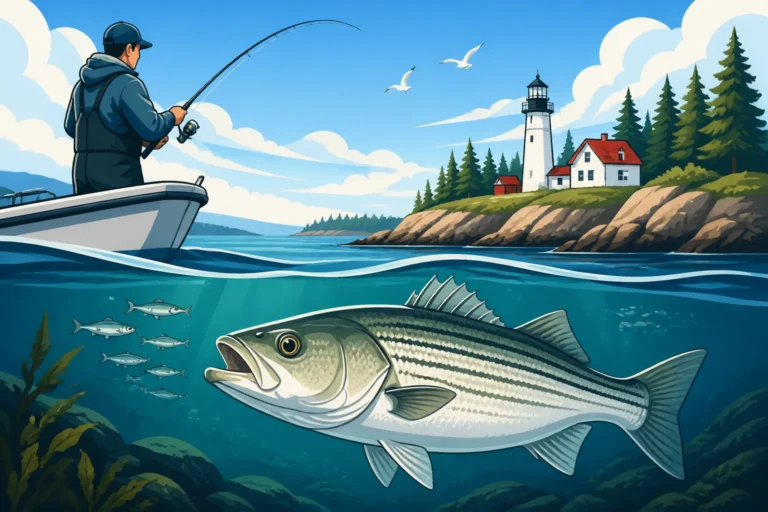
If you're after a larger, hard-fighting anadromous fish, then the lower Penobscot River and its estuary are your playground for striped bass. These migratory giants follow baitfish into the tidal freshwaters of the Penobscot during the warmer months, offering incredible opportunities for anglers. The Penobscot River Striped Bass Run in Maine is a highly anticipated event each year, drawing anglers from all over.
Stripers typically start arriving in the lower river in late spring, usually by May, and can remain well into the fall, often through October, depending on water temperatures. They are powerful predators, and their presence transforms the lower river into an exciting saltwater-like fishery. Look for them in areas where current funnels baitfish, such as around bridges, jetties, rocky points, and creek mouths within the tidal zone. They'll readily take a variety of offerings, from live bait like mackerel, pogies (menhaden), or even river herring (alewives) to artificial lures. Big swimbaits, soft plastic paddle tails rigged on jig heads, and topwater plugs are all excellent choices. Fly anglers can have a blast throwing large baitfish patterns like clousers or deceivers.
The area around Verona Island, Bucksport, and even upriver into Hampden and Bangor on the incoming and outgoing tides can be prime striper territory. These fish are powerful, so make sure your gear is up to the task – a medium-heavy spinning rod with 20-30 lb braided line is a good starting point. Always be mindful of the Maine Striped Bass Season and Limits, as these regulations are specific and designed to protect this valuable fishery.
Other Notable Species: White Perch, Alewives, and More
Beyond the headlining bass species, the Penobscot River is home to a host of other fish that can provide excellent angling opportunities and are vital to the river's health.
White Perch: These prolific and feisty panfish are incredibly common throughout much of the Penobscot, especially in the slower moving sections and the estuary. They're a favorite target for families and anyone looking for consistent action and tasty table fare. They'll readily hit small spinners, jigs, worms, and even pieces of clam or shrimp in the tidal areas. They tend to school up, so once you find one, you're likely to find many more.
Alewives (River Herring): While not typically targeted for sport, alewives are perhaps the most crucial species in the Penobscot's revitalized ecosystem. These small, migratory baitfish return to the river by the millions each spring to spawn in freshwater ponds and lakes connected to the Penobscot. Their sheer numbers provide a massive food source for everything from striped bass and smallmouth bass to ospreys and eagles. Their presence directly fuels the larger predator fisheries, making the Penobscot a richer environment for all.
Yellow Perch and Chain Pickerel: These are common residents in the slower, weedier sections of the river, particularly in the middle reaches. Yellow perch offer good eating and are fun to catch on small jigs or worms. Chain pickerel, with their sharp teeth and aggressive strikes, provide exciting action, often hitting spinnerbaits or spoons meant for bass. They're typically found lurking in submerged vegetation, waiting to ambush prey.
While less common or more heavily regulated, there are also opportunities for brown trout and, in certain coldwater tributaries, brook trout. The ongoing Penobscot River Atlantic Salmon Restoration efforts mean that catching a wild Atlantic salmon is highly unlikely and, if it happens, these federally protected fish must be immediately released unharmed. However, their increasing presence is a sign of the river's continued recovery and a hopeful future.
Navigating the Penobscot: Access Points and Boating Considerations
Getting onto the Penobscot River, whether by boat or from shore, is an essential part of your fishing adventure. Given its immense size and varying character from source to sea, understanding the best access points and specific boating considerations for different sections is crucial for a safe and successful trip.
Public Boat Launches and Shoreline Access
The Penobscot River offers a surprising number of public access points, from formal boat launches to more informal shoreline spots. However, their suitability varies greatly depending on which part of the river you intend to fish and what kind of vessel you're using.
In the upper and middle sections, from places like Medway, Lincoln, Enfield, and Old Town, you'll find various town landings and state-run boat launches that provide good access for canoes, kayaks, and smaller motorboats. These launches are typically well-maintained and offer ample parking. For example, the town of Old Town has multiple access points suitable for launching canoes or smaller johnboats, allowing you to explore excellent smallmouth bass water. Shoreline access in these areas can be found in public parks, designated fishing easements, or by simply looking for पुल-overs on less-traveled roads where the river runs close to the bank. Just be sure to respect private property and leave no trace.
As you move into the lower, tidal section of the river, especially around Bangor, Bucksport, and further south towards Penobscot Bay, the launches become geared towards larger boats, accommodating those needed to handle the wider, more open water and stronger currents. In Bangor, the public boat launch at the Bangor Waterfront provides excellent deep-water access directly into the tidal Penobscot, ideal for reaching striped bass grounds. Further downstream, towns like Bucksport offer well-maintained municipal launches. These larger launches are essential for getting out onto the broader estuary, which can feel more like fishing a bay than a river, especially when the wind kicks up. When scouting for a good spot to launch, consider using a resource like FishingBooker, which often lists boat launch details along with guide services for the area.
Kayak and Canoe Fishing: Exploring Hidden Gems
For many anglers, especially those seeking solitude and access to less-pressured waters, kayaks and canoes are the perfect vessels for exploring the Penobscot. They offer quiet stealth, allowing you to sneak up on wary fish, and provide access to skinny water or remote pockets that larger boats simply can't reach.
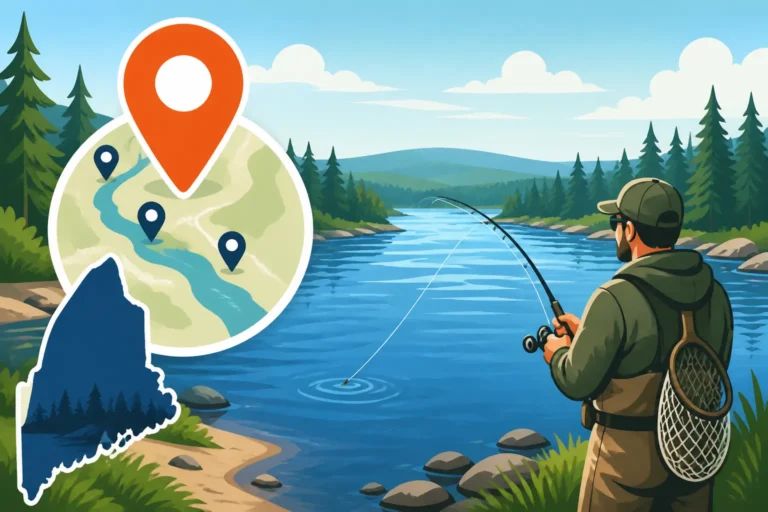
The upper and middle sections of the Penobscot are a paddler's paradise. Imagine slowly drifting downstream in a canoe or kayak, casting to smallmouth bass holding behind every rock and log jam. Sections above Howland, or even further up the East or West Branches, offer incredible wilderness experiences. These areas can sometimes require portaging around rapids or falls, so always research your chosen route thoroughly and be prepared for potential challenges. A good resource for planning these trips is the state's public access maps, which often detail rapids and portage routes.
In the lower, tidal estuary, kayaking and canoeing require a different approach. While you can certainly fish from paddlecraft, you need to be acutely aware of the tides and currents. Strong tidal flows can quickly make paddling arduous or even dangerous, especially around bridges or narrow channels. It's often best to plan your trip around slack tide (the period of minimal current between tides) or to launch up-current and let the tide carry you down before paddling back on the opposing tide. Exploring the many tidal creeks and coves off the main stem of the lower Penobscot can be incredibly productive for striped bass and white perch, as these smaller waterways offer shelter from the main current and concentrate baitfish. Just be sure to check the tide charts meticulously before you go.
Important Boating Regulations and Safety
No matter how you choose to access the Penobscot River, adhering to boating regulations and prioritizing safety is paramount. Maine has specific rules that apply to all waterways, and the Penobscot, with its varied conditions, requires particular attention.
Firstly, ensure your vessel has all the required safety equipment, including personal flotation devices (PFDs) for everyone on board, a sound-producing device, navigation lights if operating after dark, and a fire extinguisher if required by boat size. Always wear your PFD, especially if you're in a canoe, kayak, or small boat, or if you're wading in strong currents. The currents on the Penobscot can be powerful, particularly in the lower tidal sections or around rapids upstream, and water temperatures can be dangerously cold, even in summer.
For motorboats, obey all speed limits, especially in marked no-wake zones, and be aware of other river users, including paddlers, swimmers, and commercial traffic in the lower river. Navigational markers in the lower Penobscot are crucial – pay attention to buoys and markers that indicate channels, hazards, and safe passage. A good marine chart or GPS unit with nautical maps is highly recommended for the estuary.
Remember, fishing on the Penobscot, like any Maine waterway, requires a valid Maine Fishing License Guide. This applies to all sections of the river, regardless of whether you're in fresh or tidal water. Always check the latest Maine Fishing Regulations Explained for any specific rules pertaining to the Penobscot River itself, as certain sections might have unique provisions related to specific species or conservation efforts. Staying informed and practicing common sense on the water will ensure an enjoyable and safe fishing experience for everyone.
Essential Techniques for Penobscot River Success
Fishing the Penobscot River isn't a one-size-fits-all endeavor. The diverse habitats and target species demand a variety of techniques. Mastering a few key approaches for different situations will significantly increase your chances of success and make your time on the water more rewarding.
Topwater and Subsurface Lures for Bass
When it comes to smallmouth and striped bass in the Penobscot, lures are incredibly effective, and having a good understanding of both topwater and subsurface presentations will cover most scenarios.
For topwater action, nothing beats the thrill of a fish exploding on the surface. For smallmouth bass, especially during low light conditions in summer and fall, poppers, walk-the-dog baits (like Heddon Super Spooks or Zara Spooks), and prop baits can be incredibly productive. Cast these near rocky banks, submerged structure, or current seams and work them with short twitches and pauses, mimicking a struggling baitfish or insect. Striped bass in the estuary are also very susceptible to topwater lures, particularly larger walk-the-dog baits or poppers (like those from Cotton Cordell or Gibbs Lures) fished around breaking baitfish or shallow flats during the tide changes. The noise and commotion these lures create can draw aggressive strikes from hungry stripers.
When fish are holding deeper or are less willing to commit to the surface, subsurface lures are your go-to. For smallmouth bass, crankbaits that dive to different depths, soft plastic tubes and jigs (especially in crawfish or baitfish colors like green pumpkin, brown, or white), and spinnerbaits are staples. Fish crankbaits by retrieving them to bounce off rocks and structure, imitating fleeing prey. Jig tubes and grubs along the bottom with a lift-and-fall retrieve. Spinnerbaits are excellent for covering water and fishing through lighter cover. For striped bass, large soft plastic paddle tail swimbaits (like those from Keitech or Tsunami) rigged on heavy jig heads are incredibly versatile. You can cast them and retrieve steadily, or bounce them along the bottom. Large bucktail jigs dressed with a soft plastic trailer are also highly effective, especially when worked with a jigging retrieve in current. Always match your lure size and color to the prevalent baitfish in the area – alewives, smelt, and various minnows are common forage. The Maine Open Water Fishing Techniques Guide offers more universal tips that can be applied to the Penobscot.
Bait Fishing Strategies
Sometimes, especially when fish are finicky or you're targeting specific species, nothing beats natural bait. Bait fishing can be highly effective in various sections of the Penobscot River.
For smallmouth bass, live bait like shiners or crayfish can be deadly, either fished under a bobber in slower pools or on a Carolina rig along the bottom in deeper sections. Worms (nightcrawlers) are also a classic, universally appealing bait that can entice bass, especially smaller ones, or other species like white perch.
Striped bass in the lower Penobscot estuary are often caught using live bait. Mackerel, pogies (menhaden), or even live alewives (if legally obtained and used) are prime choices. These can be fished on a simple fish-finder rig with a circle hook, allowing the bait to swim naturally with the current. Fresh cut bait, such as mackerel or pogies, can also be highly effective, especially when fished on the bottom in channels or around structure. Chumming with cut bait can sometimes draw in stripers, though this isn't always practical from every fishing setup. For white perch, a small piece of worm, clam, or shrimp fished on a light rig under a bobber or on the bottom is often all it takes for consistent action.
When bait fishing, remember to use appropriate tackle. Lighter rods and lines are suitable for panfish and smaller bass, while a medium-heavy rod with strong line is essential for battling hard-fighting striped bass in current. Pay attention to how the current affects your presentation and adjust your weight accordingly to keep your bait in the strike zone.
Fly Fishing Opportunities
The Penobscot River offers diverse and rewarding fly-fishing opportunities, from delicate presentations for trout in its headwaters to stripping large streamers for aggressive striped bass in its tidal sections.
In the upper, colder tributaries and branches, fly fishing for native brook trout can be a truly pristine experience. Dry flies mimicking mayflies, caddis, and stoneflies are excellent choices during hatches, especially in spring and early summer. Nymphs (like Prince Nymphs, Hare's Ear, or Pheasant Tails) are effective year-round when fish are feeding sub-surface. Small streamers can also entice a strike from a larger trout. This is quintessential Maine fly fishing, demanding stealth and precise casting in beautiful, wild settings.
Further downstream, in the middle river's smallmouth bass habitat, fly fishing truly shines. Smallmouth on the fly are incredibly fun. Poppers, deer hair bugs, and gurglers create exciting topwater strikes. Clouser minnows, deceivers, and various baitfish patterns (in olive, white, black, or natural colors) are highly effective when stripped through current seams, along rocky banks, or over submerged structure. A 6 or 7-weight fly rod with a weight-forward floating line is versatile for this type of fishing, and a sinking tip line can help get flies deeper in strong currents or when fish are holding down.
Perhaps the most exciting fly-fishing challenge on the Penobscot is targeting striped bass in the lower estuary. This is a fast-paced game, often involving casting heavy flies into the wind and battling strong, tide-driven fish. Large, articulated flies mimicking mackerel, herring, or sand eels are essential. Clouser minnows and deceivers (in white, chartreuse, blue/white, or black) tied on stout hooks are workhorses. A fast-action 8, 9, or even 10-weight fly rod is necessary to handle the large flies and powerful fish, paired with a saltwater-ready reel with a good drag system and plenty of backing. Intermediate or fast-sinking lines are often required to get flies down in the current. Look for diving birds, splashing bait, or current rips as indicators of feeding stripers.
Regardless of your target, fly fishing the Penobscot is an immersive way to connect with this incredible river, offering a more hands-on and nuanced approach to angling.
Understanding Penobscot River Regulations and Seasons
Fishing in Maine, especially on a major waterway like the Penobscot River, means understanding and adhering to the rules. Regulations can be specific, varying not just by species but sometimes by specific sections of the river or even the time of year. Knowing these rules beforehand is not just about avoiding fines; it's about being a responsible steward of Maine's precious fisheries.
Maine Fishing License Requirements
First and foremost, before you even wet a line in the Penobscot River, you need a valid Maine fishing license. This isn't just a suggestion; it's a legal requirement for almost everyone aged 16 and older. The only exceptions are during Maine's designated Free Fishing Days or if you fall under specific exemption categories (like certain military personnel or disabled veterans, though conditions apply).
Whether you're fishing freshwater sections for smallmouth bass or the tidal estuary for striped bass, a standard Maine freshwater fishing license typically covers it. There's no separate saltwater license required for residents or non-residents in Maine, but you do need to register with the Maine Department of Marine Resources (DMR) if you're fishing for or possessing any saltwater species. This saltwater registry is free and easy to do online. Just consider it a necessary step if you plan to target striped bass or any other marine fish in the lower Penobscot. You can learn more about the specifics and how to obtain one by checking out the Maine Fishing License Guide and understanding Maine Fishing Laws for Beginners. You can purchase your license online through the Maine Department of Inland Fisheries and Wildlife (MDIFW) website, or in person at many town offices, sporting goods stores, or bait shops across the state. Always carry your license with you when fishing, either a physical copy or a digital version on your phone.
Bag Limits and Size Restrictions
Maine has strict bag limits and size restrictions in place for various fish species, and these are designed to protect fish populations and ensure sustainable angling for future generations. The Penobscot River is no exception, and it's essential to know the rules for the species you're targeting.
For smallmouth bass, statewide general law typically allows for a daily bag limit, and there might be minimum or maximum length restrictions depending on the specific zone or water body. While the Penobscot mostly falls under general law, it's always wise to check the latest MDIFW rulebook for any specific Penobscot River regulations. Often, there's a limit on the number of fish over a certain length you can keep. Knowing the Maine Bass Fishing Limits by Zone will be helpful.
Striped bass regulations are particularly dynamic and can change annually based on stock assessments and conservation needs. Maine often employs a "slot limit" for stripers, meaning you can only keep fish within a very specific size range (e.g., between 28 and 31 inches). Fish caught outside this slot – both smaller and larger – must be immediately released unharmed. There's also a strict daily bag limit, usually one fish per angler. These regulations are federal and state mandates to help rebuild striped bass populations. You must consult the current year's Maine Striped Bass Season and Limits from the MDIFW or DMR websites before heading out, as these rules are critical and often have zero tolerance for violations.
For other species like white perch and chain pickerel, general law typically allows more generous bag limits, but it's still prudent to check. The MDIFW fishing law book is your ultimate resource, available online or at license vendors. This book will detail all Maine Fish Bag Limits Guide and any special regulations that might apply to specific sections of the Penobscot River. Ignoring these rules can lead to significant fines and penalties.
Special Regulations and Zones
The Penobscot River, being such a significant waterway and the subject of major restoration efforts, does have some special regulations and considerations you should be aware of, especially concerning migratory species.
The most critical special regulation relates to Atlantic salmon. The Penobscot River is a key river for Atlantic salmon restoration in the U.S., but these fish are federally protected under the Endangered Species Act. This means it is illegal to intentionally fish for or retain Atlantic salmon in the Penobscot River. If you accidentally catch one, you must release it immediately and unharmed. Proper catch and release techniques are vital here. Any efforts to target salmon directly would be a serious violation.
Additionally, certain tributaries or specific stretches of the Penobscot might have seasonal closures, gear restrictions (e.g., fly-fishing only, single hook artificials), or specific season dates that differ from general law. For instance, some sections might have a restricted open water fishing season compared to the statewide general law. It's not uncommon for certain areas to be designated "catch and release only" for particular species, or to have different length limits. Always consult the official MDIFW fishing law book for the most current and localized regulations, especially under the "Special Fishing Laws" section. This will give you the most up-to-date information on Maine Fishing Season Dates Guide and any other rules that might apply to your chosen fishing spot on the Penobscot. Understanding these nuances ensures you're fishing legally and contributing to the health of the river's diverse fish populations.
Planning Your Penobscot Fishing Adventure
Embarking on a fishing trip to the Penobscot River requires a bit of thoughtful planning to ensure a smooth, enjoyable, and successful experience. From picking the right time of year to having the correct gear, a little preparation goes a long way.
Choosing the Right Time of Year
The Penobscot River, with its wide array of species and habitats, offers good fishing opportunities throughout the open water season, but the "best" time really depends on what you're hoping to catch.
Spring (April – May): This is a prime time for many species as water temperatures begin to rise. Smallmouth bass become active and aggressive as they move towards pre-spawn and spawning patterns. Many migratory species, including river herring and shad, make their runs upstream, attracting predators. Striped bass typically begin to arrive in the lower estuary by May, offering early-season opportunities. Be prepared for variable weather and potentially high, cold water from snowmelt.
Summer (June – August): Summer is peak season for smallmouth bass throughout the middle and upper river. They are active and abundant, making it a great time for consistent action with both lures and flies. Striped bass fishing in the lower Penobscot and estuary is usually at its best during these warmer months, with fish actively feeding on abundant bait. White perch are also plentiful and provide excellent family fishing. However, water levels can drop in late summer, and bass might move to deeper, cooler water during midday heat. Early mornings and late evenings are often most productive. You can find more comprehensive details in the Best Time of Year to Fish in Maine.
Fall (September – October): Fall can be a fantastic, often overlooked time to fish the Penobscot. Smallmouth bass go on a feeding frenzy, aggressively bulking up for winter, making them highly receptive to lures. Striped bass remain in the lower river and estuary, offering exciting action as they prepare for their migration south. The cooler temperatures and vibrant fall foliage also make for a beautiful fishing backdrop. Fishing can taper off as temperatures drop significantly by late October. Keep an eye on the Maine Fishing Season Calendar for general trends.
Gear and Equipment Checklist
Having the right gear is crucial for a comfortable and successful trip on the Penobscot. Your specific equipment will depend on the species you target and your chosen technique, but here’s a general checklist to get you started:
- Rods and Reels:
- Smallmouth/General Freshwater: Medium to medium-heavy spinning rod (6-7 feet) with a 2500-3000 series reel, spooled with 8-12 lb monofilament or braided line.
- Striped Bass: Medium-heavy to heavy spinning rod (7-8 feet) with a 4000-5000 series saltwater-rated reel, spooled with 20-40 lb braided line and a fluorocarbon leader (20-40 lb).
- Fly Fishing: 5-7 weight for smallmouth, 8-10 weight for striped bass, with appropriate floating or sinking lines and a robust reel.
- Tackle:
- Lures: Assortment of crankbaits, spinnerbaits, soft plastic tubes/grubs/paddle tails, topwater lures, spoons. For stripers, larger swimbaits, bucktail jigs, and heavy poppers.
- Baits: Live worms, shiners, or local baitfish (check regulations), cut bait (mackerel, pogies), clams, shrimp.
- Terminal Tackle: Jig heads (various weights), hooks (circle hooks for bait fishing stripers are recommended for easier release), sinkers (Carolina rig weights, egg sinkers), swivels, leaders (fluorocarbon or monofilament).
- Safety Gear:
- PFDs: Essential for everyone on board a boat or kayak, and highly recommended for wading.
- First-Aid Kit: Basic supplies for minor cuts, scrapes, and emergencies.
- Sun Protection: Hat, sunglasses, sunscreen.
- Appropriate Clothing: Layers are key for Maine's unpredictable weather, including rain gear. Waders and wading boots if planning to wade.
- Navigation: Maps (paper and/or electronic), GPS, compass, especially for remote areas or the expansive estuary.
- Communication: Fully charged cell phone (though service can be spotty in remote areas), VHF radio for saltwater sections.
- Other Essentials:
- Fishing license and saltwater registry confirmation.
- Fishing law book or app.
- Pliers/hemostats for hook removal.
- Net or Boga-grip for landing fish.
- Cooler with ice for drinks, snacks, and any fish you plan to keep (check bag limits).
- Bug spray, especially in spring and early summer.
Hiring a Local Guide or Charter
For many anglers, especially those visiting the Penobscot River for the first time or looking to maximize their chances of success, hiring a local guide or charter service is an invaluable investment. Maine has a strong tradition of professional guides, and they offer a wealth of local knowledge.
A Registered Maine Guide specializing in the Penobscot can save you countless hours of trial and error. They know the river's intricate channels, current breaks, and prime fishing spots for different species at different times of the year. They understand the nuances of the regulations, can provide expert instruction on techniques, and often supply all the necessary gear, bait, and tackle, making it a hassle-free experience. If you're targeting smallmouth bass in the middle river or seeking a secluded fly-fishing experience in a tributary, a freshwater guide is your best bet.
For striped bass fishing in the lower Penobscot estuary and Penobscot Bay, a saltwater charter captain is ideal. These captains operate larger, safer boats designed for coastal waters and have extensive experience navigating the tides and locating schools of stripers. They'll take you to where the fish are, often providing insights into the migration patterns and feeding behaviors unique to this section of the river. When considering booking a trip, platforms like FishingBooker can be incredibly helpful for finding reputable local guides and charters on the Penobscot, allowing you to compare services, read reviews, and book directly.
Beyond just catching fish, a guide can offer a deeper appreciation for the river's history, ecology, and ongoing conservation efforts. It's a fantastic way to learn the river safely and efficiently. Remember, if you are Hiring a Maine Fishing Guide or charter, discuss your target species and expectations upfront to ensure they align with the guide's expertise. Tipping your guide is also customary and a good way to show your appreciation for their hard work and knowledge.
Conservation and Responsible Angling on the Penobscot
The Penobscot River is a success story of environmental restoration, a living testament to what happens when communities and conservationists work together. As anglers, we have a vital role in protecting this renewed ecosystem and ensuring its health for future generations. Responsible angling isn't just a guideline; it's a commitment to the river itself.
Catch and Release Best Practices
While keeping some fish for the dinner table is certainly a joy of fishing, practicing catch and release is crucial for maintaining healthy fish populations in the Penobscot, especially for species like striped bass and any accidentally caught Atlantic salmon. Even for species with more liberal limits, thoughtful release can ensure a robust fishery.
Here are some best practices for catch and release:
- Minimize Fight Time: Bring the fish in as quickly as possible to reduce stress and exhaustion.
- Keep Fish in Water: Avoid removing the fish from the water whenever possible. If you must, do so only for a quick photo and return it immediately. The air is extremely hard on a fish's gills and internal organs.
- Wet Hands: Always wet your hands before handling a fish. Dry hands can remove the fish's protective slime coat, making it susceptible to disease.
- Handle Gently: Support the fish horizontally, especially larger fish, to avoid damaging its spine or internal organs. Avoid squeezing or excessive pressure.
- Use Barbless Hooks or De-barb: Barbless hooks greatly reduce injury and make hook removal much easier and quicker. If your hooks aren't barbless, simply crimp the barb down with a pair of pliers.
- Proper Hook Removal: Use pliers, hemostats, or a de-hooker to quickly and carefully remove the hook. If the hook is deeply embedded and cannot be removed without causing significant trauma, cut the line as close to the hook as possible; the hook will often rust out over time.
- Revive, Don't Just Release: Hold the fish gently in the water, facing into the current (or move it gently back and forth if there's no current), until it regains its strength and can swim away on its own. Watch for strong tail movements as a sign it's ready. Don't simply toss it back; ensure it has the energy to survive.
Following these practices, detailed further in Catch and Release Best Practices in Maine, helps ensure that the fish you release survive to spawn and be caught another day.
Protecting the River Ecosystem
Beyond how we handle the fish themselves, our actions on and around the Penobscot River have a broader impact on its ecosystem. Adopting an ethic of environmental stewardship is vital.
- Leave No Trace: This is perhaps the most fundamental principle. Pack out everything you pack in, and if you see trash, pick it up. This includes fishing line, which can be deadly to wildlife.
- Prevent the Spread of Invasive Species: Invasive plants and animals pose a significant threat to Maine's waterways. Before launching your boat or kayak, or even moving from one section of the river to another, inspect your vessel, trailer, and gear thoroughly. Remove any visible plants, mud, or debris. Drain all water from your boat, livewell, and bait buckets. Clean your gear, and if possible, dry it completely before your next trip. This prevents the transfer of harmful species like milfoil or zebra mussels.
- Respect Wildlife: The Penobscot is home to a rich array of wildlife, including bald eagles, osprey, moose, and various waterfowl. Observe them from a respectful distance and avoid disturbing their natural behaviors, especially during nesting seasons.
- Minimize Shoreline Impact: When fishing from shore or launching small craft, try to minimize erosion by using designated paths and avoiding trampling sensitive vegetation.
- Proper Waste Disposal: Dispose of human waste and pet waste properly, especially in remote areas, to prevent water contamination.
By being mindful of these practices, we ensure the Penobscot remains a healthy and beautiful environment for all its inhabitants, both aquatic and terrestrial.
The Penobscot River Atlantic Salmon Restoration
The story of the Penobscot River's Atlantic salmon is one of both tragedy and hope, and as anglers, it's particularly important to understand our role in its recovery. Historically, the Penobscot was the most productive Atlantic salmon river in the United States, with millions of fish returning to spawn. Over centuries, dams, pollution, and overfishing decimated these populations. By the late 20th century, the future of wild Atlantic salmon in the Penobscot, and indeed in the U.S., looked bleak.
However, the monumental Penobscot River Restoration Project changed everything. The removal of the Great Works and Veazie Dams, coupled with a bypass at the Howland Dam, has reconnected nearly 1,000 miles of habitat, allowing fish free passage upstream for the first time in over a century. This project is widely regarded as one of the most significant river restoration efforts in U.S. history.
The salmon populations are slowly, but steadily, rebuilding, thanks to these efforts and ongoing stocking programs with genetically appropriate fish. While the numbers are still a fraction of their historical abundance, the return of Atlantic salmon to the Penobscot is a powerful symbol of ecosystem recovery. For anglers, this means a few critical things:
- Zero Tolerance: As mentioned earlier, Atlantic salmon are a federally protected endangered species. Any accidental catch must be immediately released unharmed. There is no open season for fishing Atlantic salmon in the Penobscot River, and targeting them is strictly prohibited.
- Awareness: Be able to identify an Atlantic salmon, especially differentiating it from a brown trout or landlocked salmon. Pay attention to the smaller spots, slender caudal peduncle (tail wrist), and lack of spots on the tail fin.
- Advocacy: Support organizations and initiatives that continue to work on salmon recovery and river health.
Our vigilance and adherence to regulations regarding Atlantic salmon are not just legal requirements; they are a direct contribution to the resurgence of this iconic species. The Penobscot River Atlantic Salmon Restoration is a long game, and every responsible angler plays a part in its ultimate success.
Penobscot River Fishing Overview
To help you quickly reference key information for fishing the Penobscot River, here's a summary of the primary target species, their best seasons, and recommended baits/lures.
| Fish Species | Best Season | Common Baits/Lures | Key River Section | Important Notes |
|---|---|---|---|---|
| Smallmouth Bass | Late Spring – Fall | Crankbaits, Spinnerbaits, Jigs, Topwater, Worms, Shiners | Middle/Upper River | Feisty fighters, target rocky areas, current breaks, submerged structure. |
| Striped Bass | Late Spring – Fall | Live/Cut Bait (mackerel, pogies), Large Swimbaits, Bucktail Jigs, Poppers | Lower River/Estuary | Migratory, strong fighters, check specific slot limits and bag limits annually. Focus on tides and bait schools. |
| White Perch | Spring – Fall | Small Jigs, Worms, Cut Bait (clam, shrimp), Small Spinners | Slower sections, Estuary | Abundant and good eating, often found in schools. |
| Chain Pickerel | Spring – Fall | Spinnerbaits, Spoons, Live Minnows, Jigs | Slower, weedy sections | Aggressive predators, sharp teeth, good action. |
| Atlantic Salmon | N/A | N/A (Protected Species) | All (Restoration) | Federally endangered. Must be released immediately and unharmed if accidentally caught. No targeting allowed. |
Disclaimer
Please note that fishing regulations in Maine, including those pertaining to the Penobscot River, can change. It is your responsibility to consult the most current regulations published by the Maine Department of Inland Fisheries and Wildlife (MDIFW) and the Maine Department of Marine Resources (DMR) before your fishing trip. This guide provides general information and should not be considered a substitute for official legal documents.