Maine General Fishing Law Definition Explained
It’s easy to feel like you need a law degree just to go fishing in Maine. With all the talk about specific lakes, different zones, and special regulations, it can be incredibly confusing to figure out where the "general" rules apply and what they even are. This guide is here to untangle the complexities of Maine's General Fishing Law, breaking down what it means for everyday anglers and helping you understand its place within the broader regulatory framework.
What Exactly is Maine's General Fishing Law?
When you first dive into Maine's fishing regulations, you might feel like you've been handed a novel rather than a pamphlet. The concept of "General Fishing Law" is essentially the baseline set of rules that apply to most waters across the state, unless otherwise specified. Think of it as the default setting for freshwater fishing in Maine. These are the fundamental principles that govern things like fishing methods, seasons, and general definitions.
The Foundational Rules of Engagement
The General Fishing Law isn't just one single rule; it's a collection of statewide statutes and regulations that lay the groundwork for legal angling. These rules cover a broad spectrum of topics, ensuring a consistent approach to conservation and fair chase across Maine's vast network of lakes, ponds, rivers, and streams. For instance, the General Law dictates the statewide open water fishing season, which typically runs from April 1st through September 30th for most species in most waters, although this isn't always absolute, as we’ll discuss. It also defines what constitutes legal tackle, like the number of lines you can use during open water fishing. For many years, the general rule has been two lines per person, but it’s always wise to double-check in case of changes.
These foundational rules also clarify things like bait restrictions in certain areas (though special regulations often override this), and general guidelines for possession limits. Without this overarching framework, every single body of water would need its own complete set of rules, creating an even more chaotic and impossible-to-navigate system for anglers. It provides a common understanding of what's generally allowed, simplifying the regulatory landscape as much as possible before specific exceptions come into play. It's the starting point for understanding how to fish legally in the Pine Tree State.
Why "General" Doesn't Mean Simple
While the term "General Fishing Law" might sound straightforward, implying a simple, catch-all set of guidelines, the reality is a bit more nuanced. It serves as a necessary backbone, but it's rarely the only set of rules you'll need to consider for any given fishing trip. The frustration for many anglers comes from the fact that while the General Law exists, exceptions and specific rules for individual waters are incredibly common. It’s like having a universal speed limit, but every few miles, there’s a sign for a school zone, construction zone, or residential area that overrides it.
This is where the Maine Department of Inland Fisheries and Wildlife (MDIFW) has to balance conservation needs with angler access. Different bodies of water, even those close geographically, can have wildly different fish populations, ecological sensitivities, and management goals. For example, a small, remote pond might have restrictive fly-fishing-only rules to protect native brook trout, while a large, easily accessible lake might have more liberal regulations to encourage harvest of introduced species. This constant interplay means that relying solely on the "General Law" without consulting the specific regulations for your chosen fishing spot is a recipe for a potential fine or, worse, unintended harm to a sensitive fishery. It's a system that demands diligence from every angler.
Navigating the General Law vs. Special Regulations
This is where the rubber meets the road, and where most anglers find themselves scratching their heads. Understanding the distinction between the General Fishing Law and the myriad of "special regulations" is absolutely crucial to staying on the right side of the rules and enjoying your time on the water.
Understanding the Hierarchy of Rules
The relationship between the General Fishing Law and special regulations operates on a clear hierarchical principle: special regulations always supersede the General Law when they differ. If you imagine the entire set of Maine's fishing rules as a pyramid, the General Law forms the broad base. It applies everywhere by default. However, as you move up the pyramid, specific waters have their own, more tailored rules. These specific rules, often listed by county and body of water in the annual law book, take precedence.
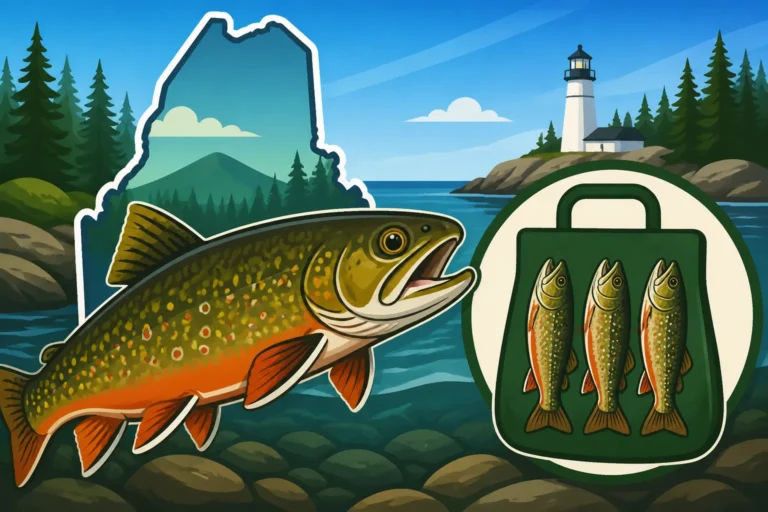
For example, the General Law might state that the daily bag limit for brook trout is five fish. However, if you're fishing a specific pond like Big Eddy Pond in Oxford County, and the regulations for that pond state a daily bag limit of two brook trout, then the limit of two fish is what you must adhere to. The statewide General Law of five is effectively overridden for that particular pond. This system allows MDIFW to manage individual fisheries with precision, responding to unique ecological conditions, stocking programs, or conservation needs without having to rewrite the entire statewide law for every minor adjustment. It's designed for flexibility in resource management, but it places the onus on the angler to know the specific rules for their chosen destination. It’s a bit of a learning curve, but it’s essential.
Identifying Special Regulation Waters
So, how do you know if the water you’re planning to fish is subject to special regulations? This is perhaps the most important question for any Maine angler. The primary source for this information is the annual Maine Fishing Regulations Explained handbook, published by the MDIFW. This book is your bible, and you should always have access to the current year's version, whether it's a physical copy you bought from a local store or an online version. Many anglers like to have a physical copy in their tackle box, and you can often find them available through retailers like Amazon.
Within this guide, waters with special regulations are usually listed alphabetically by county and then by the name of the lake, pond, river, or stream. If a specific water is not listed, then, and only then, does the General Fishing Law apply. This is why you can never assume; you must check the book for every new fishing spot. These special rules can dictate anything from modified Maine Fish Bag Limits Guide for certain species, to entirely different fishing methods (like fly-fishing only or artificial lures only), or even extended or shortened Maine Fishing Season Dates Guide. Some waters might even have specific slot limits for fish like landlocked salmon or bass, meaning you can only keep fish within a certain size range, rather than simply having a minimum length.
The Impact of North vs. South Zones
Adding another layer of complexity to Maine's fishing regulations is the division of the state into North and South Fishing Zones. This zoning system, detailed in the Maine North Zone vs South Zone Fishing Rules guide, primarily affects ice fishing season dates and certain bag limits, but it’s a crucial distinction. The General Law often references these zones, so understanding which zone a particular body of water falls into is non-negotiable.
Historically, the North Zone, which encompasses the state's vast wilderness and colder climates, has had different season dates, particularly for ice fishing, often opening and closing later than the more populated South Zone. This geographical distinction is based on ecological factors, such as ice-on and ice-off dates, fish growth rates, and fishing pressure. For example, a lake that might follow the General Law regarding bag limits in the South Zone could have a completely different general season start date if it falls into the North Zone. Always consult the official regulations to confirm the specific zone for your fishing destination, as misinterpreting this can lead to unknowingly violating season closure rules. It’s one of those details that can easily trip up even experienced anglers who are visiting a new part of the state.
The Practical Impact on Your Fishing Trip
All these rules aren't just bureaucratic red tape; they directly impact how you plan, equip, and execute your fishing trips in Maine. Ignoring them isn't an option, as wardens are out there to ensure compliance and protect the state's valuable fisheries.
Bag Limits and Size Restrictions
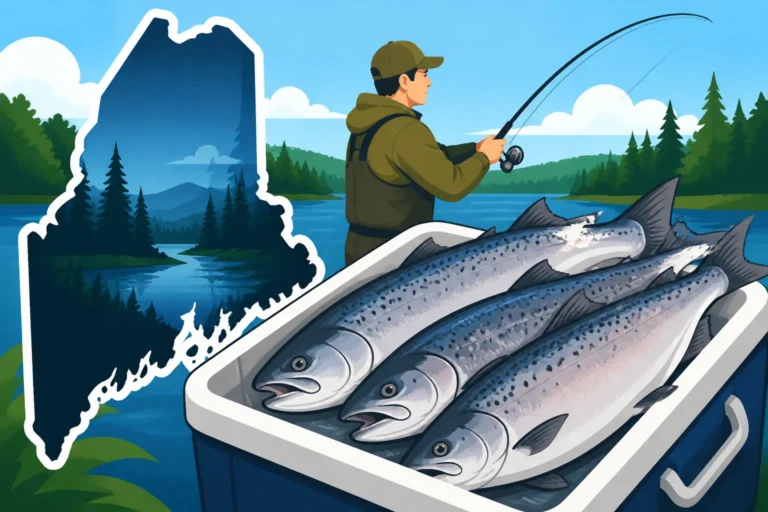
One of the most immediate and tangible impacts of both the General Law and special regulations is on bag limits and size restrictions. The General Law provides baseline numbers for how many fish of a certain species you can keep in a day and what their minimum legal length must be. For instance, the general rule might be two landlocked salmon with a minimum length of 14 inches. However, special regulations frequently alter these numbers, often to protect breeding stock, manage specific populations, or promote trophy fisheries.
You might encounter waters with a reduced bag limit, say one salmon, or an increased minimum length, perhaps 16 inches. Even more intricate are slot limits, which require anglers to release fish both below and above a certain size range, keeping only those in the middle. This is often done to protect larger, more prolific breeders. When fishing without a guide, it's your responsibility to know these numbers for your specific location. Don't be caught off guard; a quick glance at the Maine Fish Bag Limits Guide and the special regulations for your chosen lake can save you from a hefty fine or, worse, mistakenly depleting a fragile fish population. It’s also good practice to have a measuring tape readily available, even if you plan on catch and release.
Season Dates and Fishing Methods
Another critical area influenced by the General Law and special regulations involves season dates and the permissible fishing methods. While the General Law dictates the broad open water season (April 1 to September 30 for most waters), special regulations can extend this, shorten it, or create year-round fishing opportunities in specific locations. Some waters might open earlier or close later, particularly for ice fishing, depending on their location in the North or South Zone. For a comprehensive overview of when you can fish for what, always refer to the Maine Fishing Season Dates Guide.
Furthermore, how you can fish is also heavily regulated. The Maine Open Water Line Limits might state a general number of lines allowed (usually two), but some special regulations might restrict you to only one line, or prohibit certain types of bait or tackle. For example, some sensitive trout ponds are "fly-fishing only," meaning no spinning gear, bait, or artificial lures other than flies are allowed. Others might be "artificial lures only," explicitly banning natural bait. When it comes to ice fishing, the Maine Ice Fishing Line Limits also vary depending on whether you're in the North or South Zone and if specific regulations are in place. These restrictions are put in place to reduce pressure on fish populations, especially in waters with vulnerable species or those managed for specific angling experiences. Always verify the allowed methods before casting your first line.
Gear and Tackle Considerations
The regulations aren't just about fish; they also touch upon the gear and tackle you use. While the General Law permits a wide range of standard fishing tackle, specific regulations can introduce limitations. A notable example is the Maine Lead Jig Fishing Ban, which prohibits the use or possession of lead sinkers and unpainted lead jigs that weigh one ounce or less when fishing in inland waters. This regulation is in place to protect loons and other waterfowl from lead poisoning, and it's a perfect example of a statewide general law that applies universally.
Beyond lead bans, special regulations might specify hook type (e.g., single-hook only, barbless hooks only) or restrict the use of certain types of terminal tackle to protect fish during catch-and-release. If you're heading to a fly-fishing-only pond, for instance, you'll need specific fly rods, reels, and a selection of artificial flies. If you’re targeting a trophy lake, you might be considering heavier lines or different trolling setups. Always ensure your gear complies with the specific rules of the water you're fishing. It's not just about what you catch, but how you catch it.
Staying Informed and Avoiding Common Mistakes
Given the complexity, it's easy to make a mistake. However, ignorance of the law is never an excuse. Taking proactive steps to stay informed is the best way to ensure a legal and enjoyable fishing experience in Maine.
Essential Resources for Every Angler
The most crucial resource for any angler in Maine is the annual Maine Open Water & Ice Fishing Laws booklet, published by the MDIFW. This comprehensive guide details every regulation you need to know, from licensing requirements to specific water rules. You can find physical copies at most Maine town offices, sporting goods stores like Kittery Trading Post or L.L.Bean, and even some general stores. For convenience, it’s also available as a free PDF download on the MDIFW website. Many anglers also appreciate the convenience of ordering physical copies or supplementary guides from Amazon, ensuring they have a fresh copy delivered right to their door each season. Always make sure you're using the most current version, as regulations can change from year to year.
Beyond the official rulebook, the MDIFW website is a treasure trove of information. You can use their interactive tools to How to Find Maine Fishing Regulations for a Specific Lake or search for specific species limits. Local bait shops and sporting goods stores are also invaluable resources; the folks working there often have intimate knowledge of local regulations and can offer advice on specific waters. Don't be shy about asking questions!
Common Pitfalls to Avoid
Even seasoned anglers can fall prey to common mistakes when navigating Maine's fishing laws. One of the biggest pitfalls is assuming that because a lake is close to another or part of the same chain, it will have the same regulations. This is often not the case. Two adjacent ponds might have vastly different rules based on their unique fish populations or management goals. Always verify each specific body of water.
Another frequent error is relying on outdated information. Regulations can and do change annually. What was legal last year might not be this year, so always consult the current rulebook. Forgetting your Maine Fishing License Guide or fishing without a valid one is another common mistake, leading to a serious penalty, as detailed in Fishing Without a License in Maine. Also, anglers sometimes confuse "General Law" with "no rules," or assume that because a body of water isn't specifically listed in the exceptions, it must follow the General Law. Remember, if a water isn't listed with special regulations, then the General Law applies, but you still need to know what those general laws are! This includes understanding things like the Maine Fishing License Costs Guide and renewal rules. Being vigilant and double-checking before you head out is the best way to avoid a frustrating encounter with a game warden.
| Regulatory Aspect | Maine General Fishing Law (Default) | Example of Special Regulation Override |
|---|---|---|
| Open Season | April 1st – September 30th (open water), various for ice fishing | Year-round fishing on some rivers, extended seasons on specific lakes |
| Lines Permitted | Two lines per person (open water), up to five lines (ice fishing) | One line only on specific fly-fishing waters, 2 lines max on some ice-fish lakes |
| Brook Trout Bag Limit | 5 fish daily, 6-inch minimum length | 2 fish daily, 10-inch minimum on trophy waters; catch & release only on others |
| Landlocked Salmon | 2 fish daily, 14-inch minimum length | 1 fish daily, 16-18 inch slot limit; specific bait restrictions |
| Fishing Method | Any legal bait or lure (unless prohibited) | Fly-fishing only, artificial lures only, or live bait prohibited |
| Lead Tackle | No lead sinkers or unpainted jigs 1 ounce or less in inland waters | Applies universally (statewide ban, not a specific water override) |
Disclaimer
The information provided in this guide is for general informational purposes only and is not a substitute for the official regulations published by the Maine Department of Inland Fisheries and Wildlife (MDIFW). Fishing laws and regulations are subject to change, and it is the individual angler's responsibility to consult the most current official MDIFW fishing law book or website before fishing.