Can You Fish Year-Round in Southern Maine?
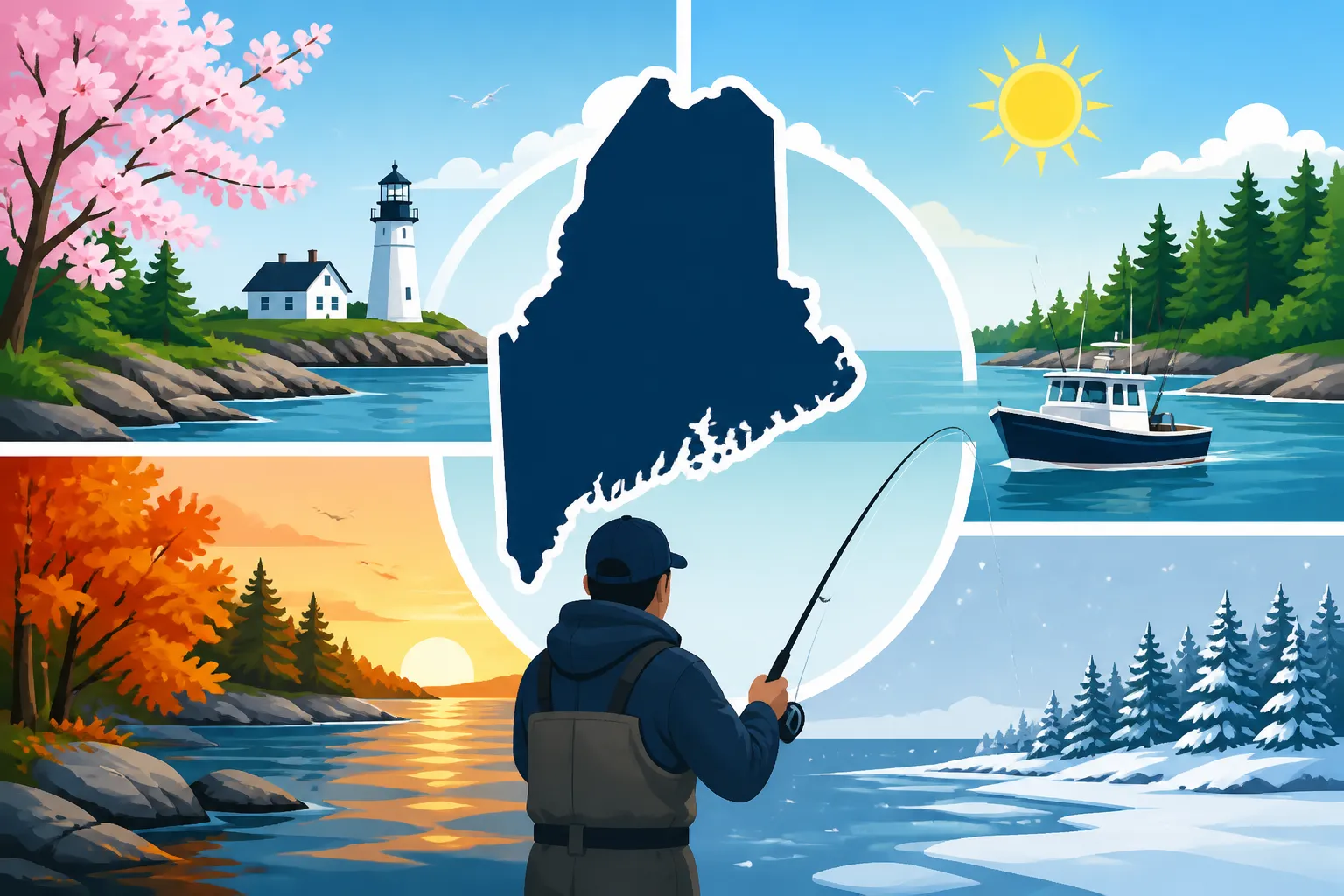
It’s a common dream for anglers, isn’t it? The idea of being able to cast a line whenever the mood strikes, no matter the season. For those of us who live and breathe fishing in Maine, especially down in the southern part of the state, that dream is largely a reality. While some states have strict closures, Maine offers a surprisingly robust year-round fishing experience, provided you understand the nuances of its unique regulations and the distinct challenges each season brings. This guide will walk you through everything you need to know about fishing year-round in Southern Maine, from icy winters to balmy summers.
Understanding Southern Maine's Fishing Zones
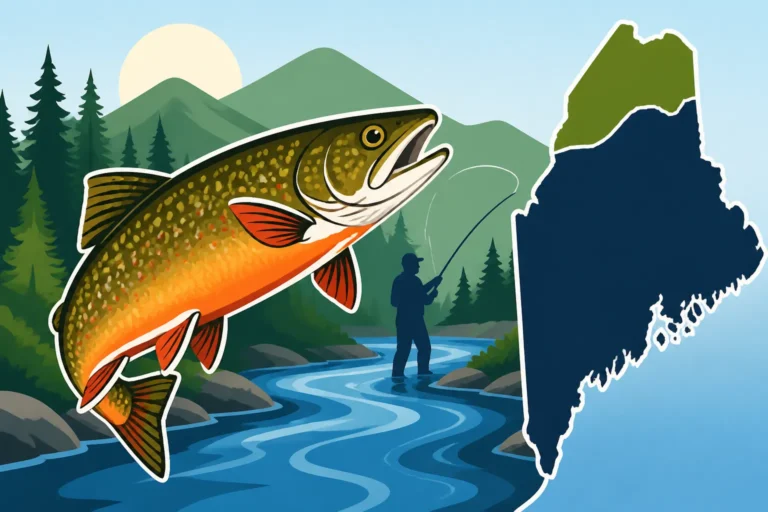
Before we dive into the seasonal specifics, it's crucial to understand what "Southern Maine" means in terms of fishing regulations. Maine's freshwater fishing laws are divided into two primary zones: the North Zone and the South Zone. The South Zone generally encompasses the more populated, southern half of the state, south of the Canadian Pacific Railway line from the New Hampshire border to Mattawamkeag, and south of Route 1 between Mattawamkeag and Vanceboro. This distinction is vital because general law waters in the South Zone often have more liberal season dates, allowing for extended or even year-round fishing for certain species, compared to the North Zone.
It’s easy to get confused with these lines on a map, especially when you’re looking at a specific pond or lake that seems to straddle a border. The best advice is always to consult the official Maine Fishing Regulations Explained booklet published by the Maine Department of Inland Fisheries and Wildlife (MDIFW) or check their website. They clearly outline the specific boundaries and which waters fall into which zone. This official resource will save you a lot of headaches and potential fines.
Beyond freshwater, Southern Maine also boasts an extensive coastline, offering fantastic saltwater opportunities. The regulations for saltwater fishing are separate from freshwater and generally don't adhere to the same North/South zone system for recreational anglers, though they do have their own seasonal limits, especially for species like striped bass.
The Impact of North vs. South Zones on Seasons
The primary reason for these zones boils down to ecological differences and fishing pressure. The North Zone, with its colder climate and typically more remote waters, often has shorter open water fishing seasons and different ice fishing rules to protect sensitive fish populations, particularly wild brook trout and landlocked salmon. On the other hand, the South Zone, experiencing milder winters and heavier fishing pressure from a larger population, has adapted its regulations to allow for more continuous angling, especially for species that can withstand it.
This means that a lake in the South Zone might be open to fishing year-round under general law for species like bass and perch, while a similar lake just a bit further north might have specific closure dates. This difference in regulation also extends to things like bag limits and even specific bait restrictions, making it paramount to know which zone your chosen fishing spot falls into. Don't assume that if one lake in Southern Maine is open, all of them are. Always double-check! This nuanced approach ensures that the state can manage its diverse fisheries effectively while still offering ample opportunities for anglers. You can dive deeper into these specifics by checking out our guide on Maine North Zone vs South Zone Fishing Rules.
Navigating Special Regulations
While the general law for the South Zone is quite generous, Maine is also famous for its "special regulation waters." These are specific lakes, ponds, or stretches of river that have their own unique rules, often overriding the general law. These special regulations are put in place for various reasons – protecting a trophy fishery, managing a delicate wild brook trout population, or addressing unique ecological conditions.
For example, a pond in the heart of Southern Maine that is otherwise in the South Zone might have a "catch and release only" rule for brook trout, or a specific slot limit for landlocked salmon, or even an earlier ice fishing closure. These rules are usually listed in detail within the Maine Fishing Law Book, organized by county and water body. It’s not enough to know you’re in the South Zone; you absolutely must check for any special regulations pertaining to your exact fishing destination. Missing these crucial details could turn a relaxing day of fishing into an expensive lesson from a warden.
Winter Fishing Opportunities in Southern Maine
When the mercury drops and the lakes freeze solid, many assume fishing season is over. But in Southern Maine, it’s just transitioning to a whole new exciting phase: ice fishing! The hardwater season is incredibly popular here, drawing anglers out onto the ice for everything from hearty lake trout (or "togue," as we often call them) to feisty perch and beautiful brook trout.
The relatively milder winters in Southern Maine often mean that lakes freeze earlier and stay accessible longer than their northern counterparts, though ice conditions always require extreme caution. Popular lakes like Sebago Lake, China Lake, and Cobbosseecontee Lake offer fantastic ice fishing experiences, often kicking off the season with enthusiasm. It's a truly unique way to experience the Maine outdoors, bundled up on a frozen lake, waiting for that flag to fly.
Popular Ice Fishing Species and Tactics
Ice fishing in Southern Maine primarily targets several key species. Lake trout (togue) are a big draw, especially on deeper lakes like Sebago Lake. Anglers often use tip-ups rigged with live bait like shiners or cut bait, set at various depths to target these cold-water predators. Jigging with heavier spoons or swimbaits is also effective, giving you a more active fishing experience.
Brook trout are another favorite, often found in smaller ponds or the shallower areas of larger lakes. They respond well to small jigs tipped with a worm or grubs, or small shiners on a tip-up. White and yellow perch are abundant in many Southern Maine lakes and provide fast-paced action, perfect for keeping kids engaged or for simply enjoying a productive day. They readily hit small jigs, worms, or even tiny spoons.
Don't forget about landlocked salmon! While often more challenging to find through the ice, they are present in many of the same lakes as togue and brook trout. They tend to cruise higher in the water column and can be enticed with jigging lures that imitate baitfish or small shiners fished under a tip-up. Regardless of your target species, remember that safety on the ice is paramount. Always check ice thickness, go with a buddy, and carry safety gear like ice picks. For more specific information, check out our in-depth guide to Maine Ice Fishing Rules Guide.
Essential Gear for Southern Maine Ice Fishing
Having the right gear makes all the difference for comfort and success on the ice. Beyond a valid Maine Fishing License Guide, you'll need:
- Ice Auger: A good auger (manual, power, or electric) is essential for drilling holes through varying ice thickness. Brands like Eskimo and ION are popular choices, and you can find a wide range of options on Amazon.
- Tip-Ups: These allow you to fish multiple lines (up to five per person in Maine, depending on the water) and cover more area, signaling a bite with a raised flag.
- Ice Rods and Jigs: Short, sensitive rods are perfect for jigging for perch, crappie, or even small trout. A variety of jigs, spoons, and soft plastics should be in your tackle box.
- Shelter: A portable ice fishing shack or shanty provides welcome protection from the wind and cold, turning a potentially miserable day into a comfortable one.
- Warm Clothing: Layers are key! Insulated boots, waterproof outer layers, and warm headwear are non-negotiable.
- Safety Gear: Ice picks, a throw rope, and a spud bar (for checking ice thickness) are critical safety items.
Remember to pack a thermos of hot coffee or cocoa, some snacks, and a portable seat, and you're set for a fantastic winter day. Many anglers find the peace and quiet of a frozen lake to be incredibly rejuvenating, a stark contrast to the bustle of summer fishing.
Spring Fishing in Southern Maine
As the ice retreats and the waters begin to warm, Southern Maine bursts back to life with incredible spring fishing opportunities. This is a prime time for many species, especially cold-water fish like brook trout and landlocked salmon, which become incredibly active near the surface as oxygen levels improve and baitfish become more available. Spring fishing can be unpredictable with rapidly changing weather, but the rewards are often well worth it.
The period just after "ice-out" (when the ice fully melts from the lakes) is particularly exciting. Fish that have been confined to deeper, colder pockets all winter begin to disperse and actively feed in shallower waters. Rivers and streams that were locked under ice or had limited access also open up, offering great fly fishing and spin fishing opportunities.
Early Season Trout and Salmon Action
Spring is arguably the best time to target brook trout and landlocked salmon in Southern Maine's lakes, ponds, and rivers. After ice-out, these fish are often found cruising near the surface, feeding aggressively. Trolling small spoons or streamers from a boat is a highly effective technique on larger lakes like Sebago Lake, though shore anglers can also find success casting from points and inlets.
For brook trout, especially in smaller, remote ponds or tributaries, casting spinners or small worms can yield excellent results. They're often eager to hit a well-presented offering. Fly anglers flock to rivers and streams for active trout, using nymph patterns, streamers, and eventually dry flies as insect hatches begin. Don't forget to check the specific Maine Fishing Season Dates Guide for the exact waters you plan to fish, as some rivers might have delayed openings to protect spawning fish.
Chasing Warm Water Species
While cold-water species dominate early spring, as the water continues to warm, species like smallmouth and largemouth bass start to become more active. They'll move into shallower, sun-warmed areas, especially rocky points and coves. This pre-spawn period can offer some fantastic action, with bass aggressively hitting jigs, crankbaits, and even spinnerbaits.
Northern pike and chain pickerel, often found in the weedier, shallower parts of Southern Maine's lakes, also become very active in spring. These aggressive predators can provide exhilarating fights and are a blast to catch on various lures, including weedless spoons and topwater baits as the water warms further. While not everyone's target, they can make for a fun and action-packed fishing experience, especially for those looking to hone their casting skills.
Summer Fishing in Southern Maine
Summer in Southern Maine is truly beautiful, but the fishing can sometimes be a bit more challenging, especially for cold-water species. As water temperatures rise, trout and salmon tend to retreat to deeper, cooler sections of lakes, often near thermoclines or cold springs. However, warm-water species like bass thrive in the summer heat, providing plenty of exciting angling opportunities. Plus, the coastal waters come alive with striped bass!
Summer fishing in Maine means long days on the water, often starting early in the morning or fishing into the evening to avoid the hottest parts of the day. It’s also the perfect time for family fishing trips, shore fishing, and exploring new waters with a kayak or canoe.
Deep Water Strategies for Trout and Salmon
If you're determined to catch trout and landlocked salmon during the summer, you'll need to adapt your techniques. On larger, deeper lakes like Sebago Lake or some of the Best Fishing Lakes in Maine in the Belgrade Lakes region, trolling is still the most effective method. This often involves using downriggers, lead core line, or copper line to get lures and bait down to depths of 30-60 feet, where the water is coldest. Small baitfish imitations, spoons, and streamer flies are still excellent choices.
Early mornings and late evenings are also key for these species, as they might briefly move into shallower water to feed during cooler periods. Shore anglers can sometimes find success casting deep-diving crankbaits or heavily weighted spoons from points that drop quickly into deep water. Remember to check specific regulations for Landlocked Salmon Size Limit in Maine before keeping any fish.
Prime Time for Bass and Saltwater Species
Summer is unequivocally prime time for bass fishing in Southern Maine. Both smallmouth and largemouth bass are incredibly active, feeding aggressively throughout the warmer months. Smallmouth bass love rocky structures, islands, and humps in clear lakes, hitting topwater lures at dawn and dusk, or jigs and worms during the day. Largemouth bass prefer weedy cover, lily pads, and fallen timber, responding well to plastic worms, frogs, and spinnerbaits. The Maine Bass Limit in the South Zone allows for generous harvest, but many anglers practice catch and release to preserve these feisty fighters.
And then there's the coast! Southern Maine's coastline is renowned for its incredible striped bass fishing during the summer. These powerful game fish migrate north and can be caught from shore, piers, or boats. Fly fishing with large deceiver patterns, casting various plugs and soft plastics, or soaking bait like mackerel and worms are all effective strategies. Remember to check the Maine Saltwater Fishing Registry Guide requirements and stay informed about the specific slot limits and regulations for striped bass. Casco Bay, the Kennebec River estuary, and countless beaches and rocky shores offer excellent striper action from June through September.
Fall Fishing in Southern Maine
As the leaves turn brilliant hues of red and gold, Southern Maine enters another fantastic fishing season: fall. The cooling water temperatures invigorate many species, especially trout and salmon, making them active and aggressive as they prepare for spawning. The crowds often thin out after the summer rush, offering a more peaceful angling experience amidst stunning scenery.
Fall fishing is often characterized by crisp air, vibrant foliage, and fish that are eager to feed. It's a truly magical time to be on the water in Maine, whether you're casting a fly in a scenic river or trolling a spoon on a quiet lake.
Aggressive Trout and Salmon
Fall is a prime time for landlocked salmon and brook trout, particularly as they begin their spawning runs. Many species will move into shallower areas of lakes, or migrate up rivers and streams from lakes to spawn. This makes them more accessible to anglers than during the hot summer months. Trolling spoons and stickbaits that imitate baitfish can be incredibly effective on lakes, especially during overcast days.
For stream and river anglers, fall offers some of the best fly fishing of the year. Trout and salmon can be found in riffles, runs, and deeper pools, often actively feeding on aquatic insects or smaller baitfish. Streamer patterns, nymph rigs, and even late-season dry flies can all produce strikes. Always be mindful of spawning fish; many anglers opt for catch and release during this sensitive time to protect future generations. Remember to consult the Brook Trout Daily Bag Limits for specific waters, as regulations can vary during spawning seasons.
Cooler Waters, Active Bass
While often overshadowed by trout and salmon in the fall, bass fishing can still be excellent in Southern Maine as waters cool. Smallmouth and largemouth bass go on a feeding frenzy in preparation for winter, often schooling up and moving to predictable deep-water structures. Fishing crankbaits, jigs, and blade baits can be highly effective for catching these active fish.
This is also a great time for fishing for panfish like white perch and yellow perch, which become very active in schools, providing consistent action for anglers of all skill levels. They're fun to catch and make for excellent table fare.
Permits, Licenses, and Responsible Angling
No matter the season, a few things remain constant for year-round fishing in Southern Maine. First and foremost, you absolutely need a valid Maine fishing license if you are 16 years of age or older. You can purchase a Maine Fishing License Online through the MDIFW website, or at various local agents like sporting goods stores, town offices, and even some convenience stores throughout the state. Licenses are typically valid from January 1st to December 31st of the calendar year they are purchased, regardless of when you buy them.
It’s crucial to understand the rules and regulations. Always carry your current fishing license and have a copy of the current Maine Fishing Law Book, either a physical copy or the digital version on your phone. Ignorance of the law is not an excuse, and game wardens in Maine are dedicated to protecting the state's natural resources.
Catch and Release Best Practices
Maine is home to incredible wild fisheries, and practicing responsible catch and release is vital for their sustainability, especially if you're targeting sensitive species or fishing in waters with special regulations. Here are some key tips:
- Minimize handling: Touch the fish as little as possible.
- Wet your hands: Always wet your hands before handling a fish to protect its slime coat, which is crucial for disease resistance.
- Use appropriate gear: Use tackle strong enough to land the fish quickly, minimizing stress.
- Barbless hooks: Consider using barbless hooks or pinching down barbs for easier, less damaging hook removal.
- Revive the fish: If a fish seems sluggish, hold it gently in the water, facing into the current, until it swims away on its own.
By following these practices, you help ensure that future generations of anglers can enjoy the same fantastic fishing opportunities in Southern Maine.
Table of Southern Maine Year-Round Fishing Opportunities
Here's a quick overview of some popular fish species in Southern Maine and their general seasonal activity, assuming general law in the South Zone:
| Fish Species | Winter (Ice Fishing) | Spring (Ice-Out to Late Spring) | Summer (Warm Water) | Fall (Cooling Water) | Common Locations in Southern Maine |
|---|---|---|---|---|---|
| Landlocked Salmon | Good | Excellent | Fair (Deep water trolling) | Excellent | Sebago Lake, Long Lake, Panther Pond, China Lake |
| Brook Trout | Good | Excellent | Fair (Deep water/streams) | Excellent | Smaller ponds, streams, tributaries, deeper sections of lakes |
| Lake Trout (Togue) | Excellent | Good | Fair (Deep water trolling) | Good | Sebago Lake, Thompson Lake, China Lake |
| Smallmouth Bass | Closed (General Law) | Good | Excellent | Excellent | Sebago Lake, Moose Pond, Crystal Lake, Maranacook Lake |
| Largemouth Bass | Closed (General Law) | Good | Excellent | Excellent | Great Pond, Cobbosseecontee Lake, Messalonskee Lake |
| White Perch | Excellent | Excellent | Good | Excellent | Most Southern Maine lakes and ponds, often schooling in large numbers |
| Yellow Perch | Excellent | Excellent | Good | Excellent | Most Southern Maine lakes and ponds |
| Chain Pickerel | Excellent | Excellent | Good | Excellent | Weedy, shallow areas of almost all freshwater bodies |
| Striped Bass | Closed | Fair (late spring) | Excellent | Good (early fall) | Maine Coastline, tidal rivers (Kennebec, Penobscot estuaries, Casco Bay, etc.) |
Note: This table represents general activity under general law in the South Zone. Always consult the official Maine Fishing Law Book for specific water bodies and special regulations.
Final Thoughts on Year-Round Angling
So, can you fish year-round in Southern Maine? The answer is a resounding yes, though the "how" and "what" changes dramatically with each season. From bundling up for an ice fishing adventure on Sebago Lake in January, to chasing spirited brook trout in a spring stream, battling a feisty smallmouth bass in the summer heat, or casting for an aggressive landlocked salmon amidst fall foliage, Southern Maine offers a continuous cycle of angling enjoyment.
The key to success, and more importantly, to legal and sustainable fishing, lies in understanding the specific regulations that govern the waters you choose to fish. Always be prepared, stay safe, and respect the incredible natural resources that make Maine such a special place for anglers. Whether you’re looking for a new rod and reel combo, a tackle box full of lures, or even an ice fishing shelter, you can find a huge selection of gear on Amazon to equip you for any season. Happy fishing, and I hope to see you out on the water, no matter what time of year it is!
Disclaimer
Please note that fishing regulations in Maine are subject to change. While this guide provides a comprehensive overview, it is essential to consult the most current official Maine Department of Inland Fisheries and Wildlife (MDIFW) regulations before planning any fishing trip. Always prioritize safety, especially when on or near the water during different seasons.