Where Can You Catch Sea-Run Brook Trout in Maine?
For many anglers, the idea of catching a truly wild brook trout is the pinnacle of freshwater fishing. But imagine a brook trout that ventures beyond the river, into the salty embrace of the ocean, only to return to freshwater to spawn. This is the elusive "salter" brook trout, a genuine native gem, and if you're like me, you've probably heard whispers of their existence but wondered if you could ever actually find one in Maine. This guide is all about demystifying these incredible fish and pointing you toward the hallowed waters where you might just encounter them.
The Elusive "Salter" Brook Trout: Understanding What Makes Them Special
When we talk about brook trout, most of us picture them in a pristine mountain stream, darting between rocks in crystal-clear water. These fish are iconic to Maine, deeply ingrained in our fishing heritage. But the sea-run brook trout, or "salter," adds another layer of mystique and challenge to that already revered species. They are a testament to the resilience and adaptability of nature, a true marvel to behold for any dedicated angler.
What Exactly is a Sea-Run Brook Trout?
A sea-run brook trout, often affectionately called a "salter" by those in the know, is genetically identical to its freshwater-bound cousins. The difference lies in its life history: these trout migrate from their natal freshwater streams and rivers out into the brackish estuarine environments, and sometimes even into the full salinity of the ocean, before returning to the fresh water to spawn. This anadromous (or in this case, diadromous, as they go both ways, but often categorized with anadromous species like salmon) behavior is driven by a quest for richer feeding grounds, where they can grow larger and faster than their landlocked counterparts.
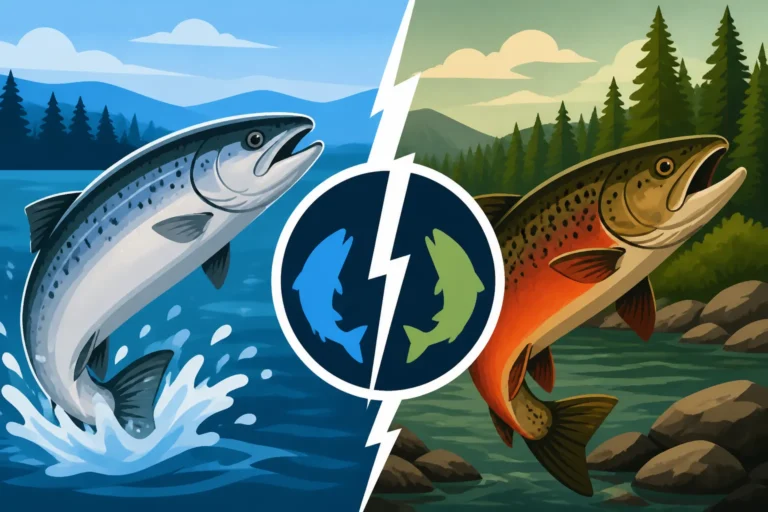
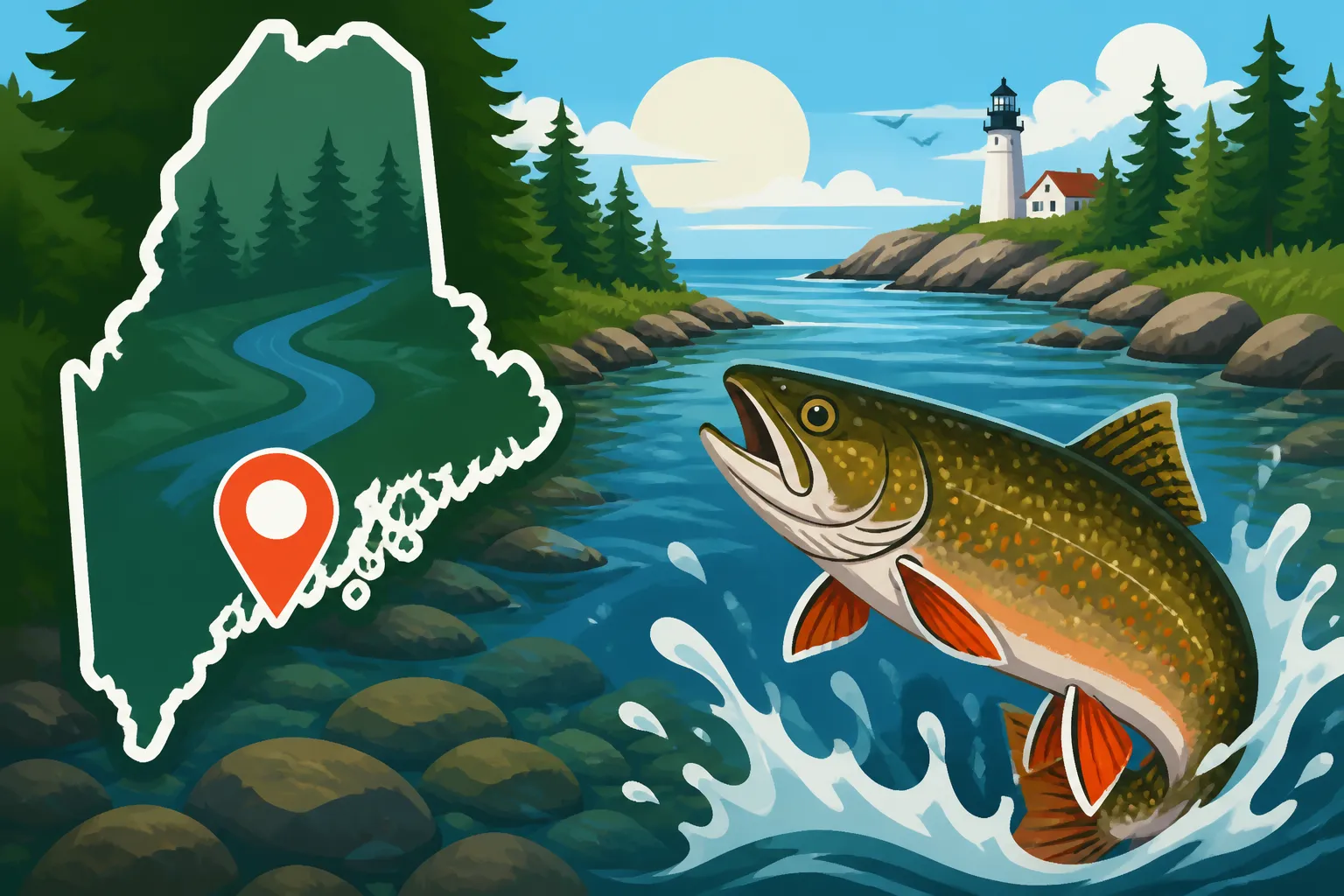
Their appearance often gives them away. While still retaining the worm-like markings (vermiculations) and red spots with blue halos characteristic of brook trout, salters tend to be much more silver or chrome in color when they first return from the ocean, losing some of the vibrant reds and oranges common in purely freshwater populations. This silvery sheen helps them blend in with their saltwater surroundings. Over time, as they reside longer in freshwater, their colors will intensify again, but that initial "chrome" look is a tell-tale sign they’ve been out to sea. It’s a subtle but striking difference that excites any angler who knows what to look for.
Why Are They So Rare and Sought After in Maine?
The simple truth is, sea-run brook trout are a rare find across much of their historic range, and Maine is one of the last strongholds where viable populations still exist. Their rarity stems from a combination of factors, primarily habitat loss and degradation. Coastal development, road crossings that block migration, and pollution in estuaries have all taken a heavy toll on the delicate ecosystems these fish rely on. They need pristine freshwater spawning grounds, unimpeded access to and from brackish waters, and clean, oxygen-rich estuaries with abundant food. Finding all these elements intact is increasingly difficult.
For anglers, this rarity makes them incredibly desirable. Catching a salter isn't just about the fight – which can be spirited, especially for a larger, ocean-fed fish – it's about the connection to a truly wild, ancient tradition. It’s a badge of honor, a recognition that you’ve managed to find a fish that thrives in a fleeting, fragile environment. The challenge of locating these specific, unspoiled habitats and then successfully enticing one of these wary fish makes the experience deeply rewarding. It's a reminder of Maine's unique natural heritage and the ongoing efforts to preserve it.
Identifying the Prime Coastal Habitats in Maine
Finding sea-run brook trout isn't like casting a line in a stocked pond. It requires a bit of detective work, understanding their environmental needs, and a willingness to explore. These fish are particular, and their preferred habitats are often those that have remained largely untouched by significant human impact. Think of it as a treasure hunt where the X marks a clean, cold, and connected ecosystem.
Characteristics of a Promising Sea-Run Trout Stream
A river or stream that hosts sea-run brook trout will typically share several key characteristics. First and foremost, the water must be cold and clean. Brook trout, regardless of their migratory habits, are incredibly sensitive to water temperature and oxygen levels. This means looking for streams fed by cold groundwater or those with ample tree cover to provide shade, keeping water temperatures down, especially in warmer months. Secondly, the stream needs to have an unimpeded connection to the ocean or a tidal estuary. This might sound obvious, but countless culverts, dams, and road crossings prevent fish passage, effectively cutting off these migratory pathways. A truly viable salter stream will flow freely from its headwaters all the way to the salt. You’ll want to research streams that are known for their natural runs, where human intervention is minimal.
Beyond the water quality and connectivity, the streambed itself plays a crucial role. Sea-run brook trout, like all brook trout, require gravelly bottoms for spawning. They'll also seek out areas with complex habitat structure – downed trees, undercut banks, and large rocks – which provide cover from predators and strong currents, and act as ambush points for feeding. These features also contribute to a healthy insect population, which is a key food source. Finally, the surrounding land use is critical. Undisturbed riparian zones with native vegetation help filter runoff, stabilize banks, and maintain the natural integrity of the system. Finding a stream that checks all these boxes in Maine can feel like discovering a secret garden.
Geographic Hotspots: General Regions to Focus On
While I can't give you GPS coordinates to specific honey holes – because part of the adventure is finding them yourself and protecting these fragile spots – I can certainly point you to the general regions in Maine where sea-run brook trout populations are known to persist. Historically, and still to this day, the Downeast region of Maine is considered the prime territory for these remarkable fish. This area, with its rugged, undeveloped coastline, numerous small, cold rivers, and relatively low population density, offers the best chance of finding the pristine conditions salters require. The less fragmented the landscape, the better.
Further west, into the MidCoast and even southern Maine, opportunities become scarcer but are not entirely absent. Here, you'll need to focus on the truly exceptional streams that have somehow escaped the widespread development and environmental pressures. These might be smaller, more secluded drainages that flow through protected lands or areas with dedicated conservation efforts. It's often about finding those isolated pockets where habitat connectivity has been preserved. Checking local conservation trust websites or state fisheries reports can sometimes offer clues about specific watersheds where restoration efforts or monitoring are underway, which often indicates the presence of these sensitive species. Keep in mind that areas like the Allagash Wilderness Waterway Fishing Guide might hold incredible freshwater brook trout, but the sea-run variety requires that direct, unimpeded link to the sea.
Specific Maine Waterways Known for Salter Brook Trout
Now for the exciting part! While exact locations are often kept under wraps by seasoned anglers to protect these vulnerable populations, there are general areas and river systems in Maine that have a reputation for supporting sea-run brook trout. Remember, this isn't a guarantee of catching one, but it greatly improves your odds by focusing your efforts where these fish have the best chance to thrive.
Downeast Maine's Hidden Gems
The Downeast region, stretching from roughly the Penobscot Bay area eastward to the Canadian border, is undeniably the heartland for sea-run brook trout in Maine. The remote, rocky coastline here is incised by numerous small to medium-sized rivers and streams that flow directly into the Atlantic. Many of these watersheds benefit from extensive forested lands, minimal agricultural runoff, and fewer impoundments, creating ideal conditions. Think of rivers in Washington County or eastern Hancock County. The Machias River, for instance, is famous for its Atlantic salmon runs, but its many tributaries and the lower main stem can also provide habitat for salters. Other coastal rivers, often unnamed on standard maps or appearing as mere lines on a topo, are prime candidates. It's often the small, unassuming streams that are overlooked by most anglers that offer the best opportunities.
When exploring these areas, pay close attention to estuaries where freshwater meets saltwater. These transition zones are crucial. Look for areas with good tidal exchange, plenty of natural cover like eelgrass beds or rocky outcrops, and access to cold, clear upstream reaches. Many of these streams are part of larger watersheds that hold exceptional freshwater brook trout populations further inland, making them an excellent choice for a diverse fishing trip. You might even stumble upon some phenomenal Brook Trout Fishing in Maine as a bonus! Remember that accessing some of these areas might require navigating private land, so always be respectful and seek permission if needed.
MidCoast and Southern Maine Possibilities
While the Downeast offers the highest concentration, don't completely discount the MidCoast and even portions of Southern Maine. Here, finding salters often means looking for truly exceptional, often smaller, coastal rivers that have benefited from historical conservation efforts or simply avoided intense development pressure. Examples of such rivers might include portions of the Medomak River system, or smaller drainages around Muscongus Bay or Boothbay Harbor, though specific identification is much harder here due to increased human presence. These areas often have extensive marshlands and estuaries which, if healthy, provide rich feeding grounds.
The key in these more developed regions is unimpeded passage. Check maps for dams or significant road crossings near the coast. If a stream has a long, clear run from cold upland sources all the way to the sea, it’s worth investigating. You might also find that specific organizations or land trusts have done significant work on certain streams to restore fish passage or improve habitat. This kind of work is vital for these sensitive fish. While you might encounter Smallmouth Bass Fishing in Maine or even Striped Bass Fishing in Maine in these more southerly tidal waters, the brook trout will be seeking out the colder, cleaner freshwater inlets and upstream sections, especially as they prepare to spawn. Your best bet is to target the very early spring or late fall when water temperatures are optimal for trout.
| Geographic Region | Typical Stream Characteristics | Best Time to Fish | Other Notable Fish Species |
|---|---|---|---|
| Downeast Maine | Numerous cold, pristine, often remote streams with direct ocean access. Extensive forested watersheds. Few major impoundments. | Early Spring, Late Fall | Atlantic Salmon (restoration), Alewives, Smelt, Freshwater Brook Trout |
| MidCoast Maine | Fewer pristine systems; focus on smaller, protected streams or those with active restoration. More developed coastal areas. | Early Spring, Late Fall | Striped Bass, Alewives, White Perch, Freshwater Brook Trout |
| Southern Maine | Very limited opportunities; seek highly protected, often smaller, spring-fed streams with excellent connectivity. Heavily developed coast. | Very Early Spring, Late Fall | Striped Bass, Alewives, White Perch |
Tips and Techniques for Pursuing Maine's Sea-Run Brook Trout
Chasing sea-run brook trout isn't just about finding the right spot; it's also about approaching them with the right mindset, gear, and techniques. These fish are wild, wary, and often found in challenging environments. Patience and persistence are your greatest allies when targeting such a unique and sensitive species.
Essential Gear and Lures for Salters
When gearing up for sea-run brook trout, versatility is key. You'll likely be fishing a mix of freshwater stream conditions and tidal estuary environments. A light to medium-light action spinning rod, around 6 to 7 feet long, paired with a small reel spooled with 4-6 pound test line, is a good all-around choice. This setup allows for accurate casting in tighter quarters and sensitivity for subtle bites, but still provides enough backbone to handle a strong, ocean-fed brook trout. For those who prefer the grace of fly fishing, a 4 or 5-weight fly rod, with a floating or sink-tip line, is perfect for these waters. Make sure your waders and wading boots are in good shape, as you'll often be navigating slippery rocks and uneven bottoms. Safety first, always! You can find excellent options for rods, reels, and waders on Amazon, giving you a wide selection to match your budget and needs.
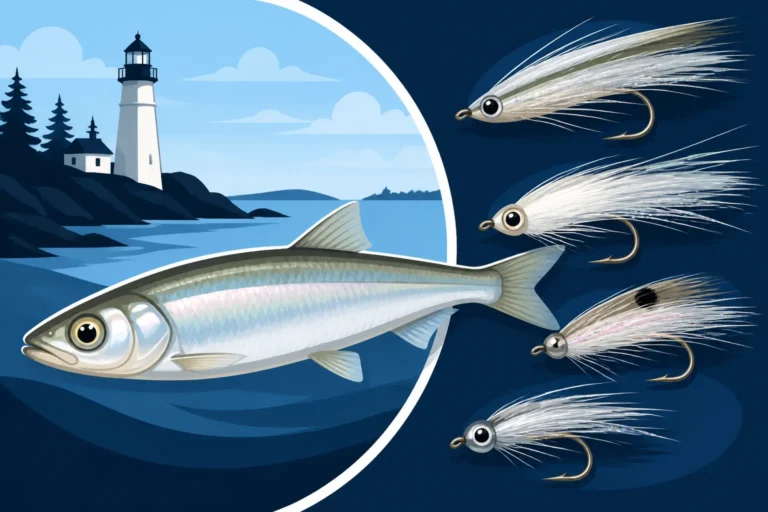
As for lures and flies, imitate the local forage. In the spring, smolt patterns and small baitfish imitations are excellent as salters are actively feeding on anything resembling a small fish. Streamers like the Mickey Finn, Grey Ghost, or Black-Nose Dace, in sizes 6-10, are reliable choices. Small spoons and spinners (like silver or gold Kastmasters or Mepps Aglias) also work well, especially in larger pools or tidal areas. As the season progresses and insects become more active, traditional brook trout flies such as Royal Coachman, Woolly Buggers, or various nymph patterns can be effective in the freshwater sections. Consider having a selection of wet flies and small nymphs ready to imitate aquatic insects. Always check the Maine Fishing Regulations Explained for any specific lure restrictions in the waters you plan to fish.
Timing Your Trip: Seasons and Tides
Timing is absolutely everything when it comes to sea-run brook trout. Their migratory behavior means they are only present in specific parts of the river system for certain windows. The two prime seasons are early spring, after ice-out, and the late fall. In spring, as water temperatures begin to rise and food becomes more abundant, salters will move downstream towards the estuaries to feed and grow. This period, roughly April through June, can be excellent. They will move back upstream later in the summer if water temperatures allow, but often retreat to cooler, deeper pools or head back to the ocean.
Fall, particularly September through October, is another phenomenal time, as this is when the trout return to freshwater to spawn. They'll be moving upstream, their colors becoming more vibrant, and they'll be actively feeding before and during the spawning period. This is often when you'll find the largest, most colorful fish. Beyond the season, pay close attention to the tides in the estuarine sections. Often, the incoming or outgoing tide, particularly around slack tide, can concentrate fish as they move with the currents or wait for baitfish to be flushed into their feeding lanes. Many anglers find the hour before and after high tide, or low tide, to be particularly productive. Always consult a local tide chart and plan your Maine Fishing Season Dates Guide around these critical windows. A good pair of polarized sunglasses, available on Amazon, will also help you spot fish holding in the water, especially during tidal movements.
Disclaimer
This article is for general informational purposes only and does not constitute professional advice. Laws, prices and regulations vary by location and change over time. Consult a qualified professional for guidance on your specific situation.