What Is a Salter Brook Trout?
For anglers who have spent countless hours chasing brook trout in crystal-clear freshwater streams, the idea of these vibrant, speckled beauties venturing into the salty embrace of the ocean might seem like something out of a tall tale. Yet, in the unique coastal ecosystems of Maine, a special kind of brook trout exists, one that dares to defy convention and embrace the briny depths, only to return to its natal waters. This guide is dedicated to unraveling the mystery of the "Salter Brook Trout," exploring their incredible life journey, the unique characteristics they develop, and why they represent a truly remarkable part of Maine's angling heritage.
The Enigmatic Salter Brook Trout Defined
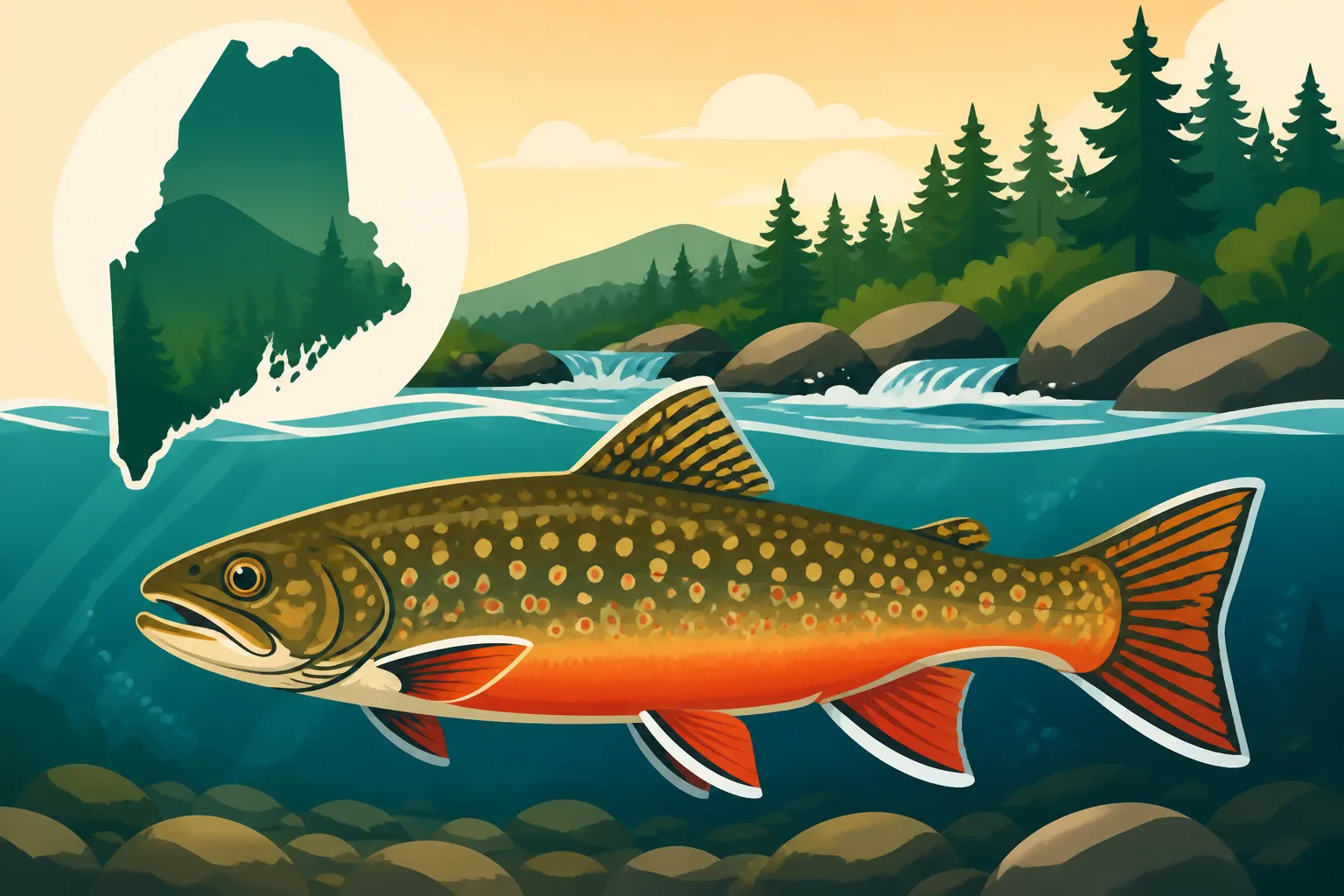
When most people picture a brook trout, they imagine a jewel-toned fish darting through cold, oxygenated freshwater streams and ponds, often nestled deep within the Maine woods. These are indeed the quintessential brook trout, thriving in their preferred inland habitats. However, a small, resilient percentage of brook trout populations in coastal Maine have developed an extraordinary adaptation: they migrate from freshwater rivers and estuaries into the ocean, spending a portion of their lives in saltwater before returning to spawn in the very same freshwater streams where they were born. These incredible fish are known as "Salter Brook Trout," a term that perfectly encapsulates their unique dual-habitat existence.
This anadromous (or, more precisely, diadromous, as they can also be catadromous, though less common in this species) behavior is a testament to the brook trout's adaptability. Unlike their strictly freshwater cousins, salters develop a physiological tolerance to saltwater, allowing them to exploit the richer food sources found in marine environments. This journey isn't without its challenges, requiring a significant shift in their internal chemistry to cope with the osmotic stress of moving between fresh and saltwater. It's a demanding life, but one that offers the reward of increased growth rates and often larger, more powerful fish.
The Incredible Journey: Life Cycle and Habitat of Salters
The life cycle of a Salter Brook Trout is a fascinating testament to natural resilience and adaptation. It begins much like any other brook trout: eggs are laid in gravel beds in clear, cold freshwater streams, typically in the fall. After hatching in the spring, the young trout, or parr, spend their initial years growing in these freshwater nurseries. It's during this phase that they begin to exhibit the tell-tale signs of becoming a salter, often showing a stronger migratory urge than their purely freshwater counterparts.
As they mature, usually around one or two years old, and once they reach a certain size, these intrepid trout begin their downstream migration. Driven by instinct and physiological changes, they journey towards the estuary, a transitional zone where fresh river water mixes with the salty ocean. Here, they gradually acclimate to the increasing salinity, a process known as smoltification, which prepares their bodies for the full marine environment. Once fully smoltified, they venture into the ocean, typically staying within coastal waters, bays, and estuaries rather than undertaking extensive offshore migrations. They feast on marine invertebrates and baitfish, growing rapidly in this nutrient-rich environment. This is why a Salter Brook Trout is often noticeably larger and more robust than a comparably aged freshwater brook trout. You might even find specialized gear for this type of fishing on Amazon, including specific flies or lures designed for larger, stronger fish.
Coastal River Systems: Their Preferred Domain
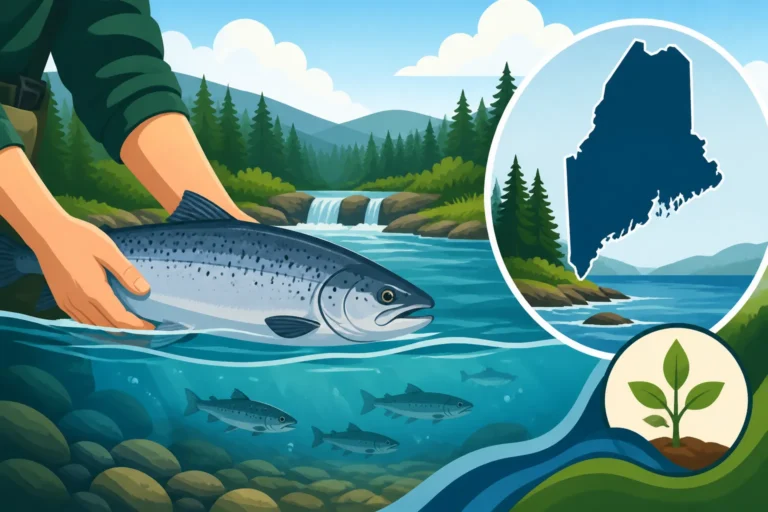
Not all coastal rivers in Maine host Salter Brook Trout populations. Their existence is highly dependent on a specific set of environmental conditions. These fish require clean, cold, unimpeded freshwater streams for spawning and juvenile growth, connected to relatively pristine estuaries and coastal areas that provide safe passage and rich feeding grounds. Rivers and streams in Downeast Maine, particularly those in Washington County, are historically renowned for supporting these unique sea-run populations.
The journey these fish undertake is fraught with peril. Predation from birds and larger fish, habitat degradation, and barriers to migration like dams or culverts can severely impact their numbers. Conservation efforts are crucial to maintaining these delicate ecosystems and ensuring that future generations can witness the remarkable return of these sea-run gems. Understanding the Brook Trout Native Range in Maine helps appreciate why these coastal populations are so special.
Spotting and Catching These Coastal Gems
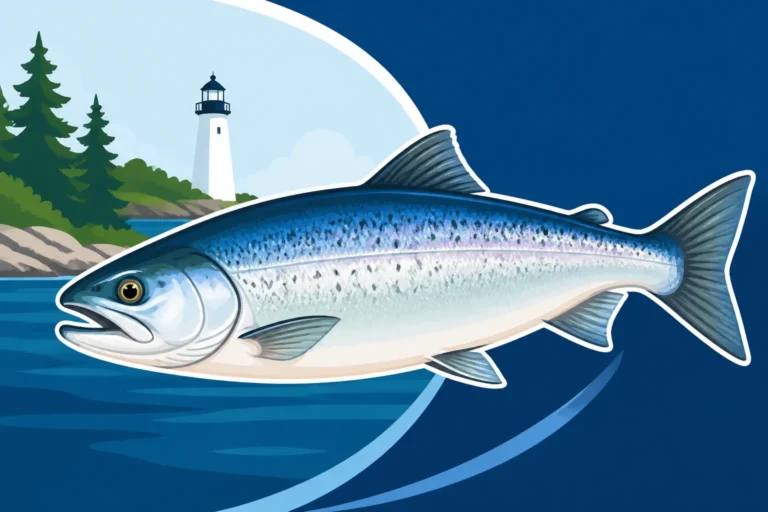
Identifying a Salter Brook Trout can be a thrilling experience for any angler. While they retain the fundamental characteristics of a brook trout, their time in saltwater often imparts distinct changes. They typically appear more silvery or brassy on their sides, a camouflage adaptation for marine life, with less pronounced vermiculation (the worm-like patterns) on their backs. The vibrant red and blue spots, so characteristic of their freshwater kin, might be muted or less vivid until they return to freshwater for spawning. Perhaps the most striking difference is their size and fighting prowess; a salter often boasts a larger, more muscular build, making for an exhilarating fight on appropriate tackle.
Fishing for Salter Brook Trout is an art form that often blends freshwater and saltwater techniques. Anglers typically target them during their migratory periods – either when they are entering the ocean in spring or, more commonly, when they are returning to freshwater in late summer and fall to spawn. These periods often coincide with specific tide cycles, making tide charts an essential tool for successful outings. Using light tackle, similar to what you'd use for larger freshwater trout, is recommended. Fly fishing with streamer patterns that imitate baitfish, or nymphing techniques, can be particularly effective in the brackish and lower freshwater reaches of coastal rivers. Fly Selection for Brook Trout becomes critical when targeting these opportunistic feeders.
Prime Locations and Timing
While specific locations are often closely guarded secrets among local anglers, general areas known for Salter Brook Trout activity include the lower reaches of rivers and streams that flow directly into the Atlantic, particularly those with strong tidal influence. Washington County, with its extensive network of coastal rivers, remains a stronghold for these unique fish. Areas around Machias, Lubec, and Dennysville are often mentioned when discussing Salter Brook Trout.
The best time to target returning salters is typically late summer through fall, as they begin their push upstream. Early spring can also offer opportunities as they descend to the ocean. Fishing during the incoming or outgoing tides can concentrate fish in certain areas, making them more accessible. It’s a dynamic fishery, constantly influenced by water levels, temperature, and tidal fluctuations. Always remember to check Maine Fishing Season Dates Guide and local regulations, as these sensitive populations often have specific rules in place to protect them.
Conservation and the Future of Salter Brook Trout
The existence of Salter Brook Trout populations in Maine is a rare and precious ecological phenomenon. These fish are indicator species, meaning their health and presence reflect the overall health of the coastal ecosystems they inhabit. Unfortunately, like many migratory fish, salters face significant threats that jeopardize their future.
Habitat degradation is a major concern. Development along coastal rivers, pollution from runoff, and changes in water quality can make critical spawning and nursery grounds unsuitable. Historic logging practices and road construction have sometimes led to erosion and sedimentation, further impacting these sensitive habitats. Furthermore, physical barriers such as dams, even small ones, can block migration routes, preventing trout from reaching either their freshwater spawning grounds or their saltwater feeding areas.
Efforts to Protect These Unique Populations
Recognizing the ecological significance of Salter Brook Trout, various conservation groups and state agencies are actively working to protect and restore their habitats. These efforts include dam removal projects to restore fish passage, riparian zone restoration to improve water quality and reduce erosion, and targeted land conservation to protect critical undeveloped coastal watersheds. Anglers also play a vital role by practicing responsible catch and release, especially for these vulnerable populations, and by advocating for strong conservation policies. Choosing gear from environmentally conscious brands on platforms like Amazon can also indirectly support these efforts.
Understanding the Brook Trout Daily Bag Limits and adhering to them is paramount. In many areas, especially those with sensitive salter populations, catch and release is highly encouraged or even mandated to help these fish successfully spawn and bolster future generations. The future of the Salter Brook Trout depends on a concerted effort from all of us – anglers, conservationists, and coastal communities – to safeguard their extraordinary journey and the unique ecosystems they call home.
Salter Brook Trout vs. Freshwater Brook Trout: A Comparison
While both are Salvelinus fontinalis, their different life histories lead to some notable distinctions. Here’s a quick overview:
| Feature | Freshwater Brook Trout | Salter Brook Trout |
|---|---|---|
| Habitat | Primarily cold, clear, well-oxygenated streams and ponds | Freshwater streams, estuaries, and coastal saltwater |
| Coloration | Vivid, jewel-toned; strong vermiculation; red/blue spots | More silvery/brassy in saltwater; muted colors; less vermiculation |
| Size | Generally smaller, slower growth rate | Often larger, faster growth due to abundant marine food |
| Physiology | Adapted solely for freshwater | Develops salt-tolerance (smoltification) to enter saltwater |
| Diet | Aquatic insects, small fish, terrestrial insects | Expands to include marine invertebrates and baitfish |
| Migration | Typically localized movements within freshwater | Migrates between freshwater and saltwater (anadromous) |
| Fighting Style | Strong fighter, often darting and jumping | Exceptionally strong and powerful, given larger size |
| Conservation Status | Varies; impacted by habitat loss and temperature | More vulnerable due to unique habitat needs and migration |
This comparison highlights why encountering a Salter Brook Trout is such a special event. Their ability to thrive in two vastly different environments makes them a true marvel of the Maine fishing world. When considering fishing gear, remember that Best Rods for Maine Lake Trolling or even Best Lures for Maine Open Water Fishing might differ when pursuing these larger, stronger, migratory fish compared to smaller stream trout. You can find a wide range of specialized equipment on online retailers like Amazon to match your angling goals.
Disclaimer
This article is for general informational purposes only and does not constitute professional advice. Laws, prices and regulations vary by location and change over time. Consult a qualified professional for guidance on your specific situation.