What Fish Live in Both Salt and Fresh Water in Maine?
It's incredibly common to wonder about the fascinating fish that call Maine home, especially those that defy simple categorization by living in both our freshwater rivers and the vast saltwater ocean. This unique group of species often leaves anglers scratching their heads, trying to figure out if they need a certain license, what regulations apply, or even just why they make such incredible journeys. This guide will demystify these remarkable fish, exploring their life cycles, where you can find them, and what makes them such special residents of Maine's diverse aquatic environments.
The Journey Home: Understanding Diadromous Fish in Maine
When we talk about fish that live in both salt and fresh water, we're really delving into the world of what biologists call "diadromous" species. It’s a fancy word, but it simply means fish that migrate between these two distinct environments during different phases of their lives. For us anglers, understanding this migration isn't just a fun fact; it's crucial for knowing where and when to find certain species, and, just as importantly, understanding the complex regulations designed to protect them during their incredible journeys. Maine, with its intricate network of rivers, estuaries, and coastline, is a prime location to witness these migrations firsthand.
Anadromous vs. Catadromous: Two Sides of the Same Coin
Not all diadromous fish make the same trip. There are two main types, and knowing the difference helps paint a clearer picture of their lives and movements.
Anadromous Species: Saltwater Homes, Freshwater Spawning Grounds
These are perhaps the more famous of the migratory fish. Anadromous fish spend the majority of their adult lives growing and feeding in the rich, nutrient-dense saltwater of the ocean. But when the urge to reproduce strikes, they undertake arduous journeys, swimming upstream into freshwater rivers and streams to spawn. Think about the incredible feats of strength and navigation required to swim against strong currents, sometimes leaping waterfalls, all to return to the very waters where they were born. These migrations are often triggered by specific water temperatures and flow rates, making timing everything for successful spawning. For anglers, this means certain times of the year, particularly spring and fall, offer unique opportunities to encounter these species as they transition between environments. It also means you need to be acutely aware of specific regulations that often protect these fish during their vulnerable spawning runs.
Catadromous Species: Freshwater Dwellers, Saltwater Spawners
While less commonly discussed than their anadromous counterparts, catadromous fish are equally fascinating. These species do the exact opposite: they spend most of their adult lives in freshwater lakes, ponds, and rivers, but when it's time to spawn, they migrate downstream, out into the vastness of the ocean. It's a journey that often takes them thousands of miles to specific spawning grounds in the open sea. Once they've spawned, their life cycle typically concludes. This reverse migration means that while you might encounter them frequently in freshwater, their oceanic breeding grounds are usually far out of reach for recreational anglers. Their presence in freshwater systems, however, provides a vital link in the food web, serving as both predator and prey for other species.
Maine's Salt-to-Freshwater Travelers: The Anadromous Anglers
Maine is famous for its anadromous fish, species that spend their robust adult lives in the Atlantic Ocean but return to our freshwater rivers and streams to reproduce. These species represent some of the most exciting and historically significant fisheries in the state.
Striped Bass: The Coastal River Migrant
Ah, the striped bass! For many anglers, the arrival of "stripers" in Maine's coastal rivers and estuaries signifies the true start of summer fishing. These powerful, silver-flanked fish are quintessential anadromous travelers. They spend their winters further south, but as spring progresses and water temperatures warm, they migrate north along the Atlantic coast, with many entering Maine's major river systems like the Kennebec, Penobscot, and Saco. While they don't spawn in Maine (their primary spawning grounds are further south, notably in the Chesapeake Bay), they utilize Maine's estuaries and lower river reaches as prime feeding grounds during the warmer months, gorging themselves on baitfish before migrating south again in the fall.
Fishing for striped bass in Maine is incredibly popular, offering thrilling opportunities for both shore anglers and boaters. You can find them lurking around rocky points, tidal flats, and river mouths. When you're gearing up for a striped bass trip, you might find a great selection of proven lures like soft plastics or topwater plugs on Amazon, perfect for tempting these aggressive feeders. Regulations for striped bass are quite specific and often involve slot limits and season dates, which are vital to understand for conservation. Anglers should always consult the most current Maine Striped Bass Season and Limits before heading out.
Alewives and Blueback Herring: The Forage Fish That Fuel Ecosystems
These two species, often grouped together as "river herring," are the unsung heroes of Maine's anadromous fish populations. While they might not be the primary target for many recreational anglers, their migrations are absolutely critical to the health of our freshwater and marine ecosystems. Alewives and blueback herring spend most of their adult lives in the ocean, growing and maturing. In the spring, usually around April and May, they return in massive numbers to their natal freshwater ponds and lakes to spawn. These "runs" are truly spectacular to witness, with thousands upon thousands of fish pushing upstream against incredible odds.
Their return provides a crucial food source for a huge array of wildlife, including eagles, ospreys, bears, and even larger game fish like bass and landlocked salmon. Without these abundant forage fish, many other species would struggle. Efforts to restore fish passages and remove dams on Maine's rivers, like those on the Penobscot, have been hugely successful in allowing these fish to return to ancestral spawning grounds, leading to healthier ecosystems all around. While recreational fishing for river herring is typically limited or prohibited to ensure ample spawning stock, they are a vital component of the fishing experience, as they are often what larger game fish are pursuing.
Atlantic Salmon: A Species of Historical Significance
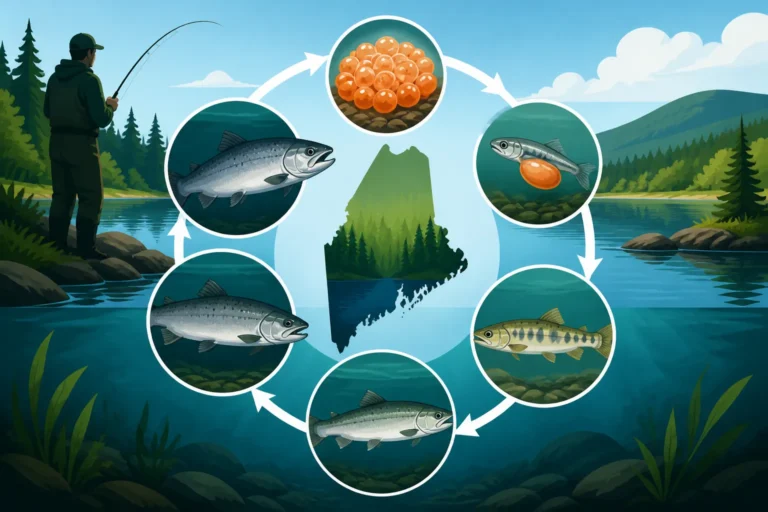
The Atlantic salmon holds a revered, almost mythical, status in Maine. Unlike Pacific salmon species, Atlantic salmon are iteroparous, meaning they can survive spawning and return to the ocean to feed and mature, potentially spawning multiple times over their lives. These magnificent fish hatch in freshwater rivers, spend their juvenile years there, then migrate out to the vast Atlantic Ocean to grow into powerful adults. After years at sea, they navigate back to their home rivers to spawn. Unfortunately, due to a combination of historical overfishing, pollution, and damming of rivers, wild Atlantic salmon populations in Maine faced severe declines.
Today, wild Atlantic salmon are listed under the Endangered Species Act, and their conservation is a monumental effort. Recreational fishing for wild Atlantic salmon is currently prohibited in Maine, a necessary step to protect and allow these fragile populations to recover. However, significant work continues to restore their habitat and ensure their future in rivers like the Penobscot. You can learn more about these efforts in articles like Maine Atlantic Salmon Restoration Efforts.
Sea-Run Brook Trout: The "Salters" of Maine
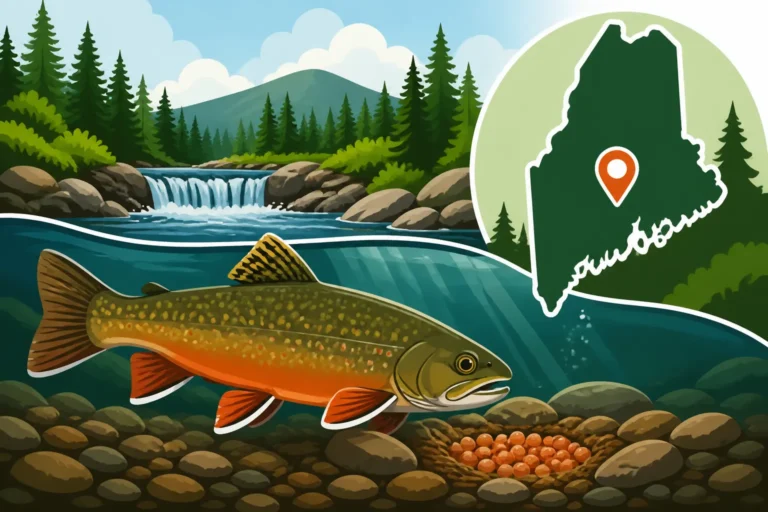
Most people think of brook trout as exclusively freshwater fish, inhabiting cold, clear mountain streams and ponds. And while that's largely true, Maine is also home to a unique and incredibly special population of "salter" brook trout. These are brook trout that, instead of staying in freshwater their entire lives, migrate seasonally to the brackish waters of estuaries and even coastal saltwater to feed and grow before returning to freshwater to spawn. They exhibit a remarkable tolerance for salinity, a trait that makes them stand out from their purely freshwater cousins.
These salter brook trout are often larger and exhibit a more silvery coloration than their stream-dwelling counterparts, reflecting their time in the ocean. They are an incredibly elusive and prized catch for dedicated anglers. Finding and catching a salter is often considered the pinnacle of brook trout fishing for many Mainers. If you're looking to understand these unique fish, reading up on What Is a Salter Brook Trout? or Do Sea-Run Brook Trout Exist in Maine? can provide some fantastic insights. Targeting them often requires specialized knowledge of tidal movements and estuary habitats, and having the right gear, perhaps some durable waders you found on Amazon, is essential for exploring these dynamic environments.
The American Eel: Maine's Unique Freshwater to Saltwater Traveler
While the spotlight often shines on species that return to freshwater, we can't forget Maine's primary catadromous species: the American eel. This fish performs an equally impressive, albeit opposite, migration.
A Mysterious Oceanic Spawning Journey
American eels live for many years in Maine's freshwater lakes, ponds, and rivers, where they are an important part of the aquatic food web. They are opportunistic predators and scavengers, growing to considerable sizes over their lifespan. But when it's time to reproduce, typically in the fall, adult eels undergo a remarkable transformation. Their eyes enlarge, their coloration changes, and their digestive systems shut down as they prepare for a monumental journey. They swim downstream, out of freshwater, and into the Atlantic Ocean, migrating thousands of miles to the Sargasso Sea, a vast area in the western Atlantic, to spawn. After spawning, the adult eels die.
Their larvae, called leptocephali, are leaf-shaped and drift in ocean currents for months or even years before transforming into "glass eels" and then "elvers" (tiny, pigmented eels). These elvers then undertake their own incredible migration, swimming all the way back to the freshwater rivers, streams, and lakes along the eastern seaboard, including Maine, to begin the cycle anew. This complex and far-reaching life cycle means that their conservation requires international cooperation, as they are truly a shared resource. You might encounter young eels while fishing for other species, and their unique, snake-like appearance often sparks curiosity.
Why These Species Matter: Ecology, Economy, and Angling Opportunities
The diadromous fish of Maine are more than just interesting biological curiosities; they are foundational to our state's ecology, economy, and rich angling traditions. Their ability to move between vastly different environments makes them key connectors in a larger web of life.
Ecological Keystone Species
Many of these migratory species act as keystone species, meaning their presence or absence has a disproportionately large effect on their environment. For instance, river herring runs bring a massive influx of marine-derived nutrients into freshwater systems, enriching the entire food chain. These fish also serve as a critical food source for numerous predators, both aquatic and terrestrial, ranging from landlocked salmon and lake trout to eagles, ospreys, and bears. When dams block their passage, or pollution affects their spawning grounds, the ripple effect on the entire ecosystem can be devastating. Protecting these pathways and habitats is paramount for maintaining biodiversity and healthy natural systems in Maine.
Historical and Economic Significance
Historically, these migratory fish were an incredibly important food source for indigenous peoples and early European settlers. River herring runs, for example, were once so vast they were likened to solid masses of fish. While commercial fishing for many anadromous species is now heavily regulated or closed to protect populations, the ecological and recreational value remains immense. The recreational fishery for striped bass alone draws thousands of anglers to Maine's coast each year, contributing significantly to local economies through tackle sales, guide services, and tourism.
Even for species not directly targeted by anglers, their presence supports the game fish we do pursue. A healthy smelt run, for instance, means robust landlocked salmon and brook trout populations, drawing even more anglers to our lakes and rivers. If you're delving into the world of fish identification to better understand these species, picking up a good field guide, perhaps one you can order through Amazon, is invaluable.
Angling Considerations and Regulations
Fishing for these migratory species, especially those that are highly sought after like striped bass or even the elusive salter brook trout, requires a keen understanding of both their behavior and the specific regulations designed to manage them. Maine Fishing Regulations Explained provides a comprehensive overview that every angler should consult. You'll find specific rules regarding:
- Licensing: Depending on where you're fishing (freshwater vs. saltwater) and the species, you might need different licenses or registrations. For example, while a freshwater license covers most anadromous species when they're in freshwater, saltwater fishing generally requires a Maine Saltwater Fishing Registry. Always clarify what you need before casting a line. You can find more details in our Maine Fishing License Guide.
- Seasons and Limits: Migratory species often have very specific seasons, daily bag limits, and sometimes even minimum or maximum size limits (slot limits). These are put in place to protect spawning fish or ensure that enough individuals survive to reproduce, maintaining healthy populations. For instance, Maine Fish Bag Limits Guide will offer insights into what you can keep.
- Gear Restrictions: Certain waters or species might have specific gear restrictions, such as limits on the number of lines, or requirements for circle hooks when targeting striped bass to minimize harm to released fish.
- Conservation: Many of these species are catch-and-release only, or have strict harvest quotas due to conservation concerns. Anglers play a vital role in their recovery by practicing responsible angling and handling techniques.
Understanding the Maine General Fishing Law Definition Explained will help you navigate the nuances of fishing in these dynamic environments. The ebb and flow of tides, the seasonal changes in water temperature, and the specific habitats these fish utilize at different stages of their life all contribute to the challenge and reward of pursuing Maine's amazing diadromous fish.
| Species | Diadromous Type | Primary Habitat (Adult) | Spawning Habitat | Angling Status (Maine) |
|---|---|---|---|---|
| Striped Bass | Anadromous | Saltwater (Ocean) | Saltwater (Estuaries, South) | Popular recreational species, regulated by slot limits. |
| Alewife | Anadromous | Saltwater (Ocean) | Freshwater (Lakes, Ponds) | Generally restricted/prohibited, vital forage fish. |
| Blueback Herring | Anadromous | Saltwater (Ocean) | Freshwater (Rivers) | Generally restricted/prohibited, vital forage fish. |
| Atlantic Salmon | Anadromous | Saltwater (Ocean) | Freshwater (Rivers) | Prohibited for wild fish, conservation focus. |
| Sea-Run Brook Trout | Anadromous | Salt/Brackish (Estuaries) | Freshwater (Streams) | Prized recreational species, often catch & release. |
| American Eel | Catadromous | Freshwater (Rivers, Lakes) | Saltwater (Sargasso Sea) | Commercial fishery (elvers), recreational bycatch. |
Disclaimer
This article is for general informational purposes only and does not constitute professional advice. Laws, prices and regulations vary by location and change over time. Consult a qualified professional for guidance on your specific situation.