Is Smallmouth Bass Fishing Good in Northern Maine?
For anglers who often associate Northern Maine with the pristine, icy waters perfect for trophy brook trout, landlocked salmon, and lake trout, the idea of excellent smallmouth bass fishing can sometimes come as a surprise, or even a contradiction. Many assume the cold, rugged landscape simply isn't conducive to robust populations of these feisty warm-water fighters. This guide aims to clear up that misconception and reveal just how good, and where, smallmouth bass fishing truly is in the vast and beautiful expanse of Northern Maine.
The Northern Maine Fishing Landscape: More Than Just Cold-Water Species
When most people think of fishing in Northern Maine, their minds immediately conjure images of remote wilderness, crystal-clear streams, and vast, deep lakes teeming with native brook trout or hard-fighting landlocked salmon. This perception is certainly rooted in truth, as the region's abundant cold, oxygen-rich waters historically created—and continue to sustain—some of the best cold-water fisheries in the eastern United States. However, to overlook the thriving smallmouth bass populations would be to miss out on an exciting and increasingly popular facet of the northern angling experience.
A Region Defined by Cold-Water Fisheries
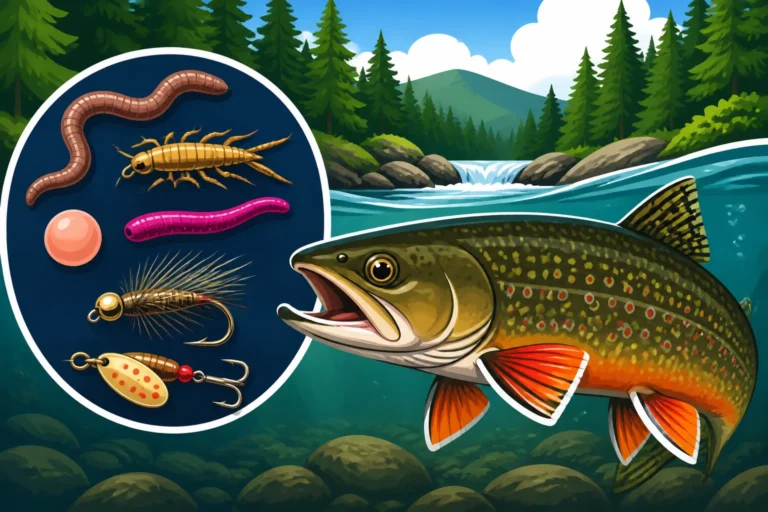
Northern Maine, particularly areas like the Katahdin region, the Allagash Wilderness Waterway, and much of Aroostook County, is famously characterized by its cold-water species. These ecosystems are prime habitats for native brook trout, which thrive in the cold, clean streams and ponds. Deeper, larger lakes, such as Moosehead Lake and the Rangeley Lakes, are renowned for their impressive landlocked salmon and lake trout (or "togue" as Mainers affectionately call them) populations, attracting anglers from all over for their strong fights and table fare. Generations of anglers have learned to target these species, mastering techniques like fly fishing, trolling, and ice fishing, solidifying Northern Maine's reputation as a cold-water haven. It’s a tradition deeply ingrained in the culture, and for good reason – the fishing can be truly exceptional. For more on these cherished species, check out our guide on Brook Trout Fishing in Maine or Landlocked Salmon Fishing in Maine.
The Expanding Presence of Smallmouth Bass
While not native to every single waterbody in Maine, smallmouth bass have established significant, self-sustaining populations in many parts of the state, including an increasing number of lakes and rivers in what would traditionally be considered "Northern Maine." Their introduction, whether accidental or intentional in various waters over the past century or so, has led to a fascinating shift in some ecosystems. Unlike their largemouth cousins, smallmouth bass prefer cooler, clearer waters with rocky structures, gravel bottoms, and plenty of cover—conditions that are surprisingly prevalent in many northern lakes and river systems.
This doesn't mean they're in every trout pond, mind you. Maine's Department of Inland Fisheries and Wildlife (MDIFW) carefully manages water bodies, often designating them as either "cold-water fisheries" or "warm-water fisheries" to protect native species. However, in waters classified for warm-water species, or where bass have become established and are thriving without significantly impacting cold-water fish, they offer an incredible sportfishing opportunity. Their aggressive strikes, powerful runs, and acrobatic jumps make them a favorite among many anglers, providing a thrilling alternative to traditional trout and salmon fishing. It's a testament to their adaptability and the diverse aquatic environments found even within Northern Maine's cooler climate.
Prime Smallmouth Bass Waters in Northern Maine
So, where exactly in Northern Maine can you find these feisty smallmouth? It's not a secret that some of the most consistent smallmouth action can be found further south, but there are indeed several northern gems that will absolutely light up your rod with bass. The key is knowing which waters have the right combination of rocky structure, adequate depth, and suitable water temperatures that smallmouth thrive in, even in a colder climate.
Aroostook County Gems
"The County," as Aroostook is known, is largely wilderness, famous for its potato fields, vast forests, and incredible ice fishing. But look closely at some of its larger lakes and river systems, and you'll uncover some fantastic smallmouth bass opportunities. Take, for example, Long Lake in St. Agatha. This lake, part of the Fish River chain, offers a diverse fishery including trout and salmon, but its rocky shoreline, submerged structure, and areas that warm up nicely in the summer provide excellent habitat for smallmouth. Anglers frequently report catching good numbers of chunky bass here, especially around rocky points and drop-offs.
Similarly, Eagle Lake, another large body of water in Aroostook, hosts a healthy smallmouth population. While renowned for its salmon and togue, the shallower coves and rocky areas can be fantastic for bass, particularly during the warmer months. Further west, sections of the St. John River system and its tributaries, especially where the water slows and rocky outcrops are present, can also hold some impressive smallmouth. These aren't always easy fish to find; they often require a bit more exploration than their southern counterparts, but the reward of hooking into a hard-fighting smallmouth in such a pristine, remote setting is truly something special.
Central Maine's Northern Reaches
As you move into the more central, yet still distinctly northern, parts of Maine, the opportunities for smallmouth bass expand significantly. Lakes like Sebec Lake in Piscataquis County are classic examples of northern waters offering exceptional smallmouth fishing alongside traditional cold-water species. Sebec is known for its deep, clear waters, but its numerous islands, rocky points, and extensive shoreline structure provide perfect ambush points for smallmouth. Anglers here often find bass relating to rocky ledges and submerged humps throughout the summer. You can find more details on fishing this area in our Fishing Sebec Lake in Piscataquis County guide.
Another excellent northern option is Pushaw Lake, just northwest of Bangor. While perhaps not as "wild" as some Aroostook lakes, Pushaw offers incredible numbers of smallmouth and is very popular for its accessible and consistent action. Its weed beds, rocky transitions, and varying depths create a dynamic environment where bass can thrive. The Penobscot River, particularly its lower sections as it winds through more populated but still northern areas, can also be quite productive for smallmouth, especially around current breaks and rocky structure. These lakes and river sections often see smallmouth bass reaching impressive sizes, providing thrilling battles for anglers using a variety of techniques.
Identifying Bass-Friendly Habitats in the North
When you're exploring Northern Maine for smallmouth, it's essential to understand their preferred habitats. Smallmouth bass are not fans of soft, muddy bottoms and sparse cover like largemouth bass often are. Instead, they seek out areas that mimic their natural riverine environments:
- Rocky Shorelines and Points: Look for shorelines strewn with boulders, rubble, and ledges. These areas offer both cover and abundant prey species like crayfish. Rocky points that extend into the lake are particularly productive, acting as highways for bass moving from deeper to shallower water.
- Submerged Structure: Humps, underwater islands, and old roadbeds—anything that breaks up the flat bottom—will hold bass. These structures provide excellent ambush points and aggregation areas, especially as the water warms. A good depth finder is invaluable here.
- Transition Zones: The areas where different types of bottom meet (e.g., rock to sand, gravel to weeds) are often hotspots. Bass will cruise these edges looking for prey that might be concentrating there.
- Warmer Coves and Inlets: While smallmouth prefer cooler water than largemouth, they'll often utilize shallower, warmer coves and river inlets, especially during spawning season in late spring and early summer. These areas can also hold baitfish, attracting hungry bass.
Knowing these characteristics will help you "read the water" and drastically improve your chances of finding smallmouth, even in waters traditionally associated with trout and salmon.
Strategies for Northern Maine Smallmouth
Successfully targeting smallmouth bass in Northern Maine requires understanding their behavior in these typically colder, clearer waters, and adjusting your techniques accordingly. It's not just about throwing a lure; it's about presenting it in a way that appeals to a fish often residing in more pristine, less pressured environments.
Seasonal Approaches to Smallmouth Bass
Smallmouth bass activity in Northern Maine, much like everywhere else, is heavily dictated by the seasons and water temperature.
- Spring (Ice-out to early June): This is a prime time. As the ice melts and water temperatures slowly climb, smallmouth move into shallower areas to feed aggressively before and during their spawn. They'll be found around rocky points, gravel flats, and shallow bays that warm up first. Spinnerbaits, jerkbaits, and suspending crankbaits are highly effective now. The spawn typically occurs when water temperatures are in the mid-50s to low 60s Fahrenheit. During this period, bass can be found guarding nests in very shallow, visible areas.
- Summer (June to August): Once the spawn is over and water temperatures rise, smallmouth often retreat to deeper structures during the day. Look for them on rocky humps, offshore reefs, and along deep drop-offs, especially during the brighter, hotter parts of the day. Early morning and late evening bites in shallower water can still be fantastic. Soft plastics like tubes, creature baits, and drop-shot rigs worked slowly on the bottom are excellent for targeting these deeper fish. Topwater lures can also be thrilling during low-light conditions.
- Fall (September to November): As waters cool, smallmouth go on a major feeding binge, packing on weight for the lean winter months. They'll often be found shallower again, concentrating on baitfish schools near rocky structure. Crankbaits, lipless crankbaits, and swimbaits become incredibly effective. The bites can be ferocious as they try to consume as many calories as possible.
- Winter (December to Ice-out): For the most part, smallmouth bass fishing through the ice is not a primary target in Northern Maine, and in many specific "trout and salmon" waters, it might even be restricted. Check local regulations for any specific body of water carefully. Generally, bass become very lethargic in deep water, making them challenging to catch, and the focus shifts almost entirely to cold-water species like togue or salmon for ice anglers.
Lures and Techniques that Work Up North
Because Northern Maine waters tend to be clearer, stealth and realistic presentations often yield the best results.
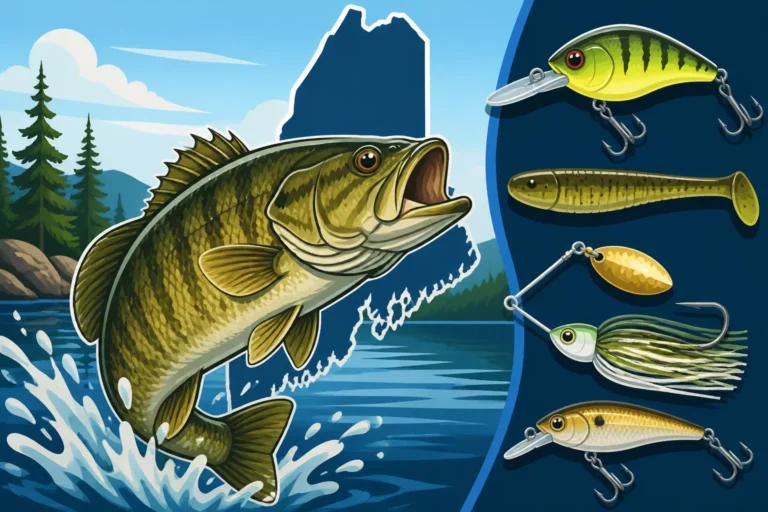
- Topwater Baits: Poppers, walk-the-dog lures, and prop baits are incredibly exciting, especially during low-light conditions (dawn, dusk, overcast days) in spring and summer. The explosive strikes are legendary. These work well in shallow, rocky areas where bass are actively hunting. You can find a great selection of reliable topwater lures on Amazon, with brands like Heddon and Rapala often producing consistent results.
- Jerkbaits and Suspending Lures: These are fantastic in cooler water, particularly in spring and fall. Their erratic, darting action mimics wounded baitfish, triggering aggressive strikes. Suspending models allow you to pause them at critical depths, tempting wary bass.
- Soft Plastics: Tubes, creature baits, grubs, and senkos rigged Texas-style, wacky-style, or on a jig head are staples. They offer a subtle, natural presentation that can be irresistible to smallmouth. These are especially effective when bass are deeper or less active. The key is to work them slowly, mimicking crayfish or other bottom-dwelling prey. Drop-shot rigs are also exceptionally effective for suspended bass or those holding tight to structure.
- Crankbaits: Deep-diving crankbaits are excellent for covering water and finding bass on offshore humps and drop-offs in summer and fall. Medium-diving crankbaits work well along rocky shorelines. Choose colors that imitate local baitfish or crayfish.
- Jigs: Football head jigs with various soft plastic trailers (craws, grubs) are deadly for working rocky bottoms. Vary your retrieve from a slow drag to short hops to see what the bass prefer on a given day.
Remember, clearer water often means lighter line and longer casts to avoid spooking the fish.
Gear Considerations for Northern Smallmouth
Having the right tackle can make a significant difference in your success and enjoyment.
- Rods and Reels: A medium to medium-heavy spinning rod (6'6" to 7'3") paired with a 2500-3000 series spinning reel is a versatile setup for most smallmouth techniques. For those who prefer baitcasting, a medium-heavy rod with a high-speed reel is great for heavier lures and pitching into cover. Look for rods with good sensitivity to detect subtle bites, but enough backbone to handle a strong, fighting bass.
- Line: 8-10 lb fluorocarbon line is a popular choice for its low visibility and sensitivity. Braid with a fluorocarbon leader is also a great option, offering excellent casting distance and strength while maintaining stealth. For topwater, some anglers prefer monofilament for its buoyancy. You can find quality fishing lines from brands like Seaguar or Berkley on Amazon, ensuring you have strong and sensitive lines for battling these powerful fish.
- Electronics: A reliable fish finder with side imaging or down imaging can be invaluable for locating submerged structure, humps, and schools of baitfish, especially in unfamiliar northern lakes. This helps you quickly identify potential bass hotspots. Learning how to Read a Fish Finder on Maine Lakes is a skill worth developing.
Balancing Act: Smallmouth Bass and Conservation in Northern Maine
While the thrill of catching smallmouth bass in Northern Maine is undeniable, it's essential for anglers to be aware of the delicate ecological balance in these often pristine environments. Maine's fisheries management is a complex dance between preserving native species and providing diverse angling opportunities.
The Ecological Impact Debate
Smallmouth bass, being an introduced species in many Maine waters, can sometimes pose a challenge to native cold-water fish like brook trout. They are highly efficient predators and can compete for food and habitat, particularly in waters where their populations explode unchecked. In some sensitive headwater ponds or remote streams specifically managed for wild trout, the presence of bass is actively discouraged. MDIFW works hard to prevent the spread of warm-water species into these critical cold-water havens. This is why you'll find "Special Regulations" on certain lakes and ponds, sometimes prohibiting the use of live fish as bait, or designating specific waters as "catch and release only" for certain species. It's a constant balancing act to ensure that the sport of fishing can thrive while protecting Maine's invaluable natural heritage.
Responsible Angling Practices
As anglers, we play a crucial role in maintaining healthy fisheries. Practicing responsible angling, especially when targeting smallmouth bass in areas that might also support native cold-water species, is paramount.
- Catch and Release: While smallmouth bass are excellent table fare, consider practicing catch and release, especially for larger breeding fish, to help sustain the population. If you do keep fish, always adhere strictly to the Maine Fish Bag Limits Guide for the specific water you are fishing. For best practices, refer to our guide on Catch and Release Best Practices in Maine to ensure fish health upon release.
- Preventing Spread: Never transport live fish from one waterbody to another. This is illegal and one of the primary ways invasive species, including smallmouth bass, are introduced to new waters where they can wreak havoc on native populations. Always drain your livewells and clean your boat and gear thoroughly when moving between lakes.
- Respecting Regulations: Understand that regulations are in place for a reason. They protect the resource for future generations. If a waterbody is designated for cold-water species, respect that and avoid introducing or targeting warm-water fish.
Specific Regulations to Know
Before you head out, always consult the most current Maine Open Water & Ice Fishing Laws summary. This document is your bible for understanding what's permitted on specific bodies of water.
- Zones: Maine is divided into fishing zones (North and South), which have some general differences in rules, but individual water bodies often have their own specific regulations that override general law. Always check the individual lake or river. Learn more about these zones in Maine North Zone vs South Zone Fishing Rules.
- Bag and Length Limits: Smallmouth bass typically have a daily bag limit and sometimes a length limit. These can vary by waterbody, so double-check before keeping any fish.
- Bait Restrictions: Some waters prohibit the use of live fish as bait to prevent the introduction of new species. Always check the regulations for the specific lake or pond you plan to fish.
- General Law vs. Special Regulations: Most waters fall under "General Law," but many popular or sensitive waters have "Special Regulations" listed alphabetically by county. These special rules can dictate seasons, bag limits, length limits, and bait restrictions for smallmouth bass and other species.
By being informed, respectful, and responsible, you can enjoy the incredible smallmouth bass fishing opportunities Northern Maine offers while contributing to the health and preservation of its diverse aquatic ecosystems. It’s a rewarding experience that combines the thrill of the catch with the responsibility of stewardship.
| Northern Maine Lake/Region | Primary Fish Species | Smallmouth Bass Potential | Key Characteristics |
|---|---|---|---|
| Long Lake (St. Agatha) | Salmon, Trout, Bass | Good, especially rocky areas | Part of Fish River Chain, deep, rocky shorelines |
| Eagle Lake (Aroostook) | Salmon, Togue, Bass | Good, in warmer coves/shallows | Large, deep, some rocky points |
| Sebec Lake (Piscataquis) | Salmon, Togue, Bass | Excellent, around structure | Deep, clear, numerous islands, ledges |
| Pushaw Lake (Bangor area) | Bass, Pickerel, Perch | Excellent, high numbers | Accessible, varied structure, weed beds |
| St. John River System | Bass, Trout, Salmon | Good, slower, rocky sections | Large river, diverse habitats |
Disclaimer
This article is for general informational purposes only and does not constitute professional advice. Laws, prices and regulations vary by location and change over time. Consult a qualified professional for guidance on your specific situation.