White Perch Fishing in Maine
There's nothing quite like a lively tug on your line, and if you've spent any time fishing Maine's diverse waters, you know that white perch can provide some of the most consistent and exciting action out there. Many anglers overlook these feisty fish, thinking they're just a nuisance or too small to bother with, but they're missing out on incredible sport and some of the best-eating freshwater fish Maine has to offer. This comprehensive guide is here to shed light on everything you need to know about targeting white perch in Maine, from understanding their habits to the best spots and techniques to reel them in, and why they deserve a top spot on your fishing agenda.
Understanding White Perch in Maine
White perch (Morone americana) are truly a unique and often underestimated game fish found throughout Maine. They're not actually a "true" perch, but rather a member of the temperate bass family, which gives them their distinctive fighting spirit despite their typically modest size. Many anglers get them confused with other species, or simply don't realize the potential they hold for an action-packed day on the water.
White Perch Characteristics and Behavior
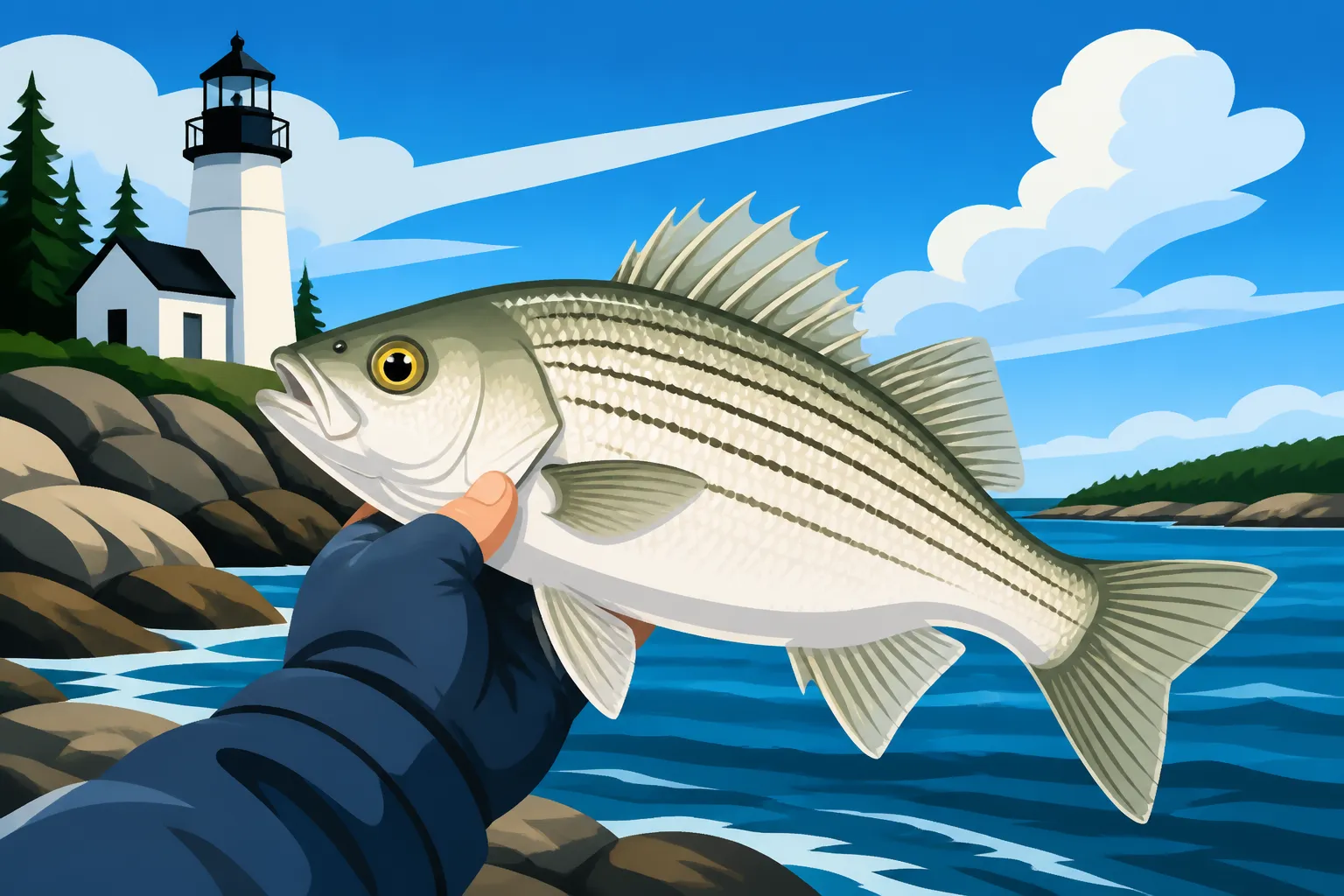
White perch typically sport a silvery body with a darker, sometimes olive-green or grayish back, and they have no distinct bars like their yellow perch cousins. They possess a deep, slab-sided body, often making them appear larger than their actual weight. While they can grow to over a pound, most average between half a pound and a pound in Maine waters. Don't let their size fool you, though; they are surprisingly strong fighters, especially on light tackle.
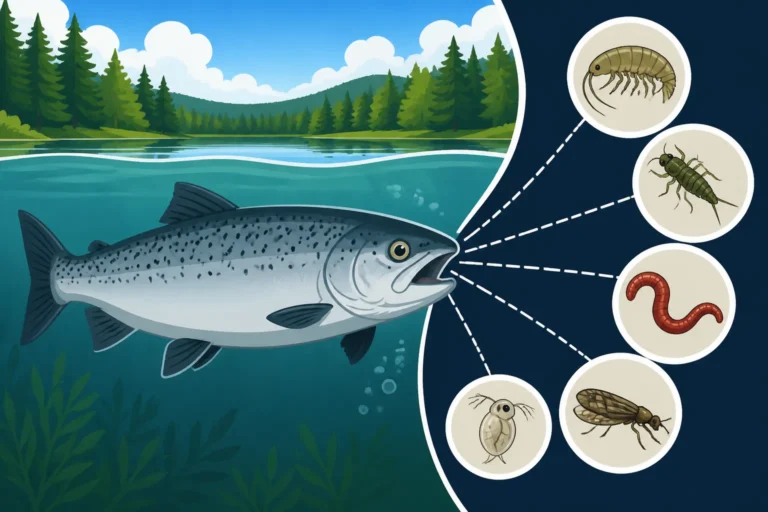
What truly makes white perch fascinating is their behavior. They are schooling fish, often found in large aggregations, which means when you find one, you're likely to find many! This schooling behavior is key to understanding how to catch them. They're also quite adaptable, thriving in a variety of environments, from the freshwaters of our inland lakes and ponds to the brackish waters of coastal estuaries and even saltwater bays. Their diet is diverse, including insects, small minnows, crustaceans, and even fish eggs, making them receptive to a wide range of baits and lures.
Why White Perch are a Fun Fish to Target
For many anglers, especially those introducing newcomers to the sport, white perch are a fantastic target. Their aggressive feeding habits mean they're usually willing to bite, which translates to plenty of action and fewer bored moments. This makes them perfect for kids or beginner anglers who want to feel the thrill of catching fish consistently. But even seasoned pros find joy in a hot white perch bite, often turning it into a friendly competition to see who can catch the most.
Beyond the sheer numbers, white perch offer a surprisingly spirited fight. When hooked, they pull hard and refuse to give up, often darting and twisting, especially if you're using light tackle. Plus, they are absolutely delicious! Their firm, white, flaky meat is a culinary delight, making them an excellent choice for a fresh shore lunch or a meal back home. They truly represent a fantastic opportunity for both sport and table fare, providing an accessible and rewarding fishing experience for everyone.
White Perch vs. Yellow Perch – Key Differences
It’s easy to get white perch and yellow perch mixed up, especially if you're new to fishing Maine's waters. While both are common and popular panfish, they're distinct species with different characteristics. Knowing the difference can help you better understand their habits and target them effectively.
| Feature | White Perch (Morone americana) | Yellow Perch (Perca flavescens) |
|---|---|---|
| Family | Temperate Bass (Moronidae) | True Perch (Percidae) |
| Appearance | Silvery body, often darker back (olive/gray), no distinct vertical bars, deep body shape. | Golden yellow body with 6-8 distinct dark vertical bars, more slender body. |
| Dorsal Fins | Two dorsal fins, slightly separated, the first with spines. | Two dorsal fins, clearly separated. |
| Habitat | Highly adaptable: freshwater lakes, ponds, brackish estuaries, coastal saltwater. | Primarily freshwater lakes, ponds, and slow-moving rivers. |
| Feeding | Aggressive, often schooling. Broad diet of insects, minnows, crustaceans. | Schooling, primarily bottom feeders, insects, minnows, larvae. |
| Fight | Strong, spirited fight for their size, especially on light tackle. | Good fight, but generally less vigorous than white perch of similar size. |
| Taste | Excellent, firm, white, flaky meat. | Excellent, delicate, white, flaky meat. |
As you can see, while both are great eating and fun to catch, they are different species with distinct identifying features and preferred habitats. Yellow Perch Fishing in Maine provides more detailed information on their cousins.
Where to Find White Perch in Maine
One of the great things about white perch is how widespread they are in Maine. From the vast freshwater lakes of the interior to the salty estuaries along the coast, there's a good chance you're not far from a productive white perch fishery. Knowing where to look is half the battle, and these fish aren't always hiding in the deepest, most remote spots.
Inland Lakes and Ponds for White Perch
Maine's freshwater systems are absolutely loaded with white perch. You'll find them in many of the larger, well-known lakes as well as countless smaller, unnamed ponds. They tend to prefer waters with a good mix of structure – think submerged vegetation, rocky points, old docks, or brush piles. Look for areas with a soft bottom or a transition zone between weeds and open water.
In lakes like Sebago, Cobbosseecontee, or China Lake, white perch can be found in abundance. They often congregate around shallower areas in spring and fall, moving to deeper sections of the lake during the heat of summer. During the winter, they are a prime target for ice fishing, often schooling heavily over deeper flats or near drop-offs. When you're scouting a new spot, pay attention to depth contours and any visible structure, as these are almost always key holding areas. You can often find detailed bathymetric maps for popular bodies of water to help pinpoint these structures. Many of Maine's Best Fishing Lakes in Maine also hold strong populations of white perch.
Coastal Estuaries and Tidal Rivers
What makes white perch truly unique in Maine is their ability to thrive in both fresh and saltwater. Many populations are anadromous, meaning they spend part of their lives in brackish or saltwater and migrate into freshwater to spawn. This opens up an entirely different fishing opportunity along Maine's beautiful coastline.
Estuaries, tidal rivers like the Kennebec or Penobscot, and protected bays are fantastic places to find white perch, especially from spring through fall. Here, they often mingle with other species like striped bass. Look for them in areas where freshwater runoff meets saltwater, creating nutrient-rich feeding grounds. Tidal creeks, mudflats adjacent to channels, and around bridge pilings or docks are all prime locations. The tidal flow can concentrate baitfish, and by extension, white perch, in predictable areas. Fishing during the incoming or outgoing tide can be particularly productive as the moving water encourages feeding.
Identifying Prime White Perch Habitat
No matter if you're in a sprawling lake or a tidal river, white perch are creatures of comfort and convenience. They seek out areas that offer both food and protection. Here's a breakdown of common habitat types:
- Structure: Anything that breaks up the bottom or water column can hold white perch. This includes rock piles, fallen trees, old boat docks, bridge pilings, and submerged brush. These structures provide ambush points for feeding and cover from predators.
- Weed Lines: The edges of aquatic vegetation are often bustling with life, attracting baitfish and insects, which in turn attract white perch. Look for distinct weed lines, especially where they drop off into deeper water.
- Drop-Offs and Ledges: White perch will often school along contours where the bottom depth changes suddenly. These "edges" are natural travel corridors and feeding zones.
- Mud Flats and Soft Bottoms: While they'll hold to hard structure, white perch also forage over soft, muddy bottoms, particularly when seeking out insects and crustaceans.
- Tidal Eddies and Current Seams: In coastal areas, look for calmer water adjacent to strong currents. These eddies concentrate food and provide an easy place for perch to sit and wait for a meal.
Using a good fish finder can be incredibly helpful for identifying these structures and locating schools of white perch, especially in deeper water. Mark any active spots with your GPS so you can return to them later.
Essential Gear for White Perch Fishing
One of the best aspects of white perch fishing is that you don't need highly specialized or expensive gear. In fact, light tackle often makes the experience even more enjoyable, allowing you to feel every head shake and run of these feisty fish. Simplicity and sensitivity are key.
Rods, Reels, and Line Choices
For white perch, the goal is light and sensitive. You want to feel those subtle bites and enjoy the fight without overpowering the fish.
- Rods: A light to ultralight spinning rod, typically 5 to 7 feet in length, is ideal. A fast action tip will give you the sensitivity to detect light bites, while enough backbone in the lower section helps you cast small lures and handle a decent-sized fish. Consider a rod with a comfortable cork or EVA foam handle for those days when you're catching dozens.
- Reels: Pair your ultralight rod with a small spinning reel, something in the 1000 to 2000 size range. Look for a smooth drag system, which is crucial when battling a surprisingly strong perch on light line. You don't need a huge line capacity, just something reliable and easy to operate.
- Line: Light line is paramount for white perch. It allows for better casting distance with small baits, a more natural presentation, and increased sensitivity.
- Monofilament: 4 to 6-pound test monofilament is a classic choice. It has a bit of stretch, which can be forgiving, and is relatively inexpensive.
- Braided Line: 6 to 10-pound test braided line with a 4 to 6-pound fluorocarbon leader is an excellent option for maximum sensitivity and strength. The lack of stretch in braid means you'll feel every bump and nibble. The fluorocarbon leader is nearly invisible underwater, helping to fool wary fish.
Remember, the lighter your setup, the more fun you'll have with white perch. You can find a fantastic selection of light tackle rods, reels, and lines for various budgets on platforms like Amazon, making it easy to gear up before your next outing.
Best Baits and Lures for White Perch
White perch aren't typically picky eaters, which is great news for anglers. They'll readily hit both natural baits and a variety of artificial lures.
-
Natural Baits:
- Worms: Nightcrawlers or smaller earthworms are perennial favorites. A small piece of worm threaded onto a hook is incredibly effective.
- Minnows: Small live minnows (shiners, fatheads) are irresistible, especially for larger perch. Hook them lightly through the lip or dorsal fin.
- Clams/Worms (Coastal): In brackish or saltwater environments, pieces of clam or bloodworms can be incredibly effective, mimicking their natural diet in those areas.
- Crustaceans: Small pieces of shrimp can also work well in brackish waters.
-
Artificial Lures:
- Jigs: Small jigs (1/16 to 1/8 ounce) tipped with a grub tail, curly tail, or a small piece of worm are deadly. White, chartreuse, and pink are often good colors.
- Spinners: Small inline spinners (Mepps, Rooster Tail) are excellent for casting and retrieving, especially when perch are actively feeding. Sizes #0 to #2 are usually perfect.
- Spoons: Tiny Kastmasters or similar jigging spoons (1/8 to 1/4 ounce) can imitate baitfish and are great for vertical jigging.
- Soft Plastics: Small soft plastic baits, like tiny grubs, tubes, or creature baits, on a light jig head can be very effective, especially when paired with a slow retrieve.
- Small Crankbaits: Micro crankbaits that dive a few feet can also entice strikes, particularly when perch are chasing bait near the surface.
When buying your baits and lures, particularly if you're looking for variety or specific brands, checking out fishing tackle sections on Amazon can give you a wide range of options and competitive prices, often delivered right to your door. For more on what to use, check out our guide on Live Bait vs Artificial Lures in Maine.
Essential Accessories to Pack
Beyond your rod and reel, a few key accessories will make your white perch fishing trip more comfortable and successful.
- Tackle Box/Bag: A small, organized tackle box or bag to hold your hooks, weights, swivels, and lures.
- Hooks: A variety of small, sharp hooks. Size #6 to #10 Aberdeen or baitholder hooks are standard for bait fishing. Treble hooks on lures should be checked for sharpness.
- Weights: Split shots or small bullet weights for bottom rigs or to get your lure deeper.
- Bobbers/Floats: Small slip bobbers or clip-on bobbers are invaluable for presenting bait at a specific depth, especially when fishing for schooling fish.
- Pliers/Forceps: Essential for safely removing hooks from fish, particularly if you plan on catch and release, or if a fish swallows the hook.
- Net: A small, fine-mesh landing net can help you quickly land fish, reducing stress on both you and the perch.
- Cooler with Ice: If you plan on keeping your catch, a cooler with ice is crucial to maintain the quality of the meat. White perch spoil quickly in warm temperatures.
- Sun Protection: Hat, sunglasses, and sunscreen are always a good idea when spending time outdoors.
- Measuring Device: A small ruler or measuring tape can be useful to ensure your fish meet any local regulations, although specific white perch size limits are rare in Maine.
Having these items neatly packed will ensure you're prepared for whatever the day brings. You can easily stock up on these handy accessories through retailers like Amazon, ensuring you have everything you need before hitting the water.
Techniques for Catching White Perch
White perch are generally eager biters, but employing the right techniques can significantly increase your catch rate. Whether you prefer a relaxing day with a bobber or an active approach with lures, there's a method that will work for you.
Still Fishing and Bottom Rigs
Still fishing is a classic and highly effective method for white perch, especially when they are schooling. It's also incredibly relaxing and perfect for family outings. The goal is to present your bait naturally at the depth where the perch are holding.
- Under a Bobber: This is perhaps the most popular technique. Attach a small slip bobber or clip-on bobber to your line, followed by a small split shot weight (just enough to keep your bait down) and a small hook (#6 or #8) baited with a piece of worm or a small minnow. Adjust the bobber stop to set your bait at the desired depth. Cast it out, let it sit, and watch the bobber. A slight twitch, a gentle pull under, or a sudden disappearance are all signs of a bite. This method is fantastic for targeting fish suspended over structure or weed lines.
- Bottom Rig: When perch are hugging the bottom, a simple bottom rig is hard to beat. Tie a small bell sinker or egg sinker to the end of your line. Above the sinker, tie one or two snelled hooks (on short leaders) about 6-12 inches apart. This allows your bait to sit just off the bottom. Cast it out, let it sink, and keep a slight tension on your line to feel bites. This rig is particularly effective in current or when fishing deeper holes.
With both methods, patience is key, but so is knowing when to move. If you're not getting bites after 15-20 minutes, try adjusting your depth or moving to a new spot. Remember, white perch are schooling fish, so once you find them, the action can be fast and furious.
Jigging and Vertical Presentation
Jigging is an active and dynamic way to catch white perch, especially when you've located a school using your fish finder or if they're holding tight to structure. This technique is highly effective in both open water and through the ice.
- Open Water Jigging: Use a small jig (1/16 to 1/8 ounce) tipped with a grub, curly tail, or even a small piece of worm. Drop the jig directly below your boat or from a dock. Let it sink to the desired depth (often near the bottom or where you see fish on your sonar). Then, use a series of short, sharp upward snaps of your rod tip, followed by letting the jig flutter back down on a semi-slack line. The bite often comes as the jig falls. Experiment with different retrieve speeds, jigging motions, and pauses. Sometimes a subtle quiver is all it takes; other times, an aggressive upward jerk will trigger a strike.
- Ice Fishing Jigging: White perch are fantastic ice fishing targets, often providing consistent action throughout the winter. The principles are similar to open water jigging. Drill holes over suspected structure or schools, then use tiny jigs (often 1/32 to 1/16 ounce) tipped with a small plastic, a mousy, or a piece of worm. Slowly lower your jig, watch your line for any twitch, and impart subtle jigging motions. A flasher or fish finder is incredibly helpful here for locating schools and seeing how they react to your presentation. Our Maine Ice Fishing Techniques Guide has more tips for winter success.
Whether jigging from a boat or through the ice, keeping your bait in the strike zone is paramount. These fish can be very depth-sensitive, so precise depth control is a huge advantage.
Light Trolling and Casting Techniques
While not as common as still fishing or jigging, light trolling and casting can be effective, especially when white perch are dispersed or actively chasing baitfish.
- Light Trolling: This technique involves slowly moving your boat while dragging a small lure or baited rig behind it. Use small inline spinners, tiny spoons, or even a worm harness rig. The key is slow speeds (often 1-2 mph) to allow the lures to work naturally. Pay attention to your fish finder to identify productive depths and try to keep your lure running in that zone. Trolling can be a great way to cover water and find schools, particularly in larger lakes.
- Casting and Retrieving: When white perch are busting bait on the surface or scattered in shallower areas, casting can be incredibly productive. Use small spinners, spoons, or even a tiny jig. Cast your lure out and use a steady retrieve. Vary your retrieve speed and add pauses or twitches to mimic a wounded baitfish. This technique is especially fun when you see perch actively feeding, creating boils or splashes on the surface. It provides an exciting visual element to your fishing.
The versatility of white perch means you can adapt your approach based on the conditions and their behavior. Don't be afraid to experiment with different techniques until you find what works best on any given day. For more general advice, consider reading up on our Maine Open Water Fishing Techniques Guide.
Best Times and Conditions for White Perch
Just like any fish, white perch have their preferences when it comes to time of year, day, and even weather. Understanding these patterns can greatly improve your chances of a successful outing.
Seasonal Strategies for White Perch Success
White perch can be caught year-round in Maine, but their location and activity levels change with the seasons.
- Spring: As ice leaves the lakes and ponds (known as "ice-out"), white perch become very active. They move into shallower, warmer waters to spawn, often congregating in protected coves, stream inlets, and around emerging vegetation. This is a prime time for targeting them with worms under a bobber or small jigs. In coastal areas, they'll start moving into estuaries and tidal rivers as water temperatures rise. Check out our Maine Spring Fishing Guide for more insights.
- Summer: During the warmer months, white perch often move to deeper, cooler waters, especially during the heat of the day. Look for them over submerged humps, along deep weed lines, or suspended over open water. Early mornings and late evenings can still produce good shallow-water action. Jigging or using bottom rigs in deeper sections are often the most productive methods. Our Maine Summer Fishing Guide offers broader advice for this season.
- Fall: As water temperatures begin to drop in autumn, white perch become incredibly active again, feeding heavily to prepare for winter. They'll often move back into shallower areas, especially rocky points and coves, chasing baitfish. This can be one of the best times of year for consistent action, both with artificial lures and live bait. Read our Maine Fall Fishing Guide for more fall fishing tips.
- Winter (Ice Fishing): White perch are a staple for Maine ice anglers. They school up tightly in winter, often over deep flats, along drop-offs, or near submerged structure. Once you locate a school, the action can be non-stop. Small jigs, tip-ups with minnows, and mousy baits are all very effective. This is a great time to catch large numbers of fish. You can learn more about this in our Maine Winter Ice Fishing Guide.
Best Times of Day and Tidal Influence
Beyond the season, the time of day and, in coastal environments, the tide can play a significant role in white perch activity.
- Time of Day (Inland Waters): White perch are often most active during the low-light periods of dawn and dusk. These times provide them with a bit of cover, and their prey species are often more active. However, during overcast days, they can bite consistently throughout the day. In summer, fishing the deeper, cooler waters during midday can still be very productive. Generally, they are less sensitive to bright sun than some other species, but active feeding tends to peak during lower light.
- Tidal Influence (Coastal Waters): In estuaries and tidal rivers, the tide is often the most critical factor. White perch tend to be more active and predictable during moving water – either the incoming or outgoing tide. This moving water stirs up the bottom, dislodges bait, and concentrates prey items. The slack tide (high or low) can often be slower. Experiment with different stages of the tide to see what works best in your specific location. Fishing around creek mouths or points where currents create eddies can be particularly fruitful.
Weather and Water Conditions
Like all fish, white perch are influenced by environmental factors.
- Overcast Days: Often lead to extended feeding periods throughout the day, as the low light conditions mimic dawn and dusk.
- Light Rain: A gentle, steady rain can sometimes improve fishing, as it washes insects and nutrients into the water and can break up the surface, making fish less wary. Heavy downpours, however, can muddy the water and turn fish off.
- Barometric Pressure: A stable or slowly falling barometric pressure often corresponds with good fishing. Rapidly changing pressure, especially a sharp drop before a storm, can make fish lethargic.
- Water Temperature: This is perhaps the most critical factor. White perch are temperate fish and are highly sensitive to temperature changes. They'll seek out their preferred temperature range, moving shallower or deeper as needed. Understanding their seasonal movements in relation to water temperature is key to finding them. A good rule of thumb is that they'll be more active when water temperatures are comfortable for them – not too cold, not too hot.
By paying attention to these factors and adjusting your approach accordingly, you'll be well on your way to a cooler full of delicious white perch.
White Perch Care, Cooking, and Regulations
Catching a mess of white perch is a fantastic experience, but knowing how to properly care for them, prepare them, and understand the rules is just as important. These little fighters are truly a treat on the dinner table, making the effort worthwhile.
Handling Your Catch and Filleting Tips
Proper handling starts the moment you land the fish. If you plan to keep white perch for eating, immediate and correct care is crucial to preserving their flavor and texture.
- Quick Kill and Icing: The best way to ensure quality table fare is to dispatch the fish quickly and get them on ice immediately. A sharp rap to the head or a swift cut through the gills will humanely kill the fish. Then, place them in a cooler filled with ice water. This chills the fish rapidly, prevents bacterial growth, and keeps the meat firm. Avoid letting them flop around in a bucket of warm water or sit in the sun, as this significantly degrades the quality of the meat.
- Filleting White Perch: White perch are panfish, meaning they are well-suited for filleting. While small, their firm, white flesh is worth the effort.
- Preparation: Start with a sharp fillet knife and a clean cutting board.
- First Cut: Lay the fish on its side. Make a cut behind the pectoral fin, down to the backbone.
- Along the Backbone: Turn your knife flat and run it along the backbone towards the tail, separating the fillet from the rib cage.
- Rib Cage: Once you reach the rib cage, either cut around it or make small cuts to remove the meat from the top of the ribs. Many anglers prefer to remove the entire fillet and then cut out the small rib bones later.
- Skinning: Place the fillet skin-side down. Hold the tail end firmly and slide your knife between the skin and the meat, wiggling the knife gently as you work towards the head.
- Cleanup: Trim any remaining belly meat or dark spots. You'll be left with a beautiful, boneless fillet.
- Catch and Release: If you're not keeping fish, practice responsible Catch and Release Best Practices in Maine. Handle the fish minimally, use wet hands, and release them gently back into the water as quickly as possible. White perch are generally quite hardy.
Delicious Ways to Cook White Perch
White perch are celebrated for their delicious, firm, white, and flaky meat. They truly are one of the best-eating fish in Maine, often compared to walleye or crappie. Simplicity is often best when cooking these flavorful fillets.
- Pan-Fried Perfection: This is arguably the most popular and easiest method. Pat the fillets dry, season them lightly with salt, pepper, and your favorite fish seasoning. Dredge them in flour, cornmeal, or a mix of both. Fry in hot oil (vegetable, canola, or even butter for extra flavor) until golden brown and flaky, about 2-4 minutes per side, depending on thickness. Serve immediately with a squeeze of lemon.
- Baking or Broiling: For a lighter option, arrange fillets on a baking sheet, brush with olive oil or melted butter, season, and bake at 375-400°F (190-200°C) for 10-15 minutes, or broil for 5-7 minutes, until the fish flakes easily with a fork.
- Fish Tacos: The mild flavor and firm texture of white perch fillets make them perfect for fish tacos. Pan-fry or bake them, then shred or flake the cooked fish and serve in warm tortillas with your favorite toppings like cabbage slaw, salsa, and a creamy sauce.
- Fish Chowder: If you have a larger batch, white perch fillets make an excellent addition to a hearty fish chowder, providing a sweet, delicate flavor to the broth.
No matter how you prepare them, fresh white perch are a culinary delight that will make all your fishing efforts worthwhile. If you're still wondering, Is White Perch Good Eating? emphatically says YES!
Maine White Perch Regulations
Understanding fishing regulations is a critical part of being a responsible angler in Maine. While white perch are abundant, it's always important to be aware of any specific rules that may apply.
- General Law: For most inland waters in Maine, white perch fall under "General Law" regulations. This means that for waters not specifically listed with special regulations, you can generally take 25 fish per day, and there is no minimum length limit. This generous bag limit reflects their abundance and often helps manage their populations in certain waters where they might otherwise overpopulate.
- Special Regulations: It's absolutely crucial to remember that certain waters in Maine may have special regulations that override general law. These special regulations can include different bag limits, size limits, or even tackle restrictions for any fish species, including white perch.
- Always Check the Rulebook: Before you head out, always consult the most current Maine Open Water & Ice Fishing Laws rulebook. This book, published annually by the Maine Department of Inland Fisheries and Wildlife (MDIFW), is your definitive source for all regulations. You can usually find it online on the MDIFW website or at any fishing license vendor.
- Named Ponds/Lakes: Pay close attention to named lakes, ponds, and rivers in the rulebook, as these often have specific regulations that differ from General Law. For instance, a pond known for trophy brook trout might have stricter rules for all species to protect its ecosystem.
- Saltwater/Estuaries: For white perch caught in coastal estuaries or saltwater, they are generally covered by general marine fishing regulations. While there aren't typically specific size or bag limits for white perch in Maine's saltwater, it's still good practice to confirm with the Maine Department of Marine Resources regulations, especially if you're targeting other species.
Getting familiar with the Maine Fishing Regulations Explained and Maine Fish Bag Limits Guide will ensure you stay compliant and enjoy your time on the water without worry. Always carry your Maine Fishing License Guide when fishing, as it's a fundamental requirement. By staying informed, you contribute to the sustainability of Maine's incredible fisheries for everyone to enjoy.
Disclaimer
This article is for general informational purposes only and does not constitute professional advice. Laws, prices and regulations vary by location and change over time. Consult a qualified professional for guidance on your specific situation.