Stocked vs Wild Brook Trout in Maine
There's a special kind of magic that draws us to Maine's sparkling waters, especially when we're chasing after brook trout. But let's be honest, for many anglers, especially those just starting out or visiting from away, there's often a lingering question: "Is this brook trout I just caught a wild one, or was it stocked?" It's not just idle curiosity; understanding the difference between stocked and wild brook trout can completely change your fishing experience, your approach to conservation, and even how you appreciate the fish itself. This guide is here to untangle that mystery, giving you the knowledge to confidently identify these beautiful fish and a deeper appreciation for both their origins.
Understanding the Brook Trout in Maine's Waters
When we talk about brook trout in Maine, we're really talking about two distinct populations that, while genetically the same species, lead very different lives. Both contribute immensely to Maine's angling appeal, but they represent different facets of our rich fishing heritage.
A Native Treasure: The Wild Brook Trout
Imagine a fish born in a secluded, crystal-clear stream, its ancestors having lived in these very waters for thousands of years. That's the wild brook trout. These aren't just fish; they're living indicators of environmental health, thriving only in the most pristine, cold, and oxygen-rich environments. Maine is incredibly fortunate to be home to more remaining wild brook trout populations than any other state in the Lower 48, a fact we Mainers hold dear. These fish reproduce naturally, their entire life cycle dictated by the ebb and flow of the seasons and the untamed beauty of their surroundings.
Finding a truly wild brook trout is often considered the pinnacle of freshwater fishing for many, not just because of their striking beauty—vibrant colors, intricate patterns, and perfect, unblemished fins—but because of the challenge and reward they represent. They are typically warier, more attuned to their environment, and incredibly feisty on the line, reflecting a lifetime of evading predators and hunting for food. The satisfaction of catching a wild brook trout isn't just about the fish itself, but about the connection to the untouched wilderness it embodies. For more about their natural haunts, check out Where Brook Trout Live in Maine Streams.
The Role of Stocked Brook Trout
Now, on the other side of the coin, we have stocked brook trout. These fish are raised in hatcheries, carefully nurtured until they reach a suitable size, and then released into designated lakes, ponds, and rivers across the state. Why do we do this? Simple: demand. Maine is a popular fishing destination, and our wild brook trout populations, while robust, simply couldn't sustain the level of angling pressure without significant harm. Stocking programs are a vital tool for providing abundant fishing opportunities, especially in more accessible waters near towns and cities, or in waters that might not have the ideal conditions for wild trout to reproduce successfully on their own.
Stocked fish often get a bit of a bad rap from some purists, but their role is undeniably crucial. They act as a buffer, drawing angling pressure away from sensitive wild populations and ensuring that families, beginners, and seasoned anglers alike have a fantastic chance to catch fish. These fish are essentially "put-and-take" opportunities, offering a high likelihood of success and a delicious meal. They allow anglers to enjoy the sport without overtaxing our precious wild resources. Without stocking, many popular fishing spots would quickly become barren, and the joy of fishing for brook trout would be far less accessible to many.
Key Differences: Appearance and Behavior
The moment of truth often comes when you land a brook trout and try to determine its origin. With a bit of practice and a keen eye, you can often tell the difference right there in your net. It's a fascinating detective game, and knowing what to look for makes it even more rewarding.
Visual Cues for Identification
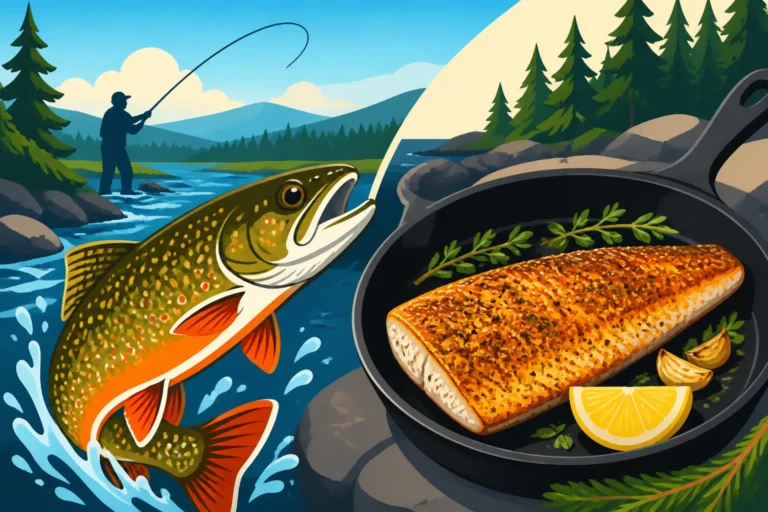
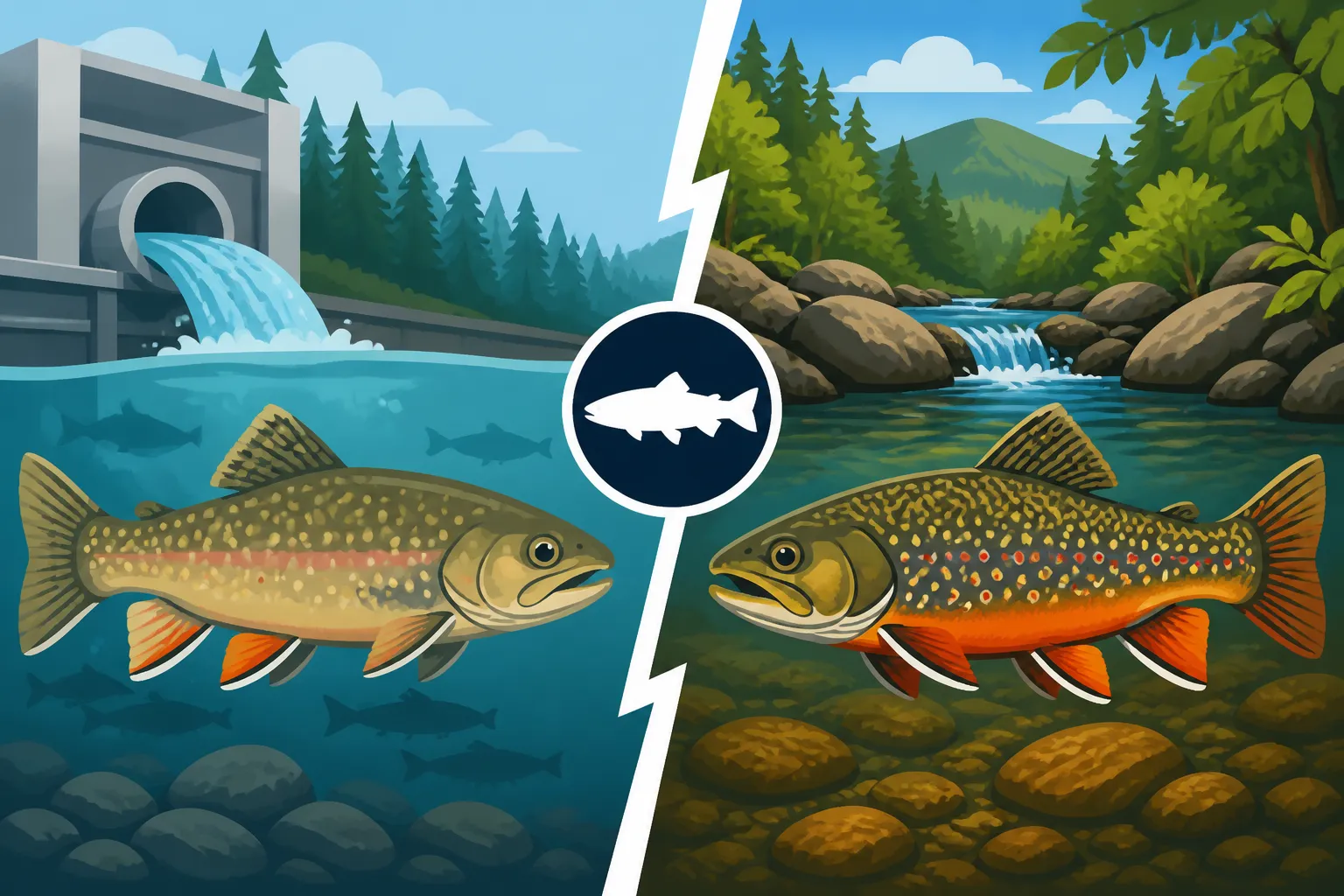
One of the most immediate indicators is coloration. Wild brook trout tend to boast incredibly vibrant, almost jewel-like colors. Their backs are usually a rich olive green with distinctive vermiculation (worm-like patterns), their sides often shimmer with brilliant red spots surrounded by blue halos, and their lower fins, especially the pectorals, pelvic, and anal fins, are strikingly edged in white, followed by a dark stripe, and then often a splash of orange or red. This vivid palette is their natural camouflage, perfectly adapted to their wild surroundings.
Stocked brook trout, on the other hand, often present a more muted appearance. While still beautiful, their colors can be less intense, sometimes appearing paler or more uniformly silver-pink, especially if they haven't been in the wild for long. The red spots might be less defined, and the blue halos less prominent. Another major tell-tale sign is the condition of their fins. Wild trout, navigating natural obstacles and currents, typically have perfectly formed, sharp, and intact fins. Stocked fish, having spent time in hatchery raceways, often exhibit varying degrees of "fin erosion." Their dorsal, caudal (tail), or pectoral fins might appear rounded, frayed, or even partially missing from rubbing against concrete or other fish in crowded conditions. It's not a sign of poor health, just a consequence of their upbringing. For a detailed look at identifying features, read How to Identify a Brook Trout.
Body shape can also offer clues. Wild trout, constantly fighting currents and hunting, are generally more streamlined and torpedo-shaped, lean and muscular. Stocked trout, especially those recently released, might appear a bit plumper or more "football" shaped, a reflection of their easier hatchery diet. While these are general rules, remember that a stocked trout that has survived in the wild for a season or two can begin to regain wild characteristics, making identification trickier.
Behavioral Traits in the Water
Beyond looks, how a brook trout acts once it’s hooked or even before can reveal its origins. Wild trout are typically far more cautious and wary. They've learned to avoid predators and anglers, often darting for cover at the slightest disturbance. Their bites can be subtle, and they often hold in complex, hard-to-reach pockets of water, like under an undercut bank or behind a large boulder in a fast current. When hooked, they fight with an intense, powerful, and often acrobatic energy, using the current and any available structure to their advantage. They are truly masters of their domain.
Stocked trout, especially those fresh from the hatchery, can be considerably less discerning. They might be quicker to bite, less skittish, and sometimes even congregate in more open, easily accessible areas. Their initial fight might be strong, but it can sometimes lack the sustained, strategic power of a truly wild fish. As they spend more time in the wild, however, they quickly "wild up," adopting more natural behaviors and becoming much harder to fool. It's a testament to their adaptability, even if they started life with a human assist. Understanding these behavioral nuances can help you refine your presentation and increase your success rate, whether you're targeting hatchery-raised fish for dinner or seeking a challenge with a wild native.
Habitat Preferences and Survival
The environment a brook trout calls home is perhaps the most defining factor in distinguishing between wild and stocked populations. It dictates not just their survival, but their very character.
Where Wild Trout Thrive
Wild brook trout are incredibly particular about their living conditions. They are essentially nature's litmus test for water quality. They demand cold, clear, and highly oxygenated water year-round, which is why you'll often find them in spring-fed streams, high-elevation ponds, or the colder headwaters of larger river systems. These pristine environments are crucial not only for their general well-being but also for successful natural reproduction. Wild trout require specific gravel beds for spawning, where oxygenated water can flow freely over their eggs, protecting them from silt and predators.
Beyond water quality, wild trout habitats are characterized by complex structure and cover. Think fallen logs, overhanging vegetation, undercut banks, deep pools, and intricate rock formations. These features provide shelter from predators, refuge from strong currents, and ambush points for foraging. In Maine, protecting these delicate ecosystems is paramount. Many wild brook trout populations exist in remote, unpressured ponds in the North Woods, often only accessible by canoe or a long hike, further cementing their status as a true wilderness gem. Their continued presence is a celebration of Maine's untamed natural beauty.
Where Stocked Trout Are Found
Stocked brook trout, on the other hand, are often introduced into waters that might not perfectly meet the stringent requirements of wild populations, or into more easily accessible lakes and ponds designed for recreational angling. These are typically waters with good general water quality but perhaps lack the consistent cold temperatures, pristine spawning habitat, or extensive cover necessary to support a self-sustaining wild population. The goal of stocking is to create fishing opportunities where they might otherwise be limited or nonexistent.
You'll commonly find stocked brook trout in numerous ponds and lakes across southern and central Maine, often near public boat launches or popular camping areas. These waters are maintained through regular stocking efforts by the Maine Department of Inland Fisheries and Wildlife. After being released, these hatchery fish will initially school together, making them relatively easy targets for anglers. Over time, however, they disperse, learn to forage for natural food sources, and adapt to their new surroundings. Some stocked fish can even survive for multiple seasons, growing to impressive sizes and becoming quite challenging to catch, much like their wild counterparts. While they might never develop the full coloration or fin perfection of a native, their ability to thrive in these varied environments ensures that more people can enjoy the thrill of brook trout fishing.
Fishing Strategies and Conservation Ethics
Understanding the differences between stocked and wild brook trout isn't just for identification; it should inform how you approach your fishing and your commitment to conservation. Our actions as anglers have a direct impact on the health of these fisheries.
Approaches for Wild Trout
When you're targeting wild brook trout, particularly in those remote, pristine streams and ponds, a stealthy and delicate approach is key. These fish are incredibly wary, so minimizing your presence is crucial. Approach stream banks carefully, avoid casting long shadows over the water, and wear natural colors. For fly anglers, light leaders, small flies (like tiny dry flies or subtle nymphs), and precise casts are essential. Spin fishermen might opt for ultralight gear with small, natural-colored spinners or tiny jigs. The idea is to present your offering as naturally as possible, mimicking the insects and aquatic life the wild trout are accustomed to.
Catch and release is almost always recommended for wild brook trout, especially in waters with limited populations. These fish are genetically irreplaceable and vital for the health of their ecosystem. When you do catch a wild fish, handle it with extreme care: keep it in the water as much as possible, use wet hands to minimize slime coat damage, and release it quickly. Minimizing stress ensures it swims away healthy to reproduce and provide sport for future generations. Check out Catch and Release Best Practices in Maine for more detailed tips.
Approaches for Stocked Trout
Fishing for stocked brook trout often allows for a more forgiving and diverse range of techniques, which makes these waters fantastic for beginners and families. Because stocked fish are often less wary, especially when first introduced, you can sometimes be more aggressive with your presentations. Live bait like worms, nightcrawlers, or even small shiners can be incredibly effective. PowerBait or similar artificial dough baits, often tipped on a small hook with a bobber or fished on the bottom, are also popular choices. Lure-wise, small spoons, spinners (like a classic Mepps or Panther Martin), and even tiny jigs can elicit strikes. Many of these effective baits and lures are readily available online through retailers like Amazon, making it easy to stock up before your trip.
One of the great benefits of stocked fisheries is the opportunity to keep a few fish for a meal within the legal Brook Trout Size and Bag Limits in Maine. This helps manage the population in stocked waters and provides a delicious reward for your efforts. If you're looking for guidance on general open water techniques or the best lures, take a peek at Best Lures for Maine Open Water Fishing. Remember, while these fish are put there for you to catch, responsible angling is still important. Avoid littering, respect private property, and always check local regulations.
The Angler's Role in Conservation
Regardless of whether you're chasing wild or stocked brook trout, every angler plays a critical role in the broader conservation effort. Understanding and adhering to Maine's fishing regulations is non-negotiable. This includes knowing Maine Fishing Regulations Explained, specific bag limits, and any special regulations for individual waters. Some waters might be catch-and-release only, while others might have different size restrictions depending on whether they're in the North Zone or South Zone, which can impact the Brook Trout Daily Limit in Maine South Zone.
Furthermore, consider your impact beyond just what you catch. Never transport fish from one body of water to another, as this can introduce invasive species or diseases. Always clean your gear (boats, waders, tackle) between trips to prevent the spread of aquatic hitchhikers. Supporting organizations dedicated to wild brook trout conservation, or even simply teaching responsible angling practices to new generations, contributes significantly. Ultimately, enjoying Maine's brook trout, in all their forms, comes with a responsibility to protect these precious resources for everyone, for years to come.
The Economic and Recreational Impact
Maine's brook trout fisheries, encompassing both its treasured wild populations and its robust stocked waters, are far more than just places to wet a line. They are cornerstones of the state's outdoor economy and vital for fostering a love of the outdoors in countless individuals.
Supporting Maine's Outdoor Economy
Think about the ripple effect when an angler plans a trip to Maine to chase brook trout. That trip often begins with purchasing a Maine Fishing License Guide or researching How to Get a Maine Fishing License. Then comes the gear: new rods, reels, lines, tackle boxes filled with lures, flies, and bait. Many anglers turn to convenient online platforms like Amazon to stock up on essentials, ensuring they have everything they need before hitting the water. This directly supports manufacturers, distributors, and retailers.
Once here, anglers might stay in local hotels or cabins, eat at restaurants, fuel up their vehicles, and hire a Maine Fishing Charters Guide or a specific Maine Lake Fishing Guides service. Bait and tackle shops thrive, providing local insights and specialized gear. All these transactions inject significant revenue into Maine's rural communities, creating jobs and sustaining small businesses. The allure of catching a truly wild brook trout draws dedicated fly fishermen from across the country, while the reliable opportunities in stocked ponds encourage families to visit and spend their vacation dollars locally. This diverse appeal makes brook trout fishing a powerful economic driver for the state.
Ensuring Future Generations of Anglers
Beyond the financial impact, the accessibility and excitement offered by both wild and stocked brook trout fishing are crucial for recruiting and retaining new anglers. For a child casting their line for the first time, catching a hatchery-raised brook trout—even a small one—can ignite a lifelong passion. These early, positive experiences are fundamental. Stocked waters provide that essential entry point, allowing beginners to learn basic techniques, understand fish behavior, and build confidence without the pressure of trying to fool a notoriously wary wild fish.
At the same time, the existence of wild brook trout waters provides a clear aspiration. It encourages anglers to develop their skills, learn about conservation, and explore Maine's vast wilderness, nurturing a deeper appreciation for nature. The Maine Department of Inland Fisheries and Wildlife (MDIFW) works tirelessly through stocking programs, habitat protection, and public education to ensure that these opportunities remain plentiful. By balancing the need for accessible, productive fisheries with the critical preservation of native genetic strains, Maine ensures that the tradition of brook trout fishing continues for generations to come. It’s about creating memories and instilling a conservation ethic that recognizes the value of both experiences.
| Feature | Wild Brook Trout | Stocked Brook Trout |
|---|---|---|
| Appearance | Vibrant, deep coloration; distinct vermiculation; perfect, unblemished fins; streamlined body. | More muted, paler colors; less distinct patterns; often fin erosion (frayed/rounded); sometimes "chunky" body. |
| Habitat | Cold, clear, highly oxygenated, pristine waters; complex natural cover; remote streams/ponds. | More accessible lakes, ponds, rivers; can tolerate slightly warmer/less pristine conditions than wild. |
| Behavior | Wary, elusive, strong fighters; hold in complex cover; feed naturally. | Less wary, especially initially; might school; can be caught on wider range of baits; fight can be less sustained. |
| Reproduction | Reproduces naturally in suitable gravel beds. | Raised in hatcheries; relies on human intervention for population maintenance. |
| Conservation | Genetically irreplaceable; focus on catch & release; indicator of ecosystem health. | Provides recreational opportunity; reduces pressure on wild stocks; catch & keep often encouraged within limits. |
| Average Size | Varies greatly; often smaller in headwaters, can be larger in ponds/lakes; slow growth. | Varies by stocking program; often stocked at "catchable" size; can grow larger if survive. |
Disclaimer
This article is for general informational purposes only and does not constitute professional advice. Laws, prices and regulations vary by location and change over time. Consult a qualified professional for guidance on your specific situation.