Moosehead Lake Togue Fishing Spots in Maine
Moosehead Lake. Just hearing the name conjures images of vast, wild beauty, and for many anglers, the thrilling pursuit of a powerful Togue, or Lake Trout as folks outside of Maine often call them. But let's be real: Moosehead is huge. It's over 40 miles long, with countless coves, islands, and deep basins. Staring out at that expanse, it's easy to feel overwhelmed, wondering where in the world to even begin searching for these elusive, cold-water dwellers. This guide is here to cut through that mystery, sharing the tried-and-true spots and strategies for hooking into some impressive Togue on Maine's grandest lake.
Understanding Moosehead Lake's Togue Habitat and Behavior
To successfully fish for Togue on Moosehead Lake, you really need to get inside their heads – or, more accurately, understand their environment. These fish are creatures of habit, driven largely by water temperature and the availability of their favorite meals, like rainbow smelt. Moosehead's immense size and depth create a perfect habitat for them, but it also means they can be anywhere. Knowing why they're in certain places at certain times is half the battle.
The Influence of Water Temperature and Depth
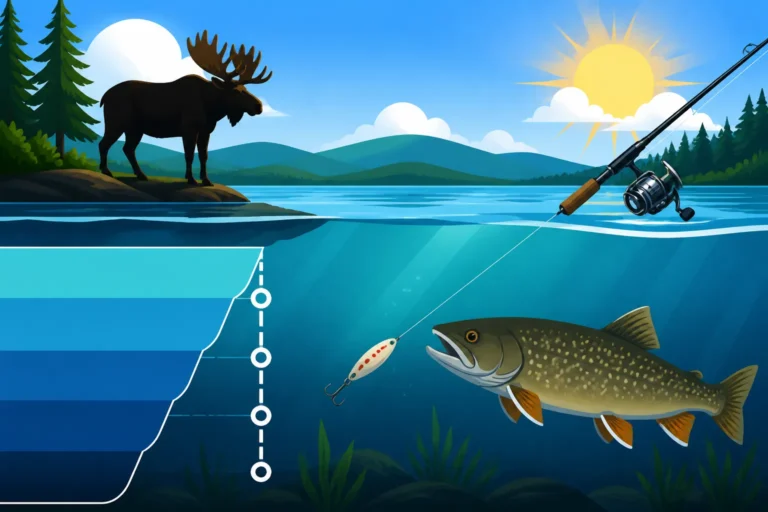
Togue are cold-water fish, through and through. They thrive in water temperatures generally between 45 and 55 degrees Fahrenheit. This dictates their movements throughout the year. In the spring and fall, when the surface waters are cool, Togue might be found shallower, chasing baitfish closer to shore. But once summer hits, and the sun starts to warm the upper layers, they retreat to the cooler, deeper parts of the lake. This phenomenon creates a thermocline – a distinct layer where water temperature changes rapidly – and Togue will often hold just above, within, or just below this layer.
Moosehead Lake offers an abundance of such deep, cold water. With depths reaching over 240 feet, there's always a comfortable sanctuary for Togue. Anglers need to pay close attention to their sonar to identify these depth ranges, especially during warmer months. Understanding the lake's thermal stratification is absolutely crucial; you won't find Togue happily cruising in 70-degree surface water unless they're making a quick, aggressive run on a baitball that's ventured too high.
Forage and Structure: What Togue Eat and Where They Hide
The primary food source for Togue in Moosehead Lake is the rainbow smelt. These small, silvery fish are abundant in Moosehead and are a huge draw for the Togue. Where the smelt go, the Togue often follow. Smelt prefer cooler, deeper water themselves, especially during the day, coming shallower to feed at night or in low light conditions. This means Togue will often be found patrolling drop-offs, underwater humps, and submerged points that offer both access to deep water and proximity to smelt congregating areas.
Beyond just deep water, structure is key. Moosehead has an incredibly diverse underwater landscape. Think about the massive rock piles that descend into the depths, steep ledges, and deep main lake basins with varying contours. These features provide ambush points for Togue and places for them to hide. Islands, in particular, often have deep, rocky shoulders that drop off sharply into the main lake, making them prime Togue territory. Look for sudden changes in depth, whether it's a sheer rock face or a gradual underwater slope that leads to a deep basin; these are highways and dining rooms for Togue.
Top Togue Fishing Spots on Moosehead Lake
Moosehead Lake is so large that breaking it down into manageable fishing zones is essential. While Togue can be found almost anywhere, certain areas consistently produce better results due to their specific structure, depth, and forage availability. These spots are often well-known among local anglers for a reason: they hold fish.
The Mighty Kineo Region
Mount Kineo is perhaps the most iconic landmark on Moosehead Lake, and the waters surrounding it are legendary for Togue fishing. The dramatic cliffs of Kineo plunge directly into deep water, creating a habitat Togue absolutely adore. The sheer drop-offs and rocky structure around the island itself provide excellent cover and ambush points. Anglers often find success trolling deep along the eastern and northern sides of Kineo, particularly where the depths quickly plummet.
Additionally, the area extending north from Kineo towards the narrows and east into the main basin offers consistent Togue action. The depths here can easily exceed 100 feet, and the irregular bottom contours are perfect for intercepting cruising fish. During the ice fishing season, the protected waters on the lee side of Kineo (often the western side, depending on wind) can be popular, with anglers setting up tip-ups over deep water. This entire region is a Togue magnet, especially during the summer months when they've retreated to the cooler depths.
Lily Bay and Sugar Island Deep Water
Moving south, the area around Lily Bay and Sugar Island also offers prime Togue opportunities. Lily Bay is known for its excellent boat launches and campgrounds, making it a convenient access point. Just outside the bay, particularly around the deep water west of Sugar Island, Togue congregate. The main lake basin here drops off dramatically, with contours and submerged structures that hold smelt. Trolling along the edges of the deep channel between Sugar Island and the mainland can be particularly productive.
Sugar Island itself, like Kineo, presents a lot of deep-water structure on its main lake sides. The drop-offs are often steep and rocky, providing ideal holding patterns for Togue. Look for underwater points and humps that extend from the island into the deeper basin. These are high-percentage areas where Togue will patrol, waiting for an easy meal. This section of the lake is also less exposed to high winds compared to the wider, northern expanses, making it a slightly more comfortable spot on blustery days.
Rockwood and Western Shore Deep Basins
The western shore of Moosehead Lake, particularly in the vicinity of Rockwood, offers another fantastic set of Togue fishing grounds. Rockwood is another excellent spot to launch your boat, and from there, you have immediate access to very deep water. The main lake basin west of Farm Island and down towards the deeper pockets near Sandy Bay often holds impressive numbers of Togue. These areas consist of broad, deep expanses with significant cold-water reserves.
Anglers often focus on the subtle contours of these deep basins, looking for slight changes in depth, even just a few feet, that can signify a holding area for baitfish and, consequently, Togue. Trolling through these deep basins with downriggers or lead core line is the name of the game here during summer. Don't be afraid to experiment with different depths, as Togue might be suspended anywhere from 40 to 100 feet down, depending on the thermocline and where the smelt are holding. The fishing here can be particularly good during the shoulder seasons, but it remains a solid choice all year.
The North End: Northeast and Northwest Carry Deep Channels
While much of the fishing focus tends to be on the central and southern parts of Moosehead due to easier access, the lake's vast northern reaches, particularly around Northeast Carry and Northwest Carry, hold their own secrets for adventurous Togue anglers. These areas are wilder, more remote, and require a bit more planning to access, but the rewards can be substantial. The deep channels and basins near these carries provide exceptional cold-water habitat and often see less fishing pressure.
For those willing to make the journey, the deep water leading into the narrow sections and the broad basins just south of them are prime locations. Look for areas where the lake constricts or deepens rapidly. These funnels often concentrate baitfish, making them attractive to Togue. This is truly where you feel the wildness of Maine, and landing a trophy Togue in these remote waters adds an extra layer of satisfaction. If you're looking for a true wilderness experience, consider exploring these northern deep-water havens.
Seasonal Strategies for Togue Fishing on Moosehead
Togue fishing on Moosehead Lake is a year-round affair, but your tactics need to change dramatically with the seasons. What works in January won't necessarily work in July, and vice versa. Understanding these seasonal shifts is fundamental to consistent success and ensures you're targeting fish where they're most likely to be active and feeding.
Ice Fishing Hotspots and Techniques
When Moosehead Lake freezes over, typically from late December through April, it transforms into an ice angler's paradise. Togue are a prime target through the ice. During early and late ice periods, Togue can often be found in relatively shallower water (20-40 feet), especially around points and underwater humps that drop off into deeper basins. As the winter progresses, they tend to hold deeper, often over 60 feet, near prominent structure or in the main lake basins.
Popular ice fishing spots often include the deep pockets around Rockwood, the edges of Lily Bay, and the protected coves near Kineo where access is reliable. Setting up multiple tip-ups with live bait, especially small shiners or smelt, is a classic and highly effective method. Anglers often spread their traps at varying depths to find the active feeding zone. Additionally, jigging with heavy spoons or lead jigs tipped with a piece of bait can be incredibly productive for actively searching out fish. Remember to always prioritize ice safety, especially on a lake as large as Moosehead. You can find more details in our guide on the best ways to understand Maine Ice Fishing Rules Guide.
Spring and Fall Transitions: Shallower Bites
Spring, right after ice-out, and fall, before the lake freezes, are transitional periods when Togue can be found in more accessible, shallower waters. As the water temperatures are uniformly cool throughout the water column, Togue will follow smelt into depths as shallow as 10-30 feet, particularly around rocky points, ledges, and tributary mouths. This is an exciting time for anglers, as these shallower fish are often more aggressive and offer a fantastic fight.
In spring, immediately after the ice clears (often mid-April to early May), Togue are hungry and active. Trolling spoons, stickbaits, or even fly-fishing streamers near shorelines and rocky outcrops can be very effective. Fall fishing sees a similar pattern, with Togue moving shallower as the water cools, often staging near spawning areas (though Togue spawning can occur deeper). Look for them around the same types of structure, particularly where baitfish are abundant. This is also an excellent time to target them with vertical jigging over structure in these shallower-to-mid-depth ranges.
Summer Deep Trolling and Jigging
Summer on Moosehead Lake means the Togue have gone deep. This is the time to break out your heavy tackle and specialized deep-water tactics. Trolling with downriggers, lead core line, or heavy divers is the most common and effective method. You'll be targeting depths anywhere from 50 to 120 feet, sometimes even deeper, depending on the thermocline and where the bait is holding. The goal is to present your lures right in front of the fish's face in their cold-water comfort zone.
Popular summer lures include large spoons (such as Suttons, Mooselook Wobblers, or Daredevils), flasher/fly combinations, and deep-diving crankbaits. The key is to run your offerings at the correct depth and speed. Slow trolling (1.5-2.5 mph) is often most effective. For those who prefer a more active approach, vertical jigging heavy spoons or soft plastics tipped with bait directly over deep structure can also produce. This is a game of patience and precision, relying heavily on your electronics to mark fish and bait. For a comprehensive overview, read our Trolling Techniques for Maine Lakes guide.
Essential Gear and Techniques for Moosehead Togue
Successfully landing Togue on Moosehead Lake requires more than just knowing where they are; you need the right tools and the know-how to use them. From the tackle you choose to the way you present your lure, every detail can make a difference in hooking one of these magnificent fish.
Trolling Setups: Downriggers, Lead Core, and Copper
Deep-water trolling is arguably the most effective way to consistently catch Togue on Moosehead Lake, especially outside of the ice fishing season. This requires specialized setups to get your lures down to the incredible depths where Togue reside during much of the year.
- Downriggers: These are mechanical devices that use a heavy ball to carry your lure down to a precise depth, releasing your line when a fish strikes. They offer the most control over depth and allow you to use lighter tackle for a better fight. Most serious Togue anglers on Moosehead will run at least two downriggers, experimenting with different depths and lure presentations.
- Lead Core Line: This type of line has a lead core encased in a nylon sheath, allowing it to sink without the need for additional weight. Each "color" (usually 10 yards) of lead core sinks a certain amount, typically 5-7 feet, allowing you to estimate your depth based on how many colors you have out. It's a great option for reaching intermediate depths and requires simpler rod setups.
- Copper Line: Similar to lead core, copper line is a heavy, solid copper wire that sinks rapidly. It's excellent for getting to extreme depths and often outperforms lead core in getting down quickly. It requires specialized rods and reels due to its weight and lack of stretch.
No matter which method you choose, a good sturdy trolling rod with a reliable line counter reel is essential. Spoons like the Mooselook Wobbler, Sutton, or DB Smelt in natural baitfish patterns are local favorites. You can learn more about Jigging Techniques for Togue for a more active approach.
Electronics: Fish Finders and GPS Navigation
Modern electronics are indispensable for Togue fishing on Moosehead. This isn't a lake where you can just cast and hope.
- Fish Finder/Sonar: A quality fish finder is your eyes underwater. It helps you identify depth changes, underwater structure (like humps, ledges, and drop-offs), and most importantly, mark baitfish schools and individual Togue. Look for units with CHIRP sonar, Down Imaging, and Side Imaging for the best views of the underwater world. Understanding how to interpret what your sonar is telling you is a skill that will dramatically improve your Togue success.
- GPS Navigation: With Moosehead's vastness and numerous islands, a reliable GPS unit or a chartplotter integrated into your fish finder is crucial for navigation and marking productive spots. You can mark specific waypoints where you've found fish or bait, allowing you to return to them precisely. It's also vital for safe navigation, especially in fog or low light conditions. Many anglers consult lake charts and upload them to their GPS to identify key structural features before even getting on the water.
Bait and Lure Selection: Matching the Hatch
While spoons are a classic choice, don't limit yourself. Matching the prevalent forage, particularly rainbow smelt, is often key.
- Live Bait: For ice fishing or still-fishing in open water, live smelt or shiners are incredibly effective. Togue find live bait irresistible. Ensure your bait is healthy and presented naturally. Check Maine Fish Bag Limits Guide for regulations on baitfish use and possession.
- Artificial Lures:
- Spoons: As mentioned, Mooselook Wobblers, Suttons, and Daredevils are proven producers. Sizes from 2.5 to 5 inches are common, in silver, blue, green, and gold patterns.
- Stickbaits/Plugs: Long, slender plugs that imitate smelt, such as Rapala Original Floaters or Husky Jerks, can be deadly, especially during spring and fall when Togue are shallower.
- Flasher/Fly Combinations: These rigs, often used with downriggers, feature a large flasher that attracts fish, followed by a short leader with a small fly or squid imitation. The flash and erratic action draw Togue in.
- Jigs: Heavy bucktail jigs or soft plastic swimbaits rigged on heavy jig heads are great for vertical jigging over deep structure, especially when fish are suspended close to the bottom. Tipping jigs with a piece of cut bait can enhance their appeal.
Remember, the best lure is often the one that's presented at the right depth, at the right speed, in the right place. Don't be afraid to experiment with color and size until you find what the Togue are hitting that day.
Navigating Moosehead Lake Safely and Responsibly
Moosehead Lake is a magnificent body of water, but its size and wild nature demand respect. Safety should always be your top priority, whether you're venturing out for a quick evening trip or planning a multi-day fishing expedition. Being prepared and understanding the unique challenges of this expansive lake can make all the difference.
Weather Awareness and Preparedness
The weather on Moosehead Lake can change rapidly and dramatically. A sunny, calm morning can quickly turn into a windy, choppy afternoon, making boating treacherous, especially in smaller vessels.
- Monitor Forecasts: Always check the marine weather forecast before heading out and throughout your trip. Pay close attention to wind predictions; even a moderate breeze can kick up significant waves on such a large lake.
- Know Your Limits: Understand the capabilities of your boat and your own experience level. If the forecast calls for strong winds or thunderstorms, it's always better to err on the side of caution and postpone your trip.
- Essential Gear: Always have appropriate safety gear on board, including life jackets (worn, not just stored!), a working marine radio or fully charged cell phone (though coverage can be spotty), flares, a first-aid kit, and a sound-signaling device.
- Tell Someone Your Plan: Let a trusted person know your float plan – where you're going, who's with you, and when you expect to return. This simple step can be a lifesaver if you encounter unexpected trouble.
Boat Launches and Access Points
Accessing Moosehead Lake is relatively straightforward, but knowing the main boat launches and their facilities can save you time and hassle.
- Greenville: The largest town on the lake, Greenville offers several public boat launches, including the large launch on Lily Bay Road. These are typically well-maintained and provide ample parking, but can get busy, especially on peak summer weekends.
- Rockwood: Located on the western shore, Rockwood also has excellent boat launch facilities, providing direct access to the central and western fishing grounds. This is a popular spot for those heading to Kineo or venturing into the western basins.
- Lily Bay State Park: This park offers another good launch point, especially for those staying at the campground or wanting to fish the southern sections of the lake.
- Northeast and Northwest Carry: These remote access points on the northern end of the lake are for more adventurous anglers, often requiring travel on dirt roads. They offer access to the wilder, less-pressured waters but have fewer amenities.
Before you head out, it's wise to check the Maine Department of Inland Fisheries and Wildlife (MDIFW) website for current conditions and any launch-specific advisories. For general access information, you might find our article on Where to Launch a Boat on Moosehead Lake helpful.
Responsible Angling and Conservation
Maine's fisheries are a precious resource, and it's up to all of us to protect them. Practicing responsible angling ensures healthy fish populations for generations to come.
- Know the Regulations: Always be aware of the current Maine Fishing Regulations Explained, especially for specific waters like Moosehead Lake. Pay close attention to length limits, bag limits, and specific bait restrictions for Togue. For example, knowing the Maine Togue and Lake Trout Limits is crucial.
- Catch and Release: If you're not planning to keep your catch, practice proper catch-and-release techniques. Minimize handling time, use de-barbed hooks, and revive fish properly before releasing them. Deep-caught Togue can suffer from barotrauma; be gentle and release them quickly if you notice signs of stress.
- Respect the Environment: Pack out everything you pack in, dispose of fishing line properly, and be mindful of your impact on the shorelines and surrounding wilderness.
- Consider a Guide: Especially if you're new to Moosehead Lake or Togue fishing, hiring a Registered Maine Guide can dramatically improve your success and teach you invaluable techniques while ensuring you adhere to local customs and regulations. Services like FishingBooker can help you find reputable local guides who specialize in Togue on Moosehead Lake. They'll have all the right gear and knowledge to get you on fish quickly and safely, making your trip a memorable one. They can teach you about Maine Open Water Line Limits and other specific rules for the area.
| Moosehead Togue Fishing Zone | Primary Season(s) | Typical Depth Range (Feet) | Recommended Technique | Key Features |
|---|---|---|---|---|
| Kineo Region | Summer, Ice Fishing | 60-120+ | Deep Trolling, Jigging (Ice) | Steep rock cliffs, deep main basin access |
| Lily Bay / Sugar Island | Summer, Spring/Fall, Ice Fishing | 50-100+ | Deep Trolling, Jigging | Deep channel, island drop-offs, good access |
| Rockwood / Western Shore | All Seasons | 40-100+ | Deep Trolling, Ice Fishing (tip-ups) | Broad deep basins, subtle humps, reliable access |
| North End (Carries) | Summer, Ice Fishing | 70-150+ | Deep Trolling, Remote Ice Fishing | Wilderness setting, less pressure, deep channels |
Moosehead Lake is more than just a place to fish; it's an experience, a journey into the heart of Maine's majestic wilderness. By understanding the Togue's habits, pinpointing the right spots, employing effective techniques, and always prioritizing safety and conservation, you're setting yourself up for an unforgettable adventure. Whether you're a seasoned angler or a newcomer, the thrill of battling a hard-fighting Togue in these pristine waters is a memory that will last a lifetime. And if you're serious about your Togue hunt, a quick search on platforms like FishingBooker can connect you with guides who live and breathe Moosehead and its incredible fishery.
Disclaimer
The information provided in this guide is for general informational purposes only. Fishing regulations, conditions, and fish behavior can change rapidly. Always consult the official Maine Department of Inland Fisheries and Wildlife (MDIFW) regulations before heading out on the water. Be aware of local conditions, weather forecasts, and exercise extreme caution when navigating large bodies of water like Moosehead Lake. Safety should always be your highest priority.