Smallmouth Bass Fishing in Maine
Have you ever found yourself staring at a vast Maine lake, knowing there are smallmouth bass lurking somewhere beneath the surface, but feeling completely unsure of how to coax them to bite? Many anglers, both locals and visitors, struggle with the elusive nature of these hard-fighting fish, especially with Maine's diverse waters. This comprehensive guide is designed to cut through that frustration, offering proven strategies, essential gear advice, and detailed insights into successfully targeting smallmouth bass across our beautiful state.
Understanding Maine's Smallmouth Bass
Smallmouth bass, often affectionately called "smallies" by anglers, are a fantastic sport fish known for their aggressive strikes and acrobatic fights. While not native to Maine, they've been successfully introduced to many of our lakes and rivers and have thrived, becoming a favorite target for many. Understanding their biology and preferred habitats is your first step to consistent success.
Smallmouth Bass Biology and Behavior
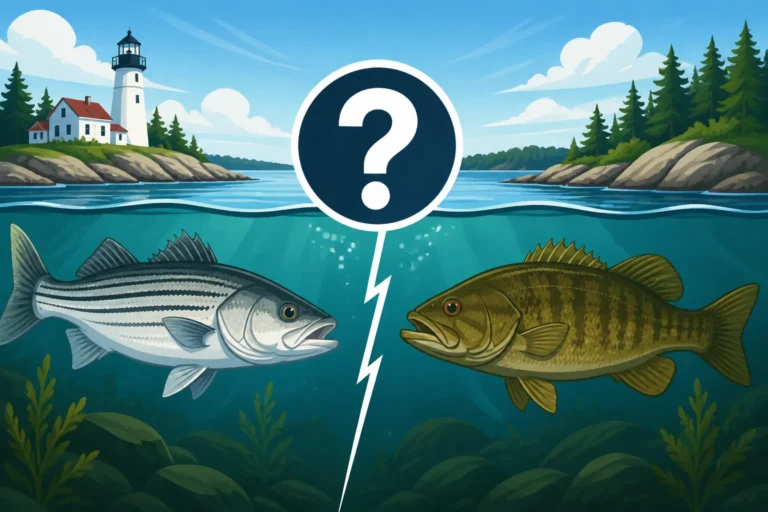
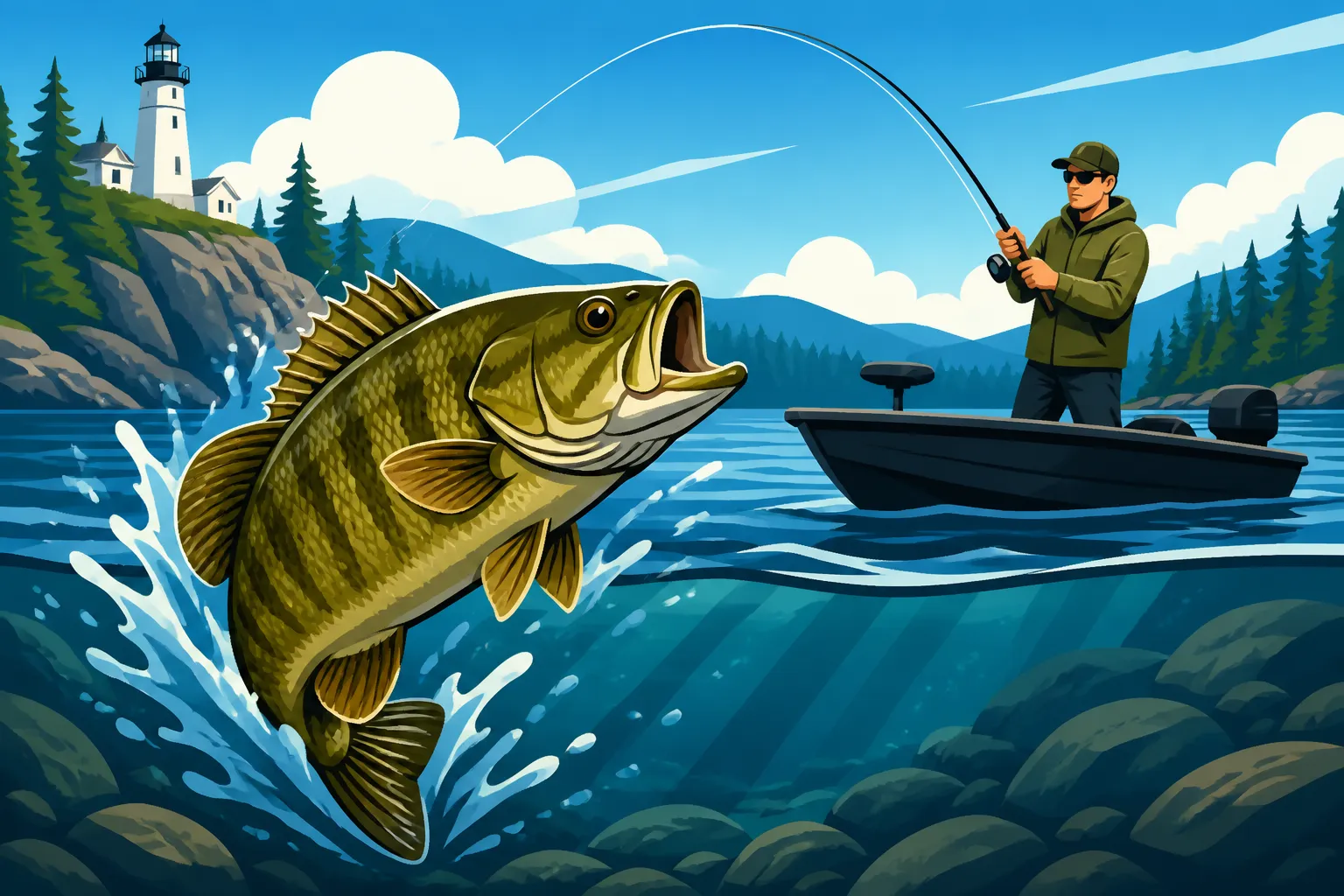
These fish are members of the sunfish family, but don't let that fool you into thinking they're docile. Smallmouth bass typically have a brownish-green back fading to a lighter, often yellowish-white belly, with vertical bars or spots along their sides. A key identifier is that their jaw does not extend past the back of their eye, unlike their largemouth cousins. They are sight feeders, which means clear water and light are often key factors in their activity.
Smallmouth bass are incredibly sensitive to water temperature. They prefer cooler, clearer waters than largemouth bass, typically thriving in temperatures between 65-72°F (18-22°C). This preference often dictates their seasonal movements and where you'll find them. They're also quite social, often congregating in schools, especially outside of spawning season. Finding one often means finding several, which is why they're such a blast to catch! Their diet is varied, consisting of crayfish, minnows, insects, and even smaller fish. Mimicking these food sources with your lures and baits is crucial.
Preferred Habitats in Maine Waters
When you're looking for smallmouth, think structure and cover in rocky, clear-water environments. They love rocky points, ledges, submerged humps, gravel beds, and areas with scattered boulders. Unlike largemouth that often hide in dense weeds and lily pads, smallies prefer open water near these hard structures where they can ambush prey.
In Maine's extensive network of lakes and rivers, this means focusing on areas with current breaks, drop-offs, and transitions from shallow to deep water. River smallmouth will often hold in eddies, behind large rocks, or in deeper pools adjacent to faster currents. Lake smallmouth will relate to main lake points, islands, and offshore humps. Look for areas where they can easily access both deep water for security and shallow water for feeding. The clearer the water, the more likely you are to find them near hard, rocky bottoms.
Where to Find Smallmouth Bass in Maine
Maine is blessed with an abundance of fantastic smallmouth bass fishing opportunities, from large, sprawling lakes to winding, productive rivers. Knowing which waters consistently produce and where to focus your efforts within those waters is key.
Top Lakes for Smallmouth Bass
Many of Maine's larger, deeper lakes with rocky structures are prime smallmouth habitat. Sebago Lake, for instance, is renowned not just for its salmon, but also for its robust smallmouth population. Its clear, cool waters and countless rocky points and offshore islands create ideal conditions. You'll often find them schooled up around the numerous islands or along the deeper main lake points. Sebago Lake Smallmouth Bass Fishing in Maine is a great resource if you're heading that way.
The Belgrade Lakes region, particularly Great Pond and Long Pond, also offers exceptional smallmouth fishing. These lakes feature excellent rock structures, varying depths, and plenty of forage. Other notable lakes include China Lake, Damariscotta Lake, and many of the ponds and lakes in the southern and central parts of the state. When exploring a new lake, start by studying maps for sudden depth changes, rock formations, and contour lines that indicate structure. These spots are essentially bass magnets.
Productive Rivers and Flowages
Don't overlook Maine's rivers when chasing smallmouth bass! Rivers like the Kennebec River and the Androscoggin River are fantastic for smallmouth. River smallmouth tend to be exceptionally strong due to constantly fighting currents. They'll often be found in eddies, behind large current breaks like boulders, or in the deeper pools on the outside bends of the river.
The Penobscot River also holds a good population of smallmouth, especially in its middle and upper stretches away from the tidal influence. When fishing rivers, pay close attention to changes in current speed, areas where feeder creeks enter, and any significant structure such as submerged logs, rock gardens, or bridge pilings. Smallmouth use these features to ambush prey and conserve energy. A canoe or kayak can be an invaluable tool for exploring these riverine habitats.
Essential Gear for Maine Smallmouth Bass
Having the right tackle can make a world of difference when chasing smallmouth in Maine. While you don't need to break the bank, choosing gear that is well-suited to the size and fighting style of these fish, as well as the conditions you'll encounter, will certainly improve your success rate and enjoyment.
Rods, Reels, and Line Choices
For smallmouth bass, a versatile medium-light to medium power spinning rod is often the go-to. This allows for casting lighter lures and offers enough sensitivity to detect subtle bites, while still having backbone for a strong hookset. A rod length of 6'6" to 7' is generally ideal, providing good casting distance and control. Many anglers find a 7-foot medium power spinning rod to be an excellent all-around choice for tackling various presentations.
Pair your rod with a reliable spinning reel in a 2500 or 3000 size. Look for a smooth drag system, as smallmouth can make powerful runs. When it comes to line, a good fluorocarbon line in 6-10 lb test is often preferred due to its low visibility and good abrasion resistance, especially when fishing around rocky areas. Alternatively, braided line (10-20 lb) with a fluorocarbon leader (6-10 lb) offers excellent casting distance and sensitivity, which can be crucial for feeling those faint taps. For some topwater or moving bait presentations, monofilament can also be effective due to its stretch and buoyancy. You can find a vast array of options for lines and reels on platforms like Amazon, ensuring you get exactly what you need for your setup.
Terminal Tackle and Accessories
Your terminal tackle needs will vary depending on your chosen techniques, but a few staples are always good to have on hand. A selection of hooks, including wide gap worm hooks for soft plastics, and treble hooks for replacing dull ones on hard baits, is essential. Various sizes of jig heads (1/8 oz to 1/2 oz) will cover most soft plastic presentations.
A good assortment of sinkers, such as bullet weights for Texas rigging and dropshot weights, will allow you to adapt to different depths and current conditions. Swivels and snaps can also be useful for quickly changing lures or preventing line twist. Beyond the basics, don't forget a pair of pliers for hook removal, line cutters, a net (especially for larger fish or if you plan to release them), and polarized sunglasses to help spot structure and fish in clear water. A small tackle box or bag to keep everything organized is also a must-have for a smooth fishing experience.
Top Baits and Lures for Smallmouth Bass in Maine
Smallmouth bass are opportunistic feeders, but certain baits and lures consistently outperform others in Maine's waters. The key is often matching the hatch, meaning presenting something that imitates their natural prey, or triggering a reaction strike with an aggressive presentation.
Soft Plastic Baits
Soft plastics are incredibly versatile and can be fished in countless ways, making them a staple for any smallmouth angler. Tube baits are perhaps the quintessential smallmouth lure. Their subtle action mimics crayfish or baitfish, and they can be fished by jigging, dragging, or skipping under docks. Grubs, especially single-tail and double-tail models, are also deadly when fished on a light jig head, imitating small baitfish or insects.
Creature baits and crawfish imitations shine when bass are feeding heavily on crayfish, particularly around rocky bottoms. Texas-rigging or Carolina-rigging these baits allows them to be worked through cover without snagging. Dropshot rigs, using small finesse worms or minnow imitations, are highly effective for targeting deeper smallmouth or when they are finicky. The ability to suspend a bait right in their strike zone can be a game-changer. Learning Best Lures for Smallmouth Bass in Maine can really help narrow down your selection.
Hard Baits and Jigs
When smallmouth are actively feeding, hard baits can trigger aggressive strikes. Crankbaits, both shallow-diving and deep-diving, are excellent for covering water and mimicking baitfish. Choose colors that resemble local forage, such as perch, shiners, or crawfish patterns. Jerkbaits are fantastic for suspended smallmouth, particularly in cooler water, as their erratic darting action can draw strikes from a distance.
Topwater lures like poppers, walking baits, and prop baits provide exhilarating strikes, especially during low light conditions or when bass are feeding on the surface. Nothing beats the visual thrill of a smallmouth exploding on a topwater lure. Spinnerbaits and bladed jigs (chatterbaits) are also very effective, particularly in areas with some current or slightly stained water, as their vibration and flash can attract bass. Don't forget metal jigs or blade baits for vertical jigging on deeper structure, especially in cooler water when bass are holding tight to the bottom.
Live Bait Options
While artificial lures are highly effective, live bait can sometimes be the ticket when fish are particularly stubborn or when fishing with less experienced anglers. Shiners are a classic choice for smallmouth bass. Fished under a bobber or slowly drifted, a lively shiner can be irresistible. Crayfish are another absolute killer bait, as they are a primary food source for smallmouth. Hooked through the tail and fished near rocky bottoms, they seldom go untouched.
Worms, particularly nightcrawlers, can also catch smallmouth, especially smaller ones or during post-cold front conditions when fish are less aggressive. Remember that using live bait comes with certain regulations, so always check the Maine Fishing Regulations Explained to ensure you're in compliance, especially regarding baitfish transport and source. Using live bait from an unknown source can sometimes introduce invasive species, which is something we all want to avoid.
Effective Techniques for Smallmouth Bass
Successful smallmouth bass fishing isn't just about having the right gear; it's about employing the right techniques for the conditions you face. Adapting your presentation to the fish's mood and location is crucial for consistent catches.
Casting and Retrieval Methods
Casting is the most common technique for targeting smallmouth bass. When casting, accuracy is vital, especially when targeting specific structures like rocky points, submerged logs, or weed edges. For soft plastics, learn to impart action with your rod tip, twitching and pausing to mimic an injured baitfish or crawling crayfish. The "shake" on a dropshot rig, for example, is a subtle but deadly way to entice bites.
For crankbaits and spinnerbaits, a steady retrieve often works well, but don't be afraid to experiment with retrieve speed and incorporate pauses or erratic twitches. Jerkbaits, as their name suggests, require a retrieve pattern of jerking the rod tip, pausing, and reeling in slack. Topwater lures demand a specific action – "walking the dog" with a Zara Spook or a "pop and pause" with a popper. The key is to find the rhythm that the fish respond to on any given day. Regularly changing your retrieve can often unlock fish that seemed uninterested just moments before.
Trolling for Deeper Smallmouth
While often associated with salmon and lake trout, trolling can be an incredibly effective method for covering large areas and finding deeper, suspended smallmouth bass, especially on larger Maine lakes. Trolling with deep-diving crankbaits or suspending jerkbaits can put your lure right in front of fish holding on offshore humps or along deep lake contours.
When trolling, pay close attention to your boat speed and lure depth. Use a fish finder to identify schools of baitfish or arches that indicate bass. Varying your speed, making wide turns, and periodically jerking the rod can add action to your lure and trigger strikes. Trolling can be particularly effective during the warmer summer months when smallmouth descend to cooler, deeper water. It's a great way to explore a new body of water and locate concentrations of fish that might be harder to reach with casting alone.
Reading the Water and Structure
Maine's smallmouth bass love structure. Learning to "read the water" is perhaps the most important skill an angler can develop. Look for visible signs of structure like rocky shorelines, boulder fields, or changes in bottom composition. Underwater mapping on your fish finder or a good lake map (like those often found on fishing apps) will reveal submerged points, humps, ledges, and drop-offs. Reading Lake Structure for Maine Bass delves deeper into this essential skill.
Pay attention to current breaks in rivers, transitions in depth on lakes, and areas where baitfish are schooling. Often, where you find bait, you'll find bass. Wind can also be a significant factor; a choppy surface often concentrates baitfish and oxygen, making wind-blown points excellent spots. Don't be afraid to fish less obvious, subtle changes in depth or bottom composition, as these can often hold the most unpressured fish.
Seasonal Strategies for Maine Smallmouth Bass
Smallmouth bass behavior and location change dramatically with the seasons in Maine. Understanding these patterns and adapting your approach accordingly is vital for year-round success, from the first ice-out to late fall.
Spring: Post-Spawn and Pre-Spawn Activity
Spring is an exciting time for smallmouth bass fishing in Maine. As the ice recedes and water temperatures begin to climb into the 40s and 50s Fahrenheit, smallmouth move from their deep wintering grounds to shallower areas to feed and prepare for spawning. This is the pre-spawn period, characterized by hungry fish actively cruising rocky points and sandy flats in search of food. Jerkbaits, spinnerbaits, and tube jigs can be highly effective during this time.
Once water temperatures reach the upper 50s to low 60s, smallmouth begin to spawn. Males will fan out circular nests on gravel or rocky bottoms, usually in protected coves or flats. While it can be tempting to target bedding fish, many anglers practice catch-and-release during this sensitive time to protect the spawning population. Post-spawn, bass are often recovering but will resume feeding, often relating to nearby deeper water after the stress of spawning. How to Fish for Smallmouth Bass in Spring provides more specific tactics.
Summer: Deep Water and Topwater Action
Summer fishing for smallmouth in Maine brings both challenges and rewards. As surface water temperatures rise into the 70s, smallmouth typically move to deeper, cooler water. Look for them on offshore humps, deep rock piles, main lake points, and along steep drop-offs. Carolina rigs, dropshot rigs, and deep-diving crankbaits are excellent for reaching these fish. Trolling with downriggers can also be effective to get lures to the precise depth.
However, don't overlook early mornings and late evenings when smallmouth will often move back into shallower water to feed, providing exhilarating topwater action. Poppers, walk-the-dog baits, and even buzzbaits can draw explosive strikes. On cloudy or rainy days, this shallow water bite might extend throughout the day. The article How to Fish for Smallmouth Bass in Summer Heat offers great tips for those warm months.
Fall: Feeding Frenzy Before Winter
Fall is another prime time for smallmouth bass fishing in Maine, often considered by many as the best season. As water temperatures cool, smallmouth become incredibly aggressive, embarking on a feeding frenzy to put on weight for the long winter ahead. They'll often move back into shallower areas, congregating on rocky points, humps, and flats adjacent to deep water.
Crankbaits, jerkbaits, and swimbaits are incredibly effective during the fall, as bass are focused on chasing down larger baitfish. Jigs and tube baits also continue to produce, especially when fish are holding tight to structure. Look for concentrations of baitfish, as smallmouth will be close by. This intense feeding behavior continues until water temperatures drop into the low 40s, at which point they begin to retreat to their deepest wintering holes.
Regulations and Conservation
As responsible anglers, understanding and adhering to Maine's fishing regulations is not just a legal requirement, but a crucial part of conserving our fantastic smallmouth bass fishery for future generations.
Maine Fishing Regulations for Smallmouth Bass
Maine has specific rules regarding smallmouth bass, including bag limits, length limits, and season dates. These regulations can vary by body of water and by fishing zone (North Zone vs. South Zone). For instance, Smallmouth Bass Limits by Zone in Maine outlines how the rules might differ depending on whether you're fishing in northern or southern Maine. It's not uncommon for a lake in the South Zone to have different regulations than one just a short drive north.
Always consult the official Maine Department of Inland Fisheries and Wildlife (MDIFW) open water fishing guide before you head out. This guide provides the most up-to-date information on statewide general laws and specific rules for individual waters. Pay close attention to minimum length requirements and daily bag limits. Catch and release practices are highly encouraged, especially for larger breeding fish, to help maintain healthy populations.
Catch and Release Best Practices
Practicing responsible catch and release is paramount for smallmouth bass, particularly for those trophy-sized fish that contribute significantly to the gene pool. When you land a smallmouth, try to handle it as little as possible. If possible, keep the fish in the water while removing the hook. Use a rubberized net to minimize slime coat removal and fin damage.
If you must handle the fish, do so with wet hands and support its body horizontally, especially larger fish, to avoid damaging its jaw or internal organs. Use needle-nose pliers or a de-hooking tool to quickly remove hooks. Avoid excessive squeezing or keeping the fish out of water for extended periods, especially during warmer months. If a fish appears stressed, hold it gently in the water, facing into a gentle current, until it regains its strength and swims away on its own. These small actions make a huge difference in the survival rate of released fish.
Common Challenges and Solutions
Even with the best gear and knowledge, fishing can throw curveballs. Maine's diverse conditions and the unpredictable nature of fish mean you'll sometimes face challenges. Knowing how to troubleshoot and adapt is a hallmark of a seasoned angler.
Dealing with Tough Fishing Conditions
One of the most common frustrations is a "tough bite" – when fish seem to shut down, regardless of what you throw at them. This can be caused by various factors: sudden cold fronts, extreme heat, heavy fishing pressure, or post-spawn lethargy. When faced with these conditions, slow down your presentation. Instead of aggressive retrieves, try subtle, finesse tactics. Dropshot rigs, Ned rigs, or small, weightless worms can often entice strikes from wary bass.
Downsizing your lures and using lighter line can also make a difference. Sometimes, a tiny grub on a 1/16 oz jig head is all it takes. Consider fishing during low-light hours (dawn, dusk, or even night fishing if allowed) when bass might be more active. Don't be afraid to move to different areas of the lake or river – sometimes just a change in location, seeking out different types of structure or depth, is enough to find active fish.
Navigating Maine's Diverse Waters
Maine's waters present a wide array of environments, from vast, clear lakes to rocky, swift rivers. Each requires a slightly different approach. On large lakes, wind can be a significant factor. Learn to position your boat to drift over productive structure, or use your trolling motor to hold position against the wind. For rivers, understanding current is paramount. Smallmouth will position themselves to conserve energy and ambush prey, often behind current breaks.
Rocky bottom is a smallmouth haven, but it also means snags are common. Learn to "feel" the bottom with your lure and quickly react to avoid getting hung up. Experiment with weedless rigs for soft plastics or lures with weed guards if you find yourself fishing near sparse vegetation. A good pair of polarized sunglasses will help you spot submerged hazards and potential fish-holding structure in Maine's clear waters. Using a quality fish finder can also help you quickly adapt to the varying depths and underwater contours.
| Season | Typical Water Temperature | Preferred Depth | Key Locations | Top Lure Categories | General Behavior |
|---|---|---|---|---|---|
| Spring (Pre-Spawn) | 45-55°F | 5-15 feet | Rocky points, protected coves, shallow flats | Jerkbaits, Spinnerbaits, Tube Jigs | Moving shallower, actively feeding, staging for spawn |
| Spring (Spawn) | 58-65°F | 2-10 feet | Gravel/rocky flats, protected coves | Soft plastics (tubes, worms), jigs (fish with care) | Nesting, guarding eggs (often aggressive but vulnerable) |
| Summer | 68-75°F+ | 15-40 feet (day), 5-15 feet (low light) | Offshore humps, deep points, rock piles, main lake ledges | Dropshot, Carolina rigs, Deep Crankbaits, Topwater (low light) | Seeking cooler, deeper water, active early/late |
| Fall | 65-45°F | 5-25 feet | Rocky points, humps, sharp drop-offs, baitfish schools | Crankbaits, Jerkbaits, Swimbaits, Jigs | Aggressive feeding frenzy, schooling up for winter |
| Winter (Ice Fishing) | 32-38°F | 20-50 feet | Deep main lake basins, humps, deep drop-offs | Jigging Spoons, Blade Baits, Small Jigs with Live Bait | Slowed metabolism, less active, concentrated in deep holes |
Disclaimer
This article is for general informational purposes only and does not constitute professional advice. Laws, prices and regulations vary by location and change over time. Consult a qualified professional for guidance on your specific situation.