Is Night Fishing Legal in Maine?
One of the questions I hear most often from fellow anglers, especially those new to the Pine Tree State or eager to extend their time on the water, is whether it’s even legal to cast a line after the sun dips below the horizon. It's a valid concern, because fishing in Maine often comes with a detailed set of rules and nuances that can feel a bit overwhelming. This guide is here to untangle the confusion and help you understand when and how you can enjoy the peaceful solitude of night fishing in Maine.
Understanding the Basic Legality of Night Fishing in Maine
Let's cut right to the chase because this is usually the first thing on everyone's mind: generally speaking, night fishing for finfish is legal in Maine. However, like many things in the world of outdoor recreation, "generally speaking" means there are important details, exceptions, and safety considerations you absolutely need to be aware of. The silence of the night, the way the stars reflect on the water, and the unique bite patterns of fish under the moon can make for an unforgettable experience, but only if you're fishing within the bounds of the law and with safety as your top priority.
General Open Water Fishing After Dark
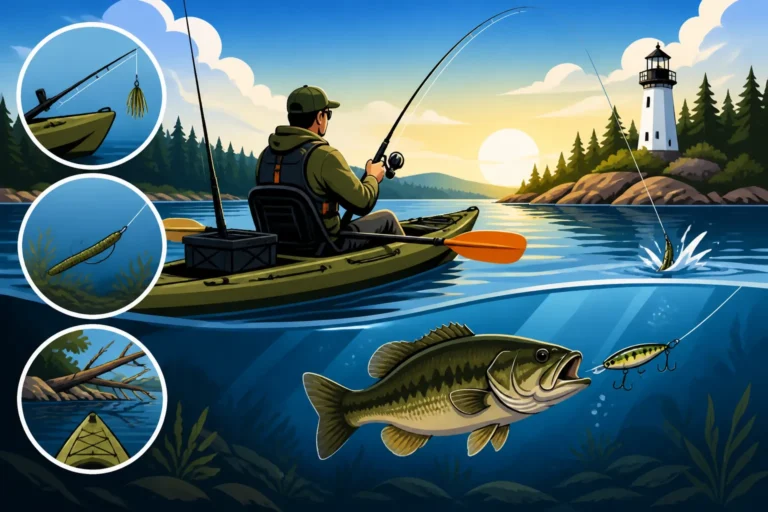
For the most part, if you're out on an open body of water—a lake, a pond, or a river—and the ice isn't covering it, you can continue to fish after dark. The sun setting doesn't typically mean an automatic end to your angling day in Maine. This is fantastic news for those who love chasing bass as they become more active in the cooler evening hours or for folks hoping to land a lunker trout or salmon that prefers the cover of darkness. Many species, especially during the warmer summer months, will feed more aggressively at night when water temperatures drop and boat traffic dwindles.
However, this general rule comes with a huge caveat: you must still adhere to all other regulations concerning seasons, bag limits, and length limits for the specific species you're targeting. Just because you're fishing at night doesn't mean you can keep more fish, or fish for species that are out of season. Always make sure you're familiar with the broader Maine Fishing Regulations Explained to avoid any unwelcome surprises. Think of night fishing as just an extension of your normal fishing day, but with reduced visibility and a different atmosphere.
The importance of clarity here can't be overstated. Imagine you're out on Sebago Lake, enjoying a peaceful evening. The sun sets, painting the sky in incredible colors, and you decide to keep fishing. You don't want the nagging worry in the back of your mind about whether you're breaking a rule. Knowing that general open water night fishing is permitted allows you to truly relax and immerse yourself in the experience.
Ice Fishing Under the Stars
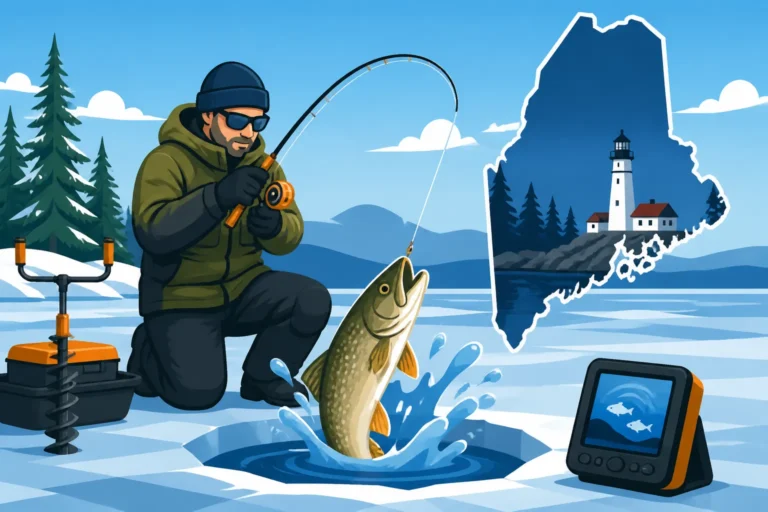
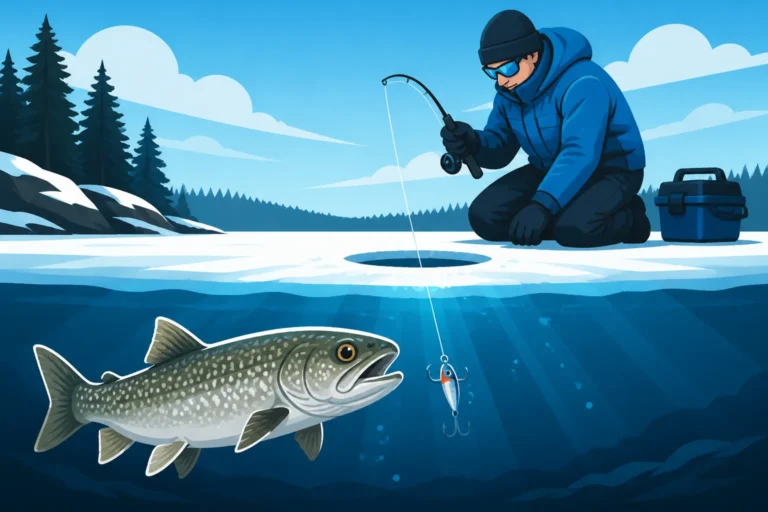
Ice fishing introduces a slightly different dynamic when it comes to fishing at night, but the good news remains: you can still enjoy the thrill of fishing through the ice after dark in Maine. Many ice anglers swear by nighttime hours for certain species, especially togue (lake trout) or even smelt, which can often be found closer to the surface after sunset. Imagine the scene: a few friends, a warm shack, and the anticipation of a flag flying up against a star-studded sky. It’s truly magical.
However, just like open water fishing, ice fishing at night has its own set of rules and considerations, particularly regarding your gear and presence on the ice. While you can typically leave your tip-ups out overnight, you need to be aware of the specific regulations governing them. For example, all tip-ups or traps must be clearly marked with the name and address of the owner. You can't just abandon gear on the ice without proper identification. For a full rundown, it's worth checking out the Maine Ice Fishing Rules Guide. These rules are in place for safety, to prevent lost gear, and to help wardens ensure responsible angling.
One common misconception is that you can't leave your ice fishing shack on the ice overnight. This isn't entirely true in all situations. While there are strict rules about when ice shacks must be removed from the ice after ice-out, you can certainly leave them out overnight during the active ice fishing season. Just ensure it's securely anchored and won't become a hazard if weather conditions change. The key is responsibility and adherence to the seasonal deadlines for removal.
Beyond the regulations, safety becomes even more paramount when ice fishing at night. Reduced visibility means you need to be extra cautious about ice conditions, cracks, and open water, especially if you're moving around outside your shack. Having proper lighting, both on your person and around your fishing area, is absolutely non-negotiable.
Unpacking the Details: Special Regulations and Species-Specific Concerns
While the general answer to "Is night fishing legal in Maine?" is a resounding "yes," the devil, as they say, is in the details. Maine’s diverse waterways and specific fishery management goals mean that not every lake or river operates under the same universal rules. It’s crucial to understand these nuances to ensure you’re always fishing legally and responsibly.
When "General Law" Takes a Backseat: Specific Waters and Zones
Maine’s fishing regulations are incredibly detailed, and for good reason. What might be perfectly legal on one body of water could be a violation just a few miles down the road. This means that while general night fishing is often allowed, there are many special regulations for specific lakes, ponds, and rivers that can override the statewide "General Law." These special regulations are designed to protect particular fish populations, manage specific fisheries, or address unique ecological conditions.
For example, a certain pond might be designated "fly-fishing only," or have specific harvest limits for brook trout that differ from the statewide standard. These regulations apply 24/7, so if a water body has a "no fishing after sunset" rule (which is rare but theoretically possible for very sensitive areas), that would supersede the general legality of night fishing. Similarly, the concept of Maine North Zone vs South Zone Fishing Rules primarily affects season dates, but understanding which zone you're in is critical for knowing when any fishing, day or night, is allowed to begin or end.
The critical takeaway here is that you cannot simply assume the general rules apply everywhere. Before heading out, especially to a new-to-you spot, you absolutely must consult the official rulebook for that specific body of water. The Maine Department of Inland Fisheries and Wildlife (DIFW) publishes an annual law book that lists these special regulations. This is the single most important resource you have. Knowing How to Find Maine Fishing Regulations for a Specific Lake is perhaps the most important skill for any angler.
Target Species and Their Nighttime Rules
While there isn't typically a statewide ban on night fishing for any specific species, the general season dates, bag limits, and length limits for each fish species apply whether you're fishing at noon or midnight. For instance, if the season for landlocked salmon closes on September 30th, you can't fish for them at night on October 1st. These rules are non-negotiable.
Many anglers find that certain species are particularly active after dark. Smallmouth and largemouth bass, for instance, often move into shallower waters to feed during the cooler night hours, making them a popular target for night fishermen. You'll still need to abide by Maine Bass Fishing Limits by Zone and ensure they are within the legal slot size if you plan to keep them. Similarly, some larger brook trout and togue might be more opportunistic feeders under the cover of darkness. The allure of night fishing often comes from targeting these nocturnal or crepuscular feeders.
It’s important to reiterate that your pursuit of a particular species at night doesn't exempt you from any of the existing regulations. If a water body is "catch and release only" for a certain species, that rule holds true whether the sun is up or down. If a trout has a minimum length limit, you can't keep an undersized one just because you caught it in the dark. The darkness doesn’t obscure the law, only your vision.
Line Limits: Day vs. Night Considerations
Another important detail that sometimes catches anglers off guard is the number of lines you’re allowed to use. For open water fishing, Maine generally has a limit on how many lines you can actively fish at one time. This limit applies regardless of the time of day. You can check the specifics in the Maine Open Water Line Limits section of the official regulations. It's easy to lose track of multiple lines in the dark, so it's wise to stick to the legal limit and ensure you can manage them effectively.
Ice fishing has its own distinct rules for line limits, often allowing for more lines than open water fishing. Again, these rules apply around the clock. The Maine Ice Fishing Line Limits are a specific set of regulations you need to know, especially since many ice anglers utilize multiple tip-ups spread across a fishing area. Managing five or more tip-ups at night can be a challenge, so make sure they are well-lit with reflective tape or small lights so you can easily spot a flag when it goes up.
The key to managing lines at night is organization. Before you even cast out or set your tip-ups, have your tackle organized, your headlamp ready, and a clear understanding of where each line is positioned. It’s not just about legality; it’s about responsible angling and making sure you can properly tend to each line, especially when a fish is on. You don't want to exceed your legal limit or, worse, lose track of a fish in the darkness.
Equipping Yourself for a Safe and Successful Night Fishing Adventure
Now that we’ve covered the legalities, let’s talk about how to make your night fishing trips not just legal, but also safe, enjoyable, and successful. Fishing in the dark presents unique challenges and opportunities, and being properly prepared is the difference between a memorable night and a frustrating one.
Essential Safety Gear for Low-Light Conditions
Safety should always be your number one priority when fishing, and that goes double for fishing after dark. The lack of natural light means you need to bring your own. A reliable headlamp is absolutely non-negotiable. Look for one with different brightness settings and, ideally, a red light option. Red light preserves your night vision better than white light and is less disruptive to wildlife and other anglers. You can find a fantastic selection of durable and waterproof headlamps on Amazon, perfect for any budget. A larger lantern can also be useful for illuminating your immediate area, especially if you’re fishing from a boat or a fixed spot on shore.
Beyond lighting, communication is key. Always let someone know where you're going and when you expect to return. Carry a fully charged cell phone (in a waterproof case, of course). If you're venturing into more remote areas, consider a satellite messenger device. Navigation tools, whether a GPS unit or a trusty map and compass, are also vital, as familiar landmarks disappear in the dark. A well-stocked first-aid kit is another must-have, as minor cuts or scrapes are harder to deal with in low light.
And perhaps most importantly, especially if you're on a boat or near slippery riverbanks, wear a personal flotation device (PFD). Accidents can happen quickly, and a PFD can be a literal lifesaver, especially when visibility is poor. Never take chances with water safety; being prepared allows you to focus on the fishing rather than worrying about potential hazards.
Specialized Tackle and Techniques for Night Fishing
Night fishing isn't just regular fishing in the dark; it's a chance to use some really cool specialized gear and adjust your techniques. Fish behave differently at night, often becoming bolder or relying more on senses other than sight. This opens up opportunities for specific lures and baits. Many anglers swear by scented baits or lures that create a lot of vibration or noise, as these can be more easily detected by fish in low visibility. Glow-in-the-dark lures, jigs, and even soft plastics can be incredibly effective, providing a subtle visual cue that attracts curious fish. You can find a wide array of these specialized lures and tackle on Amazon, making it easy to experiment and find what works best for your target species.
Lighted bobbers are another game-changer for night fishing, especially if you're bait fishing or using a slip bobber rig. They allow you to easily see when a fish takes your bait, eliminating the guesswork of trying to see a traditional bobber in the dark. For tips on how to maximize your chances, especially for popular species, you might find articles like Night Fishing Tips for Bass to be incredibly insightful.
Preparation is paramount. Before heading out, tie your knots, organize your tackle box so you know exactly where everything is, and rig your rods. Trying to fumble with small hooks and lines in the dark is a recipe for frustration. Think about setting up a "night fishing station" where everything you need is within easy reach and illuminated by your lantern or headlamp. For a deeper dive into what gear makes a difference, explore resources like Best Gear for Night Fishing.
Practicing Respectful and Ethical Night Angling
Just because it's dark doesn't mean you're alone out there, or that the rules of etiquette go out the window. Practicing respectful and ethical angling is always important, and it has particular considerations at night.
First, be mindful of noise. Sound carries further in the quiet of the night, so keep voices low, avoid slamming car doors, and be aware of any music you might be playing. Many people live near fishing spots, or other campers might be trying to enjoy the peace. Your presence shouldn't be a disturbance to others trying to enjoy their surroundings.
Second, embrace the "leave no trace" principle even more rigorously. It's harder to spot dropped trash or discarded fishing line in the dark. Use a designated trash bag and make sure to collect everything you brought in. A responsible angler leaves a spot cleaner than they found it.
Finally, responsible fish handling is critical. If you're practicing catch and release, do your best to handle fish quickly and gently. This can be more challenging in the dark, so use your headlamp judiciously and have your tools (pliers, hook removers) easily accessible. Minimizing stress on the fish is key to their survival, and that means being extra careful when you can't see perfectly.
Your Go-To Resources for Maine Fishing Regulations
Understanding Maine's fishing regulations can feel like navigating a maze, but it doesn't have to be. The key is knowing where to look for accurate and up-to-date information. Relying on hearsay or outdated guides can lead to unintended violations, which nobody wants.
The Official Maine Fishing Law Book
The single most authoritative source for all Maine fishing regulations, including those pertaining to night fishing, is the official Maine Open Water and Ice Fishing Law Book. This book, published annually by the Maine Department of Inland Fisheries and Wildlife (DIFW), is your bible. It contains all the general laws, as well as the crucial water-specific and species-specific regulations we've discussed. Every serious angler should have a copy, or at least know how to access it digitally. If you're wondering Maine Fishing Law Book Where to Get One, you can typically find printed copies at most licensing agents, bait and tackle shops, and DIFW offices throughout the state.
It’s important not to just skim the introduction. Read the sections relevant to the waters you plan to fish and the species you intend to target. Pay close attention to any "special regulations" listed for specific lakes or ponds, as these can easily override the general statewide rules. These books are updated annually, so what was legal last year might have changed this year. A quick review each season will save you a lot of potential headaches.
The dynamic nature of regulations means checking every single year is a non-negotiable ritual for seasoned anglers. Fisheries management is an ongoing process, and rules are adapted based on scientific data, conservation needs, and public input. Don't let an old memory trick you into a violation; always get the latest print or digital copy.
Digital Tools and Expert Advice
In this digital age, accessing fishing regulations has never been easier. The Maine DIFW website is a fantastic resource, providing the full law book in a searchable PDF format. Many anglers also find the official Maine Fishing Regulations App and Website incredibly useful, as it often allows for quick searches by water body name, giving you immediate access to specific rules. Having this on your phone while you're actually out fishing is a game-changer. These digital tools are invaluable for quickly verifying a rule on the spot, ensuring you're always compliant.
Beyond the official sources, there's immense value in tapping into local knowledge. Stopping by a reputable bait and tackle shop in the area you plan to fish can provide invaluable insights. The folks who run these shops often know the local waters and their specific quirks inside and out, and they hear about any recent changes to regulations. They can be a great first line of defense against misunderstandings.
Lastly, don't hesitate to reach out to a Maine Fish and Wildlife Warden if you have a specific question that isn't clearly answered in the law book. They are a fantastic resource and are there to help anglers understand and follow the rules. It's far better to ask a question beforehand than to unintentionally break a regulation. Combining official digital resources with the wisdom of local experts creates a robust system for any angler committed to fishing legally and responsibly.
| Aspect of Night Fishing | General Rule in Maine (Finfish) | Key Considerations & Exceptions |
|---|---|---|
| Legality | Generally legal | Always check specific water body regulations in the law book; some waters may have unique restrictions. |
| Open Water | Permitted | All standard season, bag, and length limits still apply. Be mindful of line limits. |
| Ice Fishing | Permitted | All standard season, bag, and length limits still apply. Specific rules for tip-ups and shack identification/removal dates. |
| Safety Gear | Crucial | Headlamp (with red light option), lantern, PFD, communication device, first aid kit, navigation tools. |
| Line Limits | Same as daytime | Adhere to Maine Open Water Line Limits and Maine Ice Fishing Line Limits. Manage lines carefully in the dark. |
| Target Species | All legal species | Season, bag, and length limits are unchanged. Some species (e.g., bass, togue) are more active at night. |
| Regulations Source | Official DIFW Law Book | Always consult the current year's Maine Fishing Law Book Where to Get One or Maine Fishing Regulations App and Website. |
Disclaimer
This article is for general informational purposes only and does not constitute professional advice. Laws, prices and regulations vary by location and change over time. Consult a qualified professional for guidance on your specific situation.