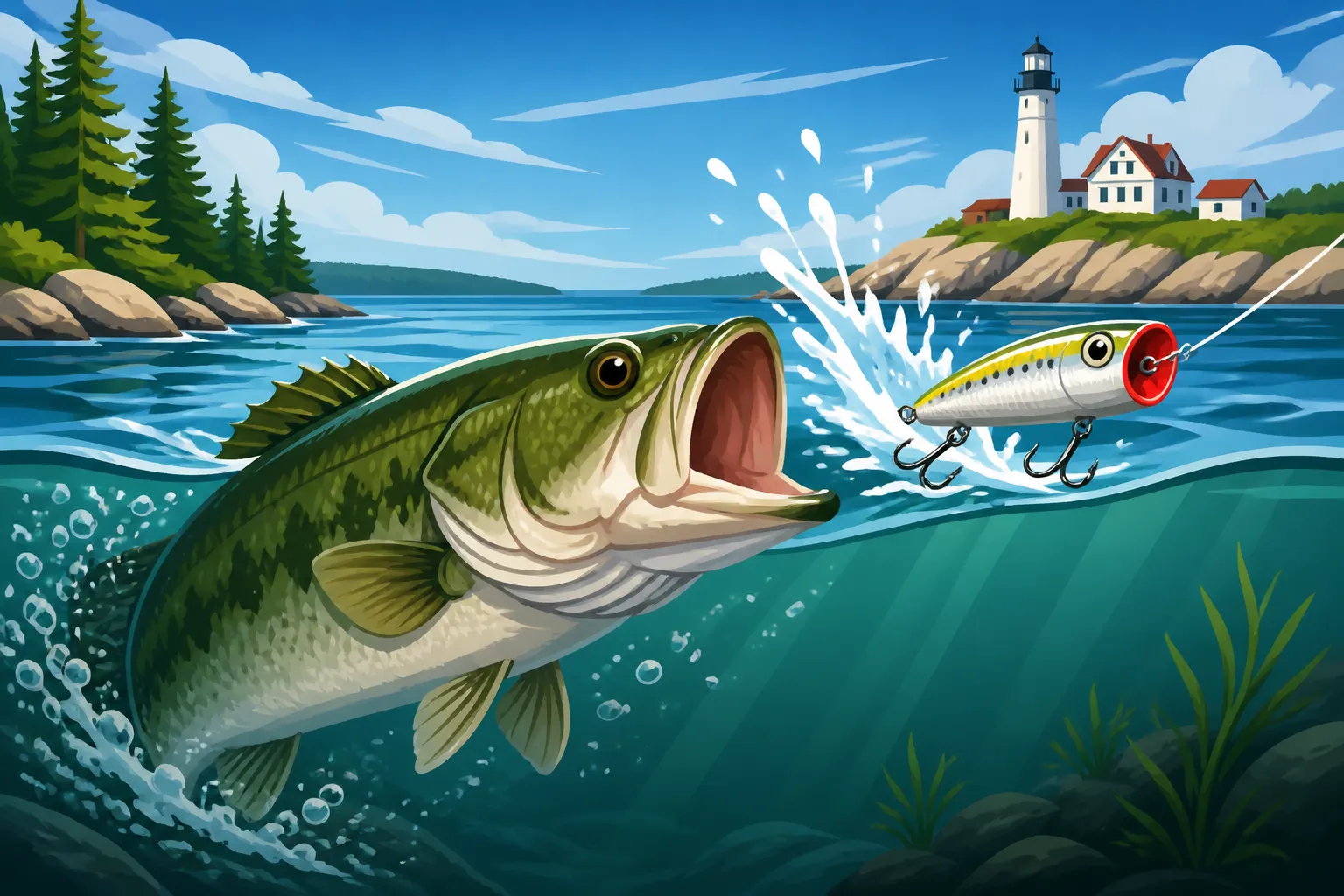
Topwater Lures for Maine Bass Fishing
There's nothing quite like the heart-stopping explosion of a big Maine bass smashing a topwater lure. But let's be honest, getting those surface strikes consistently can feel like a secret code only a few seasoned anglers know. You've probably thrown a few topwater baits, only to retrieve them without a single flicker of interest, leaving you wondering if it's even worth the effort. Well, you're in the right place, because this comprehensive guide is all about unlocking the potential of topwater lures for Maine bass fishing, helping you master the techniques to turn those frustrating retrieves into exhilarating, unforgettable battles.
Why Topwater Lures Excel for Maine Bass Fishing
Maine's diverse waterways, from the rocky shores of its big lakes to the lily pad-choked coves of its smaller ponds, offer ideal habitat for both smallmouth and largemouth bass. While sub-surface lures certainly have their place, topwater lures tap into a primal predatory instinct that few other baits can match, delivering some of the most exciting bites in freshwater fishing.
The Thrill of Surface Strikes
Let's face it, the visual spectacle of a bass blowing up on a topwater lure is what dreams are made of. There's an unparalleled excitement that comes with seeing a V-wake track your bait, followed by an aggressive splashdown that sends water flying. This isn't just about catching fish; it's about the pure adrenaline of the hunt. In Maine, where clear waters and abundant forage create the perfect environment, these surface strikes are not just a possibility, they're a common reward for those who know how to present their topwater offerings. It's a different kind of fight when you see it all unfold right before your eyes, making every hookset feel incredibly satisfying.
Capitalizing on Bass Behavior
Bass, particularly smallmouth and largemouth, are ambush predators with a keen sense for activity on the surface. During certain times of the day and year, they position themselves strategically to capitalize on unsuspecting prey that ventures onto the water's surface or near heavy cover. Topwater lures effectively mimic various surface disturbances: an injured baitfish struggling, a frog hopping across pads, or an insect buzzing. This triggers an instinctual, often violent, strike reaction from bass, even when they might ignore a sub-surface bait. Understanding this predatory behavior is key to knowing when and where to deploy your topwater arsenal. They aren't just eating; they're reacting to what they perceive as an easy meal or an intruder in their territory.
Optimal Conditions for Topwater Action
While topwater lures can produce strikes under a variety of conditions, they truly shine during specific windows. Generally, low light conditions – dawn, dusk, and overcast days – are prime times. The reduced light gives bass a predatory advantage as they can see surface disturbances without being easily seen themselves. Calm to slightly choppy water is also ideal; too much chop can make it difficult for bass to track your lure effectively, and for you to work it properly. Warmer water temperatures, especially those found throughout the summer months, also invigorate bass, making them more likely to chase and strike at surface baits. For instance, knowing how to fish for smallmouth bass in summer heat means understanding that they often move shallower during low light to feed aggressively. Even a light drizzle can be a fantastic time for topwater, as the rain breaks up the surface tension and gives bass more confidence to hunt.
Essential Topwater Lure Types for Maine Waters
The world of topwater lures is incredibly diverse, with each type designed to create a specific action and sound on the water's surface. Choosing the right one for the conditions and the type of bass you're targeting in Maine can make all the difference.
Poppers and Chuggers
These are perhaps the most iconic topwater lures, instantly recognizable by their concave or cupped face. When retrieved with a sharp twitch of the rod tip, they create a "pop" or "chug" sound by displacing water, mimicking a struggling baitfish or a frog. Poppers are excellent for drawing attention, especially in calm, clear water where their disturbance can be heard and seen from a distance. Brands like Heddon's Pop'n Image or Rebel's Pop-R are classic choices that have caught countless bass. They are fantastic when you want to create a commotion and then let the bait sit, tempting a cautious bass to commit. A common scenario might be targeting bass hiding under overhanging trees or boat docks, where a single loud pop followed by a long pause can be irresistible. You can often find a wide selection of these versatile lures on Amazon.
Walking Baits and Stickbaits
Walking baits, often called "walk-the-dog" lures, are slender, cigar-shaped baits with no lip. Their magic lies in the rhythmic, side-to-side gliding motion they create when retrieved with a specific cadence of rod twitches and line slack. This "walking" action perfectly imitates a baitfish nervously swimming just below the surface or an injured one struggling to stay afloat. It's a subtle yet incredibly enticing presentation that can draw bass from surprisingly far distances. Zara Spook lures are the quintessential example. While they take a bit of practice to master the retrieve, the payoff in explosive strikes, particularly from wary smallmouth, is immense. They excel in open water or along the edges of weed lines where bass are actively cruising. The key is to keep a little slack in your line to allow the bait to glide properly, creating that distinctive zig-zag.
Prop Baits and Buzzbaits
Prop baits feature one or more small propellers, typically at the front and/or back, that churn the water and create a distinct gurgling sound and splash. They offer a continuous commotion, unlike the stop-and-go of poppers or walking baits. These are fantastic for covering water quickly and drawing aggressive reaction strikes, especially from largemouth bass. Buzzbaits, on the other hand, are designed with a large, exposed propeller blade that spins rapidly upon retrieve, creating a loud "bzzzz" sound and significant surface disturbance. They are highly effective in low light conditions, murky water, or when bass are particularly aggressive and chasing. They excel over submerged grass, around stump fields, or along fallen trees. A quick, steady retrieve is usually all it takes to get them working their magic, making them a favorite for many anglers who are trying to locate active fish.
Frogs and Soft Plastics
When you're fishing in Maine's most challenging environments – think thick lily pads, matted vegetation, or dense reeds – hollow-bodied frog lures are your best friend. These weedless wonders can be cast directly into the nastiest cover without snagging, allowing you to present a lifelike frog imitation right in a bass's living room. Their soft bodies compress when a bass strikes, exposing the hooks for a solid hookset. While the hookup ratio can sometimes be lower due to the nature of the lure, the sheer excitement of a bass erupting from dense cover to inhale a frog is unparalleled. Pairing them with stout braided line is essential to muscle those fish out of the jungle. Beyond frogs, specific soft plastics like the Zoom Horny Toad or various fluke-style baits can be rigged weedless and retrieved on the surface, offering a more subtle, less intrusive topwater presentation, especially effective when bass are pressured or finicky. Learning to work a frog effectively in dense cover can significantly increase your catch rates in specific areas.
Mastering Topwater Presentation Techniques
Having the right topwater lure is only half the battle; knowing how to present it effectively is where true mastery comes into play. It's about more than just casting and reeling; it's about making your lure come alive and tempting bass into striking.
Reading the Water and Targeting Structure
Before you even make your first cast, take a moment to "read" the water. Look for tell-tale signs: baitfish flickering on the surface, ripples that indicate feeding activity, or even bass blowing up on natural prey. Identify key structures where bass are likely to ambush. This includes submerged timber, rocky points, weed lines, lily pad fields, boat docks, and even shallow transitions. For instance, if you're fishing on Sebago Lake, identifying areas with rocky shorelines and submerged ledges can be crucial for smallmouth bass. Cast your topwater lure beyond your target zone and retrieve it into the strike zone, giving the bass ample time to react without spooking them. Precision casting is also paramount; landing your lure softly right next to a piece of cover can often trigger an immediate, aggressive strike. Understanding Reading Lake Structure for Maine Bass will significantly improve your topwater success.
Varying Retrieve Speeds and Actions
One of the biggest mistakes anglers make with topwater lures is using a monotonous retrieve. Bass can be finicky, and what works one day might not work the next. Experimentation is key! For poppers, try a mix of short, sharp pops followed by long pauses, or a series of rapid pops for a more aggressive presentation. With walking baits, practice the "walk-the-dog" retrieve until it's second nature, then vary the speed and how far the lure glides side-to-side. Buzzbaits are generally a steady retrieve, but you can speed up or slow down slightly, or even momentarily kill the retrieve to make it "gurgle" before continuing. The idea is to make your lure look as lifelike and enticing as possible, mimicking an easy or distressed meal. Pay close attention to how the bass react – sometimes a fast, erratic retrieve is best, while other times a slow, deliberate approach with long pauses will trigger more strikes.
Hookset Timing and Fighting Bass on Topwater
The explosive nature of a topwater strike can be so exciting that many anglers make the mistake of setting the hook too early. It's a common, gut-wrenching experience: the bass blows up, you instinctively jerk, and the lure comes flying back without a fish. When you see a bass strike your topwater lure, resist the urge to react immediately. Instead, feel the weight of the fish. Wait a full second, or even two, until you feel the fish pulling on your line, then deliver a strong, sweeping hookset. This ensures the bass has fully engulfed the lure and the hooks are properly positioned. Once hooked, keep constant pressure on the fish. Many Maine lakes and ponds have plenty of cover, so you'll want to quickly steer the bass away from any snags where it could break off. A good quality rod with enough backbone is essential here, especially when you're using weedless frogs in heavy cover.
| Lure Type | Best Action/Retrieve | Ideal Conditions | Target Species (Maine) | Pros | Cons |
|---|---|---|---|---|---|
| Poppers/Chuggers | Pop, pause, twitch | Calm, clear water | Smallmouth, Largemouth | Loud, creates disturbance, easy to work | Less effective in choppy water |
| Walking Baits | "Walk the dog" | Calm to slight chop | Smallmouth, Largemouth | Mimics injured baitfish, highly enticing | Requires practice to master |
| Prop Baits | Steady retrieve, pause | Calm, stained water | Largemouth | Creates splash and gurgle | Can twist line, less subtle |
| Buzzbaits | Fast, steady retrieve | Early morning, low light | Largemouth | Covers water quickly, aggressive strikes | Less versatile, mostly for aggressive fish |
| Frogs | Hop, pause, walk | Heavy cover, lily pads | Largemouth | Weedless, excellent in thick vegetation | Requires strong tackle, lower hookup rate |
Selecting the Perfect Topwater Lure for Your Maine Trip
With so many options available, choosing the right topwater lure for your Maine bass fishing adventure might seem daunting. However, by considering a few key factors, you can significantly narrow down your choices and increase your chances of success.
Matching Lure Size and Color to Conditions
The size and color of your topwater lure should ideally mimic the local forage and stand out enough to be noticed, but not so much that it spooks wary bass. In clear water conditions, more natural patterns like shad, perch, or frog imitations tend to work well. Brighter, more aggressive colors like chartreuse, white, or firetiger can be effective in stained or murky water, or on overcast days when fish are less visually reliant. When choosing the size, consider the size of the bass you expect to encounter. Smaller lures might be more appropriate for finesse presentations or when targeting smaller fish, while larger baits can draw out trophy-sized bass. Remember, sometimes a subtle approach with a smaller popper is better than a giant prop bait. Experimentation is key, and it helps to have a variety of sizes and colors on hand, which you can easily stock up on from a platform like Amazon.
Gear Considerations for Topwater Fishing
Using the right tackle is crucial for effective topwater fishing. A medium-heavy to heavy power baitcasting rod, typically 6'6" to 7'6" in length, provides the backbone needed for strong hooksets and for pulling bass out of cover. Pairing this with a fast retrieve ratio baitcasting reel (7.0:1 or higher) allows you to quickly pick up slack line and keep pace with a fast-moving fish. For line, braided line (30-50 lb test) is often preferred for its strength, lack of stretch (which helps with hooksets), and ability to cut through vegetation. If fishing in clear water, you might consider tying a fluorocarbon or monofilament leader (15-20 lb test) to the end of your braid for added stealth. Good quality hooks are also essential; many topwater lures come with decent hooks, but upgrading them to sharper, stronger trebles can improve your hookup ratio. You can find excellent leader material and robust hooks readily available on Amazon.
Seasonal Strategies for Topwater Success
Your topwater tactics should also adapt to the seasons and local conditions across Maine. In spring, as water temperatures begin to rise and bass move into shallower spawning areas, topwater action can be fantastic, especially for aggressive pre-spawn fish. Lures like prop baits or walking baits can be very effective around shallow cover. During the heat of summer, when bass are often found in deeper water during the day, early morning and late evening become prime topwater windows as bass push into the shallows to feed. Frogs in dense cover or poppers along weed lines are excellent choices. Fall fishing for bass can also be incredible for topwater, as bass are actively feeding to bulk up for winter. They'll often chase down fast-moving buzzbaits or walking baits. Understanding Maine Fishing Season Dates Guide will give you a general overview, but always check specific local regulations as outlined in the Maine Fishing Regulations Explained document, especially concerning Maine Bass Fishing Limits by Zone which can vary. Regardless of the season, pay attention to the Best Time of Day to Fish in Maine for optimal topwater action.
Disclaimer
The information provided in this guide is for general informational purposes only and does not constitute legal advice regarding fishing regulations. Maine fishing laws and regulations can change frequently and vary by specific water bodies. Always consult the official Maine Department of Inland Fisheries & Wildlife (MDIFW) regulations handbook or website before engaging in any fishing activities to ensure compliance.