Best Bait for Maine Ice Fishing
Stepping onto the hardwater in Maine, especially when the landscape is covered in a pristine blanket of snow, is a truly magical experience. But if you’ve ever sat over an augered hole, shivering with anticipation, only to have your line untouched for hours, you know the frustration is real. It makes you second-guess everything, particularly your bait choice. This comprehensive guide is here to cut through the confusion and help you select the absolute best bait for Maine ice fishing, ensuring your tip-ups are flagging, and your jigging rod is dancing.
Understanding Maine's Ice Fishing Scene and Target Species
Before you even think about what to impale on your hook, it's crucial to understand the unique ecosystem you're fishing in and, more importantly, what fish you're actually trying to catch. Maine's diverse waters offer an incredible variety of cold-water species, and what works wonders for a brook trout might not even get a second glance from a hungry togue. Knowing your quarry is the first step to filling your bucket.
Common Ice Fishing Targets: Brook Trout, Togue, Salmon, Perch, Pickerel
When the ice locks down Maine's thousands of lakes and ponds, a few key species become the stars of the show. Native brook trout are a highly sought-after prize, often found in shallower, oxygen-rich areas, particularly near feeder streams or spring holes. These vibrant fish are aggressive and can be a blast to catch on lighter tackle. Their beautiful colors make them a truly iconic Maine fish.
Then there are the lake dwellers of the deeper, colder waters: togue (lake trout) and landlocked salmon. Togue are often found hugging the bottom in expansive, deep lakes, presenting a formidable challenge for anglers who understand their habits. Landlocked salmon, known for their powerful runs and aerial acrobatics, prefer the upper and mid-water columns, often suspended over deep water, particularly early and late in the season. These are truly magnificent fish that test an angler's skill and patience.
Beyond these cold-water favorites, many Maine lakes and ponds host an abundance of warm-water species that remain active under the ice. Yellow perch are a perennial favorite, schooling in large numbers and providing consistent action, especially for families and new anglers. Chain pickerel, with their voracious appetites and sharp teeth, offer exciting battles and are often found in weedy bays or along shorelines. White perch are another excellent option, offering similar schooling behavior and great table fare. Sometimes, you'll even stumble into a decent bass or cusk!
How Bait Choices Differ by Species
The golden rule of ice fishing is simple: bait matters, and it absolutely must match the species you're after. A tiny wax worm might tempt a brook trout, but a massive togue cruising the depths likely won't even notice it. Conversely, a large shiner meant for a salmon could intimidate a smaller perch. This isn't just about size; it's about movement, scent, and natural prey.
For species like brook trout, which are opportunistic feeders and often key in on smaller insects, larvae, and tiny baitfish, presentations that mimic these natural food sources are essential. Think smaller, livelier baits or artificials with subtle action. They're often found in areas where these food sources are plentiful.
Togue and landlocked salmon, being apex predators in their ecosystems, typically prefer larger prey. They're built for speed and power, and they want a meal that offers a good return on their energy investment. This means bigger live baits, or artificial lures that perfectly mimic larger baitfish. Understanding their natural diet is crucial; for instance, many Maine lakes are rich in smelt, which forms a significant part of the diet for both togue and salmon.
The Live Bait Advantage for Maine Ice Fishing
When it comes to ice fishing, live bait often reigns supreme. There’s simply no substitute for the natural movement, scent, and lifelike appeal that a living creature provides. It can entice even the most finicky fish, making the difference between a slow day and a banner day on the ice. While artificials certainly have their place, many seasoned Maine ice anglers swear by live bait, especially for those trophy-sized fish.
Shiners and Smelt: The Gold Standard
If you talk to any serious ice angler in Maine, shiners and smelt will inevitably come up in conversation. These are arguably the most effective live baits for targeting prized species like landlocked salmon, togue, and even larger brook trout. Their natural shimmer, movement, and scent are irresistible to these predatory fish. Golden shiners and rainbow smelt are particularly popular. Shiners tend to be hardier and easier to keep alive, while smelt, though more delicate, are often seen as a superior bait due to their natural prevalence in many of Maine's trophy salmon and togue waters.
Using shiners and smelt often involves Setting Up Tip-Ups for Ice Fishing. A well-placed tip-up with a lively shiner suspended at the right depth can be incredibly effective. For landlocked salmon, you might suspend a shiner in the middle of the water column, while for togue, you might place it closer to the bottom. Hooking them correctly, usually through the back just behind the dorsal fin, ensures they stay alive and active, broadcasting their distress signals to nearby predators. Remember to check Maine Ice Fishing Rules Guide for specific regulations on bait use and sourcing.
Worms and Grubs: Simple Yet Effective
While shiners and smelt are excellent for the larger predators, don't underestimate the power of simpler, smaller live baits, especially for panfish and smaller trout. Earthworms, often nightcrawlers cut into smaller pieces, are universally appealing and can attract yellow perch, white perch, and even brook trout. Their wriggling action and earthy scent are a proven winner for a wide array of species.
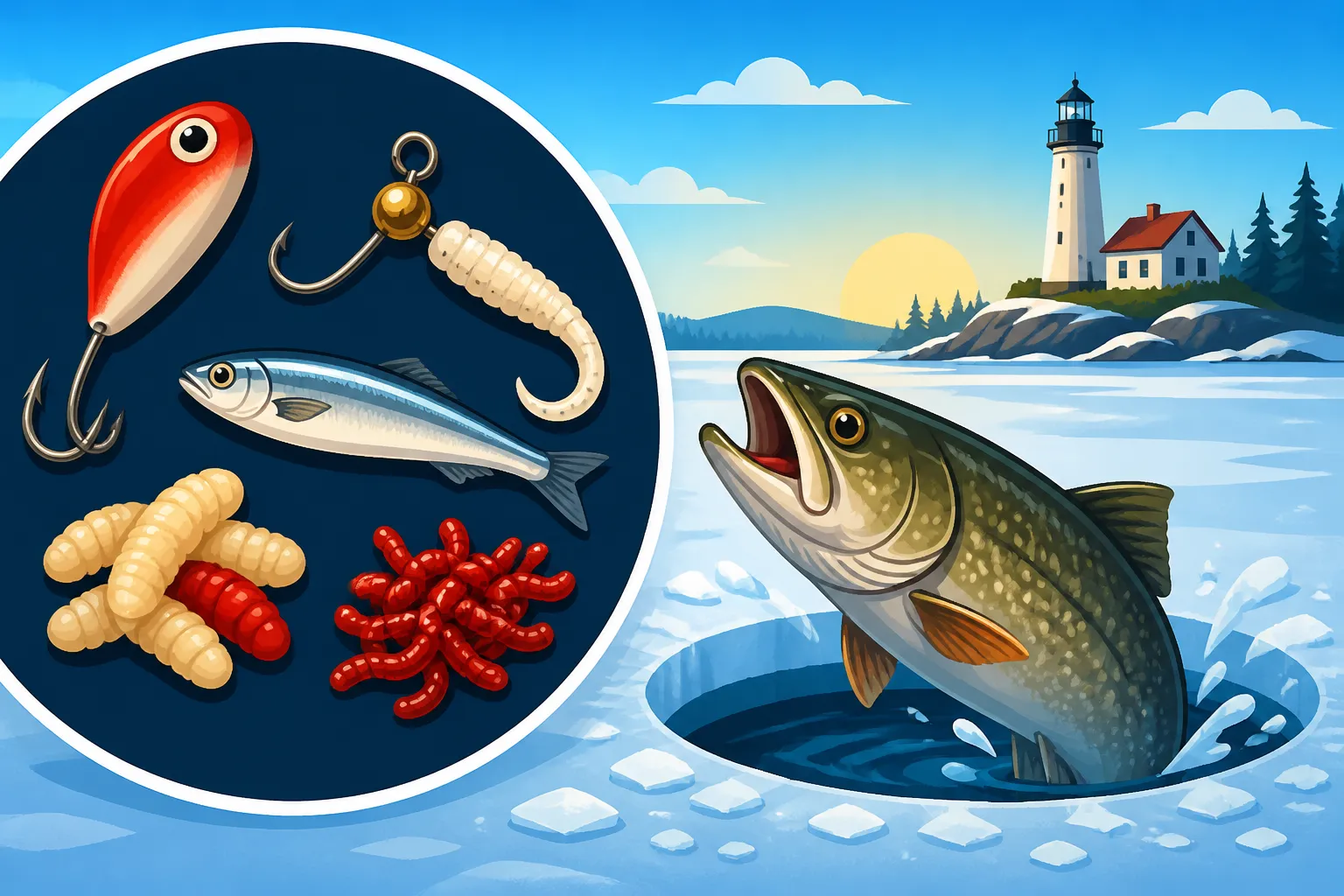
Wax worms, mealworms, and even spikes (maggots) are another fantastic category of small live baits. These are particularly potent for jigging, often tipped onto small jigs or spoons. They provide just enough natural movement and scent to seal the deal when fish are a bit more lethargic. You'll find that for targeting yellow perch, a small jig tipped with a wax worm can provide non-stop action, making for a fun day on the ice, especially for kids. Many anglers find these readily available at bait shops or even through online retailers like Amazon, ensuring you have a consistent supply throughout the winter.
Sourcing and Keeping Live Bait Alive
One of the biggest challenges with live bait is, well, keeping it alive. Sourcing bait responsibly and legally is paramount. In Maine, you often have a choice: purchase bait from a licensed dealer, or if permitted, catch your own. If you're considering catching your own bait, like smelt or shiners, be sure to consult Maine Fishing Regulations Explained for rules on baitfish traps, locations, and species. Many local bait shops are excellent resources, providing fresh, healthy bait and invaluable local knowledge.
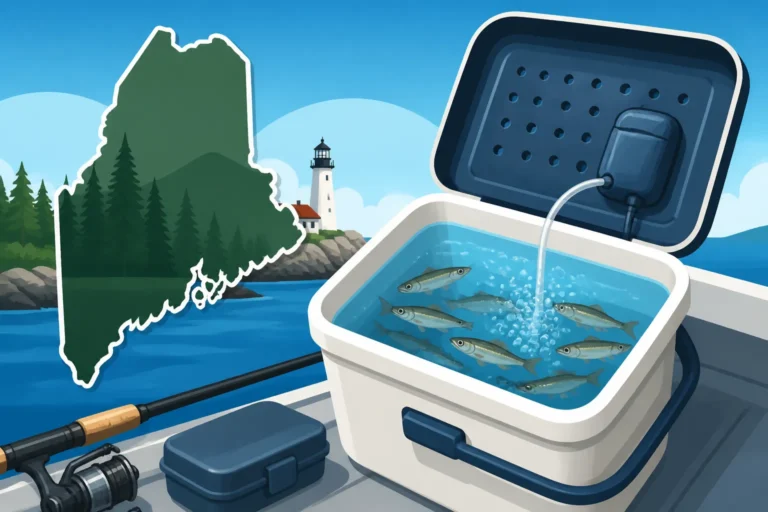
Once you have your bait, proper storage is key. A good insulated bait bucket is essential, especially one with an aerator, which keeps the water oxygenated. Keep the water cool, but not freezing, and avoid overcrowding. Some anglers even add a small amount of non-iodized salt or specific bait-keeping additives to their water to reduce stress on the fish. For worms and grubs, a breathable container with suitable bedding (like peat moss or sawdust for worms, or their original container for grubs) in a cool, dark place will keep them fresh and lively for weeks. Remember that healthy, active bait is always more appealing to fish. Consider reading up on How to Trap Live Bait for Ice Fishing if you're interested in a more self-sufficient approach.
Artificial Lures: When to Go Faux for the Catch
While live bait often steals the show, artificial lures are indispensable in the ice angler's arsenal. They offer distinct advantages: convenience, durability, and the ability to cover water effectively. Furthermore, actively jigging an artificial lure is an incredibly engaging way to fish, allowing you to impart action and entice strikes in ways that static live bait simply can't.
Jigging with Spoons and Jigs: Active Fishing
Jigging spoons and various lead or tungsten jigs are the bread and butter of active ice fishing. Spoons, with their flashing, fluttering action, imitate wounded baitfish incredibly well. They come in a myriad of sizes, colors, and patterns. Larger, heavier spoons are excellent for getting down to deeper depths quickly, making them ideal for targeting suspended landlocked salmon or deep-water togue. The Swedish Pimple, Kastmaster, and Dardevle are classic patterns that have proven effective year after year across Maine's waters.
Jigs, on the other hand, offer more subtle presentations and come in an even wider variety. Tear drop jigs, tungsten jigs, and lead head jigs can be tipped with small live baits (like a single mealworm or spike) or soft plastics to create an irresistible offering. The key to success with jigs and spoons lies in the "jigging cadence" – the rhythm and intensity of your rod movements. Experiment with sharp snaps, subtle quivers, and dead sticks to see what the fish respond to on any given day. Sometimes a slow, methodical lift and fall is all it takes, while other times a rapid series of jerks can trigger aggressive strikes.
Soft Plastics and Imitations
The world of soft plastics has exploded in recent years, and ice fishing is no exception. These pliable, lifelike imitations offer incredible versatility. From tiny larva imitations to realistic minnow profiles, soft plastics can mimic nearly any natural food source. They're particularly effective when fish are pressured or when you're looking for a specific presentation that live bait can't quite replicate.
Small "plastics" like Berkley Gulp! Alive! Waxies or similar micro-plastics are fantastic for tipping jigs for panfish and trout. Their scent dispersion is a huge advantage, drawing fish in from a distance. For larger species, soft plastic minnow imitators, often rigged on a jig head, can be deadly for salmon and togue, especially when fished aggressively. Brands like Northland Tackle offer a wide array of specialized ice fishing plastics that are perfect for Maine conditions. The beauty of soft plastics is that they can be used effectively even without tipping, relying solely on their action and scent.
Tipping Artificials: Combining Strategies
One of the most effective strategies in ice fishing is to combine the best of both worlds: tipping your artificial lures with a touch of live bait. This hybrid approach adds natural scent and an extra bit of tantalizing movement that can often seal the deal when fish are hesitant. A small jig or spoon, tipped with a wax worm, a piece of a nightcrawler, or even just a shiner head, can dramatically increase your strike rate.
For jigging, a small tungsten jig tipped with a single wax worm is a classic combination for brook trout and perch. The flash and action of the jig combined with the natural scent and wriggle of the worm is often irresistible. For larger species, a spoon tipped with a small chunk of shiner or smelt can provide the ultimate temptation. This strategy allows you to cover water and attract attention with your artificial, while the live bait provides the natural element to trigger the bite. Always ensure your hook is sharp to properly present both the lure and the tip.
Specialty Baits and Scent Enhancers
Sometimes, you need to think a little outside the box, especially when conditions are tough or you're targeting specific, harder-to-catch species. Beyond the standard live bait and artificials, there are specialty options and additives that can give you an edge, leveraging strong scents and unique presentations.
Dead Bait Tactics: Whole and Cut Baits
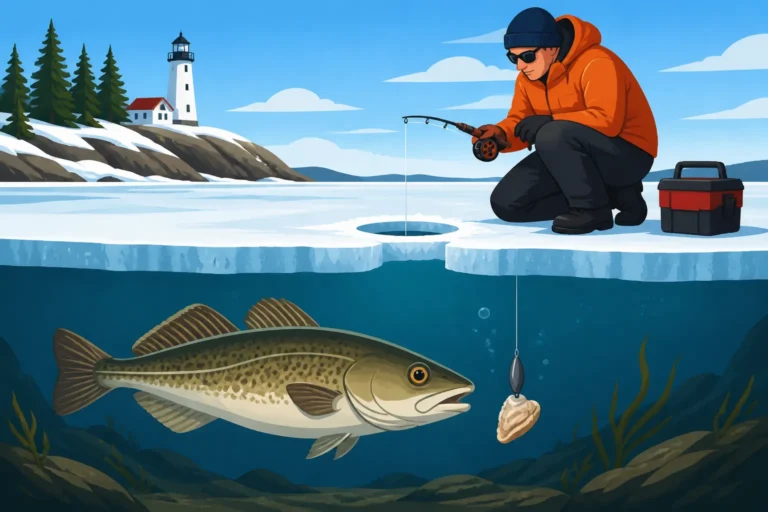
While lively bait is generally preferred, don't discount the effectiveness of dead bait, especially for deep-water predators like togue and cusk. Sometimes a motionless, scent-laden offering is exactly what a slow-moving, bottom-dwelling fish is looking for. Whole dead smelt, shiners, or even sucker chunks can be highly effective. The key here is the scent trail they emit, attracting fish from a distance.
When using dead bait, particularly whole fish, ensure it's presented naturally on your hook. You might run the hook through the mouth and out the top of the head to give it a realistic profile when suspended under a tip-up. Cut baits, where you use a section of a larger fish, amplify the scent dispersal, making them even more potent. This is particularly effective for species that rely heavily on their sense of smell, such as cusk, which are often found on the bottoms of deep Maine lakes. This technique is often used in conjunction with Setting Up Tip-Ups for Ice Fishing.
Scent Additives and Pastes
Fish rely heavily on their sense of smell, especially in the low-light conditions under the ice. Scent additives and pastes can be a game-changer, turning an otherwise ignored lure into a potent attractant. These products come in various forms, from liquid sprays to thick gels and pastes, often infused with fish-attracting pheromones, baitfish oils, or even garlic.
Applying a generous smear of scent paste to your jig or spoon can create a powerful scent trail in the water, drawing fish in to investigate. This is especially useful for targeting species like perch and trout, which are known to key in on scent. Brands like Pro-Cure and Mike's Salmon Eggs offer popular scents that can be found at most sporting goods stores or easily ordered through Amazon. Experiment with different scents to see what works best on your particular lake or for your target species. Just remember, a little goes a long way, and reapply frequently, especially after catching a fish or if you've been jigging for a while.
Matching Your Bait to Maine's Unique Waters and Conditions
Maine's vast and varied landscape means that ice fishing conditions and target species can differ significantly from one region to another, and even from week to week. Being a successful ice angler means being adaptable and knowing how to adjust your bait choices based on the specific body of water and the prevailing conditions.
North Zone vs. South Zone Considerations
Maine is divided into distinct fishing zones, each with its own set of rules and, often, different fish populations. The Maine North Zone vs South Zone Fishing Rules are important to understand. Generally, the North Zone is characterized by larger, deeper, and more remote lakes and ponds, often managed primarily for cold-water species like brook trout, togue, and landlocked salmon. This typically means that larger, more robust live baits like shiners and smelt, or artificials that mimic these, will be highly effective. Access can be more challenging, and fish may see less pressure.
In contrast, the South Zone tends to have a higher density of lakes and ponds, many of which are more accessible and often contain a broader mix of warm-water species alongside cold-water fish. While salmon and togue are still present in many southern lakes like Sebago Lake, panfish and bass are often abundant. This diversity might lead you to bring a wider variety of baits – from small wax worms for perch to medium shiners for pike or larger trout. Understanding these regional differences is crucial, as what works wonders on a remote Aroostook County pond might be less effective on a busy central Maine lake.
Early Ice, Mid-Season, and Late Ice Adjustments
The ice fishing season itself goes through phases, and fish behavior, and therefore effective bait choices, will change along with it.
- Early Ice: This is often a prime time for aggressive fish. After the initial freeze-up, fish are often still in relatively shallow water and actively feeding. Live bait, especially lively shiners, can be incredibly effective, as can aggressively jigged spoons. Focus on areas where fish were active during late fall. However, remember to prioritize Early Ice Safety Tips for Maine Anglers as ice thickness can be inconsistent.
- Mid-Season: As winter progresses and ice thickens, fish may become more lethargic and move to deeper water, seeking stable temperatures. This is when subtle presentations often shine. Smaller jigs tipped with wax worms can be deadly for finicky perch and trout. For togue, understanding How to Fish for Togue Through the Ice involves looking at deeper structure, and sometimes a dead bait on a tip-up is more effective than an actively jigged lure. For salmon, they might suspend, requiring precise depth targeting.
- Late Ice: As spring approaches and the ice begins to melt, fish often become more active again, moving towards shallower areas in preparation for spawning or increased feeding. This can be another excellent time for aggressive bites. Larger shiners and smelt become very effective, as do brightly colored, actively jigged spoons. However, Late Ice Safety Tips Before Ice-Out are critical, as ice can become rotten and dangerous quickly. This period can also be one of the Best Time of Year to Catch Togue in Maine as they move to shallower feeding grounds.
Water Clarity and Depth Factors
The clarity of the water and the depth you're fishing in also play a significant role in bait selection.
In clear water, fish have excellent visibility and can be more discerning. Here, natural colors, subtle presentations, and realistic baits (both live and artificial) tend to perform best. Fluorocarbon leaders become important to reduce line visibility. Conversely, in stained or turbid water, flash, vibration, and strong scents are key to attracting attention. Brightly colored jigs, glow-in-the-dark spoons, and heavily scented baits can cut through the murk and get noticed.
Depth directly influences your bait's visibility and action. For shallow waters (under 10-15 feet), lighter jigs and spoons or even unweighted live bait might be appropriate. The natural light penetration allows for a wider array of visual baits. In deeper water, however, you need heavier baits and lures to get down quickly and effectively. Darker colors might appear more silhouetted against ambient light from above, or glow lures can be incredibly effective. For instance, when trying to find the Best Depth to Ice Fish for Brook Trout, which often reside in shallower areas, a lighter jig might be perfect. For deep-dwelling togue or suspended salmon, you’ll need to ensure your bait reaches them quickly and presents well at those depths. This is where a good fish finder and understanding of lake topography really pays off.
Setting Up for Success: Presentation is Key
Having the "best" bait is only half the battle. How you present that bait is just as crucial, if not more so. A perfect bait presented poorly will yield no fish, while a mediocre bait presented expertly can often outperform. This section focuses on the mechanics of getting your bait in front of the fish in the most enticing way possible.
Hooking Live Bait Correctly
Properly hooking live bait is vital for maximizing its natural action and keeping it alive longer. For shiners and smelt, the most common methods involve hooking them through the back just behind the dorsal fin, being careful not to hit the spine. This allows the fish to swim naturally and present a tempting, distressed target. Another option is to hook them lightly through the lips, which can be effective when fish are suspended and you want a more horizontal presentation. The goal is always to keep the baitfish lively and swimming enticingly.
For worms and grubs, the technique is simpler but still important. Threading a small piece of worm onto a hook, ensuring some dangles to provide movement, is effective. For wax worms or spikes, hooking them through one end allows them to wiggle freely. The hook itself should be sharp and appropriately sized for both the bait and the target fish. Using too large a hook can hinder the bait's natural movement, while too small a hook might result in missed strikes. Also, consider the number of lines you're allowed; How Many Lines Are Legal for Maine Ice Fishing? is an important regulation to know.
Jigging Cadence and Retrieval Techniques
Active jigging is an art form, and mastering different cadences and retrieval techniques is key to triggering strikes with artificials. There's no single "right" way to jig; fish preferences change daily, sometimes hourly. Start with a moderate jigging motion – a few sharp lifts followed by a pause, letting the lure flutter down. Then, vary it.
Try aggressive, long lifts that pull the lure several feet, followed by a long pause. Or, switch to subtle, short twitches, just enough to make the lure shimmy. Sometimes, letting the lure hit the bottom and kicking up a puff of silt can mimic a feeding baitfish and attract curious predators. Pay close attention to your fish finder if you have one; it will show you how fish are reacting to your lure. Many anglers find that the pause after a jig is often when the strike occurs, so don't rush it! And having the Best Rods for Ice Fishing can make a huge difference in feeling those subtle bites.
Tip-Up Rigs and Deadsticking
Tip-ups are a cornerstone of Maine ice fishing, allowing you to cover multiple holes and present bait in a static, yet enticing way. They are particularly effective when targeting less active or deeper-dwelling fish, especially togue and salmon. A typical tip-up rig involves a leader, a hook, and a sinker (often a split shot or small egg sinker) to keep the bait at the desired depth. The depth is critical, so setting your bait just above known fish structures or at specific thermoclines can be highly effective.
Deadsticking is similar to tip-up fishing but typically involves a rod left stationary over a hole. This can be done with either live bait or a jig tipped with bait. The idea is to present a motionless or barely moving offering, relying heavily on scent and natural appeal. This technique is often used in conjunction with active jigging: you might jig one hole, while another rod (or tip-up) deadsticks in a nearby hole, giving fish two different options. The stillness can be incredibly effective for wary fish that are put off by aggressive movement. Remember to use appropriate gear and check your lines often, especially with pickerel or other toothy critters around.
Disclaimer
Please remember that fishing regulations in Maine are subject to change. Always consult the most current Maine Department of Inland Fisheries and Wildlife (MDIFW) regulations before heading out onto the ice. This guide is for informational purposes only and does not supersede official regulations. Safety should always be your top priority when ice fishing.