Best Deep Sea Fishing Grounds Off Boothbay Harbor
It’s easy to feel overwhelmed when planning a deep-sea fishing trip off the Maine coast. With so much ocean out there, figuring out where the fish are biting and which grounds offer the best chance for a memorable catch can be a real head-scratcher. This guide is here to cut through the confusion, helping you pinpoint the best deep-sea fishing grounds off Boothbay Harbor and what you can expect from these thrilling offshore adventures.
Unveiling Boothbay Harbor's Deep-Sea Fishing Allure
Boothbay Harbor, often called the "Boating Capital of New England," isn't just for picturesque lighthouse tours and lobster bakes. For serious anglers looking for a true offshore experience, it's a fantastic launching point into the rich, productive waters of the Gulf of Maine. The area offers a diverse marine ecosystem, attracting a wide array of sought-after game fish.
Why Boothbay Harbor is a Prime Deep-Sea Destination
Imagine waking up before dawn, the salty air crisp, and the scent of the ocean filling your lungs. That’s the start of a deep-sea adventure from Boothbay Harbor. Its strategic location on Maine's rugged midcoast provides relatively quick access to offshore banks, ledges, and canyons that hold abundant fish populations. Unlike some other coastal towns, Boothbay Harbor has a strong commercial fishing heritage, meaning the local captains and their crews possess generations of knowledge about where the fish gather and how to catch them. They’ve spent their lives learning the nuances of these waters, passing down insights that are invaluable to any recreational angler. The harbor itself is bustling with well-equipped charter boats ready to take you out, from smaller vessels perfect for a family trip to larger, more robust boats built for serious offshore expeditions.
One of the biggest advantages of fishing out of Boothbay is the variety. You're not just limited to one type of fishing; you can target everything from bottom-dwelling groundfish to powerful pelagic species. This diversity means that no matter the season or your preference, there's usually an exciting opportunity waiting. The convenience of amenities in Boothbay Harbor, from tackle shops to seafood restaurants to cozy accommodations, also makes it a comfortable base for your fishing explorations, ensuring you have everything you need before and after your time on the water.
Understanding Maine's Offshore Environment
The Gulf of Maine is a dynamic and incredibly productive body of water, shaped by deep currents, fluctuating temperatures, and complex underwater topography. Off Boothbay Harbor, you'll find a mix of rocky ledges, sandy flats, and deeper canyons that create perfect habitats for different fish species. The deep-sea environment here is often characterized by depths ranging from 100 feet to several hundred feet, sometimes dropping even deeper as you venture further offshore. These colder, nutrient-rich waters support a robust food chain, from small baitfish like herring and mackerel to the large predators that feed on them.
The ocean floor can be quite rugged, with dramatic changes in depth that act as natural aggregation points for fish. These structural features, often remnants of ancient glaciers, provide shelter, feeding grounds, and spawning areas. Understanding this environment is key to successful deep-sea fishing. Experienced captains use advanced sonar and GPS systems to pinpoint these exact locations, often referred to as "numbers," where fish are known to congregate. The colder waters also mean that fish are often fighting fit, providing an exhilarating challenge for any angler. If you're looking to dive deeper into how these deep waters are regulated, our guide on Maine Fishing Regulations Explained can offer some clarity on the broader rules governing your catch.
Key Deep-Sea Fishing Grounds and Target Species
When you venture out from Boothbay Harbor, you're tapping into a network of known fishing grounds, each with its own character and resident species. Knowing what to expect in these areas helps you prepare for the specific challenges and rewards of each trip.
The Groundfish Haunts: Cod, Haddock, and Pollack
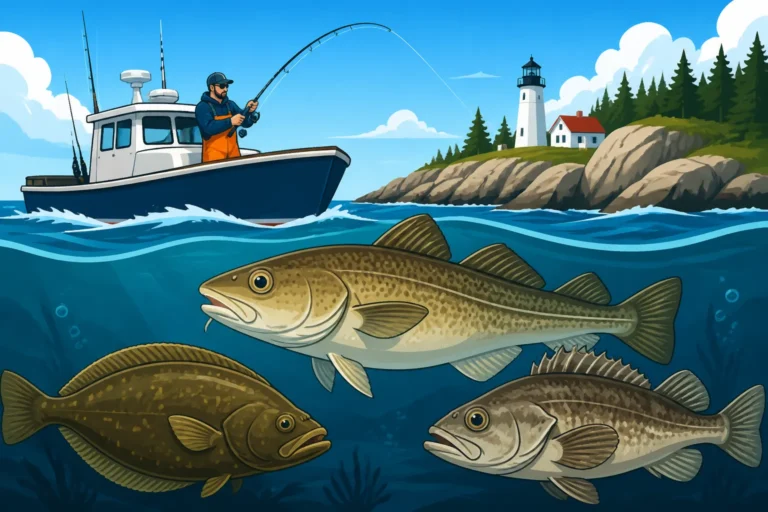
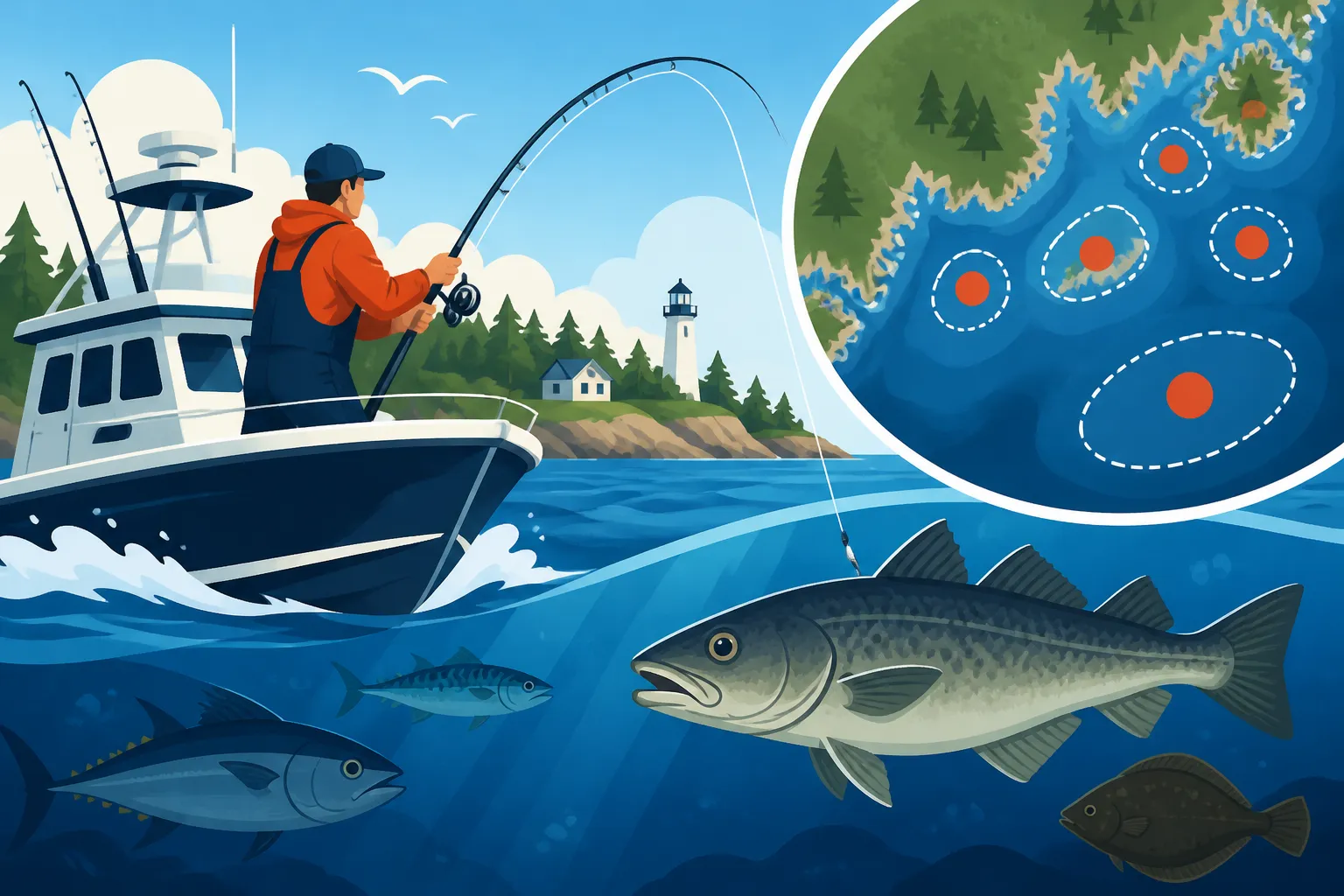
For many deep-sea anglers, the pursuit of groundfish is a classic Maine experience. These bottom-dwelling species are abundant in the cooler, deeper waters off Boothbay Harbor, congregating around rocky structures, ledges, and submarine humps. Popular grounds like "Jeffrey's Ledge" or the "Northern Edge" of Stellwagen Bank (though a bit of a haul) are well-known, but local captains have countless unnamed "bumps" and "holes" that consistently produce. These fish aren't just plentiful; they're also fantastic eating, making them a top target for many.
- Cod: Once the backbone of the New England fishing industry, cod are still found on rocky bottoms, though their numbers have been carefully managed. They have a firm, flaky white flesh that's a culinary delight. You'll typically find them in deeper, cooler waters, often congregating in schools.
- Haddock: Similar in appearance to cod but often a bit smaller and with a distinctive "thumbprint" mark, haddock are another excellent eating fish. They prefer sandy or gravelly bottoms and are known for their strong, powerful runs when hooked. They are often caught in the same areas as cod and pollack, making for a diverse cooler at the end of the day.
- Pollack: These torpedo-shaped fish are strong fighters and can grow quite large. They often feed in the middle of the water column or near the bottom, frequently chasing baitfish. Their meat is delicious, though sometimes softer than cod or haddock. Many anglers enjoy the sheer fight that a good-sized pollack offers, making them a thrilling catch. You might want to check the Maine Fish Bag Limits Guide for current regulations on these species.
Groundfishing usually involves using heavy tackle with bait or jigs dropped directly to the bottom. It's a hands-on experience, and when a school is found, the action can be fast and furious!
Pelagic Pursuits: Tuna, Sharks, and Mackerel
While groundfishing focuses on the bottom, pelagic fishing targets species that roam the open ocean, often near the surface or in the mid-water column, chasing bait schools. These are often the true heavyweights and can provide the most adrenaline-pumping battles.
- Bluefin Tuna: The ultimate prize for many offshore anglers, bluefin tuna are powerful, migratory fish that frequent the Gulf of Maine during the warmer months, typically from summer through early fall. These giants can weigh hundreds of pounds and are known for their incredible speed and stamina. Targeting bluefin requires specialized gear, experienced captains, and a good dose of patience. When you hook one, be prepared for a fight of a lifetime! Charters that specialize in these trips are highly sought after. If you're dreaming of landing one, knowing what kind of trips are available might lead you to ask, "Is Tuna Fishing Available on Maine Charters?"
- Sharks: Various shark species, including thresher, mako, and blue sharks, also patrol the deep waters off Boothbay. While not typically sought for their meat (though some are), they offer an incredible sportfishing challenge. Catching and releasing a large shark is an unforgettable experience, demanding heavy tackle and careful handling for both angler and fish. These trips are often catch-and-release focused, emphasizing the thrill of the battle.
- Mackerel: While smaller than tuna or sharks, mackerel are important in the deep-sea ecosystem as a primary baitfish for larger predators. They are also incredibly fun to catch on light tackle and make for excellent fresh bait for larger species or delicious table fare. During the summer, large schools of mackerel can be found closer to shore or just offshore, providing exciting action for anglers of all ages. Many Maine Deep Sea Fishing Charters will start a trip by catching fresh mackerel for bait.
Navigating the Boothbay Offshore Landscape
The deep-sea landscape off Boothbay Harbor isn't just a flat expanse; it's a complex underwater terrain of hills, valleys, and dramatic drop-offs. These features dictate where different fish species will be found. East of Boothbay, areas like "The Toothaker" or "The Outer Shoals" are known groundfish spots, providing plenty of structure for cod and haddock. Further offshore, as depths increase, you might encounter more pelagic species.
Captains often refer to specific "numbers" or coordinates that mark productive areas. These aren't just random points; they correspond to subtle changes in the ocean floor that concentrate baitfish and, in turn, the larger predators. For instance, a particular underwater pinnacle might be a consistent spot for large pollack, while a vast rocky expanse might hold schools of haddock. The ability of your charter captain to read the sonar, understand ocean currents, and interpret these underwater features is paramount to a successful trip. This deep knowledge of specific spots is a significant reason why hiring an experienced local guide is so beneficial for deep-sea fishing.
| Species | Typical Depth Range (feet) | Preferred Habitat | Best Season | Common Bait/Lures |
|---|---|---|---|---|
| Cod | 100-400+ | Rocky bottoms, ledges | Spring, Fall, Winter | Jigs, Clams, Herring |
| Haddock | 100-300 | Sandy/gravelly bottoms | Spring, Summer, Fall | Clams, Squid, Jigs |
| Pollack | 80-250 | Rocky structures, mid-water | Spring, Summer, Fall | Jigs, Mackerel, Artificials |
| Bluefin Tuna | Surface to 500+ | Open ocean, bait schools | Summer, Early Fall | Live bait, Trolled lures, Jigs |
| Mackerel | Surface to 100 | Nearshore, bait schools | Summer, Early Fall | Small jigs, Sabiki rigs |
| Thresher Shark | Surface to 500+ | Open ocean | Summer, Fall | Large cut baits, Live fish |
Planning Your Deep-Sea Excursion from Boothbay
A successful deep-sea fishing trip involves more than just showing up at the dock. Thoughtful planning, especially when it comes to choosing your charter and understanding the logistics, can make all the difference between a frustrating day and an epic adventure.
Choosing the Right Charter for Your Adventure
Selecting the perfect charter boat and captain is arguably the most crucial step for a rewarding deep-sea fishing experience from Boothbay Harbor. Not all charters are created equal, and captains often specialize in certain types of fishing or target specific species. Do you want to focus on groundfish, or are you hoping for the thrill of a tuna bite? Your goals will help narrow down your options. Many great operations run out of Boothbay, catering to different group sizes and experience levels.
When researching, look for captains with a strong reputation for safety, fish-finding ability, and excellent customer service. Don't hesitate to ask questions about their experience, the type of gear they provide, and their typical catch rates for the species you're interested in. Websites like FishingBooker are excellent resources for finding and comparing different charter services in the Boothbay area. You can read reviews from past customers, check out photos of their boats and catches, and get a clear idea of what each operation offers. This helps you avoid any surprises and ensures you book a trip that aligns with your expectations. Remember, a good captain is your guide, teacher, and often your best chance at putting fish in the boat. You can find more insights into pricing in our Maine Charter Fishing Cost Guide.
Essential Gear and What to Expect
When you book a deep-sea charter, the good news is that most of the heavy lifting, gear-wise, is taken care of. Reputable charters provide all the necessary rods, reels, tackle, and bait. However, it's always a good idea to confirm this when booking. Even with provided gear, there are still a few essentials you should bring to ensure a comfortable and productive day on the water.
Dress in layers, even in summer, as offshore temperatures can be significantly cooler than on land, especially with the wind chill from a fast-moving boat. Waterproof outer layers are a must, as spray and unexpected showers are common. Sun protection is critical: sunglasses, a wide-brimmed hat, and plenty of reef-safe sunscreen. Don't forget non-slip shoes, as boat decks can get wet and slick. Motion sickness medication, if you're prone to it, should be taken before you even leave the dock. A cooler for any fish you plan to keep (most charters will clean and bag your catch for you) is also a smart idea. For a comprehensive list, check out our guide on What to Bring on a Maine Fishing Charter.
Expect a full day of fishing, often starting early in the morning and lasting six to eight hours, or even longer for specialized tuna trips. You'll spend a good amount of time traveling to and from the fishing grounds, which can be several miles offshore. Once on the grounds, the captain will position the boat over productive structure or bait schools. The crew will guide you on how to use the gear, deploy bait or lures, and most importantly, how to fight a strong fish! Deep-sea fishing can be physically demanding, so be prepared for some work, but the payoff of landing a big fish is incredibly rewarding.
Best Times to Hit the Deep Waters
The best time to plan your deep-sea fishing adventure out of Boothbay Harbor largely depends on what species you're hoping to catch, as Maine's fishing seasons influence fish migration and availability.
- Spring (May – June): This is an excellent time for groundfish like haddock and cod as they become more active after the colder winter months. Water temperatures are rising, and baitfish are moving in, creating a feeding frenzy. The weather can be a bit unpredictable, but the fishing can be superb. This period also sees the arrival of migratory species further offshore.
- Summer (July – August): Peak season for deep-sea fishing. All species are generally available, including the exciting bluefin tuna if you're targeting them. The weather is typically more stable, making for comfortable boat rides. Mackerel are abundant, providing great bait and fun light-tackle action. This is when the offshore grounds are most active, and many charter services are running daily. Check out our Maine Summer Fishing Guide for more details on what's biting.
- Fall (September – October): Many seasoned anglers consider the fall to be one of the best times for deep-sea fishing. Water temperatures start to cool, triggering aggressive feeding behaviors in groundfish and pelagics as they prepare for winter. Tuna fishing can remain strong into October, and groundfish are often plentiful and fat. The crowds thin out, and the scenery with fall foliage can be stunning.
Ultimately, while certain times are generally better for specific species, the ocean is always full of surprises. Even during off-peak times, experienced captains using their local knowledge can often put you on fish.
Maximizing Your Catch and Ensuring a Safe Trip
Deep-sea fishing is an incredible experience, but it also comes with responsibilities and considerations for safety and sustainability. Being prepared and respectful of the marine environment ensures a better trip for everyone.
Regulations and Responsible Fishing Practices
Maine takes its marine resources seriously, and deep-sea fishing is subject to federal and state regulations designed to protect fish stocks and ensure sustainable fishing for future generations. These regulations cover everything from minimum size limits, daily bag limits, and gear restrictions. For instance, there are specific federal rules for groundfish species like cod and haddock, and highly migratory species like bluefin tuna have even more stringent regulations, often requiring federal permits for the vessel and specific tags for landed fish.
It's crucial to be aware of these rules. Your charter captain will be fully licensed and up-to-date on all regulations, but it's always good practice for anglers to familiarize themselves with the basics. Practicing catch and release, especially for species that are not legal to keep or that you don't intend to eat, is a fundamental aspect of responsible fishing. Handle fish gently, minimize their time out of water, and ensure they are revived before release. This ensures the health of the fish and contributes to the overall conservation of Maine's precious marine ecosystem. Our comprehensive guide, Maine Fishing Regulations Explained, offers a deeper dive into these important rules.
Preparing for the Unexpected Offshore
The ocean is a powerful and unpredictable force, and safety should always be your top priority on a deep-sea fishing trip. While reputable charter captains are experts in maritime safety and their boats are equipped with all necessary safety gear (life jackets, radios, first-aid kits, etc.), there are personal steps you can take.
Firstly, communicate any medical conditions or concerns to your captain before leaving the dock. If you have severe allergies, diabetes, or other health issues, the captain needs to know. Secondly, as mentioned earlier, motion sickness can turn an amazing trip into a miserable one. Take preventative measures if you're prone to it; a little preparation goes a long way. Stay hydrated and eat light, non-greasy foods. Finally, listen carefully to your captain and crew. They are professionals whose primary concern is your safety. Follow their instructions, especially regarding movement on deck and handling of gear, and never hesitate to ask questions if you're unsure about something. Being respectful of the boat and the crew ensures a safe and enjoyable trip for everyone aboard.
Exploring the best deep-sea fishing grounds off Boothbay Harbor offers an unparalleled adventure into the Gulf of Maine. Whether you're battling the powerful pull of a tuna or filling your cooler with delicious groundfish, the vibrant waters off this iconic Maine town promise an unforgettable experience. With a little planning and the right charter, your deep-sea dreams can become a reality.
Disclaimer
Please be aware that fishing regulations, conditions, and fish populations can change. Always consult the latest rules and advisories from the Maine Department of Inland Fisheries and Wildlife (MDIFW) and the National Oceanic and Atmospheric Administration (NOAA) before planning any fishing trip. The information provided here is for general guidance and informational purposes only.