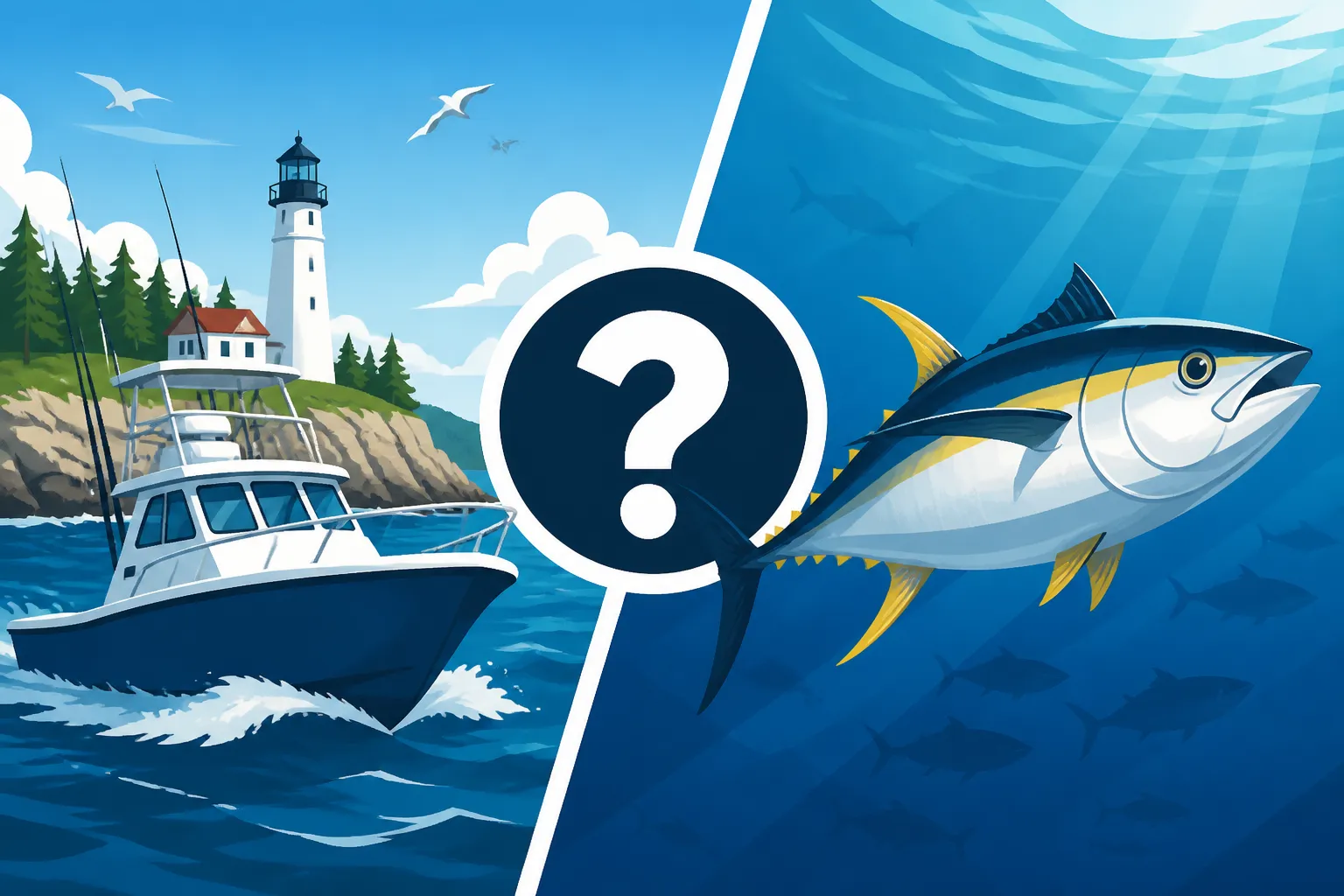
Is Tuna Fishing Available on Maine Charters?
Many anglers dream of battling a giant fish, and for those visiting or living in Maine, the idea of landing a powerful tuna often comes up. But it's not always clear if tuna fishing is a real possibility on our beautiful coast, or if it's just a fantasy reserved for warmer waters. This guide will dive deep into the exciting world of tuna fishing in Maine, explaining exactly what's available through charters and what you need to know to pursue these magnificent ocean predators.
The Mighty Bluefin: Are They Even in Maine?
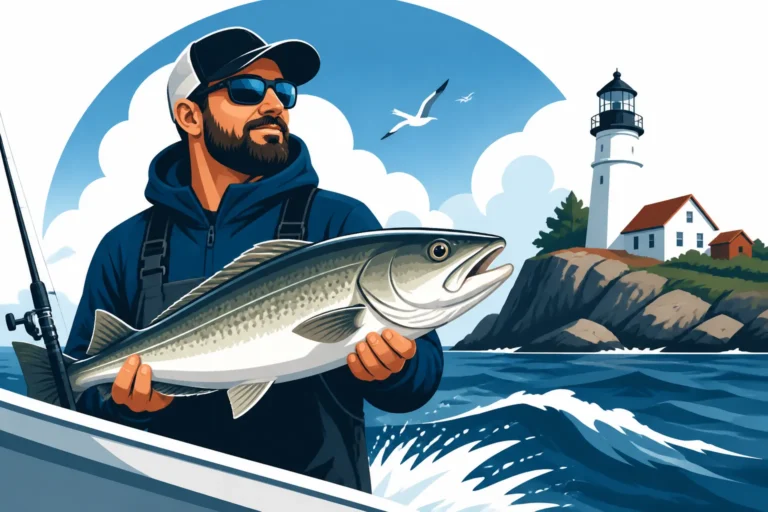
Let's cut right to the chase: yes, absolutely, bluefin tuna roam the waters off the coast of Maine. These aren't just rumors; they're a consistent presence, especially during the warmer months when they migrate north to feed on the abundant baitfish in the Gulf of Maine. However, encountering them isn't as simple as dropping a line off a pier. This is big game fishing, requiring specialized knowledge, equipment, and a good bit of luck.
The allure of the bluefin is its incredible power and speed. Hooking into one feels like connecting to a freight train, and landing a trophy can be an hours-long test of endurance and skill. Maine's cold, nutrient-rich waters are a prime feeding ground for these giants, attracting them to our offshore banks and ledges. While not as widely advertised as some of the more common inshore or groundfish trips, dedicated tuna charters are definitely a part of the Maine fishing scene for those who know where to look.
The Elusive Bluefin Tuna in Maine
Bluefin tuna are magnificent creatures, known for their immense size and incredible strength. When people talk about tuna fishing off Maine, they're almost exclusively referring to the Atlantic bluefin tuna. These aren't the smaller yellowfin or skipjack you might find in tropical waters. Maine's bluefin can range from smaller "schoolie" tuna to truly enormous specimens weighing hundreds, or even over a thousand, pounds. They are highly migratory, following schools of mackerel, herring, and other baitfish into our waters.
The challenge of catching them is part of their appeal. They're wary, fast, and demand respect. Even a smaller bluefin can put up a fight that will leave you breathless. For many anglers, the pursuit of a bluefin is the pinnacle of their fishing career, a true test of their capabilities against one of the ocean's most formidable predators. The thrill isn't just in the catch, but in the chase, the strategic planning, and the sheer power you feel on the other end of the line.
Where to Find Them: Offshore Waters
You won't find bluefin tuna biting in Casco Bay or just off the shore of Ogunquit. These are pelagic fish, meaning they live in the open ocean. To target bluefin tuna in Maine, you'll need to venture far offshore, often many miles out into the Gulf of Maine. This means traveling to underwater canyons, seamounts, and feeding grounds where baitfish congregate in large numbers. Think places like Platts Bank, Jeffreys Ledge, or other areas known for holding concentrations of forage fish.
Getting to these spots requires a capable, ocean-going vessel. This isn't a casual trip in a small center console. Charters that target tuna operate boats designed to handle open ocean conditions, with the range to get out to these distant grounds and back safely. They also need specialized electronics to locate bait and tuna, as well as plenty of deck space and fighting chairs to accommodate the intense battle that ensues when a tuna is hooked. The journey itself is an adventure, often involving beautiful sunrises or sunsets over the vast Atlantic, far from the sight of land.
Understanding Maine Charter Tuna Fishing Options
Now that we know bluefin tuna are indeed here, the next question is, how do you get out there to catch one? The answer lies in specialized fishing charters. It's important to understand that not all "deep sea fishing" charters are equipped or even willing to target tuna. Tuna fishing is a specific discipline, requiring different gear, tactics, and a higher level of commitment than a typical bottom fishing or even striped bass trip.
When you're searching for a charter, you need to be very clear about your intentions. Don't just ask for "deep sea fishing"; specifically ask if they offer "tuna charters" or "bluefin tuna trips." This distinction is crucial, as it filters out the general offshore trips and helps you find the right professionals who specialize in this kind of angling. Reputable platforms, like FishingBooker, often allow you to filter by target species, making it easier to pinpoint charters that specifically advertise tuna trips.
Specialized Charters for a Big Game Challenge
Tuna charters are a different breed of fishing trip altogether. These boats are typically larger, sturdier, and packed with heavy-duty gear designed to withstand the immense forces exerted by a large tuna. We're talking about robust fighting chairs bolted to the deck, heavy-duty conventional reels spooled with hundreds of yards of braided line, strong rods capable of lifting massive weights, and a full arsenal of specialized lures, baits, and gaffs. The crew on these charters are highly experienced in bluefin tuna fishing, understanding the nuances of how these fish feed, move, and react.
They know the best offshore spots, how to read the water for signs of bait or fish, and the complex techniques involved in trolling, chunking, or kite fishing for tuna. It's a team effort, and your captain and mates are your guides through this challenging pursuit. They're not just taking you for a boat ride; they're actively hunting one of the ocean's most prized game fish. This specialized focus means fewer available boats compared to general fishing charters, so booking well in advance is almost always necessary, especially during peak season. You can often find detailed information about what a particular charter specializes in on their booking pages, including their target species and the gear they provide.
What to Expect: Gear, Crew, and the Hunt
When you step aboard a Maine tuna charter, you're stepping into a serious fishing operation. The gear will be noticeably heavier than what you might be used to for inshore fishing. Expect robust stand-up rods or those designed for fighting chairs, paired with powerful two-speed reels that can handle the blistering runs of a bluefin. The boat itself will be equipped with advanced electronics – high-definition sonar to spot bait schools deep below and radar to track birds working the surface, often a tell-tale sign of tuna feeding activity.
The crew's expertise is paramount. They'll instruct you on how to properly sit in a fighting chair, how to pump and reel effectively, and how to work as a team to bring a fish to the boat. The "hunt" for tuna can involve long periods of trolling lures or bait, sometimes for hours without a bite, followed by sudden, explosive action. Other times, the crew might find a school of tuna feeding on the surface, leading to an exciting "run and gun" approach where they race to get lines in the water. It's a game of patience, skill, and sometimes, intense adrenaline. The experience is less about guaranteed catches and more about the thrill of the pursuit and the potential for a once-in-a-lifetime battle. For more on what to bring for a successful outing, check out What to Bring on a Maine Fishing Charter.
The Reality of Booking a Tuna Charter and What It Entails
So, you're excited by the prospect of battling a bluefin! That's fantastic! But before you jump headfirst into booking, it's essential to understand the practical realities of a Maine tuna charter. These trips are an investment of time, money, and energy, and managing your expectations is key to a rewarding experience. It's not a casual outing; it's a dedicated expedition.
One of the first things anglers notice is the difference in cost compared to other types of fishing trips. The specialized boats, expensive gear, significant fuel consumption for offshore travel, and the expertise of the crew all contribute to a higher price point. However, for those seeking the ultimate fishing challenge, it's often considered well worth the investment. Always check what's included in the charter price – usually, bait, tackle, and the captain's expertise are standard, but confirming these details upfront is always a good idea. For a general understanding of costs, you can look at Maine Charter Fishing Cost Guide.
Permits, Regulations, and the Catch-and-Release Aspect
Bluefin tuna are a highly regulated species, and for very good reason – their populations have faced challenges in the past. In the United States, bluefin tuna fishing falls under federal regulations, which means strict rules on permits, vessel reporting, catch limits (quotas), and size restrictions. The good news is that when you book with a legitimate Maine tuna charter, the captain and boat are already licensed and permitted for bluefin tuna fishing. They will handle all the necessary reporting and adhere to the ever-changing federal guidelines. You, as the angler, typically do not need a personal tuna permit when fishing on a federally permitted charter vessel.
However, understanding the conservation aspect is crucial. Many bluefin tuna trips, especially for the largest specimens, operate on a catch-and-release basis. Even if a charter has a permit to keep a tuna, the regulations can be incredibly complex regarding size slots and quotas. Often, the emphasis is on the fight, the photo, and safely releasing the fish to ensure the sustainability of the species. Always discuss the charter's policy on keeping fish beforehand. For broader information on fishing laws, refer to Maine Fishing Regulations Explained.
Here's a simplified look at what might factor into tuna fishing regulations:
| Regulation Aspect | Details | Importance for Angler |
|---|---|---|
| Federal Permits | Charter boat must possess specific Highly Migratory Species (HMS) permits. | Ensures your trip is legal; the captain handles this. |
| Size Restrictions | Bluefin tuna often have very specific minimum and maximum length limits (slot limits) to be retained, which can change frequently. | Impact whether a fish can be kept. Most trophy fish are caught-and-released due to these regulations or personal choice. |
| Quotas/Limits | Annual or seasonal quotas for different bluefin tuna categories (e.g., giant, large school, school). Once a quota is met, retention is no longer allowed. | Affects the ability to keep a fish. Often, charters switch to 100% catch-and-release once quotas are met. |
| Reporting | Captains are required to report catches (both kept and released) to federal authorities within a specific timeframe. | Ensures accurate data for stock management; handled by the captain. |
| Gear Restrictions | Certain types of gear or fishing methods may be prohibited or required (e.g., circle hooks for bait fishing). | Your captain will ensure proper gear is used. |
| Seasonality | While tuna are present in Maine in summer/fall, specific seasons for retention can be in place. | Helps determine the best time to fish, especially if you hope to retain a fish. See Maine Fishing Season Dates Guide for general seasonality. |
Finding the Right Tuna Charter: Research is Key
With the commitment involved, finding the right tuna charter is absolutely paramount. You're not just looking for a boat; you're looking for an experienced captain and crew who know these specific waters and these powerful fish. Start your search by looking for captains who explicitly state they specialize in bluefin tuna. Don't be shy about asking questions when you call or email.
Inquire about their experience, the type of boat they run, the gear they provide, and their typical approach to tuna fishing (trolling, chunking, etc.). Ask about their success rates (while acknowledging it's fishing and not catching), their policy on keeping fish, and what you should expect regarding trip duration and the overall experience. Websites like FishingBooker are fantastic resources for this, as they allow you to read reviews, compare boats, and directly message captains to get all your questions answered. A good captain will be transparent about the challenges and rewards of tuna fishing. They'll also be happy to share what makes their specific approach successful. For more on selecting a good service, consult Hiring a Maine Fishing Guide.
Planning Your Maine Tuna Adventure
So, you've done your research, found a highly recommended tuna charter, and you're ready to commit to the hunt for bluefin. Excellent! Now it's time to fine-tune your plans and ensure you're fully prepared for what will undoubtedly be an unforgettable day on the water. Tuna fishing in Maine is not just a fishing trip; it's an adventure into the vastness of the Atlantic, demanding respect for the elements and the incredible power of the fish you're pursuing.
Thinking ahead about the logistics, the weather, and your personal comfort will make a huge difference in your enjoyment. These are long days offshore, often starting before dawn and extending into the late afternoon or early evening. You'll be exposed to the sun, wind, and potentially choppy seas, so preparation is key.
Prime Season for Bluefin Tuna
The best time to target bluefin tuna in Maine generally falls within the late summer and early fall months. This is when the baitfish, like mackerel and herring, are most abundant in the offshore waters of the Gulf of Maine, drawing the tuna in to feed. You can often find charters running from July through October, with peak activity usually occurring from late August through September.
During these months, the water temperatures are at their warmest, and the weather tends to be more stable, though offshore conditions can change rapidly regardless of the season. Booking your trip during this window increases your chances of encountering feeding tuna, as well as enjoying more comfortable weather. However, the best dates fill up quickly, so if you have specific dates in mind, it's wise to book as far in advance as possible, especially if you're planning a trip for a popular time like a weekend. Remember, patience is a virtue in tuna fishing, and being out during the prime season maximizes your opportunities. Check Best Time of Year to Fish in Maine for more general seasonal advice.
Preparing for an Offshore Expedition
An offshore tuna trip requires more preparation than a quick trip to a local pond. Here's a breakdown of what you should consider to ensure a comfortable and productive day:
- Dress in Layers: Maine weather, especially offshore, can be unpredictable. Mornings might be chilly, but midday can be warm and sunny. Even on a warm day, the ocean breeze can be cool. Waterproof outer layers are a must, as spray can come over the bow, and you'll want protection from any sudden rain showers.
- Sun Protection: The sun's reflection off the water can be intense. Bring a wide-brimmed hat, sunglasses (polarized are a bonus for spotting fish), and high SPF sunscreen.
- Food and Drink: Pack plenty of water, snacks, and a lunch. These are long days, and staying hydrated and fueled will help you endure the fight if you hook into a big fish. Your charter might provide some beverages, but it's always best to bring your own.
- Motion Sickness Medication: If you are prone to seasickness, take preventative medication well before the trip starts. Offshore waters can be rough, and you want to be at your best to enjoy the experience and fight a fish if the opportunity arises.
- Camera: You'll want to capture the memories, especially if you hook into a bluefin! Just make sure it's secure and waterproof if possible.
- Manage Expectations: While the dream is to land a giant tuna, it's important to remember that it's fishing, not catching. The pursuit itself, the time spent on the open ocean, the expertise of the crew, and the potential for an epic battle are all part of the adventure. There are no guarantees in fishing, especially for such elusive and powerful creatures. Embrace the journey!
For more practical packing advice, consider reading What to Bring on a Maine Fishing Charter. Going on a Maine Deep Sea Fishing Charters trip is an adventure of a lifetime, and being well-prepared means you can focus on the excitement of the hunt.
Disclaimer
This article is for general informational purposes only and does not constitute professional advice. Laws, prices and regulations vary by location and change over time. Consult a qualified professional for guidance on your specific situation.