Fishing Ponds Inside Baxter State Park
Anyone who dreams of casting a line into the pristine, wild waters of Baxter State Park knows that it’s not just about showing up with a rod and reel. This iconic wilderness area, a true gem of Maine, operates under a unique set of rules designed to preserve its untouched character, and fishing within its boundaries comes with specific challenges and rewards. This guide will help you understand the particular regulations, identify some fantastic fishing ponds, and equip you with the knowledge needed to plan an unforgettable and responsible angling adventure in the heart of Baxter.
Understanding Baxter State Park's Unique Fishing Regulations
Baxter State Park isn't your typical state park; it's a monumental gift to the people of Maine from former Governor Percival P. Baxter, managed with a "forever wild" philosophy. This means that while fishing is absolutely permitted and offers some of the most rewarding experiences in the state, it comes with a strong emphasis on preservation and minimal human impact. Failing to understand these rules can quickly turn a dream trip into a frustrating one, or worse, put you at odds with park rangers who are dedicated to protecting this unique environment.
The Philosophy Behind Baxter's Rules
The primary goal of Baxter State Park's fishing regulations is to maintain the native fish populations and the integrity of the aquatic ecosystems. This often translates to stricter limits, specific gear restrictions, and a strong push for catch-and-release practices, particularly for native species like the beloved brook trout. It's a different mindset than fishing many other parts of Maine where stocking programs might be more prevalent. Here, you’re engaging with nature on its terms, which is a big part of the park's allure. You’re not just trying to fill a cooler; you're seeking a pure, challenging, and deeply satisfying wilderness experience.
The park management works hard to ensure these waters remain wild and productive for generations to come. This commitment means that regulations can sometimes be more stringent than those found in the broader Maine Fishing Regulations Explained. They truly embody the spirit of conservation, ensuring that the remote ponds you hike into are as pristine as possible, offering a glimpse into what Maine's waters were like centuries ago. This is why knowing the specifics isn't just a suggestion, it's a necessity for any angler hoping to respect the park's vision.
General Fishing Rules Within the Park
While individual ponds often have their own specific regulations, there are some overarching rules that apply throughout Baxter State Park. First and foremost, you'll need a valid Maine Fishing License Guide. There are no special Baxter-specific fishing licenses, but your state license is absolutely required. Beyond that, many ponds within the park are managed as "fly fishing only" or "artificial lures only" to minimize harm to fish and prevent the introduction of invasive species through live bait.
Another common theme is reduced bag limits, often focused on encouraging catch-and-release. You might find "no kill" regulations on certain waters, or very specific Maine Fish Bag Limits Guide for species like brook trout, sometimes as low as one fish per day, and often with length restrictions. The use of lead sinkers and jigs is typically prohibited to protect wildlife, a statewide trend that Baxter embraced early. Always assume that stricter rules apply here than elsewhere. It's truly a place where you need to check the exact regulations for each waterbody you intend to fish.
How to Find Pond-Specific Regulations
This is where planning truly becomes critical for fishing in Baxter. The general statewide law book isn't enough. You absolutely need to consult the special regulations provided directly by Baxter State Park. These are usually available on the park's official website and can sometimes be found at park gates or ranger stations. They often include detailed maps and listings for each lake, pond, and stream, outlining everything from season dates to tackle restrictions and bag limits. For instance, a pond might be "fly fishing only, catch and release," while a nearby one could allow artificial lures with a one-trout limit.
Before you even pack your bags, make a point of downloading and reviewing the most current Baxter State Park rule book. Regulations can change, and what was allowed last year might be different this year. Don't rely on old information or hearsay. Rangers are diligent, and ignorance of the rules is not an excuse. This level of detail is necessary to ensure you're compliant and to avoid any fines or spoiling your trip. It's a small effort that pays huge dividends in peace of mind and successful fishing.
Exploring Prime Fishing Ponds Within Baxter State Park
Baxter State Park is a sprawling wilderness, and its fishing ponds range from easily accessible roadside waters to remote, hike-in gems that require significant effort to reach. Each offers a unique experience, but the common thread is the opportunity to connect with wild, often native, fish populations in stunning, untamed surroundings. The true reward of fishing here isn't just the catch, but the journey and the solitude.
Notable Ponds for Brook Trout
Baxter State Park is renowned for its brook trout fishing, with many ponds harboring healthy populations of these vibrant, native fish. These aren't your hatchery-fed stockers; these are wild, hard-fighting trout with brilliant colors that thrive in the cold, clear waters. For many anglers, the pursuit of Baxter's wild brook trout is the ultimate prize. Ponds like Trout Pond (no surprise there!), Little Abol Pond, and Wassataquoik Lake are often mentioned among those offering prime opportunities. These waters are typically managed for quality over quantity, meaning stricter regulations, but the potential for a truly memorable catch is high.
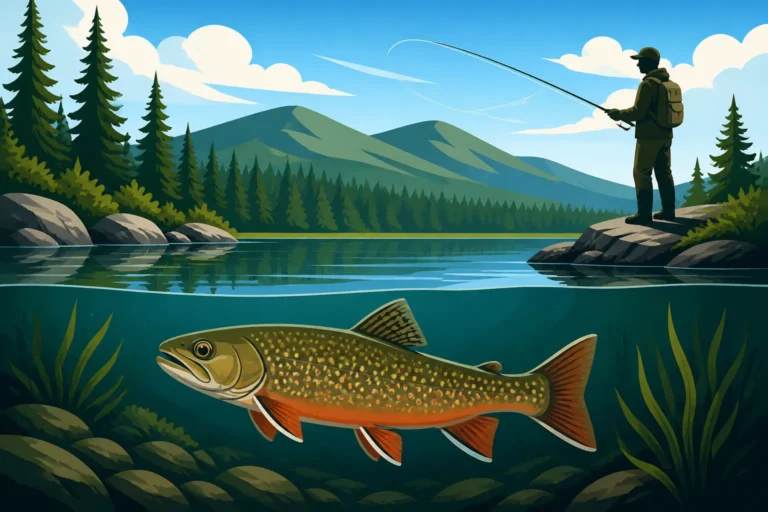
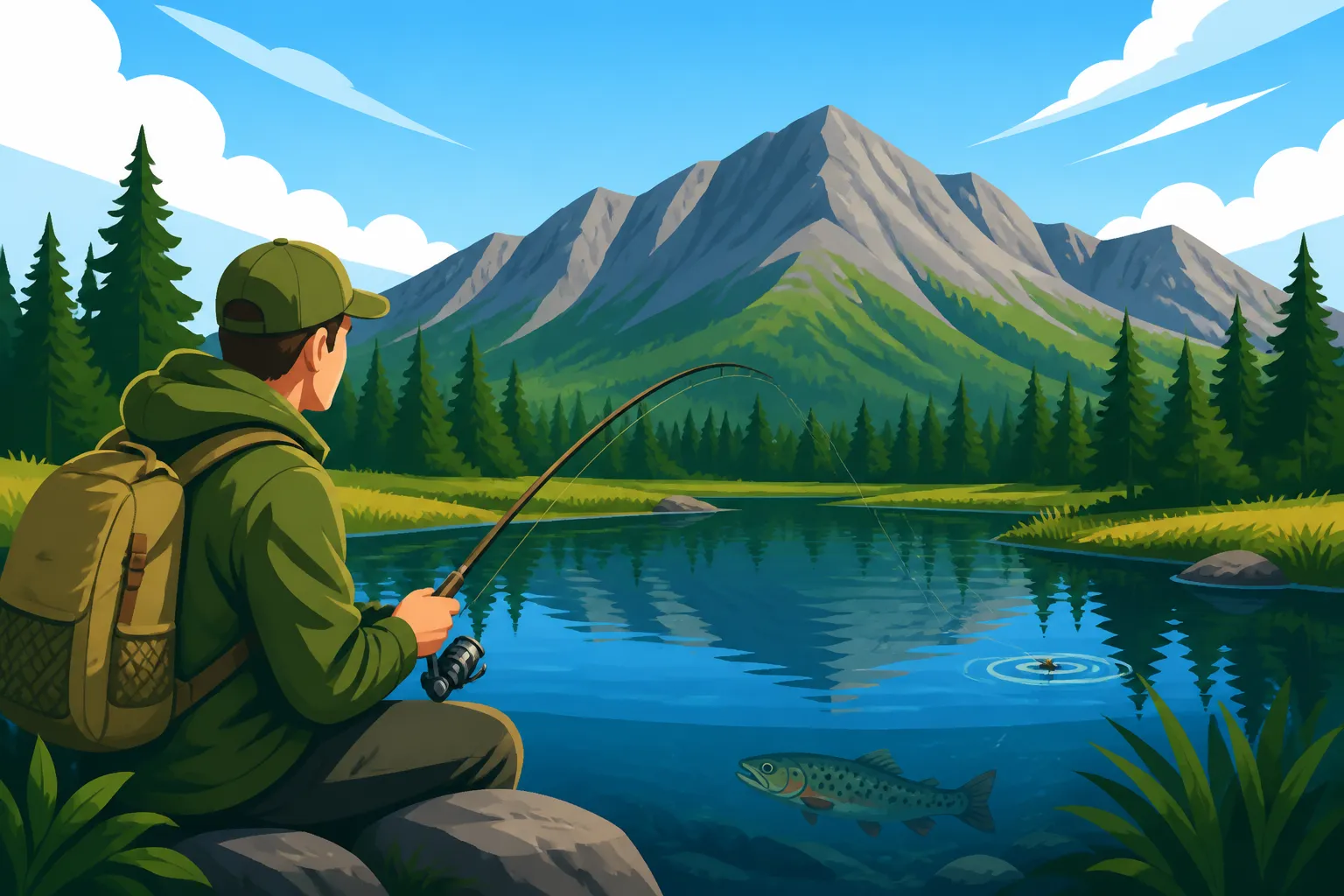
Often, these ponds will have "fly fishing only" rules and stringent Brook Trout Daily Bag Limits, sometimes catch-and-release exclusively. This ensures the sustainability of these precious populations. Imagine hiking several miles, setting up camp, and then casting a dry fly onto a glass-smooth pond surface as the sun sets, waiting for the tell-tale dimple of a rising brook trout. It’s an experience that transcends mere sport; it’s communion with nature. Remember that the best approach for these sensitive waters is often a stealthy one, using light tackle and presenting flies or small artificials delicately. Many guides on How to Find Maine Fishing Regulations for a Specific Lake will emphasize the importance of minimal disturbance in these wild trout habitats.
Ponds for a True Wilderness Experience
If you’re seeking solitude and willing to put in the effort, Baxter offers numerous remote ponds that provide an unparalleled wilderness fishing experience. These aren't for the faint of heart; they require significant hiking, map-reading skills, and often overnight stays in designated backcountry campsites. Ponds such as Upper and Lower Fowler Ponds, Russell Pond, and Billfish Pond fall into this category. Accessing these often means strapping on a pack, carrying all your gear, and sometimes bushwhacking through dense forest.
The rewards, however, are immense. You might be the only angler on the water, surrounded by towering pines and the sounds of the wild. The fish in these remote waters are often less pressured, and while they might not always be huge, they are undoubtedly wild and spirited. This is where you truly earn your catch. Before embarking on such a journey, always inform park rangers of your itinerary, be prepared for changing weather, and adhere strictly to "Leave No Trace" principles. These are the kinds of trips that demand careful planning and respect for the environment, but they offer memories that last a lifetime, especially when you consider Best Remote Ponds for Brook Trout in Northern Maine.
Ponds with Easier Access
Not every incredible fishing spot in Baxter requires an arduous expedition. The park also features ponds that are more accessible, perfect for a day trip or for those with limited mobility. Daicey Pond and Kidney Pond, both near popular campground areas, offer great fishing opportunities with relatively easy access. They are often stocked with brook trout to supplement the native populations, providing a more reliable catch rate, especially for families or newer anglers. These ponds are usually managed with regulations that balance recreation with conservation, often allowing a broader range of tackle while still encouraging responsible angling.
While more accessible, these ponds still provide that unmistakable Baxter feel. You’re still surrounded by raw wilderness, even if you’re only a short walk from your vehicle or campsite. These are excellent choices for introducing children to the joys of fishing in a beautiful setting. Just be mindful that "easier access" often means more people, especially during peak season, so respectful sharing of the waters is key. Always check the current regulations, as even these more popular spots have specific rules for different times of the year, tying into the broader Maine Fishing Season Dates Guide.
Here’s a quick overview of some notable ponds within Baxter State Park for fishing:
| Pond Name | Primary Species | Typical Access Level | Special Notes |
|---|---|---|---|
| Trout Pond | Brook Trout (Native) | Remote (Hike-in) | "Fly Fishing Only" common; strong catch-and-release emphasis. High quality, wild trout experience. |
| Little Abol Pond | Brook Trout (Native) | Remote (Hike-in) | Excellent wild trout, often less pressured. Requires significant hike. |
| Wassataquoik Lake | Brook Trout (Native) | Very Remote (Multi-day) | Large, deep wilderness lake. Offers challenging yet rewarding fishing. Requires extensive backcountry planning. |
| Daicey Pond | Brook Trout (Stocked) | Accessible (Short walk) | Near popular cabin area. Good for families/beginners. Some stocking helps ensure catch rates. |
| Kidney Pond | Brook Trout (Stocked) | Accessible (Short walk) | Also near cabin area. Similar to Daicey, good for general recreation. |
| Russell Pond | Brook Trout (Native) | Remote (Long hike) | Popular backcountry campground destination. Offers a true wilderness pond experience with robust native trout. |
| Upper/Lower Fowler Ponds | Brook Trout (Native) | Very Remote (Multi-day) | Deep wilderness experience, very low pressure. Requires serious planning and navigation. |
Essential Gear and Preparation for Baxter Fishing
Fishing in Baxter State Park demands more than just your usual tackle box. The remote nature of many ponds, coupled with the park's strict "forever wild" ethos, means you need to be self-sufficient, prepared for anything, and committed to leaving no trace. The environment here is challenging and beautiful, and your gear and preparation should reflect that respect.
Recommended Tackle and Lures
For the brook trout-focused angler, ultralight spinning gear or a lightweight fly rod (3-5 weight) are ideal. Given that many waters are "fly fishing only" or "artificial lures only," your tackle box should reflect this. For fly anglers, a selection of dry flies (like Stimulators, Adams, Caddis), nymphs (Pheasant Tail, Hare's Ear), and small streamers (Woolly Buggers) will cover most situations. Remember that Maine's Best Bait for Brook Trout often involves matching the natural insect hatches, so having a variety is key.
For spinning anglers, small inline spinners (like Panther Martins or Mepps), tiny spoons, and small, soft plastic lures are excellent choices. Look for natural colors and keep sizes small, generally under 2 inches. Again, no live bait is a common rule, so leave those worms at home unless you’ve specifically verified it’s allowed for your target pond, which is rare in Baxter. A good pair of polarized sunglasses is also critical for spotting fish and structure in clear water, and a wide-brimmed hat will offer protection from the sun and any errant casts.
Backcountry Safety and Navigation
Many of Baxter's best fishing ponds are deep within the park's interior, meaning you'll be miles from cell service and immediate assistance. This isn't a place to go unprepared. Always carry a detailed topographical map and a compass, and know how to use them, even if you have a GPS device. Batteries die, and technology fails. A first-aid kit, emergency shelter, fire-starting materials, extra food and water, and appropriate clothing layers are non-negotiable. The weather in Maine, especially in mountainous areas like Baxter, can change rapidly, with bright sunshine turning to cold rain or even snow in a matter of hours, even in summer.
Inform someone of your itinerary, including your planned route and expected return time. This is standard practice for any backcountry excursion but is especially important in remote wilderness like Baxter. Consider investing in a personal locator beacon (PLB) or satellite messenger device for true peace of mind. While the solitude is a draw, it also means you’re responsible for your own safety. Being well-prepared ensures you can focus on the fishing, not on potential dangers.
Leave No Trace Principles
Baxter State Park is a living testament to the "Leave No Trace" ethic, and anglers are expected to be exemplary stewards. This means packing out everything you pack in, including all trash, food scraps, and even fish entrails if you decide to keep a legal catch. Avoid building new fire rings or cutting vegetation. Stick to established trails to minimize impact, and when fishing, be mindful of stream banks and fragile vegetation.
If you’re practicing catch and release, handle fish minimally and with wet hands to protect their slime coat, and release them quickly and carefully. Avoid dragging fish onto dry ground. Baxter's beauty is its wildness, and every visitor plays a role in preserving that. It’s not just a suggestion; it’s a core tenet of the park's management. By adhering to these principles, you ensure that future generations can enjoy the same pristine fishing opportunities you did.
Planning Your Baxter State Park Fishing Trip
A successful fishing trip to Baxter State Park hinges on meticulous planning, from securing reservations to understanding logistical challenges. This isn't a spontaneous destination; it requires foresight and adherence to park procedures.
Reservation and Permitting Process
Baxter State Park operates on a reservation system, especially for overnight stays and even some day-use parking areas during peak season. You can’t just show up and expect to get a spot. Backcountry campsites or lean-tos, which are often necessary to access the truly remote fishing ponds, are highly sought after and often booked months in advance. The process is typically managed through the park's official website. You'll need to specify your dates, preferred campsites, and group size.
It's wise to plan your trip well in advance, especially if you're aiming for popular times like summer or fall foliage season. Check the park's website for reservation opening dates and be ready to book as soon as slots become available. This applies to individual hikers and groups alike. Navigating the permit system can feel a bit daunting at first, but it’s a necessary step to ensure the park doesn’t become overused and lose its wilderness character. Think of it as part of the adventure, a puzzle to solve before you even cast a line.
Accommodations and Campsites
Within Baxter State Park, accommodations are rustic and focused on immersion in nature. Options range from simple lean-tos and tent sites in designated campgrounds (like Daicey Pond or Kidney Pond) to more remote backcountry sites that might be just a cleared tent spot or a single lean-to. Most sites come with a picnic table, fire pit (where fires are allowed), and composting privies. Running water and electricity are generally not available.
For those who prefer a bit more comfort or want to use Baxter as a base for day trips, lodging outside the park in towns like Millinocket can be an option. Millinocket offers hotels, motels, and even some Best Lakes Near Millinocket Maine for Fishing if you want to extend your angling adventures beyond the park. However, to truly experience Baxter's fishing, staying within the park, even in a primitive campsite, is highly recommended. It allows for early morning starts and late evening finishes on the water, maximizing your fishing time. Remember, access roads within the park close at dusk and open at dawn, so if you're not staying inside, you're limited to daylight fishing.
Hiring a Local Guide
If the thought of navigating the complex permit system, understanding specific regulations, or simply the sheer remoteness of some areas feels overwhelming, don't hesitate to look into Hiring a Maine Fishing Guide. A Registered Maine Guide is an invaluable asset, especially for first-time visitors or those seeking a specialized experience. These guides possess intimate knowledge of the park's waters, fish behavior, and, crucially, all the park's regulations and logistics. They can handle the permits, provide gear, and lead you safely to the most productive spots.
Platforms like FishingBooker can be a great starting point for finding experienced, reputable guides who specialize in Maine's wilderness fishing, including Baxter State Park. When researching guides, ask about their experience specifically in Baxter, what species they target, and what's included in their service. A good guide can significantly enhance your trip, turning a potentially stressful planning process into a seamless and highly productive angling adventure. They often have insights into the Best Time of Year to Catch Brook Trout in Maine and can help you target specific areas.
Disclaimer
Please note that fishing regulations and park policies, including those for Baxter State Park, are subject to change. Always consult the official Maine Department of Inland Fisheries and Wildlife regulations and the specific rules published by Baxter State Park before planning and undertaking any fishing trip. This guide is intended for informational purposes only and should not be considered a substitute for official sources.