How Big Is Sebago Lake?
Trying to wrap your head around the sheer scale of Sebago Lake can be a bit daunting, can't it? Many anglers, even those who've fished it before, often underestimate just how vast and deep this incredible body of water truly is. Planning a successful fishing trip here means understanding its immense size, which directly influences everything from navigation and safety to where the fish hide. This guide will dive deep into the dimensions of Sebago Lake, explaining exactly how big it is and what that means for your next Maine fishing adventure.
The Sheer Scale of Sebago Lake
Sebago Lake isn't just a big pond; it's a colossal freshwater inland sea, a true gem of Southern Maine that demands respect and thorough preparation from anyone venturing onto its waters. Its impressive size makes it a vital natural resource and a premier destination for anglers seeking diverse fishing opportunities.
Surface Area and Shoreline Miles
When you look at a map, Sebago Lake stretches out, almost defying belief. It covers an astounding 45 square miles, which translates to roughly 30,500 acres of prime fishing real estate. To put that in perspective, that's more than enough room for multiple fleets of boats to fish comfortably without feeling crowded, even on the busiest summer days. This expansive surface area makes it the second-largest lake in Maine by volume, and by surface area only slightly smaller than Moosehead Lake, which is often considered the undisputed giant.
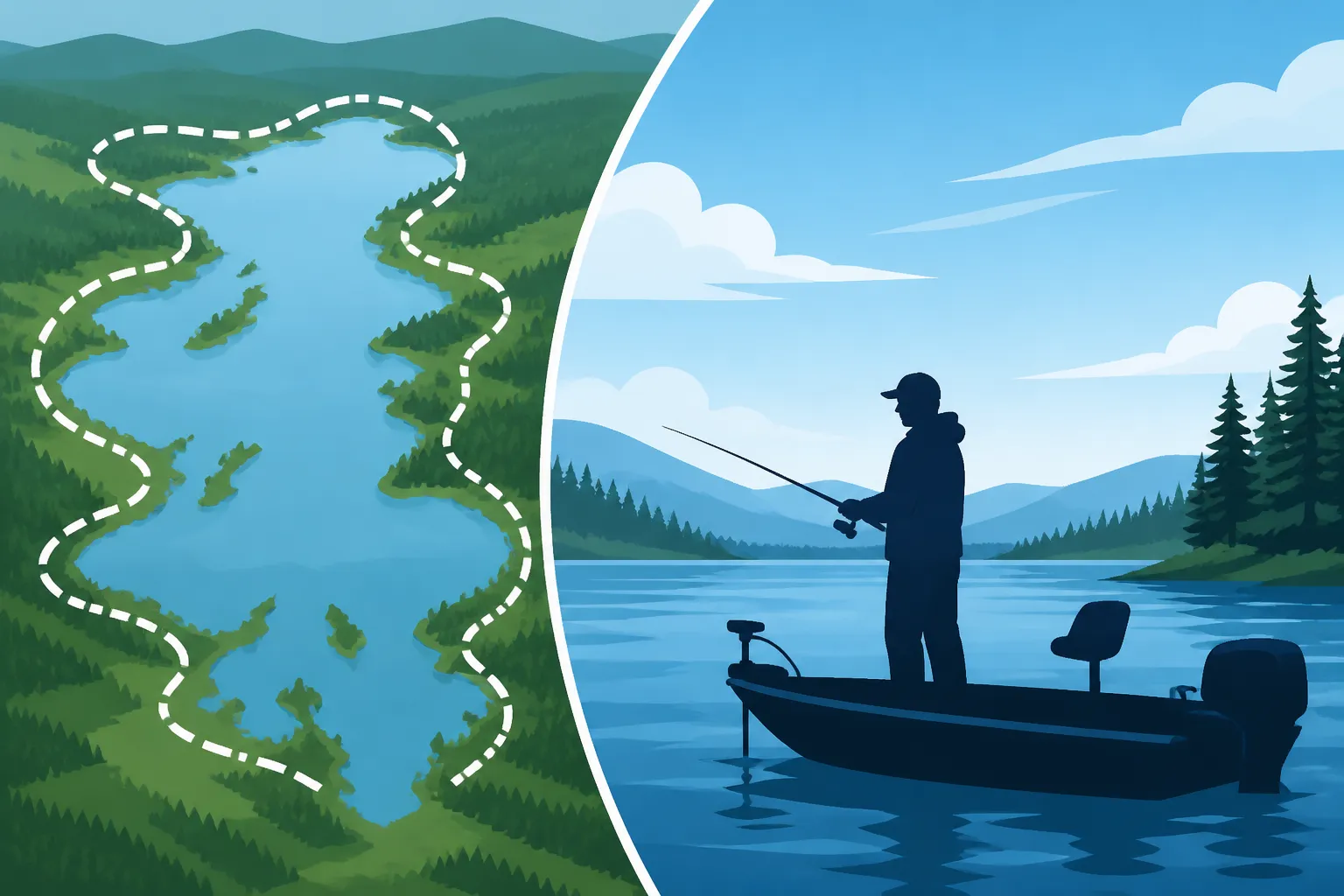
The shoreline is equally impressive, winding for approximately 105 miles when you account for all its nooks, crannies, and numerous islands like the substantial Frye Island, which even has its own town. Imagine trying to cover all that ground in a single trip! This extensive shoreline offers countless coves, points, and stretches of varied structure, each potentially holding different species of fish. Whether you're a shore angler looking for quiet spots or a boater seeking out remote stretches, the sheer mileage ensures endless exploration.
Impressive Depths and Unique Features
Beyond its sprawling surface, Sebago Lake plunges to incredible depths, reaching a maximum of 316 feet. This makes it not only one of the deepest lakes in Maine but also one of the deepest in all of New England. These profound depths are a relic of glacial activity, carved out thousands of years ago, giving the lake its distinctive bowl-like structure in many areas.
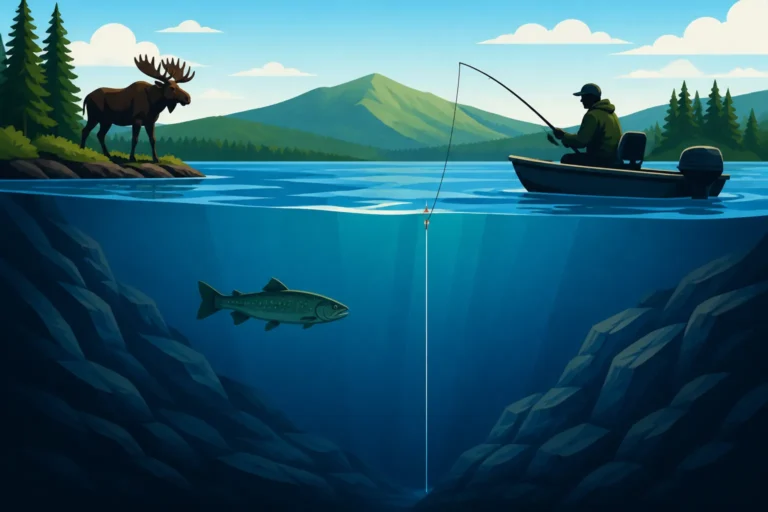
The presence of such deep, cold water is crucial for the thriving populations of cold-water fish species like landlocked salmon and togue (lake trout). These fish seek out the thermocline, that sweet spot where water temperatures are just right, making Sebago a year-round haven for them. The deep pockets also mean that even in the height of summer, there are always cool refuges for fish, influencing their feeding patterns and where you might find them. Understanding these depths is key to successful Maine Open Water Fishing Techniques Guide or even Maine Ice Fishing Techniques Guide when the lake freezes over.
Here's a quick look at Sebago Lake's impressive statistics:
| Feature | Measurement | Notes |
|---|---|---|
| Surface Area | 45 square miles (approx. 30,500 acres) | Second largest lake in Maine by volume. |
| Maximum Depth | 316 feet (96 meters) | One of the deepest lakes in New England. |
| Average Depth | Roughly 100 feet | Still remarkably deep on average. |
| Shoreline | 105 miles (including islands like Frye Island) | Provides extensive habitat and fishing access. |
| Length | Approx. 14 miles (North to South) | Long stretches of open water. |
| Width | Approx. 11 miles (East to West) | Broad basins and bays. |
| Water Quality | Exceptionally high | Primary drinking water source for Portland, Maine. |
What Sebago Lake's Size Means for Anglers
The immense size of Sebago Lake isn't just a number; it dictates the very nature of fishing here. From the tools you need to the species you target, everything is influenced by its grand scale.
Navigating Expansive Waters
Navigating Sebago Lake requires more than just a paddle and a prayer. Its vastness means that conditions can change rapidly. What might be calm in one cove could be choppy in the open expanse of the "Big Bay" or near Frye Island. A small craft might be fine for sticking close to shore on a calm day, but for truly exploring the lake, a larger, more stable boat is a must. You'll want to ensure your vessel is suitable for large bodies of water.
Furthermore, navigation aids are critical. A good GPS system with detailed lake mapping is not a luxury but a necessity. The lake has numerous islands, shoals, and underwater structures that can be hazardous if you're unfamiliar with them. Fog can roll in quickly, and even on clear days, landmarks can seem distant and confusing. Always carry a marine radio or a fully charged cell phone (though service can be spotty in some remote areas) and let someone know your float plan. Safety should always be your top priority on a body of water this large.
Diverse Habitats and Fish Species
The sheer size and depth of Sebago Lake create an incredibly diverse range of habitats, which in turn support a wide array of fish species. Unlike smaller, more uniform ponds, Sebago offers everything from shallow, weedy coves perfect for bass to abyssal depths where massive togue lurk.
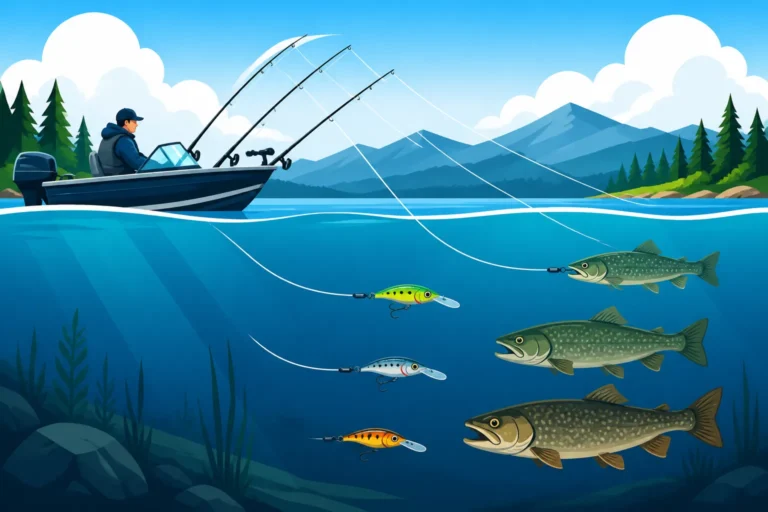
- Cold-Water Havens: The deep, frigid waters are ideal for Landlocked Salmon Fishing in Maine and Lake Trout and Togue Fishing in Maine. These species thrive in the cooler temperatures, particularly in the deep basins. Anglers often employ Trolling Techniques for Maine Lakes with downriggers or lead core line to reach these fish during warmer months.
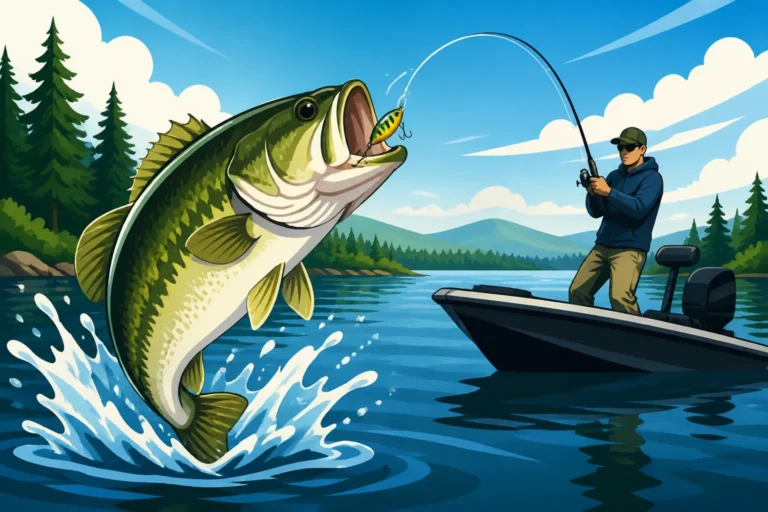
- Bass Hotspots: For those who prefer warmer water action, Sebago's numerous coves, rocky points, and island structures provide excellent habitat for Smallmouth Bass Fishing in Maine and even some Largemouth Bass Fishing in Maine. You can find them lurking around submerged timber, rocky ledges, and transition areas where depth changes abruptly.
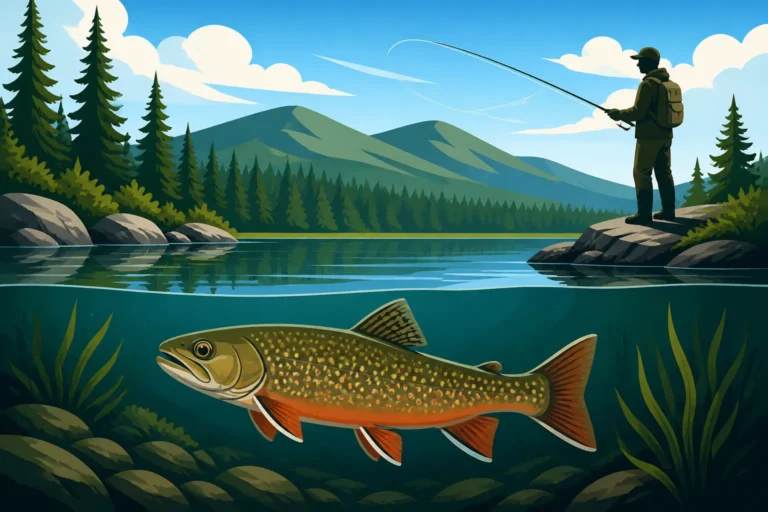
- Trout Opportunities: While salmon and togue steal the spotlight, Sebago also offers opportunities for Brook Trout Fishing in Maine and Brown Trout Fishing in Maine, often found in shallower areas, especially during cooler seasons, or near tributary inlets.
The varied environments mean you can literally spend years exploring different techniques and spots without ever getting bored. Each section of the lake presents a new challenge and a new opportunity to hook into something special.
Planning Your Fishing Adventure on Sebago Lake
Given its formidable size, approaching Sebago Lake with a well-thought-out plan is essential for a rewarding and safe fishing trip. You can't just drop a line anywhere and expect consistent results; understanding the nuances of its vastness is key.
Breaking Down the Lake into Fishable Zones
Trying to tackle Sebago Lake all at once is like trying to eat an entire pie in one sitting—it’s just too much. The best approach is to break it down into more manageable, fishable zones. Each area of the lake has its own character, depth profiles, and predominant fish species.
- The Big Bay (South-Central): This is the largest and deepest basin, often the primary target for salmon and togue anglers employing deep trolling methods. It's wide open and can get very choppy.
- Jordan Bay (Southwest): While still deep, Jordan Bay has more varied structure, including points and islands, making it excellent for both cold-water species and smallmouth bass. It’s also often where you'll hear about strong Sebago Lake Landlocked Salmon Run activity.
- Frye Island Area: The waters surrounding Frye Island are incredibly diverse, with both deep channels and shallower rocky ledges. It's a great spot for targeting a mix of species, but also requires careful navigation due to varying depths.
- Northern End (Northwest & Northeast): Areas like Raymond and Naples offer shallower coves and access points, which can be fantastic for smallmouth bass and even some largemouth. They provide a bit more shelter from the main lake's winds.
- River Inlets: Sebago is fed by several rivers and streams, which can be critical for fish migrations and offer unique fishing opportunities, especially for trout and salmon during spawning seasons.
Before you go, do your research. Look at bathymetric maps (depth charts) of the specific areas you plan to fish. Websites and apps can help you pinpoint drop-offs, humps, and other structures where fish are likely to congregate. Consider booking a trip through a platform like FishingBooker to connect with experienced local guides who know these zones intimately.
Essential Gear and Safety Considerations
Fishing on Sebago Lake is not a light tackle affair for the unprepared. Its size demands specific gear and an unwavering commitment to safety.
- Proper Vessel: As mentioned, a stable boat is crucial. Ensure it's well-maintained, with a reliable engine, sufficient fuel, and all required safety equipment, including life jackets for everyone on board.
- Navigation & Communication: A reliable GPS with up-to-date charts is paramount. A marine radio (VHF) is highly recommended, especially if you venture far from shore or into areas with limited cell service. Even for shore fishing, it’s good practice to have a way to contact help in an emergency.
- Fishing Tackle: For deep-water trolling, you'll need sturdy rods, reels capable of holding ample line, and specialized gear like downriggers, lead core line, or heavy sinkers to get your lures down to where the salmon and togue live. For bass fishing, a good assortment of lures, jigs, and soft plastics will serve you well.
- Weather Awareness: Keep a close eye on weather forecasts. Sebago Lake can whip up quickly, turning a calm morning into a dangerous situation with high winds and whitecaps. Fog can also be a serious hazard. If the forecast looks iffy, it's always better to err on the side of caution.
- Emergency Supplies: Always carry a first-aid kit, extra water, snacks, a flashlight, sun protection, and extra layers of clothing, even on sunny days. Conditions on the water can be cooler than on land.
- Maine Fishing Regulations: Always, always be familiar with the current Maine Fishing Regulations Explained. This includes understanding Maine Fish Bag Limits Guide and any special regulations that apply to specific species or areas of Sebago Lake. You don't want a warden to cut your trip short!
Sebago Lake's Ecological Importance and Water Quality
Beyond its allure for anglers, Sebago Lake holds immense ecological significance, particularly due to its role as a pristine water source. Its size contributes directly to its ability to maintain exceptional water quality, which in turn supports its vibrant fishery.
Source of Drinking Water for Portland
One of the most remarkable facts about Sebago Lake is that it serves as the primary drinking water source for over 200,000 residents in the Greater Portland area, without requiring filtration. This is an incredible testament to its cleanliness and the ongoing conservation efforts surrounding it. The Portland Water District vigilantly monitors water quality and manages the surrounding watershed to protect this vital resource.
This role as a drinking water source means that there are strict regulations in place to prevent pollution and maintain its pristine condition. Anglers and recreational users play a crucial part in this by practicing responsible stewardship. This includes proper waste disposal, avoiding the introduction of invasive species, and using environmentally friendly products where possible. The health of the lake for drinking is directly tied to the health of its fishery.
Conservation Efforts and Visitor Responsibility
The Maine Department of Inland Fisheries and Wildlife (MDIFW) works tirelessly to manage the fish populations in Sebago Lake, ensuring sustainable fishing for generations to come. This involves regular stocking of landlocked salmon, monitoring fish health, and enforcing specific regulations designed to protect vulnerable species and ensure healthy ecosystems. You can find detailed information about these efforts and species-specific rules in the annual Maine Fishing Regulations Explained booklet.
As visitors, we all share a responsibility to help preserve Sebago Lake's unique character.
- Leave No Trace: Pack out everything you pack in. Dispose of trash properly, including fishing line, which can be hazardous to wildlife.
- Prevent Invasive Species: Always clean, drain, and dry your boat and fishing gear when moving between different bodies of water to prevent the spread of invasive plants and animals.
- Respect Wildlife: Observe wildlife from a distance and avoid disturbing nesting birds or other animals.
- Follow Regulations: Adhere strictly to all Maine Fish Bag Limits Guide and size limits, and ensure you have a valid Maine Fishing License Guide. Remember, ignoring these rules can lead to significant fines and harm the fishery.
Whether you're targeting the impressive salmon of Sebago Lake, pursuing a feisty smallmouth bass, or simply enjoying the breathtaking scenery, understanding the lake's vast dimensions and respecting its ecological importance will ensure a more enjoyable and responsible experience for everyone. If you're looking for an expert to show you the ropes, consider connecting with a local guide through platforms like FishingBooker, who can help you navigate these magnificent waters safely and effectively.
Disclaimer
Please remember that fishing regulations and conditions can change. Always consult the official Maine Department of Inland Fisheries and Wildlife (MDIFW) website or their most current printed regulations handbook before planning any fishing trip to ensure you have the most up-to-date information. Stay safe and enjoy the incredible fishing opportunities Maine has to offer!