Moosehead Lake Fishing Guide
Heading out for a fishing trip in Maine can sometimes feel overwhelming, especially when you're looking at a body of water as immense and legendary as Moosehead Lake. With its vastness and wild character, it's easy to wonder where to even begin, what fish you'll find, and how to best tackle its expansive waters. This comprehensive guide will cut through the confusion, offering you the insider knowledge you need to plan an unforgettable and successful fishing adventure on Moosehead Lake.
Welcome to Moosehead Lake: Maine's Crown Jewel for Anglers
Moosehead Lake isn't just a lake; it's an experience. Nestled deep in the heart of Maine's North Woods, it's the largest lake entirely within New England, a sprawling body of water that captivates anglers and outdoor enthusiasts alike. For generations, this magnificent lake has been synonymous with pristine wilderness, abundant wildlife, and, of course, some of the finest coldwater fishing the state has to offer. It's a place where the air smells cleaner, the stars shine brighter, and the call of a loon echoes across water so clear you can see to impressive depths.
The Sheer Scale and Untamed Beauty
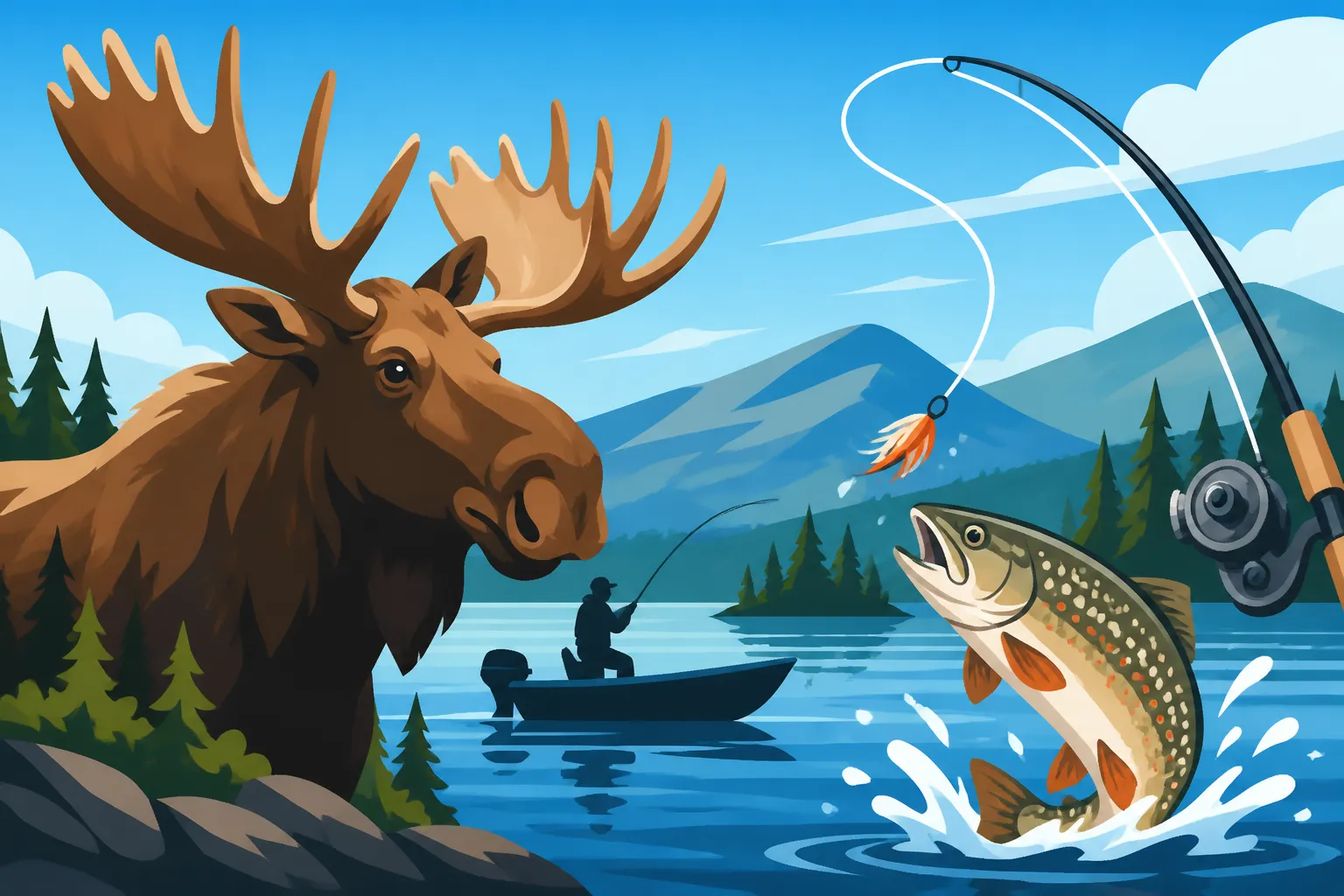
Imagine a lake stretching over 40 miles long and 10 miles wide, dotted with over 80 islands, and boasting a shoreline that winds for more than 400 miles. That's Moosehead Lake for you. Its sheer size is awe-inspiring, but it's the raw, untamed beauty that truly sets it apart. The surrounding landscape is dominated by dense forests, rugged mountains, and remote stretches of wilderness, creating a backdrop that feels truly wild. You'll find yourself casting lines in waters overlooked by towering peaks like Mount Kineo, whose massive cliff face plunges dramatically into the lake, offering a truly iconic Maine vista. This expansive environment means endless opportunities for exploration, but also demands respect and preparation. It's not a small pond you can figure out in an afternoon; it's a vast inland sea with its own moods and secrets.
Navigating such a large body of water requires careful planning, but the reward is immense. Whether you're exploring the numerous coves, fishing around one of the many islands, or venturing into the deep, open waters, you'll feel a profound connection to nature. This isn't just about catching fish; it's about immersing yourself in one of Maine's most cherished natural treasures. The peace and solitude you can find, even during busier seasons, are unparalleled, making every trip a chance to reconnect with the wilderness and yourself.
Why Moosehead Lake Stands Out for Fishing
What truly makes Moosehead Lake a legendary fishing destination? For starters, it's primarily a coldwater fishery, meticulously managed to sustain thriving populations of prized game fish. Unlike some other Maine lakes that have been impacted by invasive species or overfishing, Moosehead maintains a robust ecosystem that supports its native and stocked coldwater species. This dedicated management means anglers have a legitimate shot at trophy-sized fish, not just small ones. The lake's depth, reaching over 246 feet in some spots, provides essential cold, oxygen-rich water that these species require, especially during the warmer summer months when they retreat to the cooler depths.
Furthermore, Moosehead Lake offers an incredible diversity of fishing experiences. You can troll the vast expanses for elusive landlocked salmon and powerful togue, or carefully cast flies in the quiet tributaries for feisty brook trout. If you're into something different, the lake's shallower areas and coves hold aggressive smallmouth bass that provide thrilling topwater action. This variety ensures that no matter your preferred fishing style or target species, Moosehead Lake has something to offer. It's also a year-round destination, transforming into an ice fishing paradise in winter, offering a completely different, yet equally rewarding, set of challenges and experiences for the dedicated angler.
Prime Fish Species You'll Encounter on Moosehead Lake
Moosehead Lake is renowned for its exceptional coldwater fishery, providing a thrilling challenge and rewarding experience for anglers targeting some of Maine's most iconic game fish. Each species has its own habits and preferred habitats, making the fishing experience here incredibly diverse and engaging. Knowing what you're after is the first step to a successful trip, and Moosehead certainly doesn't disappoint in its offerings.
Togue (Lake Trout): The Deepwater Giants
When you think of Moosehead Lake, you have to think of togue, or lake trout as they are known elsewhere. Mainers affectionately call them "togue," a name that evokes the mystery of their deepwater domain. These fish are the undisputed heavyweights of Moosehead, known for their powerful fights and impressive size. They are perfectly adapted to the lake's deep, cold, and oxygenated waters, often found lurking near the bottom structure, ledges, and rocky points where baitfish gather. Catching a large togue often means battling a true leviathan from the depths, a test of strength and endurance for any angler. Many seasoned anglers consider Moosehead Lake a premier spot for Moosehead Lake Togue Fishing Spots in Maine.
Togue are primarily piscivorous, meaning they feed heavily on other fish, particularly smelt and cusk. This diet contributes to their rapid growth and substantial size. While you can find smaller togue closer to the surface during colder periods like early spring or late fall, they are generally a deepwater species. Successful togue fishing often involves specialized techniques like downrigging, jigging, or using weighted lines to get your lure into their strike zone, which can be 50 feet or deeper in summer. Their slow growth rate and sensitivity to environmental changes mean that conservative regulations are in place to ensure their populations remain healthy for future generations of anglers.
Landlocked Salmon: The Leaping Silver
For many, the landlocked salmon is the quintessential Maine game fish, and Moosehead Lake is one of its most celebrated strongholds. These magnificent fish are genetically identical to Atlantic salmon but spend their entire lives in freshwater. They are revered for their acrobatic fights, often leaping clear of the water when hooked, and their exquisite table fare. On Moosehead, salmon are typically found cruising the upper water column, especially during cooler periods of the spring and fall, chasing schools of baitfish like smelt. Their pursuit of prey can make for explosive strikes and truly memorable battles, often characterized by long runs and aerial displays.
Landlocked salmon on Moosehead Lake are actively managed, with stocking programs complementing natural reproduction to maintain a robust population. The lake’s abundant smelt population serves as the primary forage for these silver bullets, influencing where and when you'll find them. Early spring, just after ice-out, and the cooler months of fall are often considered the prime times to target these fish. During the warmer summer months, salmon will retreat to the thermocline, seeking cooler, oxygenated water, which requires specific trolling depths and techniques to reach them. If you’re wondering about the best time to challenge these beauties, checking out guides on the Best Time of Year to Catch Landlocked Salmon in Maine can be incredibly helpful.
Brook Trout: Native Gems of Inlets and Tributaries
While Moosehead Lake is famed for its large salmon and togue, it also holds an incredible population of brook trout, especially in its numerous feeder streams, rivers, and along its vast shoreline. Brook trout are Maine's state fish and a true symbol of its pristine wilderness. These vibrant, colorful fish, with their distinctive red spots surrounded by blue halos, thrive in the cold, clean, oxygen-rich waters that flow into the main lake. While the lake itself can hold larger, "salter" brook trout that venture out from their natal streams, the real magic often happens in the smaller, intimate waters surrounding Moosehead.
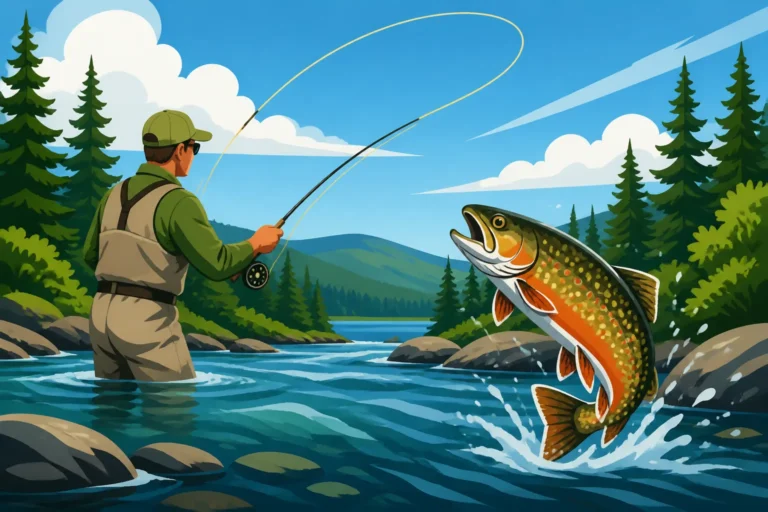
Fly fishing for brook trout in these smaller waters can be an incredibly rewarding experience, offering solitude and the chance to catch these beautiful, wild fish. They are eager biters, especially during spring and fall, and their vibrant colors make every catch a photographic memory. Some of the tributaries entering Moosehead are truly special for Moosehead Lake Brook Trout Fishing. During late fall, these fish undertake spawning runs into their natal streams, presenting unique opportunities for anglers, though careful adherence to catch and release practices is paramount to protect these vital populations.
Smallmouth Bass: Feisty Fighters of the Shallows
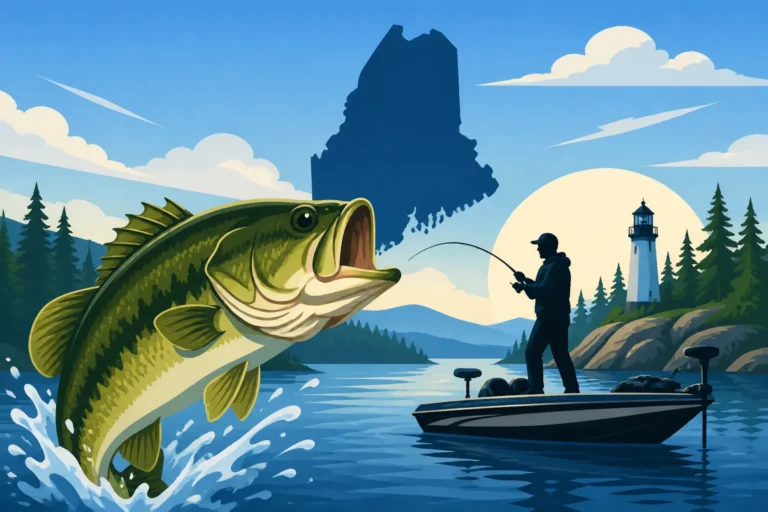
For those who enjoy a different kind of fight, Moosehead Lake also boasts a healthy population of smallmouth bass. While often overshadowed by the coldwater species, these bronze-backed fighters offer incredible action, especially during the warmer months. Smallmouth bass prefer the shallower, rockier areas of the lake, congregating around points, ledges, and submerged structures where they can ambush prey. They are aggressive, hard-hitting, and known for their strong, determined fights, often jumping and running when hooked.
Targeting smallmouth bass provides a fantastic change of pace from deepwater trolling. They respond well to a variety of lures, including crankbaits, jigs, and topwater presentations, making for exciting sight fishing opportunities in clear waters. The numerous islands and rocky shorelines of Moosehead Lake create ideal smallmouth habitat, and anglers looking for consistent action on light tackle will find plenty to keep them busy. While not native to Maine, they have established themselves in many lakes, including Moosehead, providing another fantastic angling opportunity that diversifies the lake's fishery.
Navigating Moosehead Lake's Vast Waters: Access and Zones
Moosehead Lake's sheer size is both its greatest allure and its greatest challenge. With over 400 miles of shoreline and dozens of islands, it can feel like an inland ocean. Understanding how to access its waters and navigate its regulations is crucial for a safe and successful fishing trip. Whether you’re trailering a large boat or paddling a canoe, knowing the lay of the land—or water, in this case—will save you time and enhance your experience.
Public Boat Launches and Access Points
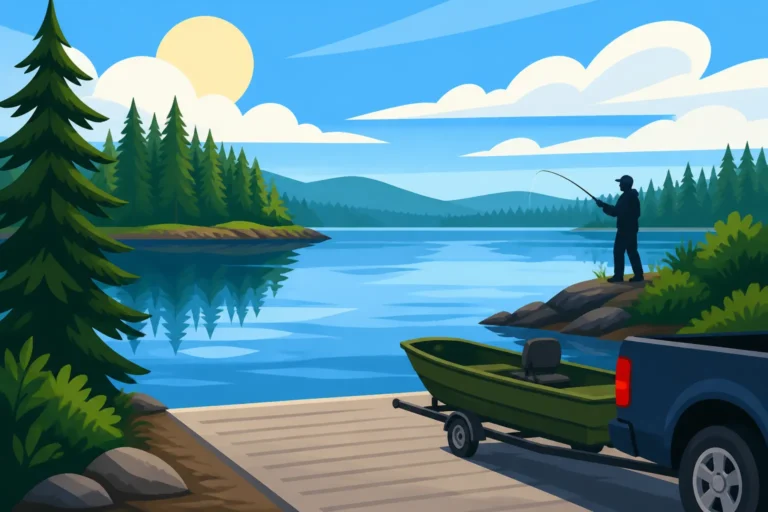
Despite its wild nature, Moosehead Lake offers several excellent public boat launches, making it accessible for boats of various sizes. The most prominent and frequently used access point is in the town of Greenville, located at the southern tip of the lake. Here, you'll find ample parking, well-maintained ramps, and often nearby amenities like bait shops and fuel. This is typically the starting point for many anglers heading out onto the lake, offering relatively easy access to the central and southern basins. From Greenville, you can venture towards areas known for salmon and togue, or explore the numerous islands in the southern section.
Other smaller, more remote access points exist around the lake, though some might require a bit more navigation on gravel roads or are better suited for smaller boats, canoes, or kayaks. For instance, areas on the eastern shore near Rockwood or the northern reaches of the lake might offer less crowded ramps and quicker access to certain fishing grounds, though services might be more limited. Always check local conditions and ramp suitability before you head out, especially if you're venturing to less-traveled areas. Some remote camps and lodges also offer private launches for their guests, providing even more direct access to prime fishing spots.
Understanding Moosehead Lake's Fishing Zones and Special Regulations
Moosehead Lake, like many of Maine's larger and more sensitive fisheries, operates under specific rules that can vary by season and even by zone within the lake. It's not a one-size-fits-all situation, and being familiar with these nuances is absolutely essential to avoid issues and contribute to conservation. You might encounter different Maine Fishing Season Dates Guide or Maine Fish Bag Limits Guide depending on the time of year or specific area. These regulations are designed to protect critical spawning populations, manage harvest rates, and ensure the long-term health of the fishery.
For instance, certain areas might be designated as "special regulation waters" with different length limits, bag limits, or even tackle restrictions for specific species. Some tributary mouths might have closed seasons or no-kill zones, particularly during spawning runs. Always consult the most current Maine Open Water & Ice Fishing Regulations book, available online from the Maine Department of Inland Fisheries and Wildlife (MDIFW) or at any license agent. It’s also wise to talk to local bait shop owners or guides; they often have the most up-to-date and practical knowledge of current regulations and conditions. Ignorance of the law is no excuse, and wardens patrol these waters diligently.
Kayak and Canoe Access for Remote Spots
While powerboats dominate the main lake, kayaks and canoes offer a fantastic way to experience Moosehead's more intimate and remote fishing opportunities. Many of the smaller coves, quiet bays, and the lower sections of tributary rivers are best explored by paddle craft. These areas, often inaccessible to larger boats, can hold excellent populations of brook trout and provide a peaceful fishing experience away from the hustle and bustle. The ability to silently glide through shallow waters allows for stealthy approaches to fish, especially when targeting bass or brookies along the shoreline.
There are numerous spots around the lake where you can easily launch a canoe or kayak without needing a formal ramp. Just be mindful of private property. For the truly adventurous, some of the more remote ponds and smaller lakes in the surrounding Moosehead region can be accessed via portage from the main lake or its larger tributaries, offering a chance at truly wild, untouched fishing. Remember, while a kayak or canoe might seem small, Moosehead Lake is vast and can get rough quickly. Always check the weather forecast, wear your personal flotation device (PFD), and be aware of your limitations.
Essential Fishing Techniques for Moosehead Lake Success
Moosehead Lake's diverse fishery calls for a versatile approach. Depending on your target species and the time of year, you'll want to employ specific techniques to maximize your chances of success. From covering vast expanses for trophy fish to carefully presenting flies in subtle currents, the lake offers a masterclass in angling strategies.
Trolling for Salmon and Togue
Trolling is undoubtedly the most popular and effective technique for targeting both landlocked salmon and togue on Moosehead Lake. This method involves slowly moving through the water with lures or baits trailing behind the boat, covering a lot of water and allowing you to present your offering at specific depths. The sheer size of Moosehead means trolling is often the best way to find scattered schools of fish. For salmon, you'll typically troll higher in the water column, often targeting the upper 10-30 feet, especially during cooler seasons. As the water warms in summer, both salmon and togue retreat to the deeper, cooler thermocline, sometimes requiring depths of 50-80 feet or more.
Various setups are used for trolling, from flat-lining with planer boards to using lead core line, copper line, or downriggers. Downriggers are particularly effective for precisely placing lures at specific depths for deep-holding togue and salmon. Favorite lures include spoons like Mooselook Wobblers, DB Smelt, and Sutton Spoons, which imitate the lake’s abundant smelt population. Stickbaits and minnow imitations also work well. Learning Trolling Techniques for Maine Lakes is a fundamental skill for anyone serious about landing big fish on Moosehead. Pay close attention to your fish finder to identify baitfish schools and underwater structure where predators might be lurking.
Jigging the Depths for Togue
While trolling is dominant, jigging offers an exciting and often highly productive alternative for targeting togue, especially when they are concentrated in specific areas or during the ice fishing season. Jigging involves vertically presenting a weighted lure or bait directly beneath the boat or through a hole in the ice, mimicking a struggling baitfish. This technique is particularly effective when you mark fish on your sonar or have identified a promising piece of underwater structure, like a deep hump, drop-off, or rocky ledge, where togue are known to congregate.
For open water jigging, heavy spoons, tube jigs, or soft plastics rigged on jig heads are popular choices. The key is to impart erratic action, lifting and dropping the lure to entice a strike. Many anglers will "dead stick" a secondary rod with a live bait presentation (like a shiner or smelt) while actively jigging another. During winter, Jigging Techniques for Togue through the ice are incredibly effective. Ice fishing jigs tipped with a piece of cut bait or a whole smelt are irresistible to hungry togue. The thrill of feeling a solid strike from a deepwater monster on a jigging rod is an experience every angler should have on Moosehead.
Fly Fishing the Inlets and Tributaries
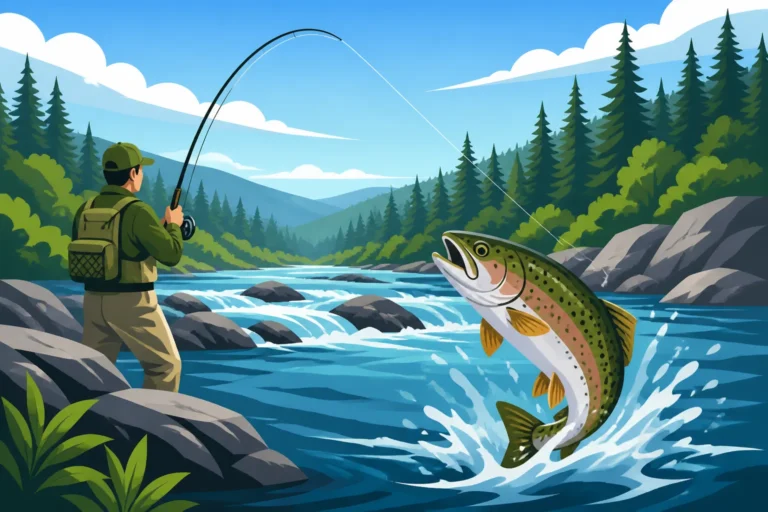
For a more intimate and traditional angling experience, fly fishing the inlets and tributary streams of Moosehead Lake is unparalleled, especially when targeting brook trout and occasionally landlocked salmon. These smaller, flowing waters offer a stark contrast to the vastness of the main lake, providing serene settings for delicate presentations. Spring and fall are prime times for this, as brook trout are more active and salmon might be making their way upstream for spawning.
Dry flies imitating various insects, nymphs mimicking aquatic invertebrates, and small streamer patterns that imitate baitfish are all effective, depending on the conditions and time of year. Knowing how to "match the hatch" by observing prevalent insects can significantly improve your success. Accessing these spots often requires wading, so appropriate gear like waders and studded boots are essential for safety and comfort. While you might not land the biggest fish of your life in these smaller streams, the sheer beauty of the surroundings and the challenge of fooling a wild brook trout on a fly rod make for a deeply satisfying experience. This is often where anglers feel the true spirit of Maine's wild trout fisheries.
Shore Fishing and Wade Fishing Opportunities
Don't have a boat? No problem! Moosehead Lake still offers plenty of opportunities for shore fishing and wade fishing, particularly in early spring and late fall, or for specific species during warmer months. The accessible shorelines around towns like Greenville and Rockwood, or along some of the islands, can yield surprisingly good results. For brook trout, focus on areas where small streams flow into the lake, creating cooler water pockets and bringing in food. Smallmouth bass can be targeted from shore in rocky coves and points, especially during their spawning season in late spring/early summer when they move to shallower nesting sites.
Wade fishing is another excellent option, especially for accessing those productive tributary mouths or shallow rocky shoals that boats might struggle with. This allows for a more direct and stealthy approach. Spin fishing from shore with small spoons, spinners, or bait (where allowed) can be highly effective. For those targeting salmon or togue from shore, it's a tougher challenge, often requiring long casts and heavier tackle to reach the deeper drop-offs. Always be mindful of private property when seeking out shore access, and ensure you have your How to Get a Maine Fishing License before casting a line.
Seasonal Strategies: When and Where to Fish Moosehead Lake
Moosehead Lake is truly a four-season fishery, with each season offering unique opportunities and challenges. Understanding the seasonal movements and behaviors of fish is key to planning a successful trip. The lake transforms dramatically throughout the year, from icy expanse to open water, and with it, the best places and techniques to find fish change.
Spring: Ice-Out Action and Early Season Bites
The period immediately following ice-out on Moosehead Lake is one of the most exciting times for anglers. Typically occurring in late April or early May, ice-out signals the start of prime coldwater fishing. The entire water column is cool and well-oxygenated, allowing landlocked salmon and brook trout to spread out and feed aggressively in shallower waters, often close to shore or tributary mouths. The smelt, their primary forage, also become very active during this time, drawing predators to accessible areas.
Trolling spoons and minnow imitations along the shallower coves, points, and near island structures can be incredibly productive for salmon. These fish are often found within the top 10-20 feet of water. Togue, while still in deeper water generally, can also be found in slightly shallower areas than they would be in summer, often along deep drop-offs. Shore anglers and waders can also find great success targeting brook trout in stream inlets and smallmouth bass as they begin to shake off winter lethargy. It's a time of renewed activity and often offers some of the year's most consistent action before the summer heat drives fish deep.
Summer: Deepwater Tactics and Evening Bass Action
As Moosehead Lake warms up through June, July, and August, the dynamics of the fishery shift. Surface waters become too warm for coldwater species, forcing landlocked salmon and togue to seek refuge in the cooler, deeper parts of the lake. This is when downrigging, lead core, and copper lines become indispensable for reaching the thermocline—the layer of water where temperatures rapidly change, and where baitfish and predators congregate. Finding the right depth is crucial, often requiring diligent use of a fish finder.
While deepwater trolling for salmon and togue dominates daytime summer fishing, the shallower areas still offer excellent opportunities, particularly for smallmouth bass. As the sun begins to set and the air cools, bass become more active in rocky coves and along shorelines. Early mornings and late evenings are prime times for throwing topwater lures, crankbaits, or jigs for aggressive smallmouth. This can provide thrilling, visual strikes when the coldwater bite slows down. Summer is also a popular time for family fishing trips, offering a chance to enjoy the lake's beauty and recreational activities beyond just fishing.
Fall: Spawning Runs and Trophy Hunts
Fall is arguably one of the most beautiful and productive times to fish Moosehead Lake. As water temperatures begin to drop in September and October, the coldwater species once again become more active and accessible. Landlocked salmon and brook trout begin their annual spawning migrations into the lake's tributaries and rocky shoals, making them highly vulnerable and aggressive. Togue also become more active throughout the water column. This period is often considered the best time for trophy salmon and brook trout, as they are at their peak size and brilliant spawning colors.
Trolling remains effective, often shallower than in summer, but still targeting key points and drop-offs. Fly fishing the tributaries for spawning brook trout and salmon (with proper conservation practices in mind, like catch and release) can be exceptional. The vibrant foliage reflecting on the calm waters adds another layer of magic to the experience. It's important to be aware of and respect any special regulations or closures in place to protect spawning fish during this critical time. Check the Maine Fishing Regulations Explained for detailed information specific to fall fishing.
Winter: The Thrill of Ice Fishing on Moosehead
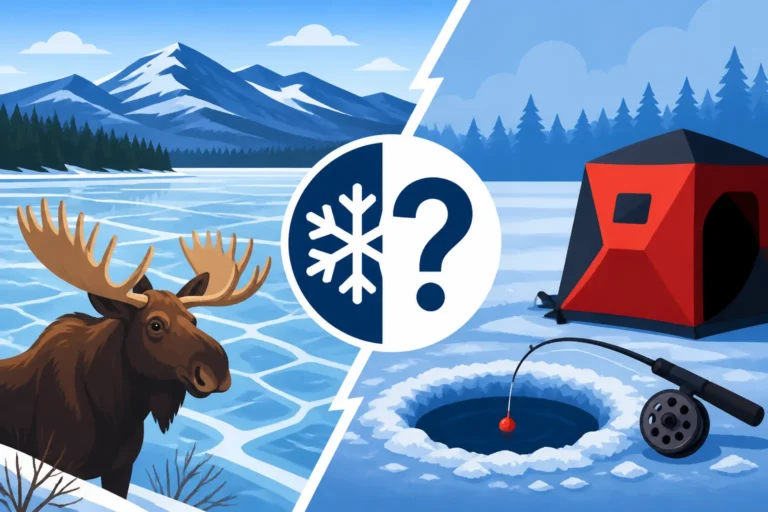
When Moosehead Lake completely freezes over, typically from late December through March, it transforms into an ice fishing mecca. The sheer size of the frozen lake allows for incredible exploration by snowmobile, ATV, or even vehicle (with caution, of course). Ice fishing here is a cherished tradition, with anglers setting up tip-ups for passive fishing and actively jigging for togue, salmon, and brook trout. The lake's deep waters continue to hold abundant fish, offering excellent opportunities throughout the season.
The strategy for ice fishing on Moosehead often involves setting out multiple tip-ups (up to five lines per angler are allowed in Maine's open water, and similar rules apply to Maine Ice Fishing Line Limits) rigged with live smelt or shiners, spread out to cover different depths and areas. Simultaneously, many anglers will actively jig with specialized ice fishing rods, targeting specific fish marked on their flasher or sonar units. Popular spots include deep basins, humps, and the mouths of major coves. The camaraderie among ice anglers, the crisp winter air, and the chance at a true trophy through the ice make Moosehead a fantastic winter destination. Always prioritize Early Ice Safety Tips for Maine Anglers and Late Ice Safety Tips Before Ice-Out—ice conditions can be unpredictable on such a large body of water.
Gear Up for Moosehead: Rods, Reels, and Lures
Successfully fishing Moosehead Lake often comes down to having the right tools for the job. Given the diverse species and techniques involved, a well-rounded tackle box and selection of rods are essential. You wouldn't use a light spinning rod to troll for a monster togue, nor would you use a heavy deep-sea rig for delicate brook trout in a stream. Investing in quality gear designed for the specific challenges of Moosehead's fishery will undoubtedly enhance your experience and increase your chances of success.
Recommended Rod and Reel Setups
For the primary target species on Moosehead Lake – landlocked salmon and togue – you’ll want a robust trolling setup. This typically includes a medium to medium-heavy action rod, around 7 to 9 feet long, capable of handling heavier lines and the strain of fighting large, strong fish. Paired with this, a reliable level-wind baitcasting reel, spooled with 15-25 lb monofilament or braided line, is ideal. Brands like Penn, Shimano, and Daiwa offer excellent options for trolling reels that can stand up to the challenge. If you're using downriggers, a shorter, stiffer rod specifically designed for downrigging can be beneficial.
For jigging togue, a medium-heavy spinning rod or a dedicated jigging rod, around 6 to 7 feet, with a fast action tip and a strong backbone, works well. Pair it with a high-quality spinning reel spooled with 10-20 lb braided line for sensitivity, with a fluorocarbon leader for stealth. For brook trout and smallmouth bass, lighter setups are more appropriate. A medium-light to medium action spinning rod (6-7 feet) with a 2500-3000 size spinning reel spooled with 6-10 lb test line is versatile for casting lighter lures and flies. Fly anglers will want a 4-6 weight fly rod for stream brook trout, and perhaps a 7-8 weight for casting larger streamers or targeting salmon in wider waters.
Top Baits and Lures for Each Species
The key to success on Moosehead is often to imitate the lake's forage base, primarily smelt. So, lures that mimic smelt are perennially popular and effective.
- For Landlocked Salmon and Togue:
- Spoons: Mooselook Wobblers (especially silver, blue/silver, orange/silver), DB Smelt, Sutton Spoons, and R&S Tackle spoons are classic choices. Sizes typically range from 2.5 to 4 inches.
- Stickbaits: Jointed Rapalas, Yo-Zuris, and similar minnow imitations in silver, blue, or perch patterns are excellent for trolling.
- Live Bait: Live smelt or shiners, fished on a bait harness or trolled slowly, are incredibly effective, especially for togue. Check regulations on Maine Lead Jig Fishing Ban if using weighted bait rigs.
- Jigs: Heavy bucktail jigs, tube jigs, and specialized ice fishing jigs (tipped with bait) are killer for togue.
- For Brook Trout:
- Flies: Dry flies (Adams, Hendrickson, Elk Hair Caddis), nymphs (Prince Nymph, Hare's Ear), and small streamers (Black Ghost, Grey Ghost, Muddler Minnow) are staples.
- Spinners: Small inline spinners like Mepps Aglia or Panther Martin in gold, silver, or black.
- Worms: Garden worms or nightcrawlers are always a reliable choice for brook trout.
- For Smallmouth Bass:
- Topwater: Poppers, walking baits, and prop baits for exciting surface action.
- Jigs: Finesse jigs, swim jigs, and hair jigs worked along rocky bottoms.
- Crankbaits: Shallow to medium-diving crankbaits in crawfish or baitfish patterns.
- Soft Plastics: Senkos, tubes, and grub tails rigged Texas or Carolina style.
Electronics and Essential Accessories
In a lake as vast and deep as Moosehead, modern electronics can make a significant difference. A good quality fish finder/chartplotter combo is almost essential for open water fishing. This allows you to identify underwater structure (like humps, ledges, and drop-offs), locate baitfish schools, and mark individual game fish. GPS capabilities are vital for navigating safely, marking productive spots, and returning to them later. Brands like Garmin, Humminbird, and Lowrance offer excellent marine electronics that are up to the task.
Beyond electronics, don't forget the essentials:
- PFDs (Personal Flotation Devices): Required by law and critical for safety on such a large body of water.
- Anchor: A heavy anchor is crucial for holding your position in wind or current.
- Net: A large, sturdy landing net is a must for safely landing big salmon and togue.
- Pliers/Forceps: For hook removal, especially with toothy fish.
- Cooler with Ice: To keep your catch fresh if you plan to keep fish within bag limits.
- First Aid Kit: Always be prepared for minor injuries.
- Map/Charts: Even with GPS, a physical map of Moosehead Lake is invaluable.
- Sunscreen and Insect Repellent: Essential for comfort in Maine's outdoors.
- Warm Layers: Even in summer, Maine mornings and evenings can be cool. Layers are always a good idea.
Having the right gear not only makes your trip more enjoyable but also increases your effectiveness and safety on Moosehead Lake.
Hiring a Moosehead Lake Fishing Guide or Charter
For many anglers visiting Moosehead Lake, especially those new to its vastness or looking to maximize their limited time, hiring a local fishing guide or charter is an investment that pays dividends. While some prefer the challenge of figuring it out themselves, a guide can unlock secrets and accelerate your learning curve in ways a solo trip simply cannot.
Why a Local Guide Makes a Difference
Imagine trying to navigate a body of water over 40 miles long, with hundreds of miles of shoreline, countless islands, and depths exceeding 200 feet, all while trying to find fish that move constantly with seasons and weather. It's a daunting task. This is where a Registered Maine Guide truly shines. These local experts possess an encyclopedic knowledge of Moosehead Lake – its contours, currents, subtle changes in depth, and the intricate feeding patterns of its fish species. They know precisely where the fish are holding based on the time of year, water temperature, recent weather, and even the time of day.
A guide brings years, often decades, of experience directly to your trip. They know what lures are working right now, what depths to troll, which streams are holding brook trout, and where the smallmouth bass are bedding. They can teach you specific techniques, help you set up your gear correctly, and provide valuable insights into the lake's ecosystem. Beyond just finding fish, a good guide often shares fascinating stories about the region, its history, and its wildlife, enriching your entire outdoor experience. They can also ensure you're compliant with all the complex Maine Fishing Regulations Explained, taking the guesswork out of bag limits and special zones.
Finding the Right Guide Service
Choosing the right guide service for your Moosehead Lake adventure is crucial. A simple web search will reveal several reputable outfitters, but consider a few factors:
- Specialty: Does the guide specialize in the species you want to target (togue, salmon, bass, brook trout)? Some guides are experts in deepwater trolling, while others might be renowned for their fly fishing prowess on tributaries.
- Experience: Look for guides with significant experience specifically on Moosehead Lake. Longevity in the business is often a good indicator of their knowledge and reputation.
- Equipment: Inquire about their boat, equipment, and safety gear. A well-maintained boat with modern electronics is a sign of a professional operation.
- Testimonials/Reviews: Check online reviews or ask for references. Word-of-mouth is powerful in the guiding community. Websites like FishingBooker often list local guides with reviews, making it easier to compare options and find someone who fits your needs.
- Personality: This is subjective, but a good guide is also a good companion. You’ll be spending hours with them, so a friendly, patient, and knowledgeable demeanor is key.
- Licensing: Always ensure they are a Registered Maine Guide. This certification indicates they have met state requirements for outdoor skills, first aid, and navigation.
Popular guide services operating on Moosehead Lake include those from reputable camps like Wilsons on Moosehead Lake or outfitters based in Greenville. Many guides offer half-day and full-day trips, and some even provide multi-day remote experiences. Don't hesitate to call and chat with a potential guide before booking to ensure they understand your expectations and can deliver the experience you're looking for.
What to Expect from a Guided Trip
When you book a guided fishing trip on Moosehead Lake, you can generally expect a comprehensive package that covers most of your angling needs. Typically, the guide will provide:
- Boat and Fuel: A comfortable, safe, and well-equipped fishing boat.
- Fishing Gear: Rods, reels, lines, and an extensive selection of lures and baits. This means you don't have to haul all your own heavy tackle.
- Expert Knowledge: The guide's expertise in locating fish, understanding patterns, and employing effective techniques.
- Safety Equipment: PFDs, first-aid kit, communication devices, and other necessary safety gear.
- Assistance: Help with casting, rigging, landing fish, and adhering to regulations.
What's usually not included? Your Maine Fishing License Guide (which you'll need to purchase beforehand), appropriate clothing for the weather, snacks and drinks (though some guides may offer them), and a customary tip for your guide (typically 15-20% if you had a good experience). Some guides may also offer shore lunches as part of a full-day trip, which can be a fantastic way to enjoy the wilderness. Be clear on what is and isn't included when booking your trip to avoid any surprises. Remember, the goal of a guided trip isn't just to catch fish, but to learn, explore, and enjoy the unparalleled beauty of Moosehead Lake with an experienced professional leading the way.
Respecting the Resource: Conservation and Regulations
Fishing on Moosehead Lake is a privilege, and with that privilege comes a responsibility to protect its incredible natural resources for future generations. Maine has long been at the forefront of conservation efforts, and adhering to regulations and practicing ethical angling are paramount to maintaining the health of this magnificent fishery. Every angler plays a role in its preservation.
Catch and Release Best Practices
While keeping some fish for the pan is certainly part of the angling experience, practicing responsible catch and release, especially for larger or wilder specimens, is crucial for sustaining populations. This is particularly true for trophy-sized togue and landlocked salmon, which contribute significantly to the gene pool, and for wild brook trout, which can be more fragile. Knowing how to properly release a fish minimizes stress and injury, giving it the best chance of survival. If you plan on practicing Catch and Release Best Practices in Maine, keep the following tips in mind:
- Handle Fish Gently and Quickly: Minimize the time the fish is out of the water.
- Keep Fish Wet: Use wet hands to handle fish; dry hands can remove their protective slime layer.
- Support the Fish's Body: Hold fish horizontally, supporting their weight, especially for larger specimens. Avoid holding them vertically by the jaw or tail, which can damage their spine.
- Remove Hooks Carefully: Use needle-nose pliers or forceps to quickly remove hooks. If a fish is deeply hooked, consider cutting the line as close to the hook as possible rather than tearing tissue.
- Revive the Fish: If the fish seems sluggish, hold it gently in the water, facing into the current (if any), and move it back and forth slightly until it can swim away under its own power.
Understanding Maine Fishing Regulations Explained
Maine's fishing regulations are designed to manage fish populations, protect vulnerable species, and ensure sustainable angling opportunities. These rules can be complex and vary not only by species but also by lake, river, and even specific sections of a waterway. For Moosehead Lake, there are often specific rules regarding length limits, daily bag limits, and gear restrictions for different species. For instance, there might be different rules for brook trout in tributaries versus in the main lake. You'll also need to understand Maine Open Water Line Limits for how many lines you can legally fish.
It is every angler's responsibility to obtain a current copy of the Maine Open Water & Ice Fishing Regulations. These are available online through the Maine Department of Inland Fisheries and Wildlife (MDIFW) website, or as a physical booklet wherever fishing licenses are sold. Always review the regulations specific to Moosehead Lake before your trip. Pay close attention to "General Law" versus "Special Regulations" which override general rules for specific waters. Ignorance of the law is not an excuse for violations, and Maine game wardens are vigilant in enforcing these rules to protect the resource.
Staying Safe on Moosehead Lake's Waters
Moosehead Lake's immense size and wild character, while beautiful, also demand a healthy respect for safety. Weather conditions can change rapidly, and its vastness can quickly turn calm waters into challenging conditions. Always check the marine weather forecast before heading out, and be prepared for sudden shifts. Strong winds can whip up significant waves, making navigation difficult and dangerous for smaller boats.
Essential safety measures include:
- Wear PFDs: Especially for children and non-swimmers, but ideally for everyone.
- File a Float Plan: Let someone know where you're going and when you expect to return.
- Carry Communication Devices: A fully charged cell phone (though coverage can be spotty in remote areas), a VHF radio, or a satellite messenger like a Garmin InReach.
- Know Your Boat and Its Limits: Don't overload your boat or venture out in conditions beyond its (or your) capabilities.
- Carry Emergency Gear: Flares, a whistle, a bailing device, and extra warm clothing.
- Be Aware of Cold Water: Even in summer, Moosehead Lake's deep waters remain cold. Hypothermia is a real risk if you fall in.
By prioritizing safety and respecting the regulations, you ensure not only a successful fishing trip but also contribute to the long-term health and enjoyment of Moosehead Lake for everyone.
Disclaimer
Please remember that fishing regulations, weather conditions, and fish behavior are subject to change. Always consult the most current Maine Department of Inland Fisheries and Wildlife (MDIFW) regulations before you fish. Stay safe, be prepared, and always prioritize ethical angling practices to preserve Maine's natural beauty.