Maine Lead Jig Fishing Ban
Navigating the ever-evolving landscape of fishing regulations can feel like trying to untangle a particularly stubborn bird's nest of fishing line – confusing, frustrating, and sometimes you just want to throw your hands up in exasperation. For those of us who love casting a line in Maine's pristine waters, the topic of lead fishing tackle has become a significant talking point. This guide is here to help you cut through the confusion, understand the nuances of Maine's lead jig and sinker ban, and ensure your tackle box is fully compliant so you can enjoy the peace of mind that comes with responsible angling.
Understanding Maine's Lead Tackle Ban
The topic of lead in fishing tackle has been a quiet hum in the background of angling discussions for years, but here in Maine, it's become a concrete regulation with real implications for every angler. It’s not just about a new rule; it’s about protecting the incredible wildlife that makes our state so special. When you’re out on a lake like Sebago or casting into a small, remote pond for brook trout, you want to know that your passion isn't inadvertently harming the very ecosystem you cherish.
The "Why" Behind the Ban: Environmental Concerns
At its heart, the lead tackle ban is a story of conservation and protecting our feathered friends, especially loons. Maine is synonymous with the haunting, beautiful call of the common loon echoing across our lakes and ponds. These majestic birds, along with other waterfowl and even bald eagles, are highly susceptible to lead poisoning. When a lead sinker or jig breaks off, gets snagged, or is simply lost in the water, it becomes a silent killer. Loons, for instance, often ingest small pebbles and grit to aid in digestion. If a lead sinker is among those pebbles, it can quickly lead to severe poisoning, often resulting in paralysis, organ failure, and eventually, death. It's a heartbreaking reality to think that a lost piece of tackle could cause such suffering to an iconic species.
Beyond loons, other birds like ducks, geese, and even eagles scavenging on lead-contaminated fish can be affected. The state's Department of Inland Fisheries and Wildlife (MDIFW) has conducted extensive research, clearly demonstrating the link between lost lead tackle and wildlife mortality. It's a proactive step to ensure the health of our aquatic ecosystems and the creatures that depend on them, solidifying Maine's commitment to being a leader in environmental stewardship. This isn't about making fishing harder; it's about making it safer and more sustainable for generations to come.
What the Ban Specifically Prohibits
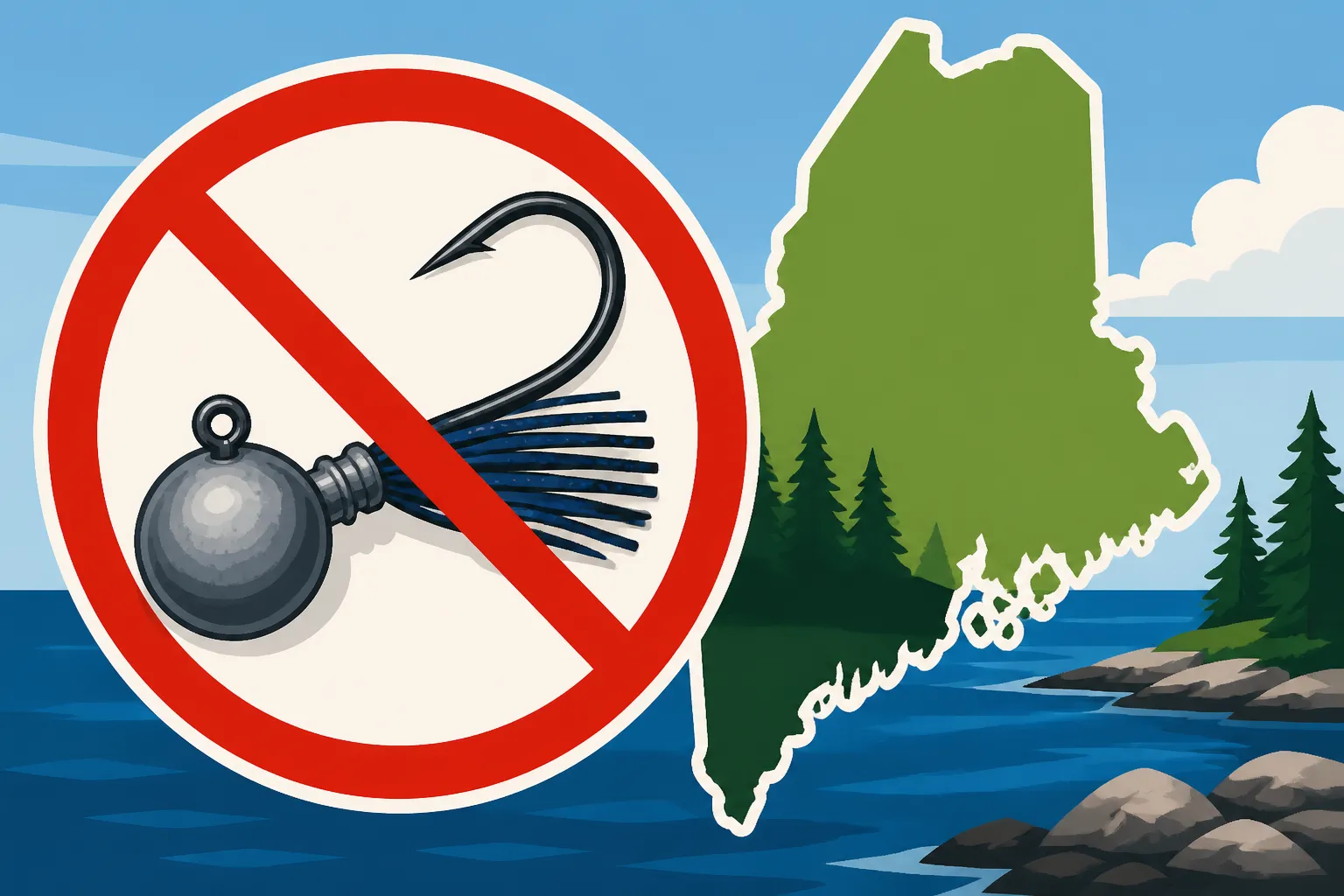
So, what exactly are we talking about when we say "lead tackle"? The ban isn't a blanket prohibition on all lead in your tackle box, which can be a common point of confusion. Maine's lead tackle regulations focus on small lead jigs and sinkers, specifically those weighing one ounce or less. The rationale here is directly tied to the feeding habits of loons and other waterfowl. These smaller pieces are precisely the size that birds are most likely to ingest mistakenly while foraging for food or grit.
This means if you have larger lead weights for deep-sea fishing or hefty trolling sinkers that weigh more than an ounce, those are generally still permissible. The emphasis is on prevention, targeting the items that pose the most direct and significant threat. It's crucial for every angler to understand this distinction. Before you head out, especially for freshwater fishing where loons are prevalent, take the time to sort through your smaller jigs and sinkers to ensure they meet the compliant weight requirements. This targeted approach allows anglers to continue enjoying most forms of fishing while significantly mitigating the risk to wildlife.
Enforcement and Penalties
Let's be real: nobody wants to be on the wrong side of the law, especially when you're just trying to enjoy a peaceful day on the water. Maine's Inland Fisheries and Wildlife wardens are out there, not to spoil your fun, but to protect our natural resources. They take these regulations seriously because the impact of lead on wildlife is so significant. If you're found using or possessing lead jigs or sinkers weighing one ounce or less in Maine's freshwater, you could face penalties. While the exact fines can vary, they typically involve a monetary penalty, and in some cases, repeat offenses could lead to more severe consequences.
It's not just about the fine, though; it's about the principle. As responsible anglers, we share a collective duty to uphold these regulations. The wardens often prioritize education first, especially for those who might genuinely be unaware of the rules. However, ignorance of the law is never an excuse. Always assume that the wardens are knowledgeable and observant. A quick check of your tackle box before you leave home can save you a lot of hassle and ensure you're contributing positively to Maine's conservation efforts. For a full breakdown of all the specific rules, I highly recommend checking out the official guide on Maine Fishing Regulations Explained.
Timeline of the Maine Lead Tackle Regulations
Like many significant conservation efforts, the lead tackle ban didn't happen overnight. It evolved through a series of thoughtful, phased approaches designed to allow anglers time to adapt, use up existing tackle, and transition to lead-free alternatives. This gradual implementation demonstrates a commitment to both environmental protection and supporting the recreational fishing community. It acknowledges that changing habits and gear takes time and effort.
The Phased Approach to Regulations
The journey to a comprehensive lead tackle ban in Maine began years ago, recognizing the growing scientific evidence of lead's detrimental effects on wildlife. Initially, the focus was on public education, encouraging voluntary transitions to non-lead options. Then came the first wave of regulations, targeting specific, high-risk items. This phased approach allowed manufacturers to develop and distribute alternatives, and gave anglers a chance to deplete their existing lead tackle and invest in new, compliant gear. It wasn't about an abrupt halt, but a steady, informed shift.
This measured strategy helped minimize disruption for both casual anglers and seasoned pros, ensuring that the transition was as smooth as possible. It's a testament to how complex regulatory changes can be managed effectively when all stakeholders are given time to adjust. Each phase built upon the last, incrementally reducing the presence of small lead tackle in our waters, demonstrating that environmental protection can be achieved without drastically hindering recreational activities.
Key Dates and Implementation Details
The most significant date for anglers concerning lead tackle in Maine's freshwater is September 1, 2026. This is the date when the prohibition on the use and possession of lead fishing sinkers and jigs weighing one ounce or less in all freshwater will be fully in effect. Prior to this, there were earlier dates for sinkers only, but this 2026 date brings jigs into the fold, completing the full restriction for small lead tackle. It's important to remember this specific date as it represents a full transition.
This means that if you're fishing any lake, pond, river, or stream in Maine, you must ensure that any sinkers or jigs you are using or even just carrying in your tackle box that weigh one ounce or less are made from a non-lead material. This includes even tiny split shot or micro jigs used for panfish. So, while you might have thought your old collection of jigs was fine, that final date makes them officially non-compliant. Make sure to mark your calendar and get your gear updated well in advance. If you're wondering about specific rules for different water bodies or species, our guide on Maine Fishing Season Dates Guide might also be helpful in planning your trips around compliant practices.
Future Outlook and Potential Changes
While the September 1, 2026 date signifies a major milestone, it's always wise to stay informed about potential future developments. Conservation laws and fishing regulations are dynamic and can evolve as new scientific data emerges, or as environmental conditions change. For now, the focus is firmly on the one-ounce-or-less rule for small lead jigs and sinkers in freshwater. However, discussions sometimes arise about broader applications, or even potential expansion to certain saltwater areas, though no concrete plans for such changes are currently in place.
The MDIFW continuously monitors wildlife health and engages with research to assess the effectiveness of current regulations. It's a good practice for all anglers to periodically check the official MDIFW website for the most up-to-date information regarding Maine Fishing Regulations Explained or grab a physical copy of the annual fishing law book. Staying informed not only keeps you compliant but also makes you a more knowledgeable and responsible steward of Maine’s incredible natural resources. Being proactive means you're always ready for what's next, ensuring your fishing adventures remain ethical and enjoyable.
Identifying Illegal Lead Tackle in Your Gear
One of the biggest headaches for anglers transitioning to lead-free tackle isn't necessarily buying new gear, but figuring out what they already have that might be non-compliant. We've all got those old tackle boxes, passed down through generations or accumulated over years, filled with an assortment of weights and lures. It's easy to overlook a small jig head or a collection of split shot that might fall under the ban. But with a little attention, you can quickly sort your gear and ensure you're ready for your next trip.
Common Lead Items to Look Out For
The main culprits for the lead ban are small jigs and sinkers. Think about the tiny split shot you use to get your bait down just a little faster, or the small jig heads that are perfect for panfish or ice fishing. Even those little pyramid sinkers used in some freshwater applications, if they're under one ounce, are now off-limits. Here’s a quick list of what to specifically check:
- Split Shot: These are perhaps the most common and easily overlooked. Small, round, and pinched onto your line, many traditional split shot are pure lead.
- Worm Weights/Bullet Weights: Often used for Texas rigging soft plastics, if these are under an ounce, they need to be lead-free.
- Jig Heads: The vast majority of jig heads, especially those under an ounce, have historically been made of lead. Think about your crappie jigs, trout jigs, and smaller bass jigs.
- Drop Shot Weights: These slender weights, popular for finesse fishing, are often lead and fall squarely within the banned weight range.
- Small Egg Sinkers and Barrel Swivels: Any sinker, regardless of shape, that weighs one ounce or less, is subject to the ban.
It’s truly those little, unassuming pieces of tackle that often get forgotten. Take the time to examine everything, especially if it's been in your box for years. You might be surprised at how much lead you actually have! This vigilance is key, especially as we approach the full implementation of the ban.
How to Distinguish Lead from Non-Lead Materials
Distinguishing lead from non-lead materials isn't always obvious at first glance, but there are some tell-tale signs. Lead is generally softer, duller, and heavier for its size compared to many alternatives. Non-lead options, on the other hand, might have a slightly different sheen, feel harder, or be noticeably bulkier for the same weight.
Here’s a simple checklist to help you tell the difference:
- Look for Markings: Many modern lead-free products will proudly display "lead-free," "non-toxic," or indicate the material (e.g., "Tungsten," "Steel," "Brass," "Tin," "Bismuth"). If there are no markings, especially on older tackle, assume it's lead.
- The "Dent Test": Lead is soft. You can often make a small indentation on a lead sinker with your fingernail or a pair of pliers without much effort. Tungsten, steel, or brass will be much harder and resist denting.
- Visual Inspection: Lead typically has a duller, grayish appearance that might oxidize over time, giving it a whitish or powdery coating. Tungsten often looks darker and denser, while steel is silvery, brass is yellowish, and bismuth can have a slightly iridescent quality.
- Weight-to-Size Ratio: This is a crucial indicator. If you pick up two jigs of the same size, one lead and one tungsten, the tungsten one will feel significantly heavier. Conversely, if you pick up two jigs of the same weight, the lead-free one (steel, bismuth, etc.) will often be noticeably larger in physical size because these materials are less dense than lead.
When in doubt, it’s always better to err on the side of caution. If you can't definitively identify a jig or sinker as non-lead, it's safer to remove it from your freshwater tackle box. Remember, this applies to items you possess, not just those you're actively using. This diligence ensures you're fully compliant with Maine Fishing Laws for Beginners.
Safely Disposing of Lead Tackle
Okay, so you’ve gone through your tackle box, and you’ve identified a pile of non-compliant lead jigs and sinkers. What do you do with them now? This is a critical step, as simply tossing them in the regular trash can still lead to environmental contamination down the line. Lead is a hazardous material, and proper disposal is essential to prevent it from entering landfills and eventually leaching into groundwater or being accessed by wildlife.
Many municipalities and hardware stores offer hazardous waste disposal programs or specific collection points for lead. Check with your local transfer station or town office for their recommendations. Sometimes, local tackle shops will also have a collection bin or be able to direct you to the correct facility. You might also consider holding onto them if you plan on fishing outside of Maine in an area where lead tackle is still permitted, but always clearly separate and label these items to avoid accidental use in Maine. For Maine anglers who have adapted to these rules, the responsible disposal of old lead tackle is just as important as the switch to new, compliant gear. This ensures that the environmental benefits of the ban are fully realized, protecting our cherished loons and other wildlife for years to come.
Non-Lead Alternatives for Maine Anglers
The good news is that the fishing tackle industry has really stepped up to the plate, offering a fantastic array of lead-free alternatives. You no longer have to feel like you're sacrificing performance when you switch away from lead. In fact, many anglers find that some of these new materials offer distinct advantages. It's a learning curve, for sure, but one that ultimately benefits both your fishing success and the environment.
Popular Lead-Free Jig and Sinker Materials
When you start browsing for lead-free options, you'll quickly discover a few key materials that have become the go-to choices for manufacturers. Each has its own characteristics, pros, and cons, which can influence your choice depending on your specific fishing style and target species.
- Tungsten: This is perhaps the most popular and high-performance lead alternative. Tungsten is significantly denser than lead, meaning you can get a smaller jig or sinker for the same weight. This compact size offers several advantages: a smaller profile that's less visible to fish, increased sensitivity to detect subtle bites (as the line is tighter to the weight), and improved casting distance. Tungsten can be a bit more expensive than lead, but its benefits often outweigh the cost for serious anglers.
- Steel: Steel is another excellent and more economical option. It's less dense than lead, so a steel sinker or jig of the same weight will be noticeably larger in size. While this might mean a slightly larger profile, it's perfectly suitable for many applications, especially for larger weights where density isn't as critical. Steel is durable and readily available, making it a great all-around choice.
- Bismuth: Bismuth is a metal with a density very close to that of lead, but it's completely non-toxic. This makes it a fantastic "drop-in" replacement for lead, as you can often use bismuth jigs and sinkers of similar size and weight without significant changes to your rigging or technique. It's often found in smaller jig heads and some specialty weights.
- Brass: Often used for various fishing components, brass is also a common material for sinkers and jigs. Like steel, it's less dense than lead, so a brass weight will be larger for the same weight. It's durable, corrosion-resistant, and relatively inexpensive, making it a reliable choice for many anglers.
- Tin: Tin is another viable option, particularly for lighter weights and jigs. It's lighter than lead and has good corrosion resistance. While not as dense as tungsten or bismuth, it's an excellent non-toxic choice for many freshwater scenarios.
Each of these materials provides a safe and effective alternative, allowing you to comply with the ban without compromising your fishing experience. The variety means you can find exactly what you need, whether you're chasing landlocked salmon or targeting panfish.
Performance Comparison of Lead-Free Options
When you switch from lead, you might notice subtle differences in how your tackle performs. Understanding these differences can help you choose the best lead-free material for your specific needs.
| Material | Density (Relative to Lead) | Key Advantages | Potential Disadvantages | Best Uses |
|---|---|---|---|---|
| Tungsten | ~1.7x denser | Small profile, highly sensitive, casts far | More expensive, can be brittle on hard impact | Finesse jigs, drop shot, punching, ice fishing |
| Bismuth | ~0.9x denser | Similar feel/size to lead, non-toxic | Less common, moderate cost | General purpose sinkers, jig heads |
| Brass | ~0.7x denser | Durable, corrosion-resistant, affordable | Larger profile for same weight, less sensitive | Carolina rigs, larger weights, general purpose |
| Steel | ~0.7x denser | Very durable, affordable, readily available | Larger profile for same weight, less sensitive | General purpose sinkers, heavy jigs, trolling |
| Tin | ~0.6x denser | Non-toxic, good for light tackle | Larger profile, less dense than lead | Light jigs, split shot, small sinkers |
For instance, if you're a finesse angler who relies on feeling every subtle tap, tungsten is likely your best bet due to its superior density and sensitivity. The smaller profile also means less water resistance, leading to a faster sink rate and more direct contact with the bottom. However, if you're just looking for a simple, affordable replacement for your general-purpose sinkers, steel or brass might be perfectly adequate. The key is to experiment and see what works best for your preferred techniques and the species you're targeting. Don't be afraid to try different materials; you might even discover a new favorite!
Where to Find Compliant Tackle
Finding lead-free tackle is easier now than ever before, which is great news for Maine anglers. You don't have to hunt far and wide; most reputable fishing tackle retailers, both brick-and-mortar and online, have a wide selection.
- Local Tackle Shops: Your independent Maine tackle shop is an excellent resource. Owners and staff are usually incredibly knowledgeable about local regulations and can often recommend specific brands and types of lead-free tackle that perform well in our local waters. Supporting these local businesses also strengthens our fishing community.
- Sporting Goods Stores: Larger sporting goods chains like L.L.Bean or Kittery Trading Post generally stock a good range of lead-free jigs and sinkers. They often have dedicated sections or clear labeling to help you identify compliant products.
- Online Retailers: Websites like Amazon are a treasure trove for lead-free tackle. You can find virtually any type of jig or sinker made from tungsten, steel, bismuth, or brass, often at competitive prices. When shopping online, make sure to read product descriptions carefully to confirm the material and weight.
- Manufacturer Websites: Many specialized tackle manufacturers now exclusively produce lead-free options or have extensive lead-free lines. Brands like Water Gremlin (for lead-free split shot) or VMC (for tungsten jigs) are good places to start your search.
Making the switch is convenient, and the peace of mind knowing you're fishing responsibly is priceless. Take a moment to check your local bait shops or do a quick search on Amazon before your next trip to ensure your tackle box is ready for whatever Maine's waters throw your way.
Adapting Your Fishing Techniques
Switching to lead-free tackle isn't just about swapping out materials; it can sometimes require minor adjustments to your fishing techniques. While many of the core principles remain the same, understanding how different materials behave in the water will help you maintain your effectiveness and even improve your catch rates. It's all about fine-tuning your approach for optimal results.
Adjusting for Weight Differences and Sink Rates
One of the most noticeable differences between lead and non-lead tackle is the density, and this directly impacts sink rate and feel. As we discussed, materials like steel, brass, or tin are less dense than lead. This means that a jig or sinker made from these materials will be physically larger than a lead one of the same weight. Conversely, if you want to maintain the same physical size as your old lead tackle, you'll need to go with a heavier, more dense alternative like tungsten.
Here's how this translates to your technique:
- Less Dense Materials (Steel, Brass, Tin): Because they are bulkier for their weight, they will have more water resistance and therefore a slower sink rate. If you're used to a certain lead jig falling quickly, you might need to use a slightly heavier steel jig to achieve a similar fall rate, or simply adjust your retrieve to account for the slower descent. They also won't transmit bottom contact or subtle bites as clearly as denser materials.
- More Dense Materials (Tungsten): Tungsten sinks much faster than lead of the same weight because it's so compact. This can be a huge advantage for getting your bait down quickly in deep water or strong currents, or when you want to punch through heavy cover. The increased sensitivity means you'll feel more subtle changes in bottom composition and light bites more clearly. However, you might need to use a slightly lighter tungsten jig to achieve the same slow, enticing fall that a heavier lead jig once provided.
These adjustments are often subtle, but they make a big difference, especially in technical fishing situations. Pay attention to how your lure behaves in the water column and don't be afraid to experiment with different weights and materials until you find what feels right.
Tips for Rigging Non-Lead Tackle Effectively
Rigging non-lead tackle generally follows the same principles as lead, but a few considerations can optimize your presentation:
- Knots: Always use strong, reliable knots. Non-lead materials, especially tungsten, can sometimes have harder edges than lead. While most modern tungsten is polished, it's always wise to ensure your knots are tied correctly to prevent line abrasion. A Palomar knot or a improved clinch knot are always good choices. If you're new to fishing, our guide on Fishing Knots Every Maine Angler Should Know is a must-read!
- Line Choice: Match your line to your tackle and technique. For sensitive techniques where you want to feel those light bites, using a fluorocarbon line with tungsten can amplify sensitivity even further. For more general-purpose fishing with steel or brass, monofilament or braided lines work perfectly fine.
- Hook Sharpness: No matter the weight material, a sharp hook is paramount. Ensure your hooks are always honed to perfection, as this is your direct connection to the fish.
- Balance and Presentation: Pay attention to how your bait or lure presents in the water. Does the non-lead weight cause it to tumble unnaturally? Does it swim correctly? Sometimes, a slightly different weight placement or a different shape of sinker can drastically improve your presentation. For instance, a lead-free bullet weight might need a bead between it and your hook to protect your knot, just like with lead.
Experimentation is key here. Try different setups at home or in clear, shallow water to observe how your non-lead tackle behaves. The more comfortable you become with these new materials, the more confident and successful you'll be on the water.
Species-Specific Considerations
Different fish species and fishing scenarios will naturally dictate your tackle choices, and this holds true for lead-free options.
- Trout and Panfish: For these smaller species, often targeted with light line and small baits, the transition to lead-free split shot and micro jigs is probably the most significant. Tiny bismuth or tin split shot are excellent replacements. For small jig heads, tungsten is fantastic for sensitivity in deeper pockets, while small steel or brass jigs can be more economical. Remember to check the Brook Trout Daily Bag Limits as well when you're targeting trout!
- Bass (Smallmouth and Largemouth): Bass anglers, especially those who use Texas rigs, Carolina rigs, or drop shots, will find a wide array of tungsten weights. The increased sensitivity of tungsten is a huge advantage for feeling bottom structure and subtle bites. For topwater or shallow presentations where weight isn't as critical, steel or brass weights can be used for general purpose applications. Our guide on Maine Bass Fishing Limits by Zone will give you the lowdown on specific regulations.
- Landlocked Salmon and Togue (Lake Trout): For deeper water applications targeting species like landlocked salmon or togue, denser weights are often preferred for quick descent and maintaining contact. Tungsten trolling sinkers or heavy tungsten jigs are excellent choices. For general bottom bouncing or dead-sticking, heavier steel or bismuth weights can also be effective. You can learn more about these fascinating fish in our article on Maine Togue and Lake Trout Limits.
Ultimately, the best approach is to consider the specific demands of your target species and adapt your lead-free choices accordingly. Don't be afraid to mix and match materials until you find your perfect setup. The versatility of modern lead-free tackle means you truly don't have to compromise on your fishing success.
Impact on Different Maine Fisheries
The lead jig ban, while seemingly straightforward, has different implications depending on where and how you fish in Maine. Understanding these distinctions is key to remaining compliant and continuing to enjoy our diverse fisheries, from the deepest lakes to the vast Atlantic coast. The regulations are tailored to protect the most vulnerable species in specific environments, which means anglers need to be aware of the nuances.
Freshwater vs. Saltwater Implications
This is perhaps the most crucial distinction to grasp: Maine's lead jig and sinker ban (for items weighing one ounce or less) applies exclusively to freshwater fishing. This means any lake, pond, river, or stream in Maine is subject to these regulations. The reason for this strict focus on freshwater is primarily the protection of loons and other waterfowl that predominantly inhabit these environments. Their feeding habits make them highly susceptible to ingesting small lead items.
In contrast, saltwater fishing in Maine (including tidal rivers, estuaries, and the open ocean) is currently NOT subject to this specific lead tackle ban. This means that for now, you can still use lead jigs and sinkers weighing one ounce or less when fishing for striped bass along the coast, groundfish offshore, or other marine species. However, it's important to always check the most current regulations for both freshwater and saltwater, as rules can change. While the immediate threat to marine life from small lead tackle is considered less severe than in freshwater, many environmentally conscious saltwater anglers are also choosing to switch to lead-free alternatives as a best practice. For a deeper dive into these environmental considerations, check out our guide on Maine Freshwater vs Saltwater License Differences.
Targeting Specific Fish Species
The species you target will heavily influence the type and size of tackle you use, which in turn dictates how the lead ban affects you.
- Warmwater Species (Bass, Perch, Pickerel): Anglers targeting smallmouth and largemouth bass, especially in the productive southern Maine lakes, are heavily impacted by the ban on small lead jigs and weights for Texas rigs, Carolina rigs, and drop shot setups. Similarly, those targeting yellow or white perch, or chain pickerel with small jigs and bobber-and-sinker rigs, will need to ensure their tackle is lead-free. The good news is that tungsten options for bass fishing are incredibly effective and widely available.
- Coldwater Species (Trout, Salmon, Togue): This category includes some of Maine's most iconic fisheries, like those for brook trout, landlocked salmon, and togue (lake trout). Whether you're casting small spinners with split shot in a stream, jigging for togue through the ice, or trolling with small weights in a lake, your tackle needs to be lead-free if it's under an ounce. Fly anglers are also affected if they use weighted nymphs or streamers with lead wire wraps, or small split shot to get flies down. This is particularly relevant for the remote trout ponds and larger coldwater lakes where loons thrive.
- Saltwater Species (Striped Bass, Mackerel, Groundfish): As mentioned, saltwater anglers are currently exempt from this specific ban. So, if you're chasing the thrilling runs of striped bass, dropping a line for mackerel from a pier, or heading offshore for groundfish, lead tackle under one ounce is still permitted. However, many anglers are making the voluntary switch to minimize their environmental footprint regardless of specific regulations. If you're targeting stripers, be sure to brush up on Maine Striped Bass Season and Limits.
Understanding these species-specific impacts helps you tailor your tackle box to be compliant for the specific waters you're fishing, preventing any unintentional violations.
Economic and Recreational Impacts
Any significant regulatory change can ripple through both the economy and recreational activities, and the lead tackle ban is no exception.
- Economic Impact: The tackle industry has adapted by investing in research and development to produce effective lead-free alternatives. While some of these alternatives, particularly tungsten, can be more expensive than their lead counterparts, the market has become more competitive, bringing prices down. Local tackle shops have had to adjust inventory, stocking more lead-free options and educating customers. This shift also supports a growing segment of the outdoor economy focused on sustainable and eco-friendly products.
- Recreational Impact: For anglers, the primary impact is the need to adjust gear and, in some cases, fishing techniques. There's an initial investment of time and money in swapping out old tackle. However, many anglers view this as a positive change, aligning their passion with their commitment to conservation. The enhanced sensitivity of materials like tungsten can even improve the fishing experience for some. The overall goal is to ensure that future generations can continue to enjoy the incredible fishing opportunities that Maine offers, with healthy wildlife populations to match.
The transition, while it requires effort, is ultimately a step towards a more sustainable and responsible future for Maine's cherished fisheries. Being informed and prepared makes all the difference in embracing these changes.
Disclaimer
Please remember that fishing regulations are subject to change. While this guide aims to provide accurate and up-to-date information regarding Maine's lead jig and sinker ban, it is not a substitute for the official Maine Department of Inland Fisheries and Wildlife (MDIFW) regulations. Always consult the most current MDIFW fishing law book or their official website before heading out to fish to ensure full compliance with all state and local laws.