Is a Maine Fishing Guide the Same as a Fishing Instructor?
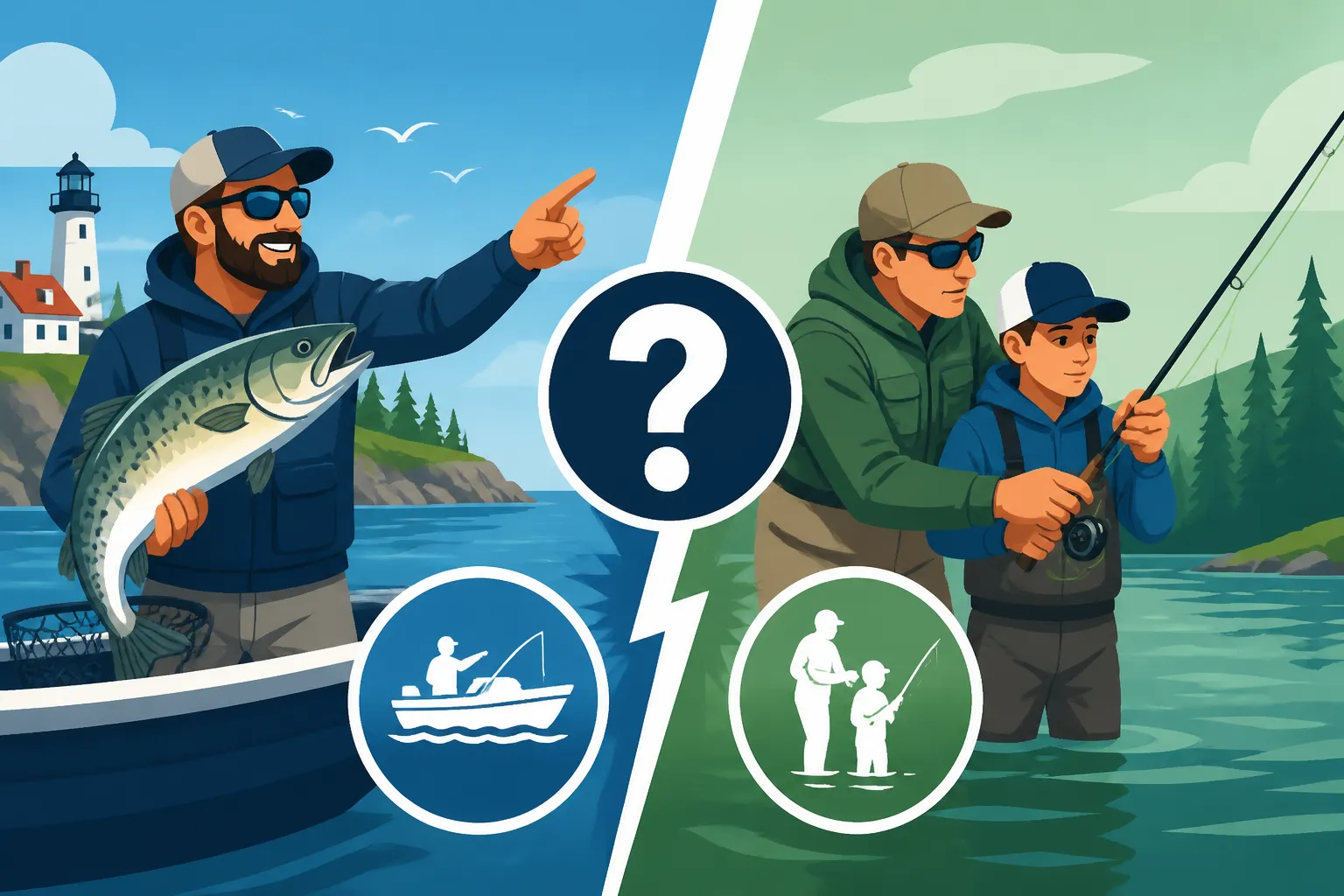
It's easy to get confused when you're planning a fishing trip to Maine or looking to improve your skills. You might hear people talk about hiring a "Maine fishing guide" or taking lessons from a "fishing instructor" and wonder if they're interchangeable terms, or if one is exactly what you need over the other. The truth is, while both are incredibly valuable resources for anglers, they serve distinctly different purposes. This guide will help you understand the core differences between a fishing guide and a fishing instructor, so you can make the best choice for your next angling adventure.
Understanding the Role of a Maine Fishing Guide
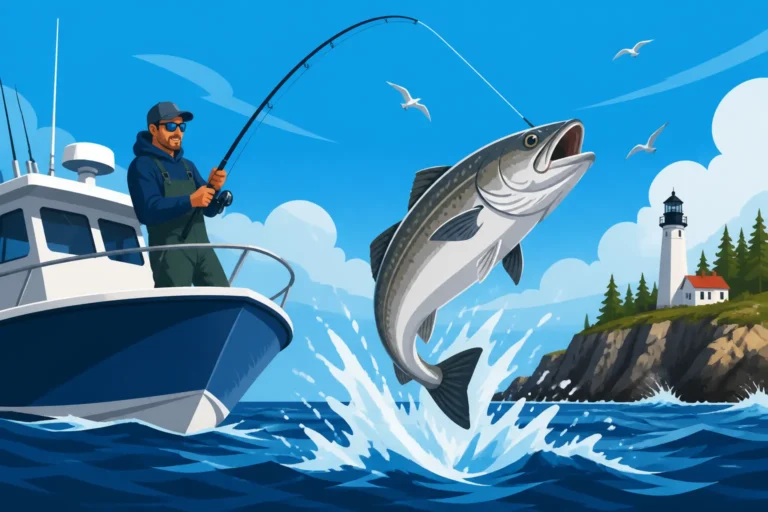
When you hire a Maine fishing guide, you're not just getting someone who knows how to fish; you're getting a licensed professional who is an expert in navigating the local waters, understanding fish behavior in specific conditions, and ensuring your safety and enjoyment. Their primary goal is to provide you with a memorable and successful fishing experience, often putting you on fish and handling many of the logistical details.
The Registered Maine Guide Tradition
Being a Registered Maine Guide is a significant accomplishment, deeply rooted in the state's outdoor heritage. It's not just a title; it's a testament to rigorous training, extensive local knowledge, and a commitment to safety and responsible outdoor practices. These individuals have passed comprehensive exams covering everything from first aid and wilderness survival to navigation and specific fishing regulations for Maine's diverse waters. When you book a trip with a Registered Maine Guide, you're tapping into generations of wisdom about the lakes, rivers, and coastal areas, whether it's understanding the currents on the Penobscot River or knowing the best time of year to fish the smelt run on Sebago Lake. They’ve likely spent countless hours exploring, observing, and learning the nuances of various fisheries, making them an invaluable asset for anyone looking to maximize their time on the water.
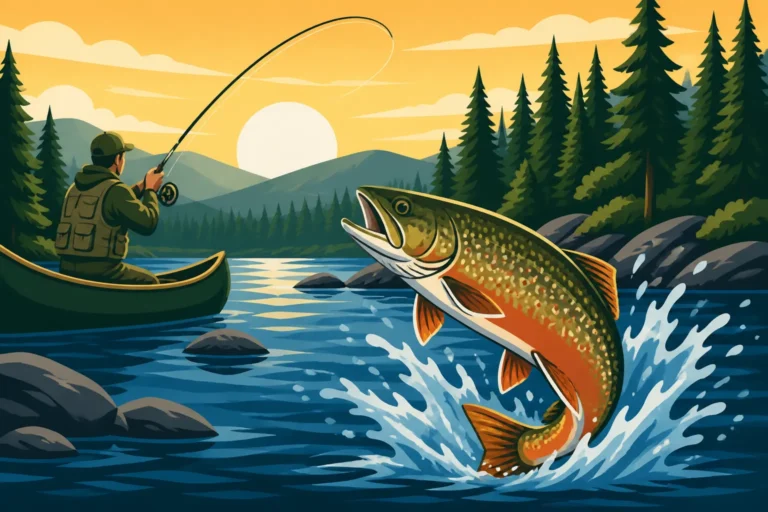
This deep connection to Maine's outdoors means they often have secret spots or insights that only come from years of direct experience. They know where the landlocked salmon are holding in Rangeley Lake during a heatwave or the quiet coves where brook trout might be rising at dusk. Their expertise allows them to adapt quickly to changing weather or water conditions, ensuring you still have a productive and enjoyable day even if the original plan needs a pivot. Many guides operate through booking platforms like FishingBooker, making it easier for visitors to find and connect with these local experts.
Comprehensive Trip Planning and Execution
A Maine fishing guide takes care of almost everything. From the moment you inquire about a trip, they're typically working to understand your preferences, target species, and skill level to craft the perfect outing. They'll know exactly what gear is needed – rods, reels, lures, bait – and often provide it as part of their service. You won't have to worry about whether you have the right kind of line for Trolling Techniques for Maine Lakes or if your net is suitable for a trophy togue. They'll also handle the less glamorous but equally important aspects, like securing any necessary permits for remote access, checking local regulations and Maine Fish Bag Limits Guide, and even preparing shore lunches on longer trips.
Imagine showing up to a remote pond in the North Woods, and your guide already has the canoe ready, knows the best approach to avoid spooking fish, and has a plan for where to cast based on the day's conditions. This level of comprehensive planning frees you up to simply enjoy the experience, focus on your casts, and soak in the natural beauty of Maine. They are there to maximize your chances of catching fish, whether it's Landlocked Salmon Fishing in Maine or Smallmouth Bass Fishing in Maine, making the entire process seamless and stress-free for you.
Safety First, Always
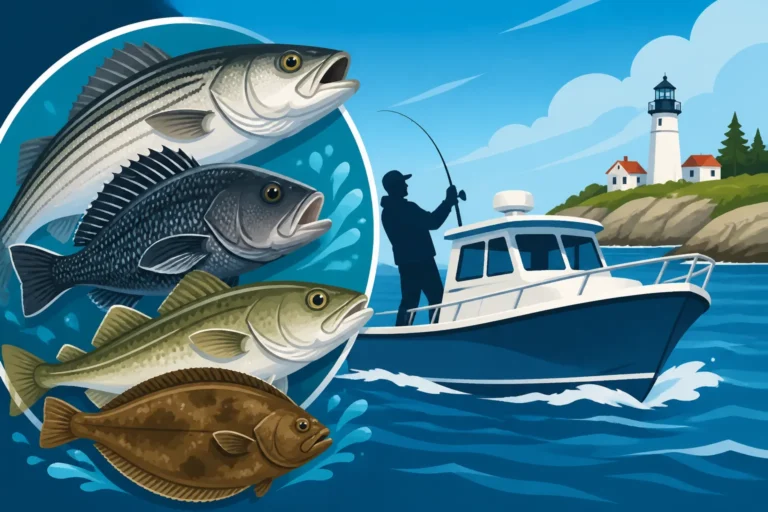
Above all, a Registered Maine Guide is trained to prioritize safety. The Maine Guide certification process emphasizes wilderness first aid, navigation skills, and risk assessment, ensuring they are prepared for a wide range of situations that can arise in the outdoors. This is especially crucial when you're venturing into unfamiliar territory, whether it's navigating rocky shorelines for striped bass or venturing onto thick ice for winter fishing. They understand the dangers of sudden weather changes, tricky currents, and unexpected hazards that might not be apparent to an inexperienced angler.
They come equipped with safety gear, know how to use it, and are constantly assessing conditions to ensure everyone on the trip remains secure. This foundational commitment to safety allows you to relax and fully immerse yourself in the fishing experience, knowing you're in capable hands. They'll explain potential risks, demonstrate safe practices, and make sure everyone understands how to handle themselves responsibly on the water or in the wilderness.
The Focus of a Fishing Instructor
A fishing instructor, while potentially also being a knowledgeable angler, has a different core mission: to educate. Their service is centered on imparting knowledge, teaching specific techniques, and helping you develop the skills necessary to become a more competent and confident angler on your own. They might offer lessons in a classroom setting, on a local pond, or even virtually, focusing on the how-to rather than simply providing a fishing experience.
Skill Development and Technique Mastery
The primary role of a fishing instructor is to break down the complexities of angling into digestible, teachable components. They focus on skill development, helping you master specific techniques that will make you a better angler in the long run. This could involve anything from perfecting your casting accuracy, learning different retrieve methods for various lures, or understanding how to read water for signs of fish activity. If you've always struggled with tying knots, an instructor will patiently teach you the most effective ones, like a Palomar knot, until you can do it blindfolded.
They might specialize in a particular discipline, such as Fly Fishing for Beginners in Maine, teaching you the intricacies of fly casting, presentation, and entomology (the study of insects fish eat). Their goal isn't just to get you a fish on the line today, but to equip you with the knowledge and muscle memory to consistently catch fish on your own tomorrow. They'll provide feedback, correct your form, and explain the "why" behind each technique, empowering you to troubleshoot and adapt your approach in different fishing scenarios.
Tailored Learning Experiences
Fishing instructors often offer tailored learning experiences, recognizing that every angler's skill level and learning style are different. They might start with the absolute basics for a complete novice, teaching them how to spool a reel and attach a lure. For an intermediate angler, they might focus on refining advanced casting techniques or exploring specialized approaches like jigging for togue in deep water. These lessons can be one-on-one or in small group workshops, allowing for personalized attention and ample opportunity to ask questions.
They might use visual aids, practice drills, and hands-on demonstrations to reinforce learning. Imagine an instructor setting up a casting station in a field to help you perfect your accuracy before you even step foot near the water, or walking you through the subtle differences between various types of soft plastics and how to rig them. The emphasis is entirely on your growth as an angler, building a strong foundation of skills that you can then apply to any fishing situation you encounter.
Gear Knowledge and Selection
Beyond just casting and retrieving, a good fishing instructor will also equip you with crucial knowledge about fishing gear. The world of rods, reels, lines, and lures can be incredibly overwhelming for new anglers, and an instructor can demystify it all. They'll teach you about different types of rods (spinning, baitcasting, fly), what line weights are appropriate for certain species, and how various lures imitate natural prey. They can help you understand the pros and cons of live bait versus artificial lures, and when to use each for maximum effectiveness.
This kind of instruction is invaluable for making informed purchases, preventing you from wasting money on unsuitable gear. They might explain why a fast-action rod is better for certain techniques or the benefits of braided line in specific situations. Their guidance helps you build a well-suited tackle box, ensuring you have the right tools for the kind of fishing you want to do.
Key Differences: Guide vs. Instructor
While both guides and instructors are passionate about fishing and helping others, their roles diverge significantly in their primary objectives, methods, and the overall experience they provide.
Scope of Service
The fundamental difference often boils down to the scope of service. A guide provides a complete fishing experience, taking care of logistics, finding the fish, and maximizing the chances of catching. They are navigators, facilitators, and local experts who remove the planning burden from your shoulders. Their focus is on the outing itself and the success of the trip. You might learn things by observation or casual conversation, but direct instruction isn't the main deliverable. Many skilled guides list their services on platforms like FishingBooker, clearly outlining what's included in their guided trips.
An instructor, on the other hand, provides education and skill transfer. Their service is less about the "catch" and more about the "learn." They are educators who systematically teach you the theory and practical application of fishing techniques. You might not catch as many fish during an instructional session as you would with a guide, but you'll gain the foundational knowledge to catch more fish independently in the future.
Table: Guide vs. Instructor at a Glance
| Feature | Maine Fishing Guide | Fishing Instructor |
|---|---|---|
| Primary Goal | Provide a successful, memorable fishing trip | Teach skills, techniques, and knowledge |
| Focus | Experience, locating fish, logistics, safety | Education, skill development, technique mastery |
| Equipment | Often provided by guide (rods, reels, bait, tackle) | May require you to bring your own, or use their loaner gear for demonstration |
| Location | Specific fishing waters (lakes, rivers, coast) | Can be on water, casting pond, classroom, or virtual |
| Output | Enjoyable day, potential catches | Improved skills, increased confidence, deeper understanding |
| Certification | Often requires state licensing (e.g., Registered Maine Guide) | Certification varies, may be self-proclaimed expert or certified by fishing organizations |
Learning vs. Experiencing
This is perhaps the most crucial distinction. With a guide, you are paying for an experience. You want to be on the water, targeting Maine Striped Bass Season and Limits in Casco Bay or chasing brook trout in the remote ponds of the Allagash Wilderness. The guide leads the way, makes the decisions, and uses their expertise to put you in the best position to catch fish. You are a participant in their expertly planned and executed trip. While you'll undoubtedly pick up tips and tricks, direct, structured learning is secondary.
With an instructor, you are paying to learn. They are actively teaching you, breaking down concepts, demonstrating techniques, and providing hands-on practice. The focus is on your personal growth as an angler. You might spend an entire afternoon just practicing various casting methods without even putting a hook in the water, but you'll leave with a significantly improved understanding and ability. It's an investment in your long-term fishing prowess.
Regulatory Framework and Certification
In Maine, the distinction is also clear in terms of regulation. A "Registered Maine Guide" is a specific, legally recognized designation requiring extensive testing and adherence to state rules. These guides are subject to oversight and must maintain their credentials. This level of certification ensures a baseline of professionalism, knowledge, and safety. If you're looking to hire someone for an on-water trip where you rely on their navigation and safety skills, always look for a properly licensed guide. You can find more details about this process in articles like How to Become a Registered Maine Guide and Maine Guide License Exam Requirements.
The title "fishing instructor," however, is not as strictly regulated by the state of Maine. While many excellent and highly qualified instructors exist, there isn't a singular, mandatory state-level certification required to call oneself an instructor. Some instructors may hold certifications from national fishing organizations or tackle manufacturers, while others might simply be highly experienced anglers who enjoy teaching. When choosing an instructor, it's wise to inquire about their experience, teaching methodology, and any certifications they may hold to ensure they align with your learning goals.
Deciding What's Right for Your Angling Journey
The choice between a guide and an instructor truly depends on your immediate goals and what you hope to gain from your time on the water, or off it.
When to Seek a Guide's Expertise
You should absolutely consider Hiring a Maine Fishing Guide if:
- You're visiting Maine and want to maximize your fishing time: You don't know the local waters, regulations, or where the fish are biting. A guide will cut down on guesswork and put you on the fish quickly. They'll know the best spots on Moosehead Lake for togue or the exact time of the season for a good striped bass run on the Kennebec River.
- You want a stress-free experience: All the planning, bait, tackle, and boat navigation are handled. You just show up, fish, and enjoy. Many guides even offer services that include lunch, making for a truly relaxing day. Check out options on platforms like FishingBooker to see what different guides offer.
- You're new to a specific type of fishing: Perhaps you've never ice fished before and want to try it safely and effectively. A guide can provide all the necessary gear, from ice shacks to augers, and show you the ropes without you having to invest in all the equipment yourself. This is especially true if you are exploring Maine Ice Fishing Techniques Guide.
- You're targeting a specific, challenging species: Certain fish, like trophy landlocked salmon or elusive brook trout in remote ponds, require intimate knowledge of their habitat and behavior. A guide has this specialized knowledge.
- You prioritize catching fish: While nothing is guaranteed in fishing, a guide significantly increases your odds of a successful catch, thanks to their expertise and local intelligence.
- You want a safe wilderness experience: If you're venturing into remote areas or on challenging waters, a guide's safety training and experience are invaluable. They know what to bring on a Maine fishing charter, and how to handle emergencies.
A guide ensures that your limited time is spent fishing, not searching or struggling with logistics. You'll learn by doing and observing, but the primary purpose is the fishing itself.
When an Instructor is Your Best Bet
Opt for a fishing instructor if:
- You want to improve specific skills: You know how to fish, but you want to cast farther, tie better knots, learn how to use a fish finder, or master a particular lure presentation. An instructor can focus solely on these areas.
- You're a complete beginner and want a strong foundation: Before hitting the water, you want to understand the basics of gear, safety, knot tying, and casting mechanics without the pressure of trying to catch fish. They can teach you the fundamentals, like Fishing Knots Every Maine Angler Should Know.
- You're frustrated with your current catch rate: You've been fishing for a while but feel like you're stuck in a rut. An instructor can analyze your techniques, identify weaknesses, and provide targeted solutions to help you become a more consistent angler.
- You want to understand the "why" behind fishing techniques: An instructor will delve into the principles of fish behavior, water dynamics, and bait selection, giving you a deeper understanding of the sport. They can explain how Reading Water Temperature for Maine Trout impacts their location.
- You want to confidently fish on your own: The ultimate goal of an instructor is to empower you to be self-sufficient and successful whenever you go fishing, reducing your reliance on others.
- You're looking to purchase new gear: An instructor can offer unbiased advice on what rods, reels, and tackle would best suit your needs and budget, helping you make smart investments.
An instructor provides focused, educational time that will build your confidence and competence for all your future fishing trips, turning you into a more knowledgeable and effective angler wherever you cast your line.
Ultimately, both Maine fishing guides and fishing instructors play vital roles in the angling community. Understanding their distinct approaches will help you choose the right professional to enhance your time on the water, whether you're chasing trophy fish or aiming to master a new technique.
Disclaimer
This article is for general informational purposes only and does not constitute professional advice. Laws, prices and regulations vary by location and change over time. Consult a qualified professional for guidance on your specific situation.