What Makes a Good Maine Fishing Guide
Thinking about hiring a fishing guide in Maine can feel a bit overwhelming, especially if you're picturing just anyone with a boat and a rod. The truth is, a truly good Maine fishing guide is so much more than that – they're the difference between a mediocre day on the water and an unforgettable adventure filled with knowledge, safety, and, yes, hopefully, plenty of fish. This guide will walk you through what genuinely sets an exceptional Maine fishing guide apart, helping you understand what to look for when planning your next trip.
More Than Just a Fishing Buddy: The Core Qualities of an Excellent Maine Guide
When you're shelling out your hard-earned money for a guided trip, you're not just paying for access to a boat or a piece of water. You're investing in an experience, and that experience is heavily shaped by the guide themselves. A great guide possesses a blend of personal qualities that transform a simple fishing trip into an enriching adventure.
Deep Knowledge of Maine's Waters and Fish
An exceptional Maine fishing guide isn't just familiar with a few local spots; they possess an encyclopedic knowledge of the specific bodies of water they guide on. This means understanding everything from seasonal fish movements and water temperatures to the subtle underwater structures that hold fish. They know the depths, the currents, the best launch points, and even the local weather patterns that can quickly change a calm morning into a challenging afternoon. This deep understanding means they can adapt on the fly, moving to different areas or changing tactics if the fish aren't cooperating.
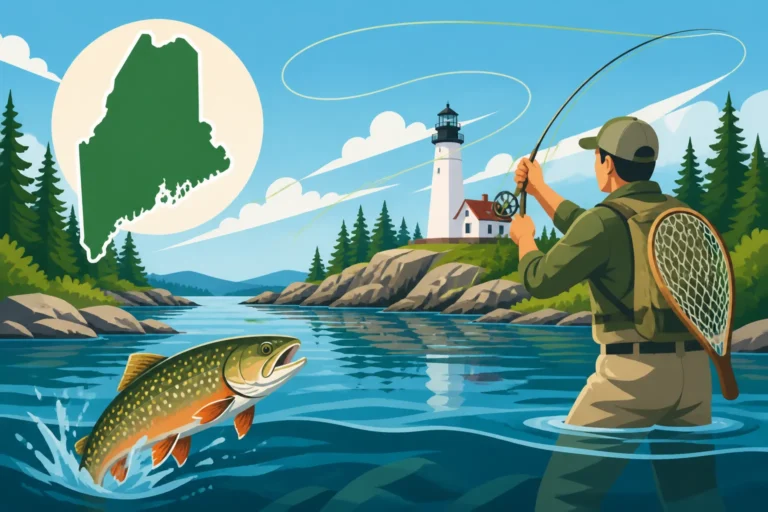
Beyond the "where," a good guide also understands the "what" and "how." They're experts on the various Maine Fish Species Identification Guide, from brook trout and landlocked salmon to smallmouth bass and striped bass. They know what these fish eat, their spawning habits, and how they behave under different conditions. This isn't just textbook knowledge; it's gained through countless hours on the water, observing, learning, and refining their approach. When they suggest a particular fly or lure, or a specific fishing technique, it's backed by a wealth of practical experience.
A True Teacher's Spirit: Education and Patience
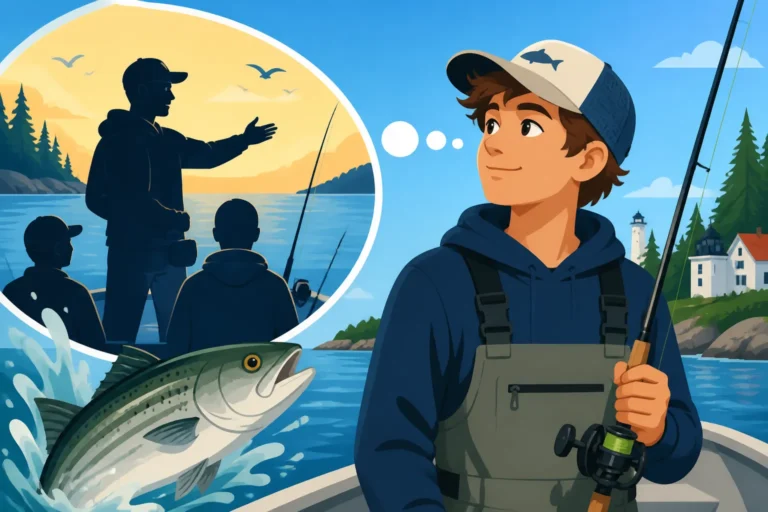
One of the most valuable aspects of a guided trip, especially for beginners or those looking to improve their skills, is the opportunity to learn. A good Maine fishing guide isn't just there to put you on fish; they're passionate about sharing their knowledge. They'll explain why they're using a certain technique, how to read the water, or what to look for when targeting a specific species. They break down complex concepts into easy-to-understand lessons, making the learning process enjoyable and accessible.
Patience is paramount. Not everyone casts perfectly or reels in fish like a pro from the get-go. An excellent guide understands this and approaches every client, regardless of their skill level, with encouragement and a calm demeanor. They'll patiently re-tie knots, demonstrate casting techniques multiple times, and offer constructive feedback without ever making you feel inadequate. Whether you're a seasoned angler honing a specific skill or a complete novice holding a rod for the first time, a truly great guide acts as a mentor, enhancing your abilities and boosting your confidence.
Unwavering Commitment to Safety and Ethics
Above all else, a good Maine fishing guide prioritizes the safety of their clients. This isn't just about having life jackets on board; it's about constant vigilance. They're acutely aware of weather changes, water conditions, and potential hazards, making informed decisions to ensure everyone's well-being. They'll know first aid, carry essential safety equipment, and be prepared for emergencies, no matter how unlikely. Their vessel, if applicable, will be well-maintained and compliant with all safety regulations, ensuring a secure environment on the water.
Ethical conduct in fishing is also a hallmark of a professional guide. This includes strict adherence to Maine Fishing Regulations Explained, respect for the environment, and promoting sustainable fishing practices. They lead by example, demonstrating proper catch and release techniques, respecting bag limits, and ensuring minimal impact on the ecosystem. You'll never see a truly good guide bending the rules or encouraging irresponsible behavior; they understand their role in preserving Maine's natural resources for future generations. This commitment extends to respecting other anglers and private property, fostering a positive atmosphere on the water.
Essential Skills and Experience: What a Guide Brings to the Table
Beyond the innate qualities, a great Maine fishing guide also possesses a tangible set of skills and experiences that are crucial for a successful and enjoyable trip. These are the practical competencies that ensure smooth operation and productive angling.
Navigation and Bushcraft Prowess
Maine's vast wilderness, from its intricate river systems to its expansive lakes and rugged coastline, demands exceptional navigational skills. A good guide knows their chosen territory like the back of their hand, whether it's navigating the winding channels of the Allagash Wilderness Waterway or finding hidden coves on Moosehead Lake Fishing Guide. They can read maps, use GPS, and, perhaps most importantly, use natural landmarks to maintain situational awareness. This ensures you spend your time fishing, not lost, and can quickly adapt if conditions change or if you need to move to a new spot.
For guides leading trips in remote areas, bushcraft skills are equally important. This could involve knowing how to build a safe campfire, setting up comfortable camp, or understanding wildlife behavior. They're prepared for unexpected challenges, such as minor equipment failures or sudden weather shifts, and can handle them efficiently and calmly. Whether it's a simple shore lunch on a remote pond or an overnight expedition, their ability to thrive in the outdoors adds an extra layer of confidence and enjoyment to the trip.
Mastery of Diverse Fishing Techniques
There's no single "best" way to fish, and an excellent guide understands this implicitly. They are masters of a wide array of Maine Open Water Fishing Techniques Guide and Maine Ice Fishing Techniques Guide, adapting their approach to the target species, time of year, and prevailing conditions. This might mean switching from trolling for landlocked salmon to casting for smallmouth bass, or from jigging for togue to fly fishing for brook trout. They understand the nuances of each method – the right lure color, retrieve speed, leader length, or fly pattern – and can quickly adjust their tactics when necessary.
Furthermore, they possess an intimate understanding of the specific gear required for each technique. They'll have the right rods, reels, lines, and terminal tackle, and they'll know how to rig them effectively. This expertise means you don't have to worry about bringing the "right" equipment; the guide will have it ready, or they'll be able to quickly adapt what you have to the current situation. This versatility not only increases your chances of success but also exposes you to new methods and expands your own angling repertoire.
Gear Expertise and Maintenance
A guide's equipment is their livelihood, and a good guide treats it with meticulous care. Their boat, if they have one, will be clean, well-maintained, and equipped with all necessary safety gear and electronics. Their rods, reels, and tackle will be in excellent working order, ensuring reliability when that trophy fish strikes. They understand the mechanics of fishing equipment and can perform minor repairs on the spot, preventing lost fishing time due to a jammed reel or a broken rod tip.
This expertise also extends to knowing what gear is truly effective. They don't just use expensive equipment for the sake of it; they choose gear based on performance, durability, and suitability for the fishing they do in Maine's varied environments. They can offer informed recommendations on everything from rain gear to line types, helping you make smart choices for your own future fishing endeavors. Their attention to detail in equipment reflects their overall professionalism and commitment to providing a top-tier experience.
Beyond the Catch: The Client Experience
While catching fish is often the primary goal, a truly great Maine fishing guide understands that the overall client experience is just as, if not more, important. It's about how you feel throughout the day and the memories you take home.
Exceptional Communication and People Skills
A fishing trip is often a full day spent in close quarters, so a guide's personality and communication style are critical. A good guide is a natural conversationalist, capable of engaging clients of all ages and backgrounds. They'll listen to your preferences, answer your questions patiently, and share stories and local lore that enrich the experience. They understand that some clients want lively banter, while others prefer quiet solitude, and they can adapt their interaction accordingly.
They also manage expectations realistically. While they'll do everything in their power to put you on fish, they'll also explain that fishing isn't always predictable. They'll keep spirits high even if the bite is slow, focusing on the beauty of the surroundings, the learning opportunities, and the camaraderie of being on the water. This ability to connect on a personal level turns a commercial transaction into a shared adventure, often leading to lasting friendships and repeat bookings. When searching for a guide on platforms like FishingBooker, pay attention to reviews that mention a guide's personality and communication style.
Customization and Flexibility
Every angler is unique, with different goals, skill levels, and expectations for their trip. An outstanding Maine fishing guide recognizes this and strives to customize the experience. Before the trip, they'll communicate to understand what you're hoping to achieve – whether it's targeting a specific species, learning a new technique, or simply enjoying a relaxing day on the water. They'll then tailor the itinerary, locations, and methods to match your preferences, making the trip feel truly personal.
Flexibility is another key trait. Weather can change quickly in Maine, as can fish behavior. A great guide is not rigid in their plans. If a sudden squall rolls in, they might suggest moving to a more sheltered area or even rescheduling if safety is a concern. If the fish aren't biting in one spot, they're quick to explore other options. This adaptability ensures that despite unforeseen circumstances, the core goal of providing an enjoyable and productive day remains paramount. This flexibility is what often separates a good trip from a great one, especially when you consider how many variables are at play in nature.
Creating Lasting Memories
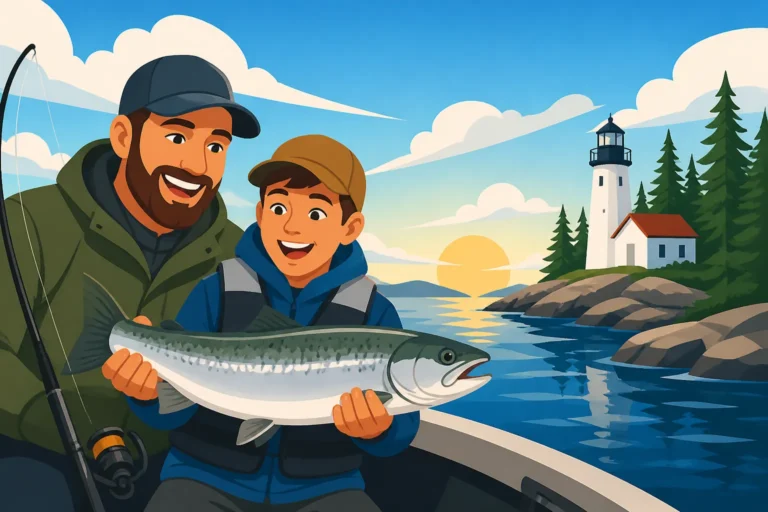
Ultimately, what makes a good Maine fishing guide is their ability to create lasting memories. It's not just about the fish caught, but the entire narrative of the day: the stunning sunrise over a mirror-flat lake, the thrilling fight of a Landlocked Salmon Fishing in Maine, the peaceful quiet of a remote stream, or the shared laughter over a missed strike. They understand that these intangible elements are often what clients cherish most. They might take photos, share stories, or even teach a specific fishing knot that you'll remember for years to come.
These guides aren't just selling a service; they're selling an experience steeped in the natural beauty and angling heritage of Maine. They cultivate an atmosphere of adventure, relaxation, and discovery, ensuring that long after the lines are packed away, you'll recount the tales of your Maine fishing trip with fondness. Choosing a guide who understands this broader goal is key to an truly enriching outdoor experience.
The Official Stamp: Licensing and Professionalism
While charisma and skill are vital, the official credentials and professional conduct of a guide provide a foundational layer of trust and competence. This isn't just bureaucracy; it's about ensuring standards and accountability.
Understanding the Registered Maine Guide Certification
In Maine, the title "Registered Maine Guide" isn't just an informal descriptor; it's a specific, highly respected certification. To become a Registered Maine Guide, individuals must undergo a rigorous process that includes extensive experience requirements, comprehensive written exams covering first aid, map and compass skills, wildlife, and fishing regulations, and a practical oral examination by a board of experienced guides. This process ensures a high level of competency across various outdoor disciplines.
When you hire a Registered Maine Guide, you're engaging someone who has proven their knowledge and ability to lead safe and enjoyable trips in the Maine wilderness. This certification indicates a commitment to professionalism and adherence to strict safety and ethical standards. There are different categories of guides (e.g., Fishing, Hunting, Recreation, Sea-Kayaking), so it's essential to ensure your chosen guide is specifically certified for the type of trip you plan. You can often verify a guide's license through the Maine Department of Inland Fisheries and Wildlife. For more on the requirements, check out Maine Registered Guide License Requirements.
Insurance and Legal Responsibilities
A truly professional guide operates with all the necessary legal and ethical protections in place. This includes carrying appropriate liability insurance. While we all hope for smooth sailing, accidents can happen in the outdoors. Having a guide who is insured provides peace of mind for both the client and the guide, knowing that there's a safety net in place for unforeseen circumstances. It's a sign of a responsible business owner who takes their client's welfare seriously.
Beyond insurance, guides adhere to a host of legal responsibilities, from ensuring all clients have the proper Maine Fishing License Guide (or are exempt, like kids under certain ages as detailed in Do Kids Need a Fishing License in Maine?) to following all local, state, and federal regulations regarding fishing seasons, bag limits, and conservation efforts. They also have responsibilities related to their vessel, if applicable, ensuring it meets Coast Guard requirements for safety and operation. A good guide doesn't just know these rules; they actively uphold them and educate their clients on their importance.
Reputation and References
In the close-knit community of Maine's outdoor enthusiasts, a guide's reputation precedes them. An excellent guide will have a strong, positive reputation built on years of successful trips, happy clients, and ethical conduct. Don't hesitate to ask for references, check online reviews on platforms like FishingBooker, or look for testimonials. A guide who consistently delivers great experiences will have a track record to prove it.
Word-of-mouth is incredibly powerful in this industry. Guides who are frequently recommended by past clients, local outfitters, or even other guides are usually the ones worth booking. Their reputation is a testament to their skill, professionalism, and dedication. Remember, anyone can claim to be a guide, but only those with a stellar reputation truly stand out.
Finding Your Perfect Match: How to Choose a Great Maine Guide
With so many incredible guides in Maine, finding the one that's perfect for your trip can seem daunting. But by following a few steps, you can confidently book an experience that matches your expectations.
Researching and Vetting Potential Guides
The first step is always thorough research. Start by identifying the type of fishing you want to do (e.g., fly fishing for brook trout, deep sea charter for tuna, trolling for salmon on a big lake) and the region you want to visit (e.g., Moosehead Lake Fishing Guide, Rangeley Lakes Fishing Guide, coastal areas like Casco Bay). This will help narrow down the field of guides who specialize in those areas and techniques.
Online resources are invaluable. Websites like FishingBooker can be a great place to start, offering profiles of many Maine guides, often with client reviews, photos, and details about their specialties. Pay close attention to what previous clients say about the guide's patience, communication, and ability to put them on fish. Look beyond just the star rating – read the actual comments to get a sense of the guide's personality and whether it aligns with what you're looking for. Also, check out local sporting camp websites, tourism boards, and fishing forums for recommendations.
Asking the Right Questions Before You Book
Once you've identified a few potential guides, don't hesitate to reach out and ask questions. This initial conversation is crucial for assessing their suitability and ensuring alignment. Here's a table of important questions to ask:
| Category | Key Questions to Ask | Why It Matters |
|---|---|---|
| Experience | How long have you been guiding in this area? | Demonstrates deep knowledge of local waters and conditions. |
| What are your specialties (species, techniques)? | Ensures the guide's expertise matches your target fish and preferred style. | |
| Logistics | What's included in the trip price (gear, bait, lunch)? | Helps you budget and know what to bring, avoiding surprises. |
| What's your cancellation policy for weather or other issues? | Important for planning around Maine's unpredictable weather. | |
| Do clients need their own Maine Fishing License Guide? | Clarifies legal requirements and avoids last-minute scrambling. | |
| Safety | Are you a Registered Maine Guide? Can I see your license? | Verifies official certification and adherence to state standards. |
| What safety equipment do you carry, and what's your emergency plan? | Ensures they prioritize safety and are prepared for unexpected situations. | |
| Client Focus | How do you tailor trips for different skill levels? | Guarantees a personalized experience for beginners, intermediates, or experts. |
| What's your approach if the fish aren't biting? | Shows adaptability and dedication to making the day enjoyable regardless of catch. | |
| Ethics | How do you practice catch and release or conservation? | Reflects their commitment to sustainable fishing and preserving resources. |
Don't be shy about these questions. A professional guide will appreciate your diligence and be happy to provide thorough answers. If a guide seems evasive or annoyed by your questions, that's a red flag.
Considering Specialized Guide Services
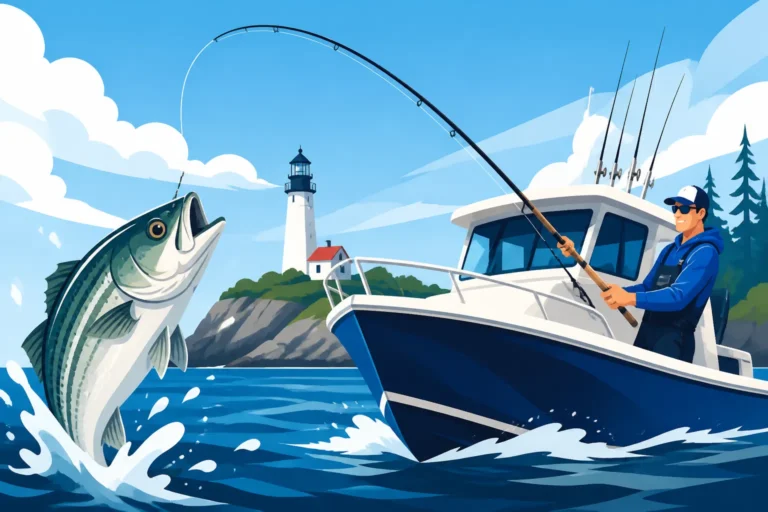
Maine offers a diverse range of fishing experiences, and many guides specialize in particular niches. If you're dreaming of paddling a canoe down a remote river targeting native brook trout, you'll want a guide who specializes in Allagash Wilderness Waterway Fishing Guide and multi-day trips. If you're focused on the thrill of Striped Bass Fishing in Maine along the coast, a dedicated saltwater striper guide will be your best bet. Similarly, if you're planning a winter adventure, seek out Maine Ice Fishing Guides who know the ins and outs of early and late ice safety.
By considering these specialized services, you ensure that your guide is not just generally competent, but an expert in the exact type of fishing you want to do. This specialization often means they have more intimate knowledge of the specific waters, the most effective techniques, and the right gear for that particular pursuit, maximizing your chances for success and a truly memorable outing.
Disclaimer
This article is for general informational purposes only and does not constitute professional advice. Laws, prices and regulations vary by location and change over time. Consult a qualified professional for guidance on your specific situation.