Is an Arctic Char Found in Any Maine Lakes?
You've likely heard whispers of rare, vibrant fish hidden deep within Maine's coldest waters, sparking curiosity about what unique species might call our pristine lakes home. Many anglers, captivated by tales of the north, often wonder if the elusive Arctic Char—a true gem of the polar regions—can actually be found swimming in the depths of our beloved Pine Tree State. This guide will dive deep into that very question, exploring the fascinating presence of Arctic Char in Maine and helping you understand these exceptional fish, how to identify them, and why their conservation is so incredibly important.
The Elusive Arctic Char: A Northern Enigma
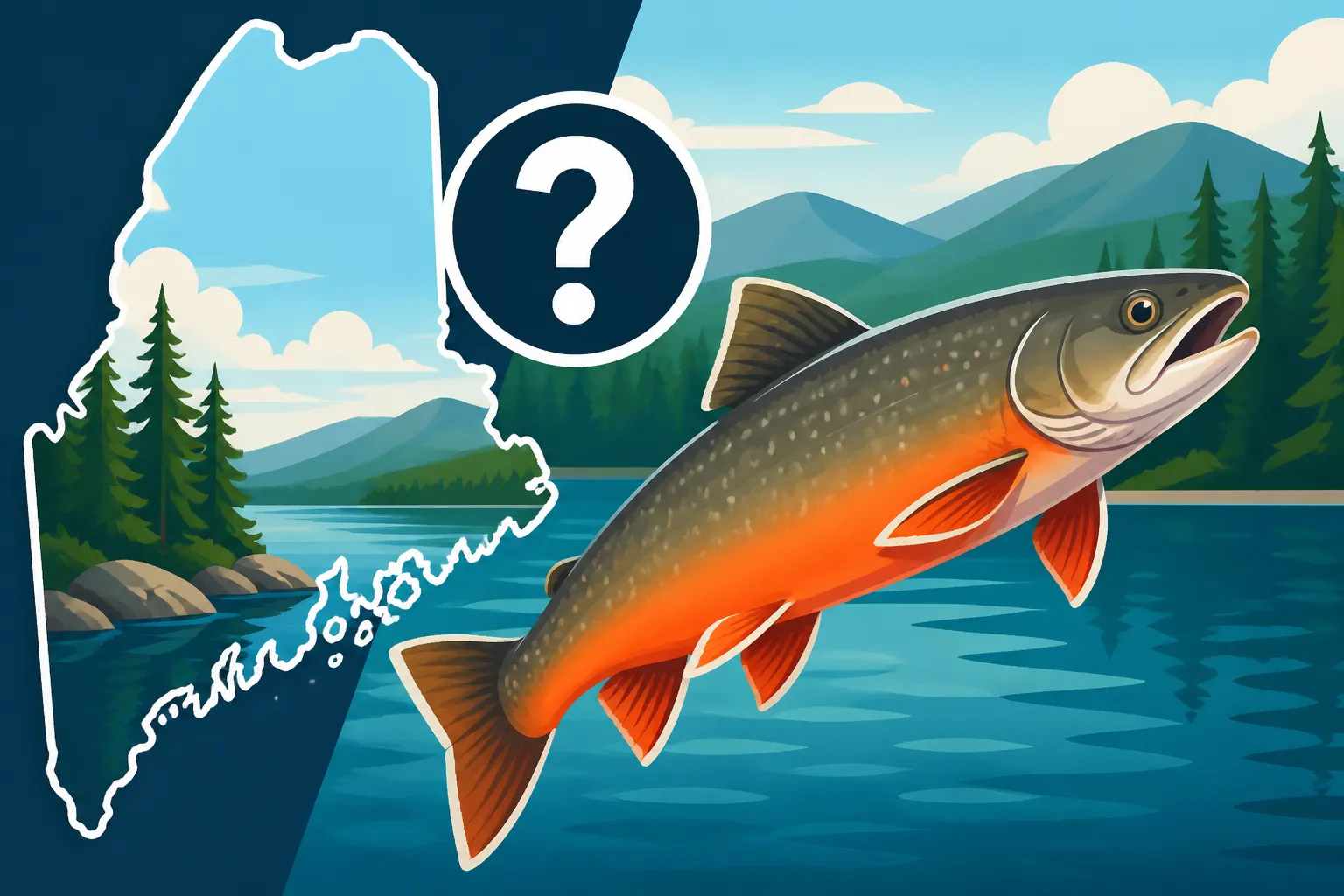
The Arctic Char, scientifically known as Salvelinus alpinus, is a fish shrouded in a bit of mystery and a whole lot of allure for anglers around the world. Imagine a fish that combines the vibrant colors of a brook trout with the deep-water resilience of a lake trout, all wrapped up in a package that thrives in some of the coldest, most pristine environments on Earth. That's the Arctic Char. They are truly an ancient species, believed to be among the northernmost freshwater fish globally, adapted to life in glacial-formed lakes and rivers.
These incredible fish are members of the char family, making them close relatives of our native brook trout and the common lake trout, which we often call togue here in Maine. What sets them apart visually is often their stunning coloration, particularly during spawning season when males can display breathtaking shades of fiery orange and red, often with lighter spots across their flanks. Their bodies are typically more streamlined than a togue, yet robust, built for powerful runs in cold water. You might notice their leading fins (pectoral, pelvic, and anal fins) often have distinctive white edges, a trait they share with brook trout, but often more pronounced.
For an angler, encountering an Arctic Char is a truly special event, almost like finding a treasure. Their preference for cold, oxygen-rich waters means they are often found in deep, isolated lakes, making them a challenge to locate and catch. They are highly sensitive to changes in water temperature and habitat, which is why their presence is a strong indicator of a healthy, undisturbed aquatic ecosystem. Because of their unique biology and specific habitat needs, they hold a significant place in the hearts of conservationists and those who appreciate the wild beauty of Maine's natural resources.
Arctic Char in Maine: A Rare and Precious Resource
So, to answer the burning question: yes, Arctic Char are found in Maine, but their presence is exceptionally rare and highly protected. Maine is actually home to the southernmost populations of landlocked Arctic Char in the entire United States, a testament to the state's unique glacial history and the enduring quality of some of its remote waters. These fish are considered "glacial relicts," meaning they were left behind in deep, cold lakes after the last ice age retreated, essentially adapting to live without access to the sea.
Historically, Maine once boasted several populations of these magnificent fish, but over time, habitat changes, competition from introduced species, and other environmental pressures have drastically reduced their numbers. Today, Arctic Char populations in Maine are confined to a very small number of highly specialized, deep, cold-water ponds, primarily located in the more remote regions of the state. These specific waters are often designated as "special regulation waters" due to the extreme sensitivity of their char populations. Due to their rarity and the critical need for protection, the exact locations of these ponds are often not widely publicized, and access might be restricted to minimize disturbance.
The state of Maine takes the conservation of its Arctic Char populations very seriously. These fish are listed as a species of special concern, and all known populations are actively managed and protected by the Maine Department of Inland Fisheries and Wildlife. Fishing for Arctic Char is often strictly prohibited or allowed only under extremely restrictive catch-and-release rules, often with specific gear limitations, to ensure their survival and recovery. Anglers who are fortunate enough to fish in waters where char might exist are urged to exercise extreme caution, practice impeccable Catch and Release Best Practices in Maine, and educate themselves thoroughly on the regulations for that specific waterbody. Always consult the Maine Fishing Regulations Explained before heading out.
Distinguishing Arctic Char from Other Maine Species
One of the biggest challenges, and frankly, a common point of confusion for anglers, is telling an Arctic Char apart from other similar-looking species that thrive in Maine's cold waters. Because they share characteristics with brook trout and togue (lake trout), misidentification is easy. It's crucial to know the differences, not just for your own angling knowledge, but more importantly, for the conservation of these rare fish. Accidentally keeping a char, even unwittingly, could have serious repercussions for its fragile population.
Let's break down the key differences to help you become a char identification pro:
Arctic Char (Salvelinus alpinus)
The Arctic Char often displays a more elongated, torpedo-like body compared to a brook trout, but less so than a togue. Their spots are typically lighter, sometimes yellowish or pinkish, on a darker background, and tend to be fewer and larger than those on a brook trout. During spawning, their bellies and lower fins can turn a brilliant crimson or fiery orange. A key feature is the presence of white leading edges on their pectoral, pelvic, and anal fins, similar to brook trout, but often brighter and more defined. Importantly, they do not have teeth on their tongue, which is a critical distinction from lake trout. If you're looking for a good field guide to keep handy, you can find excellent waterproof versions on Amazon that clearly illustrate these distinctions.
Brook Trout (Salvelinus fontinalis)
Maine's state fish, the brook trout, is also a char and shares some striking similarities with its Arctic cousin. Brook trout are famous for their vibrant colors, especially males during the fall spawn, with mottled, worm-like markings (vermiform patterns) on their backs and dorsal fin. They also have those iconic white leading edges on their lower fins, often bordered by a thin black line. Brook trout typically have smaller, red spots with blue halos on their flanks. Their overall body shape can be a bit more stout or compact than an Arctic Char. While beautiful, they are generally more common than Arctic Char in Maine.
Togue / Lake Trout (Salvelinus namaycush)
Often called togue here in Maine, the lake trout is another close relative. Togue tend to be a darker, more muted greenish-gray or brown, covered in numerous irregular, light-colored spots that lack the red or blue halos of a brook trout. They have a distinctly forked tail, which is usually more pronounced than that of an Arctic Char or brook trout. A definitive characteristic of the togue is the presence of small, rasp-like teeth on its tongue. This is your clearest indicator when differentiating from an Arctic Char. Their body shape is also generally more elongated and robust, built for life in deep, cold lakes. Knowing the Togue Minimum Length Limit in Maine and Maine Togue and Lake Trout Limits is also important.
Landlocked Salmon (Salmo salar sebago)
While less likely to be confused with char due to their distinct salmonid features, landlocked salmon are another prized cold-water fish in Maine. They are typically sleek and silvery, with fewer, darker spots (often X-shaped) mostly above their lateral line. Their tails are deeply forked, and they lack the bright coloration and white fin edges seen on char and brook trout, except for some minimal white on the pelvic fins of younger fish. They also lack the distinct spots on their adipose fin (the small, fleshy fin on the back near the tail) that you might see on char. If you're fishing for these beauties, check out Landlocked Salmon Fishing in Maine for more tips.
| Feature | Arctic Char | Brook Trout | Togue (Lake Trout) | Landlocked Salmon |
|---|---|---|---|---|
| Coloration | Variable; bright orange/reds (spawn), lighter spots, dark back. | Vibrant, mottled back, red spots with blue halos. | Darker green/gray/brown, light irregular spots. | Silvery, fewer dark spots (X-shaped). |
| Spots | Lighter, often yellowish/pinkish, fewer, larger. | Red with blue halos. | Light, irregular, no halos. | Dark, usually above lateral line. |
| Tongue Teeth | None | None | Present | Present |
| Tail Fin | Slightly forked to square. | Slightly forked to square. | Distinctly forked. | Deeply forked. |
| Leading Fin Edges | Distinct white, often bold. | White with black outline. | Absent. | Minimal white on pelvic fins (young). |
| Body Shape | Streamlined, robust. | Stout, compact. | Elongated, robust. | Sleek, torpedo-like. |
Ultimately, if you're ever in doubt about a catch, especially in a remote or special regulation water, the safest course of action is always to release the fish unharmed. It's better to be overly cautious than to potentially harm a rare or protected species. Familiarize yourself with the Maine Fish Species Identification Guide before your trip, and remember that specific regulations can vary dramatically by waterbody. You can find out How to Find Maine Fishing Regulations for a Specific Lake through official state channels.
Protecting Maine's Unique Cold-Water Fisheries
The presence of Arctic Char in Maine serves as a powerful reminder of the incredible biodiversity and delicate ecosystems found within our state's waters. These fish are not just a curiosity; they are a living legacy of the last ice age, a unique piece of Maine's natural heritage that demands our utmost respect and protection. Their survival depends entirely on the health of their rare, cold-water habitats.
Conservation efforts for Arctic Char, and indeed for all of Maine's cold-water species like brook trout and landlocked salmon, are ongoing and require the cooperation of every angler. This often means embracing responsible angling practices such as meticulous catch-and-release, especially in sensitive areas. Using barbless hooks can significantly reduce harm to fish, and minimizing the time a fish spends out of water drastically increases its chances of survival after release. Always wet your hands before handling a fish to protect its protective slime coat.
Beyond individual actions, supporting the efforts of the Maine Department of Inland Fisheries and Wildlife is crucial. They are the frontline stewards of these unique fish, working to monitor populations, manage habitats, and enforce the necessary regulations. Understanding and adhering to the Maine Fishing Season Dates Guide and specific regulations for each waterbody you visit is paramount. If you happen upon a waterbody that appears to be struggling or observe any suspicious activity, reporting it to the authorities can make a real difference. Maine's wild places, particularly its pristine cold-water lakes and ponds, are a treasure, and with collective care, we can ensure that future generations can also marvel at the possibility of these elusive Arctic Char swimming in our midst.
Disclaimer
This article is for general informational purposes only and does not constitute professional advice. Laws, prices and regulations vary by location and change over time. Consult a qualified professional for guidance on your specific situation.