Do Maine Biologists Manage Bass and Trout Waters Differently?
It's incredibly frustrating when you're standing at the water's edge, gear in hand, looking at a beautiful Maine lake or river, and you're not entirely sure if the rules for bass apply to the trout or vice-versa. Maine's waters are diverse, supporting a huge array of fish, and what works for one species might be detrimental to another. You’re right to wonder if biologists treat these fish differently because, without a doubt, they absolutely do! This guide will dive deep into why Maine biologists employ distinct management strategies for bass and trout, and what that means for your fishing adventures.
The Fundamental Divide: Why Management Strategies Differ So Greatly
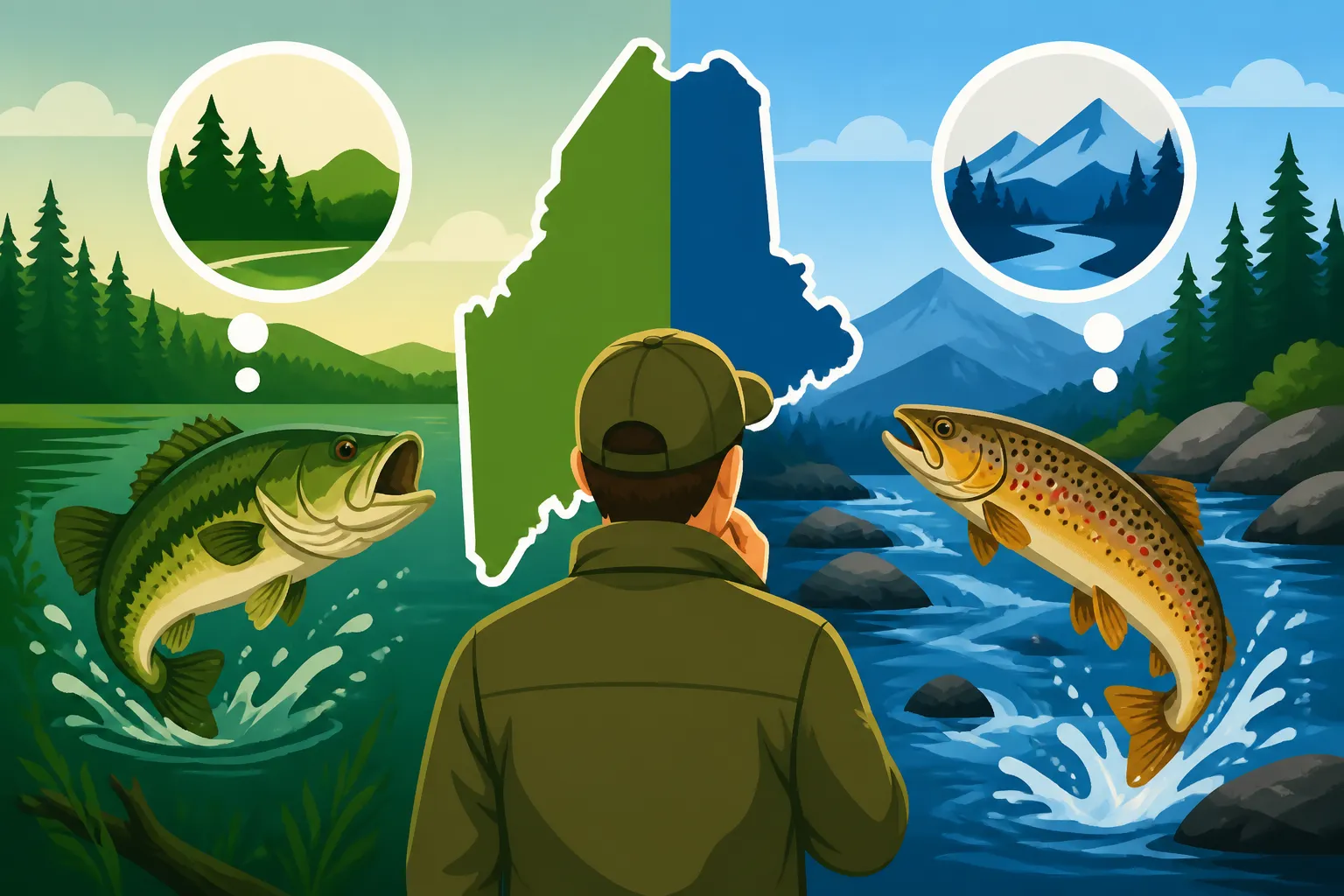
When you think about fishing in Maine, you might picture a pristine mountain stream teeming with brook trout, or perhaps a sprawling warmwater lake where largemouth bass lurk among the lily pads. These images aren't just scenic; they represent two fundamentally different aquatic worlds, each with its own unique inhabitants and, therefore, its own set of rules and management philosophies. Maine's Department of Inland Fisheries and Wildlife (MDIFW) doesn't just throw all fish into one bucket; they meticulously craft strategies based on the distinct biological needs and ecological roles of each species. This fundamental divide is at the heart of why you'll see such varied regulations across the state.
Different Habitats, Different Needs
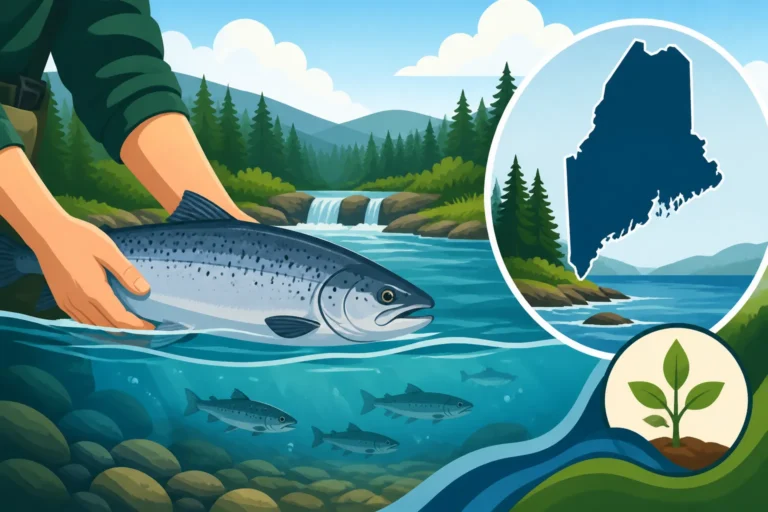
The core reason for varied management boils down to biology. Trout, including our beloved native brook trout and majestic landlocked salmon, are coldwater fish. They absolutely need clear, well-oxygenated water that rarely goes above 65-70 degrees Fahrenheit. Think about those icy mountain streams, deep lake thermoclines, or spring-fed ponds. These fish are highly sensitive to changes in water temperature and quality. A warm, shallow pond with murky water is their worst nightmare.
Bass—both smallmouth and largemouth—are warmwater species. They thrive in environments that would be far too warm for trout, often preferring water temperatures in the 70s and even low 80s. They're more tolerant of lower oxygen levels and can often be found in shallower, weedier sections of lakes and rivers. Picture the fertile, slower-moving rivers or the expansive, often shallower lakes in southern Maine. Their habitat preferences are almost the inverse of trout, dictating entirely different survival needs and, consequently, different approaches to their care. The delicate balance required to maintain a healthy trout population is entirely different from what’s needed for a robust bass fishery, and biologists respond to these inherent differences with tailored plans.
Conservation Goals Drive Distinct Approaches
Beyond just habitat, the actual conservation goals for trout and bass often diverge significantly. For many of Maine's coldwater fisheries, especially those with native brook trout or wild landlocked salmon, the primary goal is often preservation and enhancement of self-sustaining, wild populations. This means focusing heavily on habitat protection—safeguarding spawning grounds, ensuring water quality, and preventing degradation of riparian zones. Regulations are often designed to protect larger, breeding fish or to allow natural reproduction to flourish. The emphasis here is often on ecological integrity and the perpetuation of these iconic Maine species for generations to come.
On the other hand, while bass populations are certainly managed for health, the emphasis can sometimes lean more towards recreational opportunity and sustainable harvest. In some situations, bass, particularly largemouth, are even considered a non-native species in certain waters where they may outcompete native fish like brook trout. In these cases, management might encourage greater angler harvest to help balance the ecosystem. It's a tricky tightrope walk for biologists: how do you provide excellent fishing opportunities for both highly popular species while protecting the integrity of Maine's diverse aquatic environments? The answer lies in these distinct, often localized, management plans. Are Bass Considered Invasive in Some Maine Waters? is a great read if you want to understand more about this particular dynamic.
Understanding Trout Management: Coldwater Conservation
Managing trout and landlocked salmon in Maine is a delicate dance, largely because these coldwater species are inherently more vulnerable to environmental changes. Biologists are constantly monitoring water temperatures, oxygen levels, and habitat quality to ensure these fish have the best chance not just to survive, but to thrive. It’s a conservation effort that often requires significant intervention and precise regulation.
Protecting Fragile Ecosystems
The strategies for managing trout in Maine are rooted deeply in protecting their fragile ecosystems. This means stringent rules designed to safeguard the cold, clear, oxygen-rich waters they depend on. You'll often see efforts focused on controlling erosion along streambanks to prevent siltation, which can smother trout eggs. Biologists might work on restoring natural flow patterns in rivers or ensuring that culverts don't block fish passage to critical spawning areas. When wild populations are struggling or non-existent, strategic stocking programs are put into place, but even then, the goal is often to create a self-sustaining fishery over time, not just to endlessly dump fish.
For instance, managing invasive species that threaten trout habitat or prey on young trout is also a huge undertaking. The health of the entire ecosystem, from the tiniest aquatic insects that trout feed on to the surrounding forest that shades the water, is considered. It's a holistic approach aimed at keeping these coldwater havens pristine and productive.
Regulation Examples for Trout
Because of their specific needs, trout and salmon waters often come with some of the most detailed and restrictive regulations. You’ll frequently encounter special regulations designed to protect vulnerable populations or enhance trophy fisheries.
Consider specific rules like:
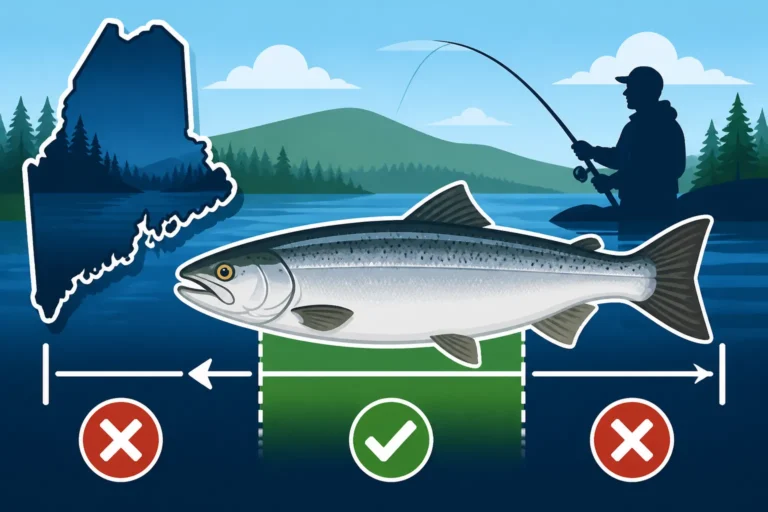
- Length Limits: You might find "minimum length" rules, like Minimum Length for Keeping a Brook Trout in Maine, which means you can only keep fish above a certain size, allowing younger fish to mature and spawn. Conversely, some waters have "slot limits" or "maximum length" rules, protecting the largest, most prolific breeders.
- Bag Limits: The number of fish you can keep in a day, such as Brook Trout Daily Bag Limits or Maine Landlocked Salmon Bag Limits, is carefully set to ensure sustainable harvest and prevent overfishing. These limits can vary wildly from one lake or stream to another, even for the same species.
- Gear Restrictions: It's common to find "fly-fishing only" sections on certain rivers or lakes, or regulations requiring single, barbless hooks and artificial lures. These rules are put in place to minimize harm to fish, particularly in catch-and-release heavy waters, increasing their chances of survival after being caught.
- Season Dates: General Law Fishing Season Start Date in Maine and end dates are crucial. Trout and salmon often have shorter seasons, especially during spawning times or when water temperatures become too warm and stressful for them. Ice fishing seasons might differ too.
- Designated "Special Regulation Waters": These are specific lakes, ponds, or stretches of river that have rules deviating from the general state law. You absolutely need to check the local regulations for any water you plan to fish, as these special rules often apply to trout and salmon. You can find comprehensive details in the Maine Fishing Regulations Explained guide.
These rules aren't arbitrary; they are meticulously crafted by biologists to ensure the long-term health and vitality of Maine’s coldwater fisheries. Ignoring them can have serious ecological consequences and lead to fines, so always double-check the local rules!
Understanding Bass Management: Warmwater Dynamics
While coldwater species like trout and salmon often require a protective, hands-off approach in many instances, the management of warmwater species like smallmouth and largemouth bass in Maine operates on a different set of principles. These fish are generally more robust, reproduce prolifically, and thrive in conditions that would stress or kill their coldwater counterparts. This allows biologists to focus on different objectives, often balancing the desires of a passionate bass angling community with the health of the overall aquatic ecosystem.
Balancing Recreation and Ecosystems
Bass management in Maine is often about finding the sweet spot between providing ample recreational opportunities for anglers and maintaining healthy, balanced fish populations. Unlike some trout species where the goal might be strict preservation of wild stocks, bass populations can often withstand, and sometimes even benefit from, a certain level of angler harvest. Biologists will monitor growth rates, age structures, and reproductive success to ensure that fishing pressure isn't harming the overall health of the bass fishery.
In some waters, particularly those where bass are an introduced species or where they compete with native coldwater fish, management might actually encourage anglers to keep more bass. This isn't a sign that the bass population is in trouble; rather, it’s a tool to manage the ecosystem and prevent one species from dominating and negatively impacting others. It's a complex balancing act, considering both the biological realities of the fish and the social importance of fishing to Maine's residents and visitors alike.
Regulation Examples for Bass
The regulations you'll find for bass often reflect their resilience and their sometimes-invasive nature in certain waters. While still carefully managed, these rules can sometimes appear more flexible than those for trout.
Typical bass regulations include:
- Length Limits: You might see minimum length limits to allow bass to reach a certain size, or, more commonly, slot limits. A slot limit, for example, might allow you to keep fish under 12 inches and over 16 inches, but require you to release fish within the 12-16 inch slot. This strategy protects the prime breeding-size fish while allowing harvest of smaller, more numerous fish and larger, older fish. For instance, knowing if Can You Keep Two Bass Over 14 Inches in Maine? is allowed depends entirely on the specific zone and waterbody.
- Bag Limits: Bass often have more generous daily bag limits compared to trout, reflecting their strong reproductive capabilities. These limits vary by zone and water body, as detailed in guides like Maine Bass Fishing Limits by Zone.
- Season Dates: Bass seasons are typically longer, often spanning from spring through fall, and sometimes even into the winter for ice fishing. This longer season caters to the popularity of bass fishing throughout much of the open water and ice fishing periods.
- Lack of Gear Restrictions: Generally, bass fishing has fewer gear restrictions than trout fishing. While some specific tournaments might have artificial-lure-only rules, the use of live bait, various lure types, and conventional tackle is widely permitted. This provides anglers with a broader range of techniques to pursue bass.
These regulations are all about promoting sustainable fishing that supports a healthy bass population while providing abundant opportunities for anglers. Always remember to check the current rules for the specific body of water you're fishing, as they can change and vary from lake to lake. You can easily find the official Maine fishing law book to help keep you informed on all the latest regulations.
Navigating the Zones: Where Strategies Intersect (or Clash!)
Maine's landscape isn't neatly divided into "trout water" and "bass water." Often, these different species coexist, sometimes harmoniously, and sometimes in a delicate balance that requires astute management. Understanding these intersections, and potential clashes, is key to being a responsible and successful angler in the Pine Tree State.
Coexistence and Conflict in Shared Waters
There are many lakes and rivers in Maine where you can find both coldwater species like brook trout or landlocked salmon and warmwater species like smallmouth bass. In these waters, biologists face a complex challenge: how do you manage for one without inadvertently harming the other?
Often, these waters will have distinct zones or habitats. For instance, a large, deep lake like Sebago Lake might have cold, deep sections Where to Catch Landlocked Salmon on Sebago Lake thrive, while its shallower, warmer coves and shorelines might hold robust smallmouth bass populations. Biologists will often implement specific regulations for each species within the same water body. This might mean different length limits, bag limits, or even season dates for trout versus bass in that particular lake. You might find certain areas within a larger lake designated as "trout management areas" with stricter rules, while other parts cater more to bass.
However, conflict can arise when warmwater species are introduced, or naturally expand, into traditionally coldwater fisheries. Bass are opportunistic predators, and a thriving bass population can sometimes prey on juvenile trout or salmon, or compete with them for forage. This is why you sometimes hear about efforts to manage bass populations in historically coldwater lakes, perhaps even encouraging harvest, to protect the native coldwater fish. These situations require careful monitoring and often lead to unique, localized rules. Understanding the specific nature of these shared waters, like What Zone Is Sebago Lake In for Maine Fishing Rules? applies to, is crucial.
How Anglers Can Stay Informed
With such diverse and sometimes intricate regulations, it can feel overwhelming to keep track of everything. However, staying informed is your responsibility as an angler and is vital for respecting Maine's fisheries.
Here’s how you can make sure you’re always on the right side of the rules:
- The Maine Fishing Law Book: This is your bible! The Maine Department of Inland Fisheries and Wildlife (MDIFW) publishes a comprehensive rule book every year. It’s available in print at license agents (like your local general store or sporting goods shop) and often online as a PDF. Make it a habit to get a new one each season. Many anglers even carry a copy in their tackle box or save the PDF on their phone.
- MDIFW Website and App: The MDIFW website is an invaluable resource. You can often find an interactive map or a search function to look up specific regulations for the lake, pond, or river you plan to fish. They might also offer a mobile app, which can be super handy when you're out on the water. How to Find Maine Fishing Regulations for a Specific Lake guides you through this process.
- Local Knowledge and Guides: Don't underestimate the power of local knowledge. Chat with bait shop owners, experienced local anglers, or consider hiring a Registered Maine Guide for a trip. They often have an intimate understanding of specific water bodies and their unique regulations.
- Online Resources: Many reputable outdoor blogs and forums focus on Maine fishing. These can be great places to ask questions and learn from the community, but always cross-reference information with official MDIFW sources. For those who prefer a physical reference, you can often find excellent, durable waterproof fishing guides and books on platforms like Amazon, which are perfect for keeping in your tackle bag.
- Identify Your Fish: Knowing what you've caught is just as important as knowing where you're fishing. Take the time to learn fish identification, especially between similar-looking species like different types of trout or salmon. When in doubt, it’s always best to release the fish.
By proactively seeking out and understanding the regulations, you're not just avoiding a potential Maine Fishing License Fine for No License; you're actively contributing to the sustainable management of Maine's incredible fish populations. Whether you're chasing the elusive Landlocked Salmon Size Limit in Maine or enjoying a day of Maine Bass Limit in the South Zone, informed angling is responsible angling.
| Feature | Coldwater Management (Trout, Salmon) | Warmwater Management (Bass) |
|---|---|---|
| Primary Species | Brook Trout, Landlocked Salmon, Lake Trout (Togue), Brown Trout | Smallmouth Bass, Largemouth Bass, Chain Pickerel, Perch |
| Typical Habitat | Cold, clear, oxygen-rich waters; deep lakes, mountain streams, spring-fed ponds | Warmer, often shallower, weedier waters; fertile lakes, slow-moving rivers |
| Main Conservation Goal | Preserve/enhance wild, self-sustaining populations; habitat protection; ecological integrity | Provide recreational opportunity; maintain healthy populations; balance ecosystem; manage impacts on native species |
| Typical Regulations | Stricter length limits (minimums, slots); lower bag limits; shorter seasons; specific gear restrictions (fly-fishing only, artificial lures, single hooks); special regulation waters | More flexible length limits (minimums, slots); higher bag limits; longer seasons; fewer gear restrictions (live bait often allowed) |
| Response to Habitat Degradation | High sensitivity; rapid decline; significant restoration efforts required | More tolerant; can adapt; focus on overall water quality but less critical than for coldwater species |
| Invasive Species Role | Often negatively impacted by warmwater invasives (e.g., bass preying on young trout) | Can sometimes be the "invasive" species impacting coldwater fisheries; managed to prevent overpopulation |
Disclaimer
This article is for general informational purposes only and does not constitute professional advice. Laws, prices and regulations vary by location and change over time. Consult a qualified professional for guidance on your specific situation.