Brown Trout vs Landlocked Salmon Fighting Ability
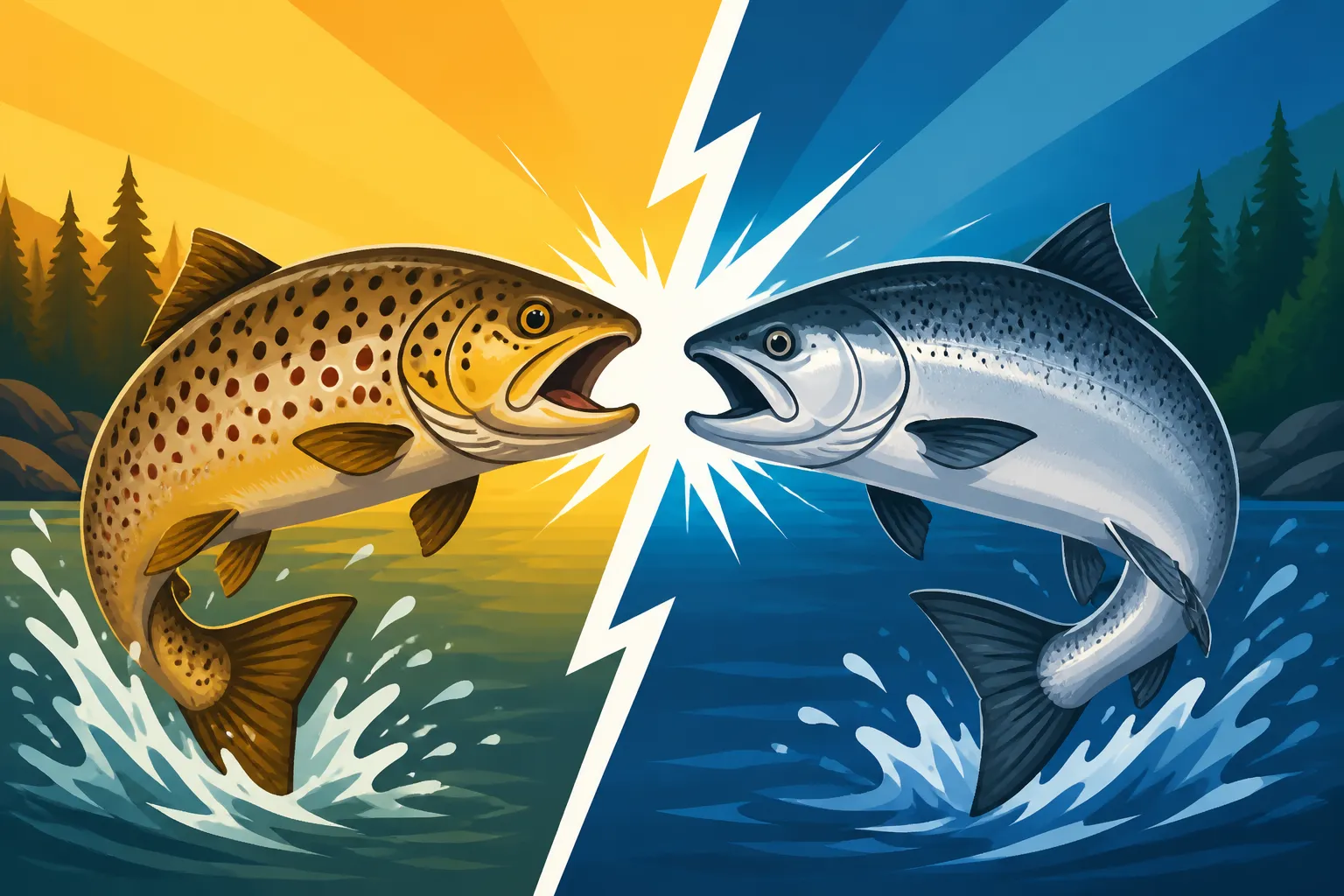
If you've ever spent time on the water in Maine, you know the exhilarating tug of a fish on your line is what keeps us coming back. But when it comes to the legendary fights put up by our freshwater favorites, many anglers often wonder: who's the true champion, the elusive brown trout or the acrobatic landlocked salmon? This guide will dive deep into the unique fighting styles of these two incredible fish, helping you understand what to expect when you hook one and how to appreciate their distinct battling spirits.
Understanding the Contenders: Brown Trout and Landlocked Salmon
Before we pit these magnificent species against each other in a hypothetical fight club, let's get to know them a little better. Both are highly prized by anglers across Maine, but they possess distinct characteristics that contribute to their unique performance on the line.
The Elusive Brown Trout in Maine Waters
Brown trout, while not native to Maine, have established themselves in many of our lakes, ponds, and rivers, particularly in the southern and central regions. They are renowned for their cunning nature and often prefer cooler, deeper water, especially as summer progresses. You'll find them lurking around structure – submerged logs, rocky ledges, or undercut banks – ready to ambush unsuspecting prey. This habitat preference often dictates their initial fighting strategy.
Anglers often speak of brown trout with a mix of reverence and frustration, given their reputation for being notoriously wary. They grow to impressive sizes in Maine, and a large brown trout can be a truly formidable opponent. While they might share some surface-level similarities with their brook trout cousins in terms of general appearance, their fighting style is distinctly their own. When you hook into a good brown, you're not just fighting a fish; you're often fighting the very structure they call home. For more on these incredible fish, check out Brown Trout Fishing in Maine.
The Acrobatic Landlocked Salmon of Maine Lakes
Our native landlocked salmon are, for many, the quintessential Maine game fish. These are Atlantic salmon that, through natural or man-made barriers, have adapted to living their entire lives in freshwater. They thrive in large, cold, clear lakes like Sebago, Moosehead, and the Rangeley Lakes, often feeding on smelt and other baitfish in the open water. Their diet and environment shape them into sleek, powerful, and incredibly fast predators.
Hooking a landlocked salmon is often described as an electric experience. They are known for their spectacular aerial displays and blistering runs, making them a favorite target for both trollers and fly anglers. Their open-water existence means they have ample room to show off their strength and speed. If you're looking to learn more about targeting them, our Landlocked Salmon Fishing in Maine guide has plenty of tips.
The Brown Trout's Battle Strategy
When you connect with a brown trout, especially a hefty one, you're in for a gritty, determined fight that often tests your tackle and your patience. They are not typically known for the flashy jumps of a salmon, but don't mistake that for a lack of fighting spirit.
Deep Dives and Structure Seeking
A brown trout's first instinct when hooked is often to bolt for cover. They are masters of using their environment to their advantage. If you're fishing near a rock pile, a submerged tree, or a weed bed, expect that brown to make a beeline for it. They'll try to wrap your line around anything they can, aiming to snap it or rub it raw. This means you need to apply heavy, consistent pressure and try to steer them away from danger zones immediately after the hookset.
Their dives are powerful and sustained. They'll bore down into the depths, shaking their head violently in an attempt to dislodge the hook. You'll feel a deep, throbbing resistance that can be surprising for their size. It’s not uncommon for a good brown to stay deep, making short, powerful runs and refusing to come to the surface until completely exhausted.
Head Shakes and Surprising Stamina
While they might not leap, brown trout are incredibly adept at head shaking. This isn't just a gentle wobble; it's a series of violent, aggressive thrashes designed to throw the hook. This movement, combined with their powerful body, creates a jarring sensation through your rod, demanding a firm grip and a properly set drag. They can sustain this kind of fight for a surprisingly long time, especially in cold water.
Imagine hooking into a 20-inch brown trout in a deep, spring-fed pond. You feel the initial strong pull, then a series of deep, heavy head shakes that rattle your teeth. It runs hard, not necessarily far, but with immense power, straight for the downed tree you saw earlier. You have to react instantly, putting side pressure on the fish to turn its head and keep it out of the snags. The fight becomes a test of wills, a tug-of-war where every inch gained feels like a victory.
The Landlocked Salmon's Aerial Acrobatics
Now, let's talk about the flash and fury of the landlocked salmon. If you're looking for an adrenaline rush and some spectacular visuals, a salmon is often your go-to.
Blistering Runs and High-Flying Leaps
The moment a landlocked salmon feels the hook, especially in open water, get ready for a show. Their initial run is often blistering fast, stripping line off your reel at an incredible pace. It's a scream of the drag that makes your heart pound. And then, often, comes the leap. Or two. Or three! Landlocked salmon are famous for their acrobatic jumps, clearing the water entirely, shaking their heads in mid-air, and trying to throw the hook with every fiber of their being. This is a moment of pure spectacle that anglers dream of capturing on camera.
These leaps aren't just for show; they are incredibly effective at dislodging hooks. The slack created when a fish jumps can easily cause the hook to pull free. You'll often hear experienced salmon anglers advise "bow to the king" – lowering your rod tip slightly when a salmon jumps to create a bit of slack and prevent the line from snapping if the fish lands hard on a tight line.
Speed, Power, and Endurance in Open Water
Landlocked salmon are built for speed and endurance in their vast lake habitats. Their streamlined bodies allow them to slice through the water, making multiple long, powerful runs. Even after several leaps and long runs, they can still have gas in the tank, making the fight a prolonged affair, especially if you're dealing with a larger specimen. Best Time of Year to Catch Landlocked Salmon in Maine can give you an idea of when to plan your trip for these feisty fish.
Think of it like this: you're trolling a streamer fly or a minnow imitation, perhaps something you picked up from a reputable online store like Amazon, across a broad Maine lake. Suddenly, your rod doubles over. The reel screams as line peels off at an alarming rate. Before you can even register what's happening, a silver torpedo launches itself clear out of the water, shaking its head violently, sunlight glinting off its scales. You hold your breath, hoping the hook holds, then it splashes back down and tears off on another run. This is the classic salmon fight.
Factors Influencing the Fight
While both brown trout and landlocked salmon have their characteristic fighting styles, several variables can significantly influence how any individual fish performs on your line. It's not always a clear-cut case of one being universally "stronger."
Size and Age of the Fish
This is probably the most obvious factor. A 2-pound brown trout will certainly put up a respectable fight, but it won't compare to a 5-pound landlocked salmon. Conversely, a trophy 8-pound brown trout will absolutely outmuscle a smaller 3-pound salmon. The sheer mass and muscle power of a larger fish translate directly into a stronger, more sustained fight. As fish get older, they also get wiser and more powerful, honing their escape tactics.
Water Temperature and Oxygen Levels
Cold water generally means a more energetic fight. Both brown trout and landlocked salmon prefer cold, oxygen-rich water. In warmer water, fish become more lethargic and tire more quickly. Early spring or late fall fishing often yields the most spirited battles because the fish are in peak condition and the water temperatures are ideal. Conversely, a summer fish caught from warmer surface waters might be less inclined to put up a prolonged struggle.
Tackle and Angler Skill
Your gear plays a huge role. A light spinning rod with a sensitive tip and a smooth drag will make even a modest fish feel like a giant. Conversely, a heavy-action rod and a locked-down drag can make a decent fish seem like a walk in the park. Matching your tackle to the species and conditions is crucial for an enjoyable and fair fight.
An experienced angler, skilled in setting the hook, adjusting the drag, and applying pressure, can manage a tough fight more effectively. They know when to reel, when to let the fish run, and how to use the boat or their position on shore to their advantage. For freshwater, having a good quality monofilament or fluorocarbon line, perhaps a 6-10lb test readily available on Amazon, can make a difference in presentation and strength. Check out Maine Open Water Line Limits for regulations.
Hook Location and Injury
A fish that is perfectly hooked in the corner of the mouth will often fight longer and harder than one that is gut-hooked or poorly hooked. A fish that sustains significant injury during the fight may tire more quickly or even die, which is why practicing Catch and Release Best Practices in Maine is so important. Similarly, a fish that is played too long, especially in warmer water, can become overly exhausted, making successful release more difficult.
Comparing the Fighting Styles: A Table
To help visualize the differences, let's break down some common fighting characteristics.
| Feature | Brown Trout | Landlocked Salmon |
|---|---|---|
| Initial Run | Powerful, often shorter, directional to cover | Blistering fast, long, open-water bolt |
| Jumping Tendency | Low, occasional roll or splash | High, frequent, spectacular aerial acrobatics |
| Head Shakes | Very strong, deep, violent, sustained | Moderate, often in conjunction with jumps |
| Diving Ability | High, will "sulk" and bore deep | Moderate, more inclined to run horizontally |
| Stamina | Very good, especially in cold water; gritty | Excellent, sustained multiple runs and jumps |
| Structure Use | High, will actively seek cover to break line | Low, prefers open water, less likely to snag |
| Overall Impression | Deep, grinding, determined, power fighter | Fast, explosive, acrobatic, thrilling |
Who Wins the "Better Fighter" Title?
So, who is the better fighter? The honest answer is: it depends entirely on your preference and what you define as a "good fight."
If you love a deep, grinding, and determined battle where the fish tries every trick in the book to dislodge the hook and break your line against structure, then the brown trout will likely be your champion. Their sheer power and refusal to give up, often remaining deep and putting a heavy bend in your rod, are incredibly satisfying. Many anglers appreciate the mental game involved in keeping a big brown out of the snags.
However, if you crave speed, explosive runs, and breathtaking aerial displays that get your heart pounding and leave you breathless, then the landlocked salmon will undoubtedly steal the show. Their unmatched athleticism and visual spectacle make for an unforgettable experience on the water.
Both of these fish are incredible sport fish that demand respect and skill to land. They offer different but equally rewarding challenges. A dedicated angler will appreciate both for their unique fighting qualities. When you're out on the water, whether you're fly fishing a river for browns or trolling a lake for salmon, always be prepared for a fight, because in Maine, our fish come ready to rumble. Don't forget to have the right gear, from sturdy rods and reels to reliable line – a quick browse on Amazon for "fishing tackle Maine" can get you started. And if you're venturing out on a boat, be sure to have all your safety essentials.
Ultimately, the real winner is the angler who gets to experience the thrill of battling either of these magnificent creatures in the wild waters of Maine. So next time you're debating which species to target, remember that both promise an incredible fishing adventure! You might find that Maine Fishing Regulations Explained or Maine Fishing Season Dates Guide are helpful resources as you plan your next outing.
Disclaimer
This article is for general informational purposes only and does not constitute professional advice. Laws, prices and regulations vary by location and change over time. Consult a qualified professional for guidance on your specific situation.