Where Are Brown Trout Stocked in Maine?
It's incredibly frustrating when you hear whispers of fantastic fishing, but the exact "where" remains a mystery, especially when it comes to a prized species like brown trout. You know they're out there, offering a thrilling fight and a beautiful catch, but pinpointing which specific waters the state has graced with their presence can feel like trying to find a needle in a haystack. This guide is here to cut through that confusion, helping you understand where brown trout are typically stocked in Maine, how to find the most current information, and even how to maximize your chances once you get there.
The Allure of Brown Trout in Maine's Waters
When you mention "trout" in Maine, most folks immediately picture the iconic brook trout or maybe even some of our wild landlocked salmon. But for those in the know, the brown trout holds a special place, bringing a unique challenge and a whole lot of excitement to the angling scene. They’re not as widely distributed as brook trout, but where they are, they can be phenomenal.
Why Brown Trout Are a Popular Target
Brown trout are celebrated by anglers for several compelling reasons. First off, they're smart. Really smart. They tend to be more wary than brook trout, making them a greater challenge to hook. This wariness often translates into a more rewarding experience when you do manage to outsmart one. They’re known for their powerful fights, often making blistering runs and acrobatic jumps, especially larger specimens. Picture a thick-bodied brown trout peeling line off your reel – it’s a moment most anglers live for.
Beyond their fighting prowess, brown trout are simply stunning to look at. Their golden-brown flanks, adorned with dark spots, some ringed with lighter halos, are truly a sight to behold. And let's not forget their potential size! While brook trout might top out at a couple of pounds in most waters, brown trout can grow much larger, with fish over five pounds not uncommon in well-managed waters. This prospect of a trophy catch keeps many anglers coming back for more, year after year.
Understanding Maine's Stocking Programs
Maine's Department of Inland Fisheries and Wildlife (MDIFW) plays a crucial role in managing our fisheries, and stocking is a big part of that. When it comes to brown trout, stocking serves a few primary purposes. Often, it's about enhancing recreational fishing opportunities in waters where natural reproduction of brown trout is limited or non-existent due to habitat constraints or competition from other species. Think of it as giving nature a helping hand to ensure there are plenty of fish for everyone to enjoy.
Sometimes, stocking is aimed at creating "put-and-take" fisheries, particularly in more accessible ponds near population centers, where anglers can enjoy a good day's fishing with the expectation of catching dinner. Other times, the goal might be to establish or maintain a "trophy" fishery, where larger brown trout are stocked, sometimes even larger "brood stock" fish, to provide that big fish potential. These different management goals directly influence where and what size brown trout are stocked, which is why understanding the "why" can help you predict the "where." It’s all about balancing ecological health with angler demand, ensuring sustainable and enjoyable fishing for generations.
Key Regions and Waterbodies for Brown Trout Stocking
While you might dream of finding brown trout in every pristine stream, the reality is that their stocking is more concentrated. Maine's fishery biologists carefully select waters based on factors like water temperature, depth, existing fish populations, and public access. Generally, you'll find brown trout stocking efforts focused in particular areas of the state that offer the best chance for these fish to thrive.
Southern and Central Maine Hotspots
If you're looking for stocked brown trout, southern and central Maine are often your best bets. This region tends to have more waters with suitable thermal conditions – meaning they stay cool enough for brown trout through the warmer months, especially in deeper sections. These areas also tend to be more densely populated, leading to higher angler demand for diverse fishing opportunities.
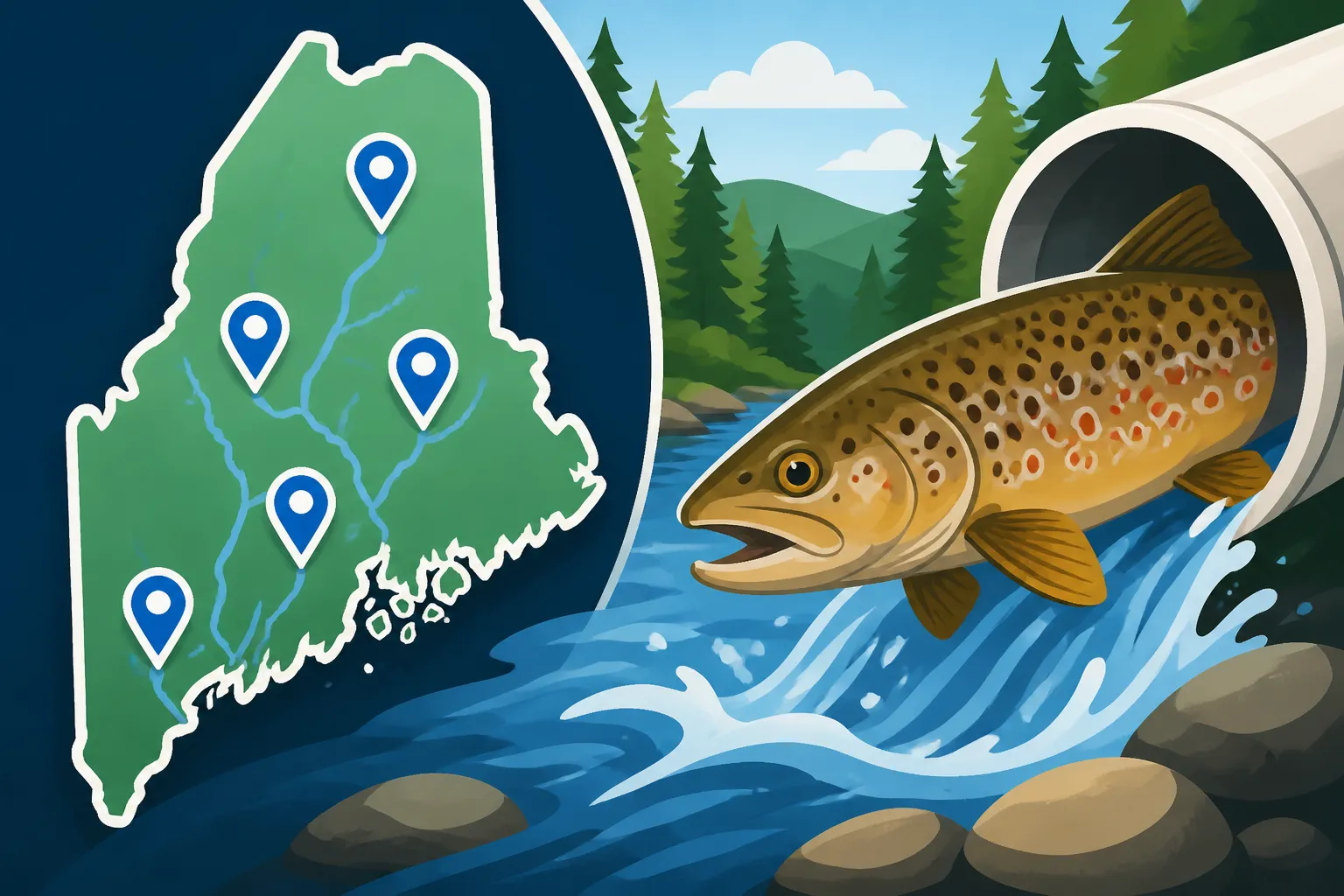
You'll often find brown trout stocked in various lakes and ponds within Cumberland, Kennebec, York, and Androscoggin counties. Specific examples often include waters like Worthley Pond in Peru, which is known for producing some nice browns, or even some of the larger, deeper ponds in the Belgrade Lakes region. These waters are often easily accessible via public boat launches or shore fishing spots. The MDIFW often manages these waters as general law waters, but it's always critical to check the current Maine Fishing Regulations Explained for any specific water body you plan to fish, as rules can change annually or for particular lakes. These waters are often where you’ll find a mix of stocked fish, sometimes even including the occasional carry-over from previous years, leading to larger, more challenging fish.
Northern and Western Maine Opportunities
While northern Maine is undeniably the kingdom of the brook trout and landlocked salmon, with vast wilderness areas providing prime habitat for these native species, it doesn't mean brown trout are entirely absent. In fact, some specific waters in western and even northern Maine do receive brown trout stockings, albeit typically fewer than in the southern parts of the state. These are often larger lakes with sufficient depth and cold-water habitat to sustain them alongside existing salmonid populations.
For instance, certain deep sections of larger lakes in the western mountains, or even specific tributary ponds that feed into major river systems, might see brown trout. These stocking efforts can be aimed at diversifying the fishery, especially in waters that might be able to support multiple cold-water species without significant competition. Anglers exploring areas around the Rangeley Lakes region or even some of the deeper ponds in the Moosehead Lake area might find brown trout listed in the stocking reports for certain waters. The fishing here can be quite different from southern Maine – often more remote, requiring more planning, but offering a true wilderness experience. Always remember to check the Maine Fishing Season Calendar before heading out, as seasons and specific regulations can vary by zone and water body. If you're planning a trip to these more remote spots, picking up a Maine Fishing License Guide is your first essential step.
How to Find Up-to-Date Stocking Information
The world of fishing is ever-changing, and stocking schedules are no exception. What was true last year might not be true this year, and relying on old information can lead to disappointment. Thankfully, Maine provides excellent resources for anglers looking to stay informed.
Leveraging Official State Resources
When you want the definitive answer on where brown trout are being stocked, your absolute best friend is the Maine Department of Inland Fisheries and Wildlife (MDIFW). They are the ones doing the stocking, so they have the most accurate and up-to-date information.
Their website is the primary hub for this. You'll typically find an annual stocking report or a searchable database that allows you to look up specific waters and see what species, and how many, have been stocked. This is an invaluable tool for planning your trips. Beyond the website, every year, the MDIFW publishes its "Open Water & Ice Fishing Laws Summary Booklet." This little book, available at license vendors and online, is packed with information, including general law provisions, special regulations for specific waters, and often details about stocking programs. It's truly essential reading for any serious angler in Maine. Knowing How to Find Maine Fishing Regulations for a Specific Lake within this booklet or on their site will be key to your success. Make it a habit to check these official sources before you load up your gear.
Community Insights and Local Knowledge
While official resources are non-negotiable, there's also an incredible wealth of knowledge within the local fishing community. Don't underestimate the power of a friendly chat at a local bait shop or engaging with online fishing forums dedicated to Maine angling.
Local bait shops, especially those near popular fishing spots, are often a treasure trove of real-time information. The folks working there talk to anglers all day long, hear about recent catches, and often know when the latest stocking truck rolled through. They can tell you what's biting, what tackle is working, and sometimes even the specific areas of a pond that have been producing. Similarly, online fishing groups and forums are vibrant communities where anglers share tips, photos, and up-to-the-minute reports. Just remember to be respectful and contribute to the community – don't just extract information! These sources can give you insights that official reports might not cover, like water levels, clarity, or particular feeding patterns observed by fellow anglers. If you're looking for specialized gear that might not be available at your local shop, remember that online retailers like Amazon can be a great resource for specific lures or fishing tools recommended by these communities.
Strategies for Fishing Stocked Brown Trout Waters
Finding where the brown trout are is only half the battle; the other half is knowing how to catch them! Stocked fish, especially those newly introduced, can behave a little differently than wild populations. However, with the right approach, you can have a very successful and enjoyable day on the water.
Best Baits and Lures for Stocked Browns
When it comes to newly stocked brown trout, they're often quite opportunistic and will readily take a variety of offerings. This is good news for anglers, as it means you don't always need highly specialized gear.
- Live Bait: Good old-fashioned earthworms are almost always a winner. They're natural, readily available, and brown trout find them irresistible. Minnows, if legal to use in your chosen water (always check regulations!), can also be incredibly effective, especially for larger browns. PowerBait, in various colors and forms (dough, nuggets), is another staple for stocked trout. The scent and bright colors really get their attention. Sometimes even corn kernels or small marshmallows can work surprisingly well, especially for recently stocked fish that are still in a bit of a "feeding frenzy."
- Artificial Lures: Small inline spinners (like those from Panther Martin or Mepps), tiny spoons (such as Kastmasters or Little Cleos), and small stickbaits (like Rapala countdowns) are all excellent choices. Vary your retrieve speed and depth until you find what triggers a bite. Stocked brown trout often cruise near the bottom or in the middle of the water column, so focus your efforts there. Look for these and other great lure options on Amazon before your next trip. Consider packing a variety of colors, from natural patterns to brighter, more aggressive ones. For a deeper dive into what works, check out our guide on Best Lures for Maine Open Water Fishing.
Techniques for Success in Different Seasons
The "how-to" of catching brown trout can shift with the seasons, as water temperatures and fish behavior change.
- Spring (Post Ice-Out): This is arguably one of the best times for brown trout fishing, especially right after the ice leaves the lakes. The water is cold and oxygen-rich throughout the water column, meaning brown trout can be found closer to the surface and near shorelines. They're often hungry after winter, making them aggressive feeders. Trolling with small spoons or stickbaits, or casting worms and PowerBait from shore, can be highly effective. This is a prime time for a Maine Spring Fishing Guide adventure.
- Summer: As water temperatures rise, brown trout will seek out cooler, deeper water. Look for them near thermoclines, around submerged structures, or in the mouths of cooler feeder streams. Trolling with downriggers or lead core line at specific depths becomes more important, as does jigging in deeper holes. Early mornings and late evenings are often the most productive times. Trolling Techniques for Maine Lakes will be invaluable here.
- Fall: As waters cool again, brown trout become more active, often moving shallower to feed aggressively before winter. This is also their spawning season, so they can be incredibly colorful and feisty. Fly fishing with streamers can be excellent in river sections, and casting spoons or stickbaits from shore or boat can yield some fantastic catches. Our Maine Fall Fishing Guide has more details on this productive season.
- Winter (Ice Fishing): If brown trout are stocked in waters open to ice fishing, they can provide exciting action through the ice. Jigging with small spoons tipped with a piece of worm or minnow, or setting up tip-ups with live bait, are common and effective methods. Always know the Maine Open Water Line Limits and Maine Ice Fishing Line Limits for the water you're on, as these are critical regulations.
Remember, the key to consistent success with stocked brown trout is often a combination of knowing where to fish (thanks to stocking reports), what to use, and how to present it effectively for the given conditions. A good Maine Fish Species Identification Guide can also help confirm your catch, especially if you're new to distinguishing between different salmonids.
Here’s a quick overview of brown trout stocking considerations in Maine:
| Feature | Southern/Central Maine Stocking | Northern/Western Maine Stocking |
|---|---|---|
| Primary Goal | Enhance recreational fishing, put-and-take opportunities | Diversify fisheries, utilize specific deep/cold water habitat |
| Typical Water Types | Deeper ponds, medium to large lakes, often more accessible | Larger, deeper wilderness lakes, specific river stretches |
| Competition | May compete with bass, perch; sometimes native brook trout | Less common, often supplemental to salmon/brook trout |
| Angler Pressure | Generally higher due to population density | Lower, often more remote and wilderness-oriented |
| Seasonality for Fish | Thrive in cool sections, move deep in summer | More consistent cold water, may be active longer into summer |
| Common Access | Public boat launches, shore access points | Wilderness access, remote boat launches, canoe access |
| Regulations | Often General Law, but many special regulations exist | Mix of General Law and special regulations for specific waters |
Disclaimer
This article is for general informational purposes only and does not constitute professional advice. Laws, prices and regulations vary by location and change over time. Consult a qualified professional for guidance on your specific situation.