How Far North Do Striped Bass Travel in Maine?
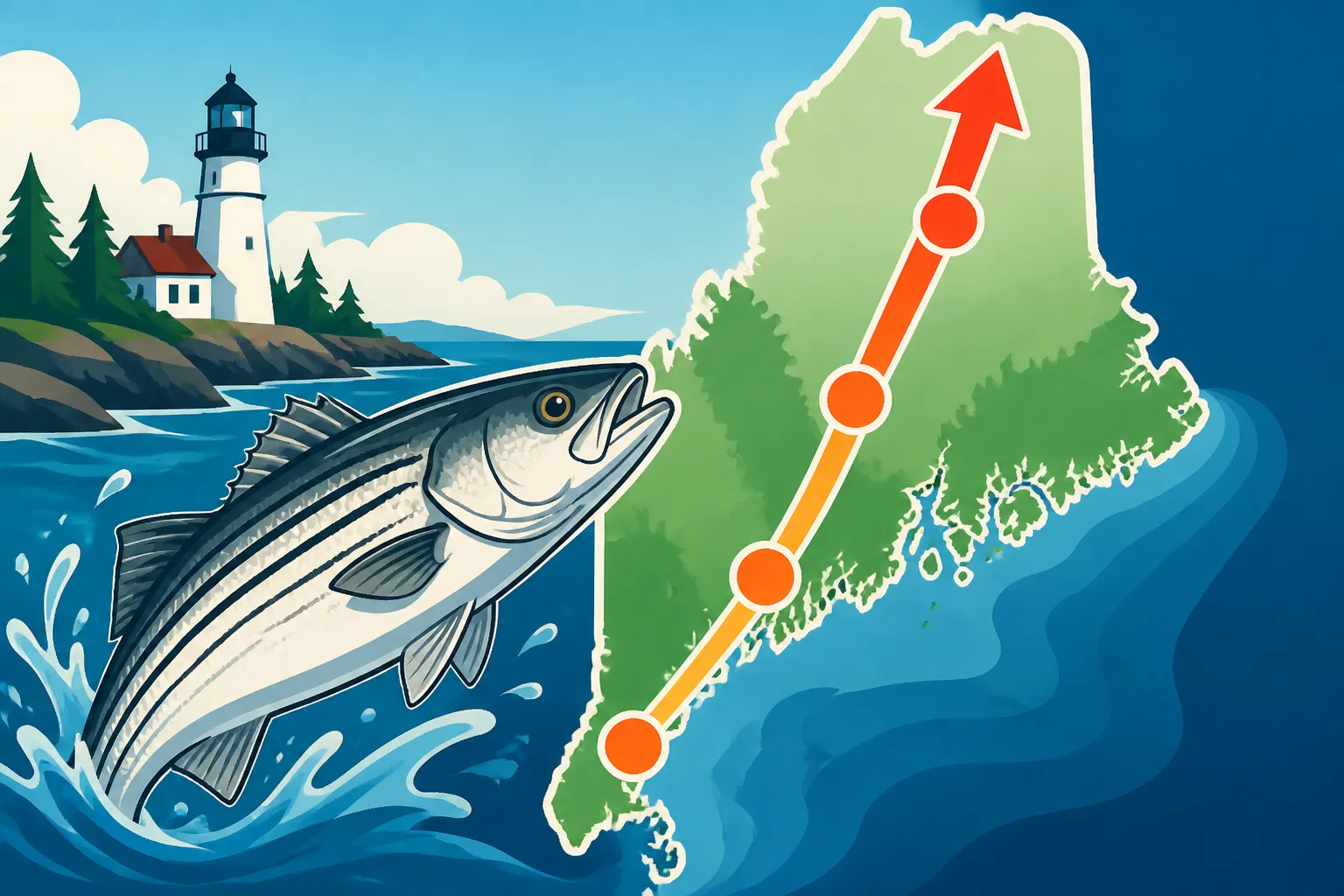
One of the most thrilling pursuits for any angler visiting or living in Maine is chasing the elusive, powerful striped bass. But if you’ve spent any time researching fishing spots, you might have noticed that most of the chatter and guiding services focus on the southern and mid-coast regions. This often leaves eager anglers wondering: just how far north do these magnificent fish truly venture along our rugged, beautiful coastline? It’s a completely valid question, and the answer isn't always a simple "yes" or "no" because their presence can depend on a variety of fascinating environmental factors. This guide will help you understand the nuances of striper migration in Maine, so you can better predict where and when you might encounter them further up the coast.
The Seasonal Migration of Striped Bass to Maine
Striped bass are true nomads of the coast, driven by instinct, water temperature, and the pursuit of their next meal. Understanding their annual journey is the first step to knowing how far north they'll typically roam.
Why Stripers Head North to Maine
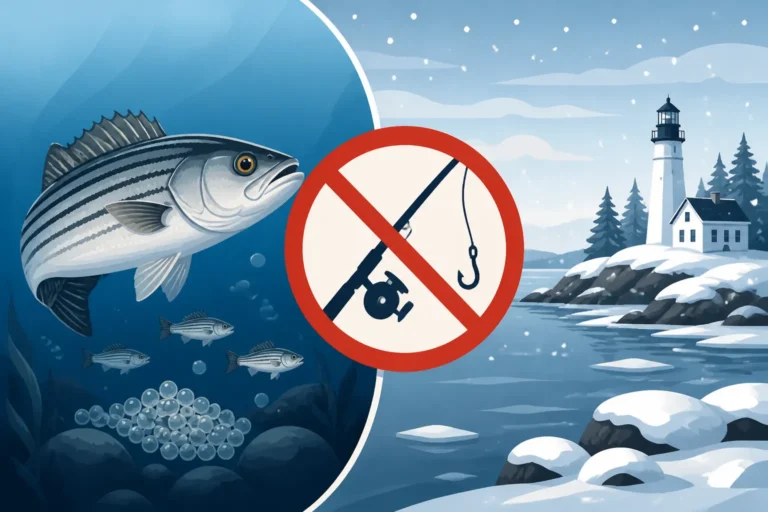
Every spring, after spawning in the warmer, brackier waters of rivers like the Chesapeake Bay or the Hudson, striped bass begin their extensive northward migration. This isn't just a leisurely cruise; it's a calculated move. As the waters to their south warm up beyond their comfort zone, Maine’s cooler, oxygen-rich waters become incredibly attractive. Think of it like a natural air conditioner and a buffet rolled into one! They're seeking out more comfortable temperatures and, crucially, a rich bounty of baitfish that are also moving north with the seasons.
Imagine vast schools of menhaden, mackerel, and herring, shimmering beneath the surface, providing an irresistible lure for these predatory fish. The journey is long and demanding, but the promise of abundant food and ideal living conditions in Maine's coastal waters makes it worthwhile. For many of us, the arrival of the first stripers is a true sign that summer fishing is about to kick into high gear, signaling the start of prime opportunities for Striped Bass Fishing in Maine.
Typical Distribution Along the Maine Coast
While striped bass can technically be found anywhere along the Maine coast that offers suitable habitat, their consistent presence is undeniably concentrated in the southern and mid-coast regions. Places like the waters around York, Kennebunkport, Saco, Portland, and even up to the Boothbay Harbor area are renowned for their reliable striper populations. Here, you'll find plenty of estuaries, rocky shores, and tidal rivers that create perfect ambush points and feeding grounds.
These areas are essentially the "main highway" for stripers, offering a predictable environment where they can thrive through the summer months. Anglers frequent these spots with great success, encountering fish of all sizes, from schoolies to impressive cows. The complexity of these coastlines, with their numerous inlets, coves, and river mouths, provides a diverse habitat that meets all of a striper's needs. You'll often see them moving in and out with the tides, sometimes chasing bait right up into shallow flats, other times lurking in deeper channels.
Pinpointing the Northernmost Reaches of Striper Travel
While the southern and mid-coast areas are the usual haunts, the question remains: how far north can an adventurous angler realistically hope to find a striper?
The Penobscot Bay and River as a Northern Hub
For most consistent, reliable striped bass fishing, Penobscot Bay often marks the practical northern boundary. This vast and intricate bay system, fed by the mighty Penobscot River, offers a unique blend of habitat that can hold stripers. The river itself acts as a significant draw, pushing fresh water and nutrients into the bay, which in turn attracts baitfish. Stripers will follow these baitfish, often venturing a considerable distance up the tidal portions of the Penobscot River.
Anglers fishing in and around Penobscot Bay, especially near its southern reaches and around the mouth of the river, frequently report good catches. The complex structure of the bay, with its countless islands, ledges, and channels, provides ample cover and feeding opportunities. If you're looking for a relatively consistent northern striper experience, focusing your efforts on Best Striped Bass Spots on the Penobscot River and its surrounding bay could be a very rewarding venture. It’s a beautiful area to fish, whether you're casting from shore or exploring by boat.
Occasional Forays Beyond the Penobscot
Now, for the really intriguing part: do stripers ever go even further north? The answer is a qualified "yes," but these are generally considered outlier occurrences rather than consistent populations. Anglers and researchers have documented striped bass sightings and catches in waters beyond Penobscot Bay, stretching into areas like Mount Desert Island, Frenchman Bay, and even further "Downeast" toward Machias and Eastport.
These northernmost encounters are often driven by specific environmental conditions. Exceptionally warm summers, prolonged periods of above-average ocean temperatures, or unusually strong baitfish runs far up the coast can push individual fish or small schools into these less common territories. It's a bit like finding a palm tree in Alaska – possible, but not typical. These fish are usually seeking the warmest pockets of water and the densest concentrations of food they can find. While you might not be able to reliably plan a trip to target stripers exclusively in these far northern locales, knowing that they can appear there adds an exciting element of surprise to any fishing adventure in Downeast Maine.
Environmental Factors Driving Northern Expansion
The exact northern limit of striped bass distribution isn't a fixed line on a map; it's a dynamic frontier influenced by Mother Nature herself. Several key environmental factors play a crucial role in how far these fish will extend their summer journey.
The Critical Role of Water Temperature
Water temperature is arguably the single most important factor dictating where striped bass will go. These fish prefer a comfortable range, generally somewhere between 55 to 70 degrees Fahrenheit (roughly 13 to 21 degrees Celsius). If the ocean waters to the south heat up too much, they'll seek out cooler havens. Conversely, if Maine experiences a particularly cool summer, the leading edge of their migration might not extend as far north.
Warmer ocean currents or prolonged warm spells can act like a natural highway, allowing stripers to travel further up the coast in search of food while still remaining in their preferred temperature zone. You can often see a correlation between hotter summers in the mid-Atlantic and the presence of stripers in more northern Maine waters. Anglers who pay attention to water temperature charts, which are often available online or through fish finders, can gain a significant edge in predicting where these fish might be holding. It's all about finding that thermal sweet spot where they're actively feeding and comfortable.
The Allure of Abundant Baitfish
Striped bass are opportunistic predators, and they will follow their food source wherever it leads. If massive schools of baitfish like mackerel, herring, or menhaden push further north due to oceanic conditions or their own life cycles, you can bet that stripers will be hot on their tails. The availability of forage is a powerful motivator, sometimes even overriding slight temperature preferences.
Imagine the scenario: a huge school of mackerel moves into a bay up near Mount Desert Island. If the water temperature is just on the cusp of being acceptable, the sheer abundance of food might be enough to draw a significant number of stripers far beyond their usual northern haunts. Savvy anglers often keep an eye on baitfish movements, knowing that where the bait goes, the bass will follow. Local bait shops are often a fantastic source of real-time information on what bait is running and where, providing invaluable insights for your Maine Coastal Fishing Spots for Striped Bass quest.
River Systems and Estuaries as Northern Sanctuaries
Even in the cooler northern waters of Maine, estuaries and the mouths of larger river systems provide critical habitat that can draw and hold striped bass. These areas often feature slightly warmer water than the open ocean due to shallower depths and solar absorption, and they also concentrate baitfish. The mix of fresh and saltwater, combined with nutrient-rich flows, creates a productive ecosystem.
Consider the dynamic environment of a river mouth: strong currents, varied depths, and plenty of structure like rock piles, mussel beds, and submerged timber. These are all prime locations for stripers to lie in wait for unsuspecting prey. Even if the open coast in a northern region is too cold, the sheltered waters of an estuary might offer just enough warmth and food to sustain a population of bass for a period. Exploring these tidal rivers and their outflows can be incredibly productive, especially during periods of strong tide movement, as discussed in How to Read Tides for Striped Bass Fishing.
Strategies for Anglers in Maine's Northern Striper Waters
If you're determined to chase stripers in Maine's less-frequented northern territories, you'll need a blend of good gear, patient strategy, and a healthy respect for the regulations.
Gear and Tactics for Northern Seekers
When venturing to these more challenging northern waters, having the right gear is paramount. You'll want a sturdy, reliable spinning or baitcasting setup capable of handling powerful fish, especially if you encounter a larger specimen. A medium-heavy rod paired with a corrosion-resistant reel spooled with strong braided line is a good starting point. Don't skimp on your terminal tackle either; strong swivels, leaders, and hooks are a must.
Your lure selection should be versatile. While some classic striper lures work everywhere, having a range from heavy jigs for deeper channels to topwater plugs for busting schools of bait is wise. Soft plastic paddletails and jerkbaits, perhaps a popular brand you can easily find on Amazon, are always a solid choice. Poppers and walk-the-dog lures for surface action can be incredibly exciting when stripers are actively feeding. Patience is your best friend. Northern stripers might be more spread out, so covering water and trying different presentations are key. Whether you're casting from a rocky shore or trolling from a boat, be prepared for longer stretches between bites.
Researching and Locating Productive Spots
In southern Maine, local knowledge for stripers is abundant. As you go further north, it becomes scarcer, making your own research crucial. Start by studying nautical charts and satellite maps to identify potential ambush points: rocky points, river mouths, submerged structures, and areas where currents converge. Look for places with good tidal flow, as moving water often indicates feeding activity.
Local bait and tackle shops, even those not strictly focused on stripers, can sometimes offer valuable intel. They hear whispers from anglers who might have had an unexpected encounter. Pay attention to bird activity; diving gulls or terns are often indicators of baitfish, and where there's bait, there are usually predators. Consider resources like Best Striped Bass Spots on Casco Bay as a starting point and extrapolate similar features further north. Don't be afraid to explore, but always prioritize safety, especially when navigating unfamiliar coastal terrain. A good waterproof backpack, like those often reviewed and sold on Amazon, can keep your essentials dry while you explore.
Understanding Regulations and Conservation
Regardless of where you're fishing for striped bass in Maine, understanding and adhering to the current regulations is non-negotiable. Maine, in cooperation with federal and interstate agencies, has specific slot limits and daily bag limits designed to protect the striper population. It's important to know the current Maine Striped Bass Slot Limit Explained and Can You Keep More Than One Striped Bass a Day in Maine? to ensure you're fishing legally.
Conservation should always be at the forefront of every angler's mind. Striped bass are a treasured resource, and practicing catch and release, especially for larger breeding fish, helps ensure healthy populations for future generations. When releasing fish, handle them gently, minimize their time out of water, and use appropriate de-hooking tools. A quick search on Amazon for "fishing de-hooker" will show you many options. These practices are vital for sustaining the species, particularly in areas where their presence might be less common.
Table: Factors Influencing Northern Striped Bass Travel
Understanding the elements that dictate how far north striped bass will travel can greatly improve your chances of finding them in less common areas.
| Factor | Influence on Northern Travel | Typical Observation |
|---|---|---|
| Water Temperature | Warmer average coastal temperatures allow further northern spread | Stripers generally prefer 55-70°F. Prolonged warm spells push them further, colder summers keep them closer to southern Maine. |
| Baitfish Availability | Abundant schools of baitfish (menhaden, mackerel, herring) draw them far up the coast | Where baitfish go, stripers follow. If dense schools move far north, stripers will extend their range to feed. |
| Estuaries & Rivers | Provide warm, sheltered, food-rich habitats in cooler regions | Tidal rivers like the Penobscot or Kennebec offer sanctuaries, often warmer than open ocean, concentrating fish. |
| Oceanic Currents | Can transport warmer water and bait further north | Stronger currents bringing Gulf Stream eddies or warmer water into the Gulf of Maine can facilitate northern movement. |
| Year Class Strength | Stronger year classes (more fish) may explore new territories | An exceptionally large population of stripers may lead to more individuals pushing into less traditional grounds. |
In conclusion, while the southern and mid-coast of Maine remain the consistent stronghold for striped bass, these magnificent fish do indeed travel further north, sometimes surprisingly far. Their adventurous spirit is primarily governed by the quest for comfortable water temperatures and abundant food. With a bit of research, the right gear, and a healthy dose of patience, an angler can absolutely find success chasing stripers in the more northern reaches of Maine’s stunning coastline. Just remember, every fish caught in these less common areas is a testament to their incredible migratory power and the dynamic nature of our marine environment.
Disclaimer
This article is for general informational purposes only and does not constitute professional advice. Laws, prices and regulations vary by location and change over time. Consult a qualified professional for guidance on your specific situation.