Maine Fish Consumption Advisory for Mercury
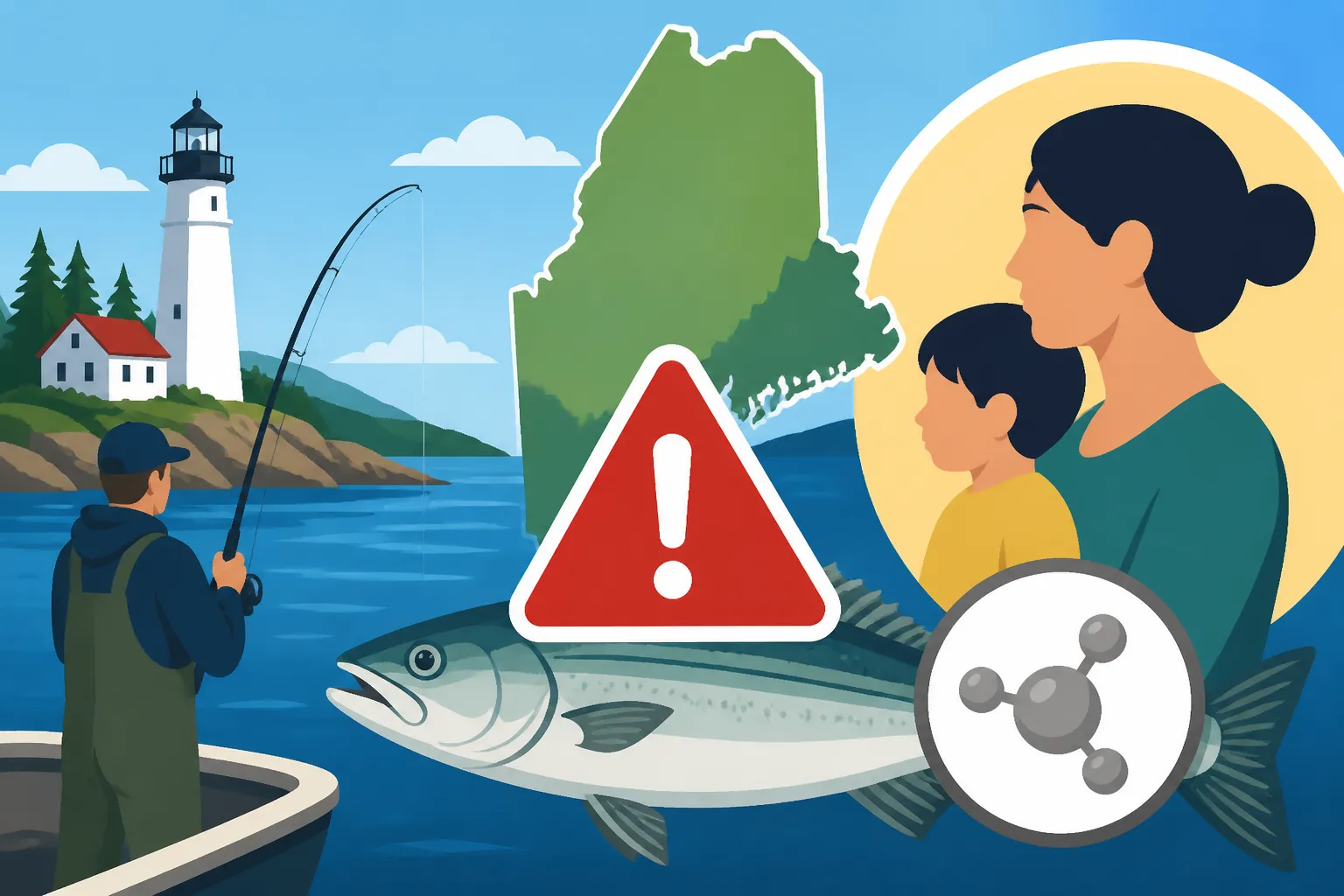
There's nothing quite like the thrill of landing a beautiful fish from Maine's pristine lakes, rivers, or coastal waters. But let's be honest, that joy can quickly turn into a nagging question: "Is this fish safe to eat?" Many of us worry about contaminants, and mercury is often at the top of that list. It's a real concern, and navigating the often-complex world of fish consumption advisories can feel like trying to untangle a snarled fishing line. This guide is here to unravel the mystery of Maine's fish consumption advisory for mercury, helping you understand what it means for your catch, your family, and your plate, so you can enjoy your fresh Maine fish with confidence.
Understanding Mercury in Maine Fish
Mercury is a naturally occurring element, but human activities like burning coal and waste can release it into the atmosphere. Once in the air, it eventually settles into our waters. This isn't just a Maine problem; it's a global one, and it’s why fish advisories exist in many places. The mercury in the water is then converted by bacteria into methylmercury, a highly toxic form that accumulates in fish.
How Mercury Gets Into Fish
It’s a bit of a food chain story, really. Microscopic organisms in the water absorb methylmercury. Then, small fish eat these organisms, accumulating a little bit of mercury themselves. Bigger fish then eat those smaller fish, and so on. This process, called bioaccumulation, means that fish higher up the food chain, or those that live longer, tend to have higher concentrations of mercury in their tissues. Think of it like a sponge – the longer it's in the mercury-laced water, and the more mercury-soaked things it absorbs, the more mercury it holds.
Maine’s vast network of lakes, ponds, and rivers, while beautiful, are not immune to this environmental reality. Even seemingly remote waters can have fish with mercury levels that warrant caution. It's not about the water looking clean; it's about the invisible chemistry happening within its ecosystem. This is why a universal understanding of advisories is so crucial, rather than relying on visual cues.
Why Mercury is a Concern for Human Health
For most healthy adults, enjoying fish in moderation is generally safe and even beneficial due to omega-3 fatty acids. However, high exposure to methylmercury can cause serious health problems, particularly for developing fetuses and young children. It can affect the nervous system, including the brain and spinal cord, leading to issues with development, coordination, and even memory.
This is precisely why consumption advisories are often more stringent for pregnant women, women who might become pregnant, nursing mothers, and young children. Their developing bodies and brains are much more vulnerable to the effects of mercury. For the rest of us, it's about balancing the incredible health benefits of eating fish with the potential risks, and that's where the advisories come into play. It's about making informed choices, not necessarily giving up your favorite fresh catch.
Maine's Fish Consumption Guidelines: Who, What, When, Why
Maine, like many states, provides specific guidelines to help anglers and consumers make informed decisions about eating locally caught fish. These aren't meant to scare you away from fishing, but rather to empower you with knowledge to protect your health. It's truly about balancing the benefits of eating fresh, wild-caught fish with minimizing potential risks.
General Advisories for the General Public
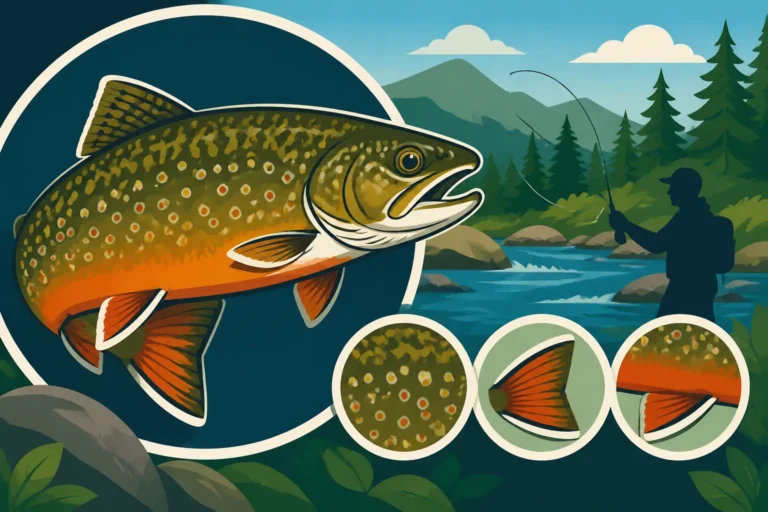
For the general adult population, the advice often revolves around limiting consumption of certain species, especially larger, longer-lived predatory fish. The Maine Department of Inland Fisheries and Wildlife (MDIFW) works alongside the Maine Center for Disease Control and Prevention (Maine CDC) to issue these recommendations. Generally, many popular Maine game fish like Brook Trout Fishing in Maine or Landlocked Salmon Fishing in Maine are considered safe to eat in reasonable quantities for most healthy adults.
However, the key is knowing which fish tend to accumulate more mercury. These are often those apex predators we all love to catch, like larger lake trout (togue) or even some of the bigger bass. The general rule of thumb for many species across Maine's vast waters is typically one meal per week for adults. This isn't a hard and fast law, but a sensible guideline to reduce cumulative exposure. Always check the most current regulations for any specific water body, as local advisories can vary. These guides can often be found where you buy your Maine Fishing License Guide or through the MDIFW website.
Special Considerations for Sensitive Populations
This is where the advisories become more focused and cautious. Pregnant women, women who might become pregnant, nursing mothers, and young children are considered sensitive populations because methylmercury can harm a developing fetus or a child's brain and nervous system. For these groups, the recommendations are significantly more restrictive.
For example, while a healthy adult might be advised to eat one meal of a certain fish per week, a pregnant woman might be advised to eat only one meal per month, or to avoid that species entirely. Some species, due to their consistently higher mercury levels, are often recommended to be avoided by these sensitive groups altogether, regardless of where they were caught. It's a small sacrifice to make for the health of a child. Understanding these specific guidelines is crucial if you or someone you're feeding falls into one of these categories. Always prioritize the most cautious recommendations for these individuals.
Species-Specific and Waterbody-Specific Advice
The beauty and challenge of fishing in Maine lie in its incredible diversity of water bodies and fish species. This also means that a blanket advisory rarely applies perfectly everywhere. While there are statewide general advisories, many specific lakes, ponds, and even sections of rivers have their own detailed consumption advisories based on water quality testing.
This is particularly true for fish that are known mercury accumulators. For instance, a very large Lake Trout and Togue Fishing in Maine caught in a deep, isolated pond might have a different recommendation than a smaller one from a heavily managed lake. Similarly, Smallmouth Bass Fishing in Maine guidelines might differ between the North and South Zones, or even lake to lake. You'll often find these detailed advisories listed in the annual Maine Fishing Regulations Explained booklet or on the MDIFW website. It’s incredibly important to look up the specific water body you’re fishing and the species you intend to keep. Don't assume that if it's okay somewhere, it's okay everywhere.
Here's a simplified general guide, but always consult official Maine IFW and CDC resources for the most current and specific advice for your fishing spot:
| Fish Species (Common in Maine) | General Advisory for Healthy Adults (Approx.) | Special Advisory for Sensitive Populations (Pregnant/Nursing Women, Young Children) |
|---|---|---|
| Brook Trout | 1-2 meals per week | 1 meal per week |
| Landlocked Salmon | 1 meal per week | 1 meal per month |
| Smallmouth Bass | 1 meal per week (smaller fish) | Limit to 1 meal per month, or avoid larger bass |
| Largemouth Bass | 1 meal per week (smaller fish) | Limit to 1 meal per month, or avoid larger bass |
| Lake Trout (Togue) | 1 meal per month (especially larger fish) | Avoid or very limited, small portions (check specific advisories carefully) |
| Pickerel | 1 meal per week | 1 meal per month |
| Yellow Perch | 1-2 meals per week | 1 meal per week |
| White Perch | 1-2 meals per week | 1 meal per week |
| Striped Bass | 1-2 meals per week (within slot limit) | 1 meal per week (within slot limit, avoid larger fish) |
Note: This table provides general guidance. Always check the current official Maine fishing regulations and health advisories for the specific water body and species you are interested in. Size of the fish also plays a significant role in mercury accumulation.
Making Smart Choices: Reducing Your Mercury Exposure
So, you love to fish and you love to eat your catch – and who can blame you? The good news is that you absolutely can continue to enjoy both! It's all about making smart, informed choices to minimize your mercury exposure while still reaping the benefits of fresh, wild-caught fish. These advisories aren't meant to stop you from enjoying a delicious meal from the lake, but to guide you to healthier practices.
Choosing Wisely: Fish Species and Size
This is perhaps the most impactful choice you can make. As we discussed, mercury bioaccumulates, meaning bigger, older, and more predatory fish tend to have higher levels.
- Go Smaller: When targeting species like bass or lake trout, consider keeping smaller, younger fish within legal limits, rather than always aiming for the biggest trophies. A 16-inch smallmouth bass, for example, will generally have less mercury than a 20-inch smallmouth bass from the same water. It's a simple, effective way to reduce your intake.
- Opt for Herbivores/Smaller Predators: Fish lower on the food chain, or those with shorter lifespans, typically have less mercury. Think about species like Yellow Perch Fishing in Maine or White Perch Fishing in Maine, which are often abundant and delicious, and frequently have lower mercury levels. Even Brook Trout Fishing in Maine, especially smaller stream-dwelling ones, are generally a safer bet. Diversifying your catch and your diet is a great strategy.
- Consult Local Advisories: Before you even cast a line, check the specific advisory for that particular lake or river. You can find this information in the annual fishing law book, often available at local bait shops or online through the MDIFW website. Don't rely on word-of-mouth; get the official data. This might save you from catching a fish you ultimately shouldn't eat much of.
Preparation and Cooking Methods: Does it Help?
There's a common misconception that certain cooking methods or fish preparation techniques can reduce mercury levels. Unfortunately, that's not really the case.
- Mercury is in the Muscle: Methylmercury is tightly bound to the protein in the muscle tissue of the fish, which is the part we primarily eat. Unlike some other contaminants that might concentrate in fat (which can be trimmed), mercury cannot be cooked or cleaned out. Frying, baking, grilling, or boiling will not reduce the mercury content of the fish.
- Trimming Fat vs. Mercury: While trimming fat is a good practice for reducing other pollutants like PCBs or dioxins, it won't impact mercury levels. So, continue to prepare your fish in ways that you find delicious and healthy, but don't count on it to remove mercury. The solution lies in your initial choices about which fish to eat and how much.
Balancing Benefits and Risks
It's easy to get caught up in the fear of mercury, but it's important to remember that eating fish offers significant health benefits, especially the beneficial omega-3 fatty acids. The goal isn't to eliminate fish from your diet, but to make informed decisions.
- Variety is Key: Don't just eat one type of fish, especially not large predatory fish, every day. Rotate your diet to include a variety of fish from different sources and species. This not only broadens your nutrient intake but also minimizes exposure to any single contaminant.
- Follow the Guidelines: The Maine CDC and MDIFW issue these advisories for a reason – they're based on scientific research to protect public health. Heeding these guidelines, especially for sensitive populations, is the best way to enjoy Maine's bounty safely. If an advisory says limit consumption to one meal per month, take that seriously.
- Listen to Your Body: For those not in sensitive groups, it's about moderation. Enjoy your fresh catch, but be mindful of how much you're consuming. If you're concerned about your individual mercury exposure, especially if you eat a lot of fish or are considering pregnancy, it's always wise to consult with your doctor. They can offer personalized advice and even conduct tests if necessary.
Practical Tips for Maine Anglers
Being a responsible and well-informed angler in Maine means more than just knowing your Maine Fishing Regulations Explained or Maine Fish Bag Limits Guide. It also means understanding what happens after the catch, especially if that fish is destined for your dinner plate. Having a plan for managing your catch with mercury advisories in mind can make all the difference.
Before You Cast: Research Your Waters
Preparation is paramount, and that includes doing a little homework before your trip. Don't wait until you've caught a trophy fish to wonder if you should eat it.
- Check the MDIFW and Maine CDC Websites: These are your primary, most reliable sources for the latest fish consumption advisories. They often provide interactive maps or searchable databases where you can look up specific lakes, ponds, or rivers. It's a quick and easy way to get peace of mind.
- Grab the Current Regulations Book: When you pick up your Maine Fishing License Guide or visit a local tackle shop, be sure to grab a physical copy of the annual Maine Fishing Law Book Where to Get One. These booklets typically contain general advisories and often point you to where to find specific waterbody details. Having it on hand during your trip can be incredibly useful.
- Ask Local Experts: Bait shop owners, Maine Registered Guides, or even seasoned local anglers can often provide insights into local advisories and which species might be a better choice for eating from a particular body of water. They live and breathe this stuff!
During Your Trip: Making Conscious Decisions
When you're out on the water, excited about a potential catch, it's easy to forget about mercury. But a few mindful decisions can make a big difference.
- Target Lower-Mercury Species: If your primary goal is to bring home dinner, focus on species generally known to have lower mercury levels for that specific water. This might mean targeting yellow perch instead of a giant togue, even if both are present.
- Practice Catch and Release for Larger Predatory Fish: For those trophy-sized Lake Trout and Togue Fishing in Maine or even really big Smallmouth Bass Fishing in Maine that are known to accumulate more mercury, consider snapping a photo and then carefully releasing them. This not only helps reduce your personal mercury intake but also contributes to healthy fish populations. Catch and Release Best Practices in Maine are always a good idea.
- Keep a Log: Especially if you fish frequently and enjoy eating your catch, keeping a simple log can be helpful. Note down the species, approximate size, and where you caught it. This helps you track your consumption over time and ensures you're adhering to the recommended weekly or monthly meal limits. You can do this with a pen and paper, or even a simple note on your phone.
After the Catch: Responsible Consumption
Once you've decided to keep a fish, how you handle it and what you do with it is the final piece of the puzzle.
- Proper Storage: No matter what, always ensure your catch is properly cared for, kept cold, and cleaned promptly. This is crucial for food safety, regardless of mercury concerns. You might find specialized fish cleaning kits on platforms like Amazon that make processing your catch easier and safer.
- Share Your Catch Wisely: If you catch more than you can (or should) eat yourself within the advisory guidelines, share it with friends and family, but also share the knowledge. Inform them of the species, where it was caught, and any applicable consumption advisories so they too can make informed decisions. Responsible sharing is part of being a good angler.
- Educate Others: Part of being a veteran angler is sharing wisdom. Gently educate fellow anglers, especially beginners, about the importance of checking consumption advisories. It’s not about being preachy, but about sharing vital information that contributes to overall health and responsible stewardship of Maine’s incredible fishing resources. Remember, we all want to enjoy these waters for generations to come, and that means being smart about what we take from them and what we put into our bodies.
Disclaimer
This article is for general informational purposes only and does not constitute professional advice. Laws, prices and regulations vary by location and change over time. Consult a qualified professional for guidance on your specific situation.