What Is a Good Size Salmon on Sebago Lake?
You're heading out on Sebago Lake, dreaming of that perfect landlocked salmon, and one question keeps swirling in your mind: "What is a good size salmon to catch here?" It's a question many anglers ponder, often leading to a mix of hope and expectation. After all, Sebago is legendary for its landlocked salmon, and every trip holds the promise of a memorable catch. This guide will help demystify what makes a Sebago salmon truly memorable, from average catches to those brag-worthy giants, and how the health of the lake plays a huge role in their size.
Understanding Landlocked Salmon in Sebago Lake
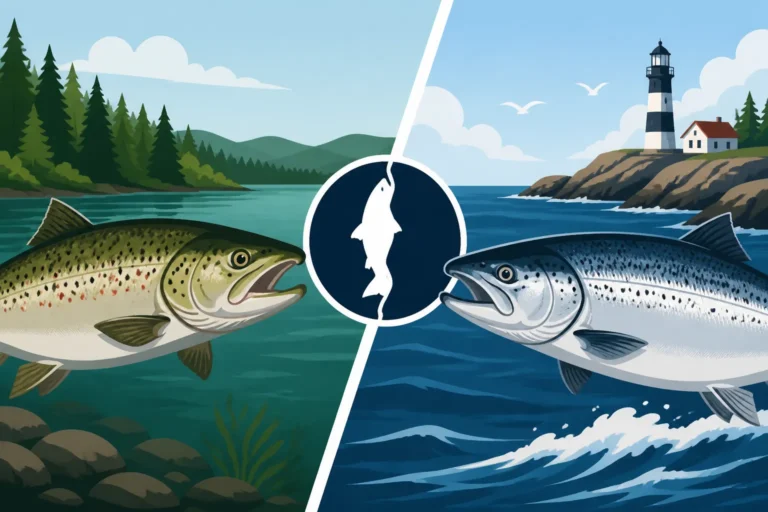
Sebago Lake is more than just a large body of water; it's an ecosystem renowned for its landlocked salmon. These fish are essentially Atlantic salmon that, through various geological or historical reasons, became landlocked, adapting to a purely freshwater existence. They are fast, beautiful, and a challenging fight for any angler, making them a prized catch in Maine.
The Unique Sebago Lake Strain
The landlocked salmon in Sebago Lake are often considered a distinct and robust strain. Historically, this lake has been a stronghold for these fish, making it a key area for their management and conservation efforts in Maine. The fish here have developed specific adaptations to Sebago's deep, cold waters and its abundant smelt population, which forms the cornerstone of their diet. This unique lineage contributes to their strong fighting spirit and potential for impressive size.
While the general characteristics of landlocked salmon are consistent across Maine, the Sebago strain is particularly well-regarded. Anglers often speak of the vibrant colors and muscular builds of salmon caught from these waters. The long history of dedicated fishery management, including stocking programs and habitat protection, aims to preserve and enhance the quality of the salmon fishing experience, ensuring that future generations can continue to enjoy the thrill of catching these magnificent fish.
General Growth Patterns and Lifespan
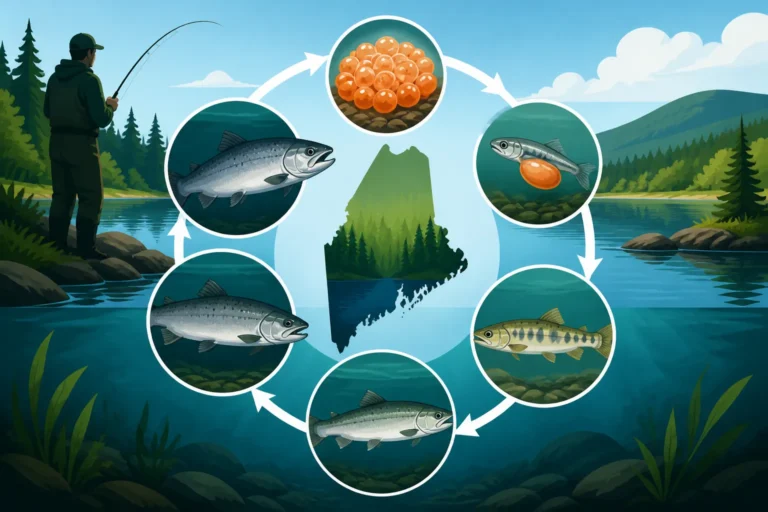
Landlocked salmon grow at varying rates depending on several factors, primarily food availability and water conditions. In a healthy system like Sebago, they can grow quite quickly in their early years, putting on significant length and weight as they mature. Their lifespan generally ranges from 4 to 8 years, though some individuals can live longer, especially if conditions are ideal and they avoid predation or angling pressure.
Young salmon, often called parr, spend their initial years in river systems connected to the lake before migrating to the main lake to feed and grow. Once in Sebago, their growth accelerates, feeding heavily on the lake's abundant baitfish. A salmon caught at two or three years old might be a respectable size for the frying pan, while older, more mature fish are what most anglers consider the true trophies of Sebago Lake. Understanding this growth curve helps set realistic expectations for what you might encounter on your next fishing trip.
Factors Influencing Salmon Size and Health in Sebago Lake
The size and overall health of landlocked salmon in Sebago Lake aren't left to chance; they are intricately linked to a complex web of environmental factors. From the food they eat to the water they swim in, everything plays a role in how big these majestic fish can get.
Forage Base: The Crucial Role of Smelt
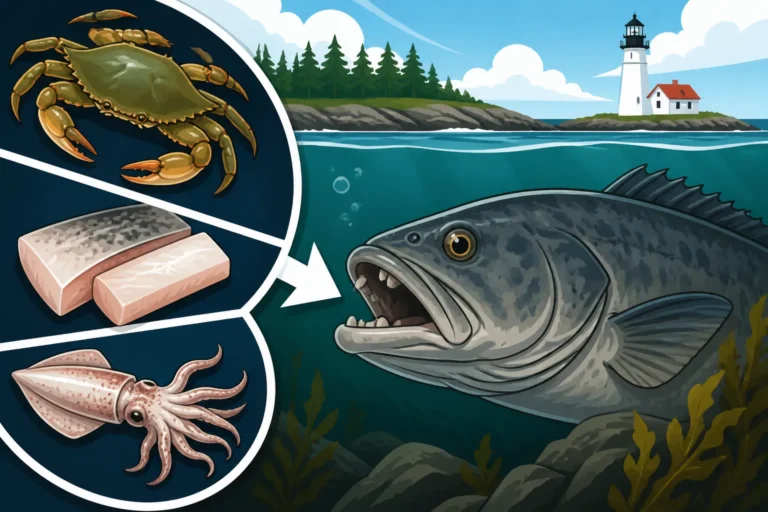
The primary driver of landlocked salmon growth in Sebago Lake, and indeed most landlocked salmon waters in Maine, is the health and abundance of the smelt population. Smelt are small, oily baitfish that provide the rich, high-energy diet salmon need to pack on weight and grow to impressive sizes. When the smelt population is robust, salmon have plenty to eat, leading to healthier, larger fish. Conversely, a decline in smelt numbers can lead to slower growth rates and smaller average salmon sizes.
Fishery biologists closely monitor the smelt populations in Sebago Lake, as they are a direct indicator of the salmon's potential. Healthy smelt runs, often occurring in early spring, are vital for the entire ecosystem. Anglers often pay attention to Maine Smelt Run Timing because a strong run usually bodes well for the salmon fishing later in the year. The availability of these critical baitfish directly translates to the vitality of the Sebago Lake landlocked salmon fishery, influencing not only size but also the overall condition of the fish.
Water Quality and Habitat
Sebago Lake is a deep, oligotrophic (nutrient-poor) lake, known for its exceptional water quality. This is critical for landlocked salmon, which thrive in cold, well-oxygenated water. As summer temperatures rise, salmon retreat to deeper, cooler sections of the lake, often seeking out thermal refuges. Good water quality means these deeper zones remain habitable with sufficient oxygen levels, allowing the salmon to feed and grow comfortably throughout the warmer months. Pollution or excessive nutrient runoff could degrade these critical habitats, impacting salmon health and growth.
The lake's structure, including deep basins, rocky ledges, and submerged points, also provides essential habitat. These features offer places for salmon to hunt smelt, find refuge, and stage before spawning. Understanding Where Landlocked Salmon Live in Maine Lakes is key for anglers and crucial for conservation efforts. The continued protection of Sebago's pristine waters and diverse underwater structures ensures that salmon have the necessary environment to reach their full potential.
Stocking vs. Wild Populations
Maine Inland Fisheries and Wildlife (IFW) actively manages the Sebago Lake fishery, which includes stocking landlocked salmon. This is a common practice in many Maine lakes to supplement natural reproduction, maintain healthy fish populations, and ensure consistent angling opportunities. Stocked fish contribute significantly to the overall number of salmon in the lake, and if they have ample food, they can grow to impressive sizes just like their wild counterparts.
However, wild salmon, those naturally spawned and reared in the lake's tributaries, are also a vital component of the fishery. These fish are often lauded for their hardiness and genetic diversity. The balance between stocked and wild populations is carefully managed to optimize the fishery, aiming for a sustainable population that offers both quantity and quality. The presence of a strong wild component often indicates a healthy ecosystem capable of supporting the salmon throughout their life cycle.
Angler Pressure and Catch & Release
The popularity of Sebago Lake means it experiences significant angler pressure throughout the year, especially during peak seasons. While a certain level of harvest is expected and managed, excessive pressure can impact the average size of fish in a lake if too many larger, faster-growing individuals are removed. This is where catch and release practices become incredibly important, especially for those trophy-sized fish.
Many anglers choose to release larger salmon, not only for conservation but also to give others the chance to catch a memorable fish. Practicing Catch and Release Best Practices in Maine ensures that released fish have the best chance of survival, allowing them to continue growing and contributing to the gene pool. This stewardship helps maintain the integrity of the fishery, ensuring that Sebago continues to produce "good size" salmon for years to come.
Defining a "Good Size" Salmon on Sebago Lake
When you ask different anglers what a "good size" salmon on Sebago Lake is, you'll likely get a variety of answers. It often depends on their personal experience, expectations, and whether they're looking for a meal or a mount. However, there are some general benchmarks that most seasoned Sebago anglers would agree upon.
The Average Catch
For many anglers on Sebago, a "good size" salmon for a typical day out might be anywhere from 16 to 20 inches, weighing around 1.5 to 2.5 pounds. These are healthy, respectable fish that offer a fun fight and make for an excellent meal. They're what you might expect to catch on a reasonably successful outing, and they represent the backbone of the fishery. These fish are typically 2 to 3 years old, having spent a couple of seasons feeding on Sebago's rich smelt supply.
Don't underestimate the joy of catching several of these average-sized salmon; they are energetic fighters and a testament to the lake's productivity. While perhaps not "trophy" class, they are certainly satisfying catches and contribute to a fantastic day on the water. Many anglers targeting a meal will keep fish within this size range, as they are often considered to have the best table quality.
Trophy Potential
Now, if you're talking about a trophy salmon on Sebago Lake, you're looking at something significantly larger. A true trophy landlocked salmon from Sebago typically measures 22 inches or more and can weigh anywhere from 4 to 8 pounds, or even larger. Fish exceeding 24 inches and breaking the 6-pound mark are often considered once-in-a-lifetime catches for many. These are older, more experienced fish that have successfully navigated the challenges of the lake for many years.
Sebago has a history of producing truly massive landlocked salmon. While such giants aren't caught every day, the potential is always there, and it's what keeps many dedicated anglers coming back season after season. Catching a trophy salmon requires patience, skill, and often a bit of luck, but the reward of battling such a powerful fish is unparalleled. Anglers often share stories of these exceptional catches for years, cementing Sebago Lake's reputation for big fish.
Beyond the Tape Measure
It's easy to get caught up in numbers, but a "good size" salmon isn't always about inches and pounds. Sometimes, it's about the pure thrill of the fight. A feisty 18-inch salmon that strips line and jumps repeatedly can be just as memorable, if not more so, than a heavier, less acrobatic fish. The sheer power and speed of landlocked salmon, especially in the cold waters of Sebago, make every encounter exciting.
Think about the conditions of the day, the beauty of the lake, the company you keep, and the challenge of figuring out the fish. The crisp air, the sun on the water, the anticipation as your line trolls behind the boat – these elements combine to define the experience. A "good size" salmon can also be the first salmon you ever catch, or the one that finally teaches you a new technique. Ultimately, the measure of a "good size" salmon is often more about the indelible memory it creates than just its dimensions.
Sebago Lake Salmon Size Guide
To give you a clearer picture, here's a general guide for landlocked salmon caught on Sebago Lake:
| Category | Length (Approx.) | Weight (Approx.) | Typical Age (Approx.) | Angler Experience |
|---|---|---|---|---|
| Average Catch | 16-20 inches | 1.5-2.5 lbs | 2-3 years | Common, satisfying |
| Good Catch | 20-22 inches | 2.5-4 lbs | 3-4 years | Memorable, solid |
| Trophy Catch | 22+ inches | 4-8+ lbs | 4-8+ years | Rare, exceptional |
This table provides a snapshot, but remember, fish size can vary. Factors like the individual fish's health, its genetics, and the precise moment of its growth cycle can all play a role.
Tips for Targeting Larger Sebago Lake Salmon
If you're aiming for those bigger landlocked salmon on Sebago, it takes more than just dropping a line in the water. These mature fish are often warier and require a more strategic approach.
Timing and Location for Big Salmon
One of the biggest keys to catching larger salmon on Sebago Lake is understanding the seasonal patterns and where these fish will be. Early spring, just after ice-out, is often a prime time. The water is cold and oxygen-rich throughout the water column, allowing salmon to be found closer to the surface and near tributary mouths where they may be feeding on smelt. This is when they are often most aggressive after a long winter. As the water warms in late spring and early summer, salmon will move deeper, chasing the colder water and their primary food source, the smelt.
Summer can be challenging, as salmon seek deep, cool pockets, making them harder to locate. However, if you can find these thermal refuges, you might be rewarded with a big fish. Fall, as the water cools again, brings salmon shallower, often congregating near spawning areas in the tributaries or along the lake's main body. Knowing Best Time of Year to Catch Landlocked Salmon in Maine is crucial. Focus your efforts on deep water structure during warmer months, and shallower areas during spring and fall.
Effective Techniques and Gear
Trolling is undeniably the most popular and often most effective method for targeting landlocked salmon on Sebago Lake. For bigger fish, you’ll typically need to get your lures down to the depth where they are holding, especially in warmer months. This means employing techniques like lead core line, copper line, or downriggers. A quality downrigger, for instance, allows you to precisely control your lure's depth, often critical for enticing larger, deeper-holding salmon. You can find a wide selection of these specialized tools on Amazon.
When it comes to lures, a variety of spoons, stickbaits, and fly patterns imitating smelt are effective. Common colors might include silver, blue, green, and chartreuse. Experiment with different sizes and actions until you find what the fish are hitting. Fly fishing can also be highly effective, particularly in spring and fall when salmon are shallower or in river mouths. Checking out Best Lures for Maine Open Water Fishing can give you a head start. Make sure your gear is up to the task; larger salmon put up a serious fight, so a sturdy rod and reel with a smooth drag are essential. Many anglers will research durable line and specific trolling gear on Amazon before their trip.
Understanding Sebago's Unique Challenges
Sebago Lake is a large and deep body of water, which presents its own set of challenges. Its sheer size means that fish can be spread out, requiring a good understanding of the lake's contours and structure. Modern fish finders and GPS are invaluable tools for locating drop-offs, underwater points, and schools of baitfish where salmon are likely to be lurking. Consider researching robust, marine-grade fish finders on Amazon to help you decipher the underwater landscape.
Thermal stratification, where layers of water at different temperatures form, is another factor. Salmon will hold in a specific temperature range, often called the "thermocline," where cooler water meets warmer water. Mastering Trolling Techniques for Maine Lakes and understanding how to target these thermal layers can greatly increase your chances of finding larger, more active fish. Don't be afraid to change depths frequently until you start getting bites. Patience and persistence are key on a lake of Sebago's magnitude.
Disclaimer
This article is for general informational purposes only and does not constitute professional advice. Laws, prices and regulations vary by location and change over time. Consult a qualified professional for guidance on your specific situation.