What Is the Daily Limit for Togue in Maine?
It's incredibly frustrating when you're geared up for a day on the water in Maine, picturing that perfect togue on the line, only to realize you're not entirely sure about the daily catch limits. The rules can feel like a labyrinth sometimes, especially with so many lakes having their own specific regulations on top of the general laws. This guide is here to untangle that confusion, giving you a clear picture of what the daily limit for togue is in Maine and how to make sure you're always fishing within the legal boundaries.
Understanding Togue and Why Limits Matter
Before we dive into the nitty-gritty of numbers, let's make sure we're all on the same page about the magnificent fish we're discussing and why these regulations are so crucial for its future in our beautiful state. It's not just about stopping people from taking too many; it's about preserving a treasured resource for generations.
What Exactly is a "Togue" Anyway?
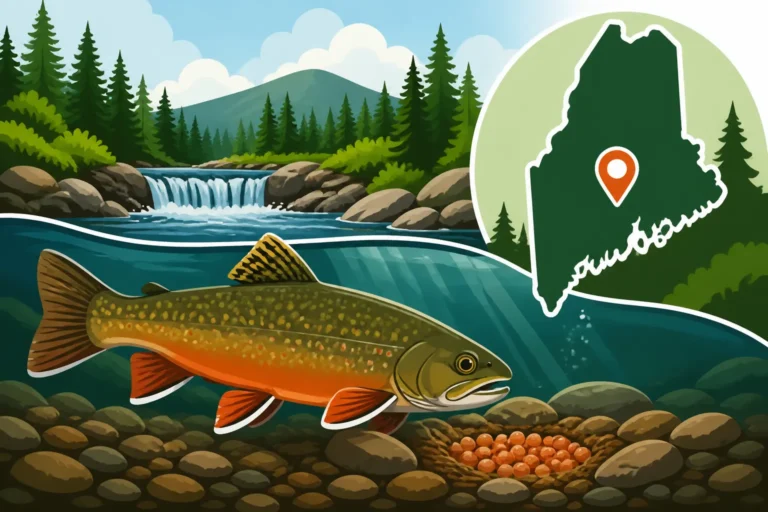
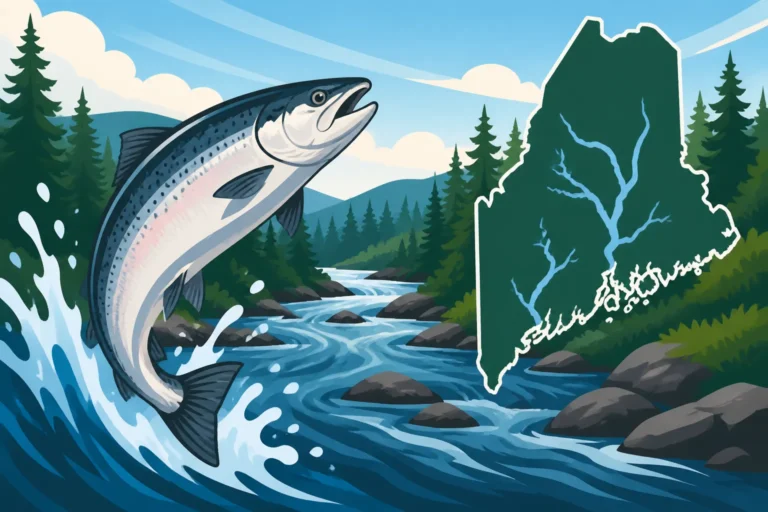
Ah, the togue! If you're new to Maine fishing, you might hear this term and scratch your head a bit. In many parts of the country, this fish is known as a lake trout. But here in Maine, "togue" is the local, affectionate (and sometimes pronounced "toag") name for Salvelinus namaycush. These cold-water warriors are true giants of our deep, pristine lakes, preferring the chilly depths where they lurk, waiting for unsuspecting baitfish. They're prized for their fighting spirit and their delicious, firm flesh. You'll find them in many of our iconic bodies of water, from the vast expanse of Moosehead Lake Fishing Guide to the deep, clear waters of Sebago Lake Fishing Guide, and they are a cornerstone of Maine's freshwater angling scene. Understanding How to Identify a Togue vs Lake Trout is also helpful, though locally, the names are often used interchangeably.
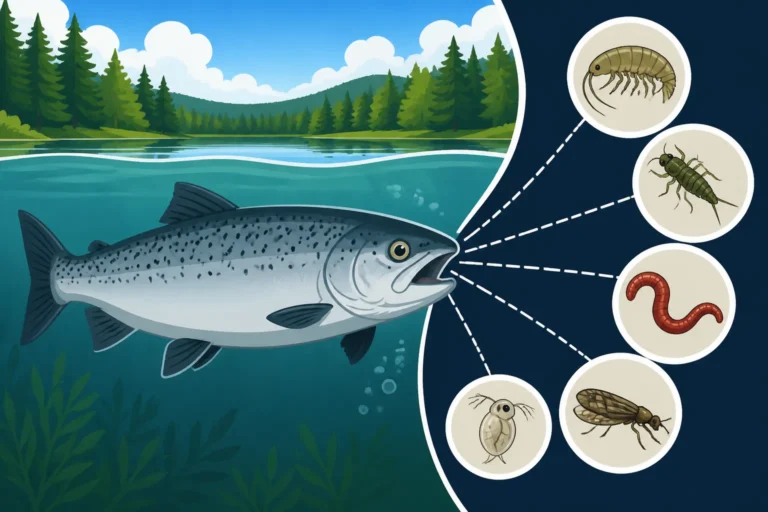
Togue are a fascinating species, perfectly adapted to the cold, oxygen-rich environments of our deeper lakes. They can grow to impressive sizes, offering a real challenge to anglers who pursue them. Their diet typically consists of smaller fish like smelt and cisco, which they actively hunt in the depths. This predatory nature, combined with their slow growth rate and relatively late maturity, makes them particularly vulnerable to overfishing if not properly managed. That's why those daily limits and length restrictions are so vital, ensuring these magnificent fish have a chance to reproduce and maintain healthy populations. If you're curious about their habitat, Where Togue Live in Deep Maine Lakes offers a great look into their preferred environments.
The Importance of Daily Limits for Conservation
You might sometimes feel like these regulations are just extra hoops to jump through, another layer of complexity when all you want to do is relax and fish. But the truth is, daily limits aren't arbitrary rules designed to make your life harder. They are absolutely essential tools for the conservation of our fisheries. Without them, it would be far too easy for a few exceptionally good fishing days, or an increase in fishing pressure, to decimate a fish population that takes years, even decades, to recover.
These limits are scientifically determined by biologists from the Maine Department of Inland Fisheries and Wildlife (MDIFW). They consider factors like the fish's growth rate, reproductive cycles, mortality rates, and the overall health of the lake's ecosystem. For a long-lived, slow-growing species like the togue, a sustainable harvest is paramount. These rules help spread the catch among more anglers and prevent a few individuals from having an outsized impact on the population. It's about ensuring that the next time you cast your line, there's a healthy population of togue waiting for you, and for future generations of anglers, too. It's all part of the larger effort to maintain Maine Fishing Regulations Explained and keep our waters thriving.
Maine's General Law Daily Limits for Togue
Okay, let's get down to brass tacks: what's the standard rule for togue? While Maine has a reputation for its diverse fisheries and sometimes complex regulations, there's a "General Law" that serves as the baseline for most of our inland waters. This is your starting point, but always remember the caveat: special regulations can, and often do, override these general provisions.
The Statewide Standard: Daily Togue Bag Limit
Under Maine's General Law, the daily bag limit for togue (lake trout) is generally 2 fish per day. This means that in any 24-hour period, you are allowed to keep a maximum of two togue from waters where general law applies. It's a fairly straightforward rule for most anglers.
Imagine you're out on a large lake that's listed as "General Law" in the rulebook. You hook into a beautiful togue, measure it, and it's well within the legal length (we'll get to that next). You decide to keep it. Later in the day, you catch another one, and it's also a keeper. Great day! You now have two togue. If you were to catch a third legal-sized togue, even if it's the fish of a lifetime, you would be required to release it immediately and unharmed. Exceeding this limit, even accidentally, can lead to penalties. This general limit is a core part of Maine Fish Bag Limits Guide.
Minimum Length Requirements for Togue
It’s not just about how many fish you can keep; it’s also about how big they need to be. These minimum length requirements are just as important as the daily bag limit, if not more so, for the long-term health of the fishery. For togue under General Law, there is usually a 18-inch minimum length limit. This means any togue you catch must be at least 18 inches long from the tip of its nose to the end of its tail (with the tail compressed) to be legally kept.
Why 18 inches? This size typically allows the togue to reach sexual maturity and spawn at least once, if not multiple times, before being harvested. This ensures they've had a chance to contribute to the next generation of fish. Releasing smaller fish, even if they're aggressive biters, helps sustain the population. It's a common scenario: you might catch several togue in a day, but only one or two might meet that 18-inch mark. The others get gently released back into the water to grow larger. Always be sure to handle any released fish with care to give them the best chance of survival. For a deeper dive into these specifics, check out Togue Minimum Length Limit in Maine.
Here's a quick summary of the general law rules for togue:
| Regulation Type | General Law for Togue (Lake Trout) |
|---|---|
| Daily Bag Limit | 2 fish per day |
| Minimum Length | 18 inches |
| Catch & Release | Required for fish outside limits |
Remember, this table represents the general law. Many, many waters in Maine have special regulations that alter these numbers. This is where fishing can get tricky, but knowing how to navigate it means you're always fishing responsibly.
Navigating Special Regulations for Togue
Now, here's where things get a bit more complex, and where many anglers can get tripped up if they're not diligent. Maine is known for its incredible diversity of water bodies, and to manage them effectively, a "one-size-fits-all" approach simply doesn't work. This is especially true for togue, which inhabit a wide range of lakes with varying ecological pressures and management goals.
When General Law Doesn't Apply: Special Regulation Waters
While the general law of 2 togue per day with an 18-inch minimum is your baseline, a significant number of Maine's best togue waters operate under "special regulations." These rules deviate from the general law and are implemented for very specific reasons. Sometimes it's to protect a fragile population, other times it's to promote trophy fishing, or perhaps to manage invasive species. For example, some lakes might have a lower daily limit, or a higher minimum length, or even a slot limit where you can only keep fish within a certain size range, while others might have no size or bag limit for certain species if they are considered invasive.
Think of Moosehead Lake, for instance, a legendary togue fishery. Its sheer size and importance often warrant specific management strategies to ensure its health for generations. You can bet that a lake of that caliber, or perhaps a smaller, more sensitive pond known for its exceptional togue, will have rules unique to it. It’s absolutely critical to understand that just because you know the general law doesn’t mean it applies everywhere. Overlooking these special regulations is one of the quickest ways to inadvertently break the rules, leading to potential fines and a disheartening experience. If you want to understand the concept more broadly, read about What Is a Maine Special Regulation Water?.
How to Find Specific Togue Limits for Your Fishing Spot
So, how do you make sure you're always in the clear? You must check the regulations for the specific body of water you plan to fish before you even wet a line. This isn't just a suggestion; it's the golden rule of fishing in Maine. The Maine Department of Inland Fisheries and Wildlife (MDIFW) provides comprehensive resources to help you do just that.
Your primary resource will be the Maine Open Water & Ice Fishing Laws and Rules Book. This book is published annually and contains every single regulation for every single body of water in the state. You can often pick up a physical copy at license vendors, town offices, or sporting goods stores across Maine. For those who prefer digital, the MDIFW website is an invaluable tool. They typically have a searchable database or a PDF version of the law book available for download. I usually have a dog-eared physical copy in my truck and the PDF on my phone — a little redundancy never hurts when it comes to staying legal! You can even find previous year's versions of the Maine Fishing Law Book Where to Get One on retailers like Amazon, although you'll always want the current year's edition for up-to-date rules.
When you consult the law book or website, you'll want to:
- Locate the specific lake, pond, or river you intend to fish. These are usually listed alphabetically.
- Scan for "Togue" or "Lake Trout" within that water body's specific regulations.
- Note any deviations from the general law regarding daily bag limits, minimum length, or any slot limits.
- Pay attention to seasonal regulations, as limits can sometimes change during different times of the year, especially for spawning fish.
- Look for zone designations. Some very large lakes might even have different rules for different sections (e.g., North Zone vs. South Zone, though less common for togue specifically).
For example, a typical entry might say something like: "Lake XYZ: Togue – daily bag limit 1 fish, 20-inch minimum length." This would clearly supersede the general law of 2 fish, 18-inch minimum. Another example might be, "Lake ABC: Togue – daily bag limit 2 fish, 18-inch minimum, except no size limit on togue less than 12 inches." That kind of regulation is designed to encourage harvest of smaller, more numerous fish to help the remaining togue grow larger. This is why it's so important to check. You can also leverage tools like the Maine Fishing Regulations App and Website for quick lookups on the go.
Practical Tips for Responsible Togue Fishing
Knowing the limits is one thing, but practicing good habits on the water is another. Responsible angling ensures that you not only stay within the law but also contribute to the health and vitality of Maine’s precious fisheries. It's about respecting the fish and the environment.
Measuring and Handling Togue Properly
Catching a togue can be an exhilarating experience. They often fight hard, especially the bigger ones from the deep. Once you've landed one, the first thing on your mind should be assessing its legal status.
- Measure Accurately: To correctly measure a togue, lay it flat on a measuring board or against a tape measure. Pinch the tail lobes together (compressing the tail) to get the maximum length from the tip of the nose to the end of the tail. Don't eyeball it! A simple measuring board is an inexpensive and invaluable tool that you can find at any sporting goods store, or easily order one from retailers like Amazon. It eliminates guesswork and can prevent an accidental infraction.
- Handle With Care: If the fish doesn't meet the minimum length or you've already filled your bag limit, it needs to go back into the water quickly and gently.
- Keep it Wet: Try to keep the fish in the water as much as possible, or at least wet your hands before handling. Dry hands can remove the protective slime layer from the fish, leaving it vulnerable to infection.
- Support its Body: If you must lift it, support the entire body, especially the belly. Avoid holding it solely by the jaw or gills, which can cause internal damage.
- Remove Hook Quickly: Use needle-nose pliers or a dehooking tool to remove the hook efficiently. If the fish is deeply hooked, it's sometimes better to cut the line as close to the hook as possible rather than tearing the fish's insides trying to extract it.
- Revive if Necessary: If the fish seems sluggish, gently hold it in the water, facing into the current, until it regains its strength and swims away on its own.
- Minimize Photo Time: We all love hero shots, but if you're planning to release a fish, keep the time out of water to an absolute minimum. A quick photo, then back into the water it goes.
Practicing proper catch and release techniques is a mark of a truly ethical angler. It directly impacts the survival rate of released fish and supports the regulations designed to keep our fisheries healthy. This is a crucial aspect of Catch and Release Best Practices in Maine.
Avoiding Penalties: What Happens if You Exceed the Limit?
No one wants to run afoul of the law, especially when you're just trying to enjoy a peaceful day outdoors. However, accidentally or intentionally exceeding the daily bag limit or keeping an undersized fish for togue (or any species) can lead to serious consequences. Maine's Fish and Wildlife Wardens take these regulations very seriously, and for good reason—they are protecting our natural resources.
The penalties for fishing without a license or exceeding bag limits can include:
- Fines: These can range from a few hundred dollars for a first offense, and potentially much higher for repeat offenses or egregious violations.
- Confiscation of Fish: Any illegally possessed fish will be seized.
- Loss of Equipment: In some cases, your fishing gear, boat, or even vehicle could be seized.
- Suspension of Fishing Privileges: You could lose your right to fish in Maine for a period of time, or even permanently. This can also impact your ability to get hunting or trapping licenses.
- Criminal Charges: For very serious offenses, criminal charges could be pursued.
It's a really unpleasant situation to be in, and it's completely avoidable by simply being informed and cautious. Imagine getting a hefty fine and losing your prized fishing rod, all because you didn't double-check the rules for that specific pond! It just isn't worth it. Always remember to carry your valid fishing license and a copy of the current regulations, or have access to the digital version on your phone. If you have any doubts about a specific rule, err on the side of caution and release the fish, or call the Maine Inland Fisheries and Wildlife for clarification. Knowing Maine Fish and Wildlife Warden Contact Information can be helpful in such situations. You can find more details about Penalty for Keeping an Undersized Fish in Maine if you're curious about the specifics.
By understanding the general rules, diligently checking special regulations, and practicing responsible angling, you can enjoy the thrill of catching Maine togue while being a true steward of our precious natural resources. Happy fishing!
Disclaimer
This article is for general informational purposes only and does not constitute professional advice. Laws, prices and regulations vary by location and change over time. Consult a qualified professional for guidance on your specific situation.